Yacht charter across Europe
Europe is not a single cruising ground but a collection of markedly different yachting regions. Its waters extend from the warm, island-filled Mediterranean to the tidal Atlantic and North Sea, the skerry archipelagos of the Baltic, Norway’s fjords and the Black Sea. This variety makes a yacht charter in Europe as much about choosing the right region as selecting a boat.
Mediterranean itineraries often combine relatively short passages with swimming, anchoring and evenings in historic ports. Farther north and west, tides, ocean weather and longer summer daylight play a greater role in shaping the day. Across these regions, traveling by yacht connects coastal settlements, islands and natural anchorages that can feel fragmented when visited by land. The possibilities range from relaxed island circuits in Greece or Croatia to nature-focused fjord passages and more demanding sailing along exposed Atlantic coasts.
Choosing a European cruising region
The Adriatic and Ionian are among Europe’s most practical areas for multi-stop itineraries. From Split or Trogir, the Dalmatian Islands combine old harbor towns, anchorages and islands such as Brač, Hvar, Vis and Šolta. Montenegro’s Bay of Kotor offers a more compact setting, with steep-sided scenery and historic waterfront settlements around Herceg Novi, Tivat, Perast and Kotor.
In Greece, the Saronic Gulf is well placed for circuits from the Athens area, while Lefkada and Corfu provide access to the greener Ionian Islands. The Cyclades have a distinctly exposed character and can be strongly affected by the Meltemi, making regional conditions an important part of route selection.
The western Mediterranean offers another set of contrasts. Mallorca supports cruising within the bays of Palma, Pollença and Alcúdia, as well as passages toward Cabrera. Ibiza and Formentera suit trips centered on beaches, anchorages and time ashore. Sardinia, Corsica, Sicily, the Italian coast and the French Riviera add combinations of island passages, established marinas and historic ports.
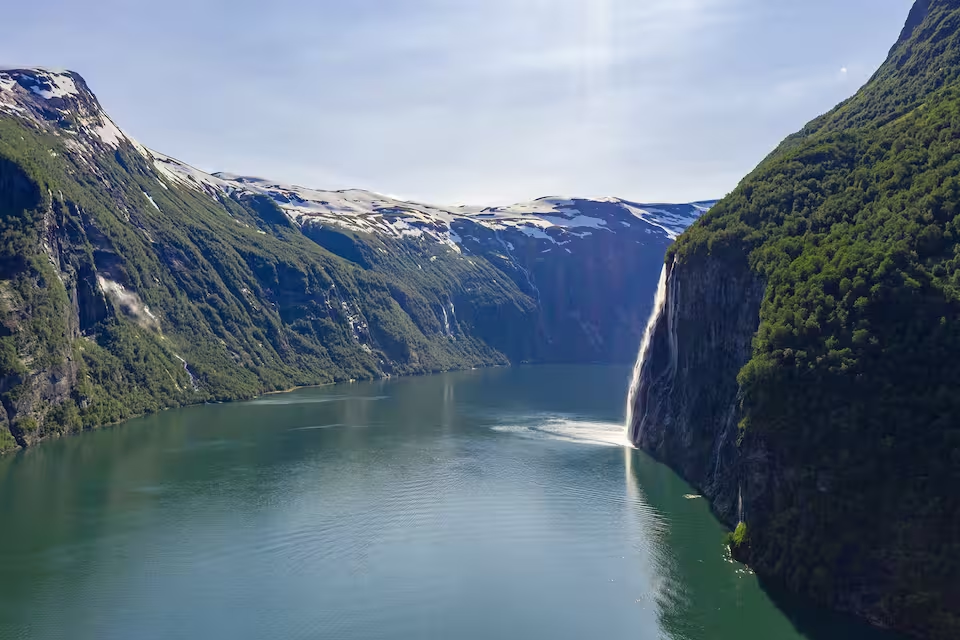
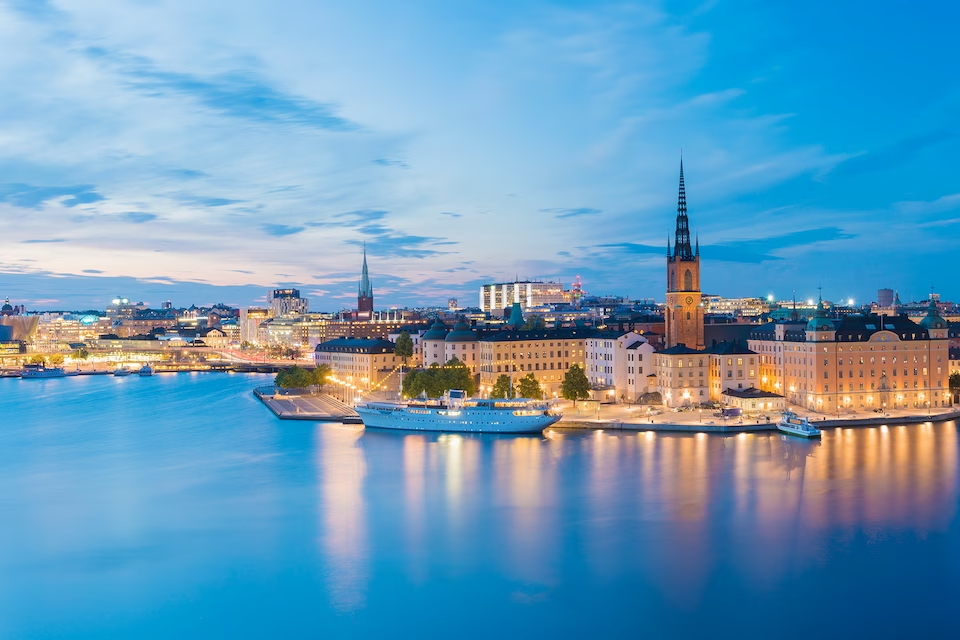
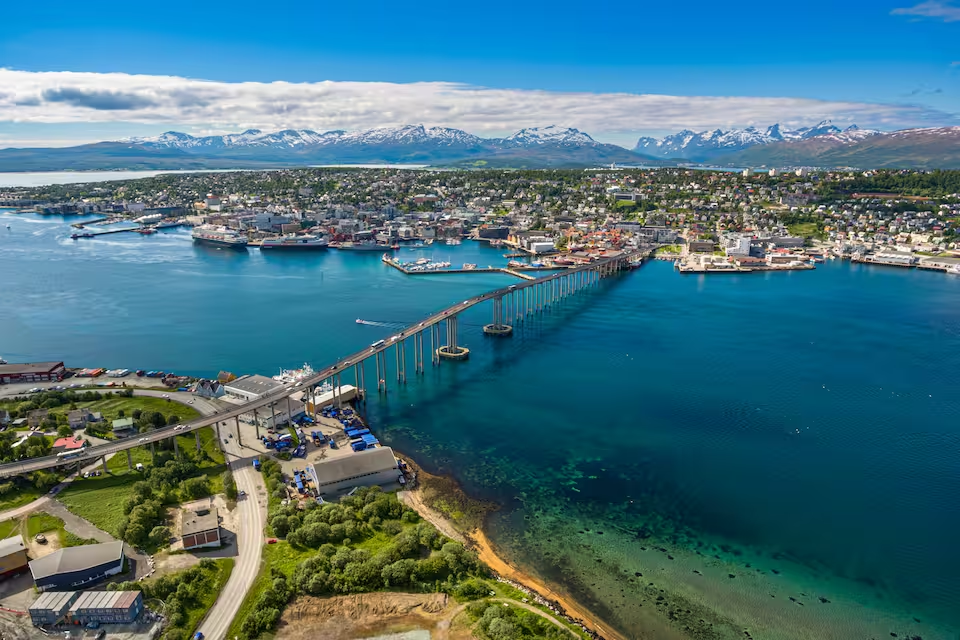
Northern Europe shifts the emphasis toward scenery, navigation and seasonality. The Stockholm and Turku archipelagos contain dense networks of islands and skerries, while Bergen is a gateway to Norwegian fjords. Atlantic and North Sea options, including Portugal, the English Channel and the Solent, suit travelers prepared for tides and more changeable weather. On the Black Sea, coastal centers include Varna.
Conditions on the water
Conditions vary too widely for one Europe-wide description. Many Adriatic, Ionian, Saronic and Balearic itineraries offer comparatively short passages and frequent stops. Even here, however, local winds matter: the Meltemi affects the Aegean mainly from May to September, the mistral can bring strong offshore conditions to southern France and the Gulf of Lion, and the Adriatic is influenced by the northeasterly bora and southeasterly jugo.
Atlantic, English Channel and North Sea cruising is more dependent on tidal windows, currents, swell and passing weather systems. Route timing therefore tends to be more structured than in lower-tidal Mediterranean areas. Baltic cruising has small astronomical tides but demands attention to intricate channels, rocks and changing water levels. In Norway, sheltered fjords may contrast sharply with exposed headlands and coastal approaches.
These differences affect both itinerary ambition and the level of experience required. A compact island circuit with numerous stopping options is a different undertaking from an exposed coastal passage. Travelers should assess the cruising area—not simply the distance between ports—when deciding whether to charter with a professional skipper or take responsibility for the boat themselves.
When to plan a yacht charter
The principal Mediterranean boating season runs from spring through autumn, with the greatest concentration of activity between June and September. May, June, September and early October can bring warm or mild conditions beyond the core midsummer period, although regional winds and autumn storms still need consideration. Popular island ports and marinas generally require more advance berth planning during the main summer season.
In Scandinavia, the Baltic, the English Channel and much of Atlantic Europe, recreational cruising is concentrated from late spring to early autumn, especially June through August. Long northern daylight can support extended cruising days in Sweden and neighboring waters. Winter is considerably more restrictive in the north because of short daylight, storms, cold and, in parts of the Baltic, sea ice. Since no single monthly pattern applies across Europe, timing should be chosen for the specific sea and route rather than the continent as a whole.
Ideas for European yacht itineraries
Several established route patterns show how differently a European charter can unfold. A Central Dalmatian circuit from Split or Trogir may link Brač, Hvar, Vis and Šolta, balancing island passages with historic towns. From the Athens area, a Saronic Gulf circuit can connect Aegina, Poros, Hydra and Spetses. Lefkada provides a starting point for a Central Ionian route through Meganisi, Kalamos and Kastos.
In the Balearics, travelers can remain around Mallorca and Cabrera or cruise between Ibiza and Formentera. Farther north, a Stockholm Archipelago itinerary might pass through Vaxholm, Grinda and Sandhamn. Bergen can anchor a longer coastal-and-fjord passage toward Sognefjord and Flåm. These are useful frameworks rather than fixed schedules; weather, boat speed, berth plans and the desired balance between sailing and time ashore should determine the final route.
Life aboard and time ashore
In the Mediterranean, days can be divided between sailing, swimming, anchoring and exploring waterfront settlements. Greece, Croatia and the Balearics have island groups that support frequent changes of setting without requiring every day to become a long passage. Natural areas such as the Kornati Islands, Cabrera and the Vis Archipelago add protected landscapes and geological interest to the cruising experience.
History is closely integrated with many routes. Venice developed across lagoon islands, Dubrovnik became an important Mediterranean sea power, and Bergen’s Bryggen preserves the structure of a Hanseatic trading quarter. Fortified harbors, trading ports, fishing settlements and waterfront warehouses make going ashore more than a break from sailing.
Food also changes with the coast. Central Dalmatian island culture is associated with olive oil, local wine, fish and seafood, while Sweden’s west coast has a strong shellfish tradition. Selected Mediterranean destinations add beach clubs or nightlife, but quieter anchorages and small harbors remain equally characteristic. Northern itineraries generally place greater emphasis on fjords, skerries, long summer evenings and nature-focused cruising.
Getting to the main departure areas
Europe’s principal charter regions are served by extensive air, rail, road and ferry networks. Mediterranean trips commonly begin near major airports: Athens and Alimos serve the Saronic Gulf, Lefkada and Corfu the Ionian, and Split, Trogir and Dubrovnik the Croatian coast. Palma de Mallorca, Barcelona, Antibes, Genoa, Naples, Olbia and Tivat are other established coastal departure points.
Relevant marinas include Alimos Marina, D-Marin Lefkas, ACI Marina Split, Porto Montenegro, Port Vauban in Antibes and Port Adriano in Mallorca. Northern itineraries may begin around Stockholm or Bergen, while Hamble and the Solent form an important base for English Channel cruising. Some islands require an onward domestic flight or ferry, so the transfer between the arrival airport and embarkation port should be checked before confirming travel.
Planning the right charter
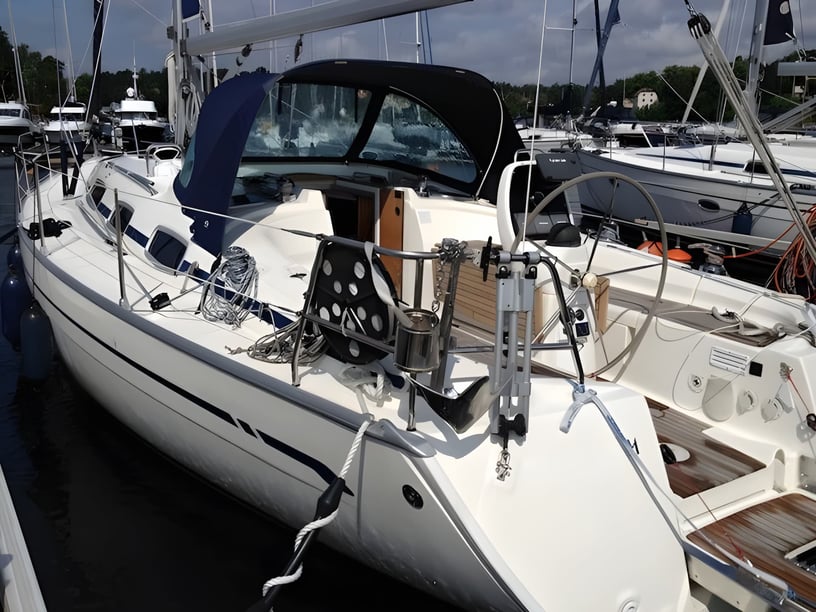
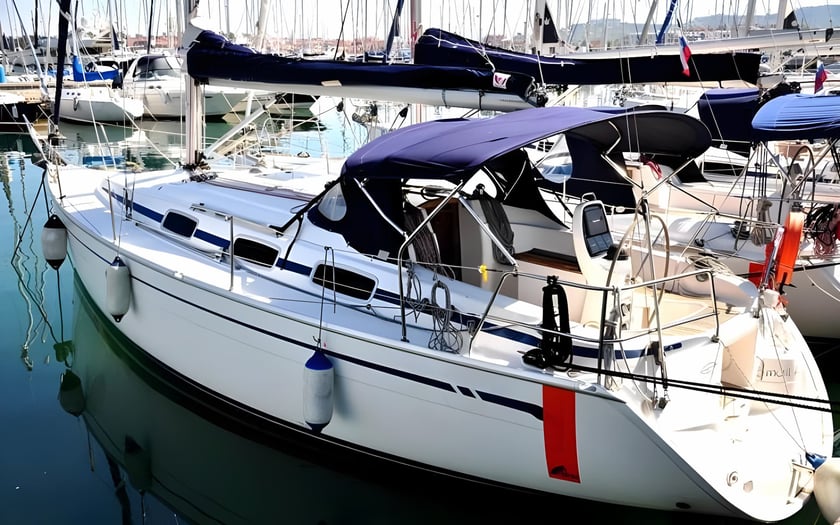
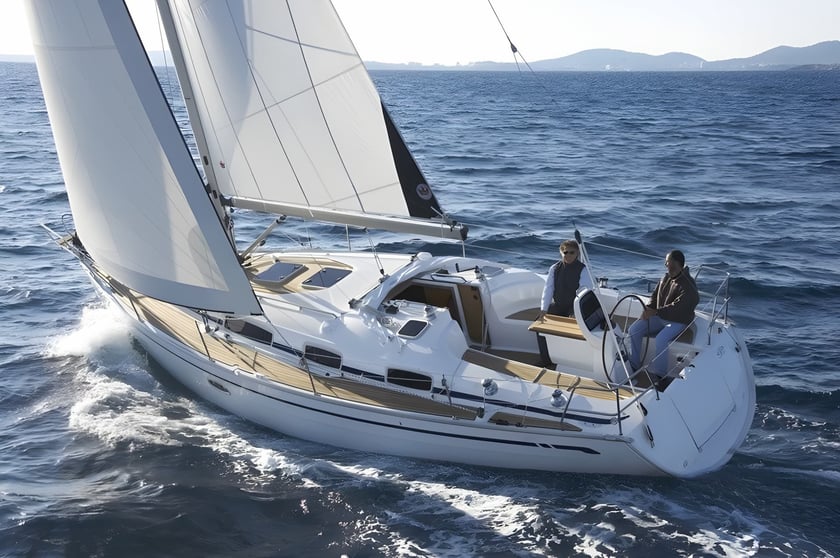
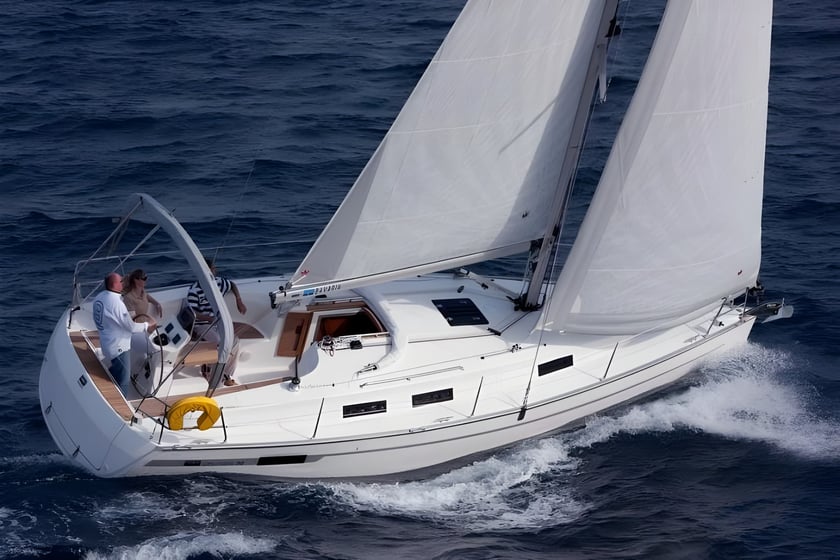
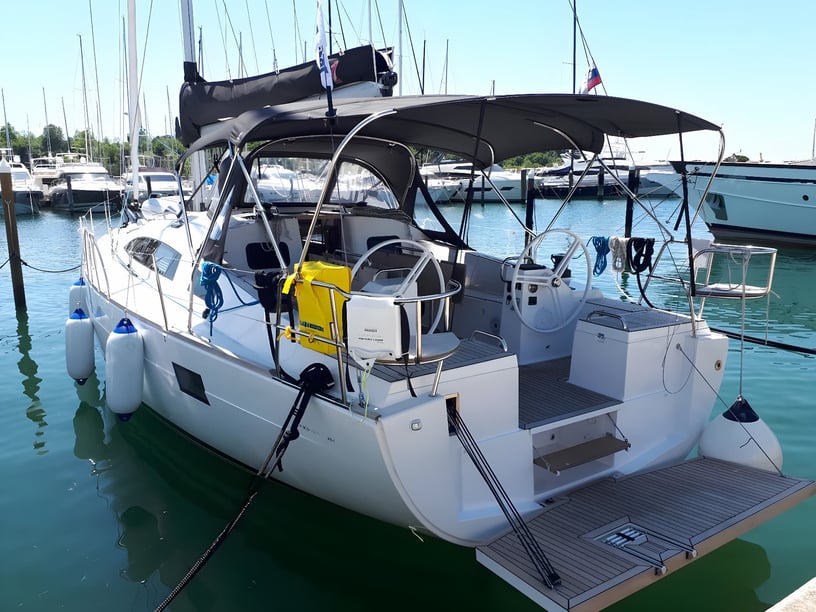
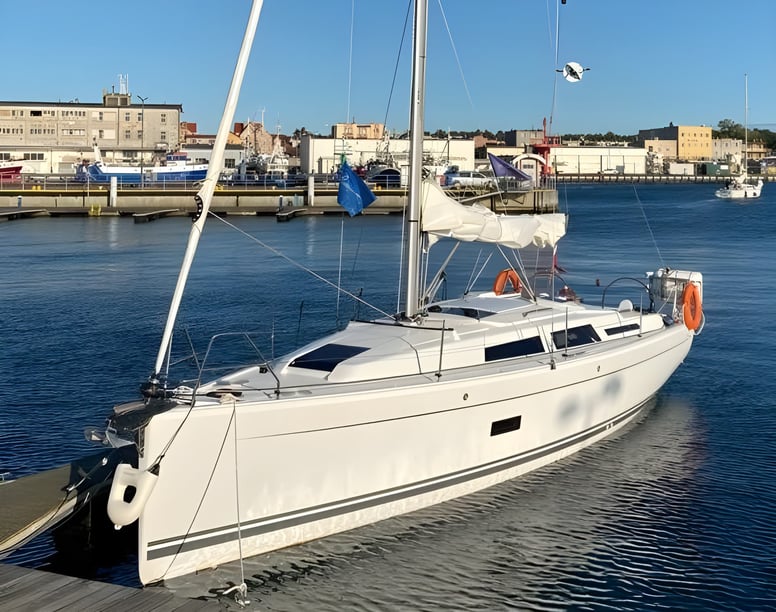
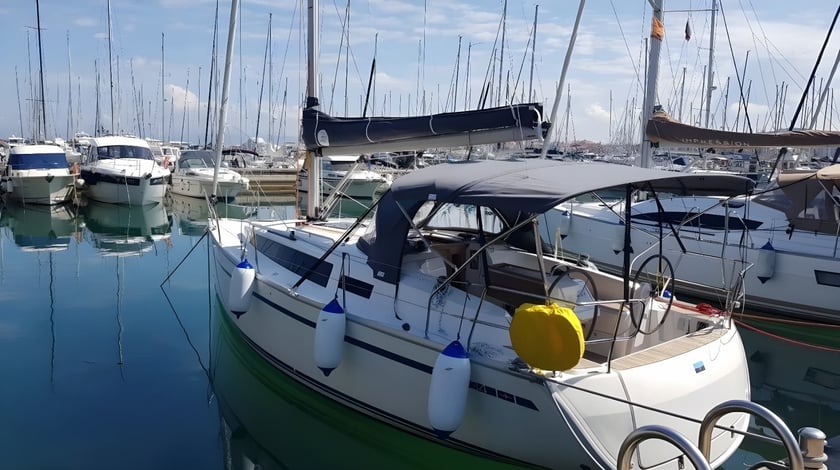
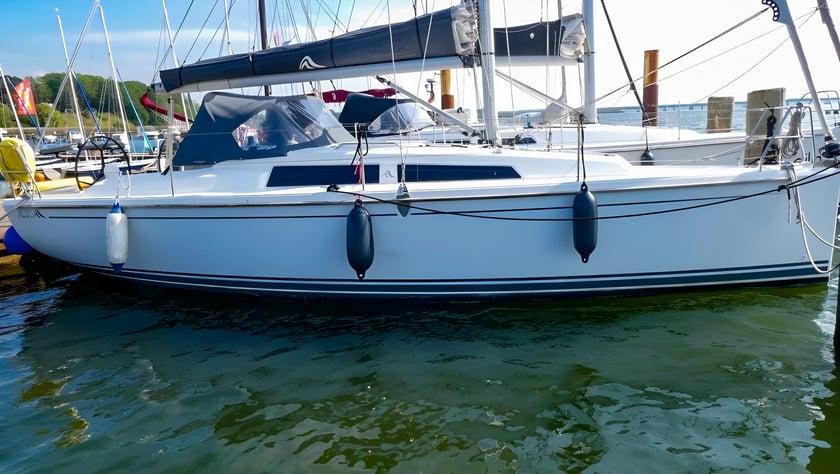
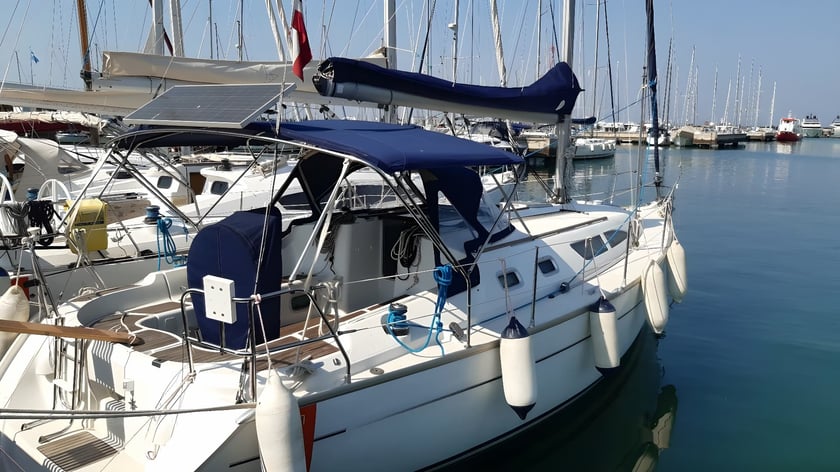
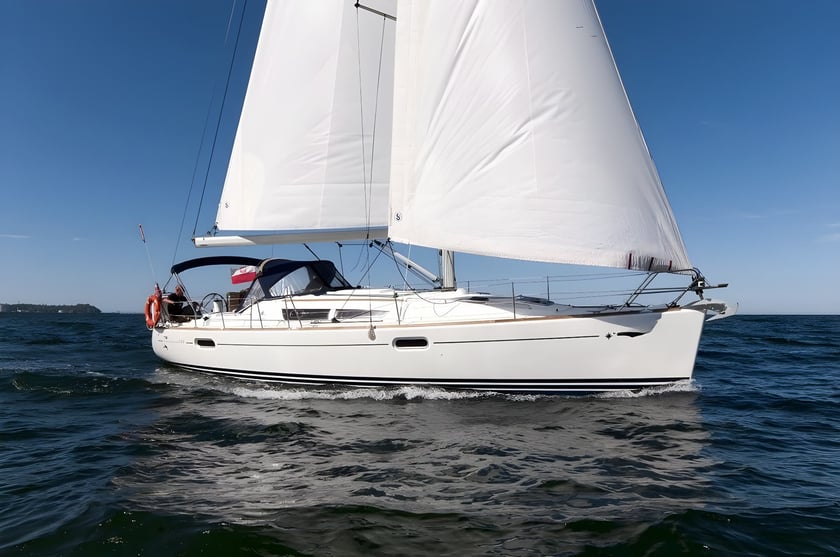
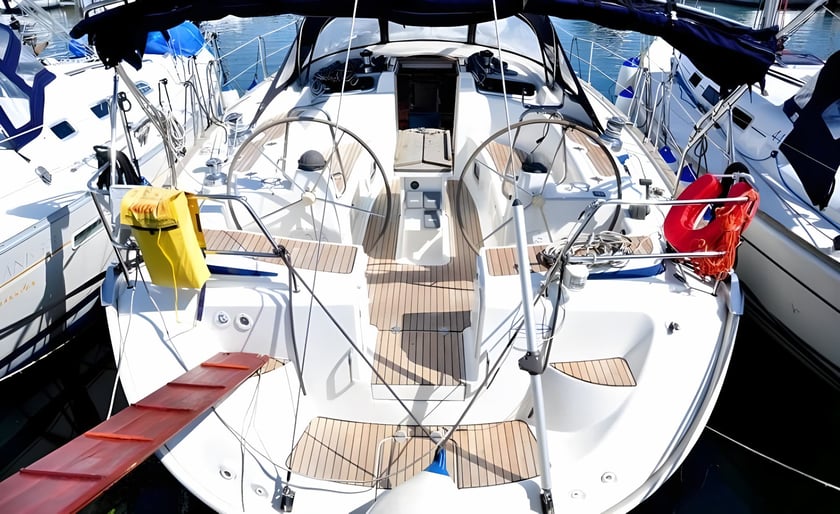
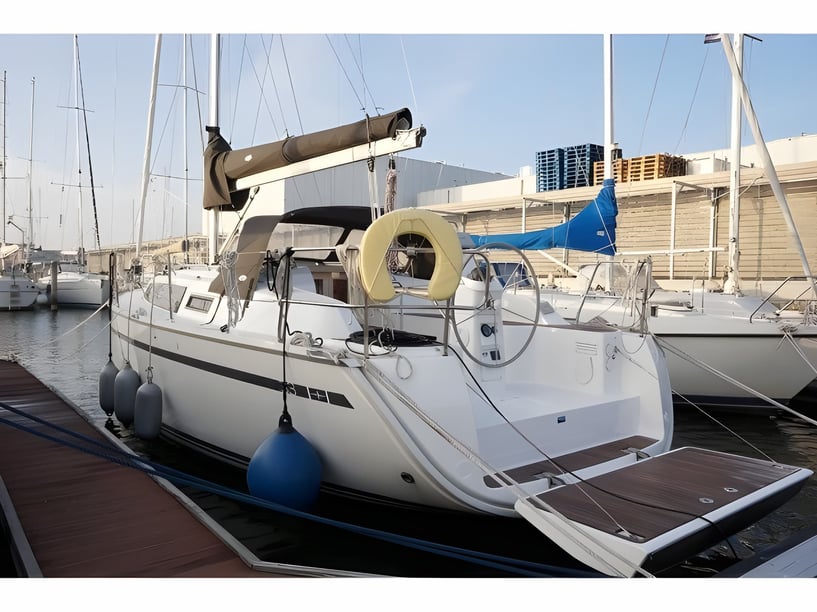
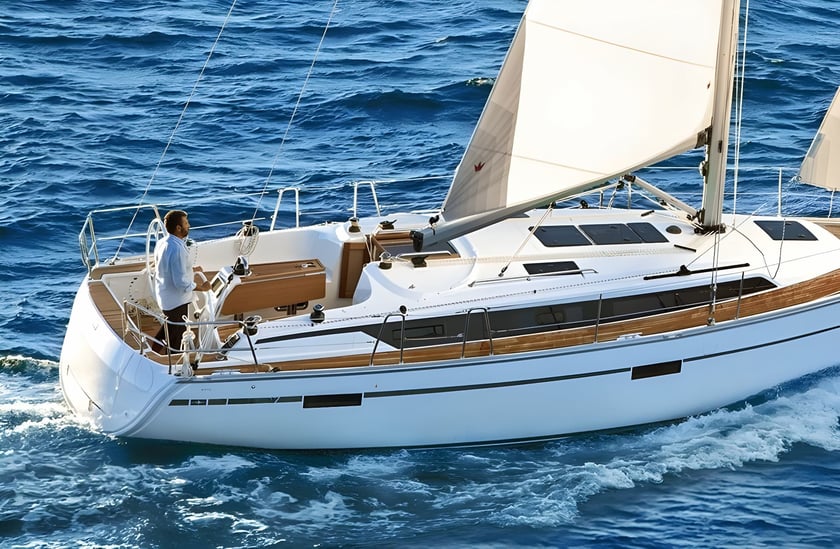
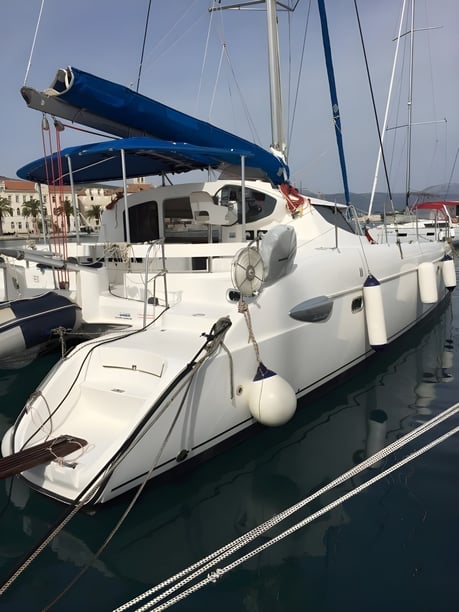
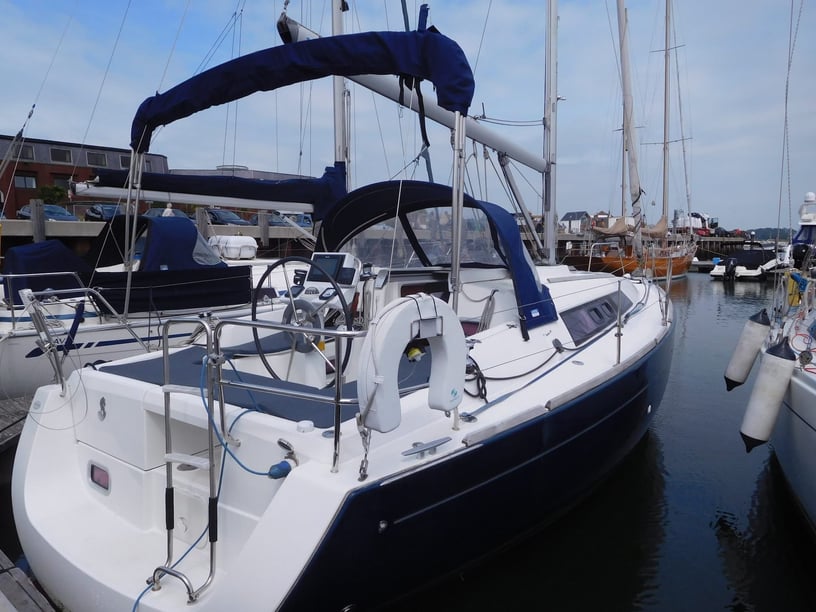
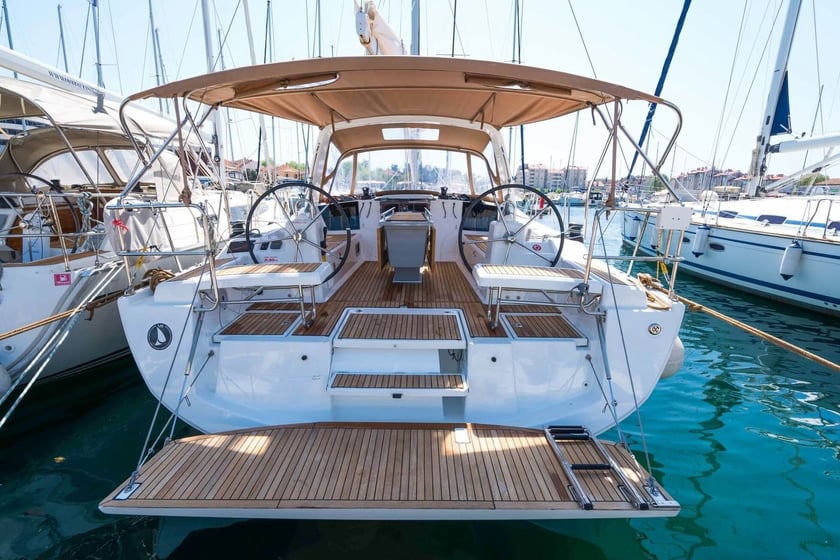
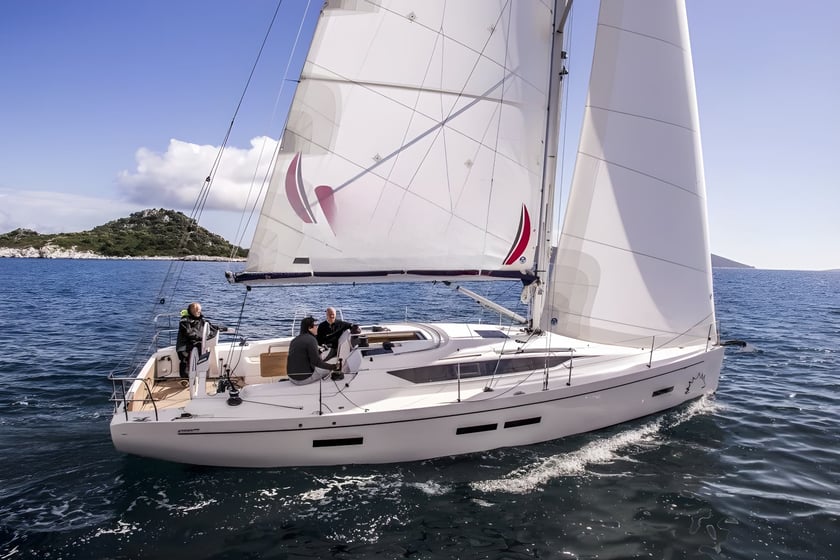
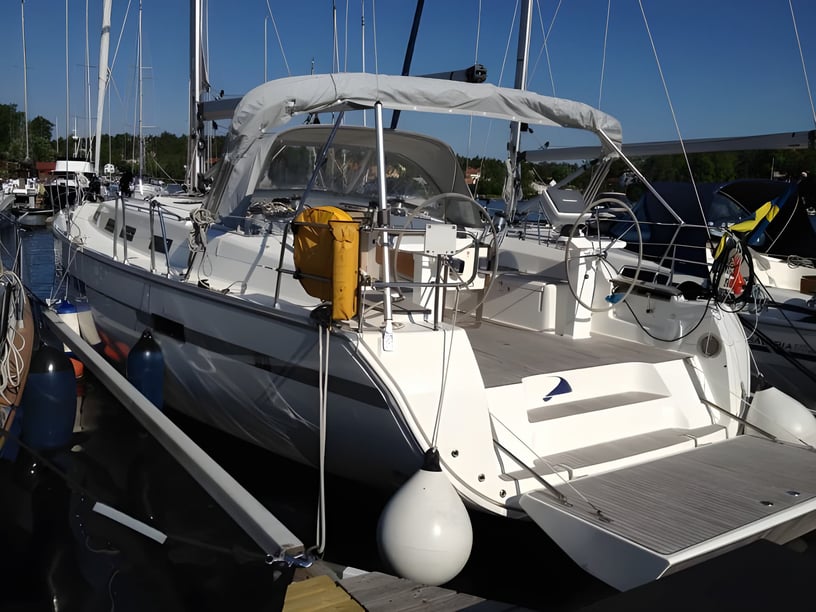
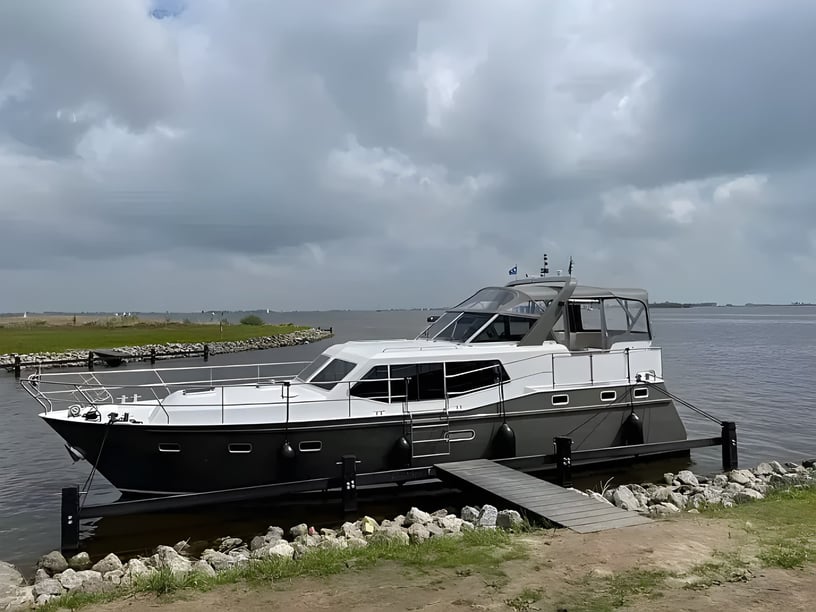
Begin with the cruising area, expected conditions and desired pace. Travelers prioritizing sailing and responsive handling can explore a sailboat charter in Europe, while those valuing space at anchor may wish to compare catamaran charter options. A motor yacht charter in Europe may suit a different balance of passage speed and onboard living. Boat choice should still be matched to local berth dimensions, operating range, route exposure and the experience of the person in command.
For a self-skippered yacht charter or boat rental in Europe, qualification requirements need particular attention. Skipper certificates, radio credentials, vessel documents and charter rules vary by country, boat flag and cruising area. The International Certificate for Operators of Pleasure Craft is widely recognizable, but acceptance and any additional requirements must be confirmed for the relevant jurisdiction.
Environmental and border rules also affect planning. Anchoring restrictions may protect seagrass, reefs and marine parks, while crossings between customs or immigration areas can require clearance at designated ports, particularly when a route involves non-Schengen or non-EU jurisdictions. Current marine forecasts, official charts and local notices remain essential, whether the main concern is a Mediterranean regional wind, an Atlantic tidal gate or limited shelter along an exposed coast.







Verified
Eduard M.27 Aug 2026
It was good thank you
Listing owner: ChrisPoole / United Kingdom