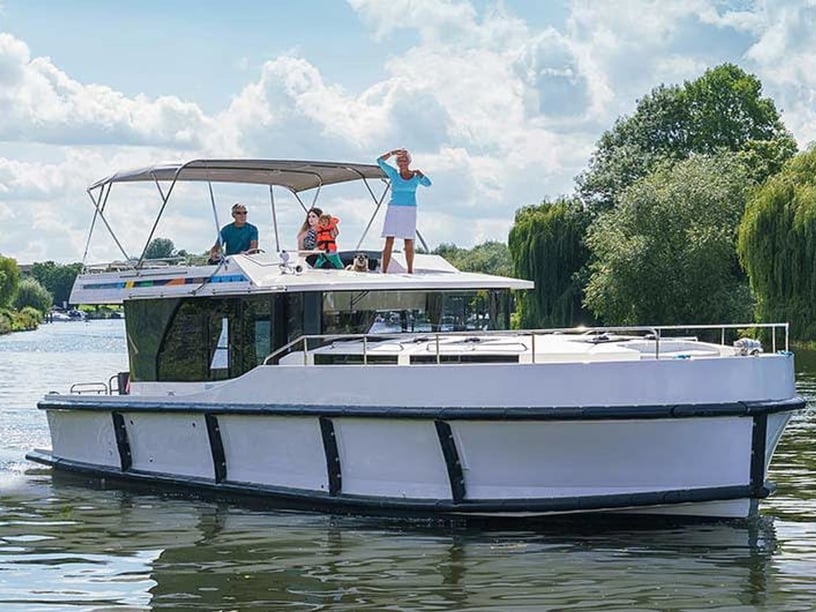
Yacht charter in Ireland
Ireland offers sharply contrasting cruising grounds within one destination. The Irish Sea coast has comparatively straightforward passages and a stronger network of marinas, while Cork Harbour and parts of the south provide more sheltered sailing. Farther west, deep bays, peninsulas and offshore islands create intricate cruising areas, but Atlantic exposure makes itinerary planning more demanding.
A yacht charter in Ireland can combine time under way with historic ports, island communities and quiet anchorages. Short trips might remain around Dublin Bay or Cork Harbour, whereas longer itineraries can explore West Cork, Galway Bay, the Aran Islands or Clew Bay. The western seaboard is particularly distinctive, with Irish-speaking communities, remote early Christian sites and a coast shaped by natural harbours and long Atlantic passages. No single area represents the entire country, so choosing the right coast is the first important charter decision.
Ireland’s principal cruising areas
Dublin Bay is a practical choice for shorter coastal cruising. Dún Laoghaire and Howth provide established harbours, with possible day sails and coastal passages toward Malahide, Skerries and Greystones. This coast is generally lower and less exposed than western Ireland, making it a useful starting point for travelers who prefer marina-linked itineraries and manageable distances.
On the south coast, Cork Harbour combines sheltered water with maritime history. Crosshaven and Cobh are natural departure points for exploring around Spike Island and Haulbowline before continuing toward Kinsale or Courtmacsherry Bay. Kinsale adds a strong shore-side element through its seafood, historic harbor and the defenses of Charles Fort and James Fort.
West Cork has a more intricate island-hopping character. Baltimore and Schull open onto Roaringwater Bay and islands including Cape Clear and Sherkin, while Bantry Bay provides access to Bere and Whiddy. Natural harbours and secluded anchorages make this region well suited to an unhurried trip with frequent stops.
The Atlantic west offers larger-scale scenery and greater exposure. Galway Bay leads toward the three Aran Islands; Dingle provides a base for the Blasket Islands; and Clew Bay is notable for its many islands and anchorages. These areas reward flexible schedules and crews prepared for changing Atlantic conditions.
What sailing in Ireland is like
Prevailing winds generally come from between south and west. They tend to be lighter in summer and strongest in winter, but Atlantic weather remains changeable throughout the year. Western and northwestern waters are usually wetter, windier and more exposed than the east and south.
The practical experience therefore varies considerably by region. Dublin Bay supports shorter coastal passages, while Cork Harbour offers protected water and established ports. West Cork mixes shelter inside bays with exposed stretches around headlands and islands. Routes to the Aran, Blasket and more northerly Atlantic islands can involve longer passages, ocean swell and narrower weather windows.
Tidal streams, harbor-entry conditions and rapidly changing forecasts matter across the country. Travelers should choose an itinerary that matches the crew’s experience and leave room to use alternative harbors when conditions change. Those interested primarily in wind-powered trips can also explore sailboat charter in Ireland.
The best time for an Ireland yacht charter
The principal recreational cruising season runs from late spring to early autumn. May, June, July and August are particularly suitable months. May is often relatively sunny and dry, while June through August bring the longest days, mildest average temperatures and generally lighter winds. Longer daylight is valuable when routes include offshore islands or several coastal stops.
September can remain suitable when favorable weather windows develop, although schedules should retain flexibility, especially on the Atlantic coast. March, April and October sit outside the main season and are more dependent on conditions. From late autumn through early spring, stronger winds, shorter days and higher rainfall significantly reduce normal recreational activity.
Even in midsummer, timing is not uniform across Ireland. Sheltered southern waters may offer more itinerary options during mixed conditions, while exposed western routes can require waiting for an appropriate forecast.
Route ideas for an Irish yacht charter
Around Dublin Bay, a short itinerary can connect Howth and Dún Laoghaire with nearby east-coast harbors such as Greystones, Malahide or Skerries. The relatively compact distances make this area suitable for day sailing or a brief marina-based trip.
A southern route can begin at Crosshaven or Cobh, explore Cork Harbour and then continue to Kinsale and the Courtmacsherry area. Farther west, Baltimore or Schull can anchor an island-focused itinerary around Roaringwater Bay, Cape Clear and Sherkin.
Galway Bay provides a natural approach to Kilronan on Inis Mór and onward cruising among the Aran Islands. From Dingle, a route toward the Blasket archipelago moves quickly from a protected harbor into exposed Atlantic water. Clew Bay offers a different western experience, with shorter movements among numerous islands and anchorages. These are best treated as flexible route frameworks rather than fixed schedules.
Coastal culture, wildlife and time ashore
An Irish yacht charter is as much about the coastal communities as the passages between them. Irish remains a living language on several western islands and coastal districts, particularly around the Aran and Blasket islands. Traditional craft such as currachs and Galway Hookers also reflect the country’s continuing maritime culture.
History appears directly along many cruising routes. Dún Aonghasa stands on Inis Mór, while Sceilg Mhichíl preserves an early Christian monastery on a remote Atlantic rock. Cork Harbour contains the naval defenses and emigration history of Spike Island and Cobh, and Kinsale’s two forts guard opposite sides of its harbor. Offshore access can be seasonal, controlled or weather-dependent, so landings should not be assumed.
Ireland’s waters also provide opportunities to encounter seals, dolphins, porpoises, whales and major seabird colonies. Ashore, seafood, chowder and locally landed fish are characteristic choices in ports including Howth, Kinsale, Dingle and Galway. The resulting rhythm can alternate between open-water passages, quiet anchorages, harbor walks and meals in working coastal towns.
Reaching Ireland’s charter areas
Dublin, Cork and Shannon are the principal international air gateways. Ireland West, Kerry and Donegal airports can be useful for western and regional itineraries, while passenger ferries reach Dublin, Rosslare and Cork from Great Britain and continental Europe.
On the east coast, trips may begin from Dún Laoghaire or Howth. Crosshaven and Cobh serve Cork Harbour, with Kinsale providing another established southern departure point. Baltimore and Schull lead into West Cork, while Dingle, Fenit, Kilrush and Galway support itineraries along the west and southwest.
Rail and national bus services connect the main coastal cities, but remote harbors, marinas and island piers often require an onward road journey. When arranging a boat rental in Ireland, it is therefore worth considering ground transport and provisioning alongside the cruising route.
Planning the right charter
Begin by matching the cruising area to the trip length and the crew’s experience. Dublin Bay and Cork Harbour lend themselves to shorter routes with established ports, while West Cork suits island-hopping and frequent anchorage stops. Atlantic itineraries around Galway Bay, Dingle or more remote western islands require greater schedule flexibility and careful attention to passage conditions.
Consult current Met Éireann marine forecasts, wave information, tidal predictions, charts and official marine notices before departure. Allow contingency days rather than building a route around a fixed sequence of offshore landings. Tidal streams, harbor-access constraints and changing weather may make an alternative port the better choice.
Facilities vary considerably between marinas and smaller harbors, so advance contact is advisable where berthing capacity is limited. Navigation information, communications and safety equipment should be current, and the crew should be briefed before sailing. It is also sensible to separate must-see stops from optional ones: a sheltered harbor or mainland visit can preserve the quality of the trip when an exposed island passage is unsuitable.