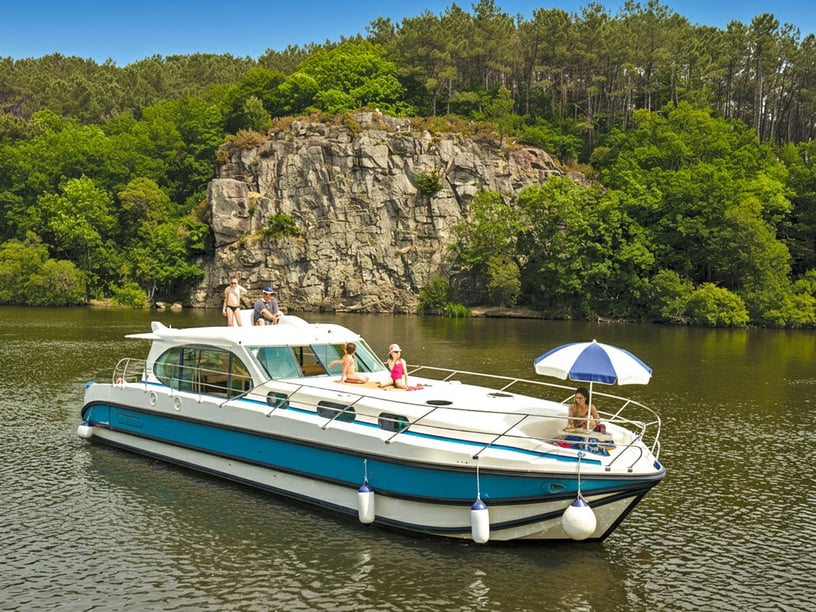
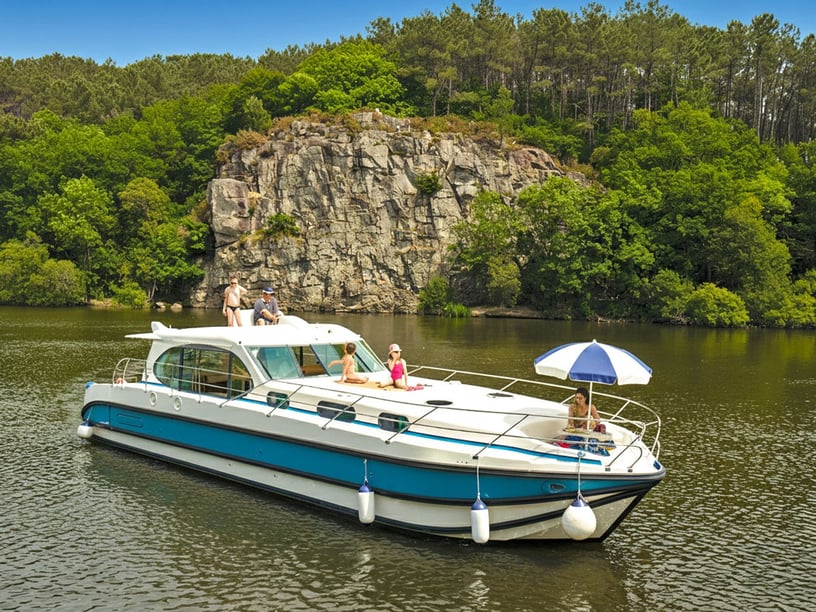
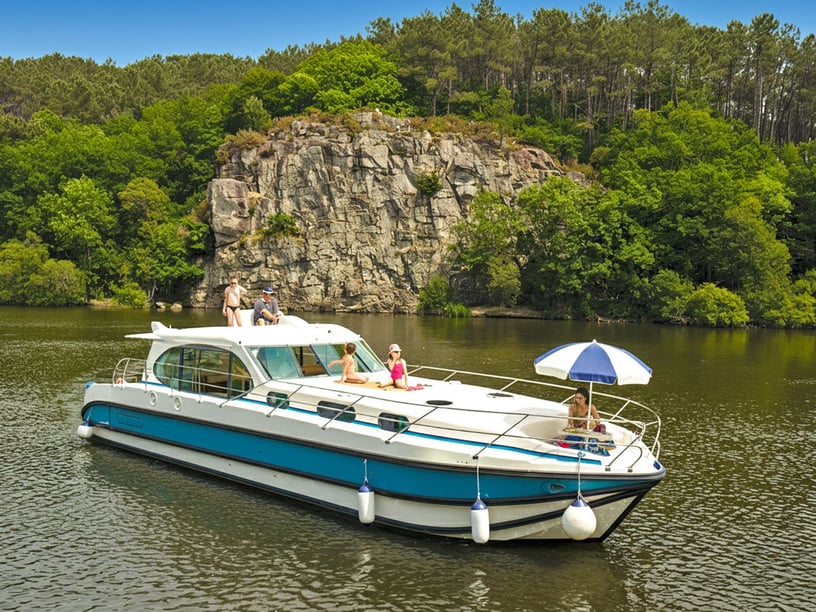
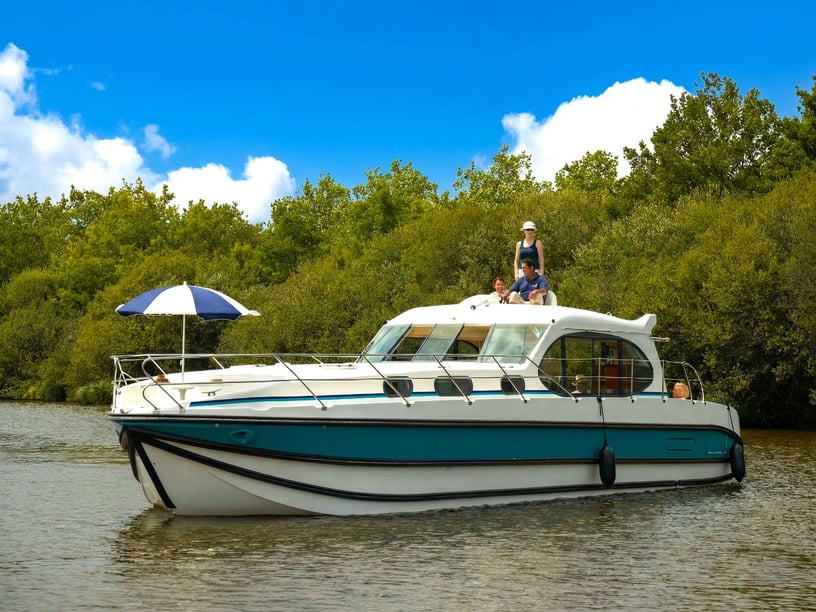
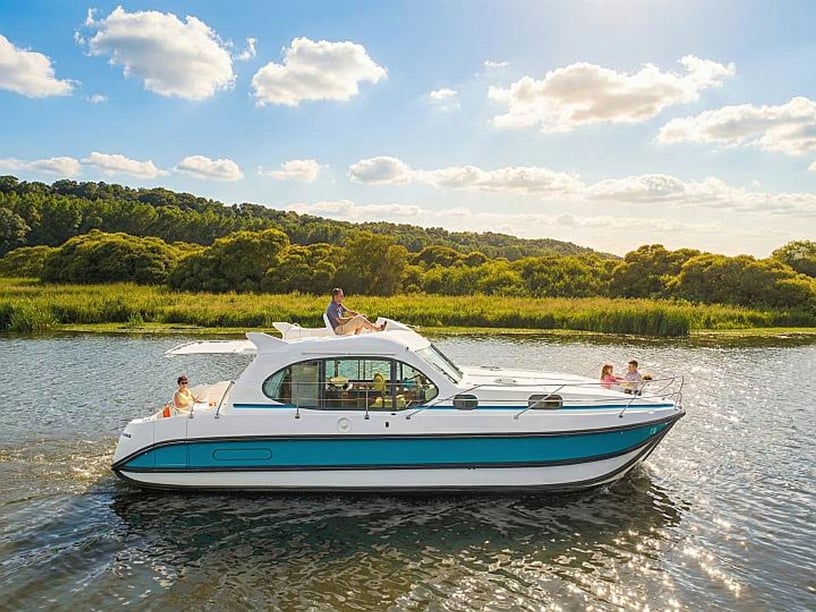
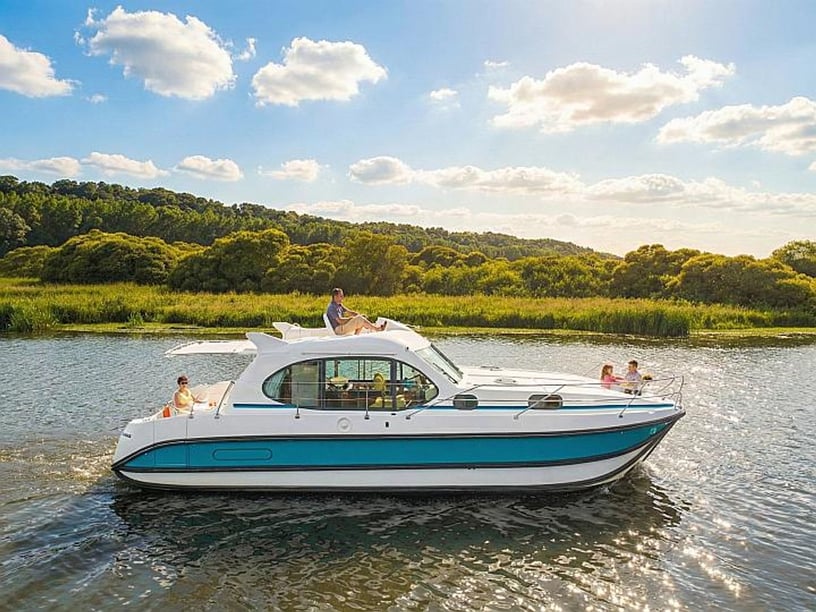
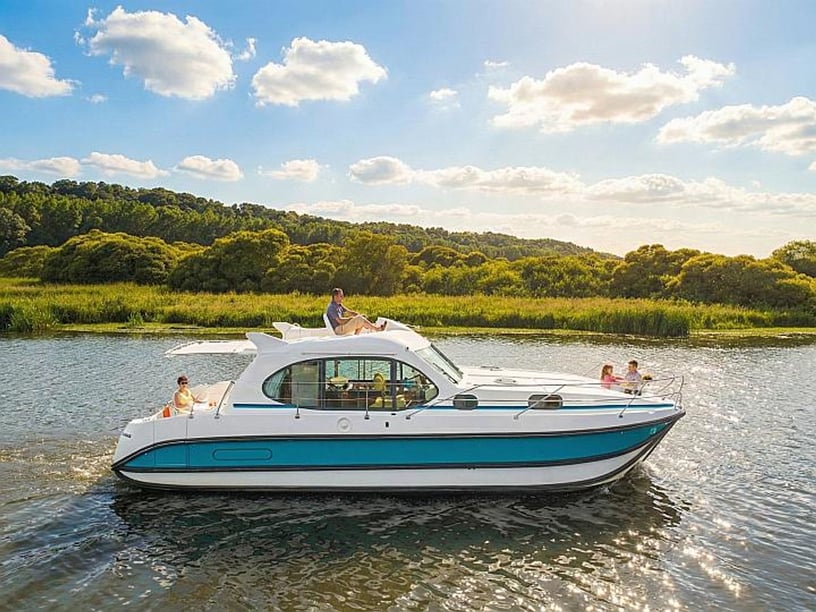
Yacht charter in Hungary
A yacht charter in Hungary is an inland experience shaped by freshwater lakes and major rivers rather than a sea coast. Lake Balaton is the country’s principal sailing center, with numerous ports, short crossings and enough variety for trips between historic towns, beaches and the vineyard landscapes of the northern shore. Elsewhere, Lake Tisza offers slower exploration through basins and reed channels, while the Danube combines river cruising with Budapest’s architecture and the historic settlements of the Danube Bend.
These areas suit different interpretations of a boating holiday. Balaton is the natural choice for sailing and port-to-port cruising; Lake Tisza favors small craft, holiday boats and nature-oriented journeys; and the Danube requires a river-focused approach that accounts for current and commercial traffic. Smaller waters such as Lake Velence and Lake Fertő add further sailing possibilities, although their scale and exposure differ from Balaton. For travelers accustomed to coastal yacht charter, Hungary offers a distinct rhythm based on shorter passages, time ashore and close contact with lakeside or riverside culture.
Hungary’s main charter areas
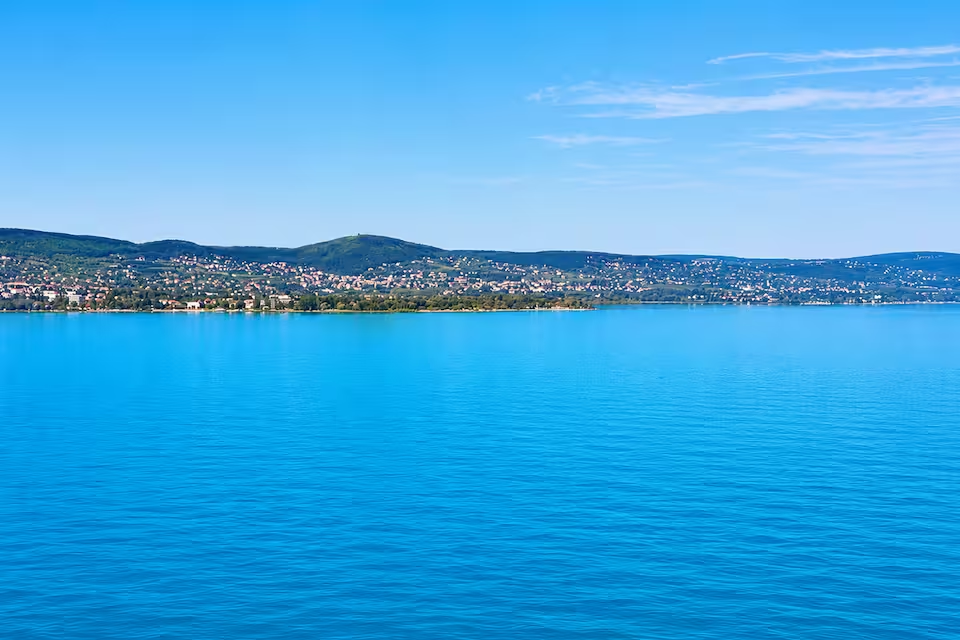
Lake Balaton has the country’s most developed sailing culture and marina network. Balatonfüred is a major sailing center, while Siófok and Balatonföldvár provide useful bases on the gently shelving southern shore. Tihany occupies a distinctive position beside the narrow strait dividing the lake’s eastern and western basins. Farther west, Badacsony and Keszthely place northern-shore vineyards, volcanic hills and historic attractions within easy reach of the water. The number of ports around the lake supports flexible trips built from manageable passages rather than long open-water legs.
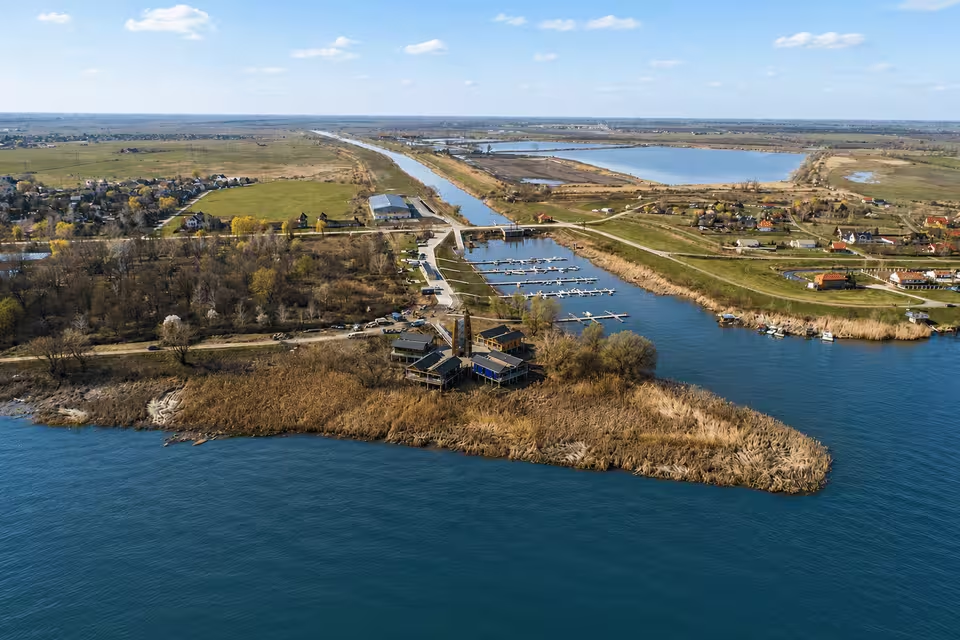
Lake Tisza feels markedly different. Its open basins, backwaters, islands and reed-lined channels favor unhurried cruising and wildlife-focused outings. Kisköre and Tiszafüred are important starting points, with marked routes helping boaters move between navigable areas and protected zones. Travelers considering this quieter style of trip can explore the local charter context around Kisköre.
The Danube is the strongest choice for architecture and history. Budapest’s monumental riverfront can form the beginning of a journey toward Szentendre, Visegrád and Esztergom through the Danube Bend. Lake Fertő and Lake Velence offer smaller-scale alternatives, but both have their own operating rules and wind characteristics; Lake Fertő is notably exposed.
What sailing and cruising are like
Lake Balaton supports line-of-sight sailing, short lake crossings and full-lake circuits. Its shallow water does not mean conditions are always gentle: winds can change quickly, and lulls may give way to rain, thunderstorms or stormy conditions. The Tihany Strait and the transition between the lake’s basins add variety to longer passages. Crews should follow the official storm-warning system rather than judging conditions only from the shelter of a harbor.
Lake Tisza is more enclosed, but its navigational character is intricate. Reed beds, channels, open basins and marked boating areas call for careful route selection and respect for nature reserves. The Danube presents a different set of considerations, including current, changing water levels, visibility and interaction with passenger and commercial vessels. Lake Fertő is particularly wind-exposed, while Lake Velence provides a smaller setting for sailing and board sports. These differences make the choice of waterway just as important as the choice of boat.
The best time to charter
Hungary’s main recreational boating season runs from April through October. June, July and August bring the highest activity and the warmest swimming conditions, making summer suitable for travelers who want to combine sailing with beaches and time in the water. These months are also part of the country’s rainier period, and thunderstorms remain an important planning consideration.
September is also identified as one of the most suitable months. It commonly retains workable sailing conditions while activity is lower than during the central summer peak. May can offer suitable shoulder-season sailing, although it is not among the specifically identified best months. By October, boating remains possible but cooler water and less settled weather become more influential. Late autumn and winter are generally limited by cold, fog and reduced seasonal services. This pattern is weighted toward Balaton and the principal leisure lakes; conditions and operating considerations on navigable rivers follow a different rhythm.
Route ideas across lakes and rivers
On Lake Balaton, the Blue Ribbon course links Balatonfüred, Balatonkenese, Siófok and Keszthely before returning to Balatonfüred. It demonstrates the scale of the lake and the possibilities for connecting its eastern and western basins, but it is an established racing circuit rather than a ready-made beginner itinerary. A leisure charter can instead use selected sections, matching passage length to weather, crew experience and marina services.
The Danube Bend route from Budapest through Szentendre and Visegrád to Esztergom combines urban and historic stops with a more confined river landscape. It requires planning around current, water levels and navigation notices rather than the wind-led decisions typical of lake sailing.
From Kisköre, Lake Tisza trips follow marked channels through open basins and permitted upper-Tisza reaches, with stops at ports, beaches and nature sites. This is better suited to slow exploration than to covering distance.
Experiences on and beside the water
A Hungarian yacht holiday often balances relatively short periods under way with swimming, lakeside stops and cultural visits. On Balaton, the shallow southern shore is associated with family beaches, while the northern side brings vineyards, hillier scenery and historic settlements into the itinerary. Tihany Benedictine Abbey, founded in 1055, is one of the lake’s defining cultural landmarks, and Keszthely provides access to Festetics Palace. The northern Balaton wine districts add a strong gastronomic and viticultural dimension to time ashore.
The Danube offers a different perspective: cruising through Budapest places the city’s UNESCO-listed historic banks and Buda Castle Quarter at the center of the journey. Continuing north connects this urban setting with the citadel at Visegrád and Esztergom Basilica.
Lake Tisza is the clearest choice for nature-focused boating. Its reed channels, backwaters and small islands support wildlife watching and slow small-craft exploration. The Lake Tisza Eco-Centre can complement time on the water with an introduction to the reservoir’s aquatic environment.
Getting there and choosing a departure point
Budapest Ferenc Liszt International Airport is the principal international gateway, with road and rail connections toward Lake Balaton and eastern Hungary. Hévíz–Balaton Airport is closer to the western Balaton area, while Debrecen International Airport can be useful for reaching eastern Hungary and Lake Tisza. Smaller ports may still require a car, transfer or a combination of local transport services.
Common Balaton departure points include Balatonfüred, Siófok, Balatonföldvár and Badacsony. BAHART operates marinas in each of these settlements, although services are substantially seasonal. Kisköre and Tiszafüred are the principal starting areas for Lake Tisza cruising, while Budapest is the logical base for a Danube journey toward the Danube Bend. The best base therefore depends less on national geography than on whether the trip is intended for sailing, nature-focused slow cruising or river sightseeing.
Planning the right charter
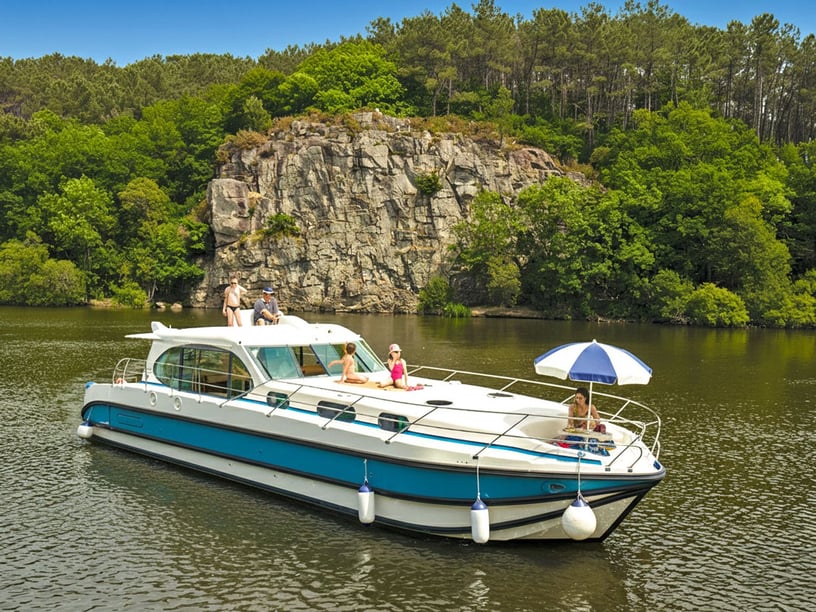
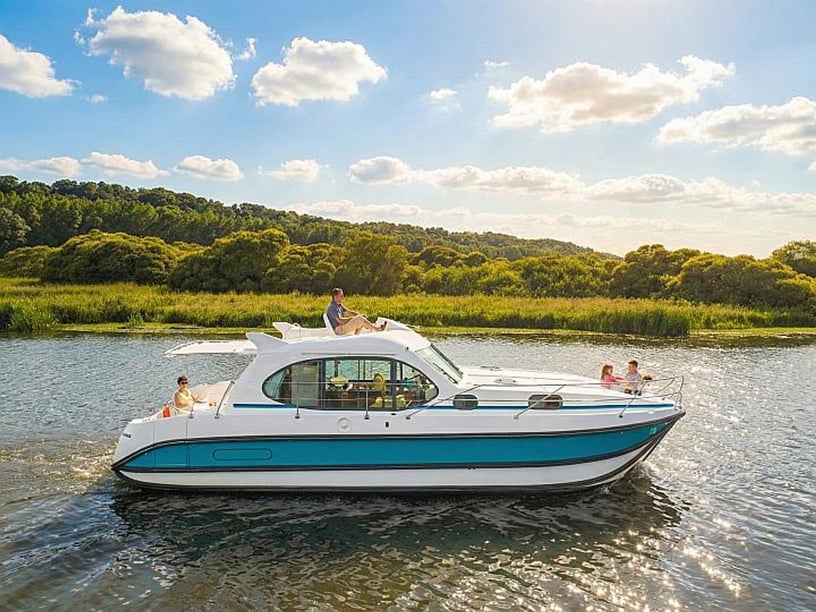
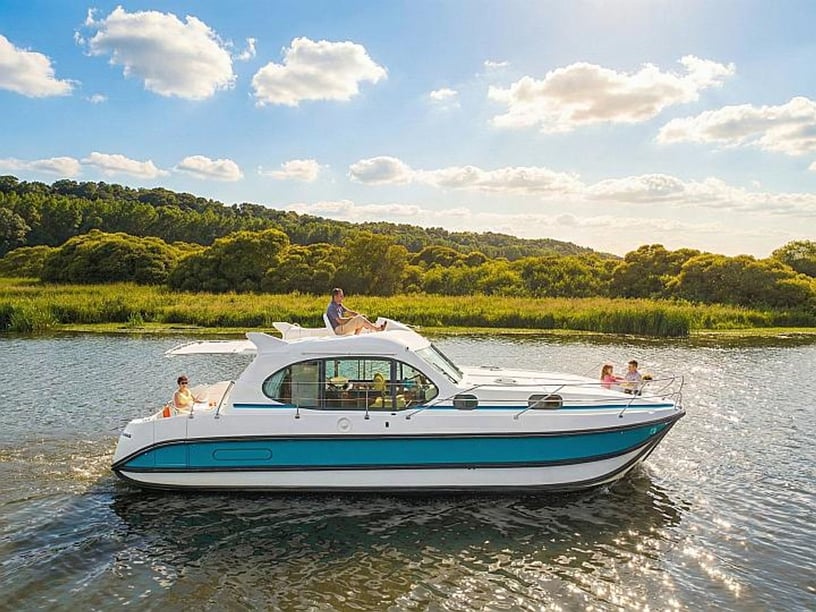
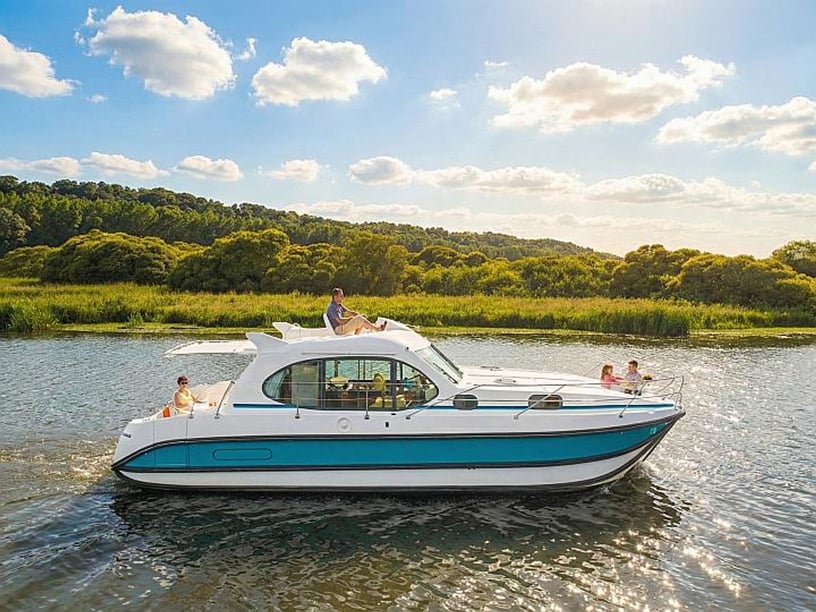
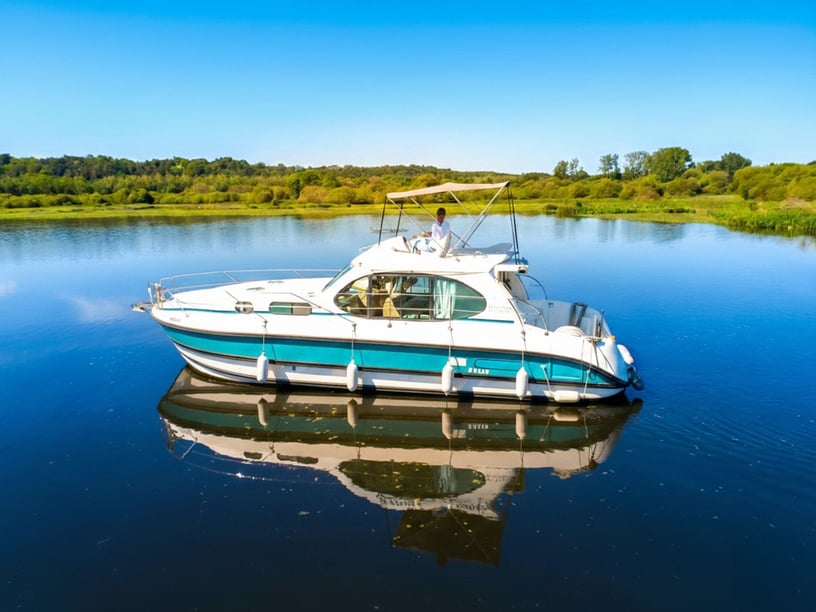
Boat rental in Hungary is not a single, uniform type of holiday. Sailboats are the most natural match for Lake Balaton’s established sailing culture, and travelers focused on this experience can compare the wider context of sailboat charter in Hungary. Lake Tisza favors smaller craft and holiday boats suited to marked channels and slow cruising. A Danube trip calls for a vessel and crew prepared for river current, variable water levels and commercial traffic.
Propulsion rules should be checked before choosing a boat. Internal-combustion-powered small craft are generally prohibited on Lake Balaton, Lake Velence and Lake Fertő, subject to statutory exemptions, reinforcing the importance of sailing and permitted electric propulsion. Qualification, registration and safety-equipment requirements vary according to vessel size, class, sail area and engine type; prospective self-drive charterers should confirm the rules for the exact vessel.
On Balaton, Lake Velence and Lake Tisza, crews should monitor official forecasts and storm-warning signals throughout the trip. Lake Tisza also requires use of designated navigation information and respect for reed zones, bird reserves and other protected areas. Finally, check marina opening dates and available services, particularly outside summer, because shore facilities and passenger-boat operations are seasonal.