Yacht charter in Greece
A yacht charter in Greece can take many forms, from short passages through sheltered gulfs to open-water sailing between widely separated Aegean islands. The country has approximately 6,000 islands and islets, 227 of them inhabited, as well as an intricate mainland coast. This geography creates numerous possible combinations of anchorages, waterfront towns and historical sites.
The principal cruising grounds have markedly different characters. The Ionian is greener and generally gentler; the Cyclades are drier, windier and more exposed; the Saronic Gulf offers accessible island-hopping near Athens; and the Sporades combine pine-covered islands with protected marine landscapes. Exploring by yacht makes it possible to alternate between swimming and cruising during the day, then go ashore at a fishing harbour, town quay or taverna-lined waterfront.
Choosing a Greek cruising area
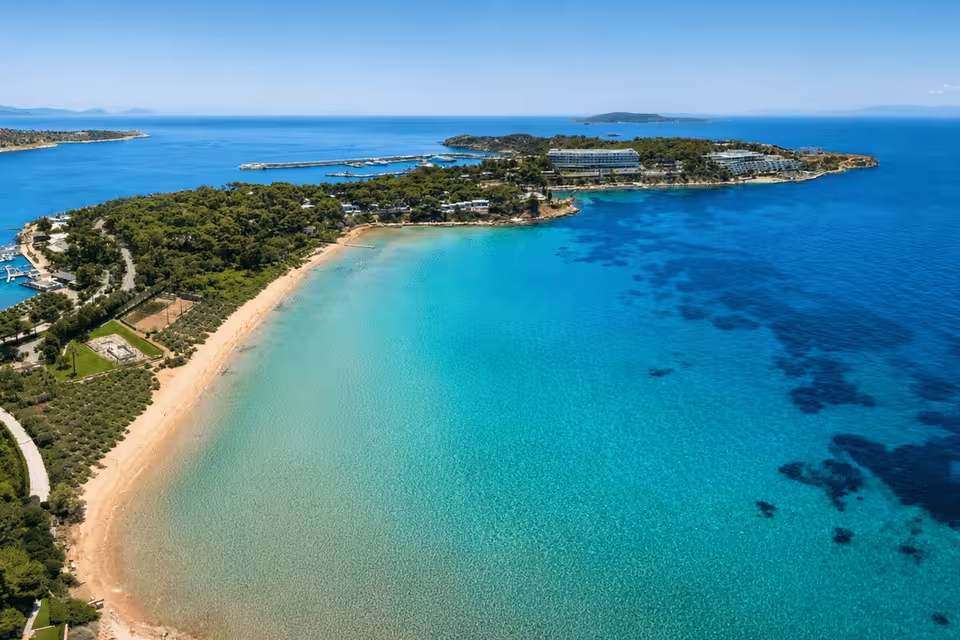
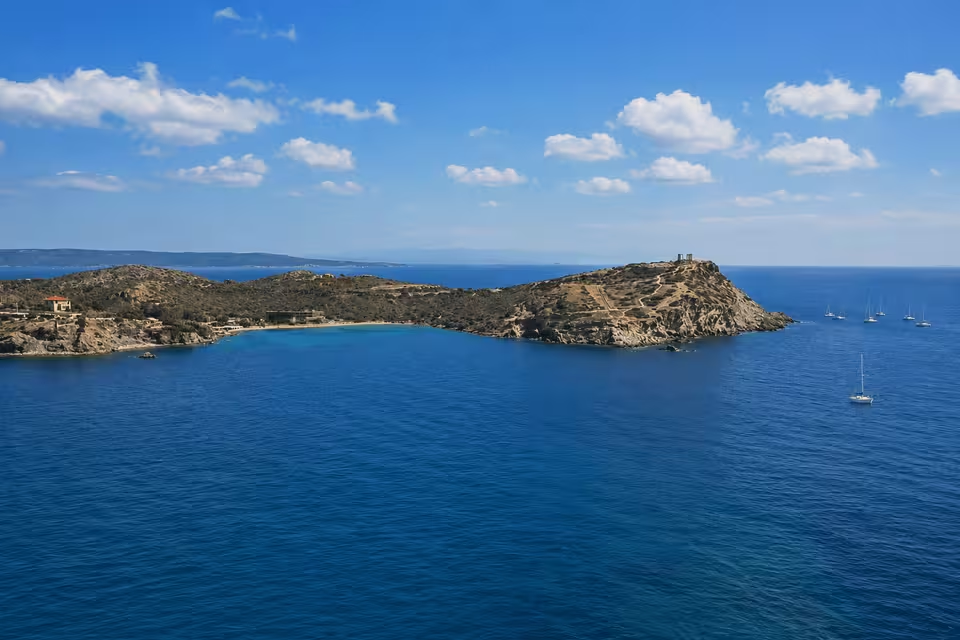
The Saronic Gulf is a practical introduction to Greek island-hopping. Routes from Athens commonly connect Aegina, Poros, Hydra and Spetses, with possible calls along the Argolid coast. Comparatively sheltered waters, manageable distances and abundant historical interest suit travelers who want a varied itinerary without committing to long Aegean passages.
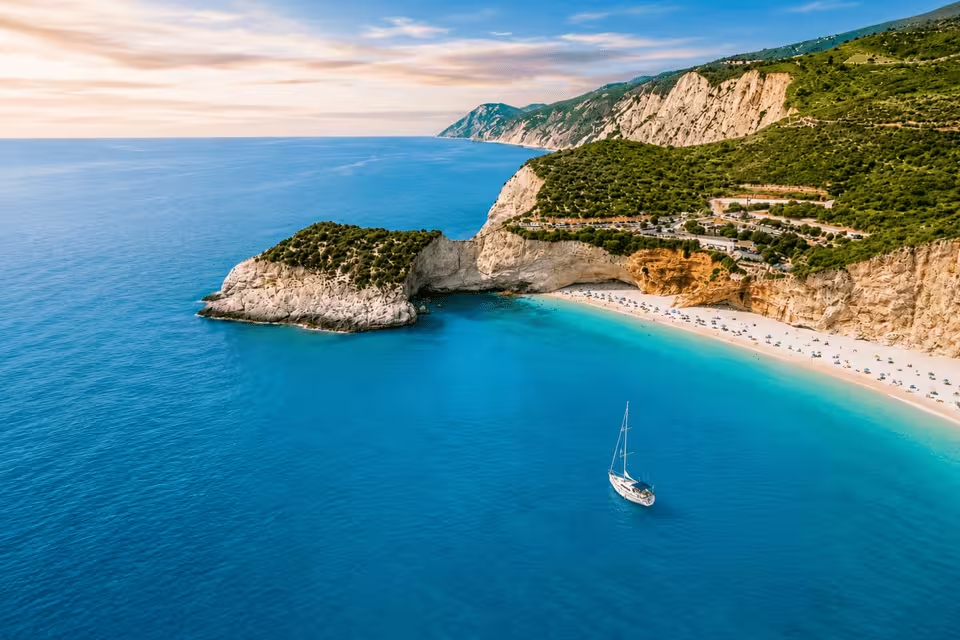
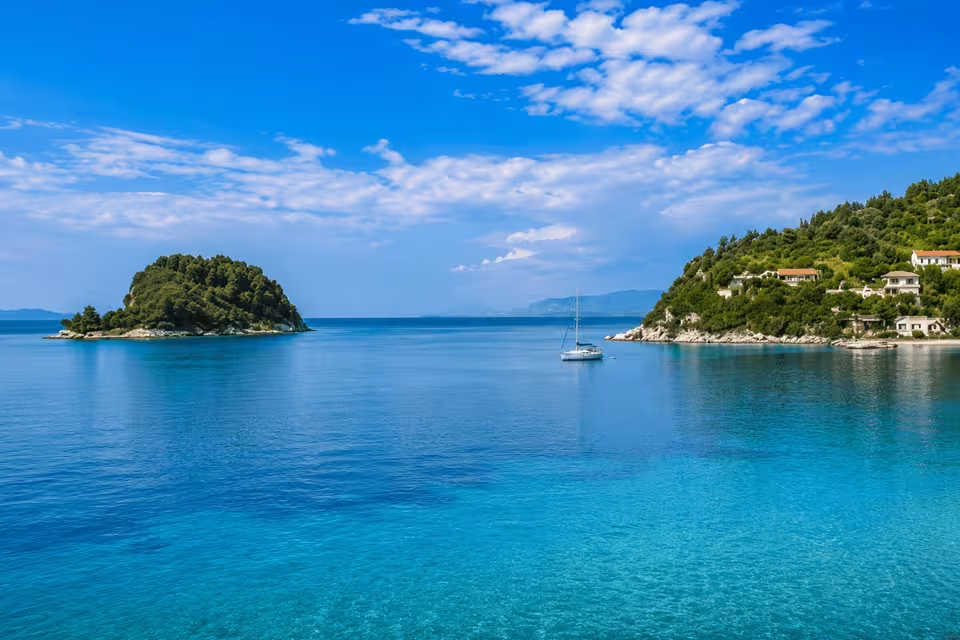
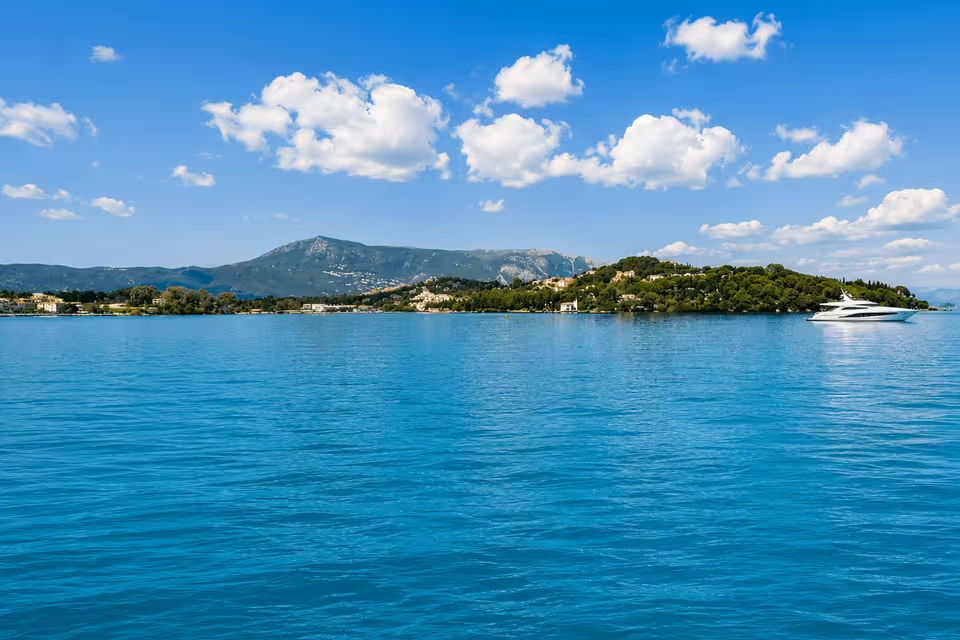
The Ionian Islands are known for greener scenery, indented shores and numerous natural harbours. Lefkada, Preveza and Corfu are important starting areas. A central Ionian trip can combine Meganisi, Ithaca, northern Kefalonia, Kalamos and Kastos, making this region well suited to relaxed cruising and frequent stops.
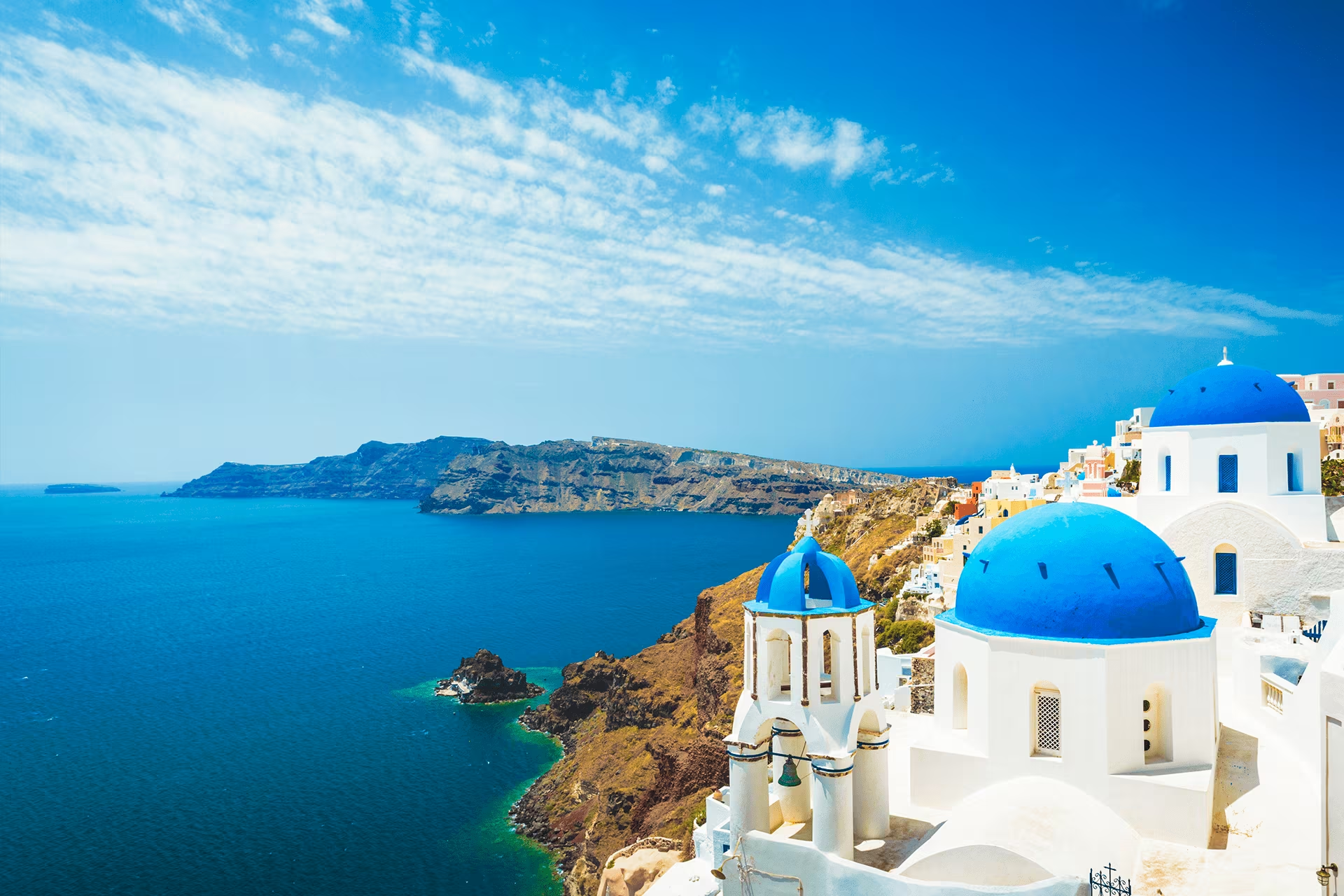
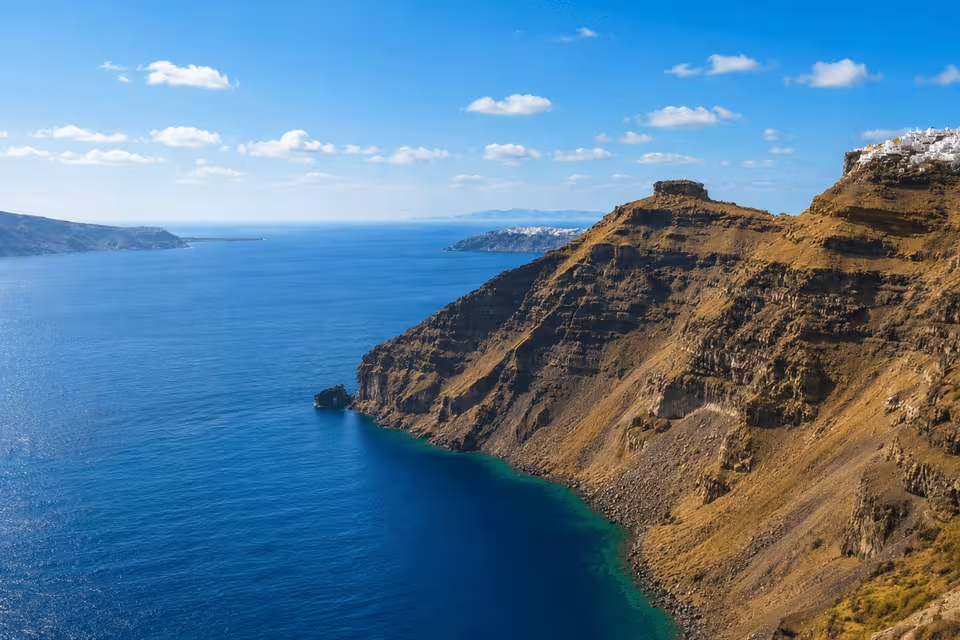
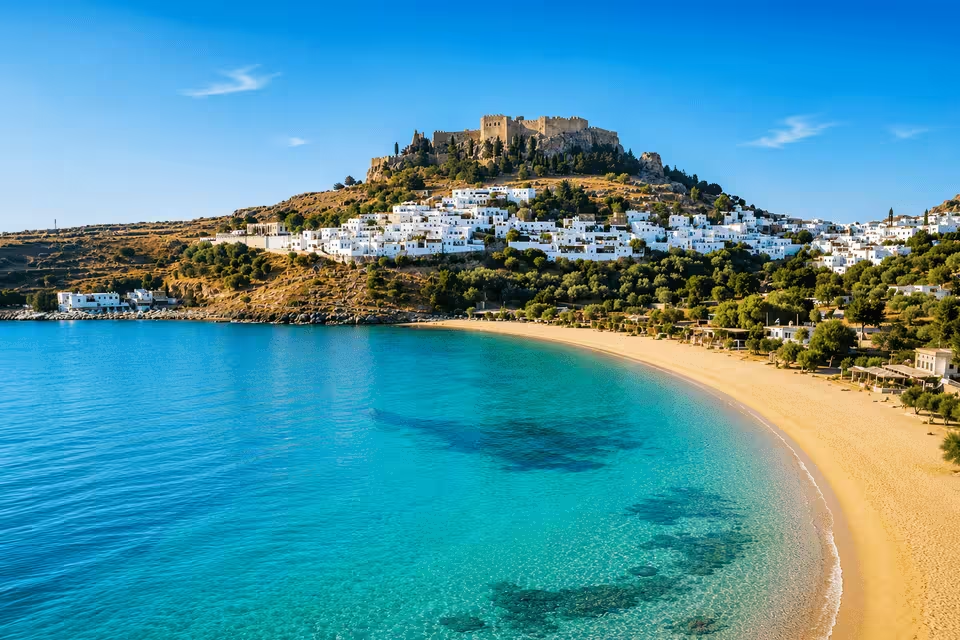
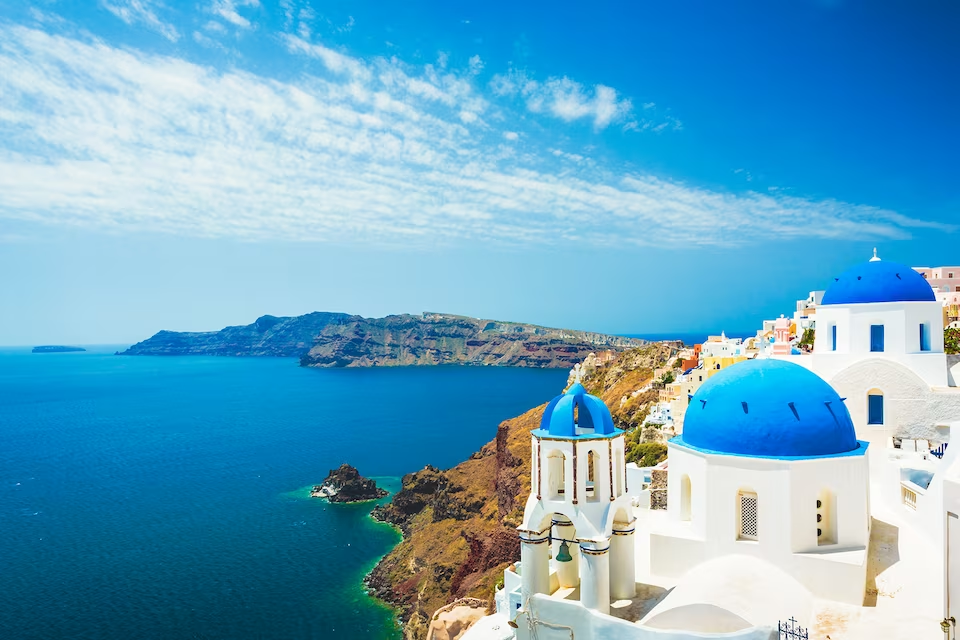
In the Cyclades, whitewashed settlements and dry, rocky landscapes are paired with stronger seasonal winds and more exposed crossings. Lavrion provides access to Kea, Kythnos, Serifos and Syros, while Paros, Mykonos, Naxos, Milos and Santorini can form part of wider plans. Routes here need greater flexibility during meltemi periods.
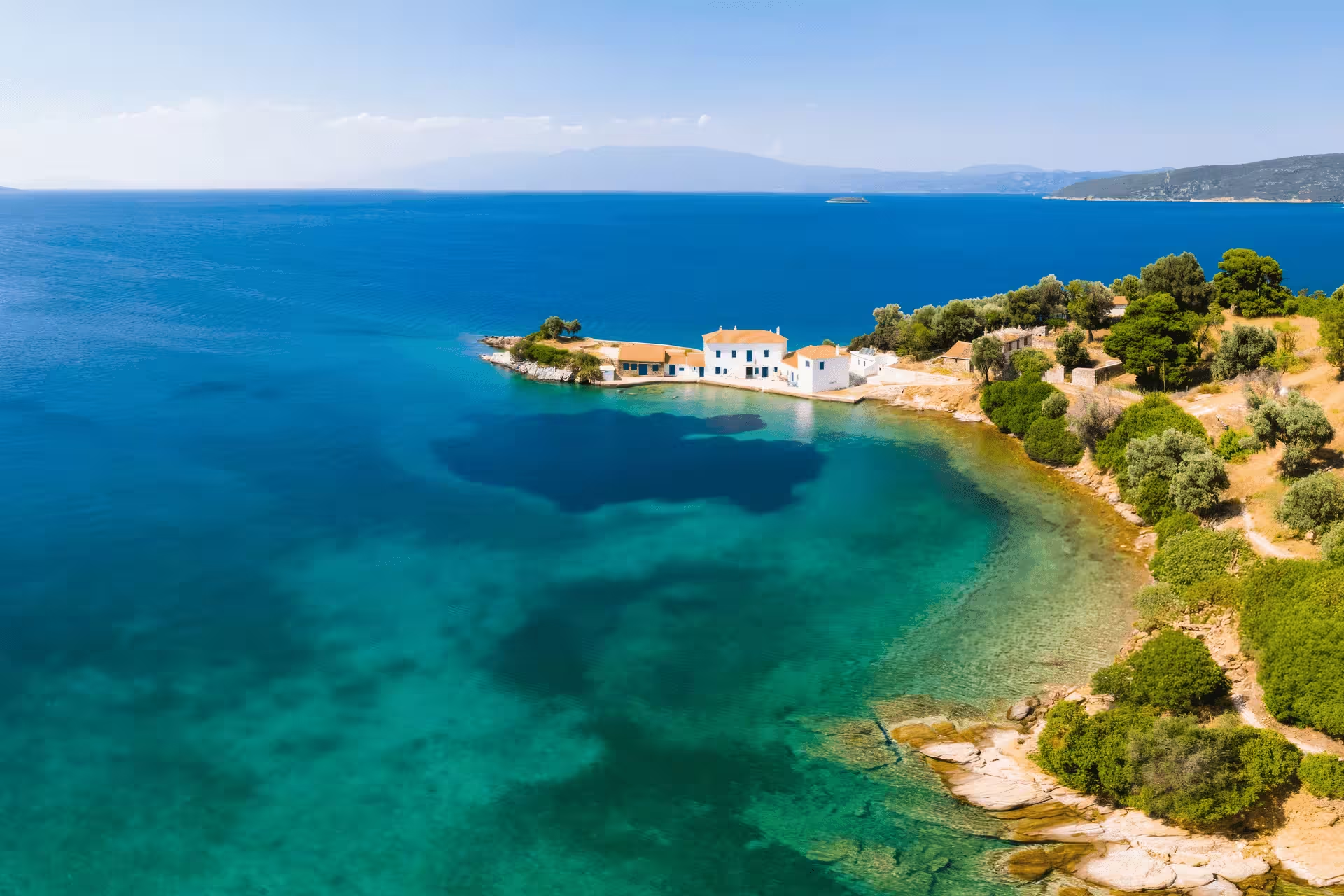
The Northern Sporades offer compact island-hopping around Skiathos, Skopelos and Alonnisos, with settled-weather extensions into the marine park. Farther southeast, the Dodecanese form a longer chain where Kos and Rhodes provide access to islands including Kalymnos, Leros, Lipsi and Patmos.
What sailing in Greece is like
Conditions vary too much for Greece to be treated as a single uniform sailing area. The Ionian, Saronic and Pagasetic gulfs generally offer more shelter, shorter passages and a broad choice of natural harbours. In the Ionian, the summer maistros often develops from the northwest during the afternoon and eases toward evening, creating a recognizable daily rhythm for route planning.
The Aegean demands more attention to wind and exposure. Its northerly meltemi is usually weaker in late spring, strongest in July and August, and less persistent during autumn. It can continue for several days and produce steep seas around the Cyclades, Ikaria, the Kafireas Strait and other exposed channels. Wind may also accelerate substantially near capes and between high islands.
These differences affect more than sailing difficulty. They determine whether an itinerary can emphasize short hops and long swimming stops or should retain extra time for weather changes. Even in comparatively manageable regions, outer-island passages may be more exposed than nearby coastal waters.
When to charter a yacht in Greece
The main yacht charter season runs approximately from April through October. May, June and September are particularly suitable, commonly combining warm weather with less intense conditions than the height of summer. May falls within the shoulder season, while June and September have more high-season activity.
July and August bring the hottest weather, warmest water and busiest harbours. They also coincide with the strongest typical meltemi conditions across much of the Aegean, so travelers considering the Cyclades or other exposed areas should allow for route changes. The Ionian generally follows a gentler summer wind pattern, although local forecasts remain essential.
Early October can still be pleasant, especially in southern Greece and the Ionian, but conditions and seasonal services become less consistent as autumn advances. Winter cruising is better suited to experienced crews prepared for wetter weather, stronger low-pressure systems and reduced shoreside services.
Ideas for Greek island-hopping routes
A Saronic circuit from Athens or Alimos can link Aegina, Poros, Hydra and Spetses, with Epidaurus or Nafplio adding mainland history. It is a useful choice when travelers want several contrasting stops without the longer passages typical of more exposed archipelagos.
From Lavrion, a northern Cyclades circuit through Kea, Kythnos, Serifos and Syros offers a more wind-dependent sailing experience. The sequence and distance covered should remain flexible according to meltemi strength and crew experience. In the Ionian, a loop from Lefkada through Meganisi, Ithaca and northern Kefalonia favors shorter legs and sheltered stopping places.
A Sporades itinerary can connect Skiathos, Skopelos and Alonnisos before extending into the marine park in settled weather. From Kos, a northern Dodecanese route may include Kalymnos, Leros, Lipsi and Patmos, with smaller islands considered when time and conditions permit.
Life on the water and ashore
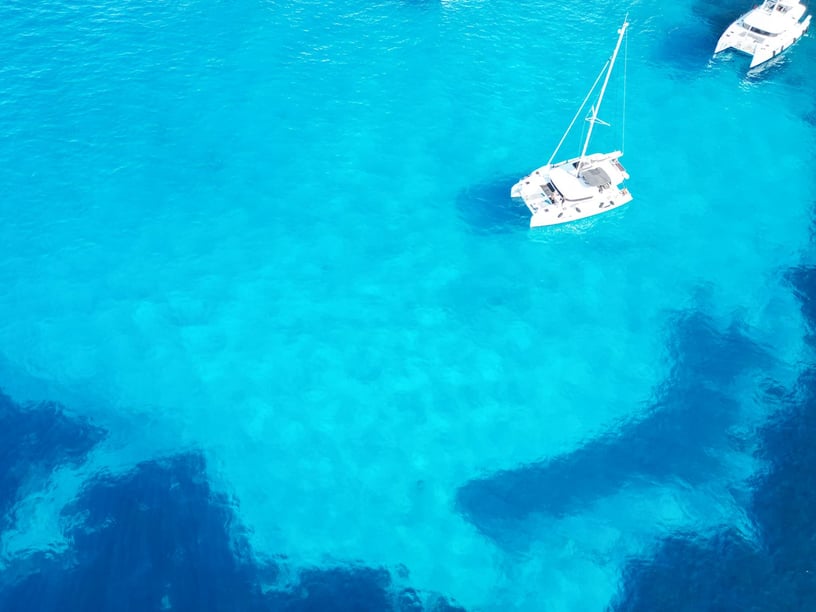
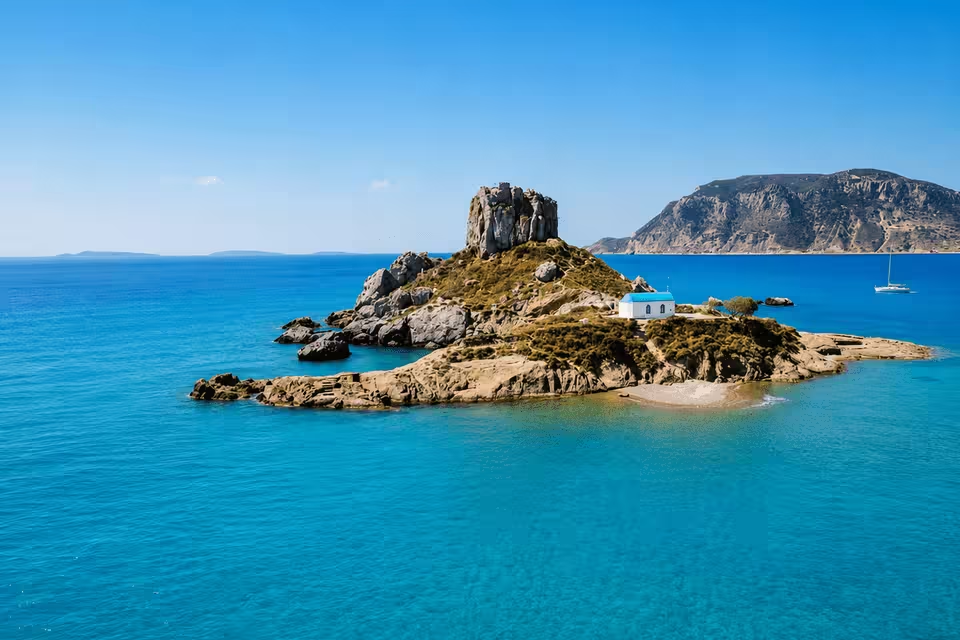
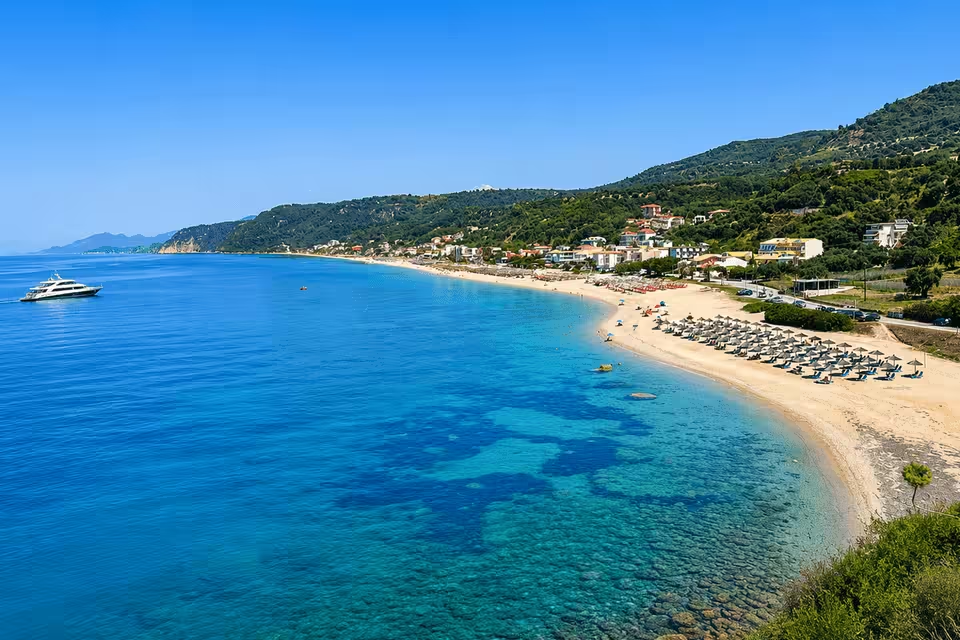
Greek cruising naturally combines time under way with swimming, anchoring and visits ashore. Sandy and pebble beaches, sea caves, volcanic shores and sheltered coves create varied daytime stops, while town quays place travelers close to local restaurants and the evening life of coastal settlements.
History is unusually integrated into the sailing landscape. An itinerary may connect the Sanctuary of Asklepios at Epidaurus with the fortified port environments of Rhodes or Corfu, or include Delos, once a major sanctuary of Apollo and a cosmopolitan trading port. Ancient, Byzantine, Venetian, Frankish and Ottoman influences remain visible across different islands and coastal towns.
Food also changes by region. In the Ionian, examples include Corfiot pastitsada and sofrito, Kefalonian Robola wine and Lefkada’s air-dried salami. Nature-focused routes can visit the waters around Alonnisos or Zakynthos, where protected habitats support Mediterranean monk seals and loggerhead turtles. These areas have specific visitor and anchoring rules, so access must be checked before arrival.
Getting to Greece’s main charter bases
Athens International Airport is the principal gateway for departures from Alimos, Piraeus and Lavrion, serving Saronic and Cycladic itineraries. Road and public-transport connections continue toward the main Attica ports and marinas.
For the Ionian, Corfu International Airport provides access to Gouvia, while Aktion Airport serves Preveza and the Lefkada area. Lefkada is linked to the mainland by road, making it possible to reach its marina without taking a ferry. Regional airports also support other major cruising grounds: Skiathos for the Sporades, Volos for the Pagasetic Gulf, and Kos or Rhodes for the Dodecanese. Chania and Heraklion are the principal air gateways mentioned for Crete.
Ferry connections link many mainland ports and islands, but schedules and other transport services may be reduced outside the April-to-October cruising period.
Planning the right charter
When comparing yacht or boat rental options in Greece, begin with the cruising area rather than trying to cover the country in one trip. Passage length, exposure and seasonal wind matter as much as the islands on a wish list. A crew seeking short hops and greater shelter may favor the Ionian or Saronic Gulf, while experienced sailors looking for more demanding passages may consider the Cyclades or longer Dodecanese routes.
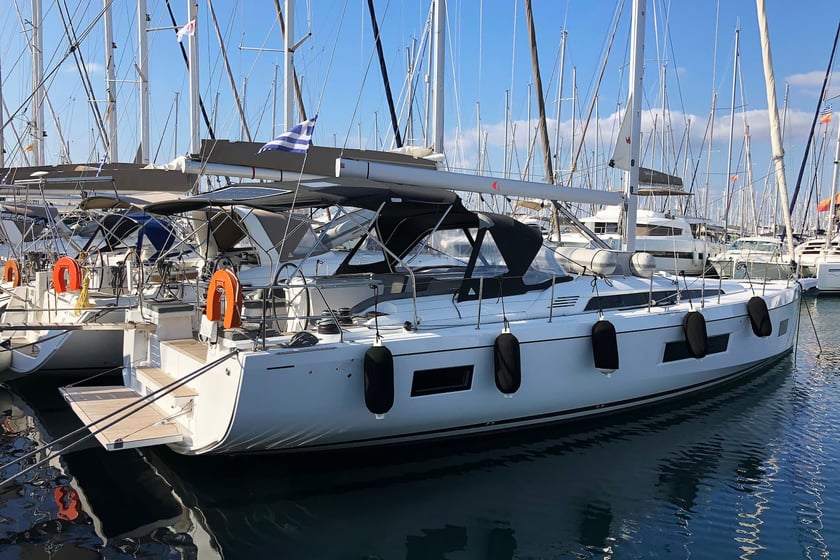
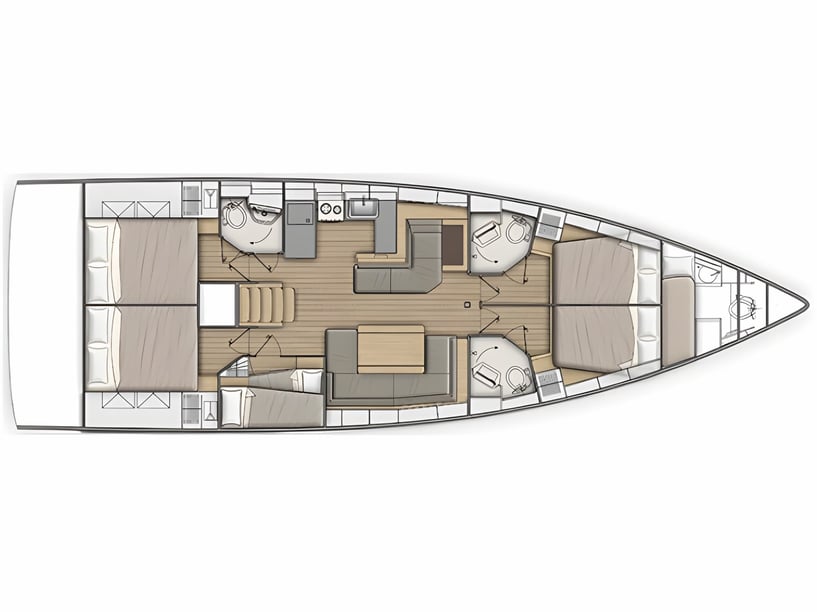
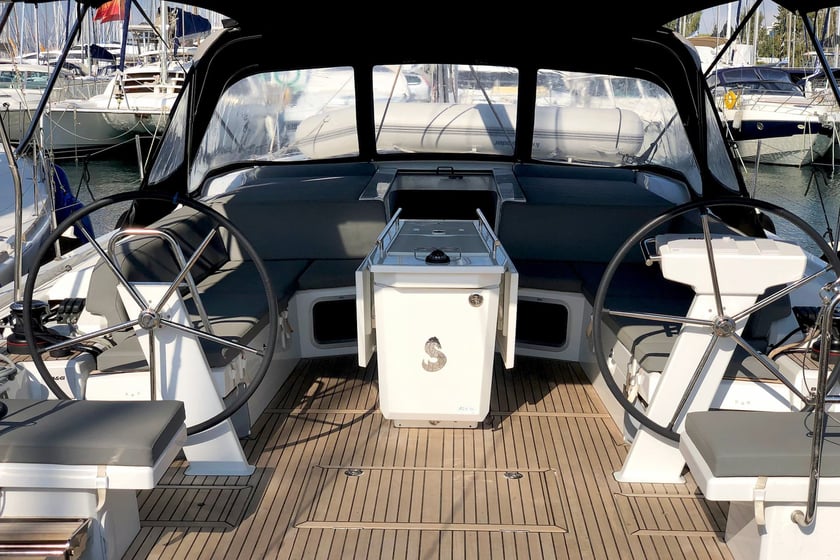
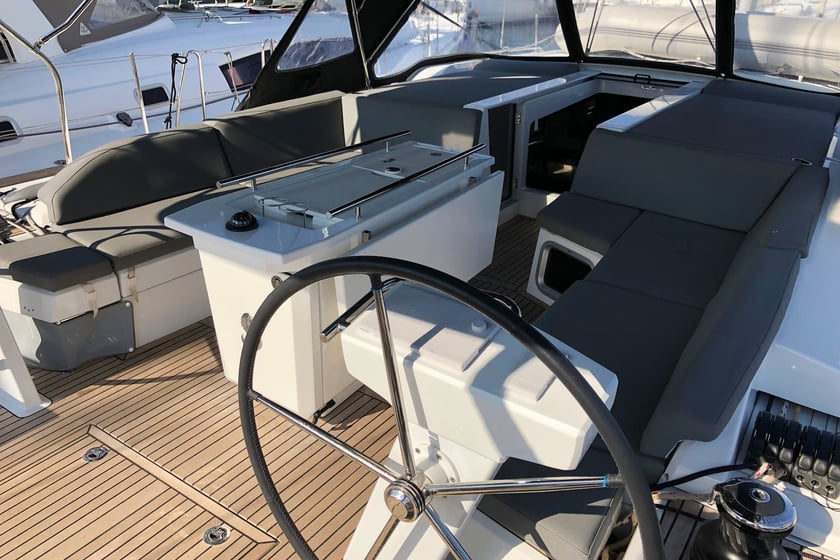
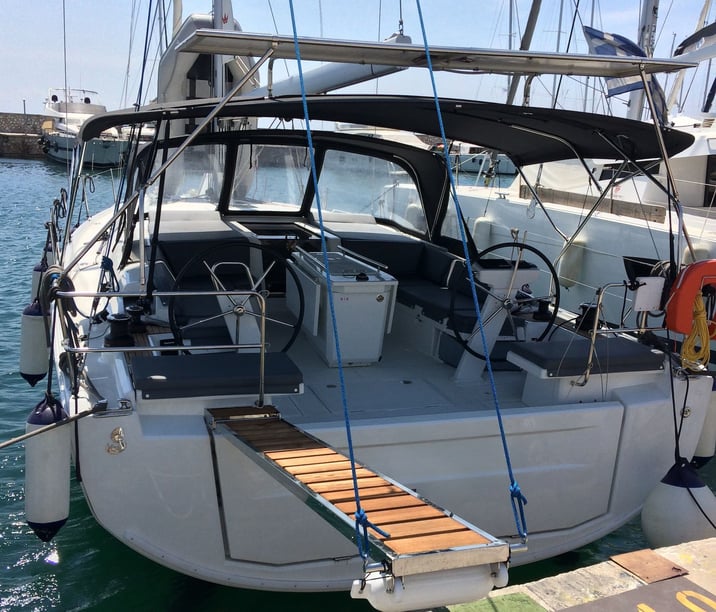
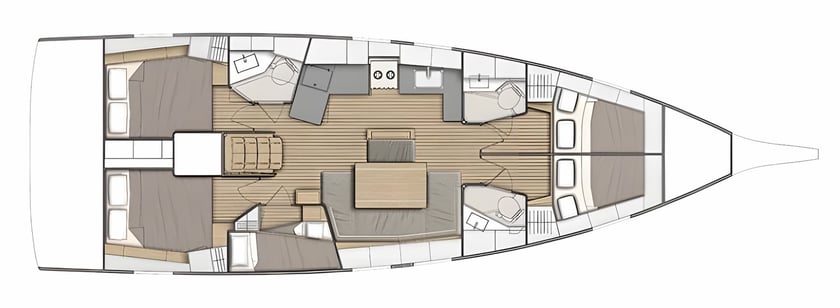
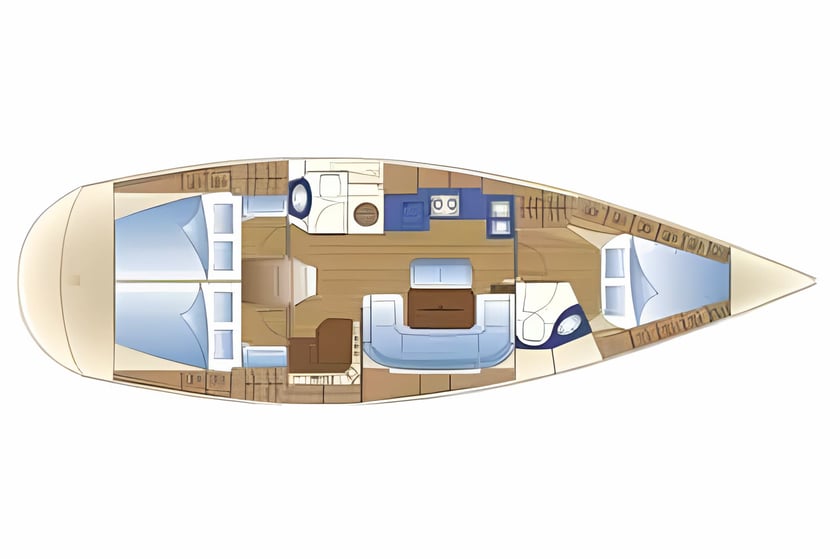
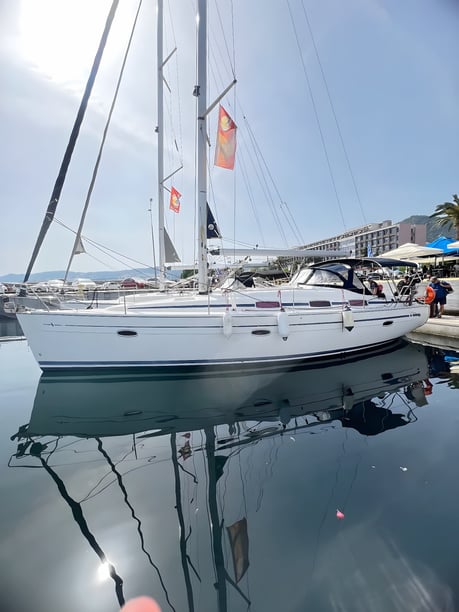
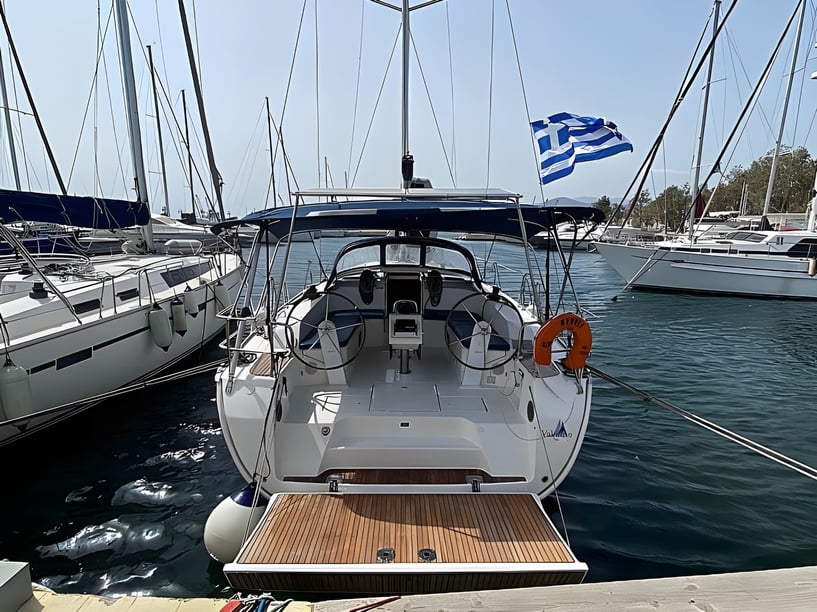
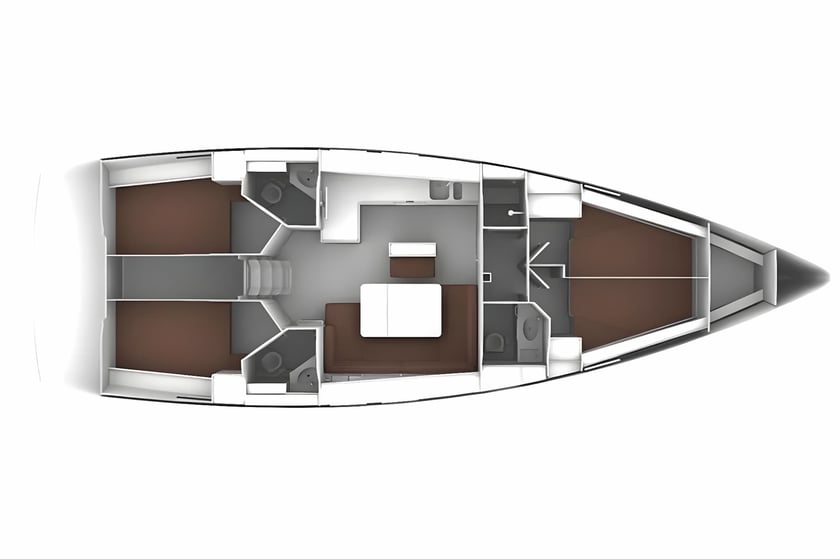
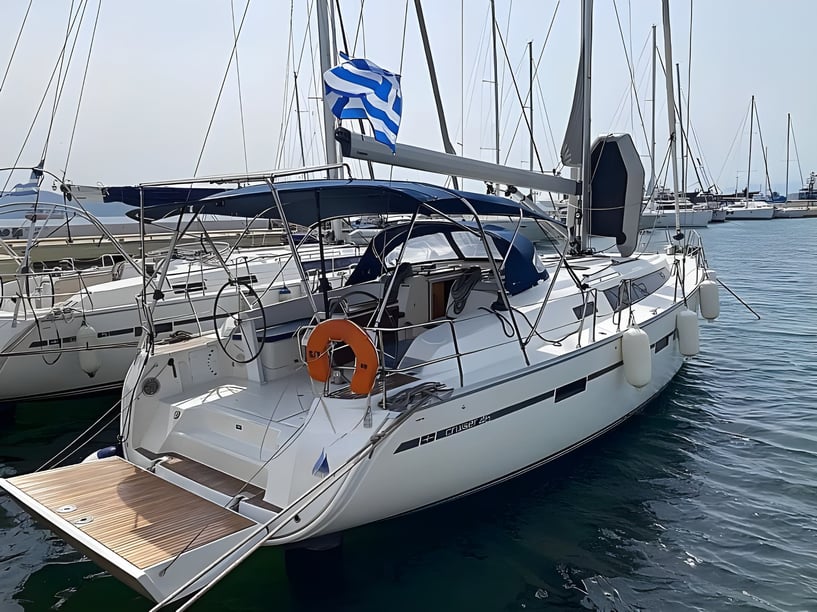
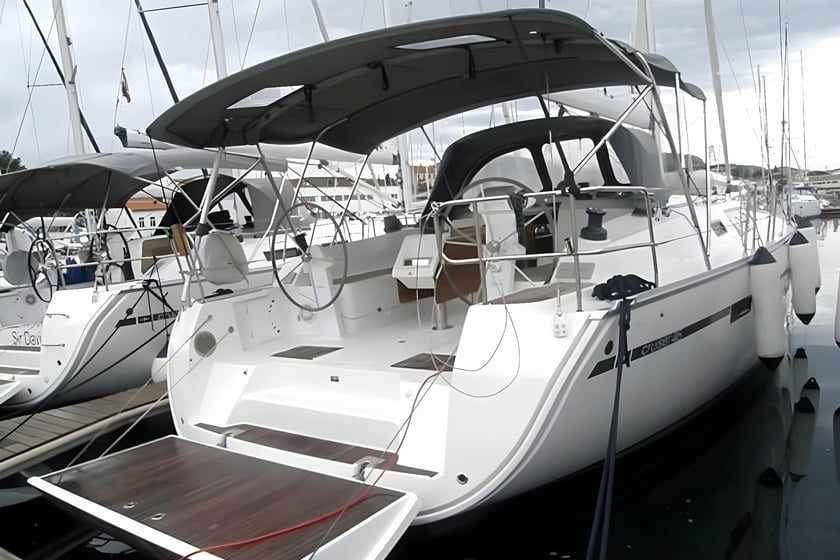
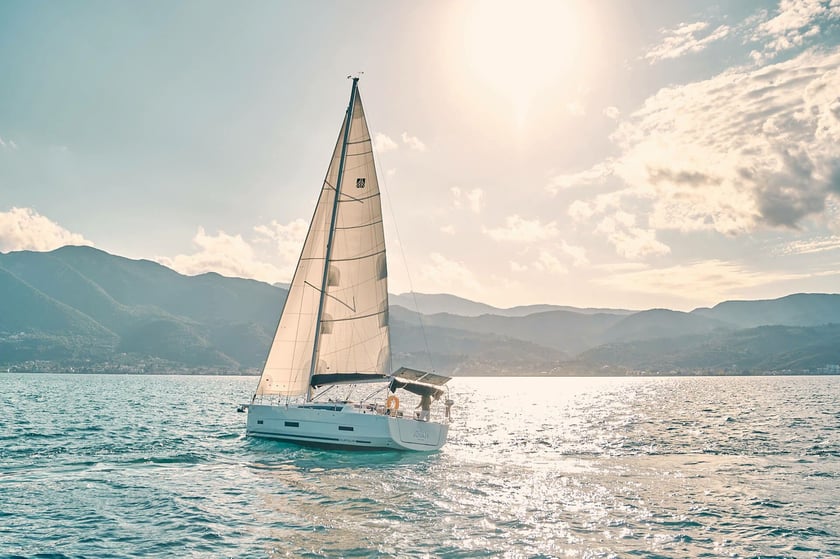
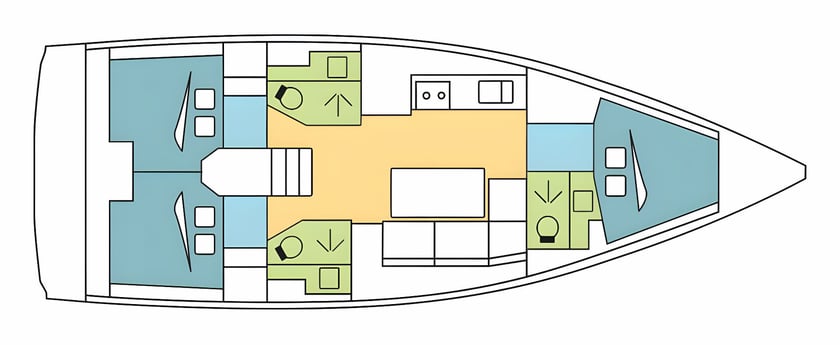
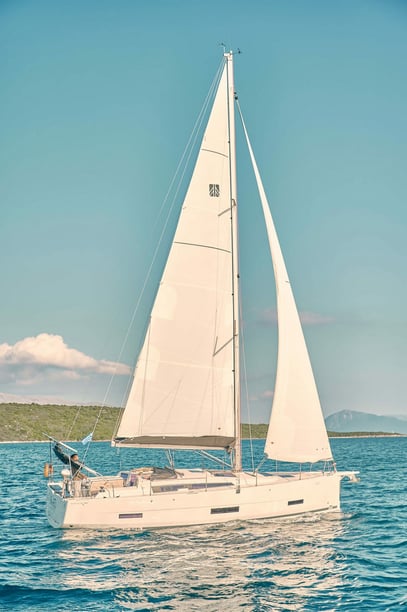
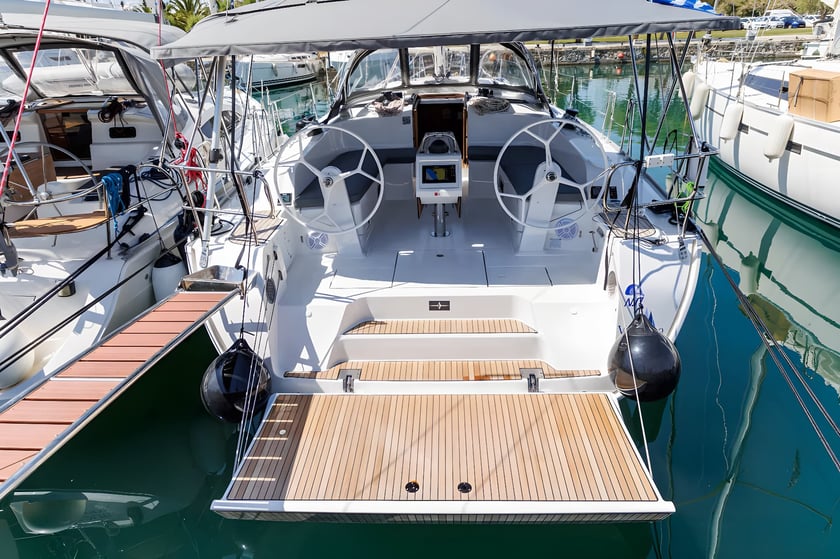
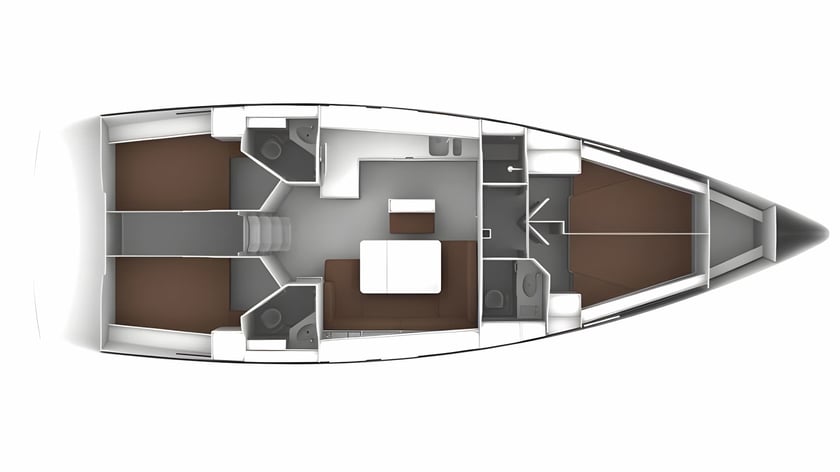
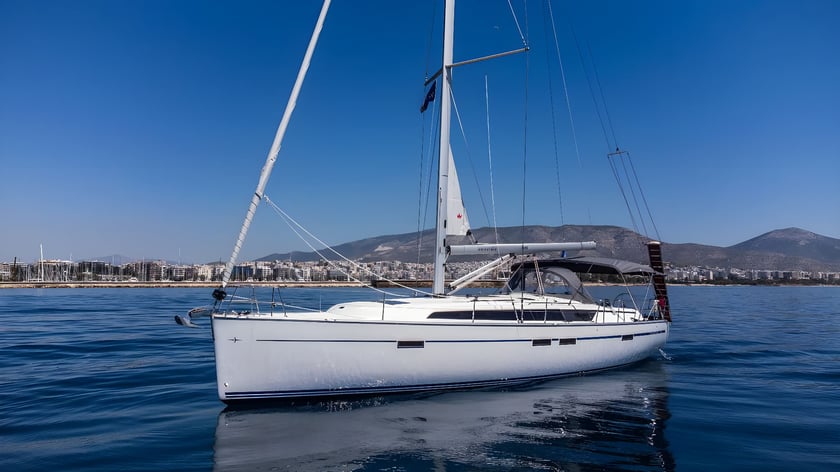
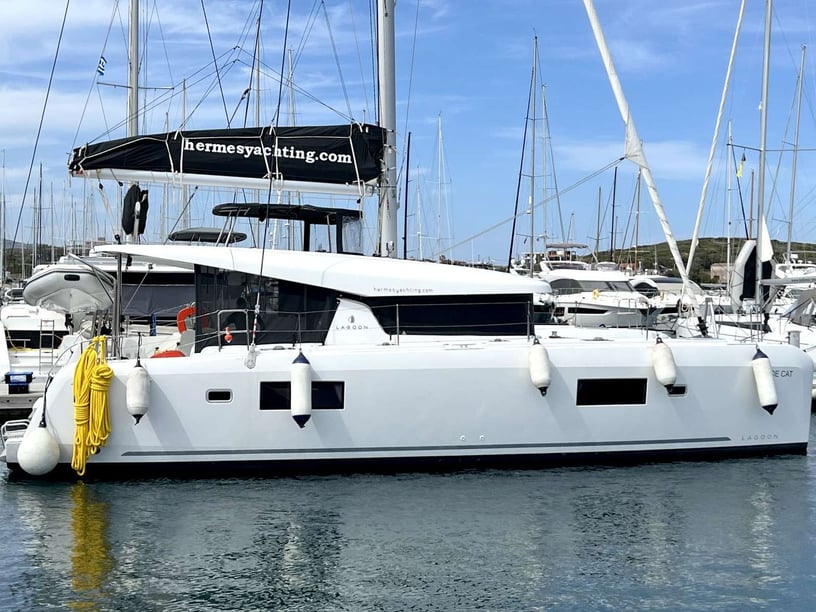
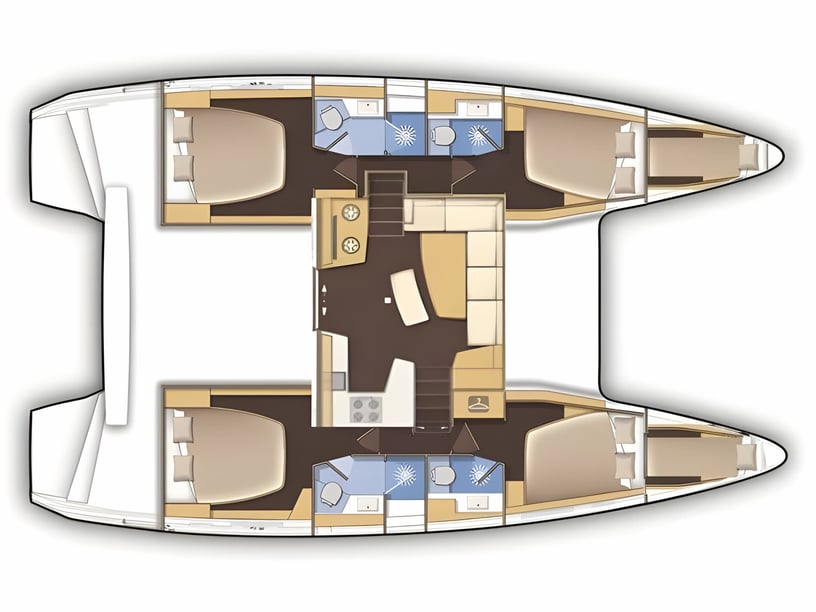
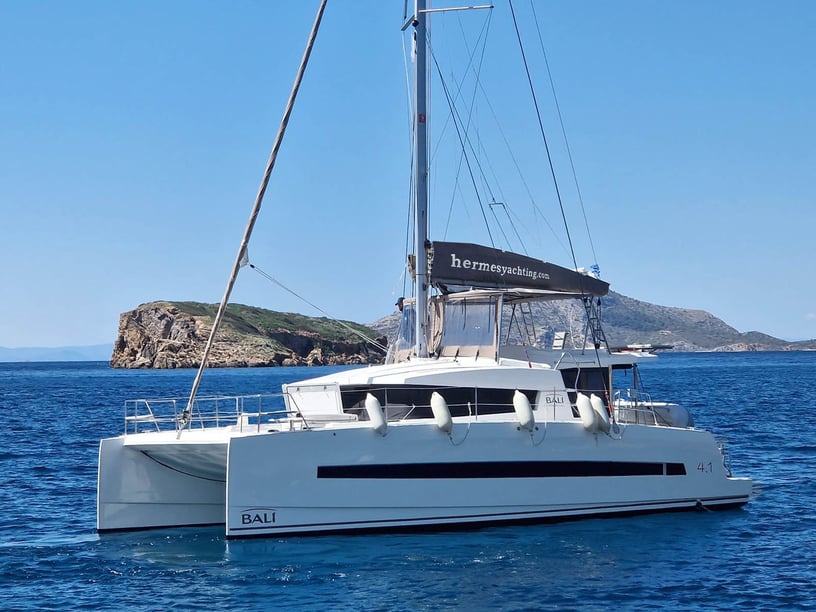
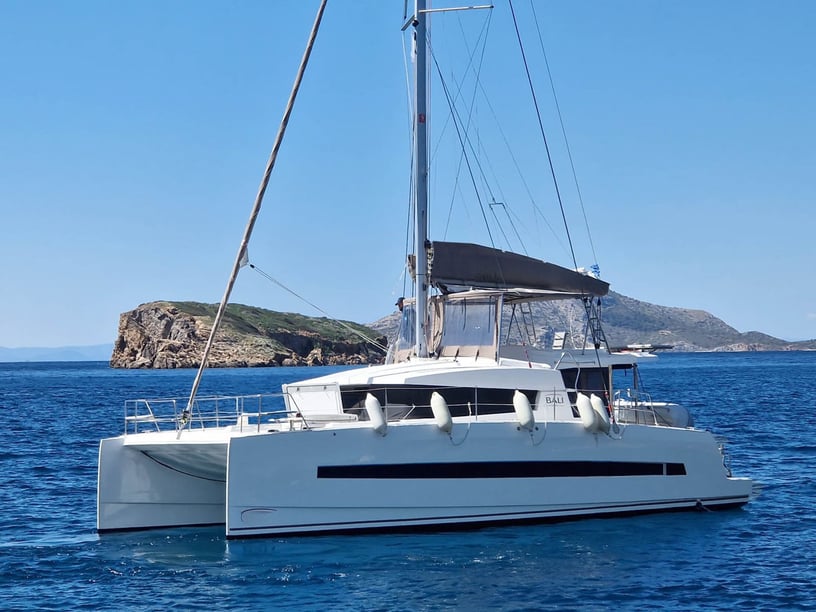
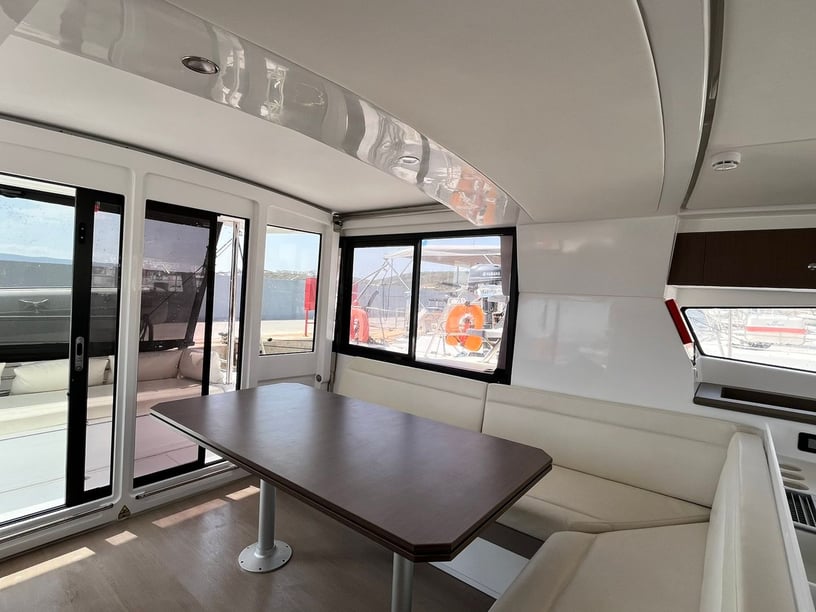
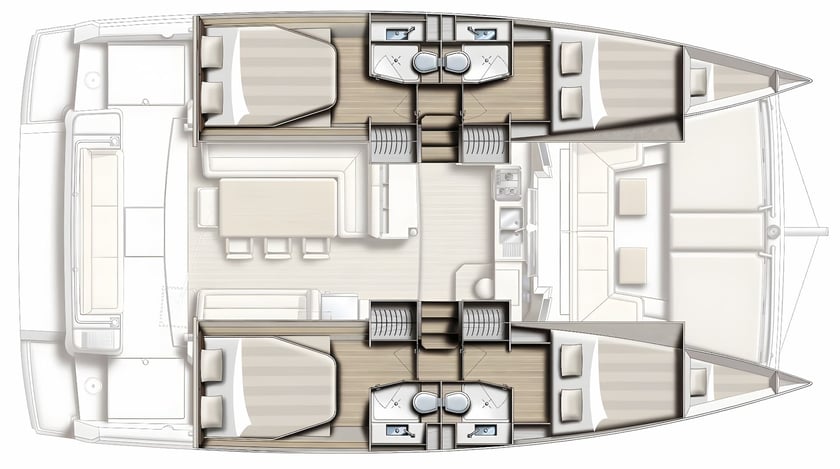
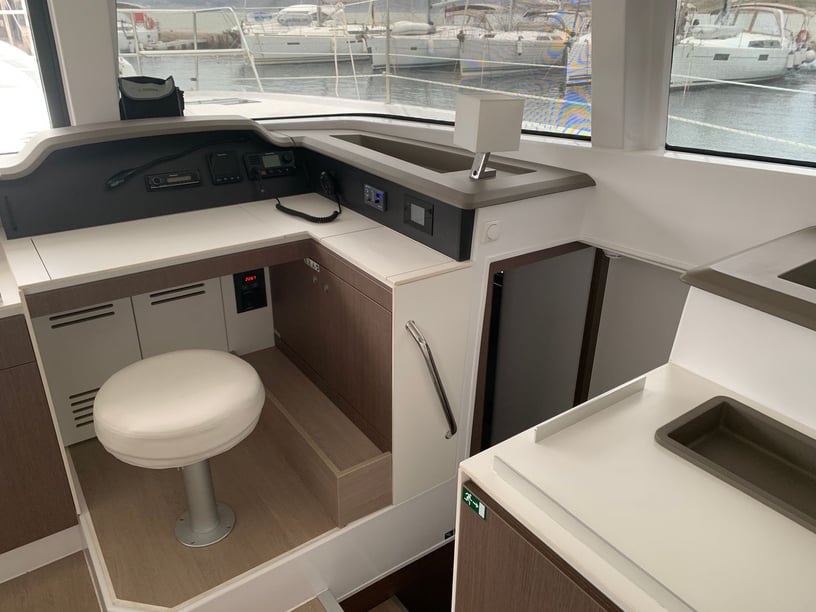
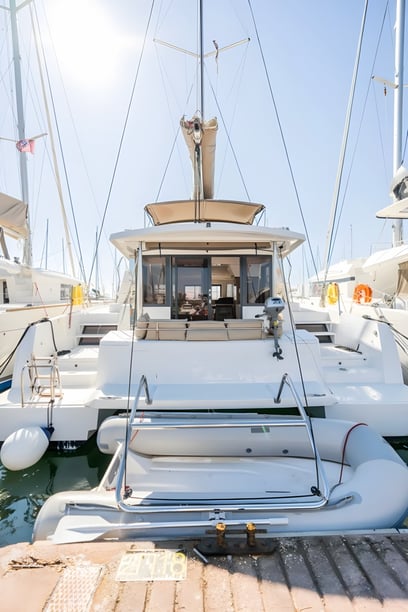
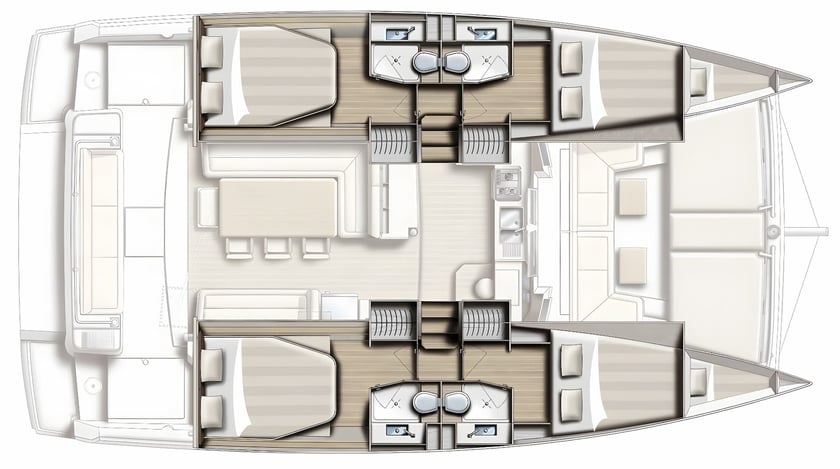
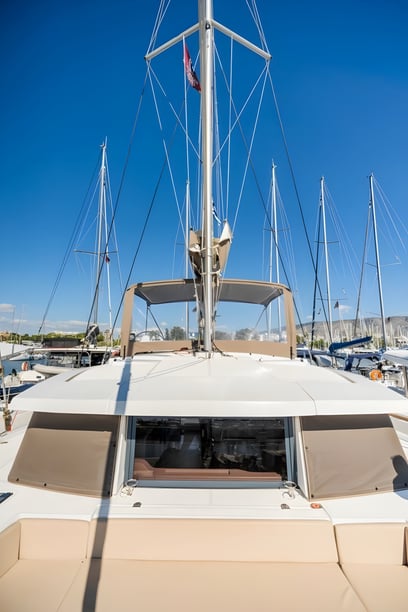
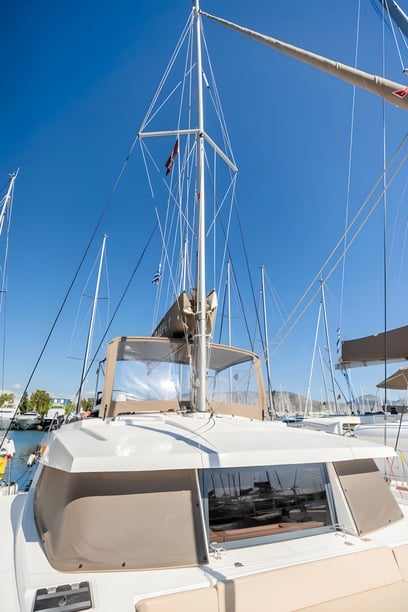
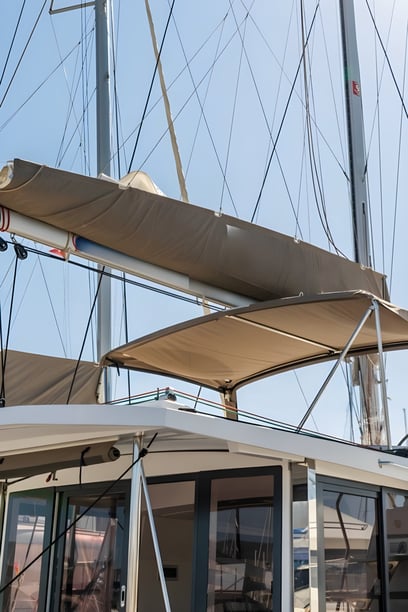
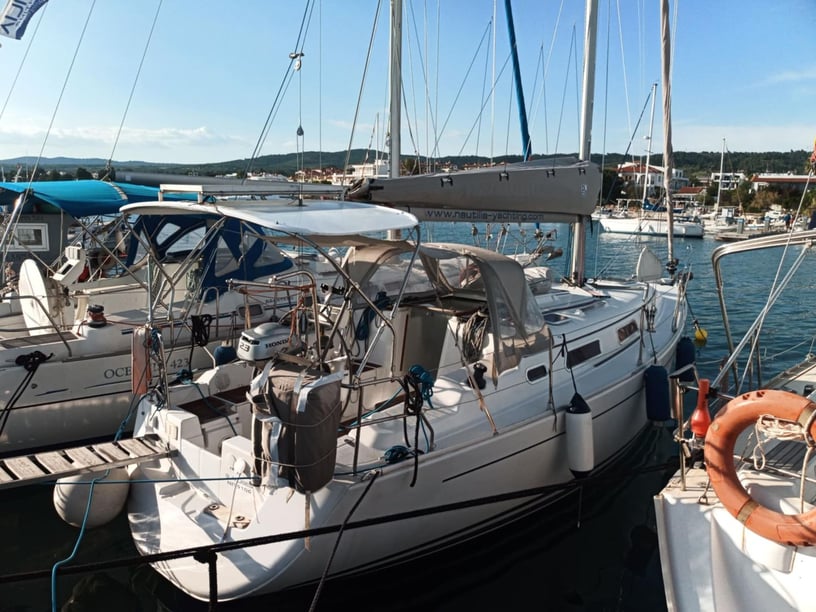
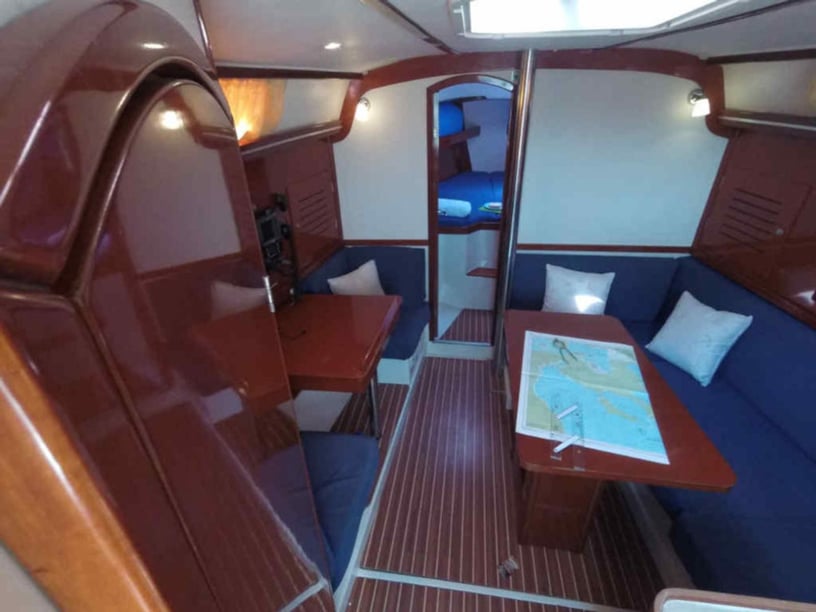
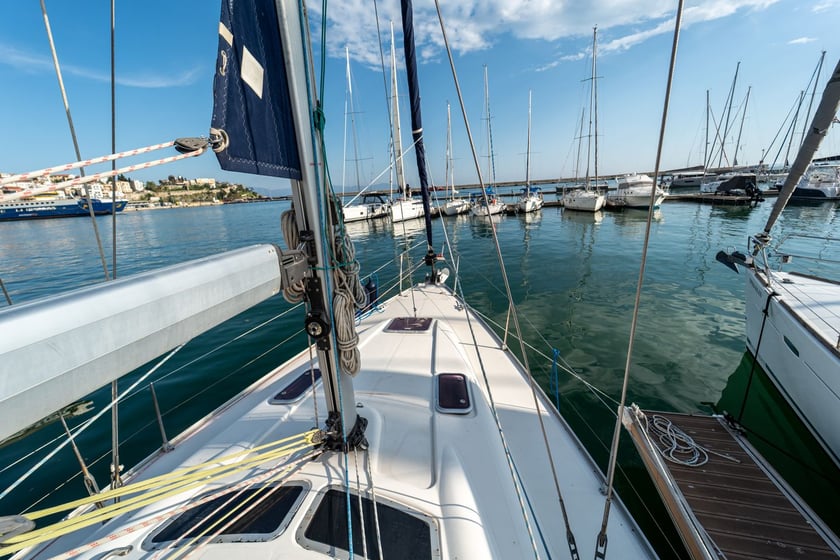
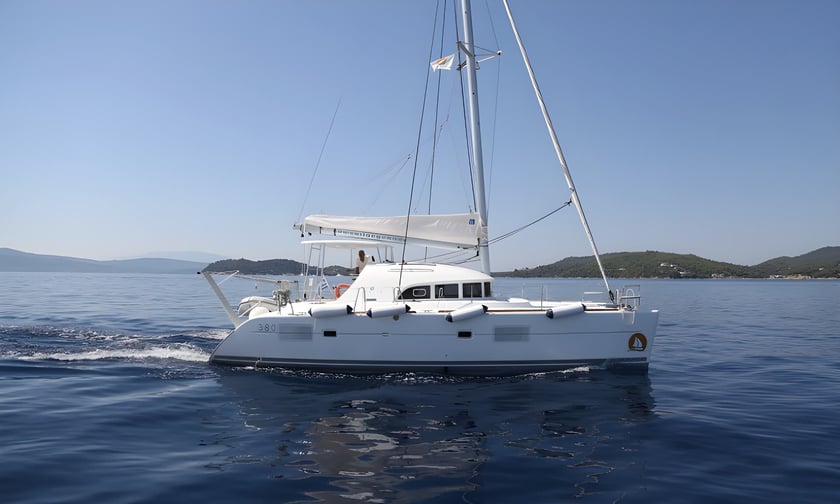
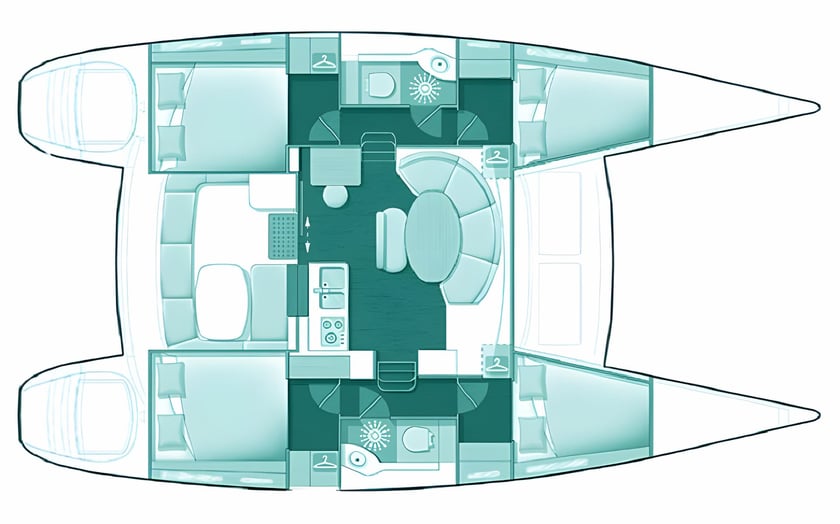
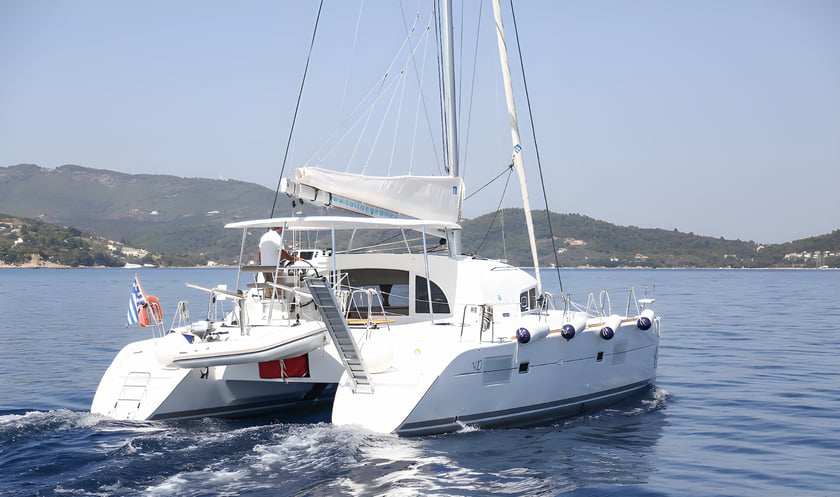
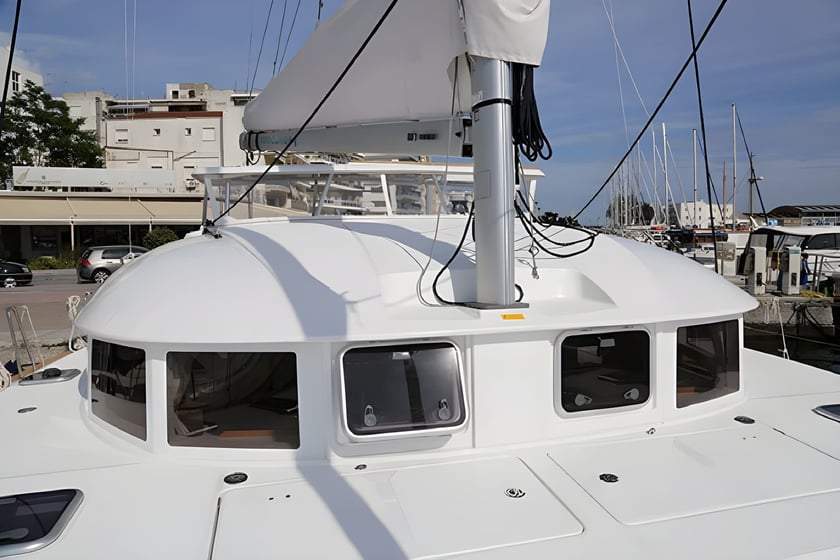
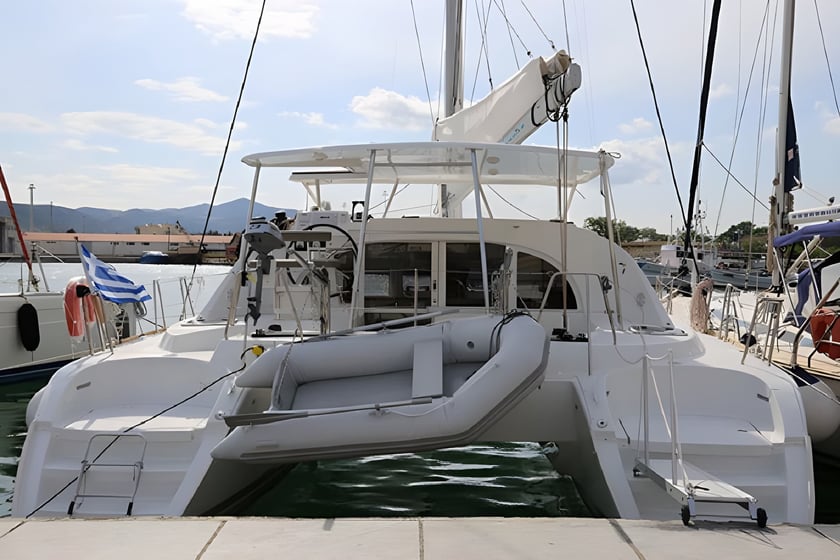
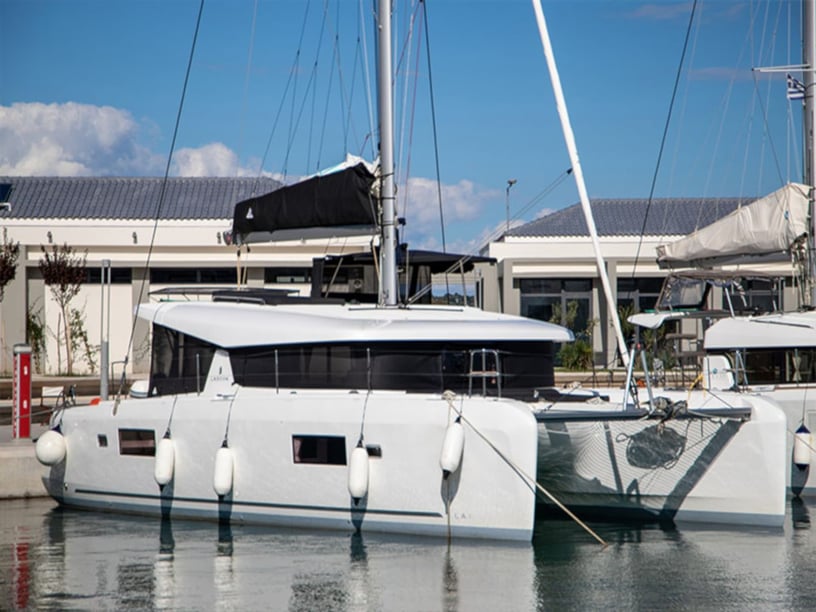
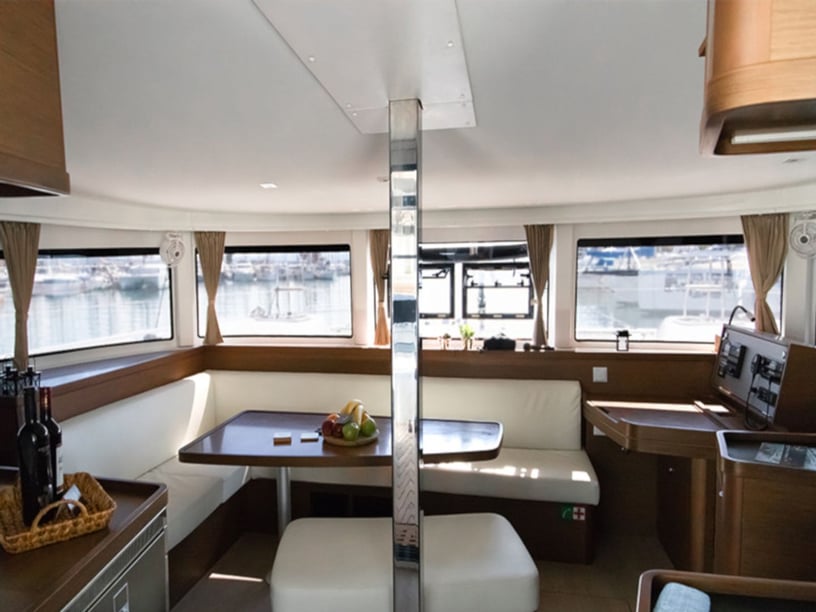
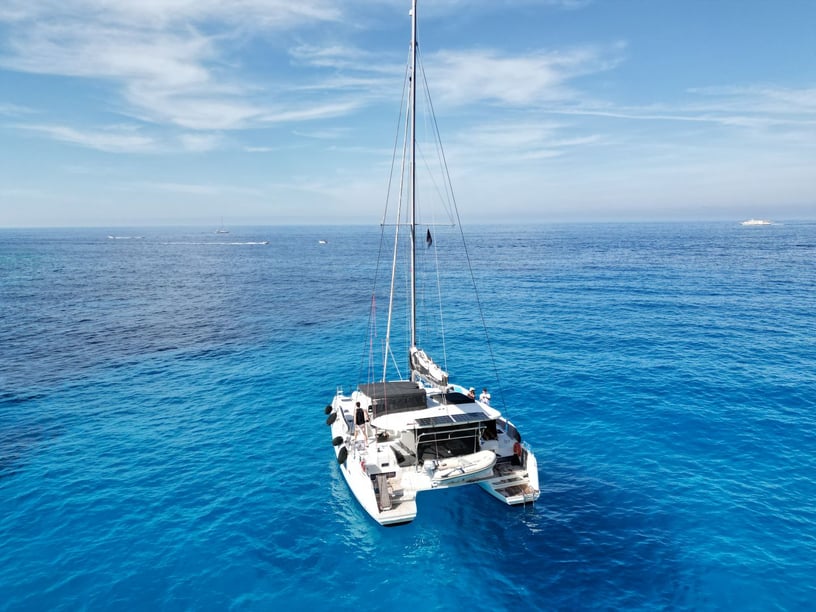
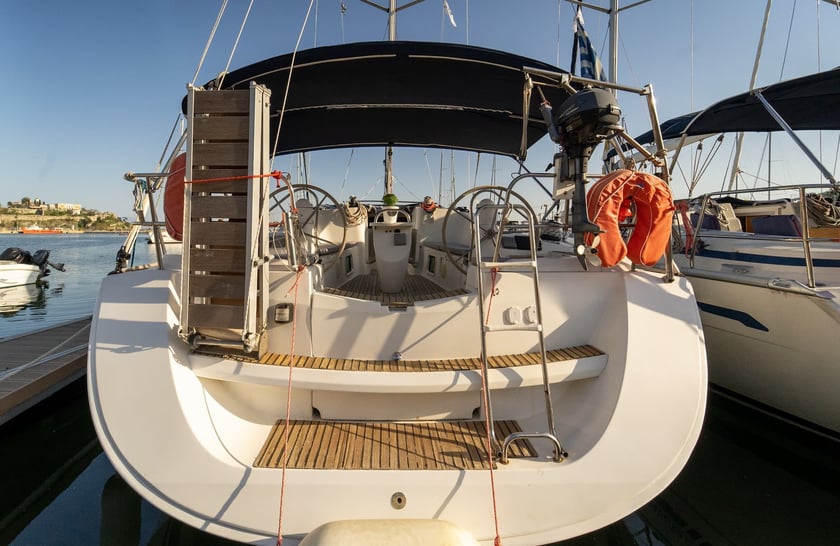
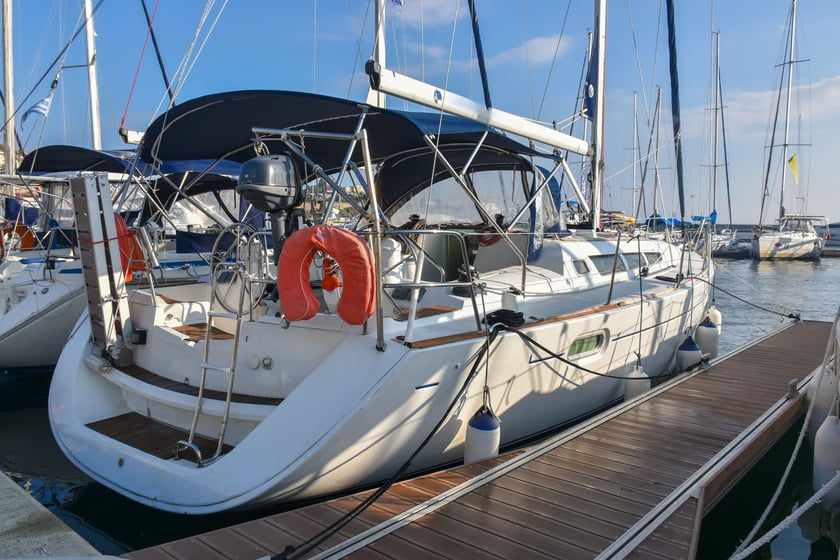
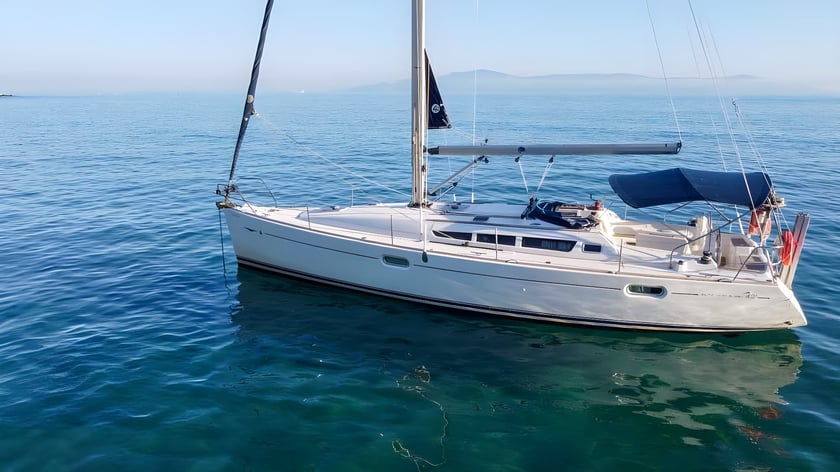
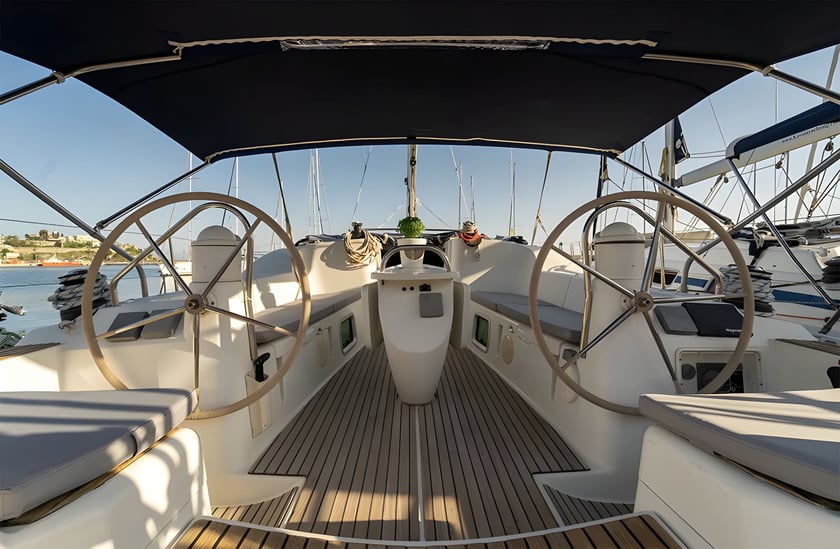
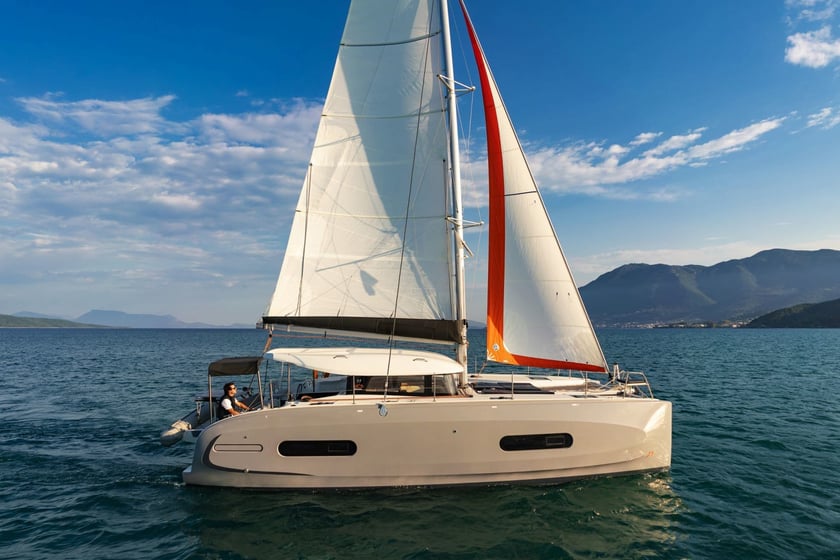
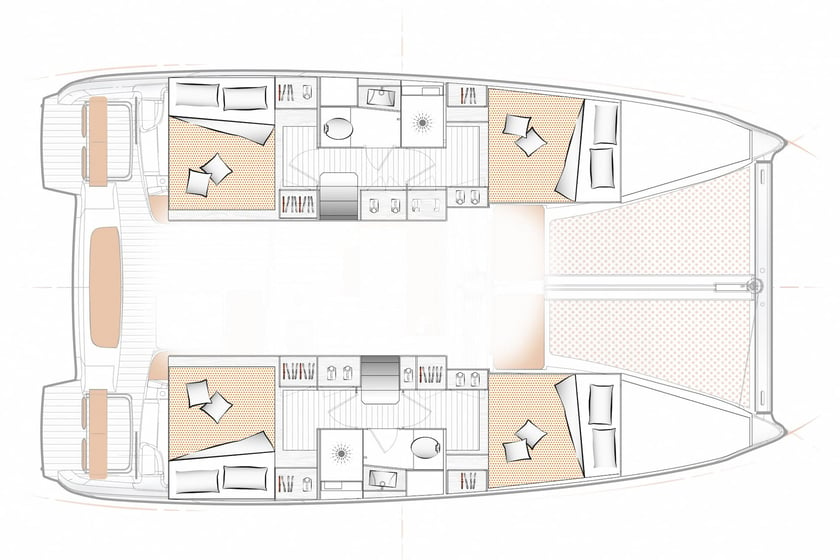
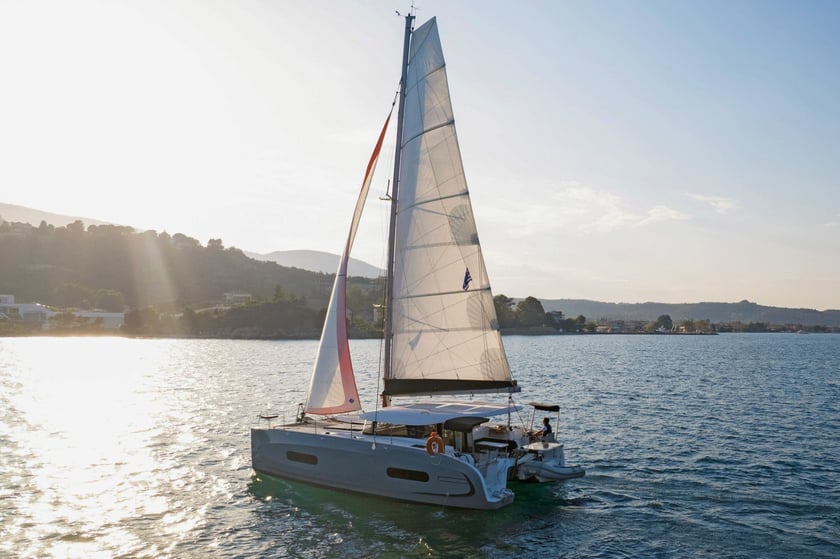
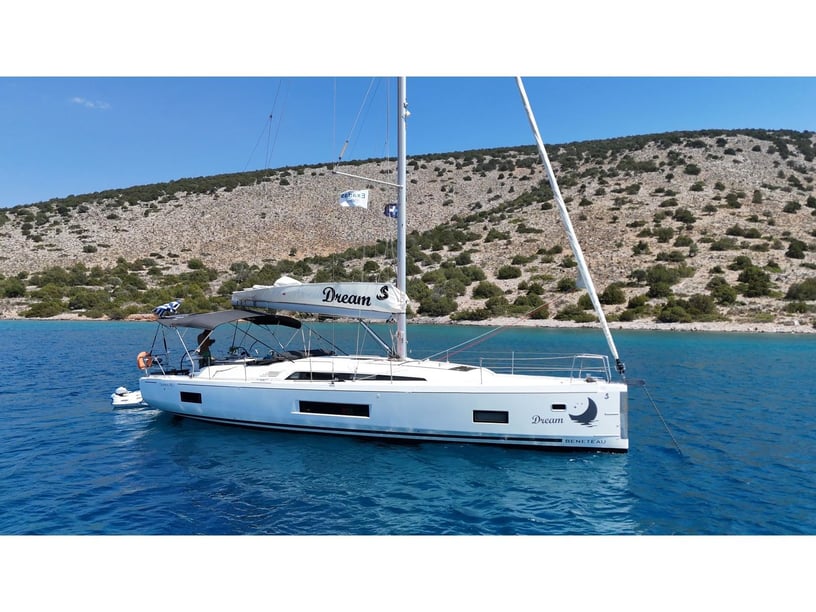
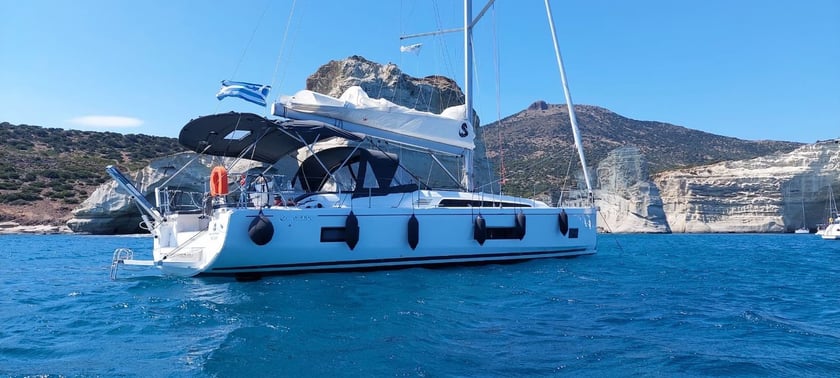
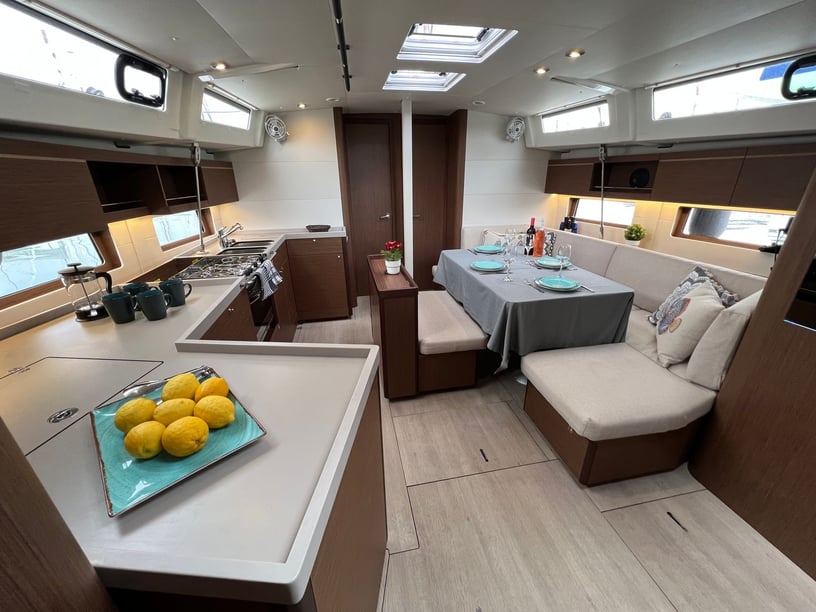
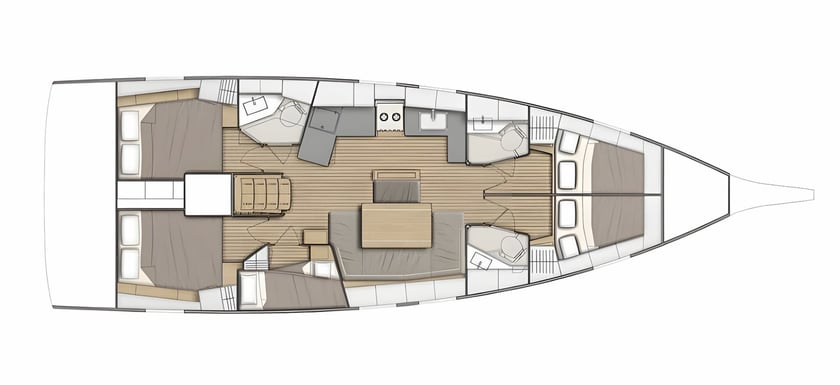
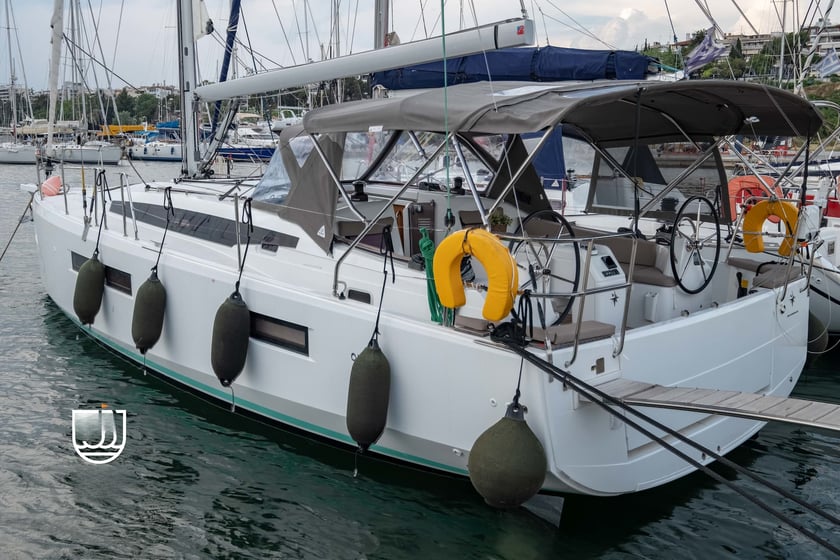
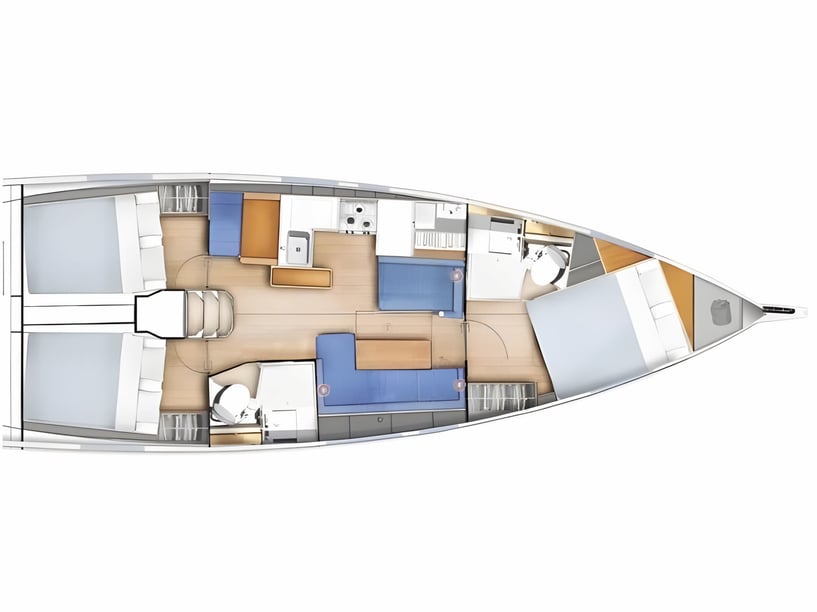
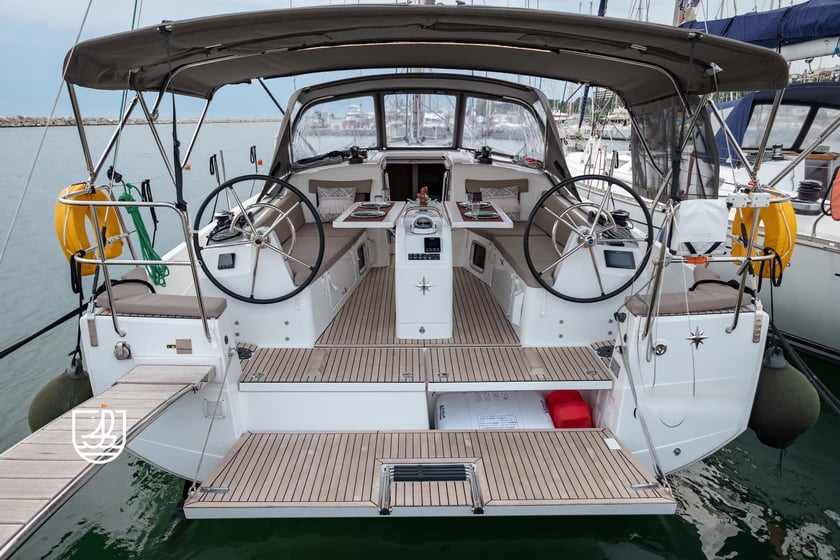
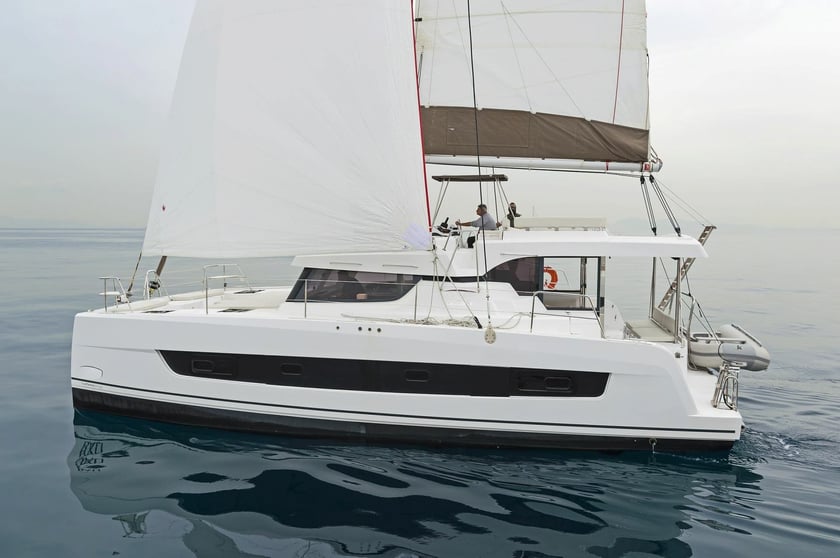
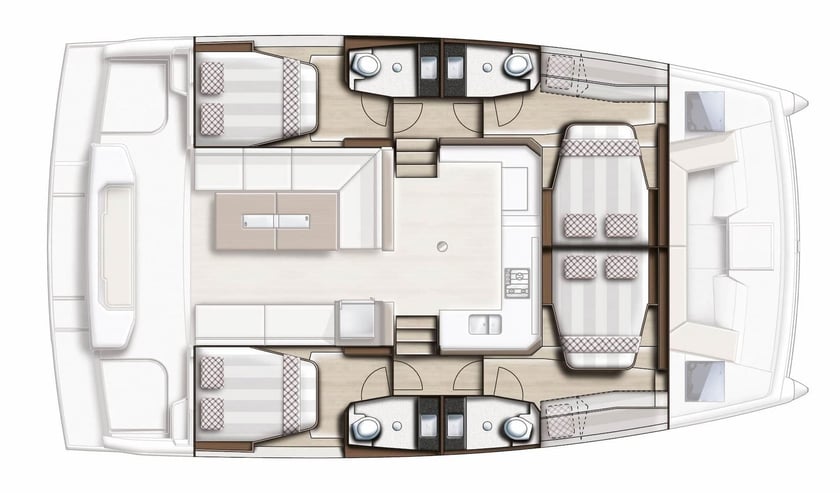
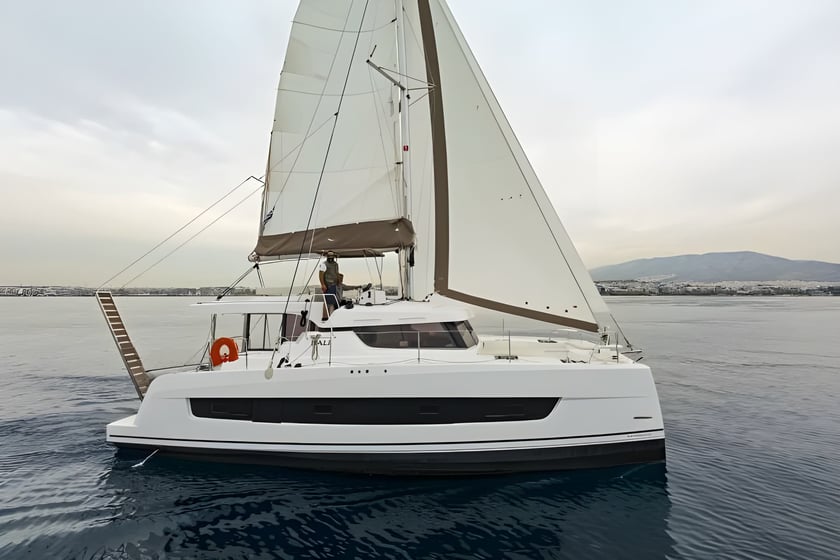
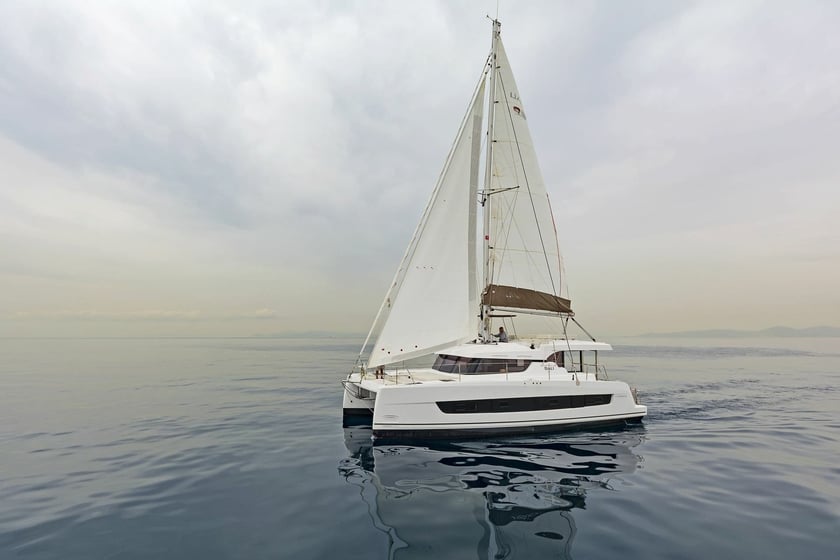
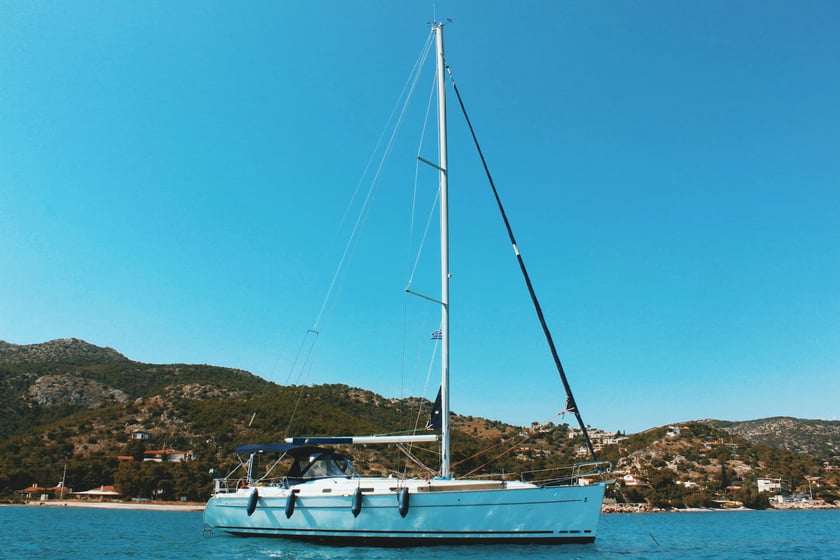
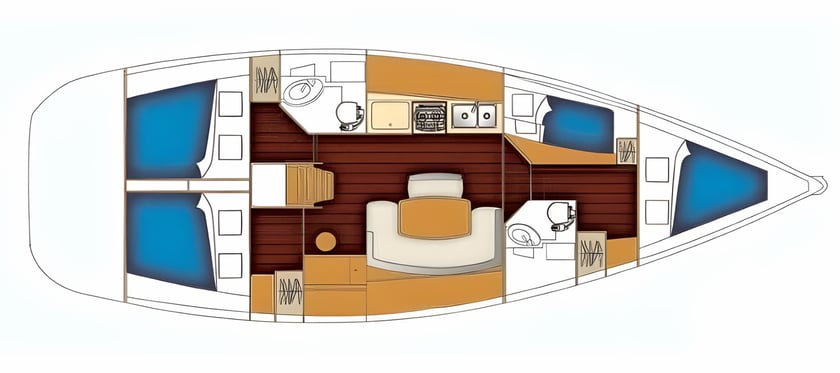
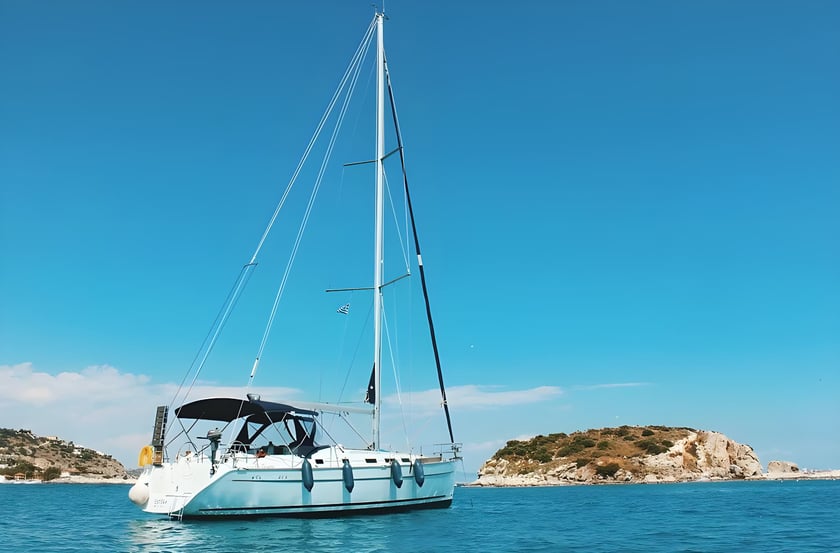
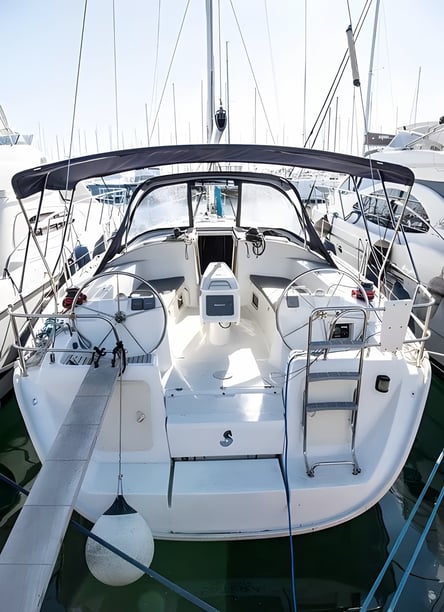
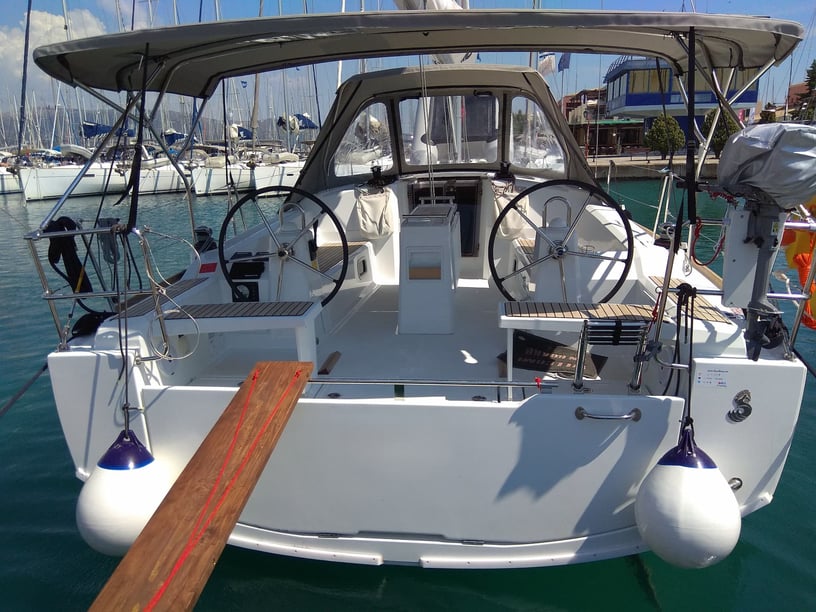
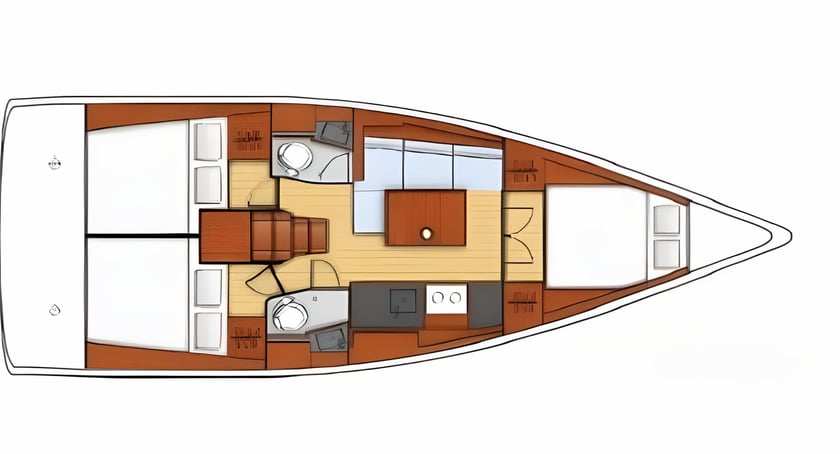
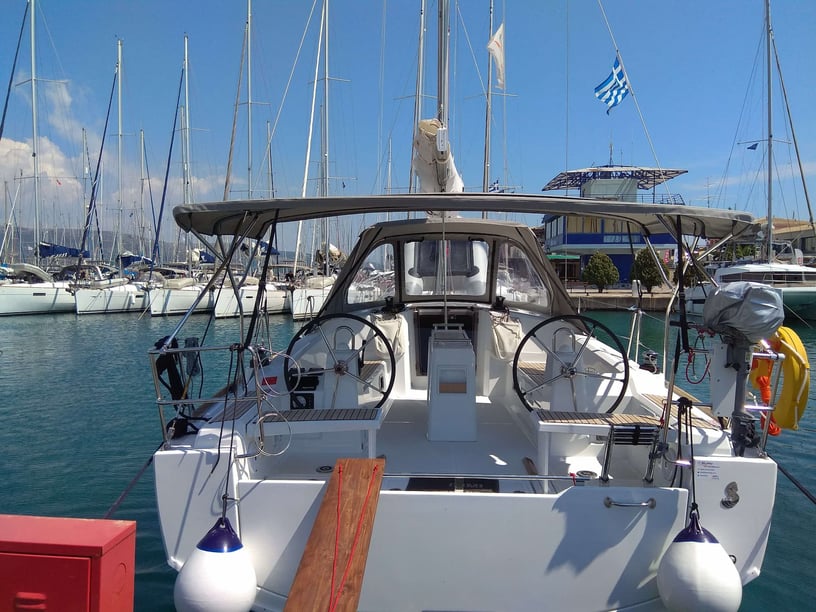
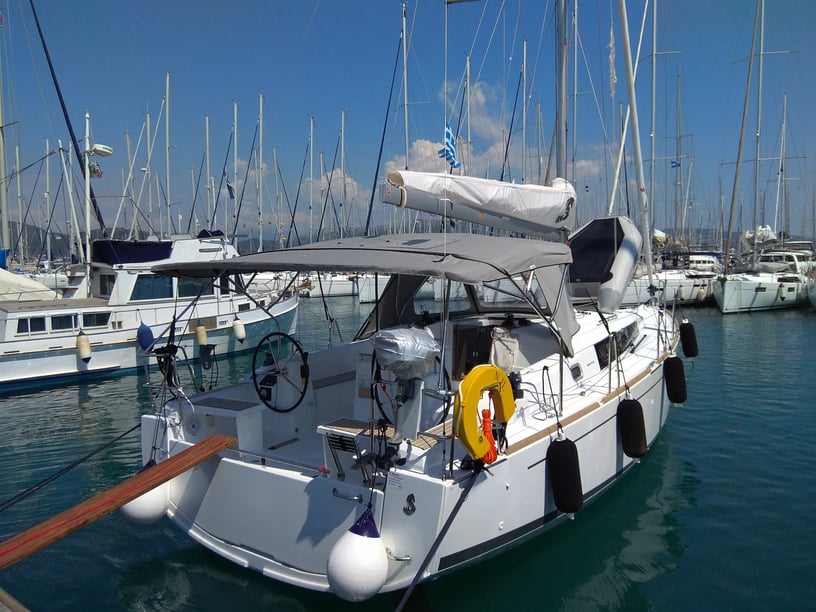
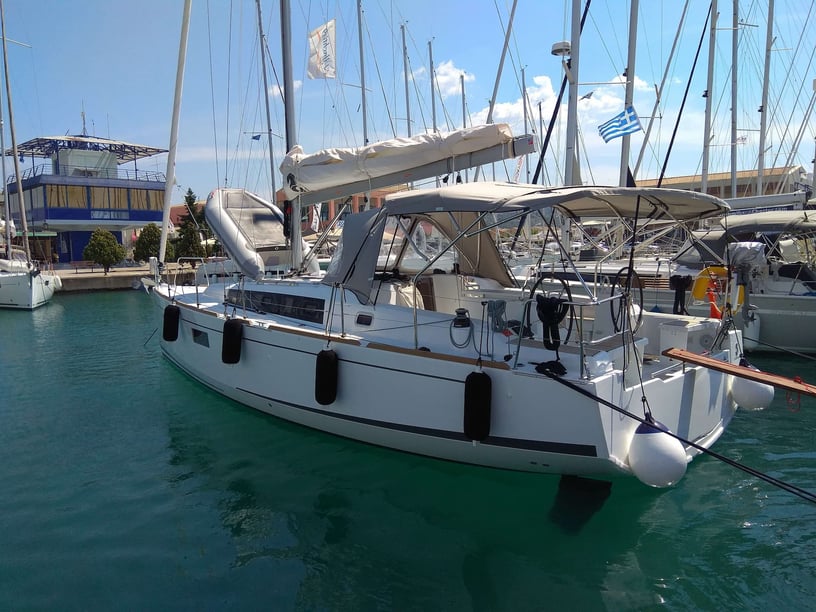
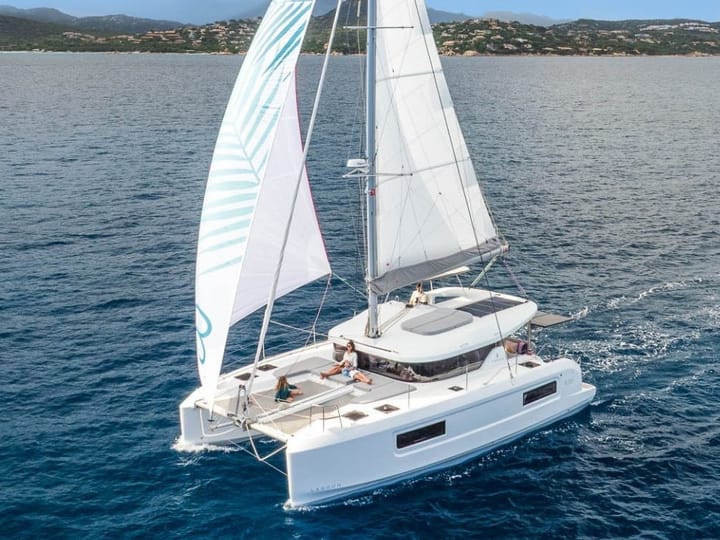
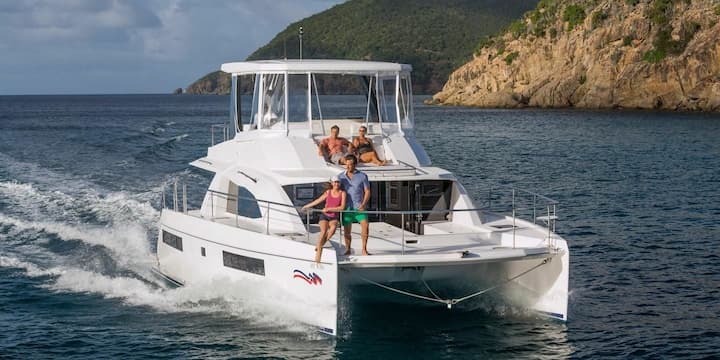
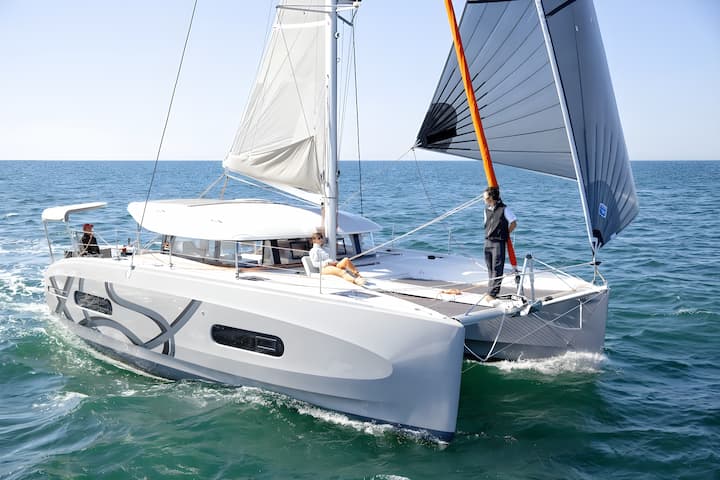
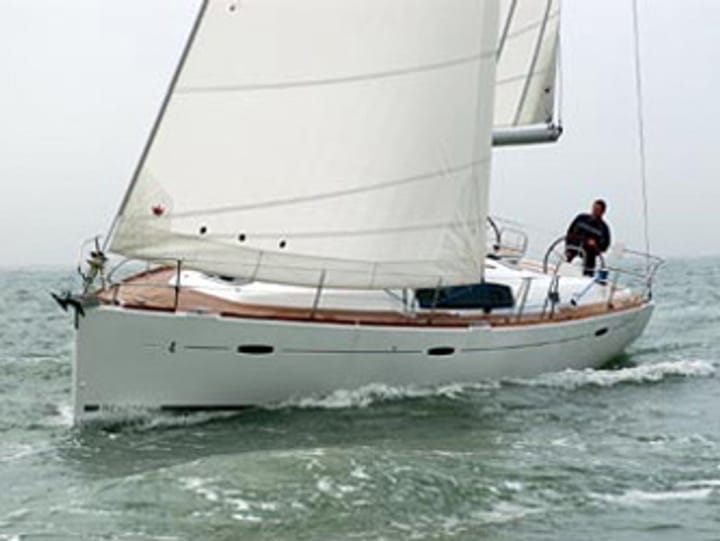
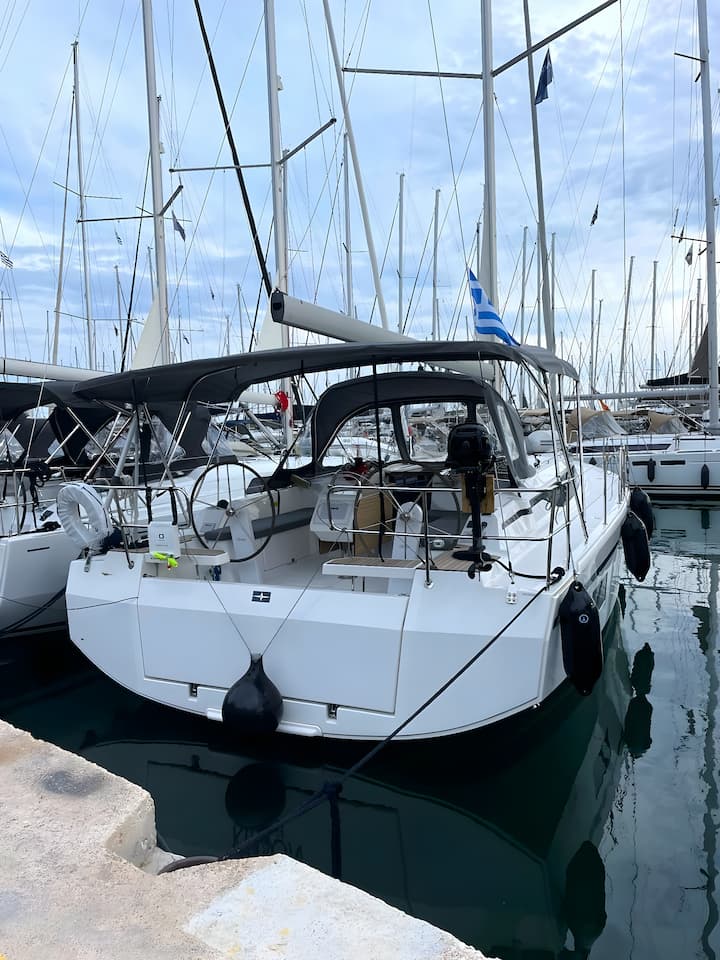
Boat choice should reflect the intended route, crew experience, sleeping arrangements and preferred balance between sailing and time at anchor. Travelers weighing different vessel styles can compare sailboat charters in Greece with catamaran charters in Greece, then assess the individual boat and charter terms for their dates.
Aegean itineraries should always retain alternatives because meltemi episodes can delay or redirect passages. Current official charts, sailing directions, notices and marine forecasts are essential. Stern-to or anchor-and-stern-to mooring is common at town quays, and busy summer harbours can lead to crossed anchor chains. Before entering marine parks or protected bays, check the applicable navigation, visitor and anchoring restrictions.















Verified
Ivan B.25 Aug 2026
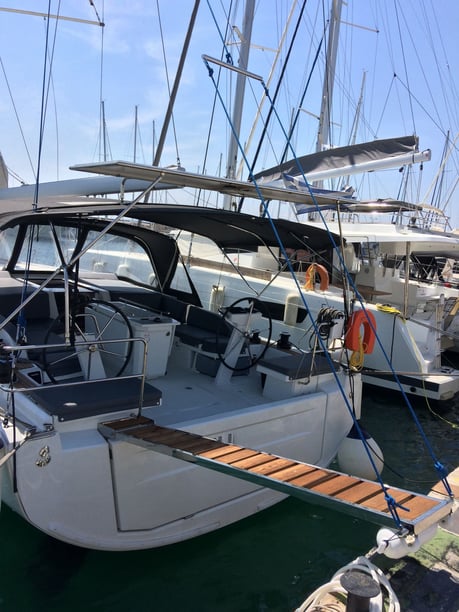
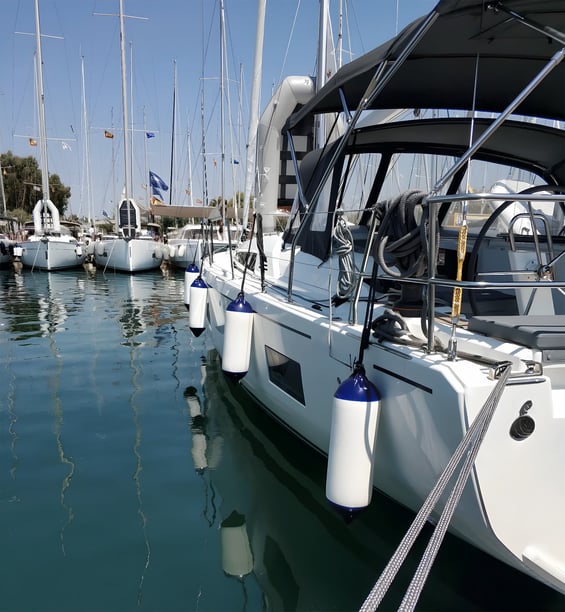
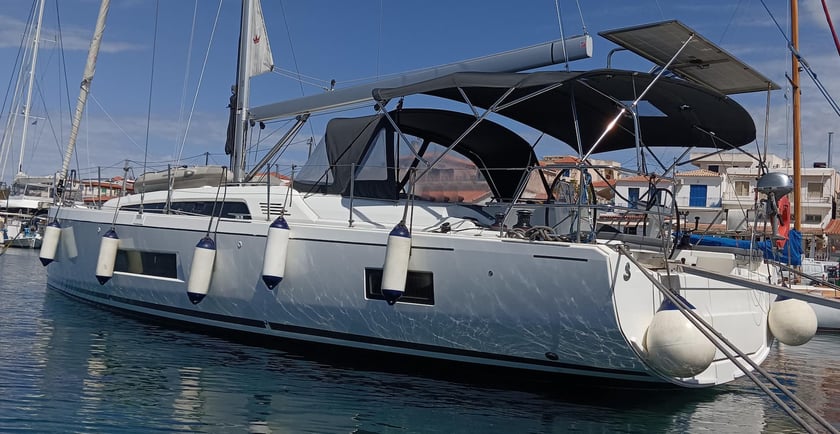
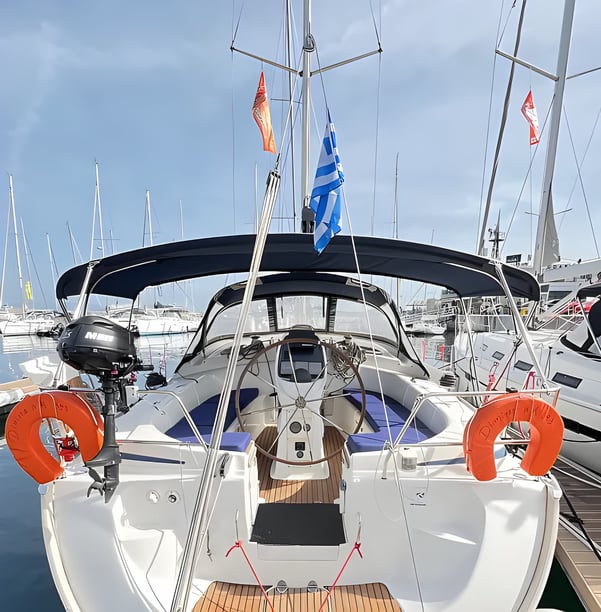
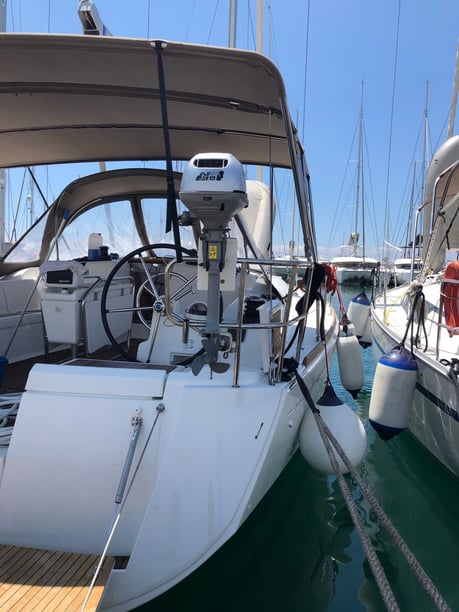
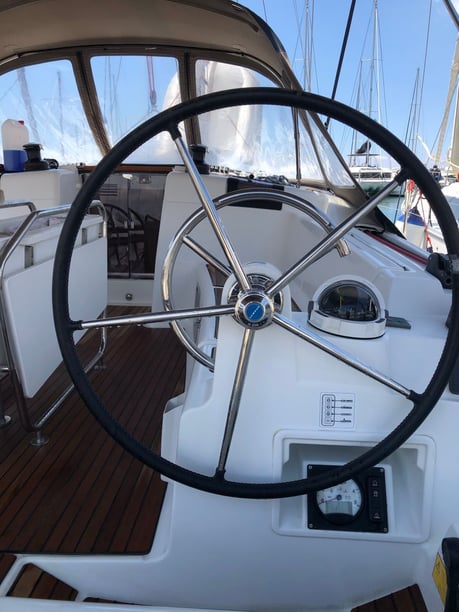
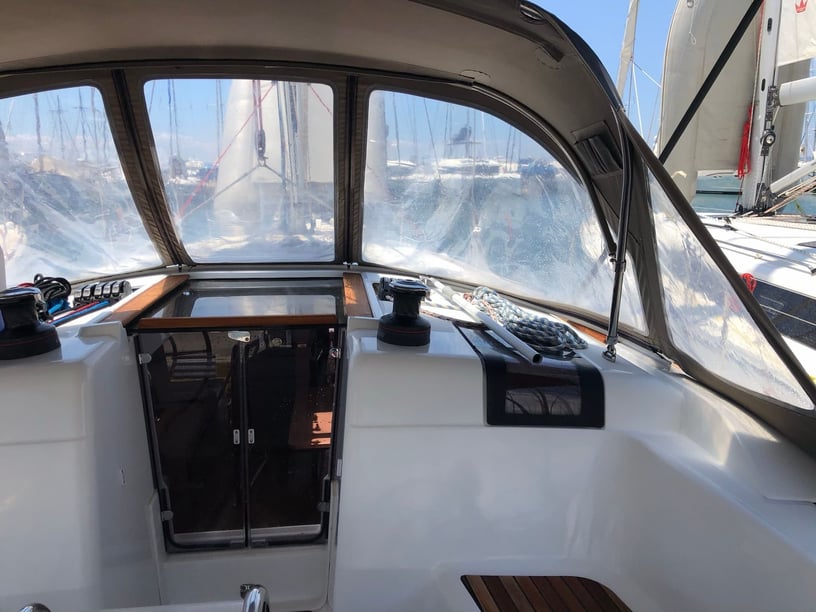
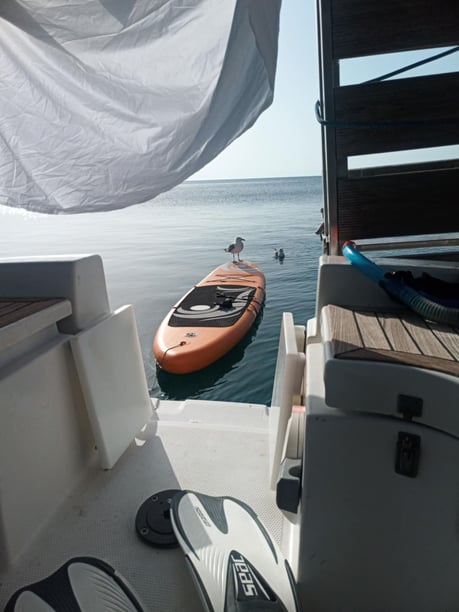
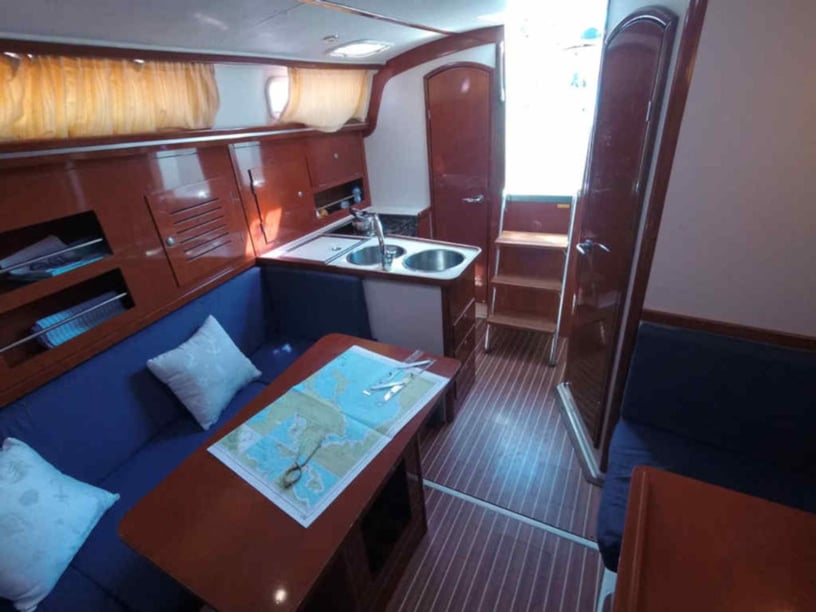
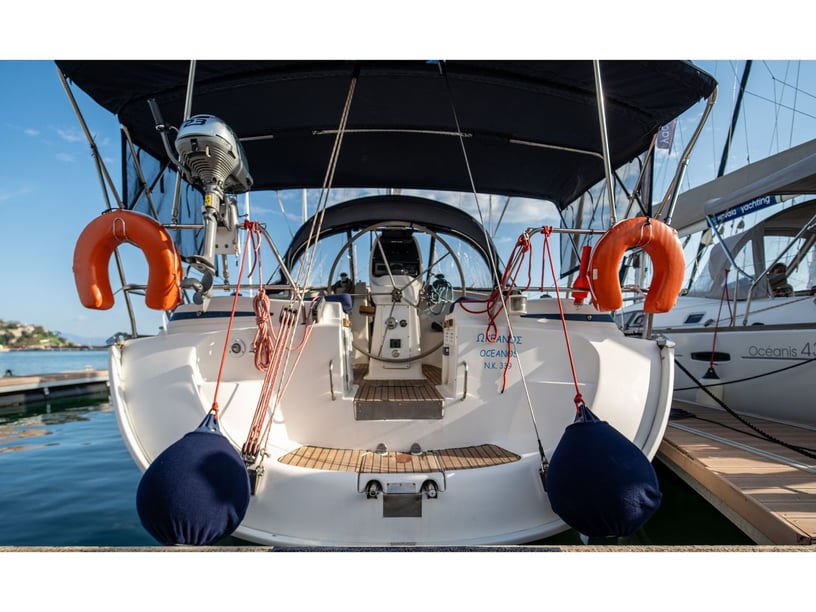
Overall it was a fine experience. Since I have a license, I skippered the boat myself. The yacht was quite old and had a bit of a diesel smell, but the price was unbeatable so I knew what I was gettin...
Listing owner: THEODOROSAthens / Greece