Catamaran charter in Sitges–Barcelona
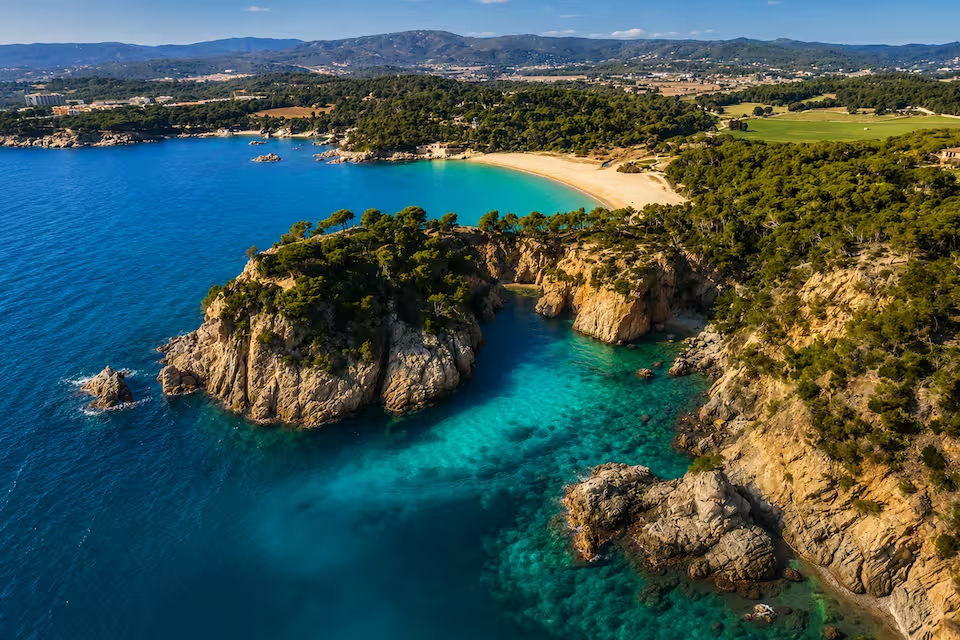
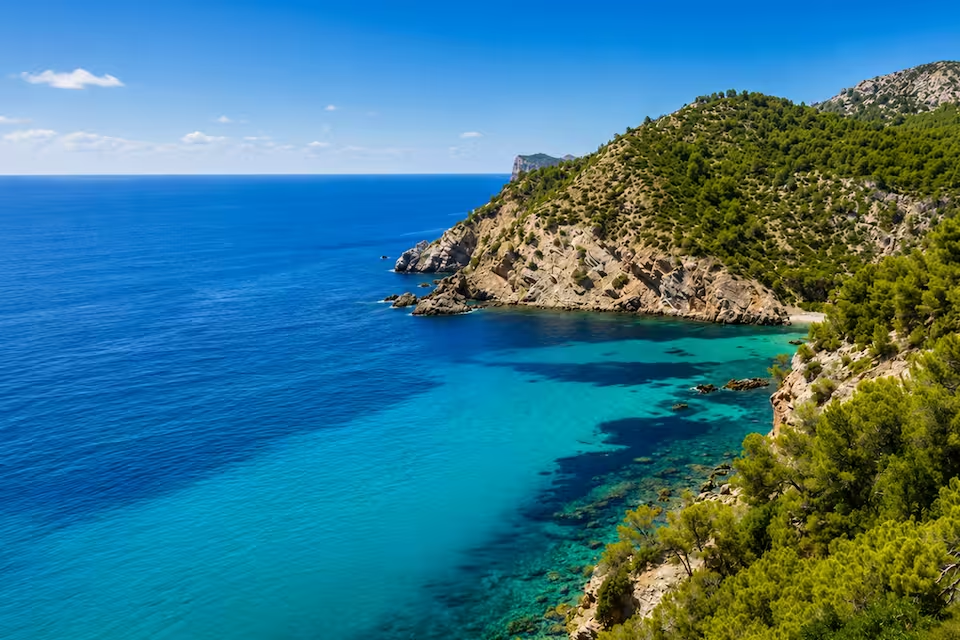
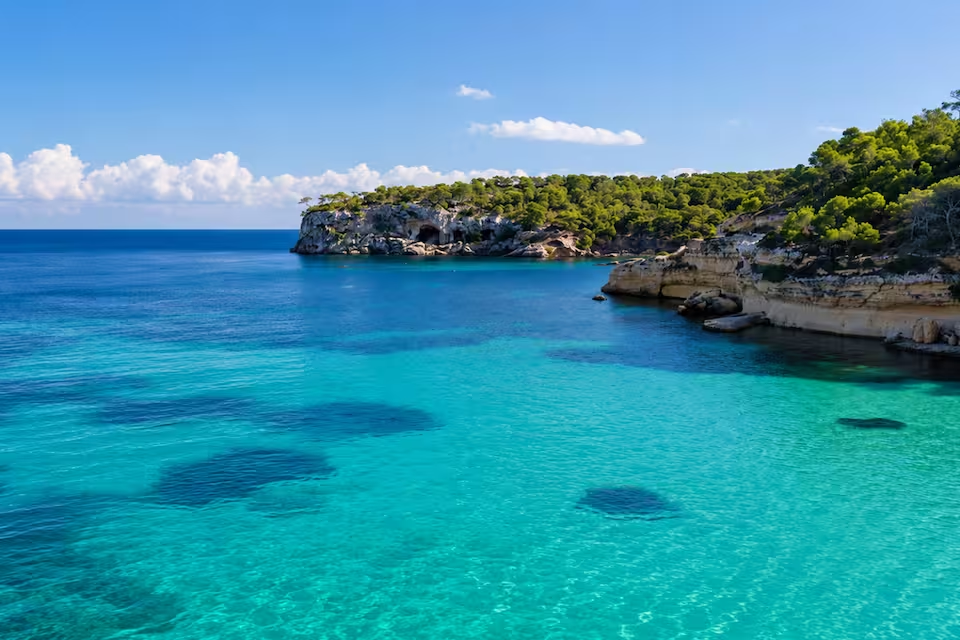
A catamaran charter in Sitges–Barcelona combines generous onboard space with short coastal cruising southwest of Barcelona. Sitges presents two contrasting seascapes: broad urban beaches divided by breakwaters and, farther northeast, the limestone cliffs and smaller coves below Garraf Natural Park. This is open-water coastal sailing rather than sheltered island-hopping, with practical links toward Garraf, Castelldefels and Vilanova i la Geltrú.
A catamaran’s twin hulls create wide indoor and outdoor living areas, while limited heel can make time under way more comfortable. The layout suits trips that divide the day between cruising, swimming, relaxing on deck and going ashore. From the water, travelers can also see Sitges’ old town and the Church of Sant Bartomeu i Santa Tecla above La Punta. Those comparing other vessel styles can explore yacht charter options in Sitges–Barcelona.
Coastal routes and places to visit
The municipality has three marinas with distinct practical roles. Port de Sitges–Aiguadolç offers the easiest access to central Sitges and its historic streets on foot. Port del Garraf is associated with sailing instruction, regattas, diving and paddle sports, while Port Ginesta, beside Castelldefels at the northeastern edge of the municipality, provides extensive technical services.
A typical coastal outing can follow the shore from Sitges toward the Garraf cliffs and Vilanova i la Geltrú, with the distance and stopping points adjusted to conditions. Another option begins at Port Ginesta and links the Garraf coast, central Sitges and Vilanova. Cala Morisca, Cala Ginesta and Cala Bou add smaller-scale coastal scenery, although approaches and swimming stops depend on wind, swell and local restrictions. Back ashore, the waterfront, Modernista sites such as Cau Ferrat and Maricel, local xató and Malvasia de Sitges give the charter a cultural dimension beyond the beaches.
When to charter and what conditions to expect
The principal boating season runs from May through September, with July and August forming the busiest peak. June and September often offer a useful balance of favorable boating conditions and lower visitor pressure than midsummer, while April, May and October can suit flexible shoulder-season plans. Winter boating remains possible in suitable weather but requires more selective timing.
Late spring and summer generally provide the longest settled-weather windows and warmer conditions for swimming. Rainfall is lowest in midsummer, though thunderstorms become more frequent in August and September. The coast has limited natural shelter from unfavorable onshore wind and swell, so coves, beach approaches and marina entrances may become uncomfortable when conditions worsen. A catamaran’s stability and reduced heel improve onboard comfort, but they do not remove the effects of an exposed sea state; forecasts and port notices remain important.
Choosing the right catamaran and charter format
Catamarans are especially practical for families, groups of friends and multi-generational parties that value shared space without giving up cabin separation. Guest accommodation is usually distributed between the two hulls, with the saloon, galley and cockpit forming the social center. Multiple deck areas also allow some guests to swim or relax while others use the communal spaces.
Choose first between a sailing catamaran and a power catamaran, then consider the level of support required. Bareboat charter offers independence but demands appropriate handling experience and may require qualifications. With a professional skipper, guests need no boating experience; a crewed arrangement can add cooking, housekeeping or guest service where offered. Check whether the skipper or crew needs dedicated cabin space, as this affects usable guest accommodation.
Cabin configuration, swimming access and indoor-outdoor space matter as much as headline capacity. Catamarans also have a wider beam and different maneuvering characteristics from monohulls, so berth availability and marina arrangements should be confirmed. In Sitges, it is equally useful to choose a departure marina according to the intended route and whether access to the old town, water sports or technical services is the priority.
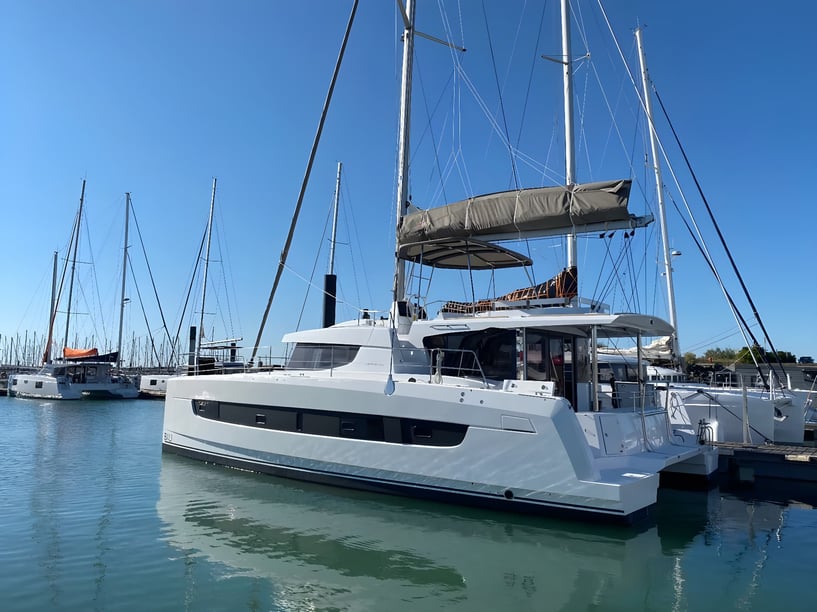
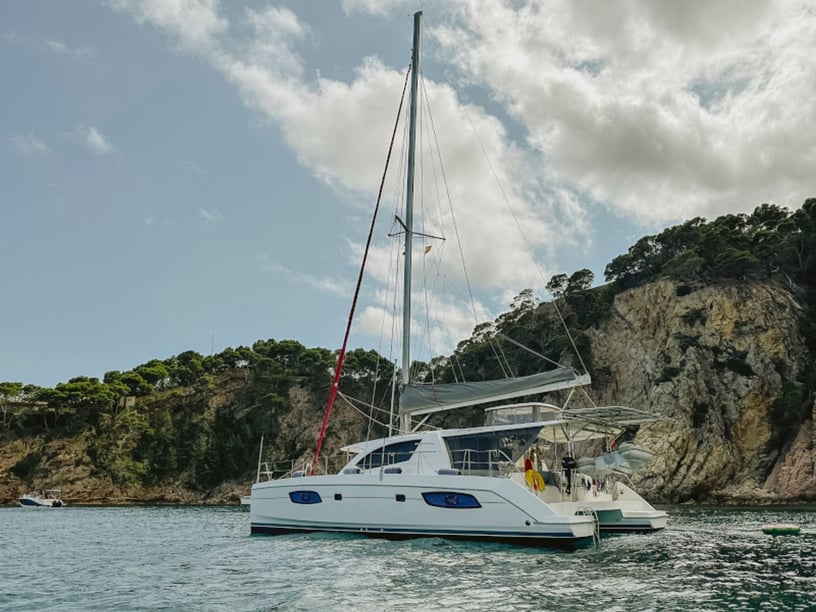
Catamaran options available through viravira.co
The current viravira.co selection for Sitges–Barcelona includes 1. Available catamarans accommodate from 10 to 10, and each has 5. Eligible starting prices begin at €1,971.
When comparing this concise selection, look beyond capacity to the cabin arrangement, charter format, equipment and space reserved for professional crew. Travelers seeking a broader choice of departure areas and vessels can also compare catamaran charter options across Spain.