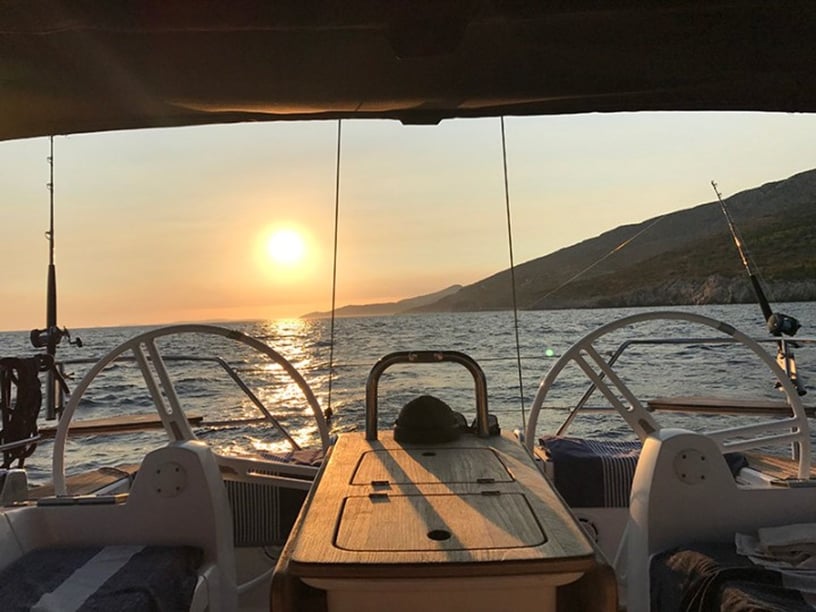
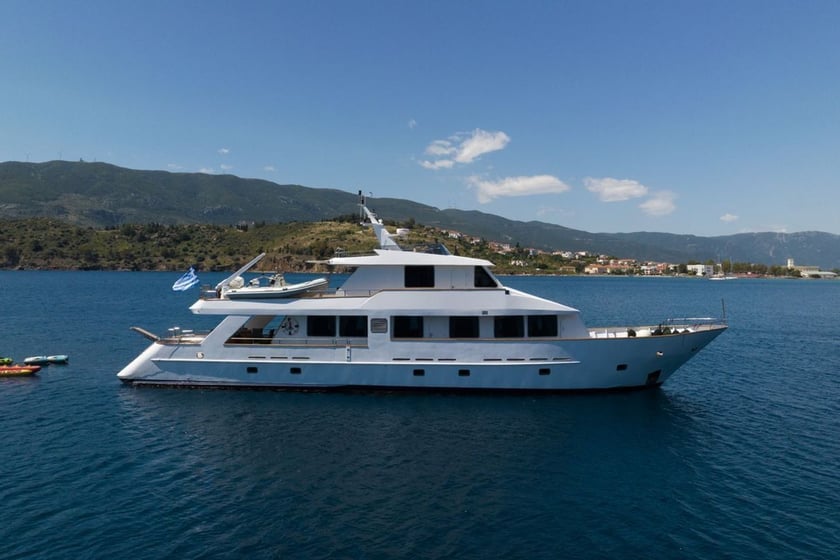
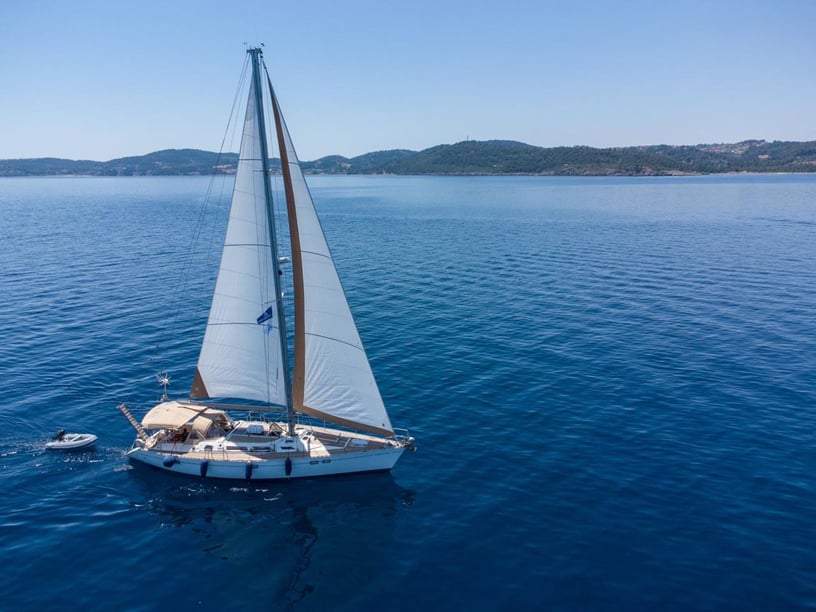
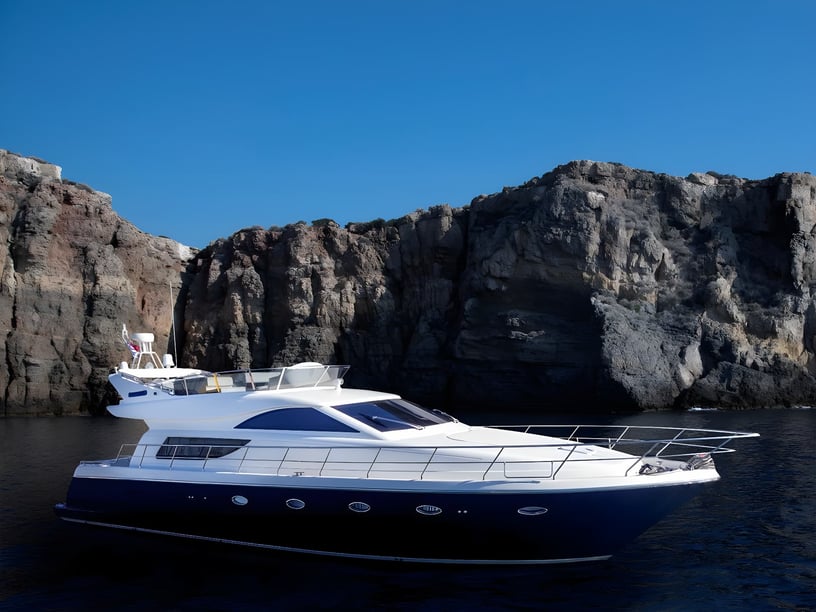
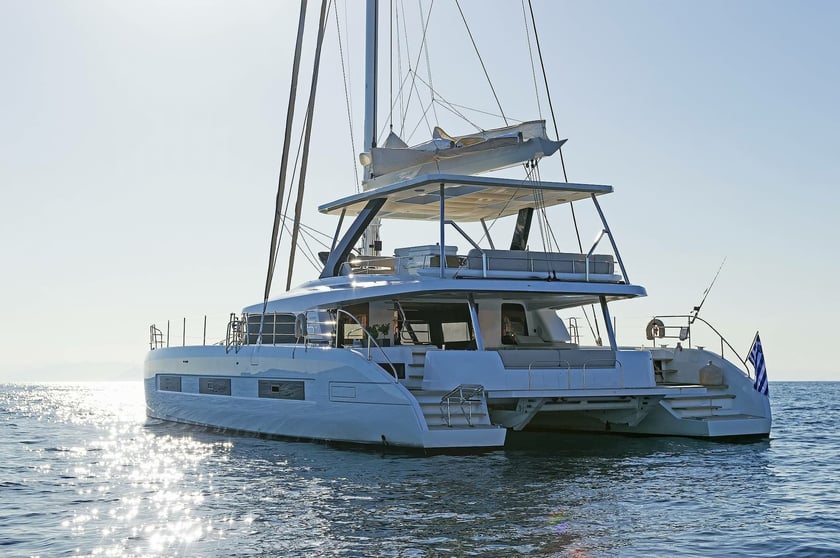
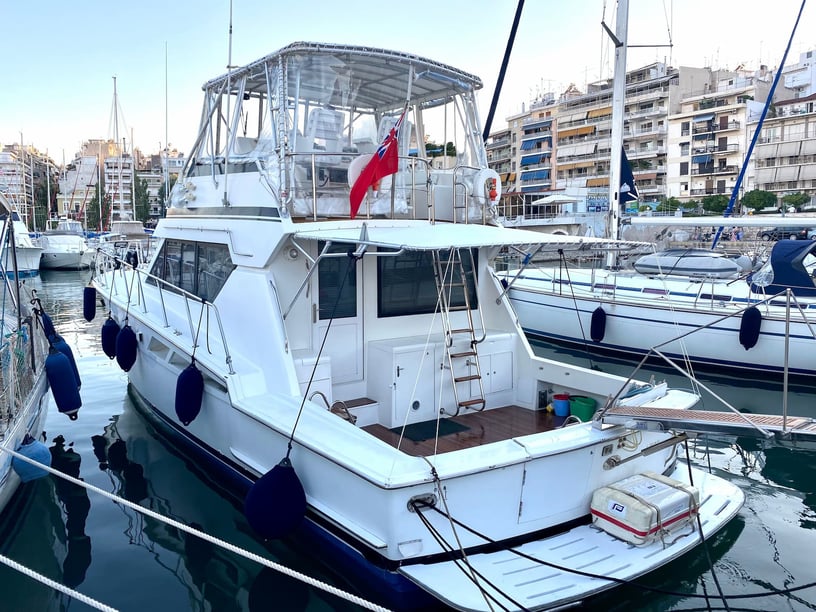
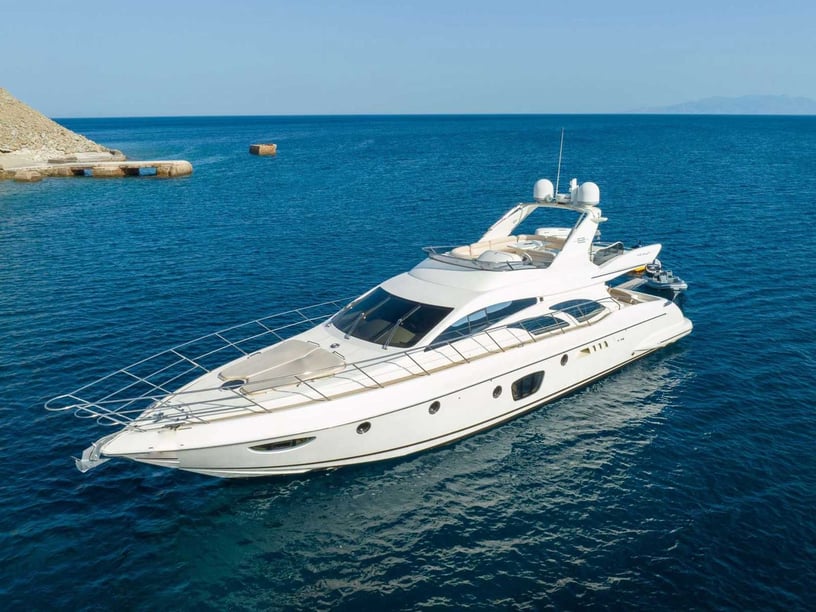
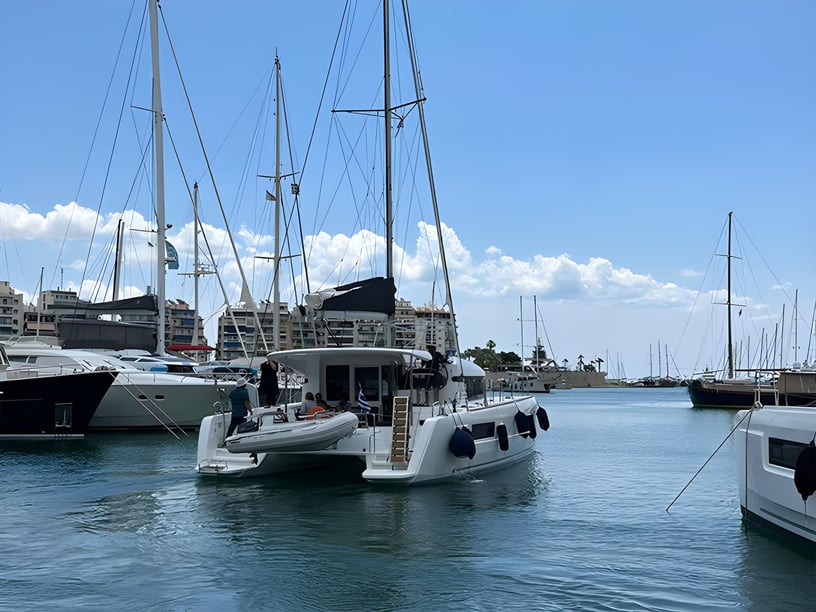
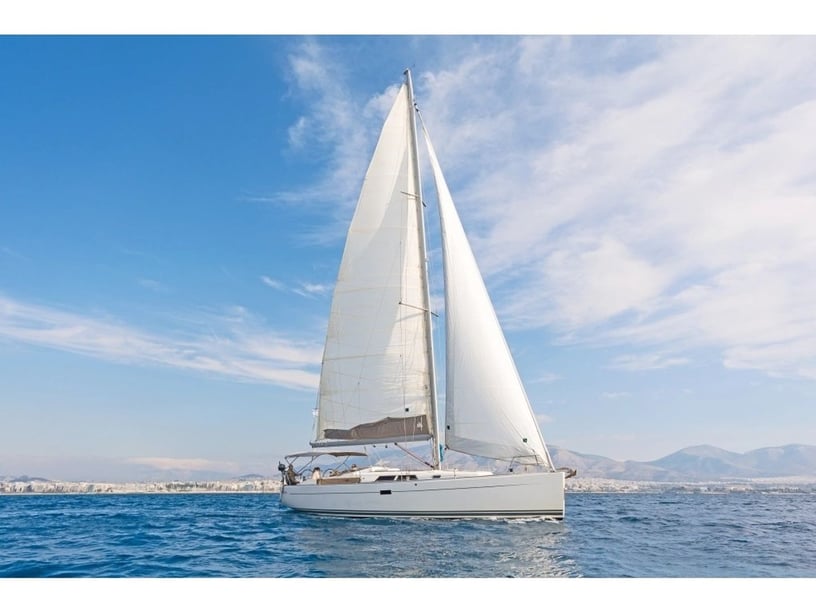
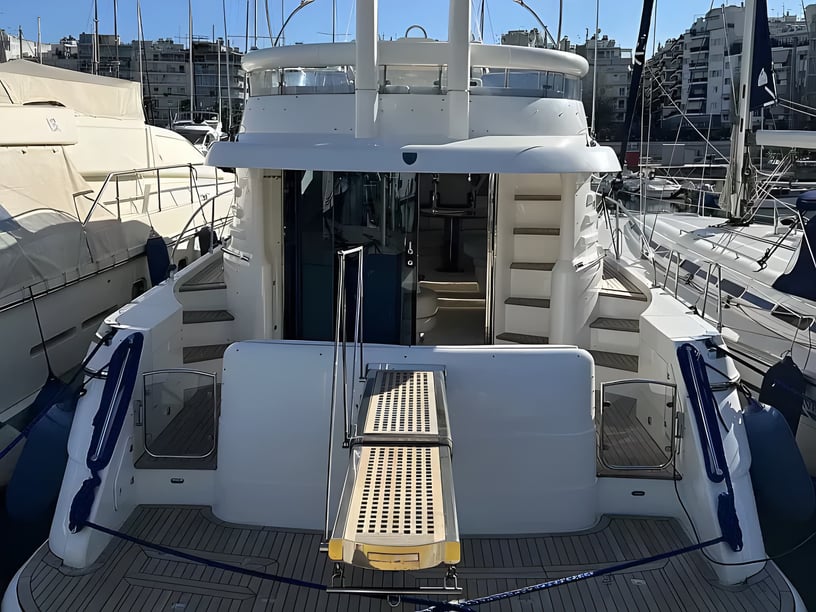
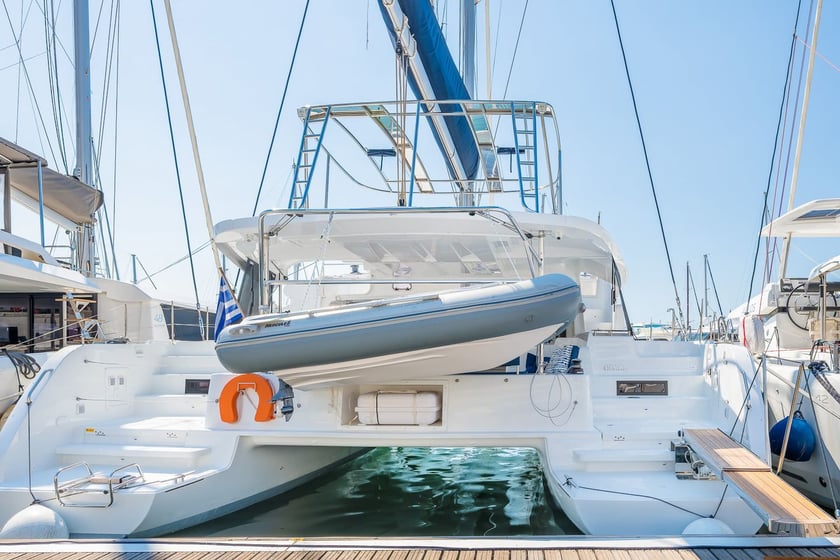
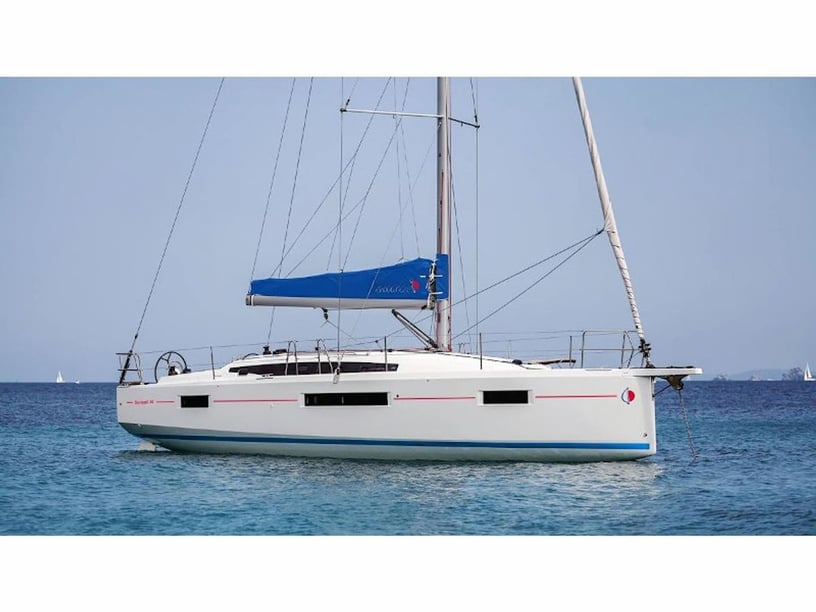
Yacht charter in Glyfada, Athens
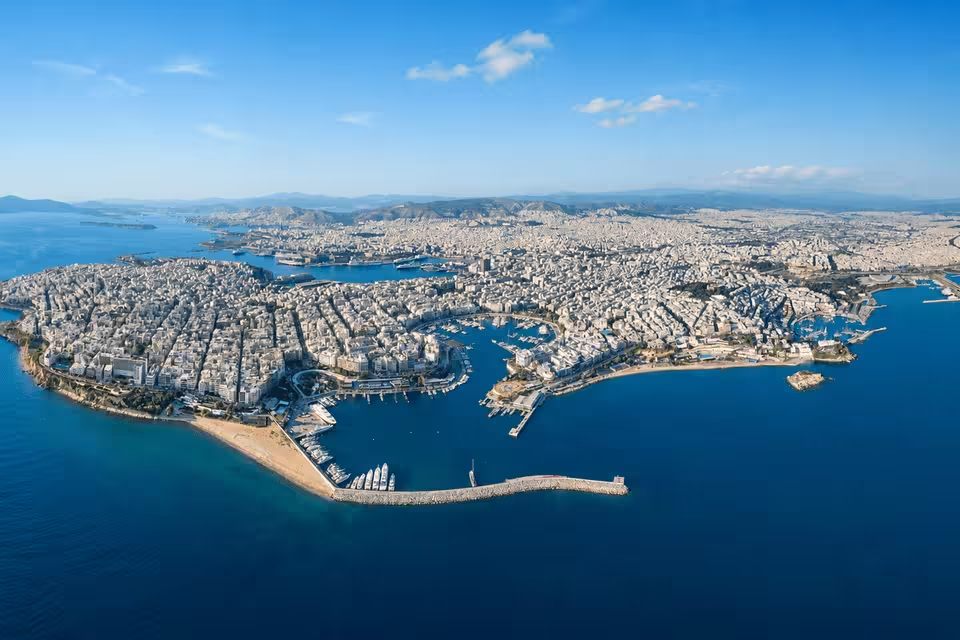
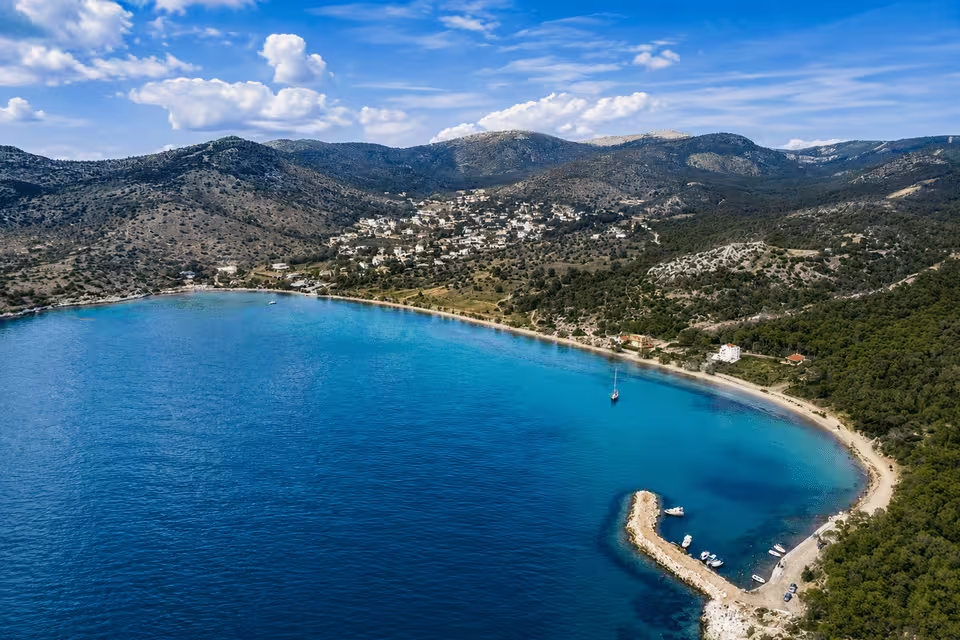
Glyfada occupies a low-lying stretch of the Saronic Gulf coast on the Athens Riviera, between Elliniko and Voula. Its sandy beach sections, seafront promenades and four-basin municipal marina are integrated into a substantial district of restaurants, shops and nightlife. This makes a yacht charter in Glyfada, Athens particularly relevant to travelers who want time on the water without separating their trip from the wider city.
Glyfada is best understood as an urban waterfront and local embarkation area rather than a self-contained cruising ground or the region’s principal charter base. It works well for short coastal trips, swimming stops and departures toward the southern Attica coast. For longer Saronic Gulf holidays, many itineraries begin at nearby Alimos Marina. Travelers considering a wider trip can also explore yacht charter options across Greece.
Places to explore along the Athens Riviera and beyond
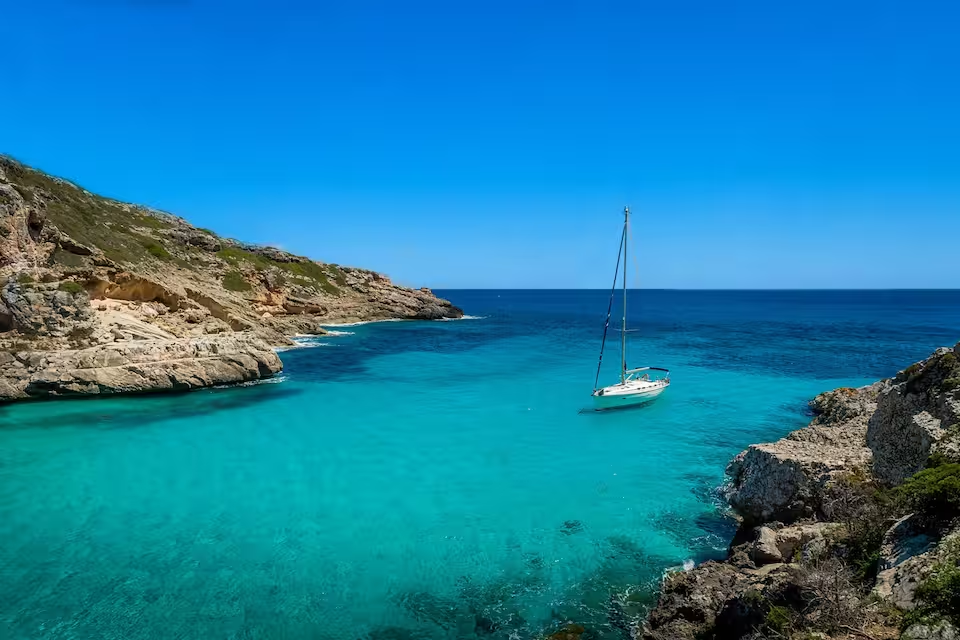
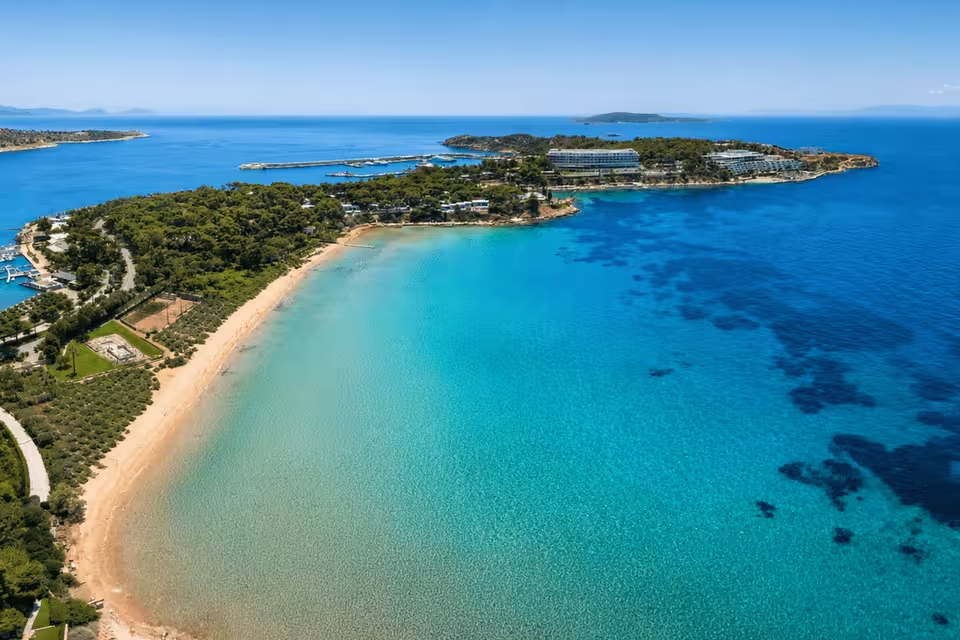
Short trips from Glyfada generally follow the Athens Riviera southeast toward Voula and Vouliagmeni. Vouliagmeni Bay and Kavouri Bay provide a change from the denser urban waterfront, while nearby Ydrousa and Fleves can be considered for swimming stops when weather and sea conditions permit.
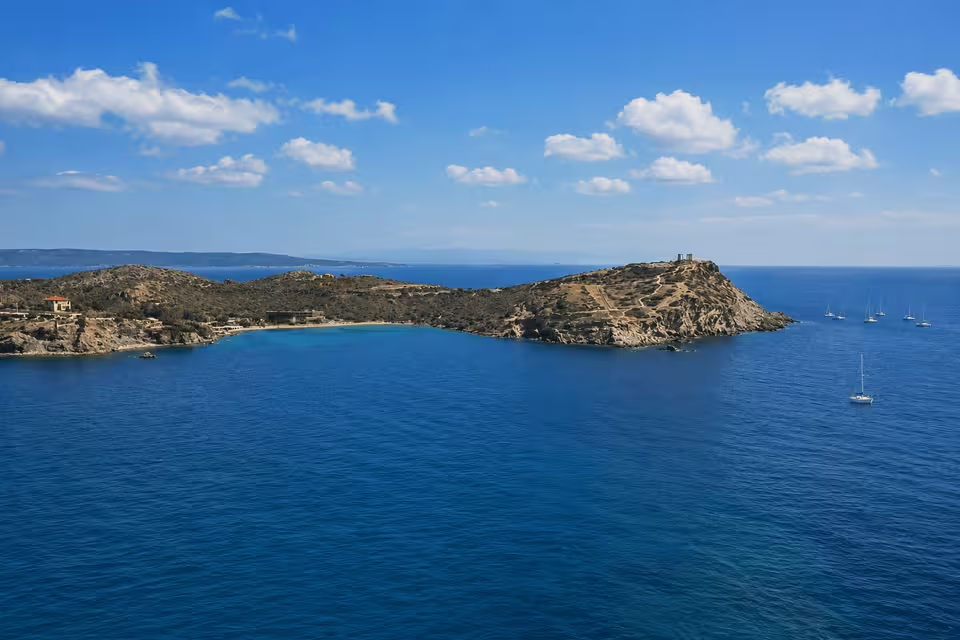
A full-day cruise can continue along the Attica coast toward Cape Sounion. The progressively more exposed coastline makes this a more substantial outing than a short run between Glyfada and Vouliagmeni, so the forecast and the boat’s cruising speed matter when planning the day.
For a multi-day yacht holiday, the Saronic Gulf opens up a broader range of island calls. Aegina and Poros can form part of a circuit that also includes Hydra and Spetses. These islands belong to longer itineraries from the wider Athens charter area rather than to a typical short cruise directly around Glyfada.
What sailing around Glyfada is like
The immediate cruising pattern is coastal and generally easy to understand: boats track the Athens Riviera, pause in bays or near islets, and return to an urban waterfront with extensive services ashore. On common Saronic routes, summer northerly and northwesterly winds are usually less severe than those encountered in the open Cyclades. That relative shelter should not be mistaken for consistently calm water, however.
Fresh winds and afternoon chop remain possible, and the metropolitan coastline can carry busy recreational and commercial traffic. Conditions become more exposed as a route approaches Cape Sounion. For travelers, this means that a realistic itinerary should allow the skipper to adjust swimming stops, turnaround points and departure times rather than treating every planned call as fixed. Longer Saronic passages combine coastal navigation with open-water crossings between islands, while short Glyfada outings remain more closely tied to the Attica shore.
Best time for a Glyfada yacht charter
The main recreational boating period runs from April through October. June and September are identified as particularly suitable months: both generally offer warm-season conditions, while September usually comes with less peak-season pressure than the busiest part of summer. Activity is greatest from late June into September, and island ports can be especially congested on summer weekends.
May is another useful warm-season option, while early October can still support enjoyable trips with fewer high-season pressures. Conditions become cooler and less consistent from mid-October onward. March and November may suit selected outings when forecasts cooperate, but winter brings more frequent rain, changeable weather and the least dependable conditions for leisure boating. Timing should also reflect the route: a short Riviera cruise requires less settled weather than an exposed passage toward Cape Sounion.
Route ideas from the Glyfada area
A straightforward coastal itinerary begins around Glyfada Marina and runs past Voula to Vouliagmeni, with time divided between cruising and swimming. If conditions are suitable, Ydrousa or Fleves may be included as a stop. Full-day versions can extend south toward Cape Sounion, although the greater exposure and longer distance require a more careful weather assessment.
For a week-long charter, nearby Alimos Marina is the more established starting point. A Saronic Gulf circuit may connect Epidaurus, Hydra, Spetses, Poros and Aegina before returning to the Athens coast. This route offers a different rhythm from a Glyfada day trip, with longer passages balanced by island port calls and overnight stays. In busy periods, retaining anchoring alternatives is sensible because popular Saronic harbors may fill quickly.
Life on the water and ashore
A charter around Glyfada can combine swimming and scenic coastal cruising with the conveniences of metropolitan Athens. The defining contrast is between the open waterfront and the active district immediately behind it: after a day cruise, travelers remain close to beaches, cafés, restaurants, shops and evening venues rather than returning to an isolated marina.
The destination also has a longer coastal history. Much of modern Glyfada occupies the territory of ancient Aixone, an Attic community associated with agricultural land and a coastal harbor. Today, the marina’s four separate basins and the seafront promenade continue that everyday connection with the water in a distinctly urban setting. This combination suits travelers who want boating to form part of a wider Athens stay, rather than making the entire holiday an island-to-island voyage.
Getting there and choosing a departure point
Athens International Airport Eleftherios Venizelos is the principal air gateway. Glyfada can be reached by taxi or car, or by taking the X97 airport bus to Elliniko and continuing locally. From central Athens and Piraeus, coastal roads, buses and the tram provide connections; Tram Line T7 serves several Glyfada stops and runs toward Piraeus, with a transfer at Pikrodafni for Line T6 toward Syntagma.
Glyfada Marina is a practical local departure point for coastal outings, but it consists of four separate harbor basins rather than one continuous marina. Entrances and suitable berths vary according to vessel dimensions and draft, and temporary berthing should be arranged with the municipality in advance.
For week-long bareboat or crewed charters into the Saronic Gulf, Alimos Marina is the principal nearby base. Astir Marina is another departure point on the Riviera. Confirming the actual marina before arranging transfers is therefore important, as a trip described as departing from the Glyfada or Athens area may not begin at Glyfada Marina itself.
Planning the right charter format
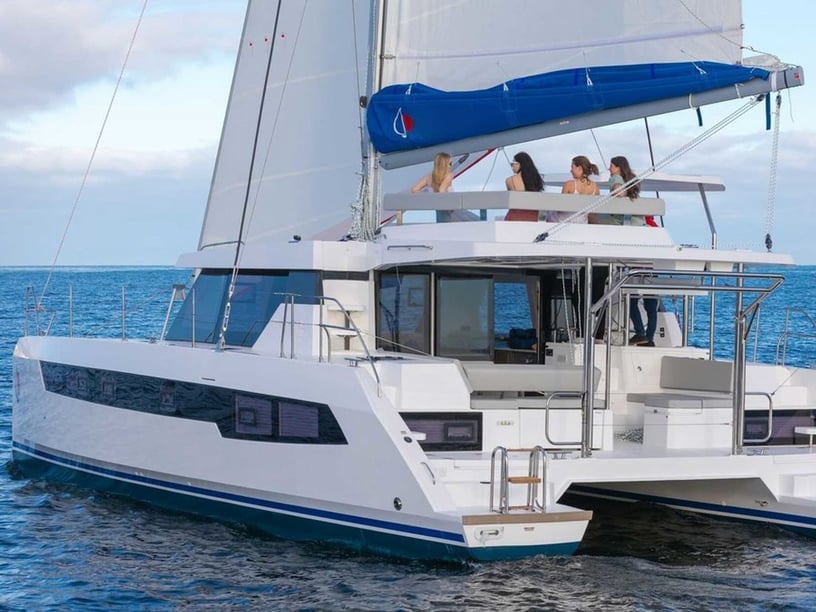
When comparing yacht charter or boat rental in Glyfada and Athens, begin with the intended scope of the trip. A short coastal cruise is suited to travelers who want swimming, views of the Riviera and an easy return to Glyfada’s restaurants and nightlife. A full-day trip toward Cape Sounion demands more time and flexibility, while an island circuit generally calls for a multi-day charter from the wider Athens base network.
For longer holidays, decide whether a bareboat or crewed format is appropriate and confirm the exact departure marina before booking transport or accommodation. Local inventory details are not assumed to be the same across Glyfada, Alimos and the wider Athens charter area.
Summer plans should retain alternatives for crowded island ports, especially on weekends. Forecasts and local port instructions deserve particular attention before exposed passages toward Cape Sounion. For Glyfada Marina, visitors should also arrange temporary berthing in advance and have the required vessel documentation available.