Yacht charter around Salamina
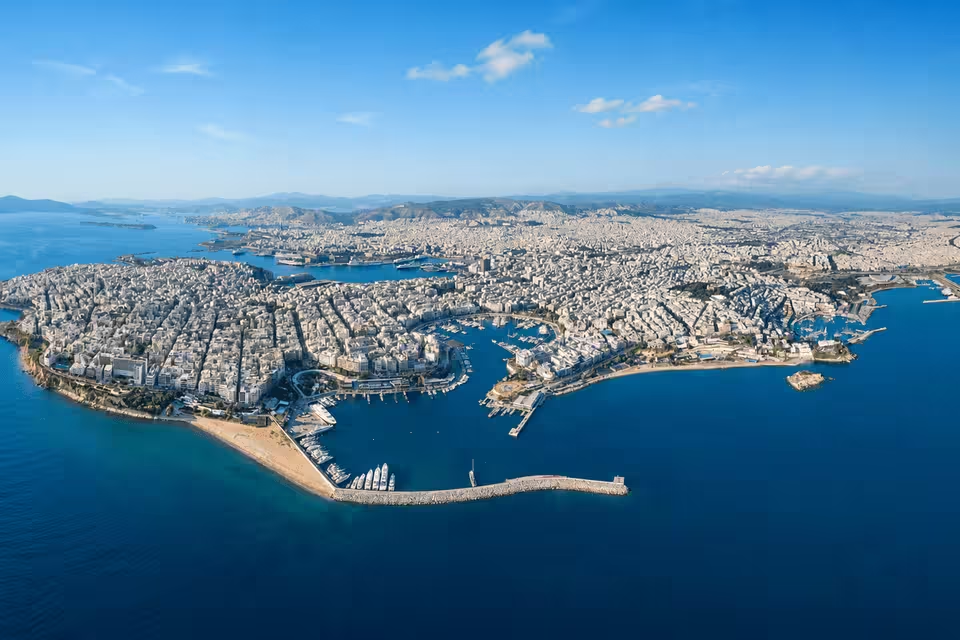
Salamina, also known as Salamis, occupies a strategic position in the northern Saronic Gulf, close to Piraeus and the western side of metropolitan Athens. A yacht charter in Salamina combines two contrasting settings: the active ferry and commercial waters facing the mainland, and the quieter coves and pine-backed coastline found toward the island’s south and southwest.
This is a working maritime locality rather than a purpose-built resort port. Fishing boats, ferries, traditional trawlers and ship-repair activity remain part of its character. For charter travelers, Salamina can serve as an embarkation or return point where arrangements permit, but it is equally relevant as a stop within a wider Saronic itinerary. Its proximity to Athens also makes it a useful starting point for comparing Salamina with other possibilities for yacht charter in Greece.
Coasts, coves and nearby islands
Salamis Bay and the northeastern waterfront provide the island’s urban and maritime context, with Salamina town, Paloukia and Ampelakia close to busy ferry routes. These waters are useful for understanding the island’s relationship with Piraeus and the mainland, although they are less suited to an unhurried anchorage experience than the southern coast.
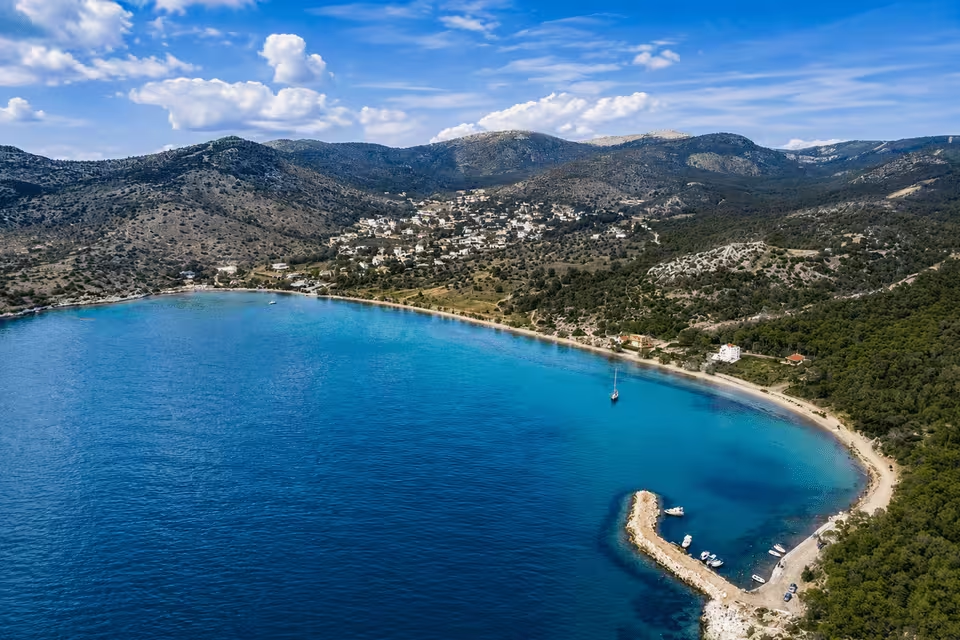
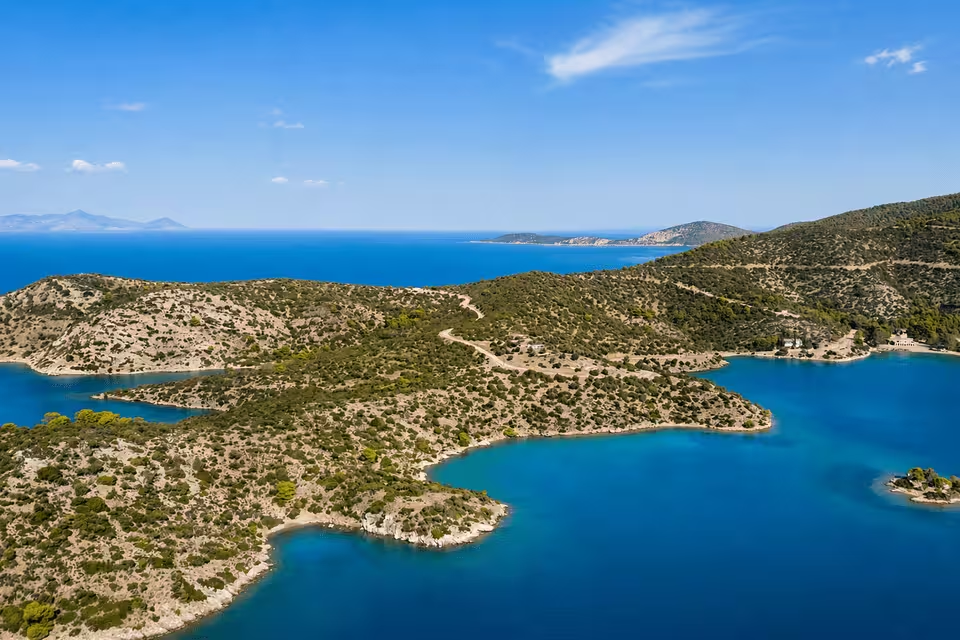
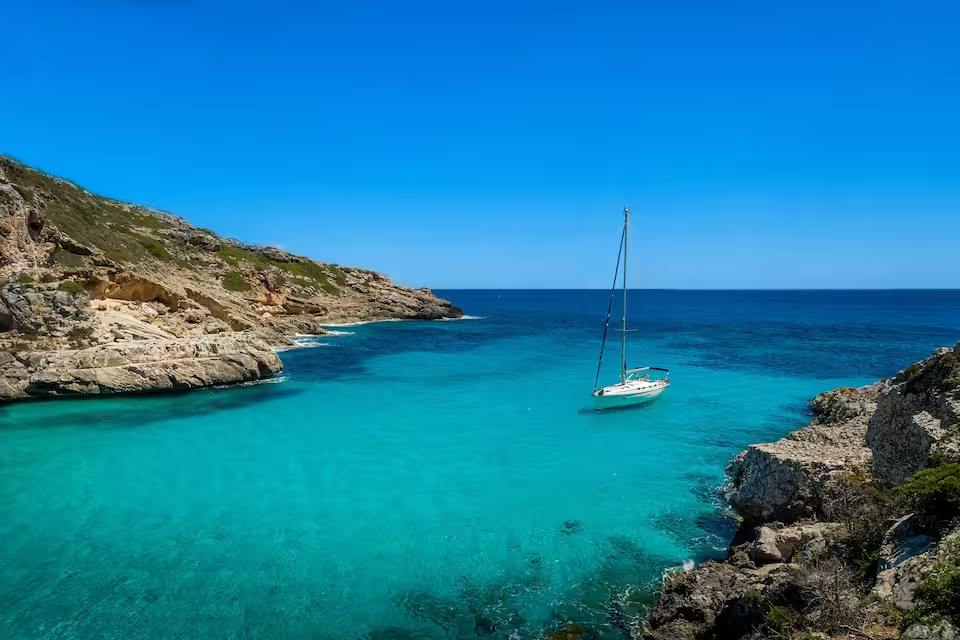
Kanakia Bay is one of the most relevant stops for a yacht itinerary. Set on the southwest coast, it combines a swimming or anchoring opportunity with access to an archaeological landscape that includes the Mycenaean Acropolis of Kanakia. Farther southeast, Peristeria Bay and the nearby islets add another settled-weather coastal option. Aianteio and Selinia offer further glimpses of everyday island life and waterfront dining.
For longer cruising, Aegina provides a natural connection with the wider Saronic Gulf. The choice between staying close to Salamina and continuing farther south depends on trip length, weather and how much time travelers want to divide between sailing, swimming and going ashore.
What sailing here is like
Cruising around Salamina ranges from relatively enclosed bay waters to narrow, traffic-heavy channels and more exposed anchorages along the south and southwest coast. The northern Saronic Gulf is generally more sheltered from the summer Meltemi than the open Aegean, but that does not make every passage straightforward. Frequent ferries, commercial vessels, fishing activity and vessel wakes require sustained attention around Paloukia, the eastern waterfront and the approaches toward Piraeus.
Summer usually brings hot, dry weather, northerly winds and local afternoon sea breezes. Short chop and ferry wash can affect otherwise protected channels. In spring and autumn, southerly or southwesterly winds, showers and faster weather changes become more relevant. Southern anchorages such as Kanakia may be appealing in settled conditions but can become uncomfortable when stronger winds arrive from those directions.
Overall, the local sailing difficulty is moderate. The passages need not be long, yet traffic awareness, suitable anchorage selection and close attention to forecasts matter as much as wind strength.
Best time for a Salamina yacht charter
The main recreational boating season runs from April through October. June and September stand out as particularly suitable months, combining favorable sailing conditions with temperatures that are generally more comfortable than the height of summer. May is also a strong option within the main season.
July and August offer predominantly dry, dependable weather, but intense heat and heavier marine activity can shape the daily routine. Earlier departures, reliable shade and sufficient drinking water become particularly important. April and October can work well for travelers comfortable with more variable conditions; October is best approached with flexibility and a close watch on forecasts. Winter brings more rain, frontal weather and reduced destination activity, making it less suitable for a typical leisure charter.
Route ideas in the Saronic Gulf
Salamina can be incorporated into both short local cruising and a week-long Saronic circuit. One established longer route links Salamina with Epidaurus, Poros, Hydra, Ermioni and Aegina before returning to the island. This format balances sailing days with harbor visits, swimming stops and time ashore, while giving the itinerary enough geographic range to feel distinct from a simple circuit of Salamina.
For a shorter plan, the southwest coast can form part of a return passage between Aegina and the Athens area, with Kanakia used as a settled-weather swimming or anchoring stop. Route order should remain flexible: southerly conditions may make the southern bays less comfortable, while traffic around the eastern channels can affect timing.
History, swimming and island life
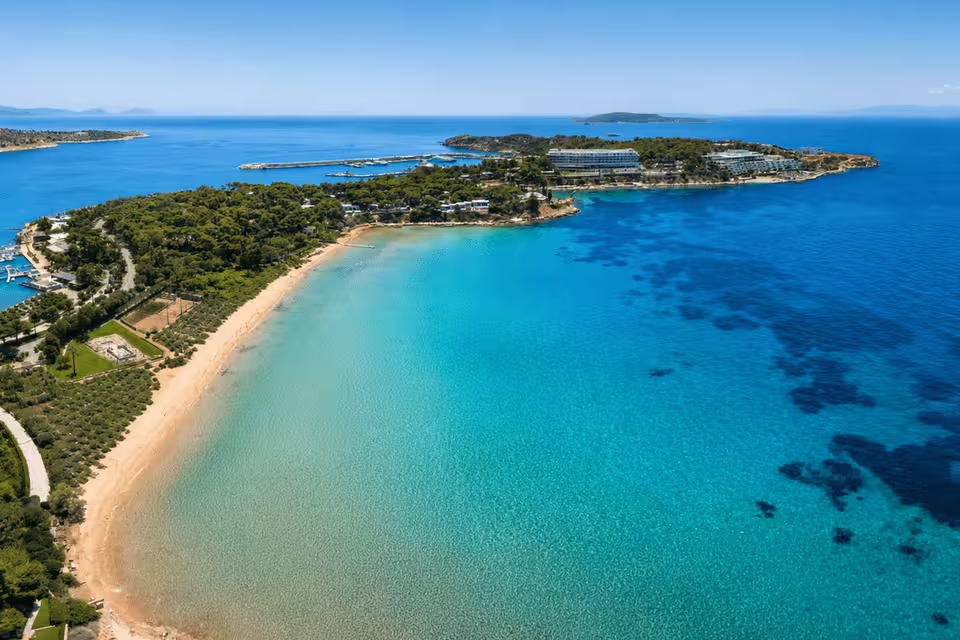
Time on the water reveals the contrast at the heart of Salamina: busy working waterfronts close to the mainland and quieter coves around the island’s southern edge. A charter day might combine a short passage, a swim off Kanakia or Peristeria and an evening ashore at a waterfront taverna serving seafood and established Greek coastal dishes.
The island’s history is closely tied to its surrounding waters. The Battle of Salamis was fought in the straits between the island and the Attic mainland in 480 BC, giving the seascape significance beyond its modern ferry routes. Ashore, the Archaeological Museum of Salamina holds finds from the Late Neolithic period through the early Christian era. Other possible cultural visits include the Cave of Euripides, the Sanctuary of Dionysus, the Monastery of Faneromeni and the burial monument at Kolones.
These sites make Salamina especially relevant to travelers who want a yacht trip to include archaeology and maritime history rather than focusing only on beaches.
Reaching Salamina and arranging departure
International travelers normally arrive through Athens International Airport and continue toward Athens, Piraeus or Perama by road or public transport. The principal island crossing is the short vehicle and passenger ferry between Perama and Paloukia. A secondary service connects Nea Peramos with Faneromeni, while buses and taxis link Salamina’s main settlements.
Salamina City Port is the principal local departure point identified for yacht trips, but it is a mixed-use harbor rather than a dedicated resort marina. It accommodates private tourist craft alongside fishing boats and traditional trawlers, so berth arrangements and current instructions should be confirmed with the local port authority. Paloukia is primarily a high-traffic ferry port and should not be treated as a relaxed yacht harbor.
Depending on the charter arrangement, a wider Saronic trip may also begin in the Piraeus or Athens area and include Salamina as a first or final island stop.
Planning your charter
For travelers researching boat rental in Salamina, the key questions concern the handover point, confirmed berthing arrangements and the itinerary’s approach to the busy eastern channels. Boat availability and charter formats should be checked for the intended dates rather than assumed from Salamina’s proximity to Athens.
The area’s moderate sailing difficulty makes local knowledge valuable. Travelers considering a charter without a professional skipper should assess their confidence around frequent ferry crossings, commercial traffic, narrow channels and mixed-use ports. Current nautical charts, weather forecasts and local port guidance are essential, particularly near Paloukia and the working eastern waterfront.
Anchorage plans should include alternatives. Kanakia and other southern or southwestern bays are most appropriate in settled weather and may need to be replaced when southerly or southwesterly winds develop. In July and August, prioritize shade, sun protection and ample drinking water. Building flexibility into the route is more useful here than fixing every stop in advance.






Verified
Dávid A.01 May 2026
The boat was in good condition, and the overall service from the charter company was quite good. The mandatory transit log and cleaning fee of 300 EUR had to be paid in cash.
Salamina / Greece