Athens yacht charter: a gateway to the Saronic Gulf
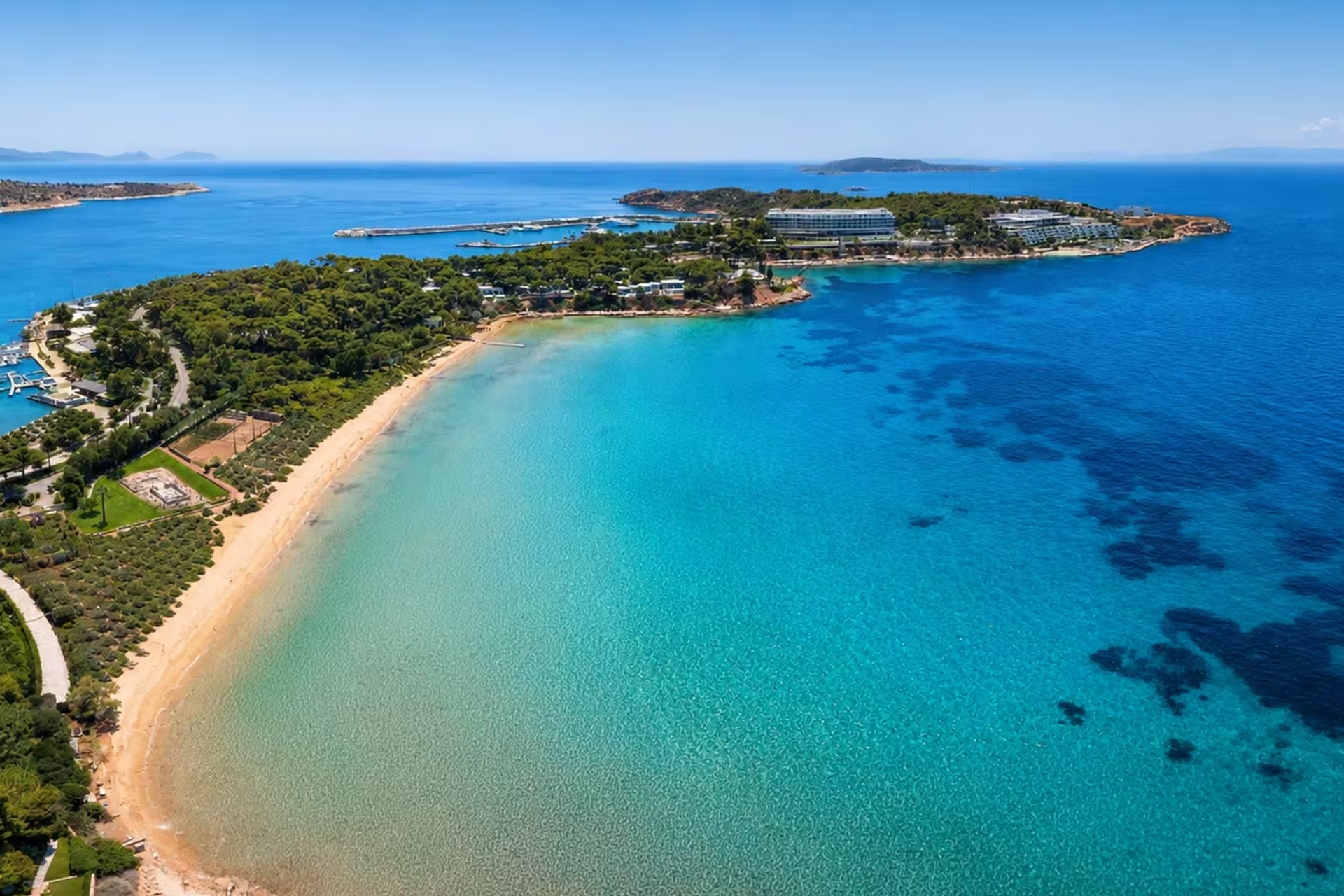
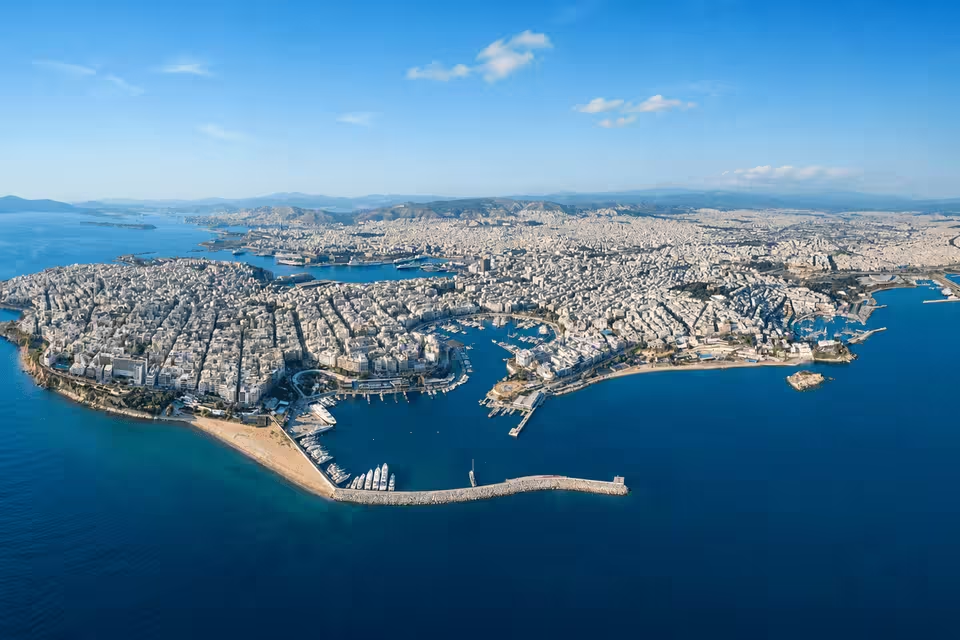
A yacht charter in Athens brings together two distinct parts of a Greek journey: time in the historic capital and island cruising from its southern waterfront. The city itself occupies the Athens basin, while its metropolitan coast extends through Palaio Faliro, Alimos, Glyfada and Vouliagmeni along the Saronic Gulf.
Athens is especially relevant as an embarkation area for compact Saronic itineraries. Aegina and the other Saronic islands lie between Attica and the eastern Peloponnese, allowing a charter to combine relatively short passages, swimming and evenings ashore. Longer routes can continue beyond Cape Sounion toward the Cyclades, although these involve more exposed sailing. Travelers considering a wider range of regions can also compare yacht charters in Greece.
Islands and coastal places to explore
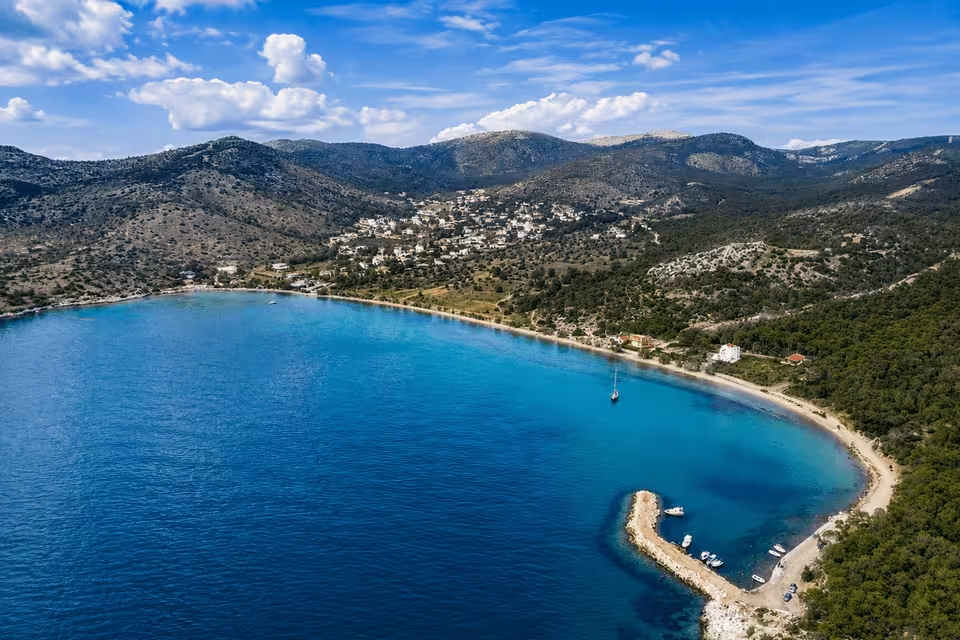
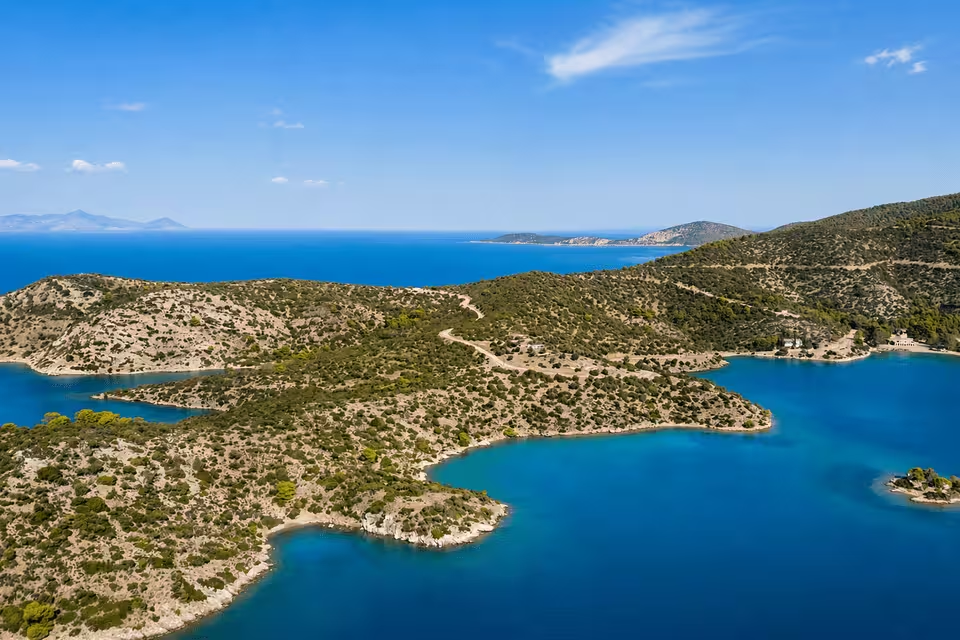
The most natural cruising area from Athens is the Saronic Gulf. Aegina is a practical first island on many itineraries, while Agistri adds another nearby option. Farther south, Poros sits beside the Peloponnese and is approached through a channel where ferry and local vessel traffic require attention.
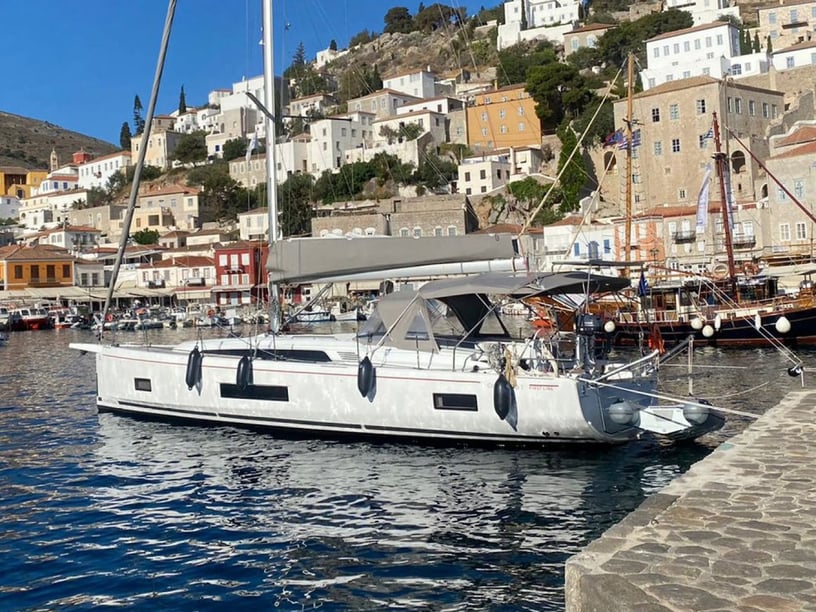
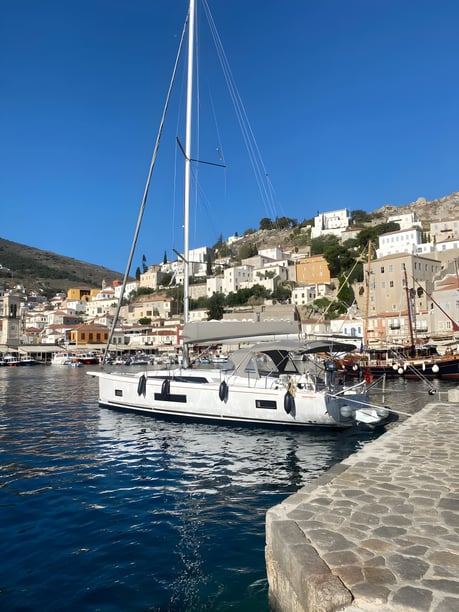
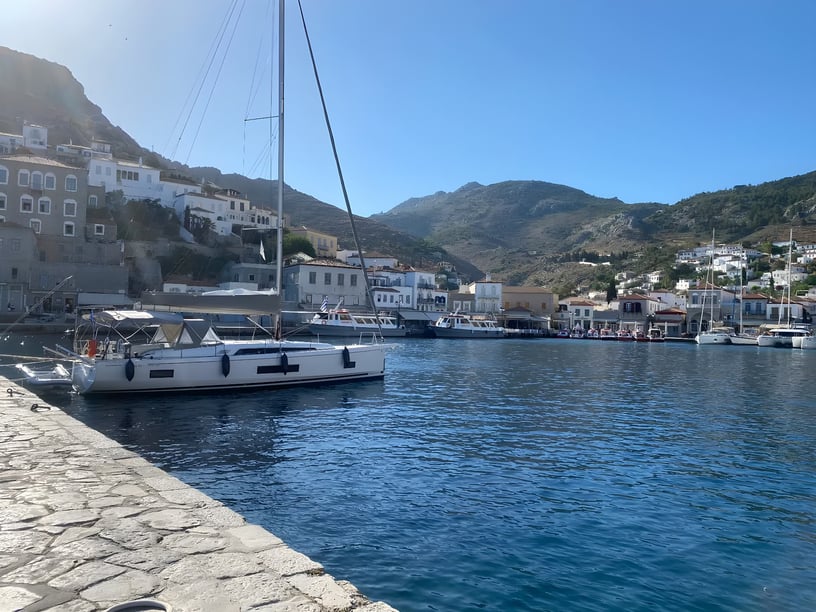
Hydra offers a marked change of pace ashore: motor vehicles are prohibited, so movement is mainly on foot, by water taxi or with pack animals. Its maritime history includes an eighteenth-century merchant fleet that later supplied ships and resources during the Greek War of Independence. Dokos and Spetses can extend a Saronic circuit and add more time away from the metropolitan coast.
Closer to Athens, the Riviera districts of Glyfada and Vouliagmeni combine beaches, waterfront dining and coastal nightlife. Cape Sounion forms a distinctive eastern objective, with the Temple of Poseidon standing on a headland historically used as a landmark by vessels approaching Attica.
What sailing from Athens is like
The Saronic Gulf generally supports shorter passages, frequent shelter and line-of-sight sailing between islands and the mainland. Mornings are often light, with northerly or northwesterly breezes becoming more useful for sailing during the afternoon. Attica partly moderates the Aegean Meltemi, making the Saronic a different proposition from the more exposed Cyclades.
That shelter is relative rather than absolute. During July and August, exposed stretches can still experience winds of roughly 20–25 knots. Ferry wake and commercial traffic are important considerations around Piraeus, Aegina, Hydra and the Poros channel. The urban waters off Piraeus, Zea and Faliro also require a vigilant lookout because passenger ferries, hydrofoils and other commercial vessels share the approaches.
Routes east of Cape Sounion demand a different level of planning. Passages toward the Cyclades are longer and more exposed to the Meltemi, so travelers should choose between a predominantly sheltered Saronic holiday and an open-Aegean itinerary according to their available time and comfort with stronger conditions.
Best time for an Athens yacht charter
The principal recreational boating season runs from April through October. May, June, September and October are particularly suitable, with the most consistently comfortable conditions generally found from May through June and from September into early October.
July and August are hot, dry and active months, but afternoon winds can be stronger and popular harbors more crowded. Early departures may help on exposed legs, while itinerary flexibility becomes useful when mooring space is constrained. April and October sit around the shoulders of the main season and can suit travelers who prefer a less intense period, though conditions deserve closer monitoring.
From November through March, normal charter activity is substantially reduced. Winter is cooler and wetter, and winds are less predictable, making this period less suitable for a conventional island-hopping yacht holiday.
Saronic route ideas from Athens
A standard one-week circuit can begin and end at Alimos Marina, connecting Aegina, Poros, Hydra, Spetses and Dokos. This format balances cruising with swimming or anchoring time and visits to island communities, without requiring the longer exposed passages associated with the Cyclades.
For a shorter trip, an Athens–Aegina–Poros–Hydra circuit keeps the geographic scope tighter before returning to the Attica coast. The exact sequence should remain flexible because wind, ferry traffic and harbor space can affect the most practical order.
Travelers seeking a more ambitious itinerary may consider rounding Cape Sounion toward the Cyclades. This should be treated as a distinct route choice rather than a simple extension of a sheltered Saronic circuit, particularly when the Meltemi is active.
History, island life and time on the water
An Athens yacht charter can frame the voyage with major cultural sites before or after embarkation. The Acropolis, Ancient Agora and Acropolis Museum provide the city context, while Piraeus reveals Athens’ long relationship with the sea. Themistocles began fortifying Piraeus in the early fifth century BCE, and ancient Zea developed as a naval harbor with covered shipsheds for Athenian warships.
On the water, the rhythm can shift between cruising, swimming, anchoring and going ashore for meals or an evening walk. Mikrolimano and the Peiraiki waterfront are established areas for seafood tavernas, while the Athens Riviera offers beaches, restaurants and nightlife close to the departure marinas.
The contrast is part of the destination’s character: a trip may begin among the working-port and marina environments of metropolitan Athens, then move into smaller Saronic communities shaped by fishing, commerce and merchant shipping.
Getting to the marinas and departure areas
Athens International Airport Eleftherios Venizelos is connected with central Athens and Piraeus by metro, suburban railway, express buses, taxis and road services. The southern waterfront districts, including Alimos and Palaio Faliro, can be reached by coastal road, tram, bus or taxi.
Alimos Marina is the principal recreational yacht-charter embarkation area and a common starting point for Saronic circuits. Flisvos Marina, Athens Marina and D-Marin Zea are also part of the metropolitan marina network, while Astir Marina serves Vouliagmeni farther along the Riviera.
Piraeus is an important maritime gateway, but its main port primarily handles passenger ferries and excursion vessels rather than functioning solely as a recreational charter base. Travelers should therefore confirm the exact marina, not simply assume that every Athens departure begins at the Port of Piraeus.
Planning the right charter format
The first planning decision is geographic: remain within the comparatively sheltered Saronic Gulf or allocate enough time for the longer, more exposed passages beyond Cape Sounion. A shorter boat rental in Athens is better matched to a focused coastal outing or a limited number of nearby islands than to an overextended itinerary.
For a multi-day charter, allow room for weather-led changes rather than treating every port as fixed. Summer winds often strengthen in the afternoon, harbor space can become limited in July and August, and stern-to Mediterranean mooring is common. Around busy ports, ferry movements and wake may also influence timing.
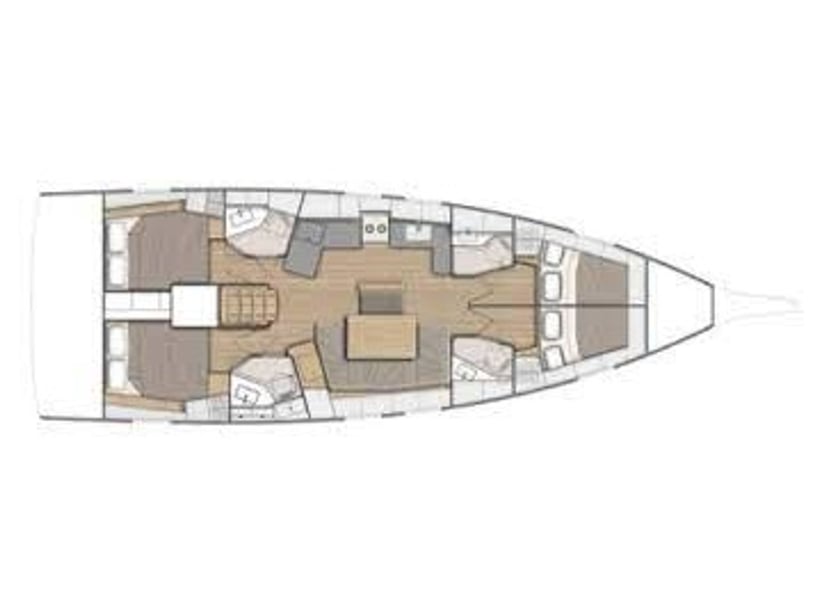
Before choosing a trip, compare the planned route, charter duration and onboard arrangements with the experience of the group. Travelers who prioritize straightforward island hopping may prefer a Saronic circuit, while those seeking more open-water sailing should understand the greater exposure toward the Cyclades. In all seasons, the route should be adjusted to the current marine forecast.













Verified
Ivan B.25 Aug 2026
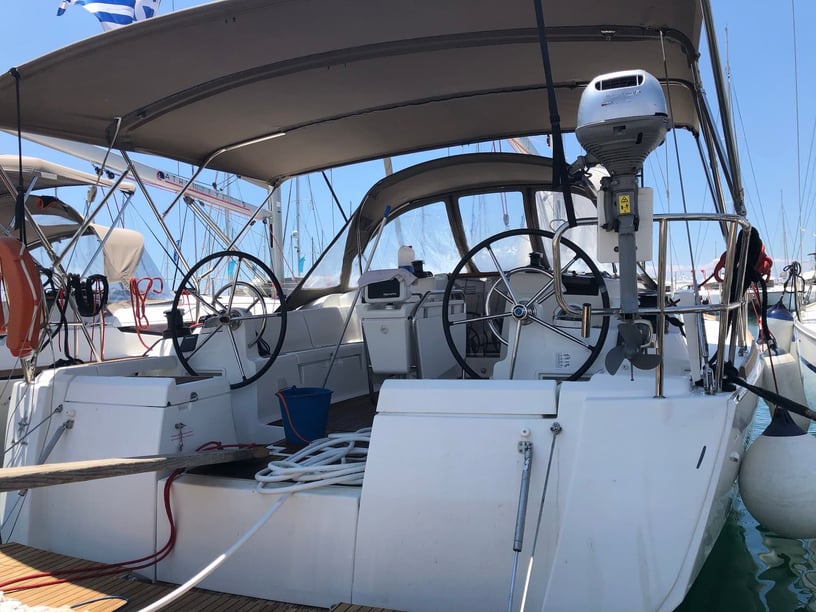
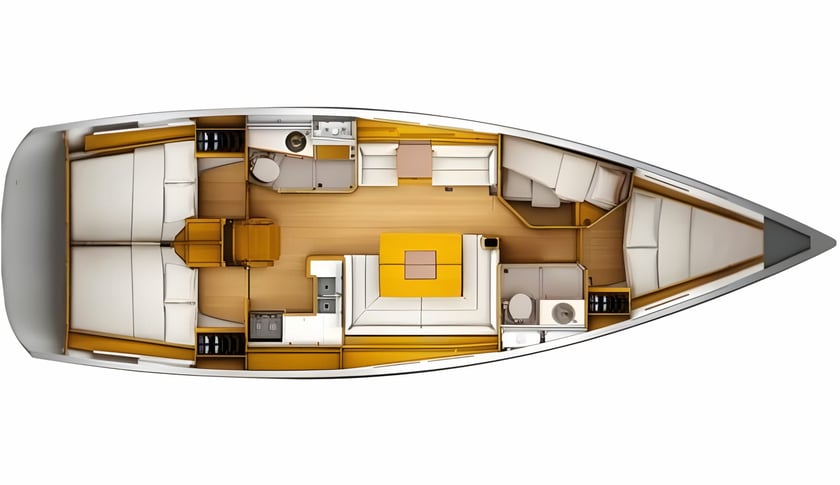
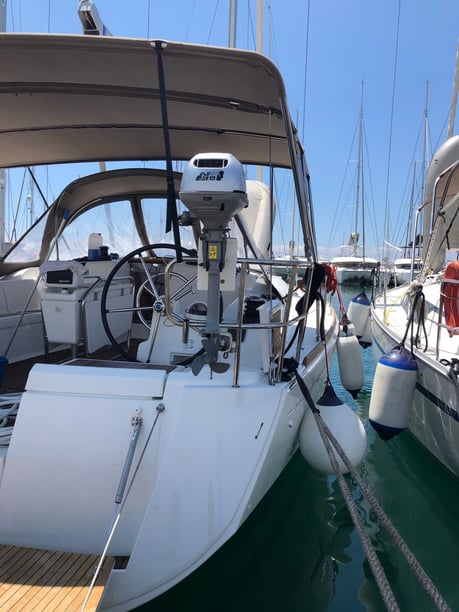
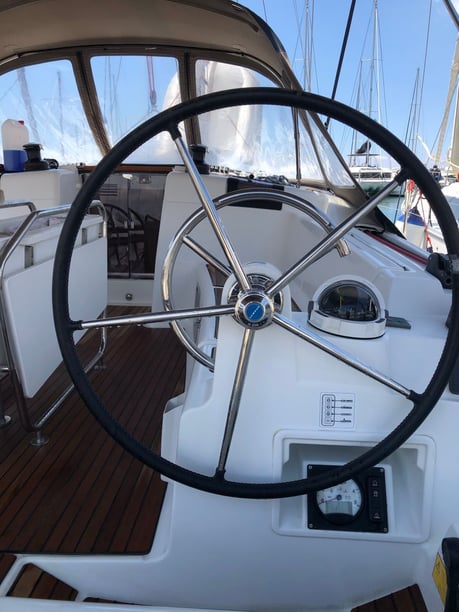
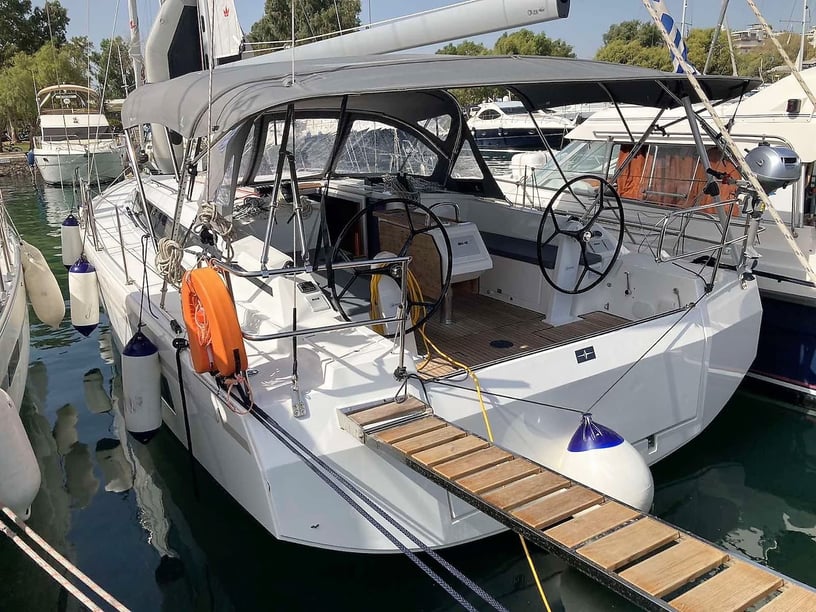
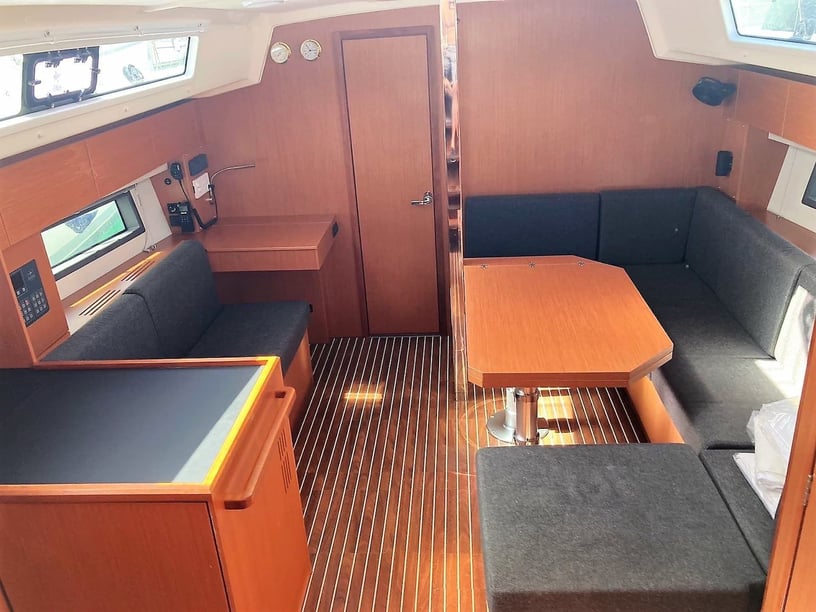
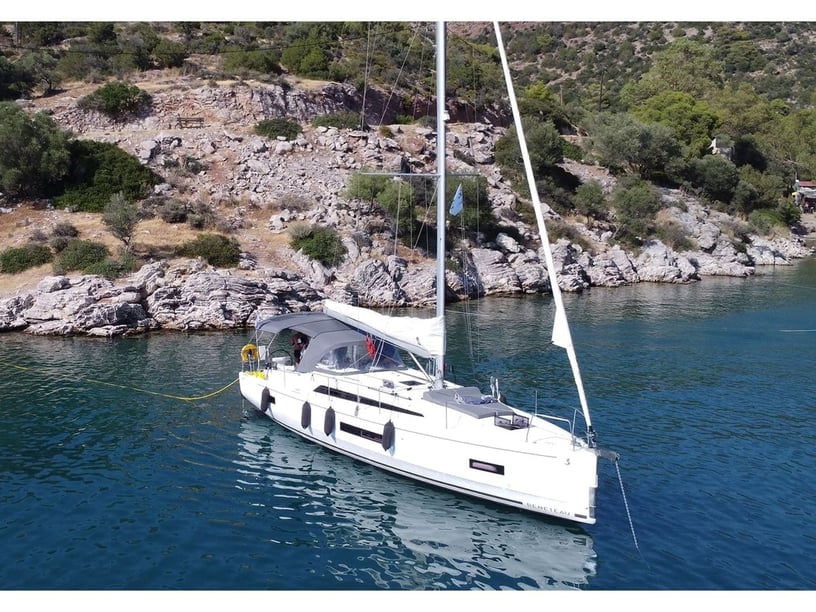
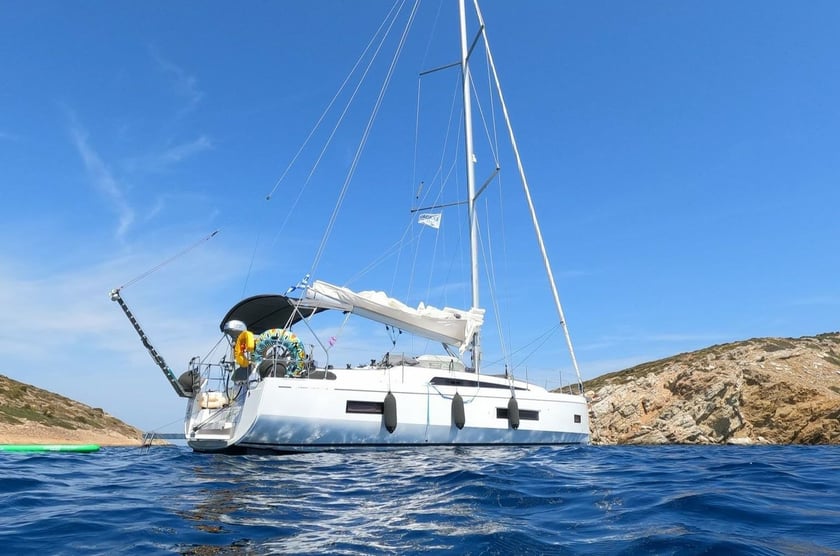
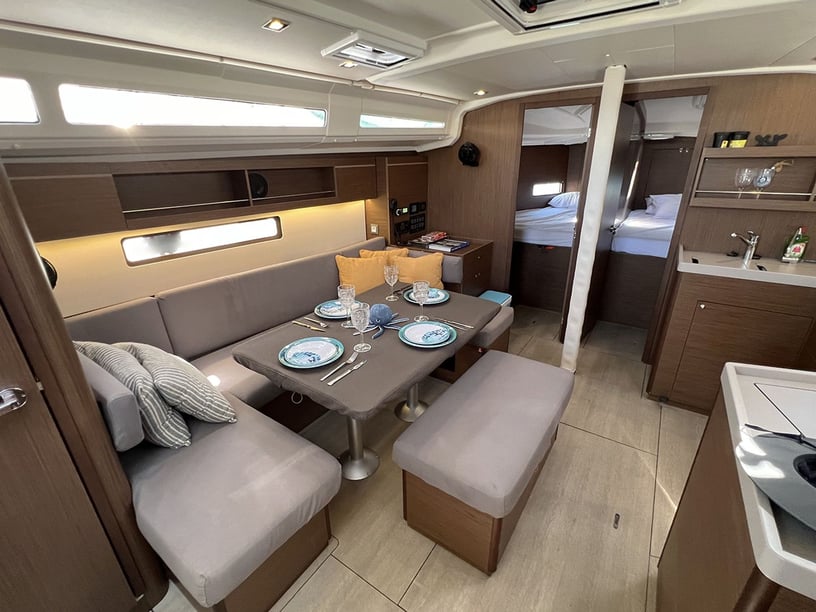
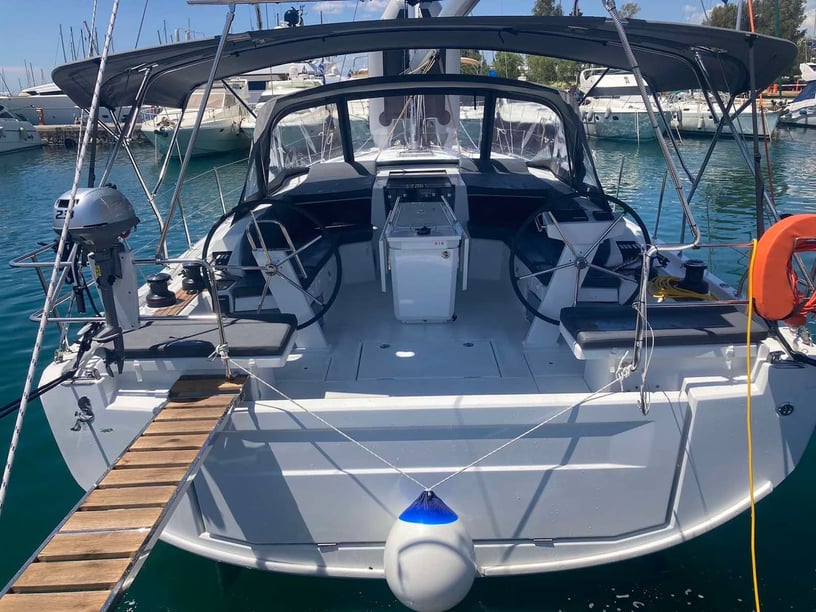
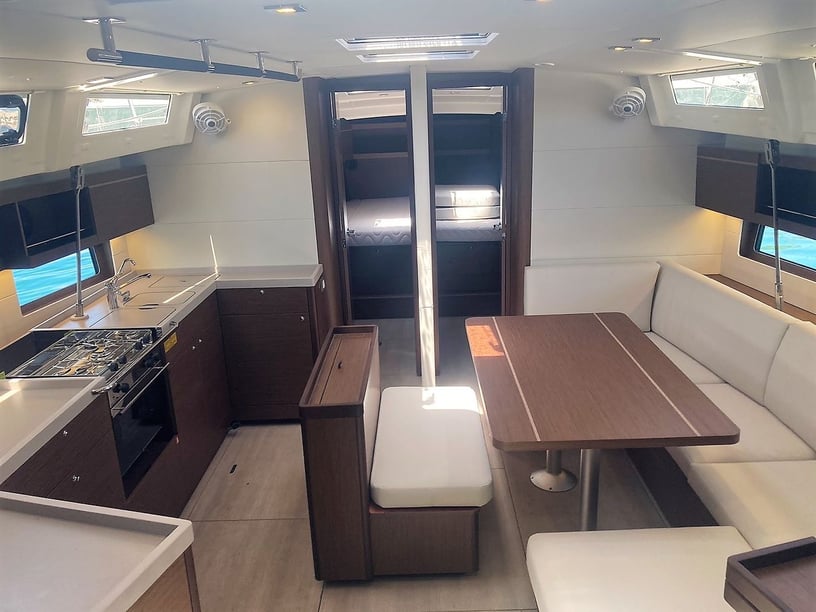
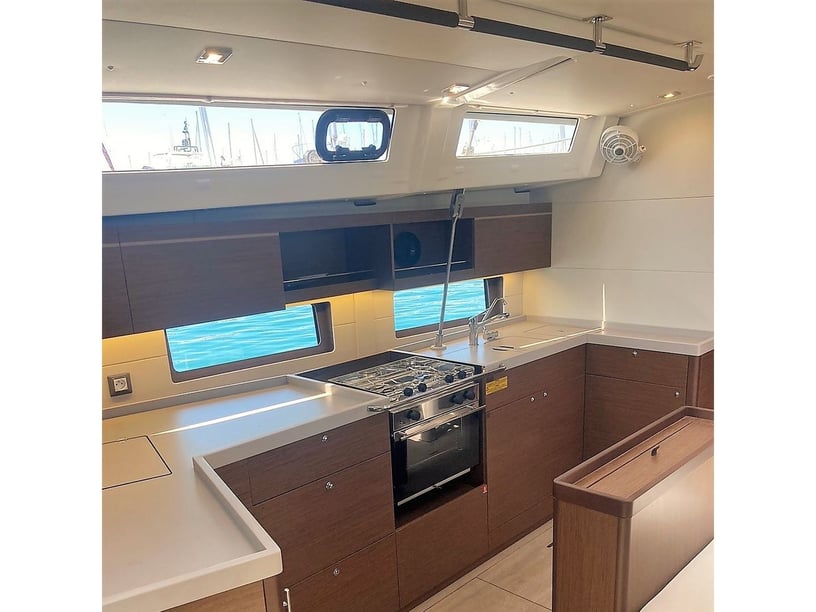
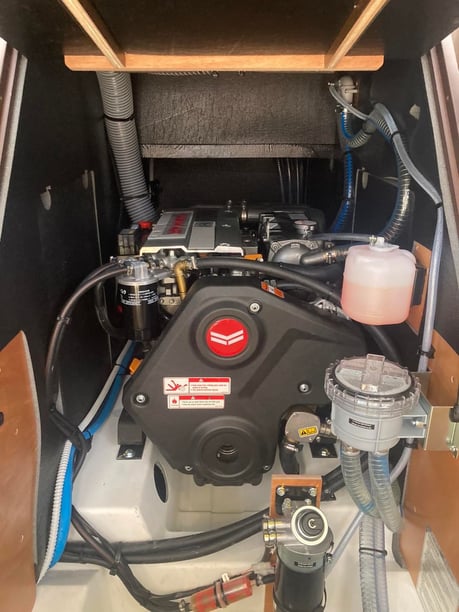
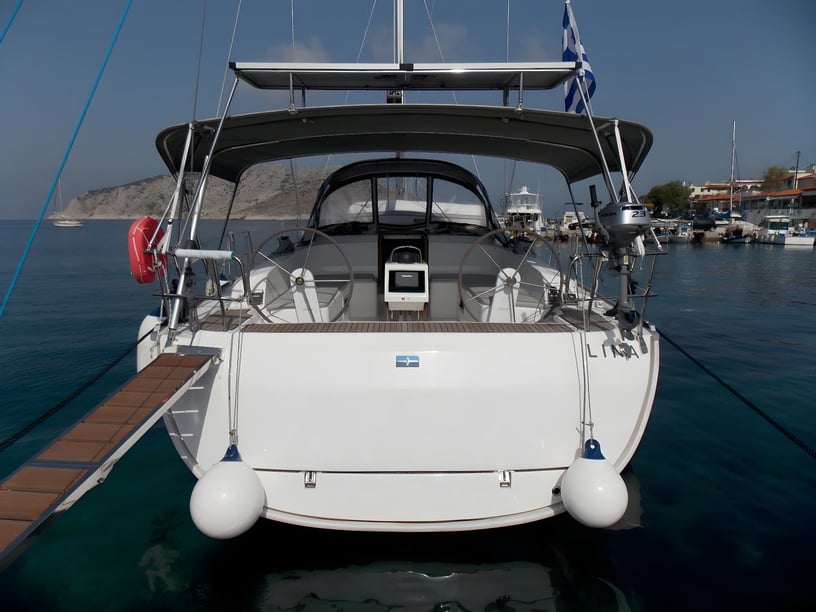
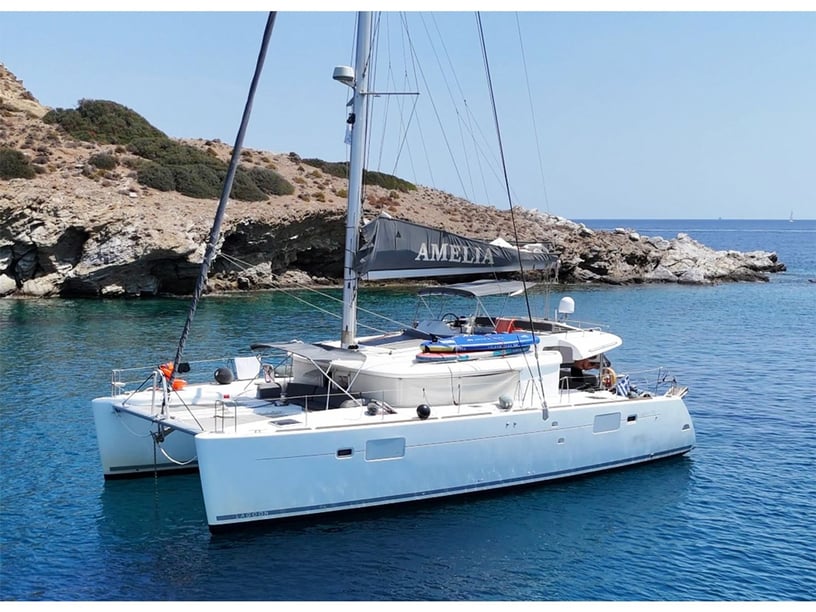
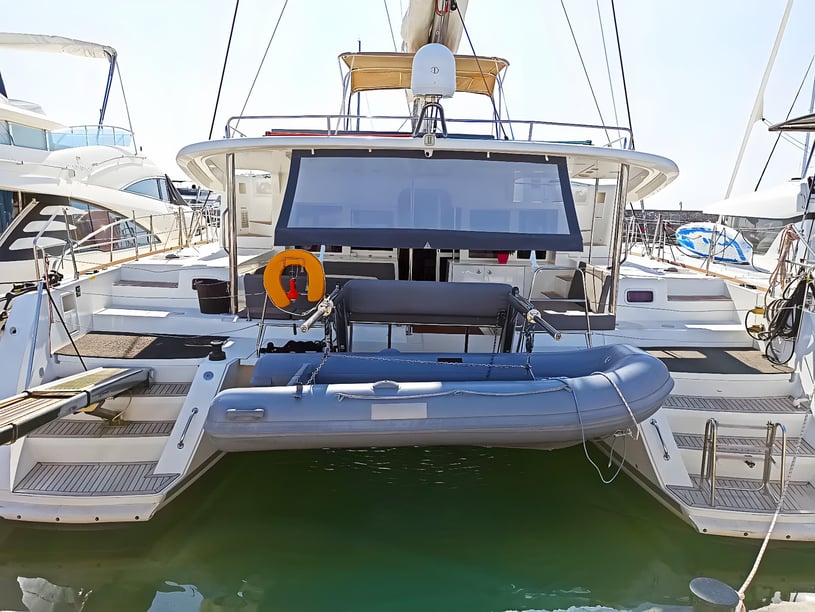
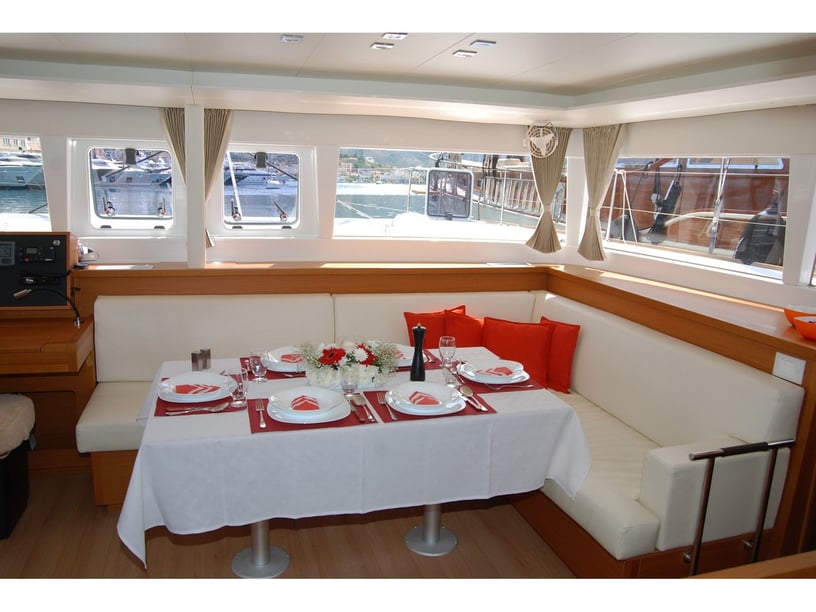
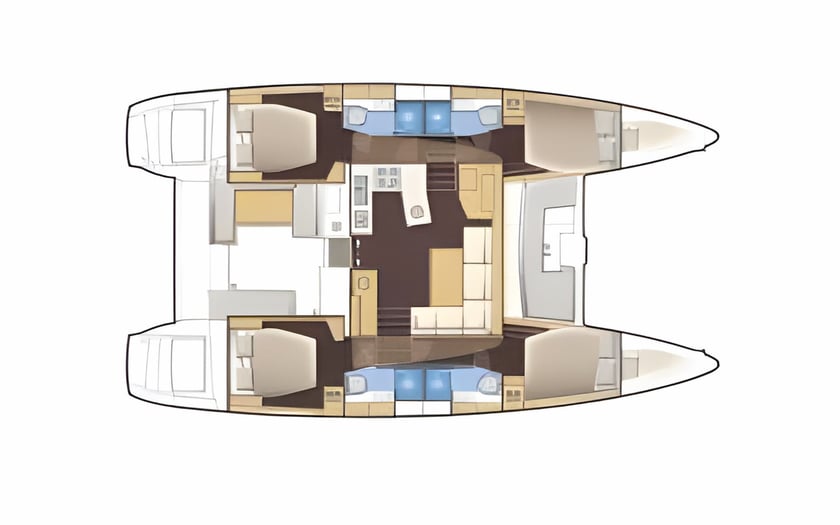
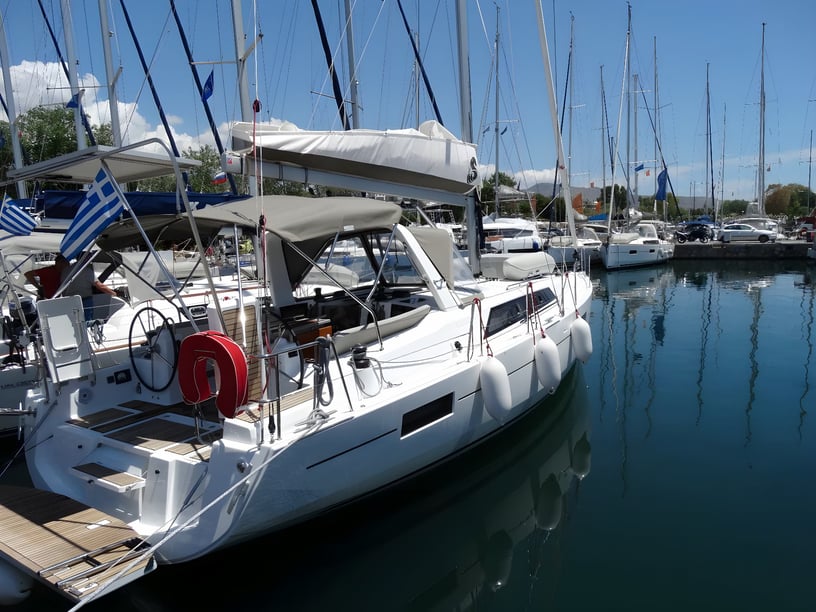
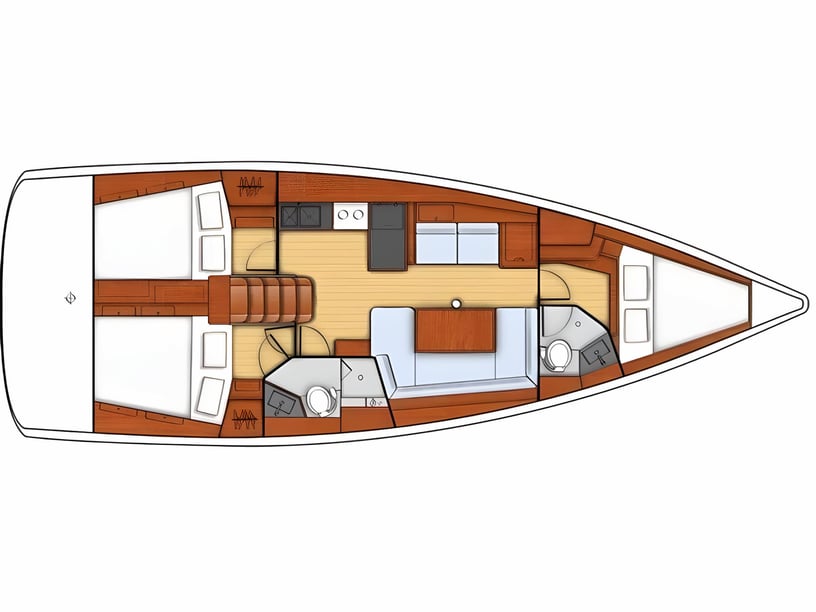
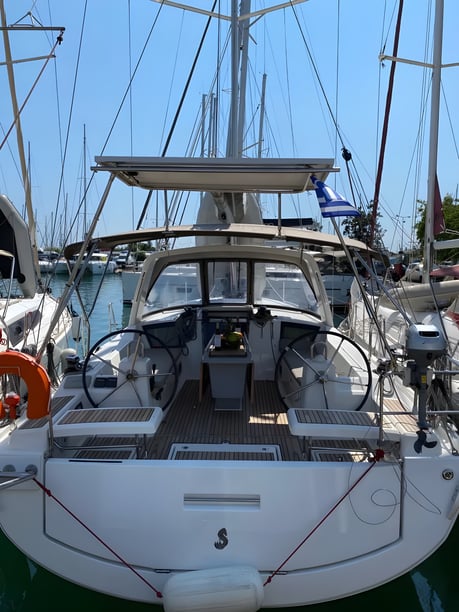
Overall it was a fine experience. Since I have a license, I skippered the boat myself. The yacht was quite old and had a bit of a diesel smell, but the price was unbeatable so I knew what I was gettin...
Listing owner: THEODOROSAthens / Greece