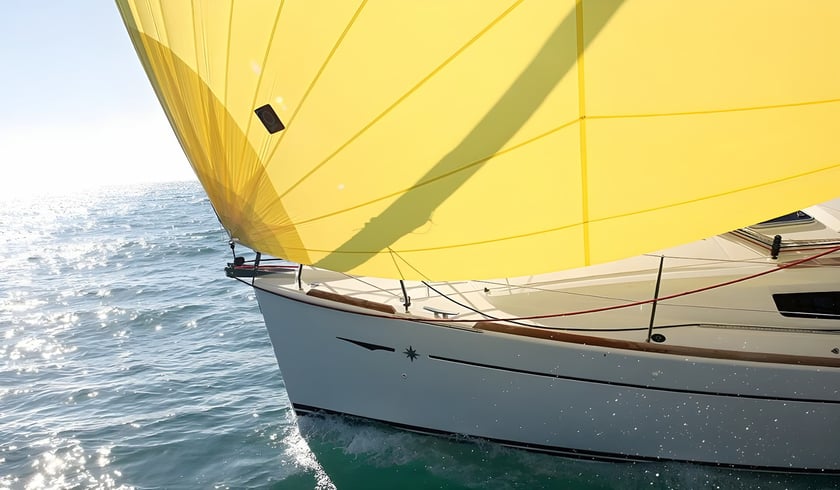
Yacht charter in Yerseke
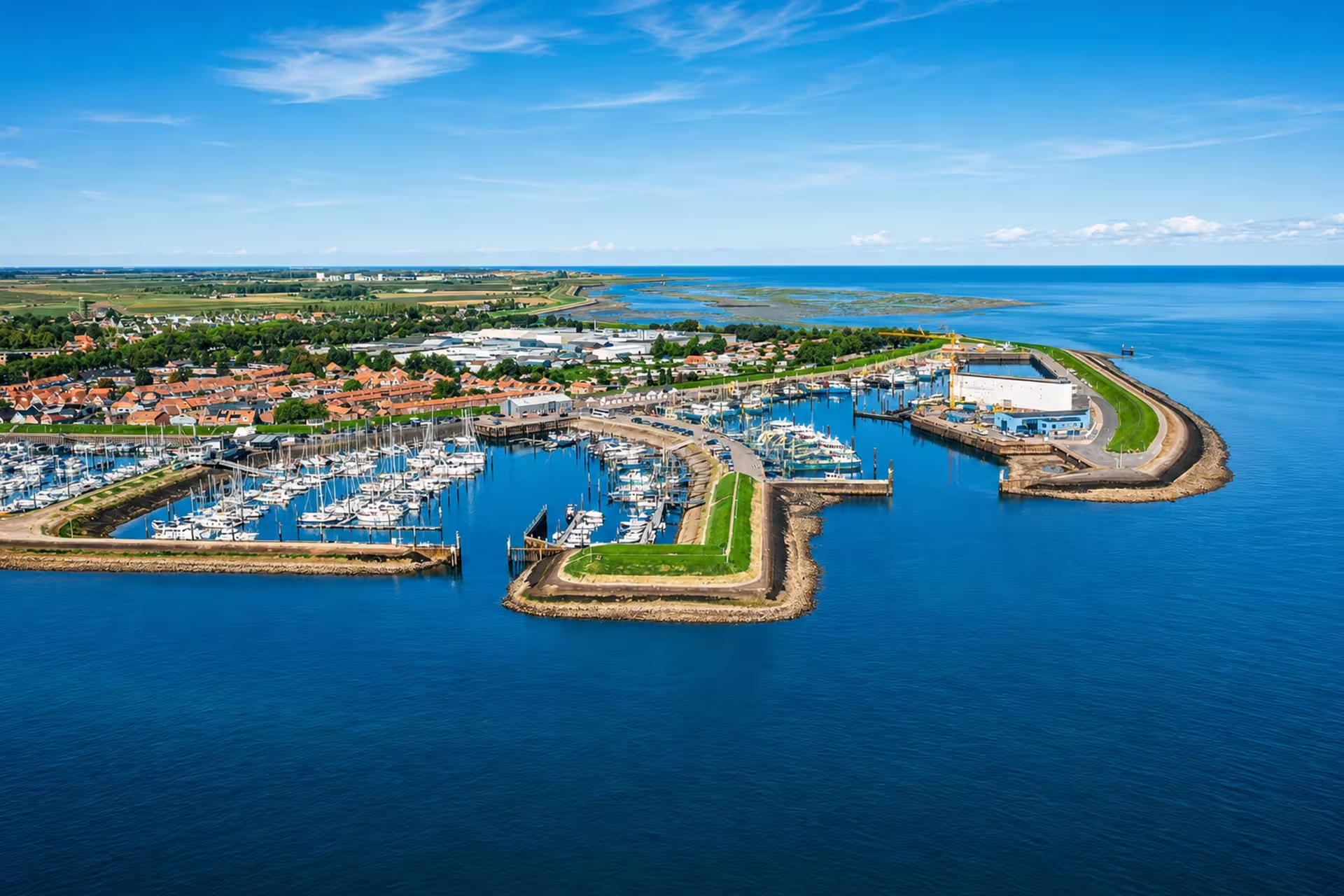
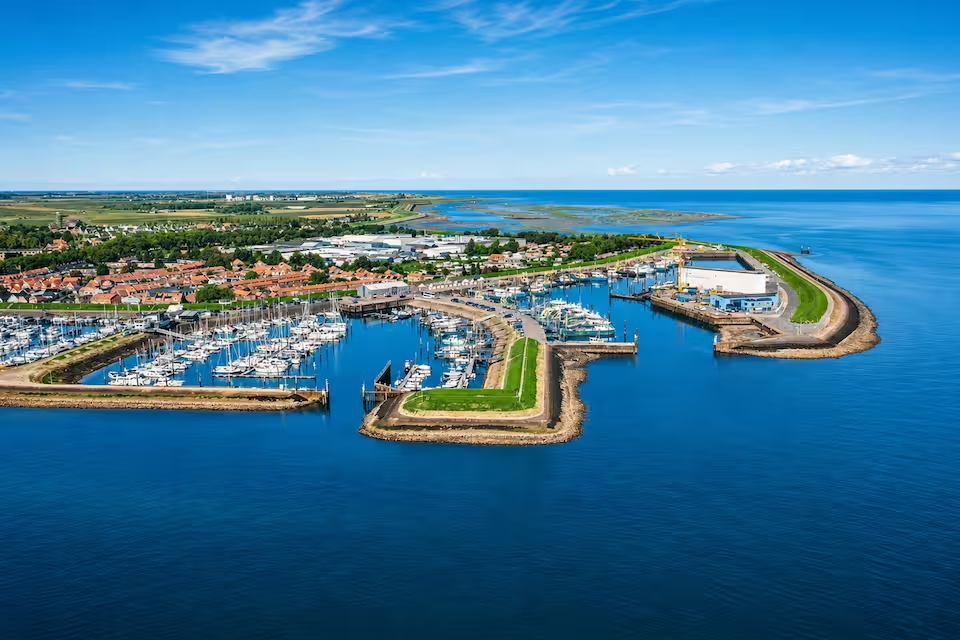
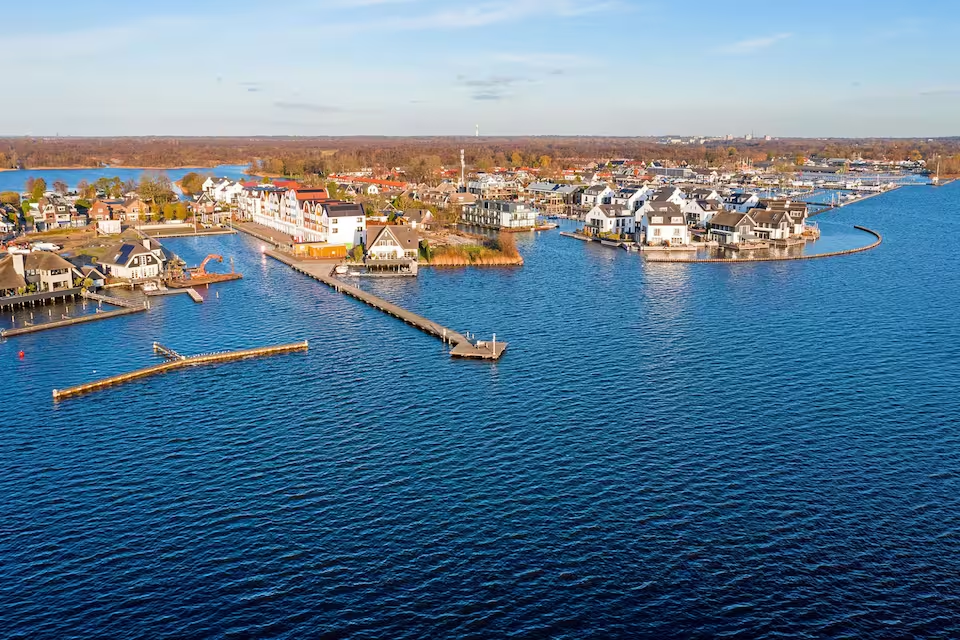
A yacht charter in Yerseke places travelers on the southern shore of the Oosterschelde, a tidal estuary within the Zeeland Delta. This is a working maritime village rather than a conventional resort: recreational boats share the waterfront with fishing vessels, shellfish businesses and oyster ponds connected to the estuary.
Yerseke’s position on the low-lying, dyked edge of Zuid-Beveland provides access to buoyed channels, mudflats and the waters of Oosterschelde National Park. The village can serve both as a departure point and as a characterful stop on a wider Zeeland itinerary, although travelers should not expect the unrestricted navigation of a deep, open bay. For a broader comparison of cruising regions, see yacht charter in the Netherlands.
Places to explore around Yerseke
The Oosterschelde is the central cruising area. Its channels pass between shallow banks, drying areas and marked shellfish plots, giving the journey a distinctly tidal character. Oosterschelde National Park adds opportunities to observe estuary scenery and marine wildlife from the water, while restrictions around ecologically sensitive mudflats need to be respected.
Wemeldinge is one of the relevant nearby destinations and can be incorporated into a route along the Zuid-Beveland shore. Tholen provides another direction for exploring the wider delta through its marked waterways. Back in Yerseke, the harbor lies close to the historic oyster ponds and the village’s seafood district, making it easy to combine time aboard with a few hours ashore.
Sailing conditions on the Oosterschelde
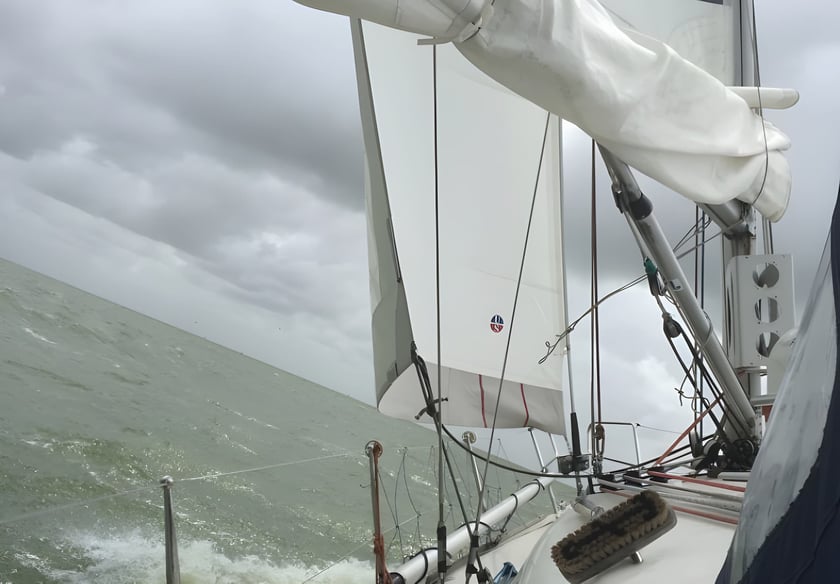
Cruising around Yerseke takes place on tidal, buoyed estuary waters rather than sheltered inland lakes. Deep channels can give way quickly to shallow or drying ground, while shellfish cultivation areas limit movement outside the established routes. Tidal currents are therefore a routine part of passage planning, particularly near channel junctions and the harbor approach.
The local sailing difficulty is moderate. It suits skippers who are comfortable consulting current tidal information, official charts and navigation notices, or travelers who prefer to place that responsibility with an experienced skipper. Coastal Zeeland is breezy throughout the year. Average winds are generally lower between April and September than in late autumn and winter, but fresh winds and rain can still occur during summer.
The practical result is an active style of cruising: routes are shaped by channels, tide and weather rather than by the shortest line between two points. Commercial fishing traffic and recreational boats also share the water, adding to the need for attentive navigation.
Best time for a Yerseke yacht charter
The principal recreational boating season runs from late spring into early autumn. June, July and August are the most suitable months overall, offering the warmest conditions and longest daylight. They are also the main high-season period, so plans benefit from being made with demand in mind.
May and September form useful shoulder-season alternatives. Conditions are cooler and less consistent than in midsummer, but these months can still support rewarding cruising when the forecast and tide align. April and early October may also provide suitable weather windows, although they require greater flexibility.
From November through March, shorter daylight, colder temperatures and stronger average winds substantially reduce leisure-boating activity. Regardless of month, the Oosterschelde remains weather-dependent, so itineraries should allow room for adjustments.
Cruising routes from and around Yerseke
Short local trips can focus on the Oosterschelde’s tidal scenery, shellfish plots and wildlife before returning to Yerseke. This format leaves time to explore the harbor and oyster district ashore and is well suited to travelers who want the estuary experience without building a longer passage plan.
For wider itineraries, established approaches connect Krammersluizen with Yerseke. One route runs through Witte Tonnen Vlije, Brabantse Vaarwater and Schaar van Yerseke; another uses Engelsch Vaarwater and the broader Oosterschelde before entering Schaar van Yerseke. These are channel-based routes whose timing depends on current conditions and tidal planning. Wemeldinge and Tholen can also be considered when shaping a multi-stop Zeeland cruise, subject to the boat, weather and available time.
Shellfish culture, nature and time ashore
Yerseke’s defining experience is the close connection between the water and its shellfish industry. Artificial oyster cultivation began here around 1870 and transformed an agricultural settlement into a maritime community. The historic oyster ponds remain shallow tidal storage basins supplied with Oosterschelde water, while fishing vessels and cultivation plots are still visible parts of the local cruising landscape.
A yacht itinerary can alternate between sailing, observing the estuary’s mudflats and marine wildlife, and going ashore for mussels or oysters near the harbor. The Oosterscheldemuseum provides further context on local life, while the waterfront, Mosselman statue and oyster ponds can be explored on foot. Yerseke Moer, the historic wet grassland on the village outskirts, adds a contrasting landscape for travelers allowing extra time ashore.
Getting there, marinas and departure points
Yerseke is accessible by road from the A58 using the Yerseke-Kruiningen exit. Rail travelers can arrive at Kruiningen-Yerseke station and continue by local bus, taxi or bicycle. Antwerp International Airport, Rotterdam The Hague Airport and Brussels Airport are relevant air gateways, with the most practical choice depending on the traveler’s starting point and onward transport plans.
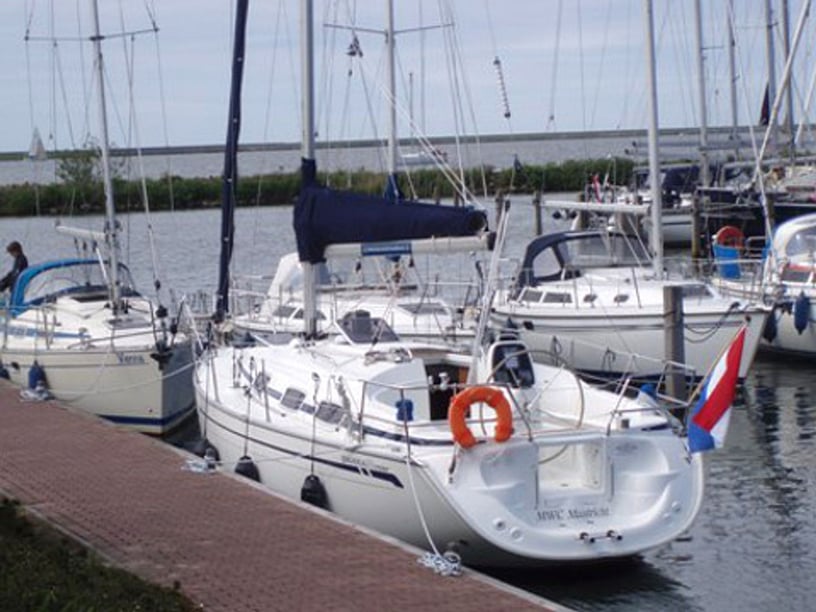
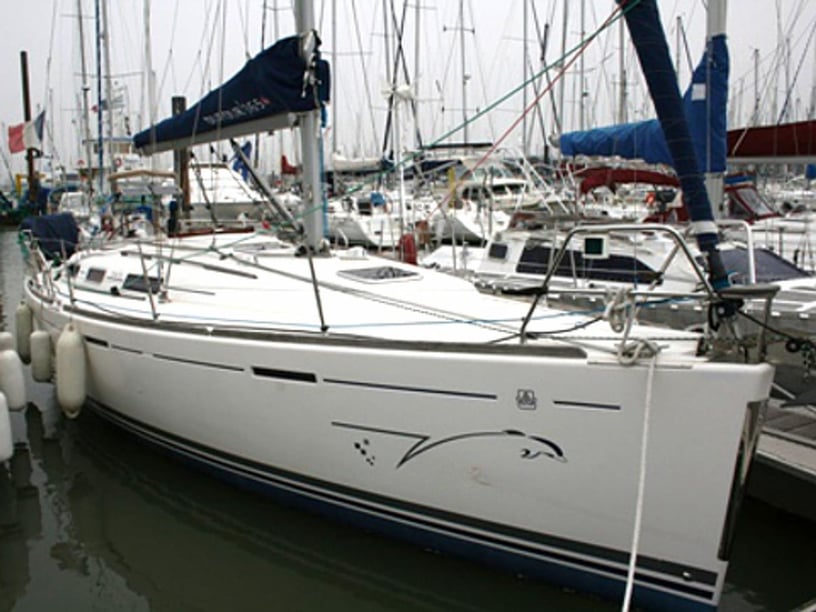
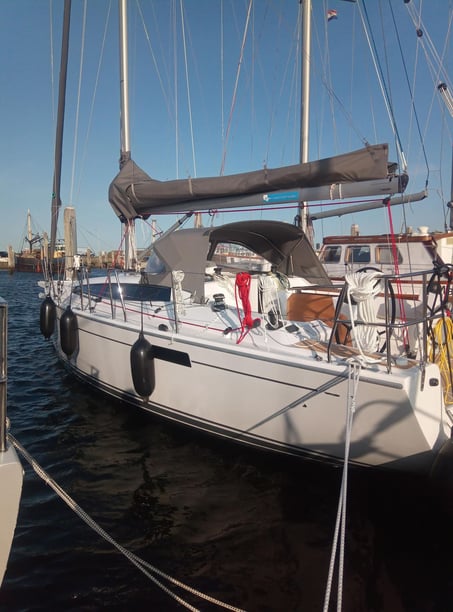
Prinses Beatrixhaven and Prins Willem-Alexanderhaven are the relevant marina basins and departure points for visiting pleasure craft. Koningin Julianahaven is reserved for the fishing fleet, reinforcing Yerseke’s dual identity as both a working port and a recreational stop. Boats approach through the marked Schaar van Yerseke channel, where depths decrease quickly outside the navigable route. Yerseke can therefore function as a place to begin a local outing, join a wider Oosterschelde trip or spend time ashore during a Zeeland itinerary.
Planning the right charter experience
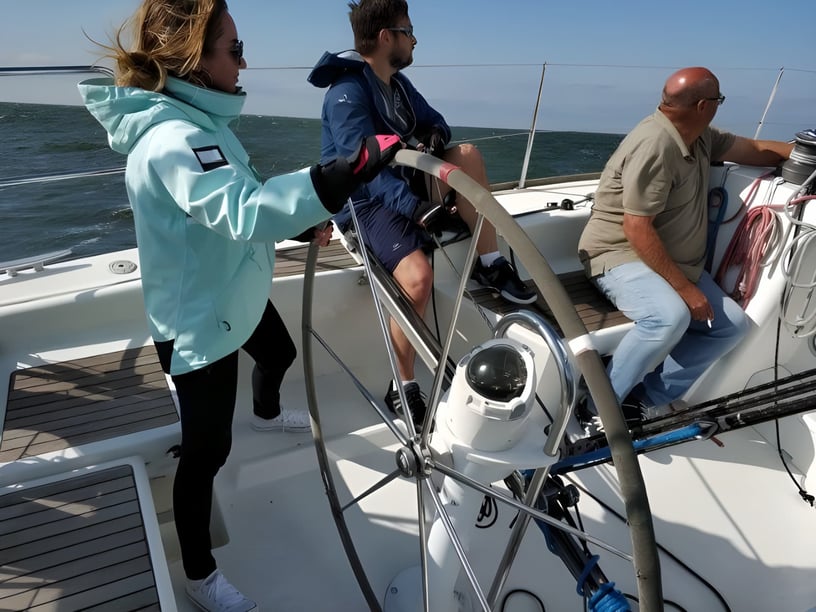
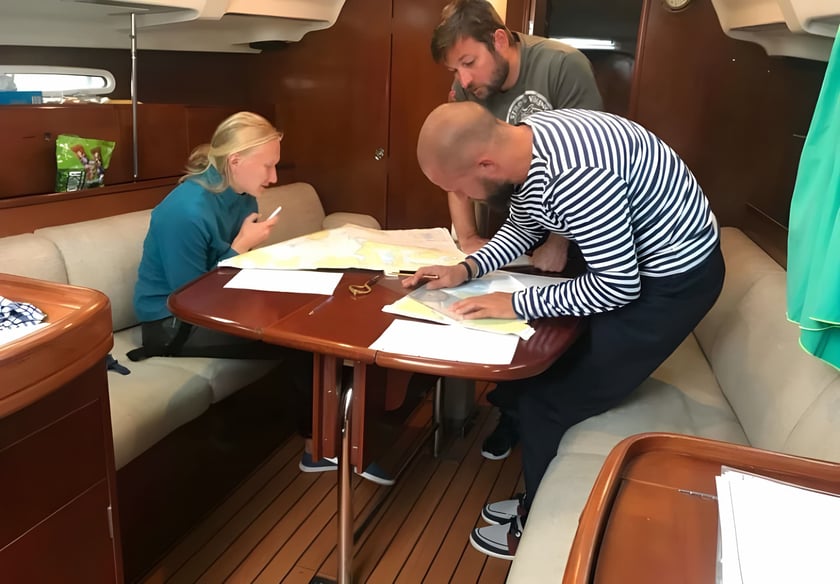
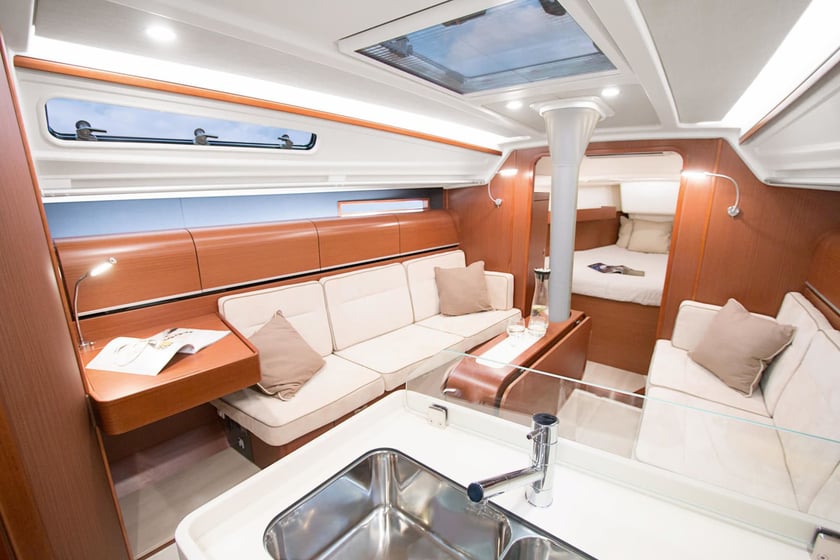
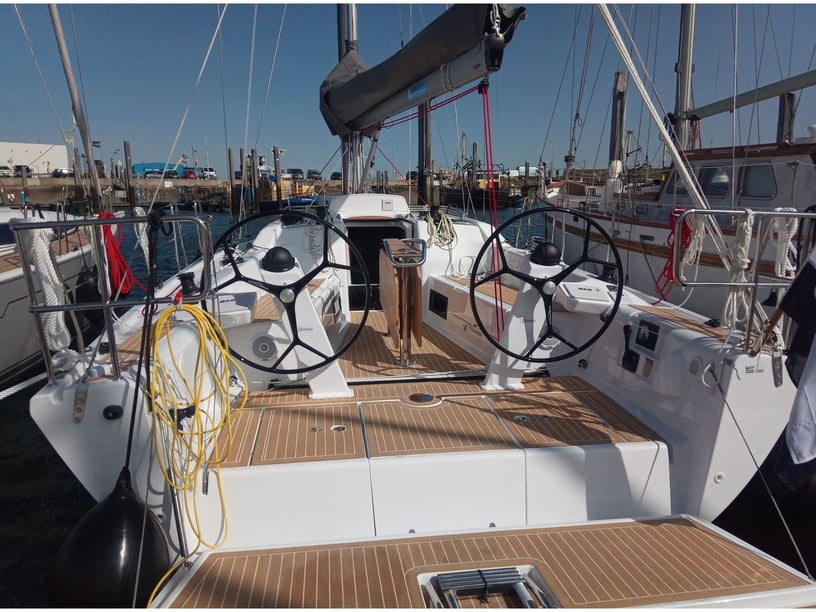
For boat rental in Yerseke, the first planning question is not simply how far to travel, but how comfortable the skipper and crew are with tidal currents, buoyed channels and rapidly changing depths. Travelers without relevant experience may wish to consider a skippered arrangement, while experienced crews should still build each passage around current charts, tidal information, navigation notices and the weather forecast.
Confirm the intended departure basin, pickup arrangements and the boat’s suitability for the planned route before finalizing an itinerary. Allow flexibility rather than committing to an overly dense sequence of stops, particularly outside midsummer. Commercial vessels and shellfish operations remain active locally, and designated restrictions protect sensitive mudflats and sandbanks. These considerations are part of the destination’s character: thoughtful route planning makes it possible to enjoy both the working harbor and the wider Oosterschelde without treating the estuary like unrestricted open water.