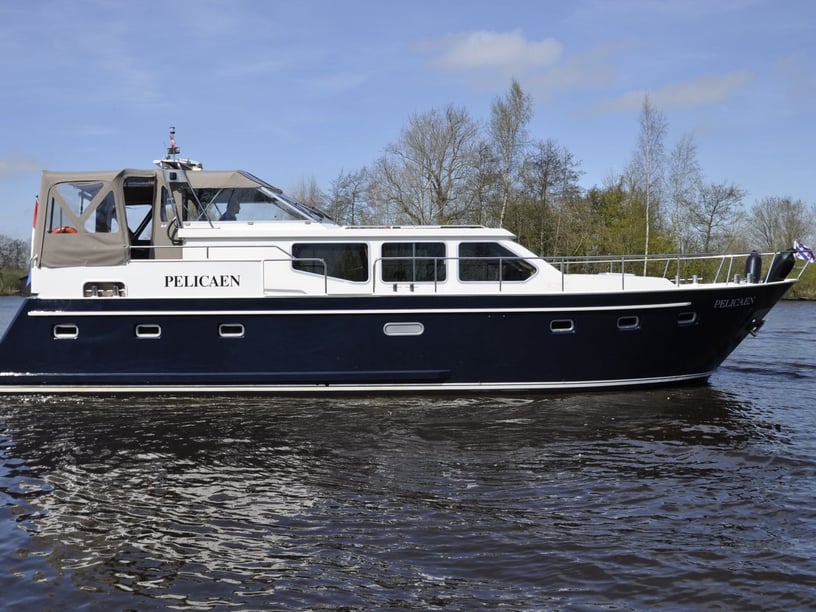
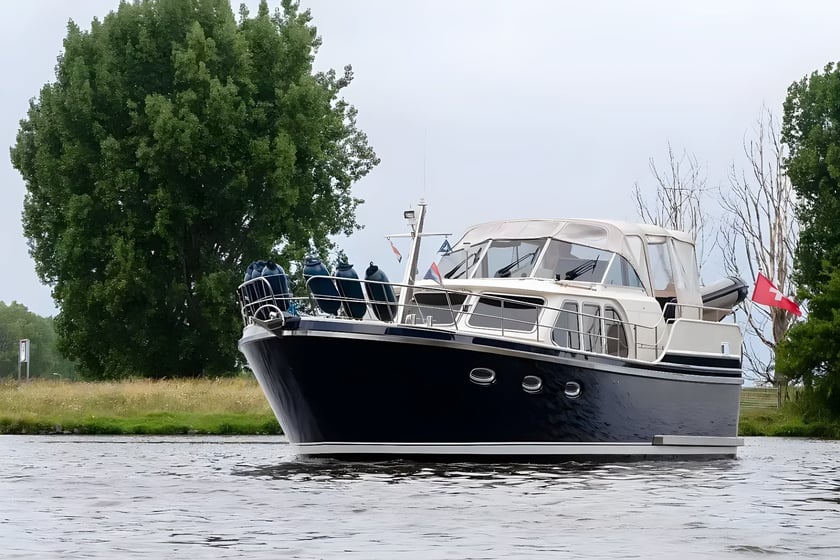
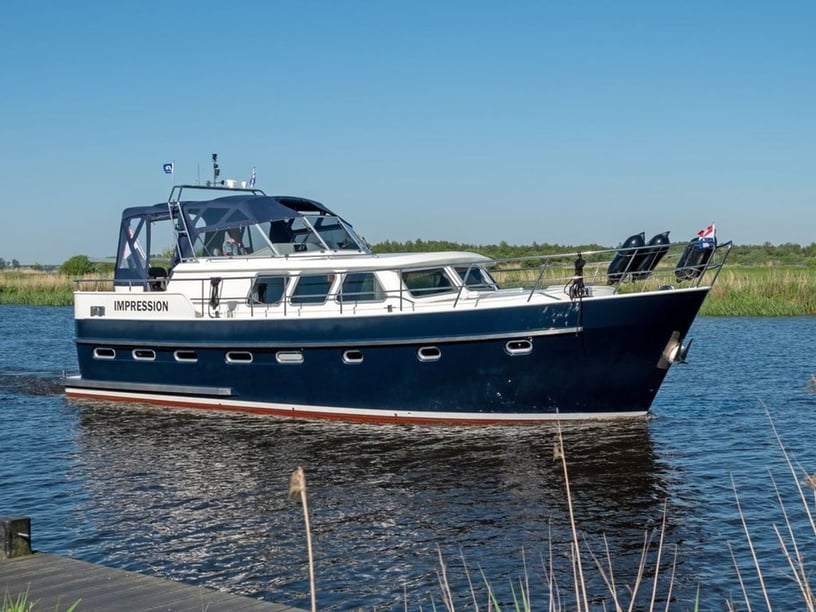
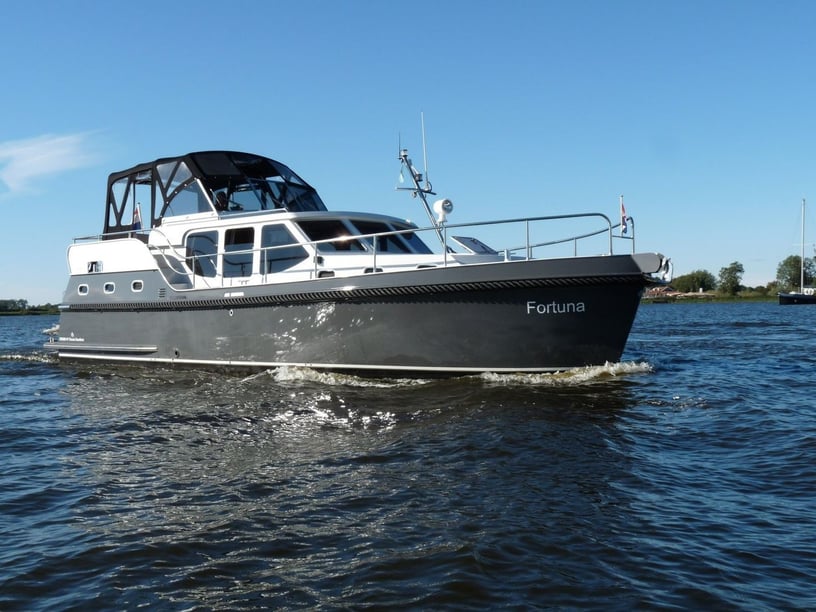
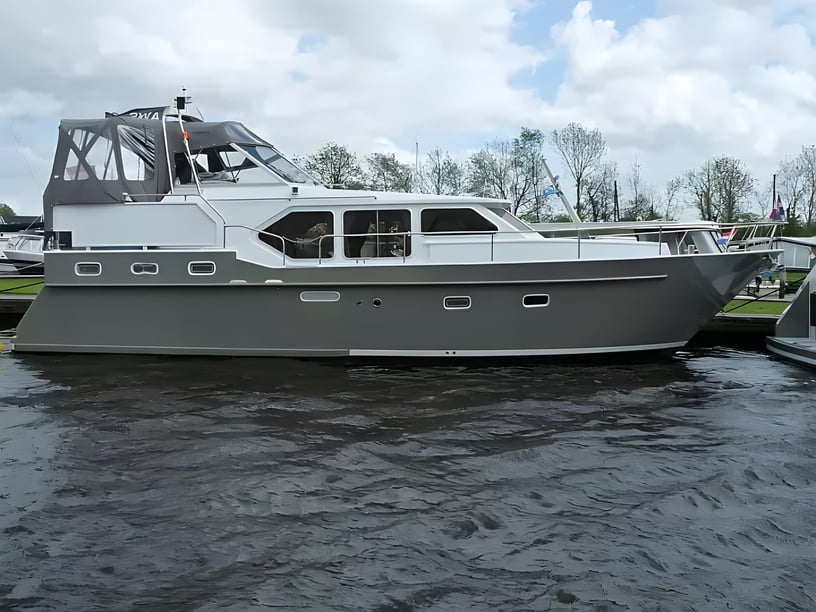
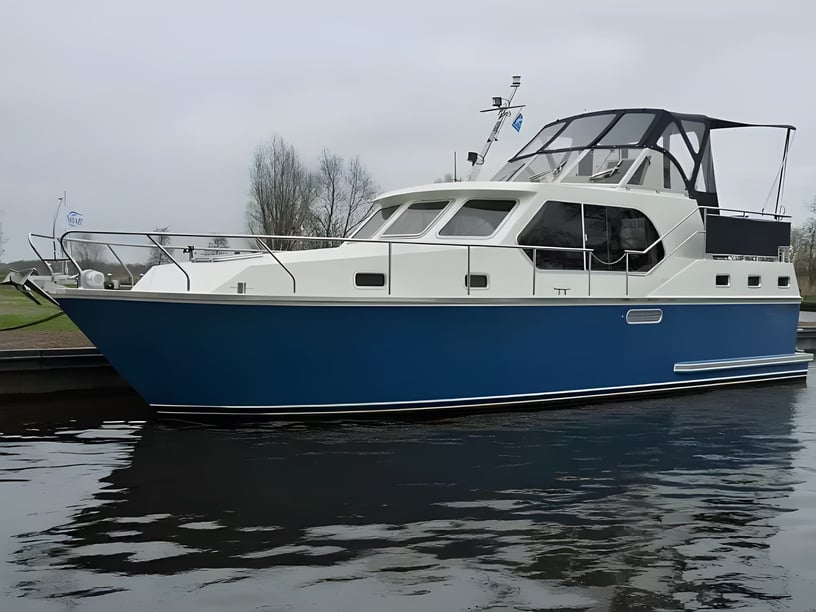
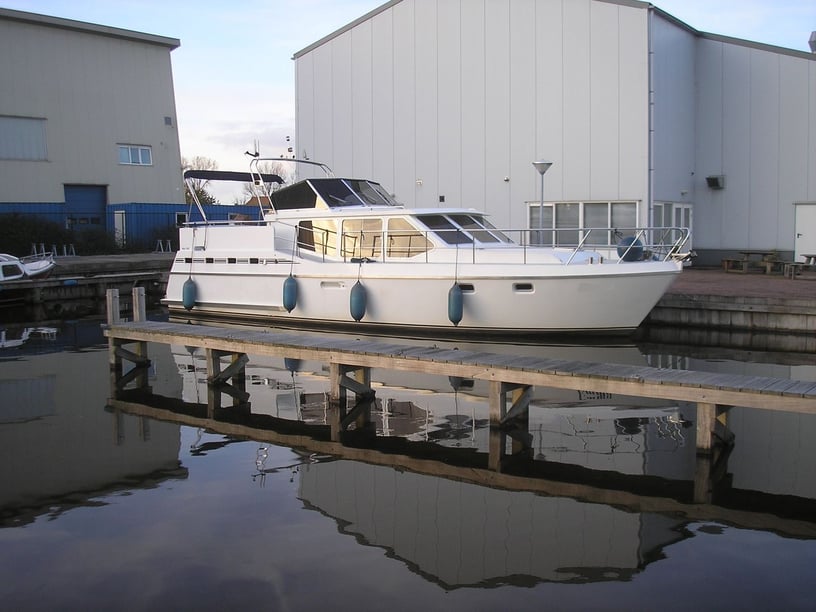
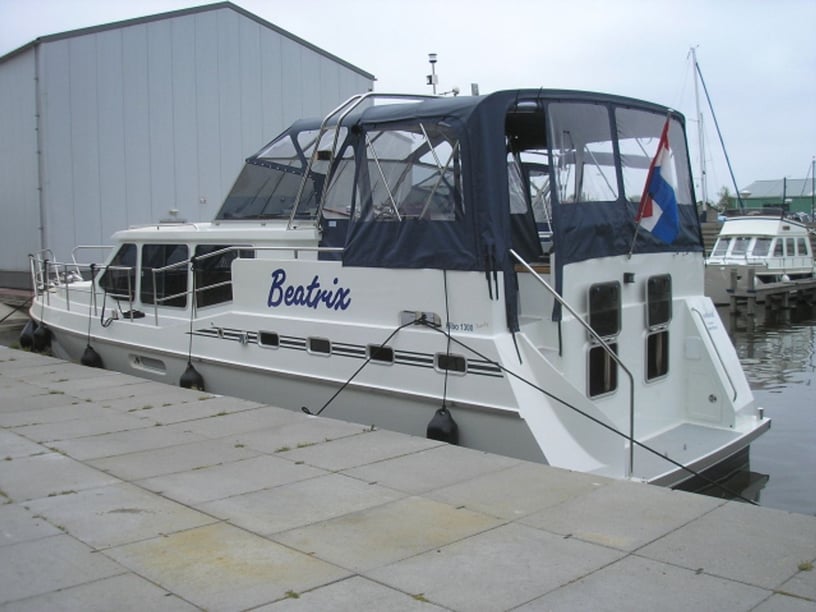
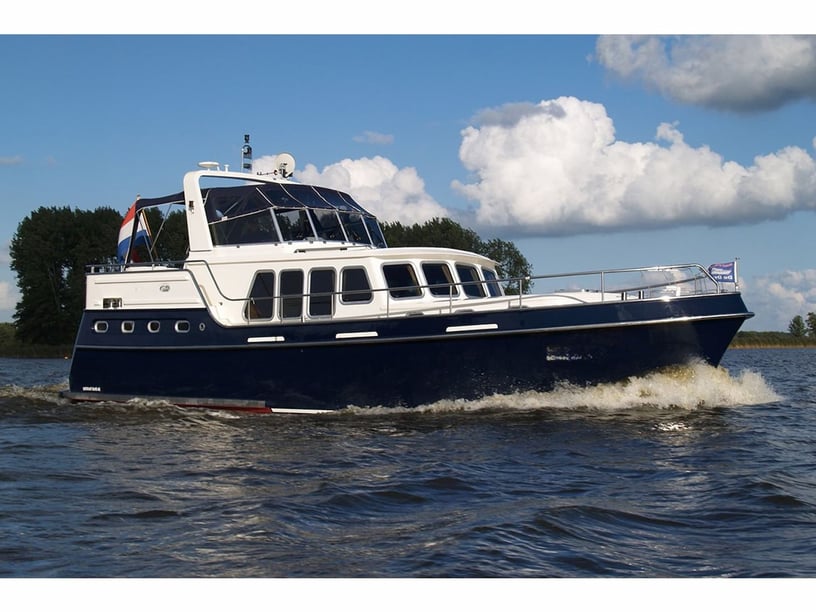
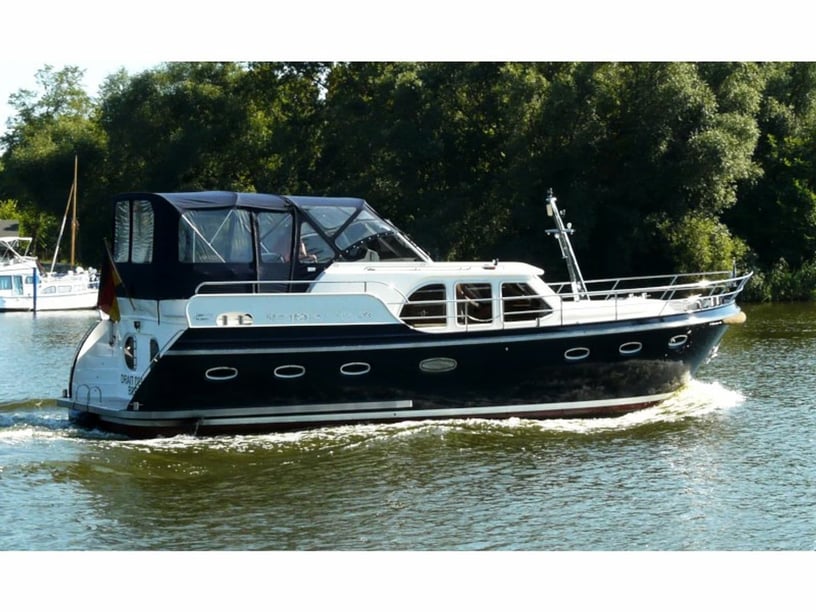
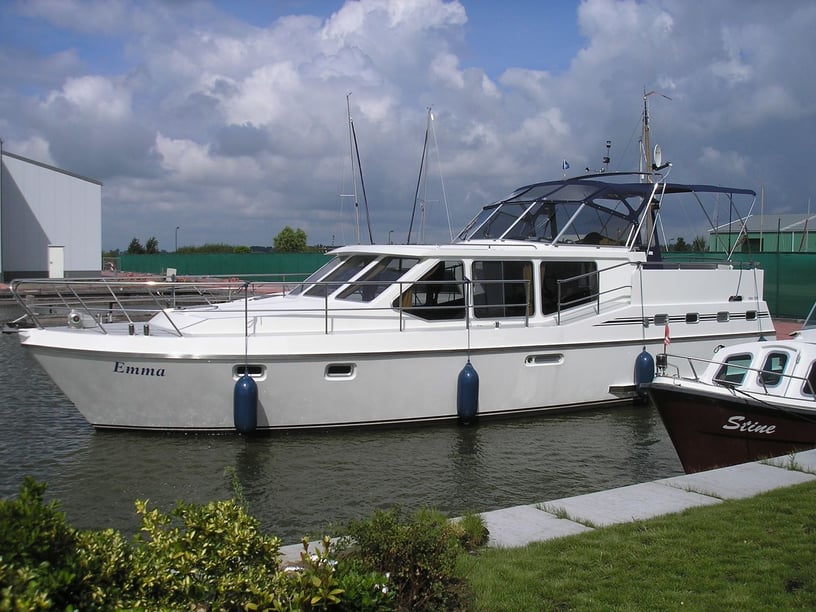
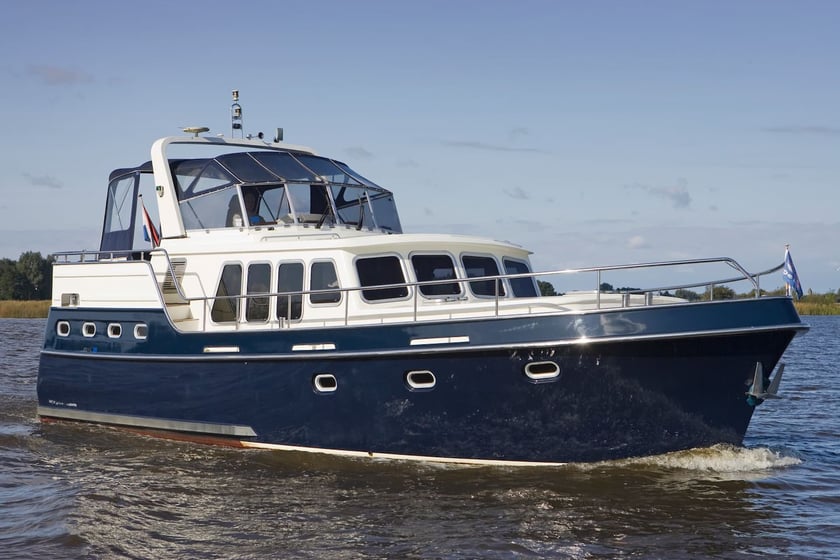
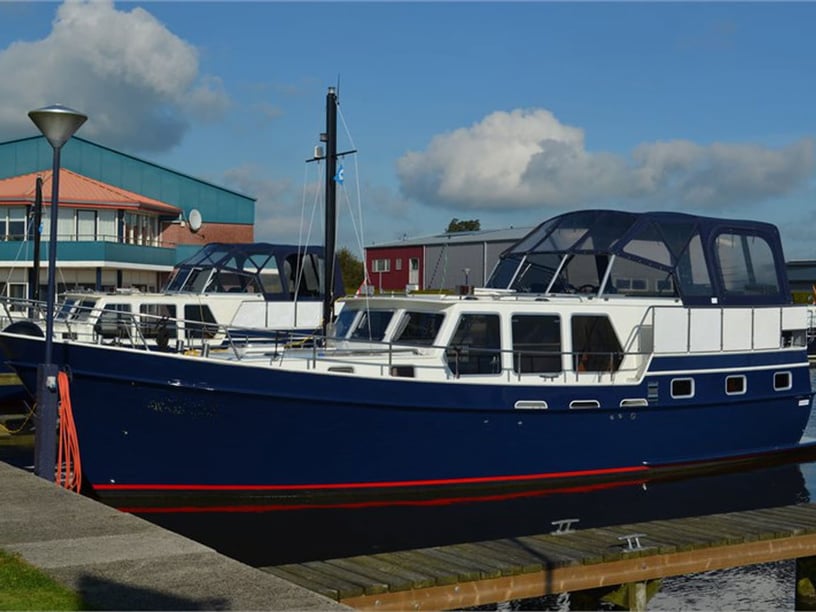
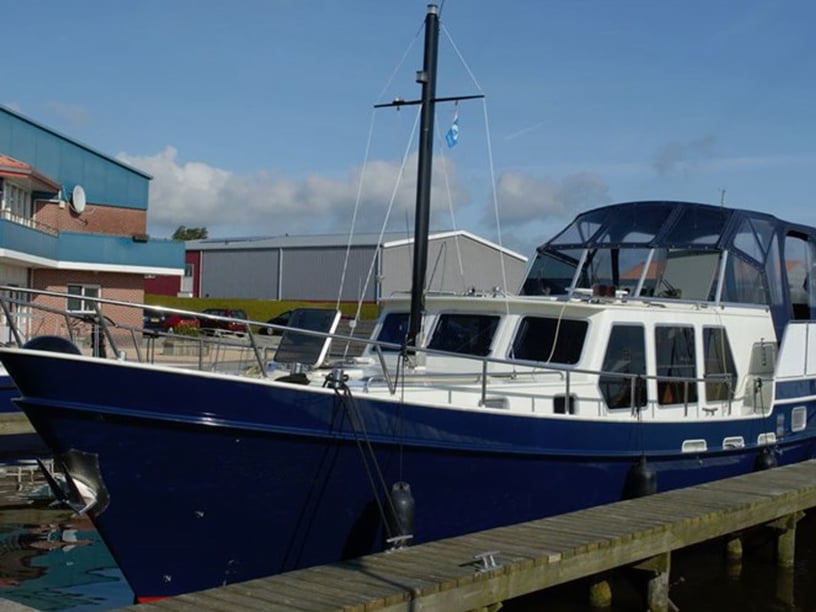
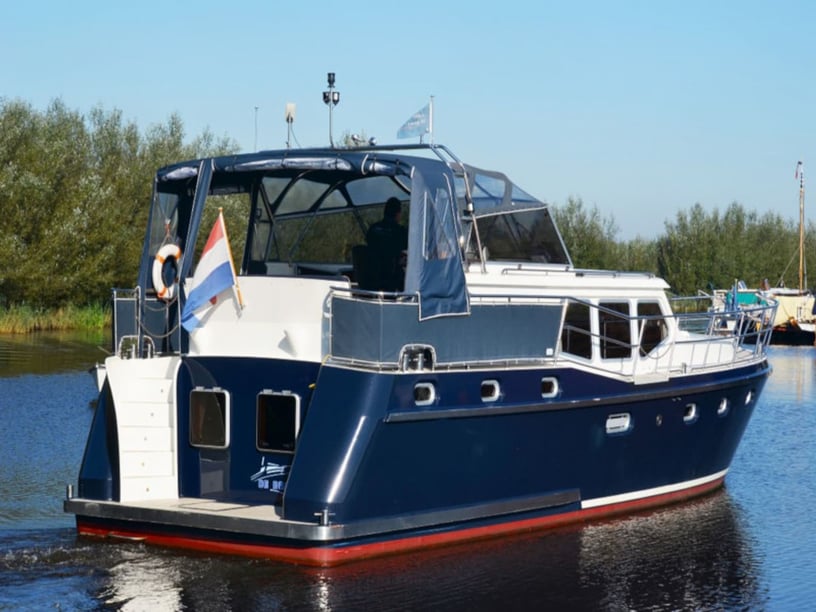
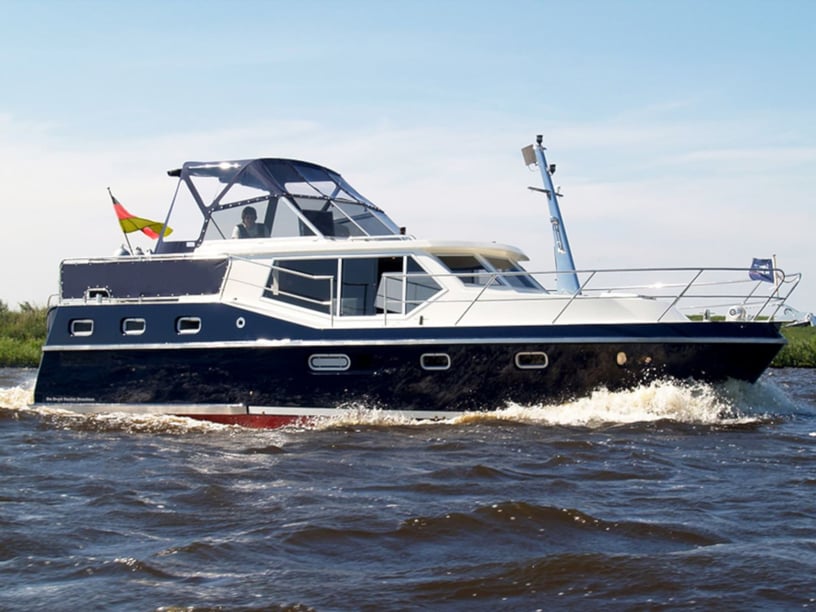
Yacht charter in Akkrum
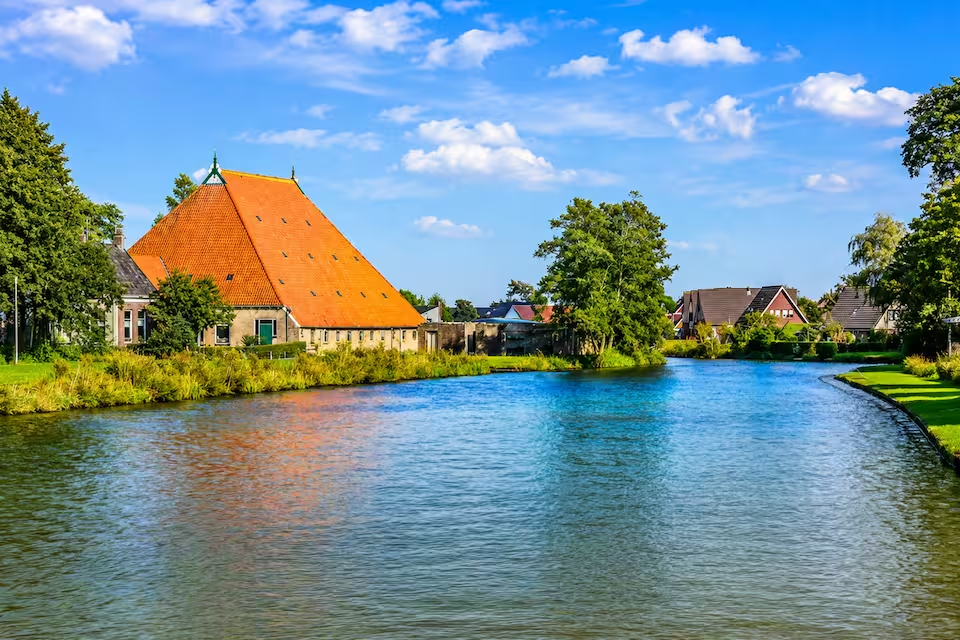
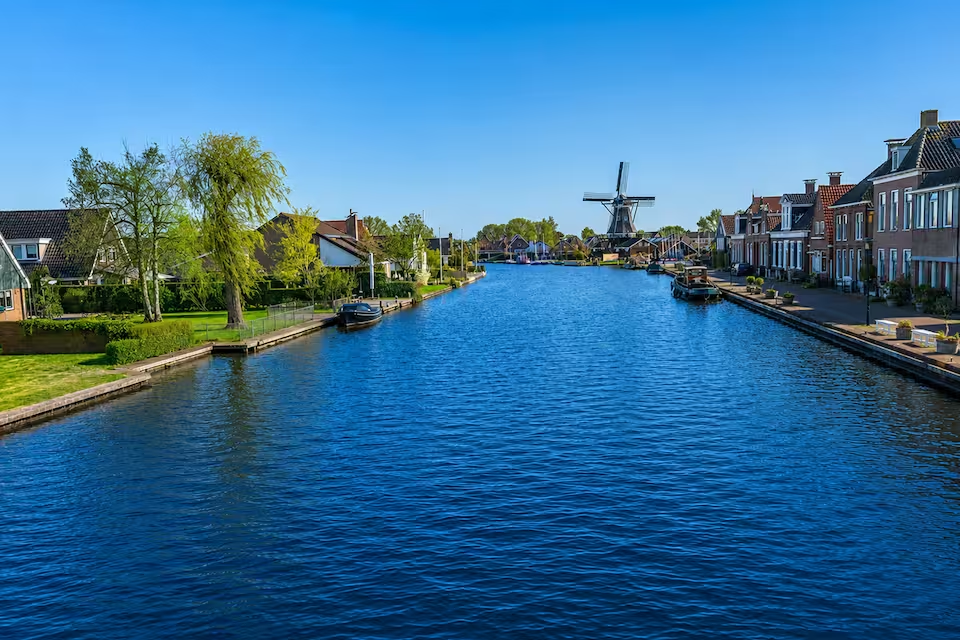
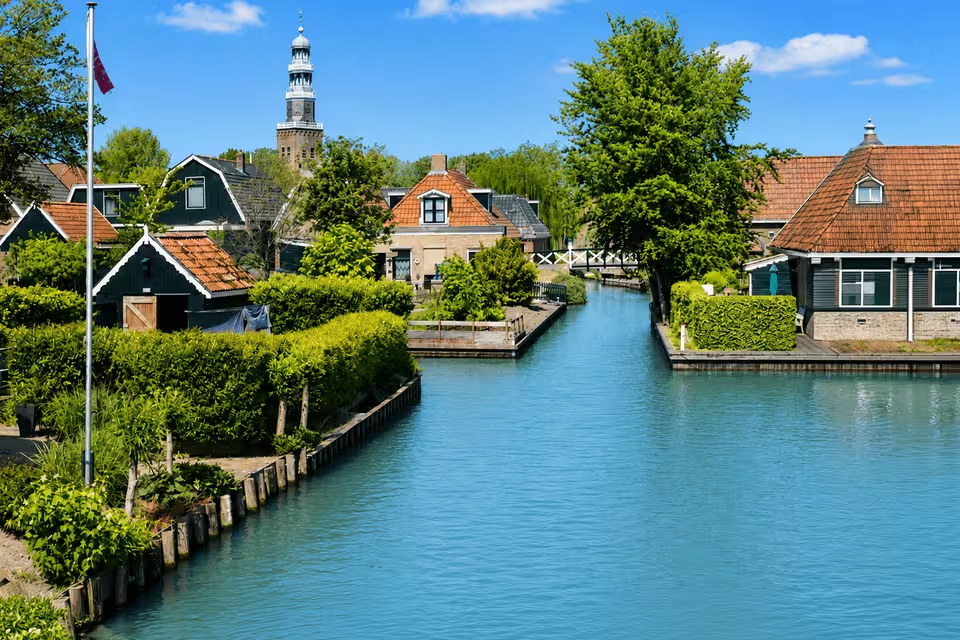
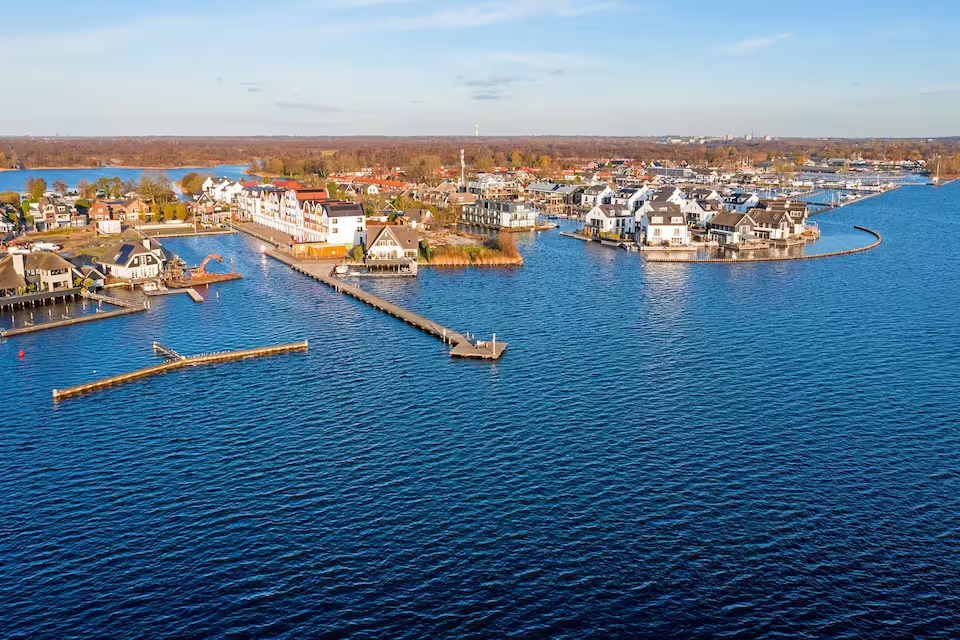
Akkrum is an inland watersports village in central Friesland, set where the Boarn, Meinesleat and Kromme Knilles connect with the wider Frisian waterway network. A yacht charter in Akkrum can move between sheltered canals, open lakes and rural waterways without entering tidal waters. The Sneekermeer lies to the southwest, while Grou, Pikmar and De Alde Feanen National Park are reached through interconnected rivers and channels.
Village-center moorings put shops, restaurants and historic buildings within walking distance, making Akkrum useful as both a departure area and an overnight stop. Its varied surroundings suit multi-day cruising as well as shorter boat rental in Akkrum. Travelers planning a broader yacht charter in the Netherlands can use the village as a gateway to Friesland’s distinctive combination of lakes, canals and waterside settlements.
Places to explore from Akkrum
Grou is one of the most relevant nearby stops. Reached through waterways leading toward Pikmar, it can be combined with Akkrum in a circular cruise that continues toward Terherne and the Sneekermeer area. Terherne provides another natural waypoint where sheltered channels meet broader lake passages.
To the east, Aldeboarn lies along the historic Turfroute, whose former peat-transport waterways lead into southeast Friesland. For nature-focused cruising, the reed-fringed channels of De Alde Feanen connect the Akkrum area with Earnewâld, Warten and Wergea. Designated moorings allow time ashore or a pause within the wetland landscape, although marked bird-rest areas and temporary closures must be respected.
Open-water landmarks include De Burd in the Pikmar area and Kolmeersland, also known as Starteiland, on the Sneekermeer. Their relevance depends on the chosen route and weather, as these lake sections are more exposed than the canals near Akkrum.
Cruising conditions on the Frisian waterways
Cruising around Akkrum alternates between narrow village waterways, winding rural channels and wider lake crossings. The canals and rivers generally provide shelter, while the Sneekermeer and Pikmar respond more noticeably to variable winds. In stronger conditions, their short open-water passages can become rougher than the protected routes around the village.
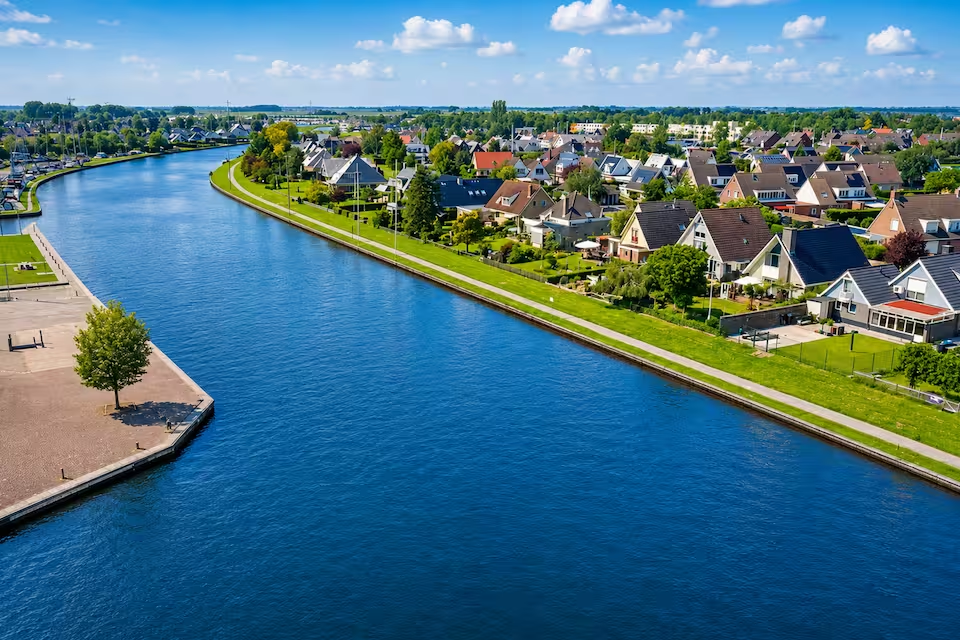
The waters are non-tidal, but that does not remove the need for careful route planning. Movable bridges, low fixed clearances and draft restrictions can influence which connections are suitable for a particular charter yacht. Narrow passages also require attention, especially where recreational craft meet nearby commercial traffic on the Prinses Margriet Canal.
This variety gives travelers flexibility: a forecast favoring calmer conditions can support a lake circuit, while more sheltered waterways offer alternatives when the wind increases. Changeable weather and passing showers are possible throughout the boating season, so plans should allow room for adjustment.
Best time for a yacht charter in Akkrum
Friesland’s official boating season runs from April 1 to October 31. May through September generally offers the most comfortable combination of temperature, daylight and full recreational activity, making these the most suitable months for a yacht charter around Akkrum.
April and October form the edges of the main season. They can still work for inland cruising, but cooler conditions and more limited bridge or harbor services may affect the itinerary. From November through March, boating remains possible in principle, although cold weather, stronger seasonal winds and reduced services make it less convenient.
Even in summer, conditions can change quickly. Checking both the inland-water forecast and wind conditions over the Frisian lakes is particularly important before crossing the Sneekermeer or Pikmar.
Cruising routes through Akkrum
The approximately 36-kilometer Sloepenroute De Alde Feanen–Grou begins in Akkrum and passes through the national park’s waterways toward Warten, Wergea and Grou. Its mixture of village passages and wetland channels makes it useful as a long day route for a suitable craft, subject to operating conditions and vessel dimensions.
For a broader circuit, Akkrum can be linked with Terherne and Grou using the Boarn and connecting waterways between the Sneekermeer and Pikmar areas. Longer itineraries may continue eastward on the Turfroute through Aldeboarn and southeast Friesland.
Akkrum also lies on a regional Standing Mast Route connecting Grou, Akkrum and Terherne. This gives fixed-mast vessels an established passage through the area, although current bridge arrangements and clearances should always be checked before departure.
Life on the water and ashore
An Akkrum charter can combine cruising with frequent stops ashore. Mooring close to the village center allows travelers to visit the Terptsjerke, built in 1759 on the highest part of Akkrum’s historic terp, or walk to Coopersburg and its landscaped garden. Coopersburg was created through the philanthropy of Akkrum-born businessman Folkert Kuipers, later known as Frank Cooper.
The surrounding waterways reveal several sides of Friesland within a relatively compact area: pastoral views along the Boarn, reed-lined passages in De Alde Feanen and more open sailing on the lakes. Wildlife watching is especially relevant in the national park, provided boats travel slowly and observe designated nature zones.
Akkrum’s position at the start of the Turfroute also connects present-day cruising with the waterways once used to transport peat from southeast Friesland.
Getting to Akkrum and joining the waterways
Akkrum has its own railway station on the line connecting Leeuwarden, Heerenveen and Zwolle, with onward links through the Dutch rail network to Amsterdam Airport Schiphol. By road, the village is immediately accessible from the A32 between Heerenveen and Leeuwarden.
Potential departure points and local boating facilities include Jachthaven Drijfveer & Tusken de Marren, AWS Eendracht Marina and Akkrum Passantenhaven. Pean, just outside Akkrum, is another documented departure area. The village therefore functions as a practical place to begin a trip, replenish supplies or pause between lake and canal passages, rather than solely as a destination to view from the water.
Travelers should confirm the exact handover point with their charter arrangements, as marina location can affect the first day’s route and the bridges encountered.
Planning the right charter
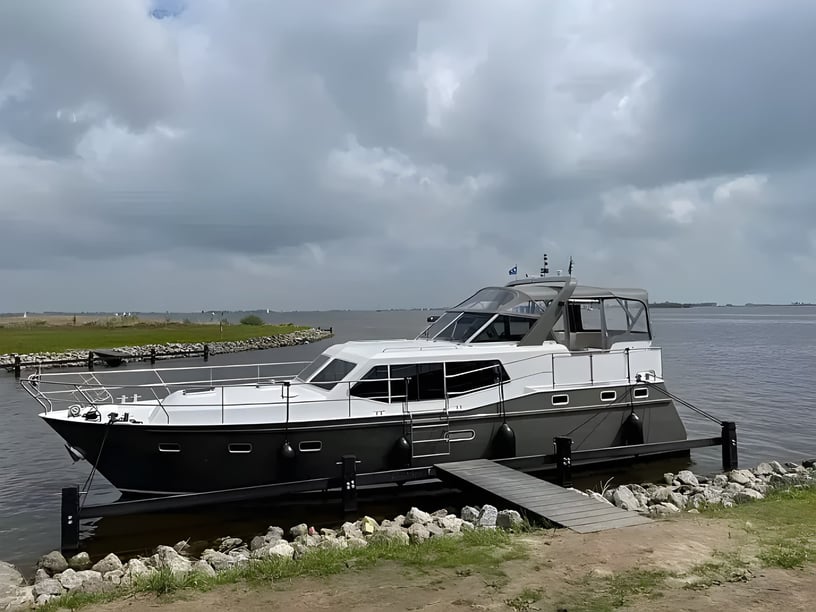
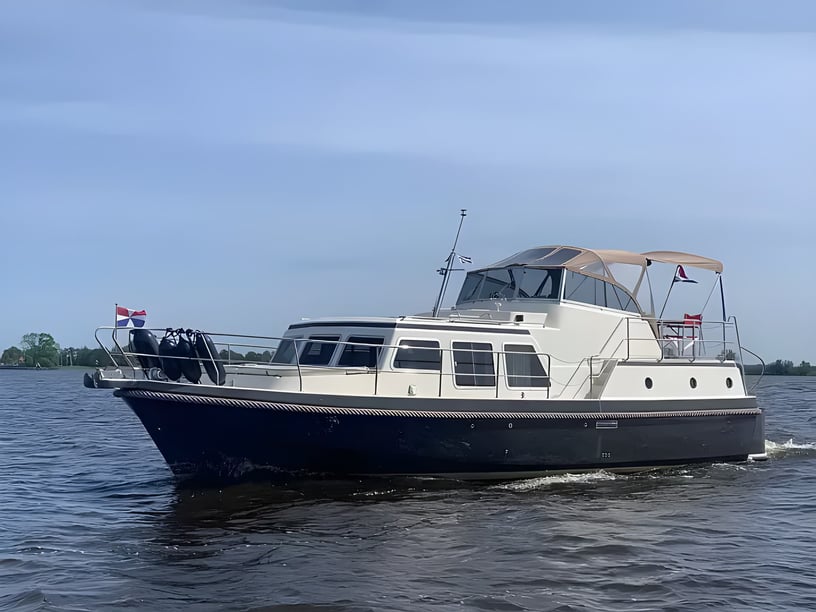
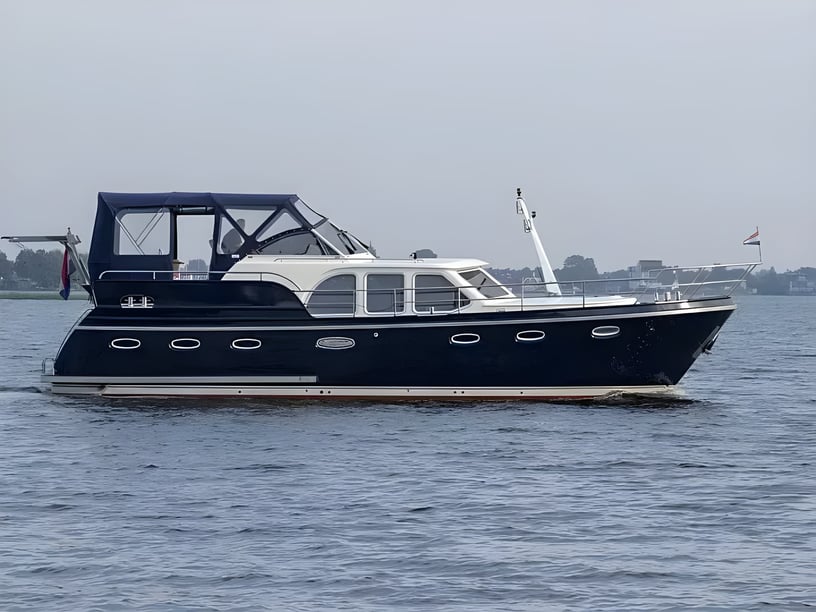
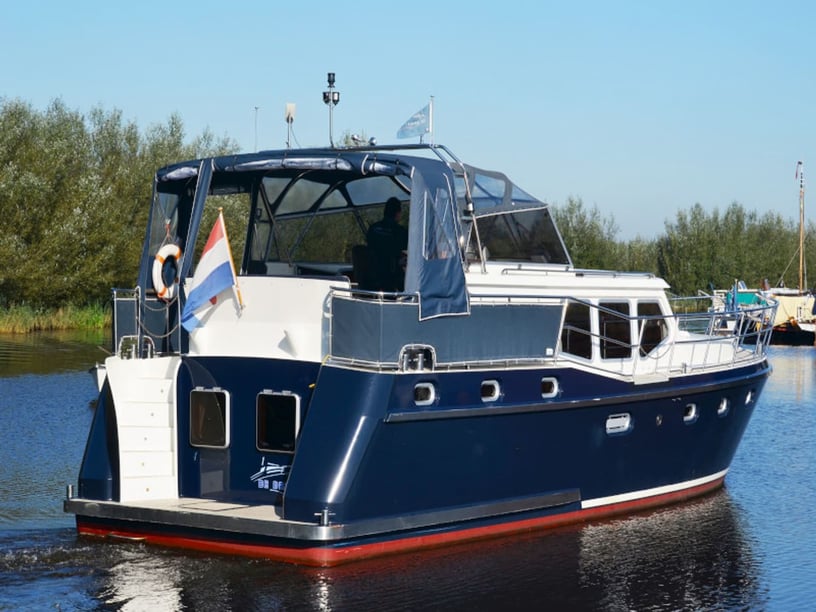
The most important choice is not simply boat size, but whether its dimensions suit the intended route. Air draft, overall length and underwater draft can determine access beneath fixed bridges or through shallower sections. Travelers hoping to follow the Standing Mast Route, enter narrower nature waterways or complete a lake circuit should compare the yacht’s specifications with current charts and provincial navigation information.
Licensing requirements depend on the vessel. A Dutch small boating licence is generally required for recreational craft between 15 and 25 meters and for smaller powered boats capable of exceeding 20 kilometers per hour. The charter operator should clarify the applicable licence and experience requirements for the selected boat.
Bridge schedules and harbor services deserve particular attention outside the main season. Before departure, check operating arrangements, the inland forecast and any temporary route restrictions. Within De Alde Feanen, use designated moorings, keep speed low and observe marked bird-rest areas. Building some flexibility into the itinerary makes it easier to choose sheltered canals when stronger winds make the open lakes less comfortable.