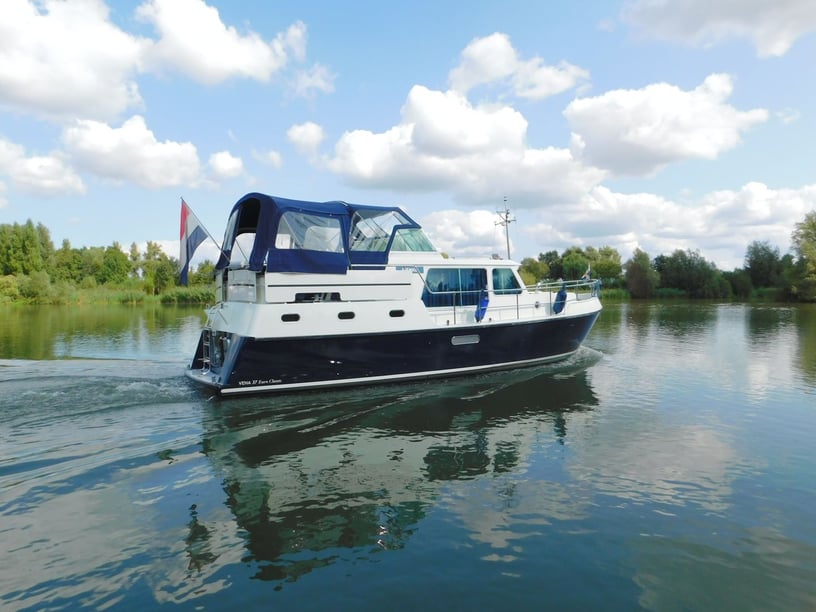
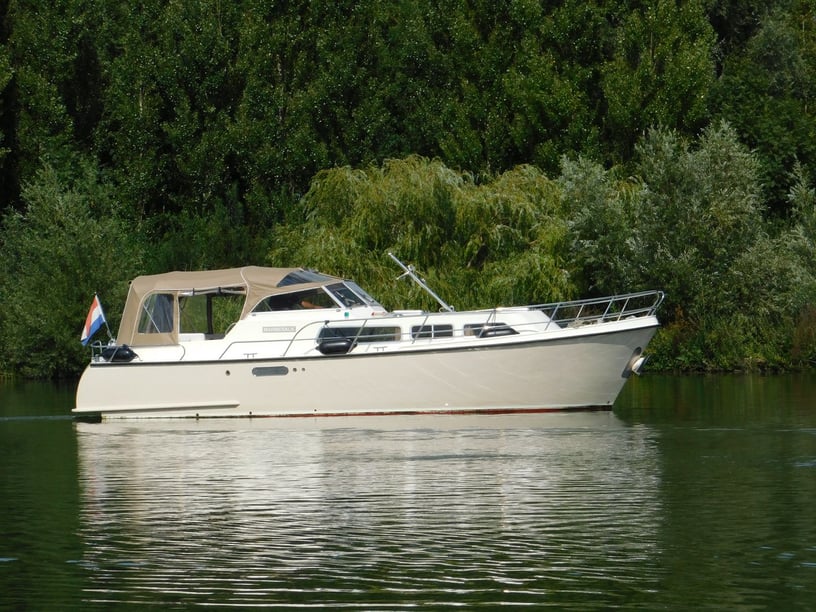
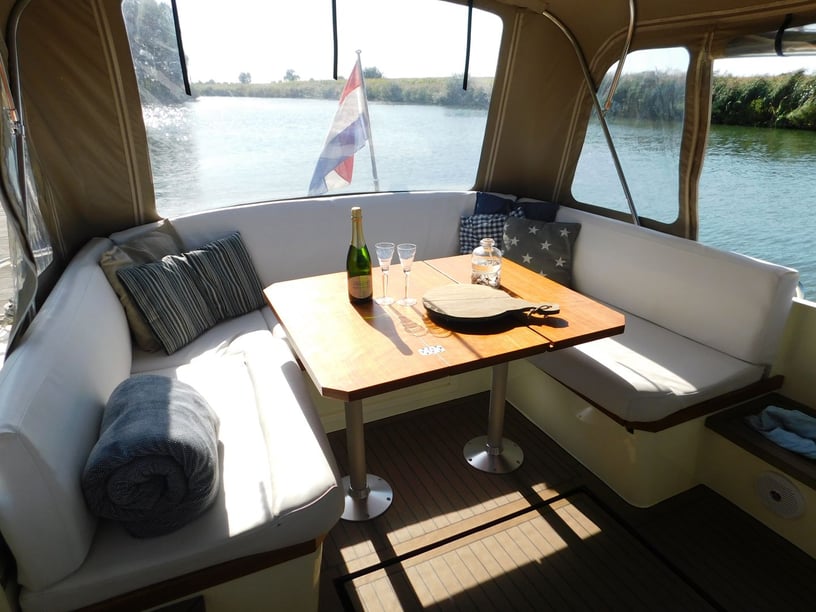
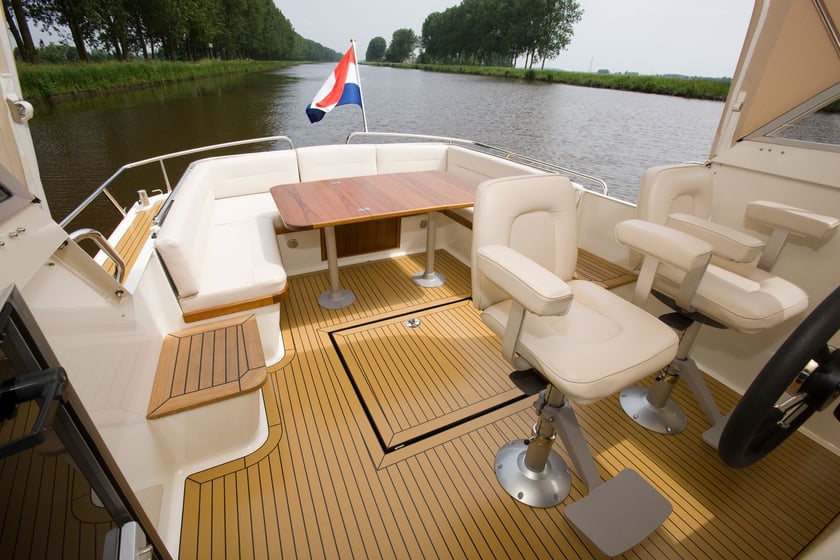
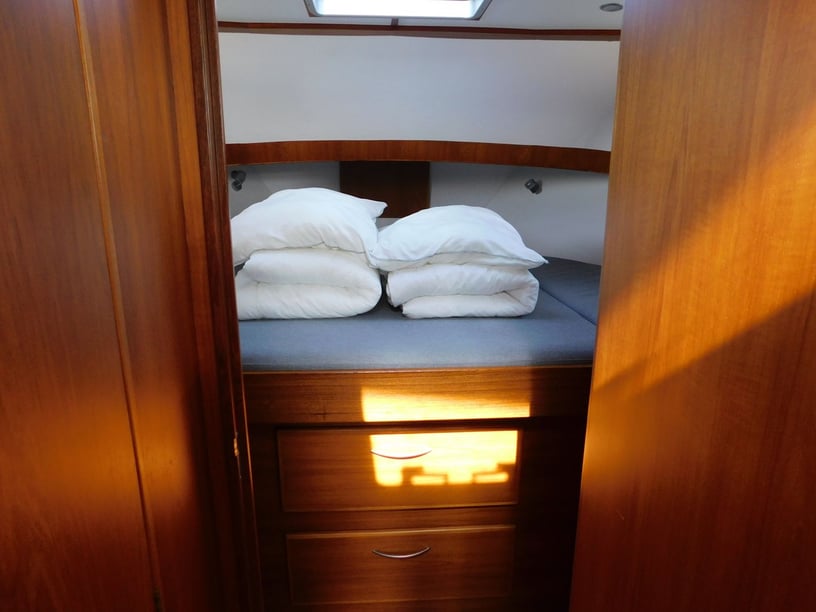
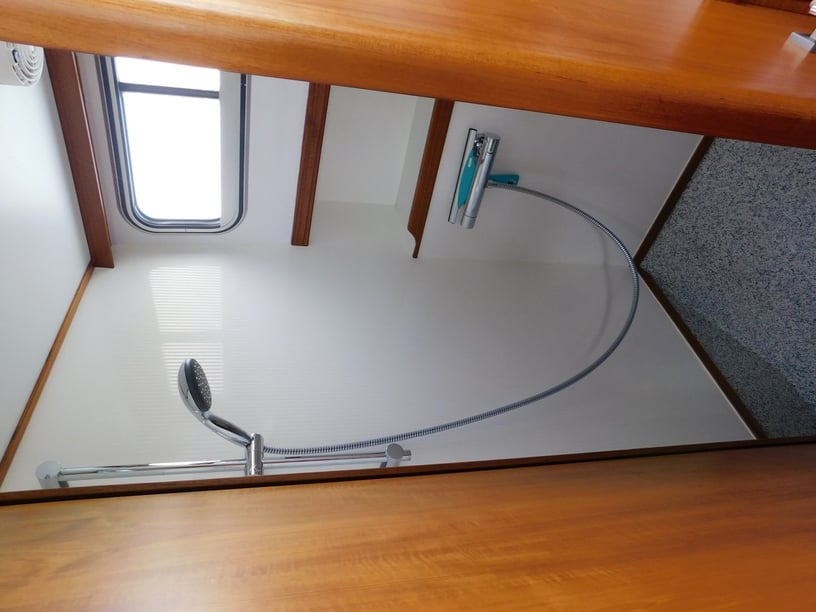
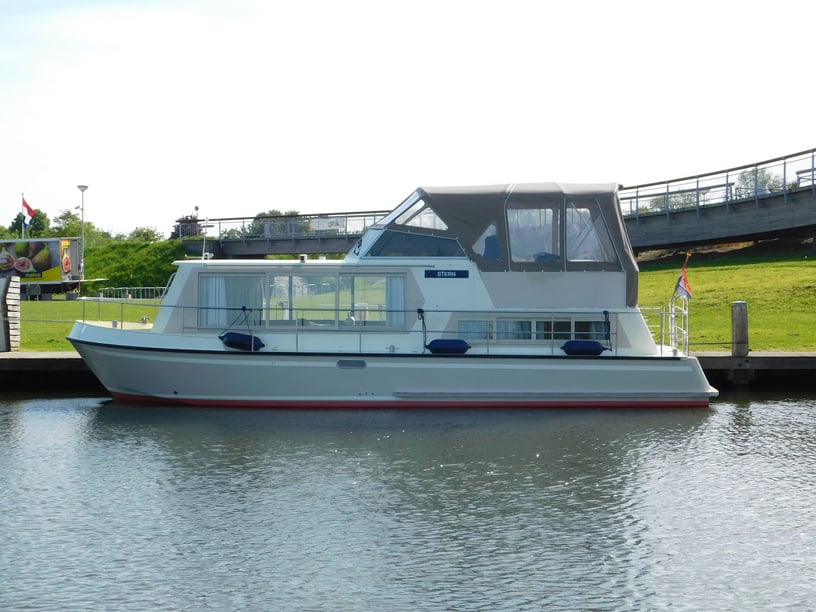
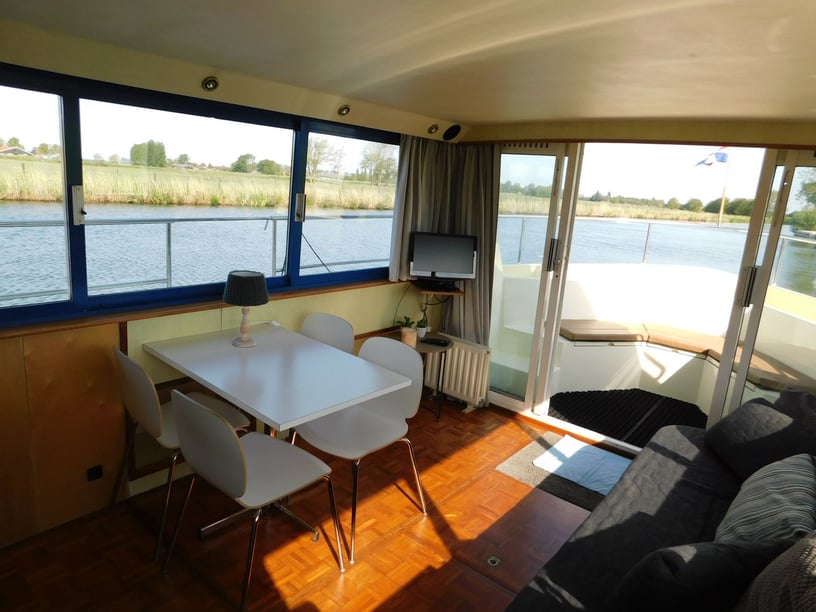
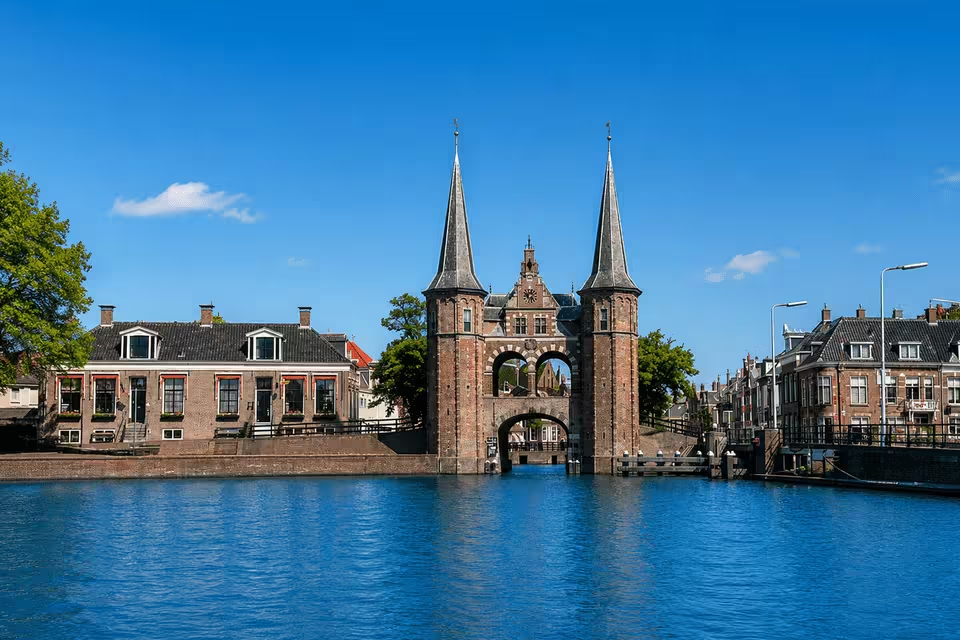
Yacht charter in IJsselstein
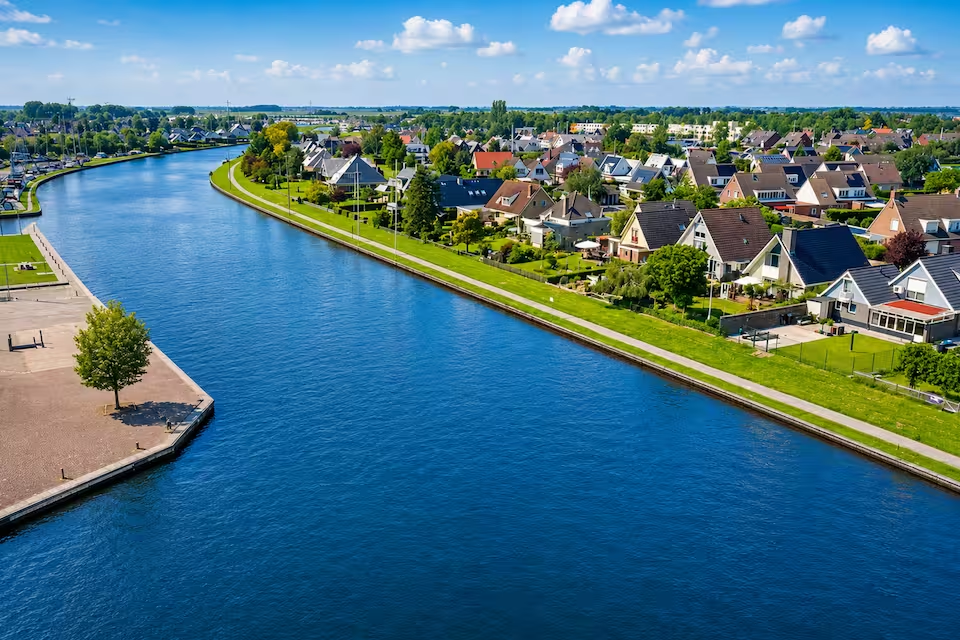
IJsselstein offers a distinctly inland interpretation of yacht charter. The historic fortified town stands on the Gekanaliseerde Hollandsche IJssel, where the more urban waterways around Nieuwegein and Utrecht give way to the clay and peat meadows of the Lopikerwaard. Its medieval center remains enclosed by a former defensive moat, while the main river continues west through open countryside.
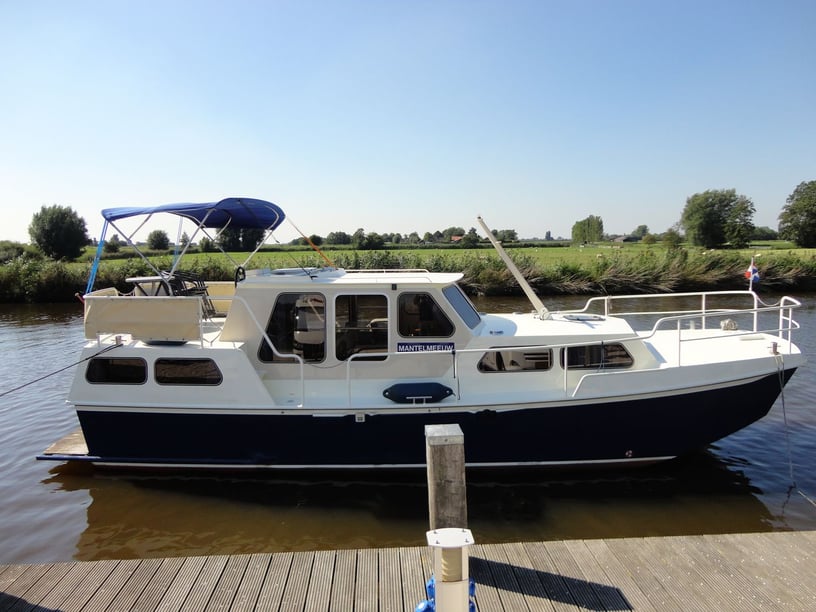
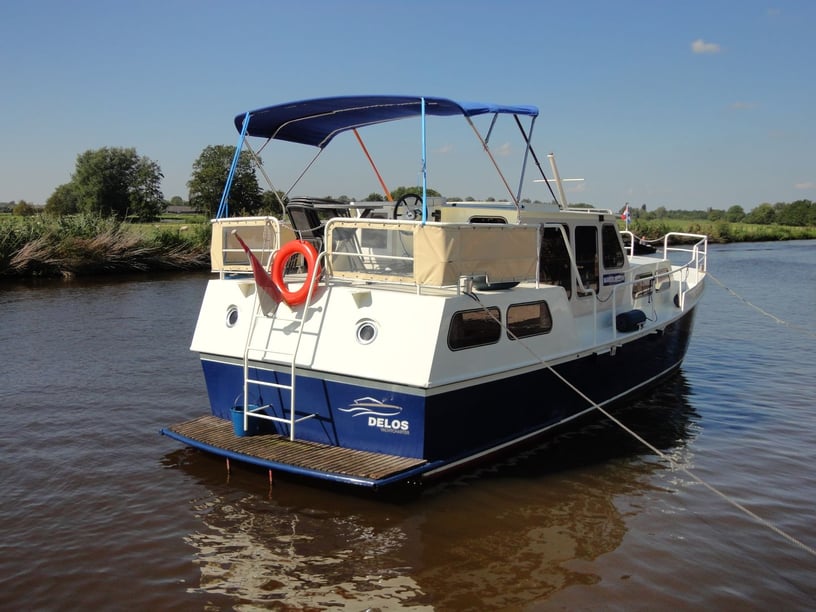
Rather than an open-water sailing base, IJsselstein is suited to sheltered trips in sloops, low-air-draft motorboats and other small recreational craft. Days on the water can combine an easy river passage with time ashore among the town’s churches, museum, castle tower and preserved medieval street pattern. Within the wider choice of yacht charter in the Netherlands, it works best as a compact heritage destination and a starting point for slow exploration of the surrounding inland waterways.
Places to explore from the water
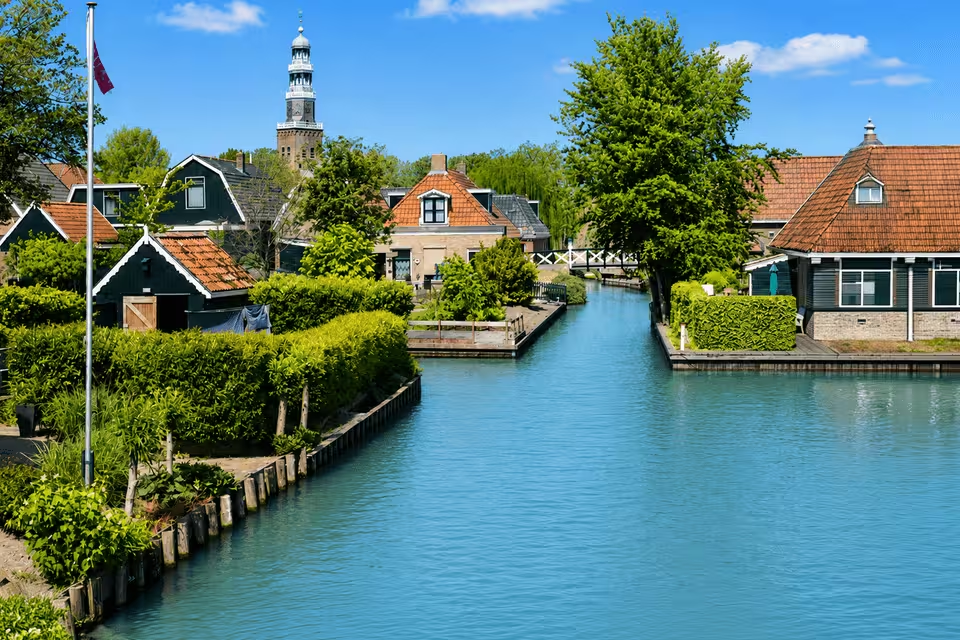
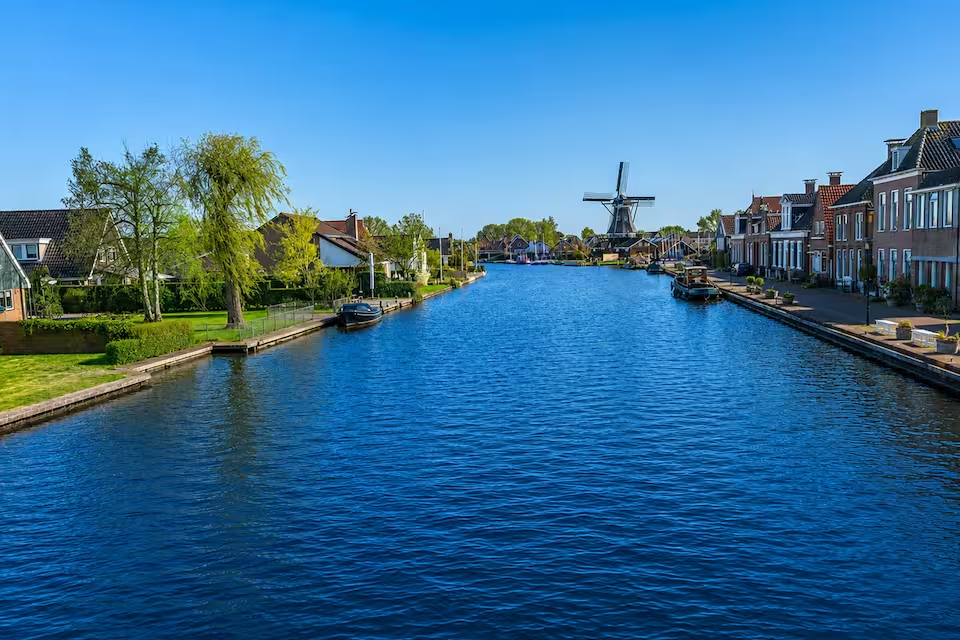
IJsselstein’s historic center is the natural focus. Guided sightseeing circuits travel through the city moat and onto the Hollandse IJssel, placing landmarks such as the Kasteeltoren, Oude Nicolaaskerk, Sint-Nicolaasbasiliek and De Windotter windmill within the story of the former fortifications. This close relationship between town and water distinguishes IJsselstein from destinations where the harbor and historic quarter are separate.
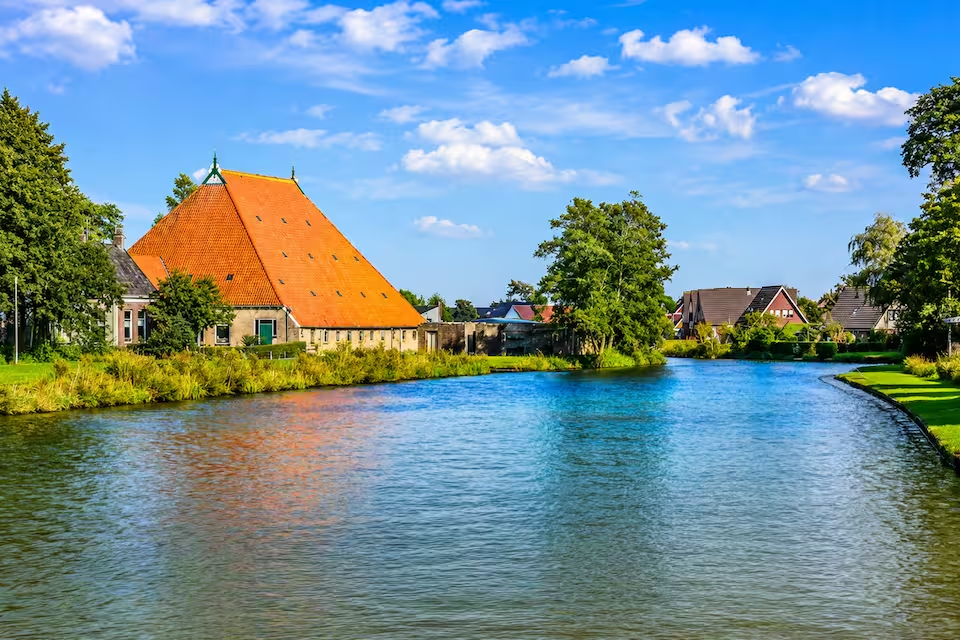
West of town, the river enters the open Lopikerwaard polder landscape on its way to Montfoort. This direction suits travelers who want a contrast between built heritage and rural cruising without moving onto exposed water. Eastbound, the route leads toward Vreeswijk in Nieuwegein, a historic inland-shipping settlement associated with Museumwerf Vreeswijk. Lopikerkapel can also be reached through connected waterways for a quieter countryside excursion.
What cruising around IJsselstein is like
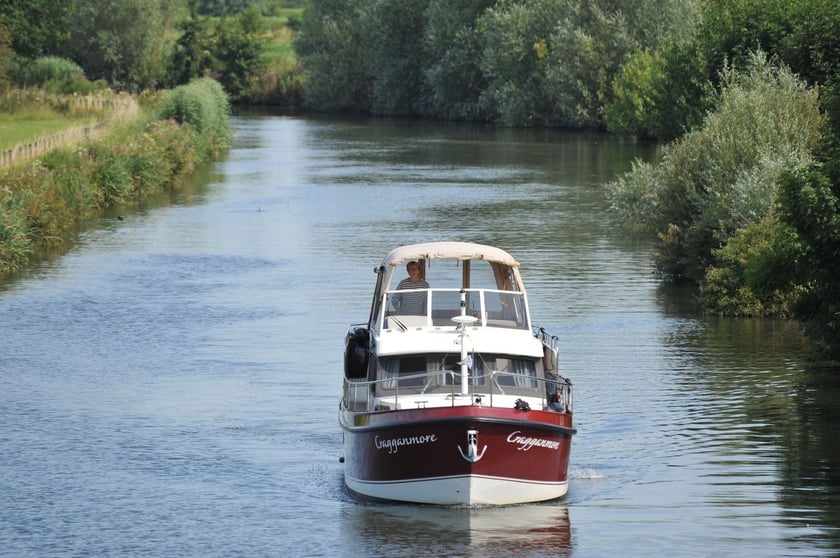
Cruising around IJsselstein is sheltered, slow and predominantly linear. The managed river has little open-water wave exposure, so the experience is more about following bends, passing through changing town and polder scenery, and stopping at designated moorings than covering long distances under sail. These characteristics make the area approachable for relaxed scenic cruising and family outings.
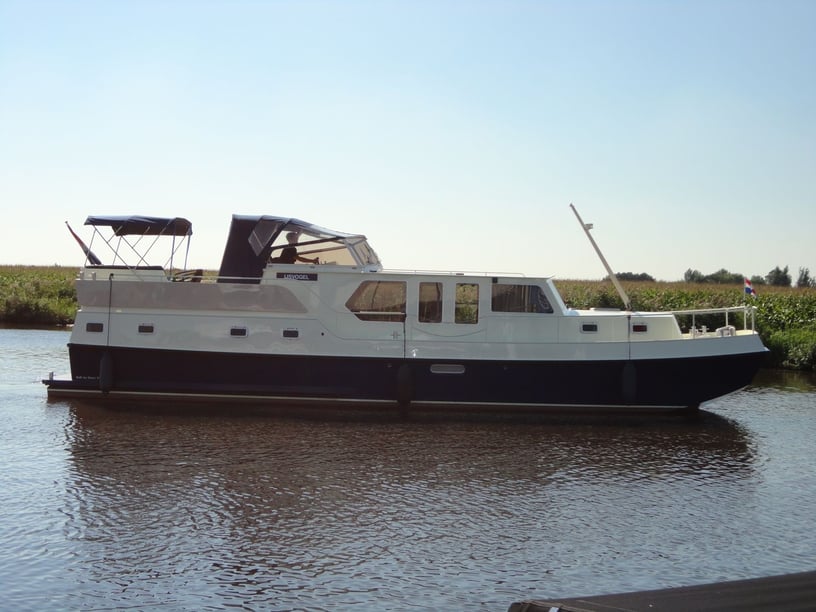
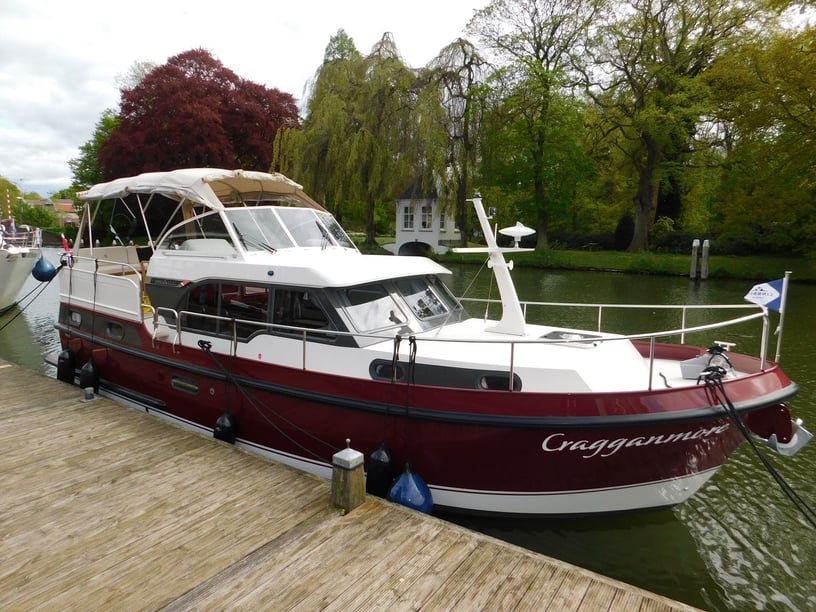
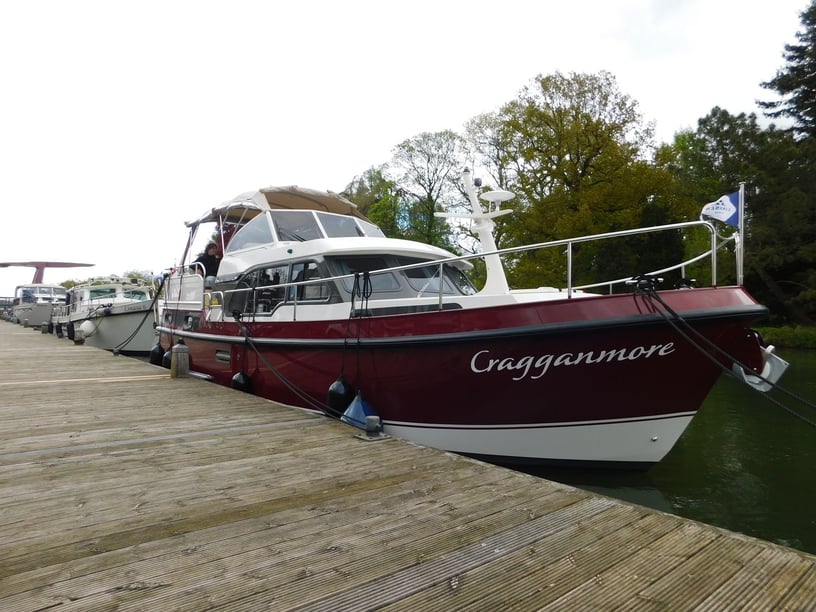
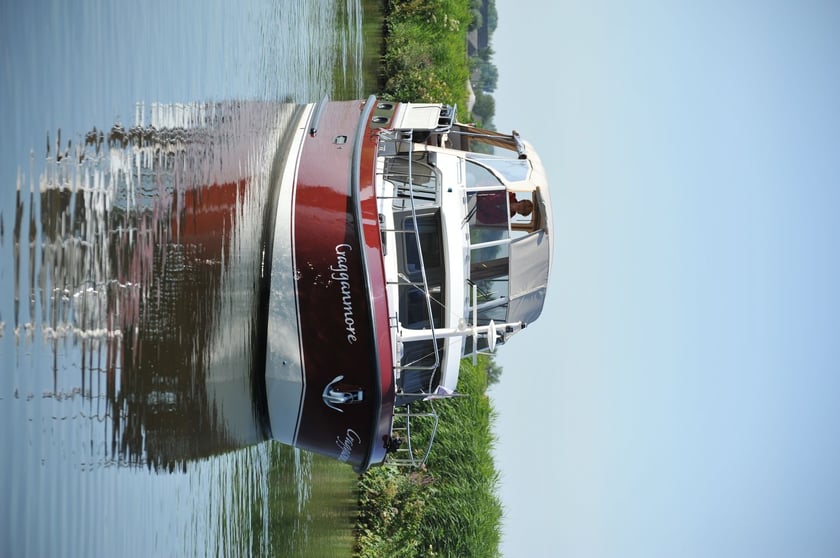
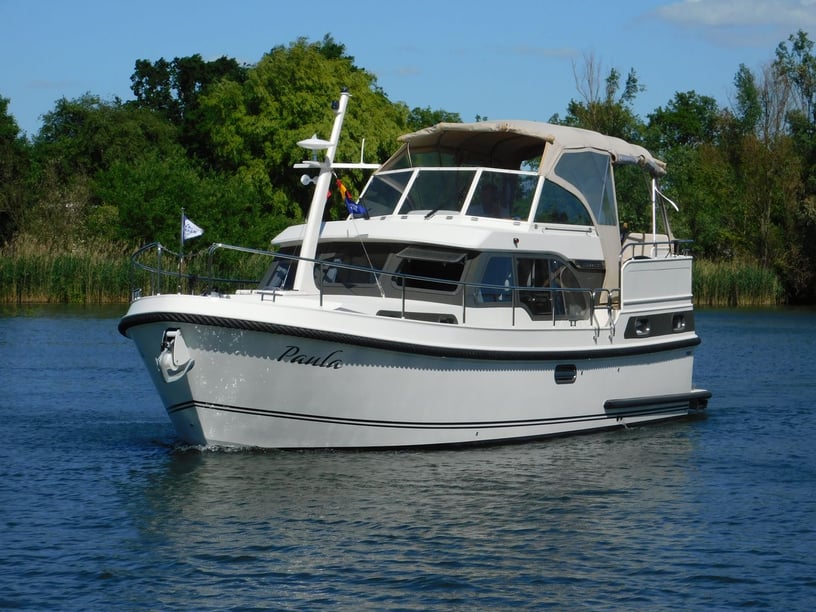
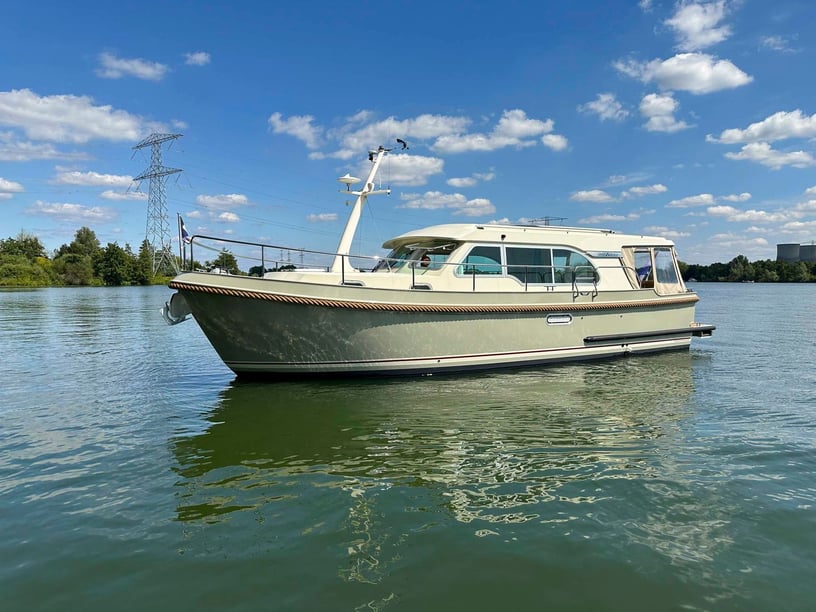
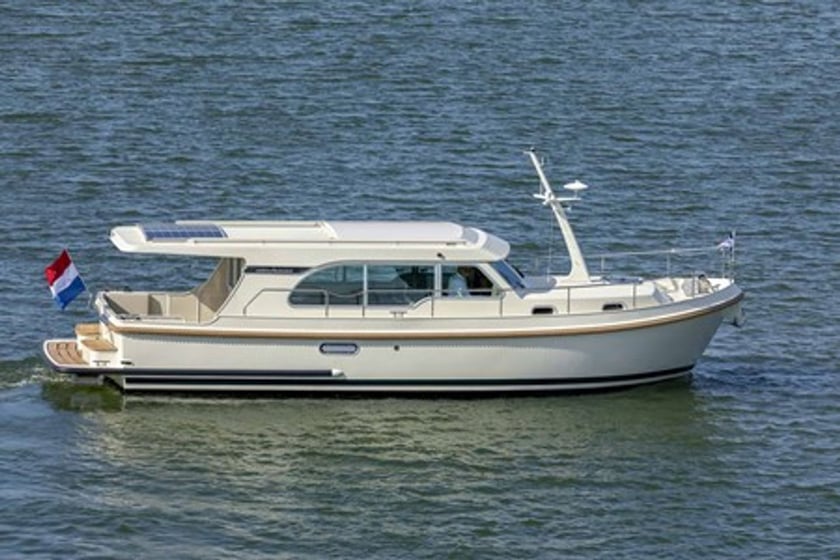
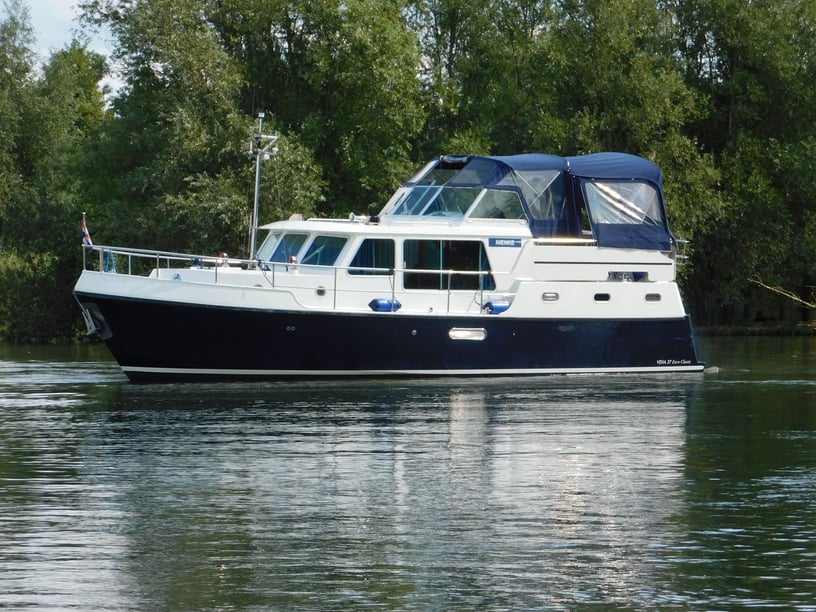
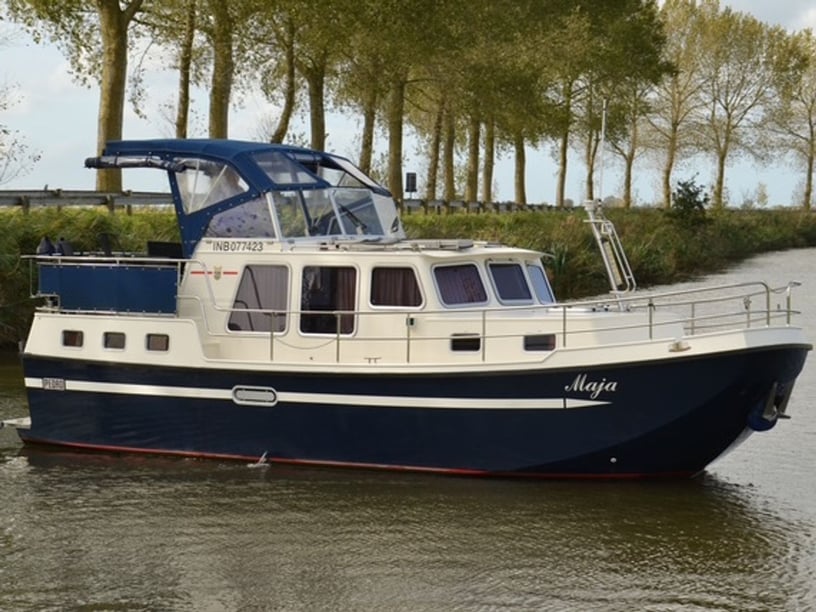
The waterway is narrow and winding in places. Bridges, restricted sightlines and limited room when meeting other craft still call for attentive handling, even though the overall boating difficulty is considered easy. Low-air-draft motorboats and sloops are better suited to the route than conventional mast-up sailing yachts because bridge clearances can restrict passage. Travelers specifically comparing craft for these waters may therefore find motorboat charter in IJsselstein more relevant than an open-water sailing yacht.
The best time for an IJsselstein charter
The main recreational boating season generally runs from April through October. June, July and August are the particularly suitable months, combining the warmest part of the year with longer daylight and the greatest concentration of local rental services and sightseeing cruises. May and September also fall within the active season and can work well for travelers who prefer to avoid the central summer period.
April and October are transitional months. A trip remains possible, but cooler or less settled weather and reduced seasonal services require more flexible planning. From November through March, recreational activity is substantially lower. Colder temperatures, short days, stronger average winds and occasional frost or ice make winter a less practical choice, while rain can occur at any time of year.
Possible inland cruising routes
A short outing can focus on the historic IJsselstein circuit, combining the fortification moat with a section of the river. Because this is associated with locally operated sightseeing trips, travelers should check which waterways and departure arrangements apply to their chosen boat.
For a straightforward out-and-back cruise, the connection between the historic town and Jachthaven Marnemoende follows IJsselstein’s eastern river corridor. A longer westbound trip leads through the Lopikerwaard to Montfoort, adding open polder scenery and another historic town to the day. Eastbound cruising toward Vreeswijk shifts gradually into the more urban waterways of Nieuwegein. These routes are best approached as unhurried inland passages, with distance determined by bridge operations, permitted moorings and the time available for going ashore.
History, countryside and time ashore
The defining experience is the rapid transition from a moated medieval center to the surrounding Green Heart countryside. From the water, travelers can see how the river, defensive canal and compact street plan shaped the town. IJsselstein developed beside a stone stronghold, received town rights in 1310 and later became a fortified settlement between medieval Holland and Utrecht. The surviving sixteenth-century Kasteeltoren is the principal remnant of the castle demolished in 1888.
A charter day can alternate between gentle cruising and short visits ashore. Museum IJsselstein provides context for the town, while the churches and De Windotter add recognizable points to a waterside circuit. Beyond the center, the emphasis changes to polder scenery and quiet river passages. This combination particularly suits families, history-focused travelers and those who value scenery over technical or open-water sailing.
Access, marina and departure points
IJsselstein is readily reached from Utrecht and Nieuwegein by direct tram and bus services, and the historic center is a short walk from the main public-transport stops. International travelers can use Amsterdam Airport Schiphol and continue by direct train to Utrecht before transferring to the IJsselstein tram. Rotterdam The Hague Airport is another relevant gateway.
Jachthaven Marnemoende, outside the center, provides visitor berths, launching facilities, small-craft rentals and boating services. It is generally more convenient to reach the marina by road, bicycle or taxi. In town, the Museum IJsselstein jetty at Walkade and the Overtoom jetty are associated with local departures. IJsselstein should therefore be viewed as both a place to explore and a modest departure area for inland trips, rather than assumed to be a major yacht-charter base.
Planning the right boat and trip
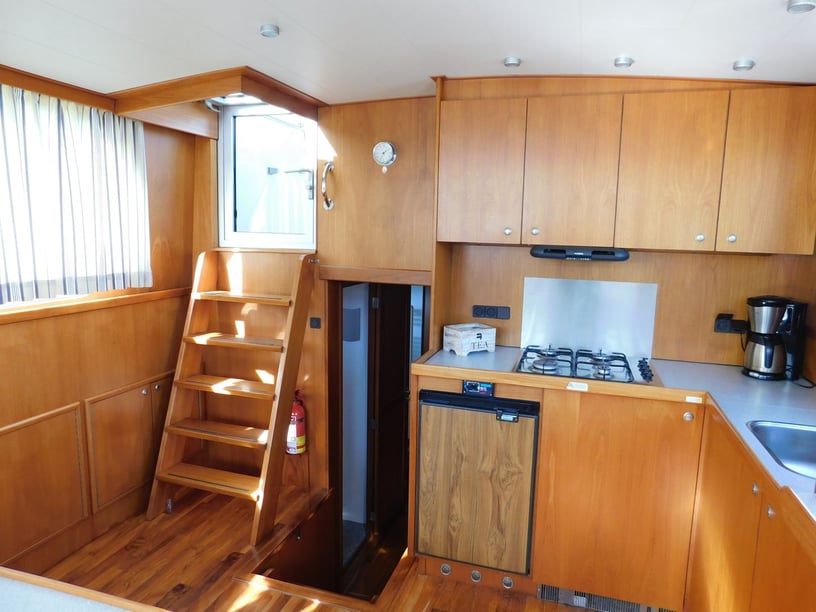
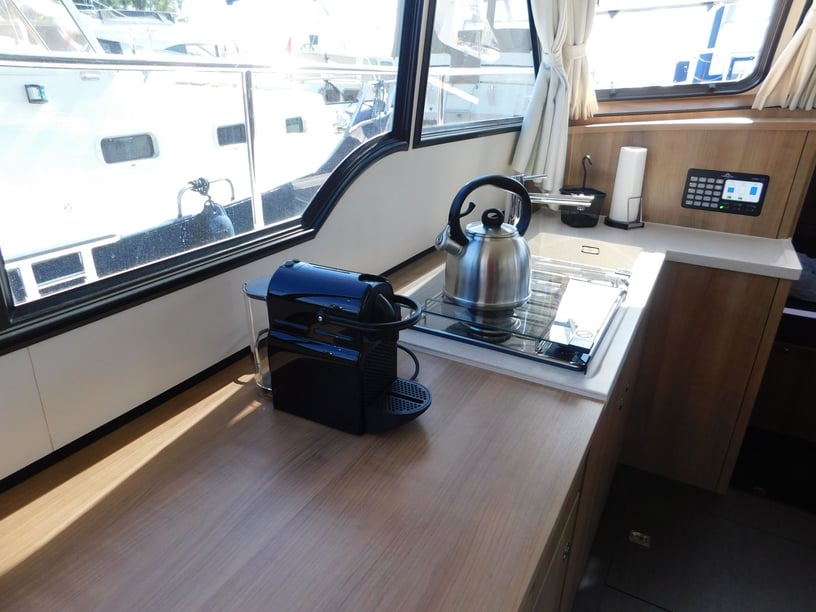
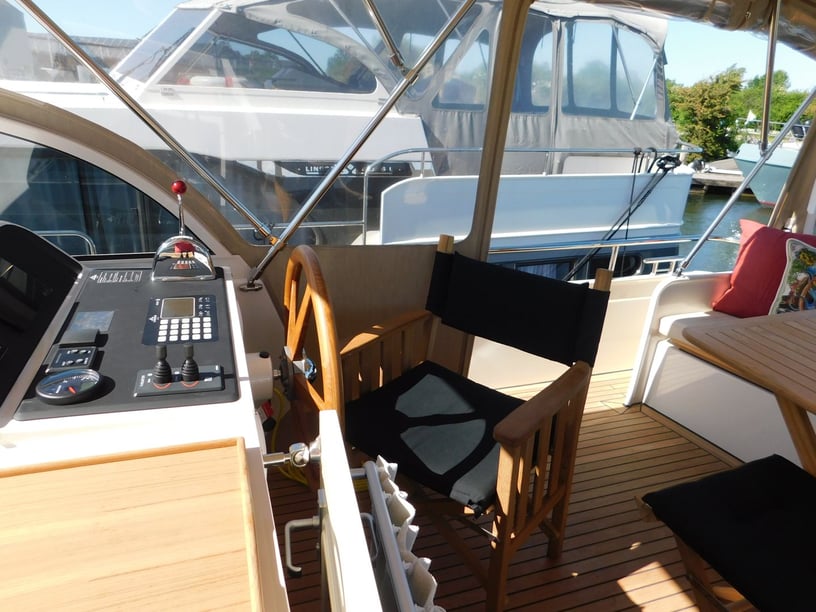
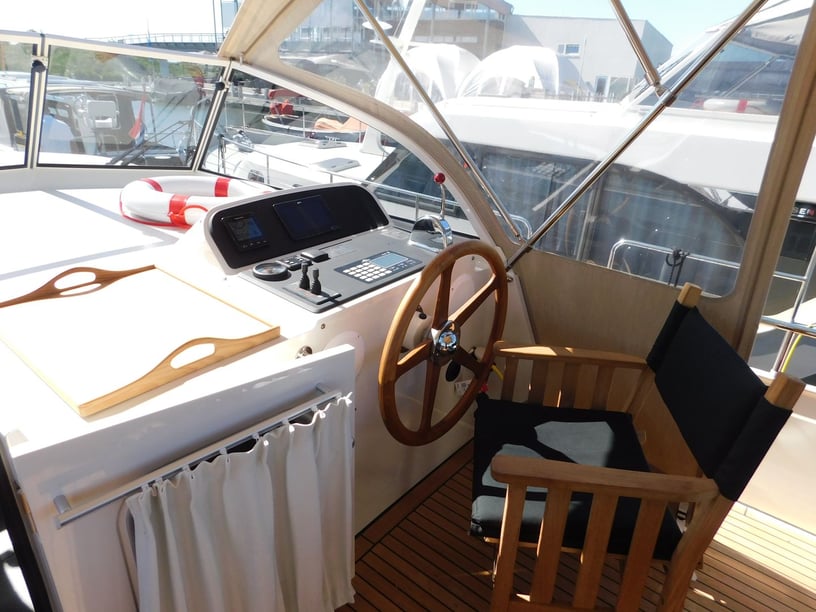
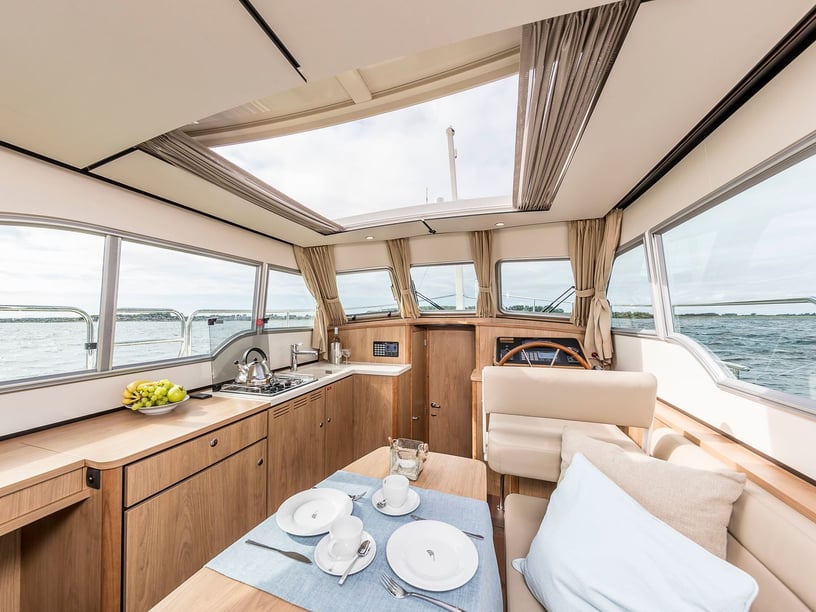
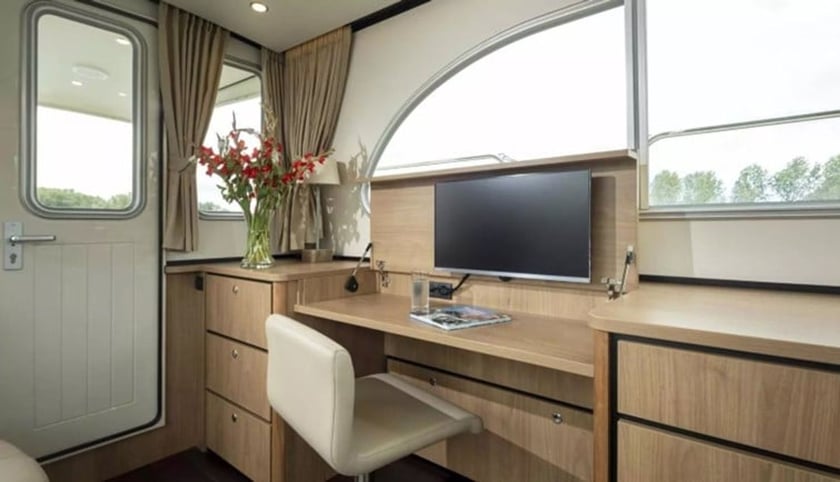
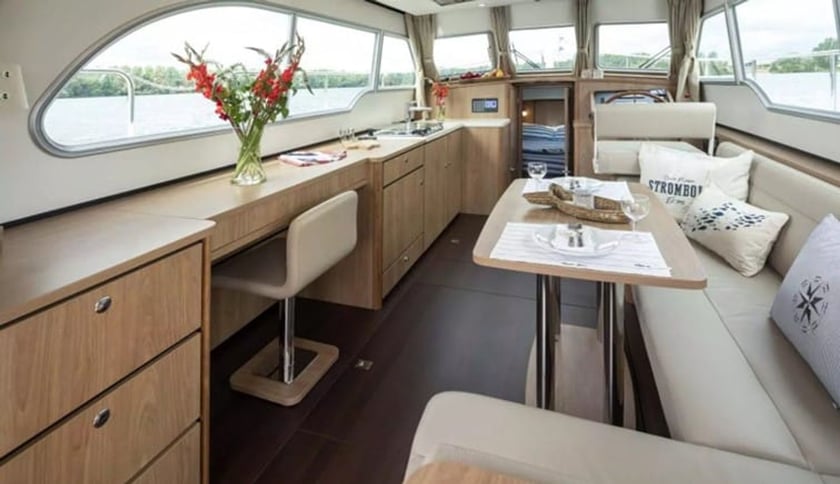
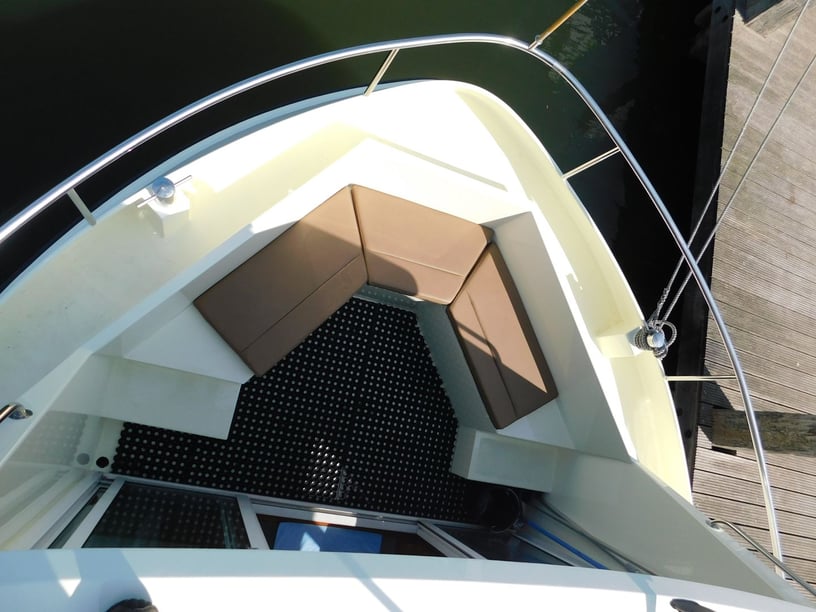
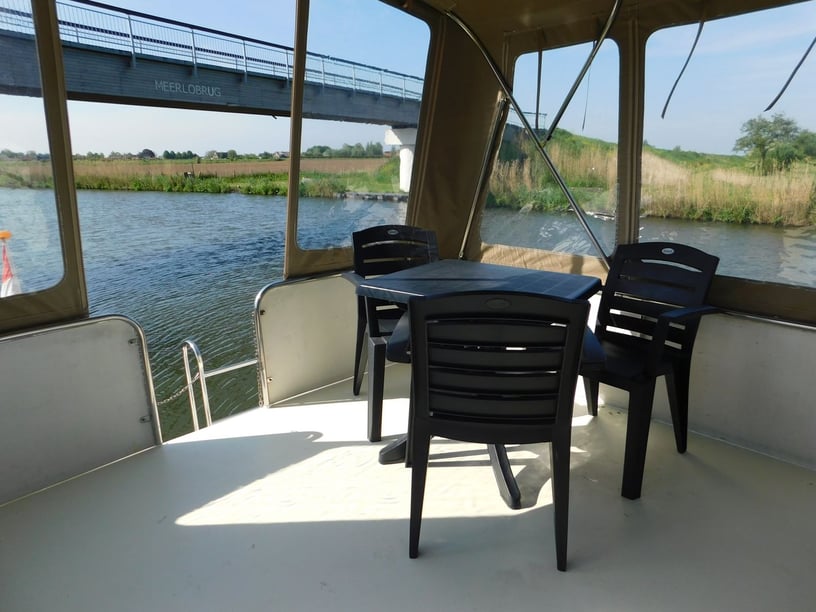
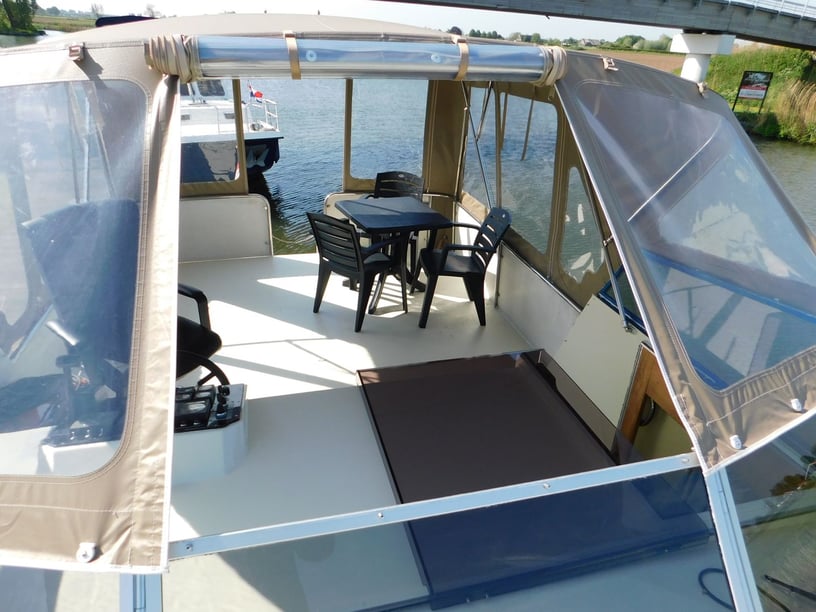
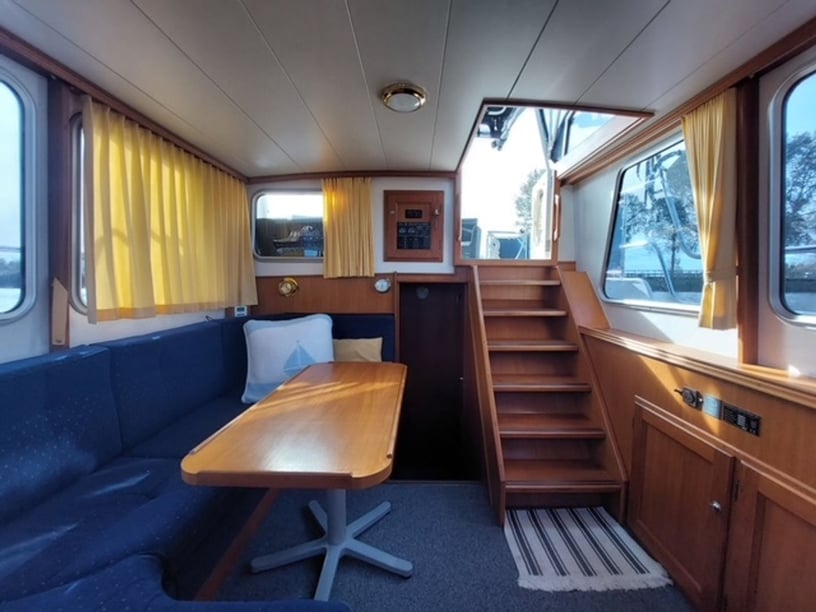
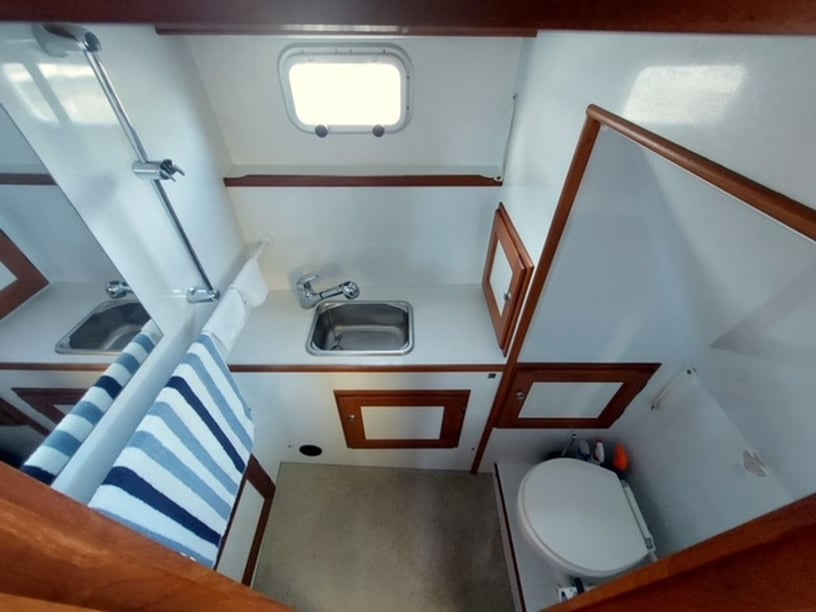
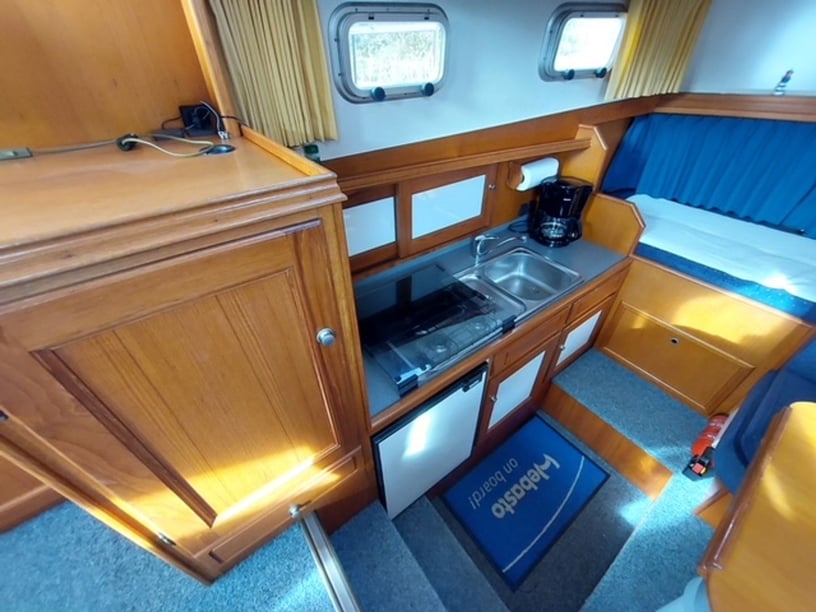
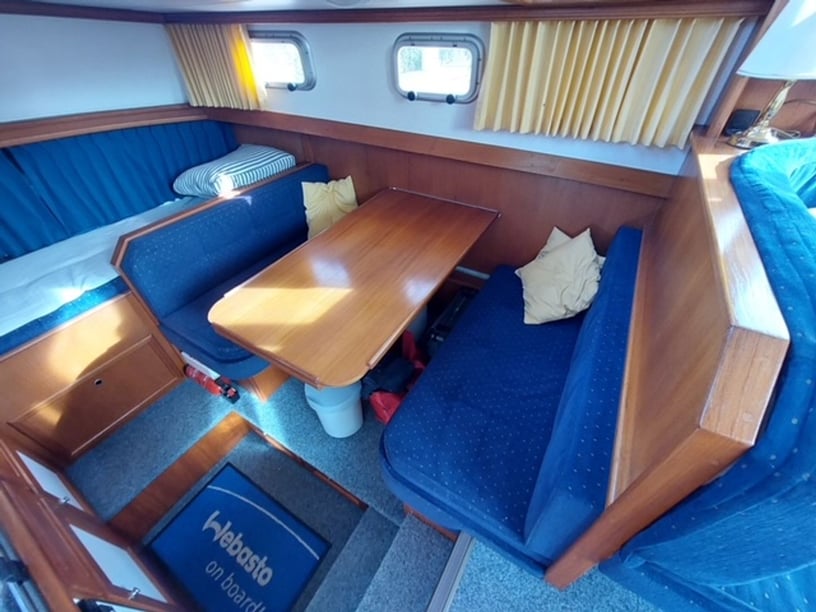
When comparing yacht charter or boat rental in IJsselstein, prioritize dimensions and handling characteristics over open-water performance. A low-air-draft motorboat or sloop is generally the practical choice for bridges, narrow channels and slow passages. Confirm the boat’s clearance and dimensions, then check current bridge and lock operations, maintenance notices and temporary navigation restrictions before departure.
On the Gekanaliseerde Hollandsche IJssel, the stated speed limit is 6 km/h within built-up areas and 9 km/h outside them, although posted signs and current navigation notices always take precedence. Mooring is limited to designated visitor zones and marina berths. Because bends can restrict visibility, allow enough time to proceed cautiously and avoid building an itinerary around maximum distance. It is also worth confirming the exact departure point, operating season, permitted route and charter format in advance, particularly for early-spring or autumn trips.