0 boats and yachts available for charter in Mahon
INSTANT BOOKING
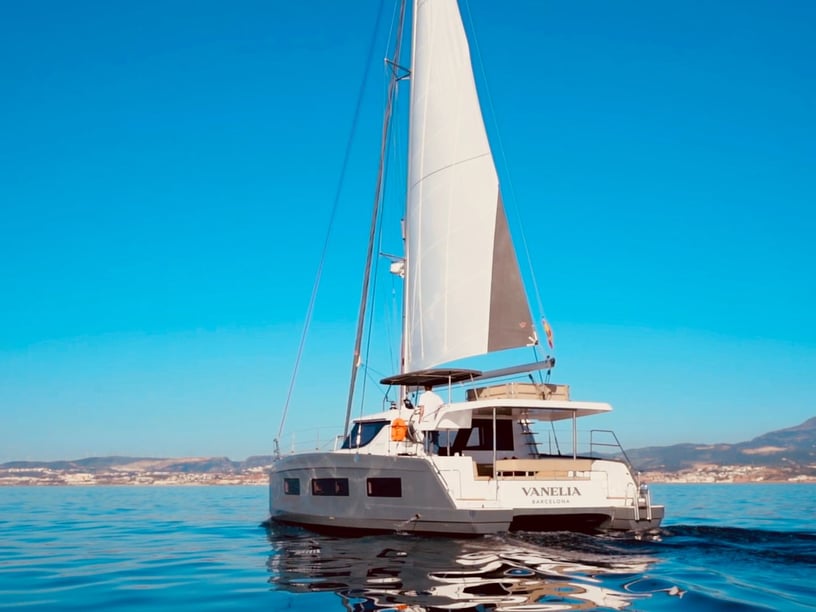
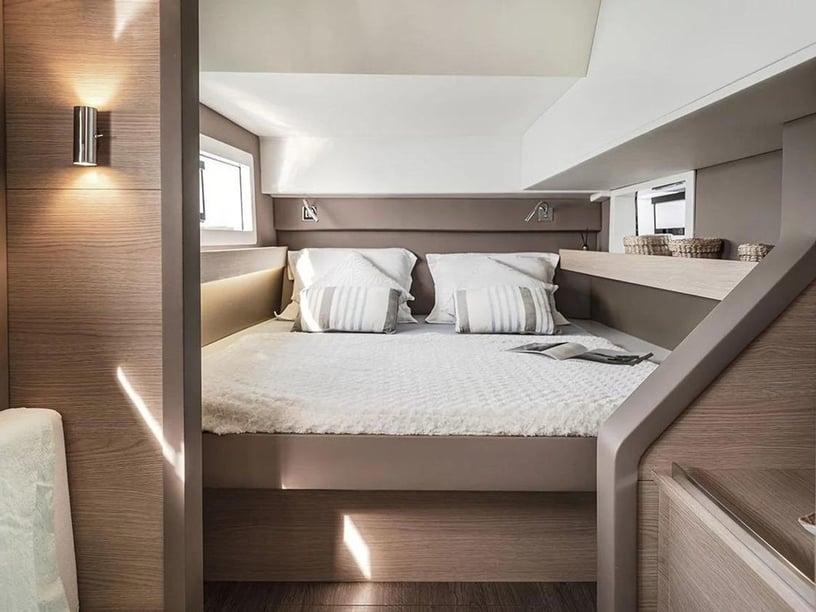
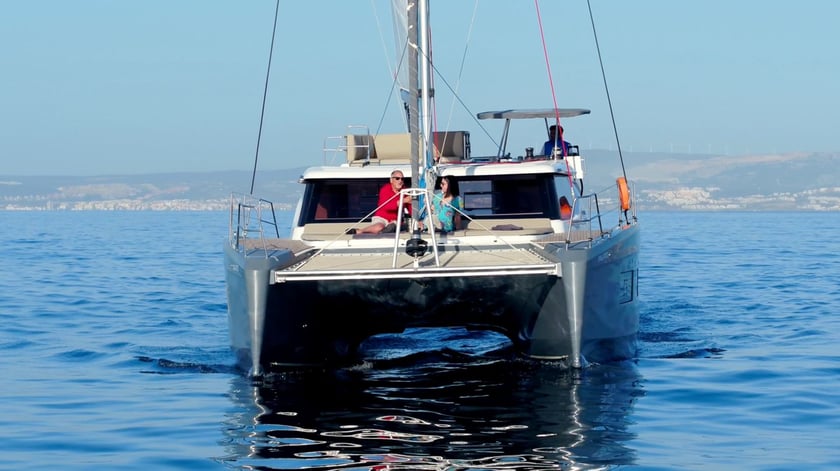
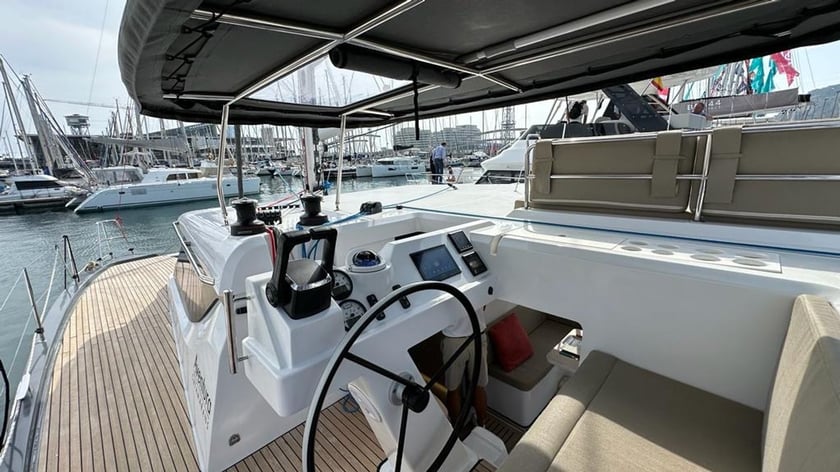
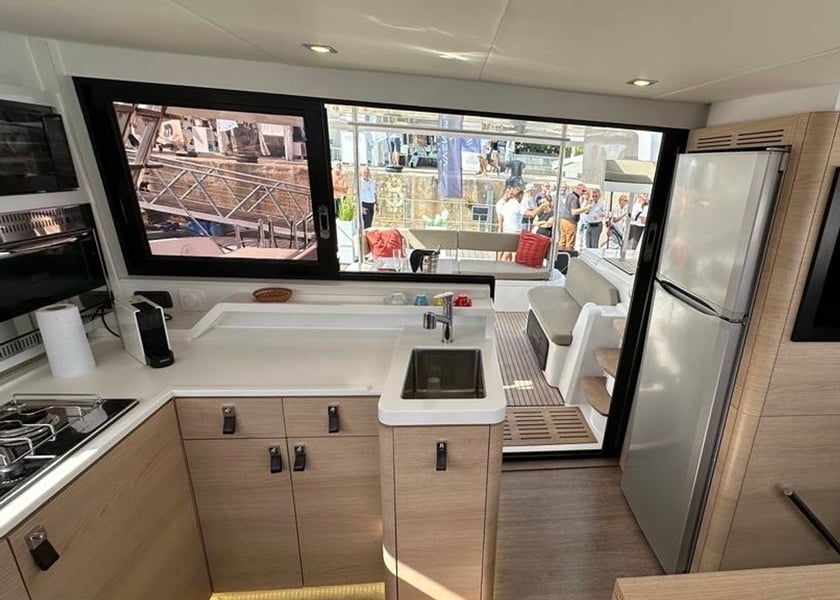
- Aventura, 37
- 2022
- Mahon
New
- 5 berths
- 3 cabin
- 10.9 m
- 2 WC
Trusted by thousands of travelers booking boat rentals every year.
Maó, widely known as Mahon, is Menorca’s capital and overlooks a natural harbour extending more than five kilometres inland. Its relatively narrow entrance opens into sheltered basins, coves and islands bordered by the city, Es Castell, marinas, historic fortifications and working port facilities. This geography gives a yacht charter in Mahon two distinct dimensions: relaxed cruising within the harbour and access to Menorca’s more exposed eastern and north-eastern shores.
The relationship between the water and the city is unusually close. Berths and waterfront restaurants sit below Maó’s elevated historic centre, while former military and quarantine sites occupy islands within the port. Travelers can therefore combine short passages, swimming and time ashore without committing immediately to an open-coast itinerary. For longer trips, the harbour is a practical gateway towards Es Grau, Illa d’en Colom and other parts of Menorca’s coastline.
Port of Maó itself is one of the principal areas to explore. Illa del Rei contains a former military hospital, the remains of an early Christian basilica and the Hauser & Wirth Menorca art centre. Nearby Illa del Llatzeret preserves a quarantine complex built around the turn of the 19th century. At the harbour entrance, the Fortress of La Mola and the remains of the Sant Felip defensive complex reflect the port’s longstanding strategic importance.
Es Castell and its inlet, Cales Fonts, add a waterside settlement to an inner-harbour cruise, with opportunities to go ashore close to the route. Farther north, Es Grau provides a different setting beside the protected landscapes and waters of s’Albufera des Grau. The shallow coastal environment around Badia des Grau, Illa d’en Colom, Cala Tamarells and Cala de sa Torreta is particularly relevant to small-craft exploration, although anchoring and access are regulated in parts of this protected area.
Inside Port of Maó, broad and sheltered water supports short, predominantly line-of-sight passages between the city waterfront, harbour islands, Es Castell and the fortified entrance. This makes the inner port well suited to introductory sailing, scenic cruises and itineraries that place as much emphasis on cultural stops as on distance covered.
Conditions change noticeably beyond the harbour entrance. Menorca is exposed to winds from every direction, and the northerly Tramuntana can create rough seas along the north and north-east coasts even while the inner harbour remains comparatively calm. Summer generally brings more settled seas and manageable breezes, but strong-wind events are still possible. Route decisions should therefore reflect the marine forecast rather than conditions observed only from the marina.
The port also carries passenger, commercial and naval traffic. Recreational boats must follow marked channels, traffic controls and harbour-authority instructions, particularly around the working sections of the harbour.
The main recreational boating season runs from May through October, with some harbour excursions operating from April. June and September are particularly suitable months, commonly balancing warm weather with settled sailing conditions. They can work well for travelers who want to combine open-coast cruising with time in Maó’s harbour without choosing the main summer activity peak.
July and August are the busiest period and generally bring the warmest, driest weather. These months suit swimming-focused itineraries, although demand and harbour activity are at their highest. October can still produce good boating days, but conditions become less dependable as Tramuntana events, rainfall and autumn storms grow more likely. Winter trips are possible within the harbour, yet greater weather exposure and reduced seasonal services make this less typical for a yacht holiday.
A compact harbour itinerary can connect Maó’s waterfront with Illa del Rei, Illa del Llatzeret, Es Castell and the defensive sites around the entrance. This route keeps passages short and allows substantial time for visits ashore. A direct transfer from Moll de Llevant to Illa del Rei is an even more focused option for travelers interested in the former hospital and contemporary art centre.
On the north-eastern coast, Es Grau can serve as the starting point for small-craft trips around Illa d’en Colom, Cala Tamarells and Cala de sa Torreta. A longer coastal route towards Na Macaret continues past Sa Torreta and the Favàritx coast. Because sections are exposed, this extension should only be considered when wind and sea conditions are suitable.
A charter around Maó can move easily between boating and cultural exploration. One part of the day might be spent cruising between harbour islands, followed by a visit to Maó’s historic centre, where English-influenced enclosed balconies known as boinders remain visible in the streets. The Museu de Menorca, Church of Santa Maria and Teatre Principal offer further options when the itinerary allows time ashore.
The harbour’s fortifications and former medical sites make its history legible from the water. La Mola defended the entrance from the 19th century, while the lazaretto recalls the period when vessels and crews were quarantined before entering port. Local maritime culture is also represented by the traditional Menorcan llaüt, still associated with fishing and coastal trips. Waterfront dining can include regional products such as Mahón-Menorca cheese, whose protected name reflects the port through which the island’s cheese was historically exported.
Menorca Airport is approximately 4.5 kilometres south-west of Maó. Public buses connect the airport with the city bus station, while taxis and rental cars provide direct access to the waterfront and marina areas. Passenger ferries also use Port of Maó, although routes vary by operator and season.
Potential departure points around the harbour include Moll de Llevant, Marina Menorca at Sa Colàrsega, Marina Port Mahón and Club Marítimo de Mahón. Es Grau is relevant for exploring the protected north-eastern coast by suitable small craft. Maó consequently functions as both a place to embark and a destination to explore: travelers may stay within its sheltered harbour, use it as the opening stage of a coastal itinerary or combine the two.
Begin by deciding whether the priority is a short harbour trip or a wider Menorca itinerary. A short boat rental in Mahon may suit travelers focused on the city waterfront, Es Castell and harbour islands, while a longer yacht charter allows more time for the east and north-east coasts. Any coastal plan should retain flexibility for wind changes, particularly when the Tramuntana affects exposed waters.
Check an official marine forecast before departure and confirm current restrictions for protected areas. Anchoring on Posidonia oceanica seagrass is prohibited; use sandy patches, authorised moorings or regulated buoy fields where applicable. The Illa d’en Colom and Cala Tamarells area has additional environmental protections, so anchoring arrangements should be reviewed in advance. Seasonal excursion and hospitality services may also be more limited outside summer, even though established harbour facilities operate over a broader part of the year.
When comparing Maó with other yacht charter destinations in Spain, consider its particular balance of sheltered urban-harbour cruising and immediate access to more weather-dependent coastal passages. That contrast is central to choosing an appropriate trip length and itinerary.
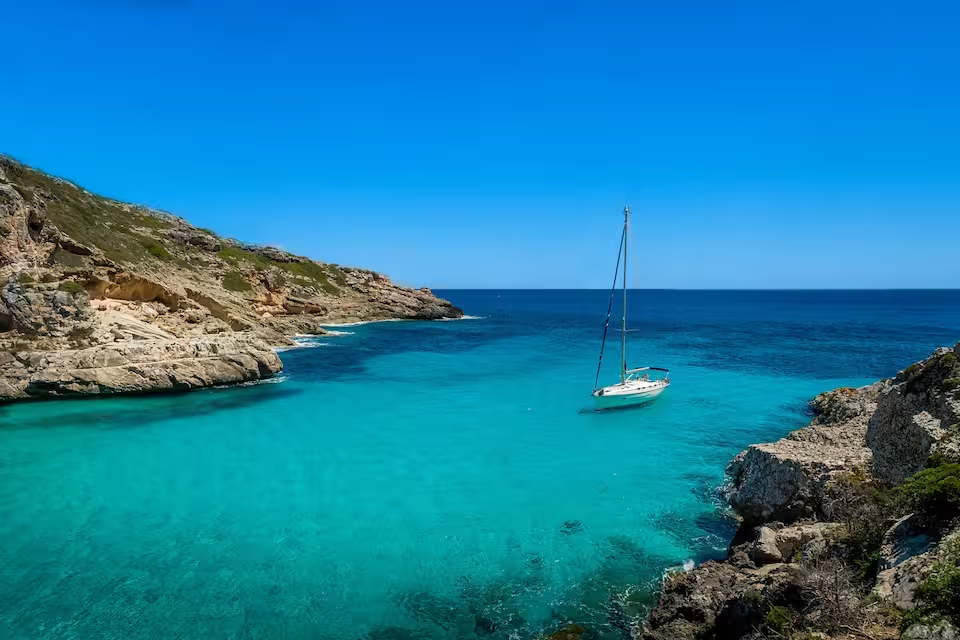
Learn everything you need to know about boat rental in Mahon, including costs, yacht types, charter options and sailing requirements.