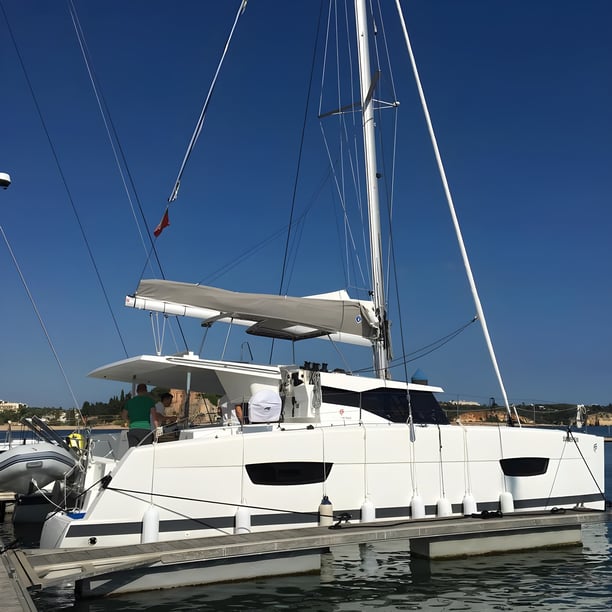
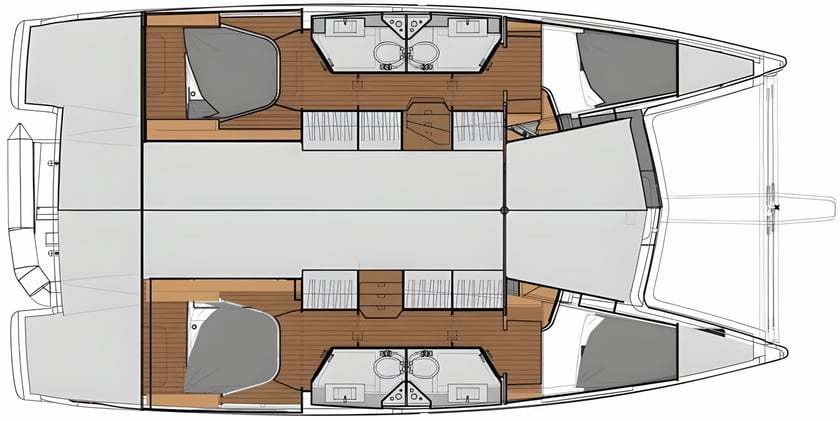
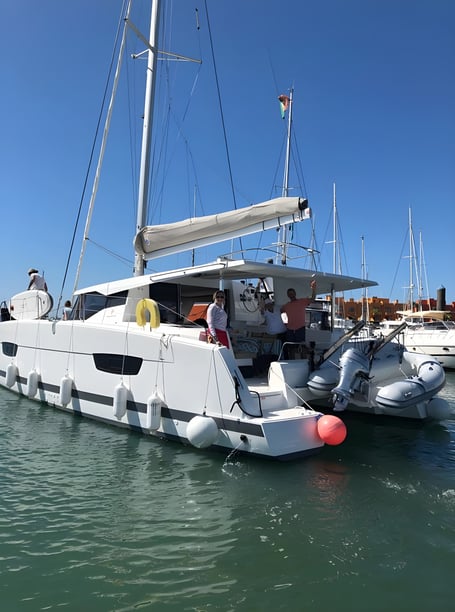
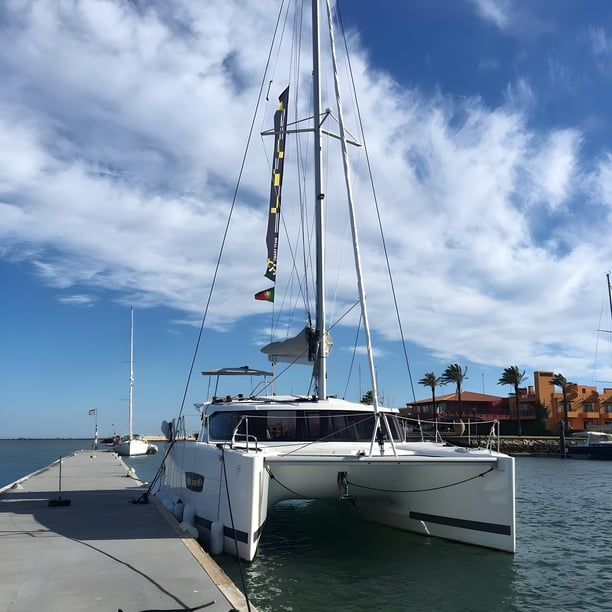
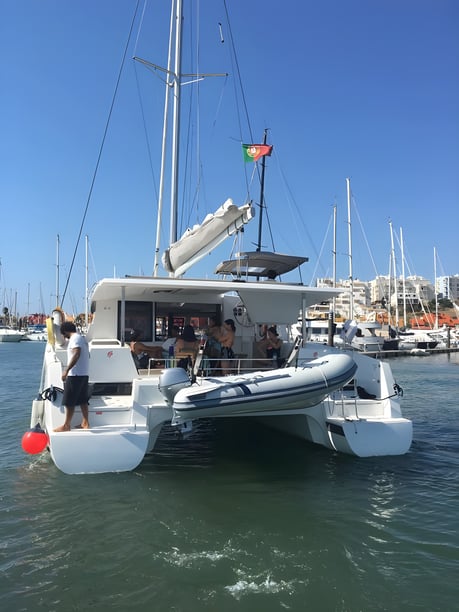
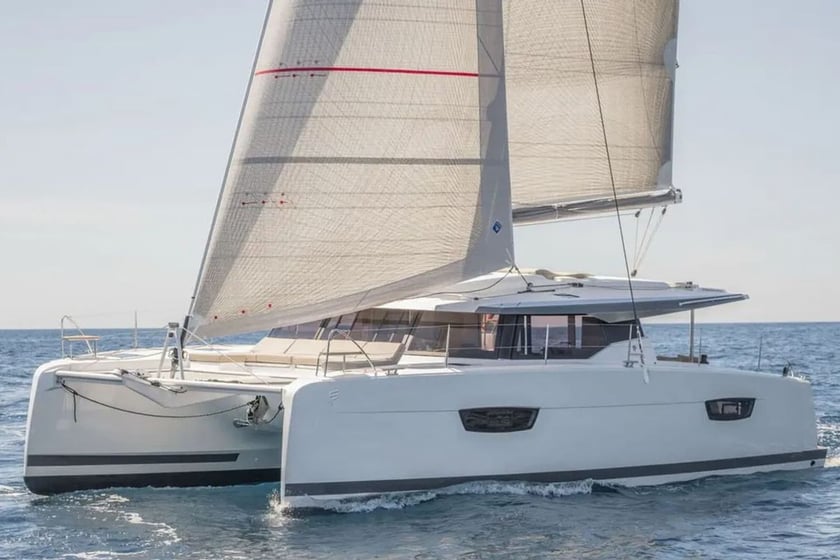
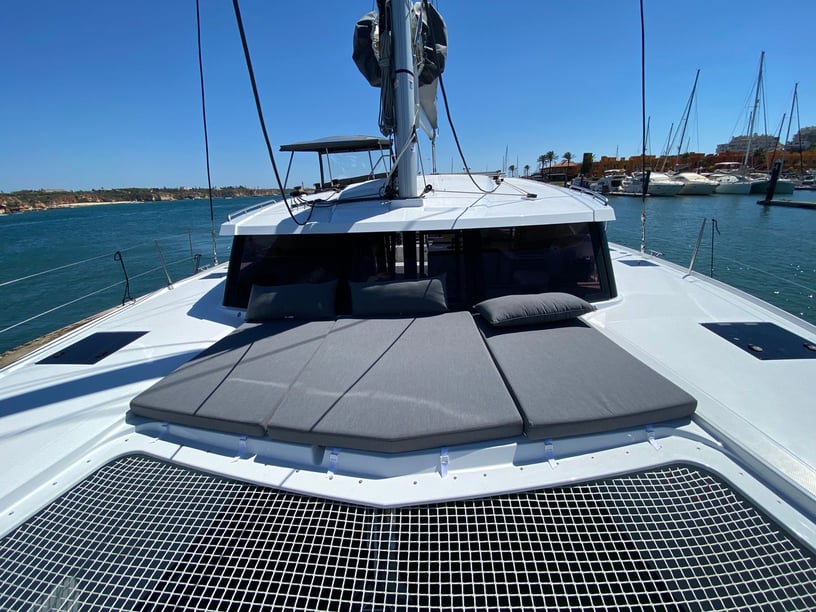
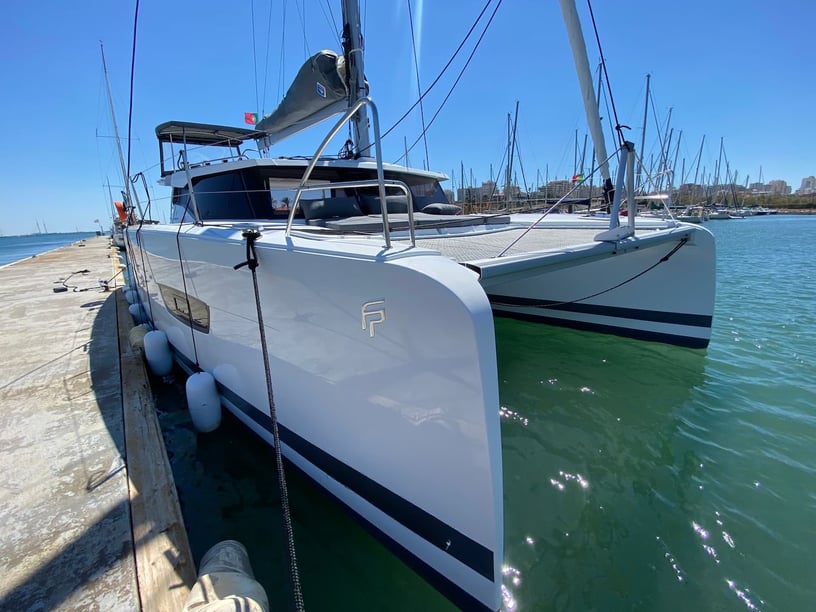
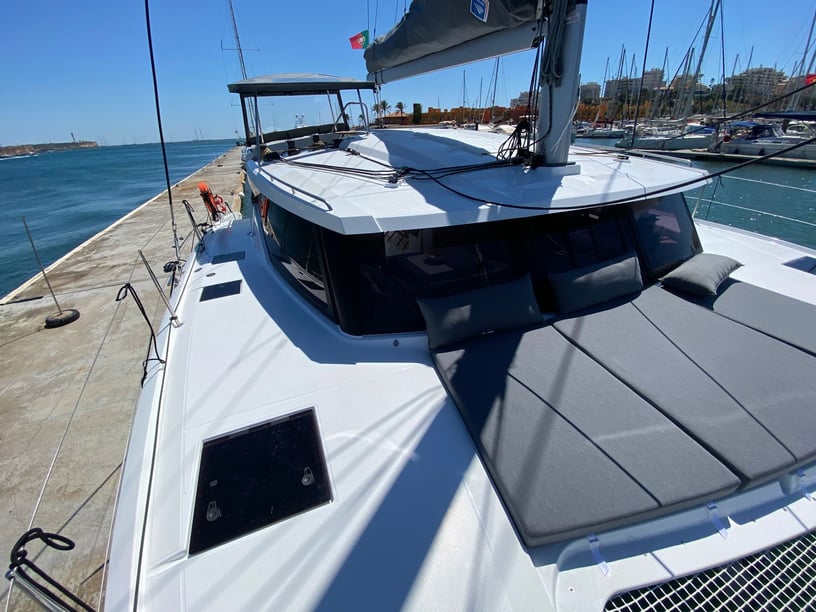
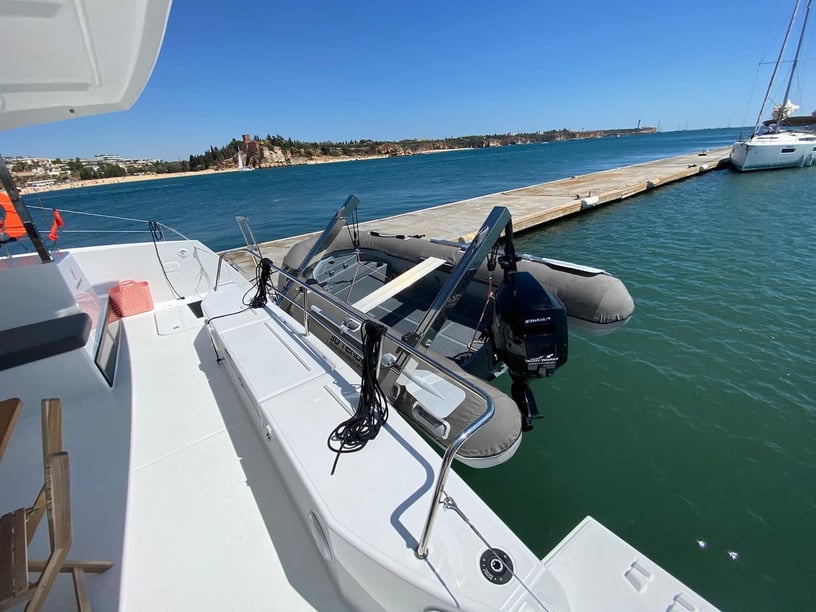
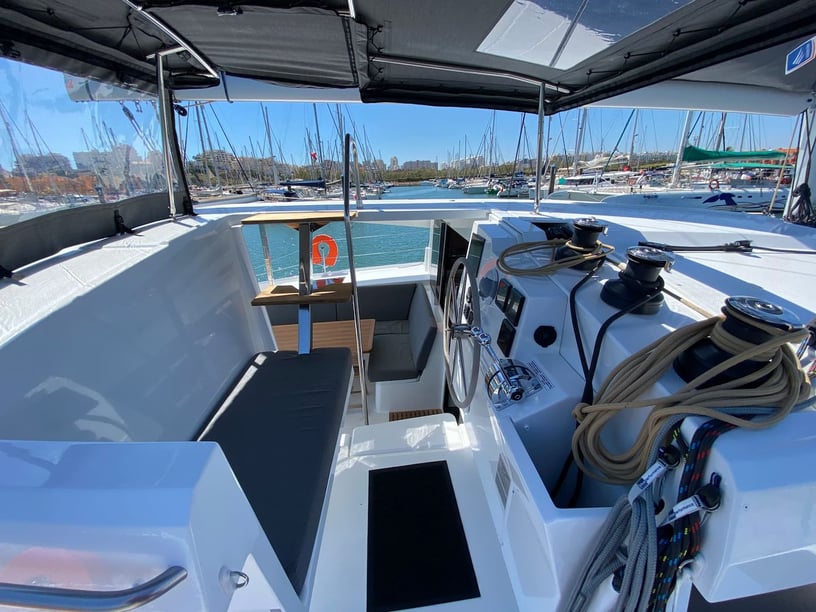
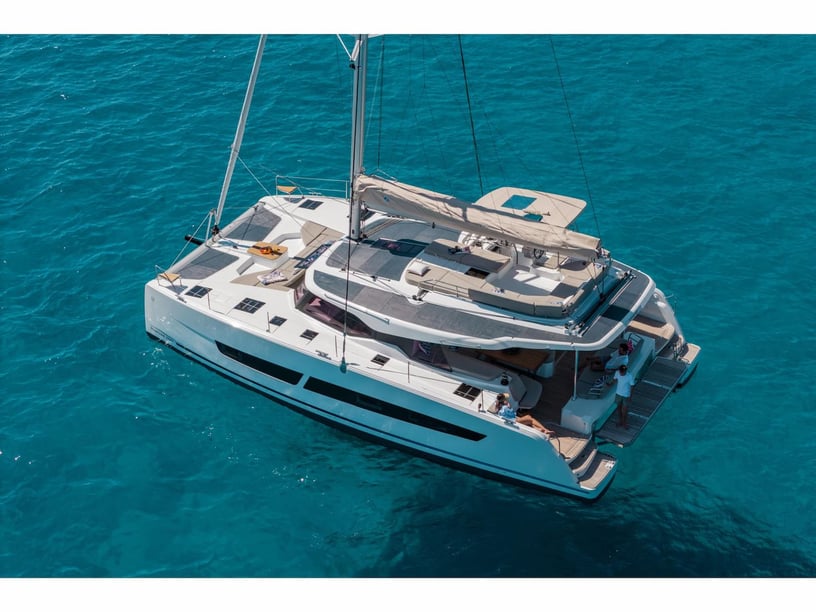
Yacht charter in Lagos
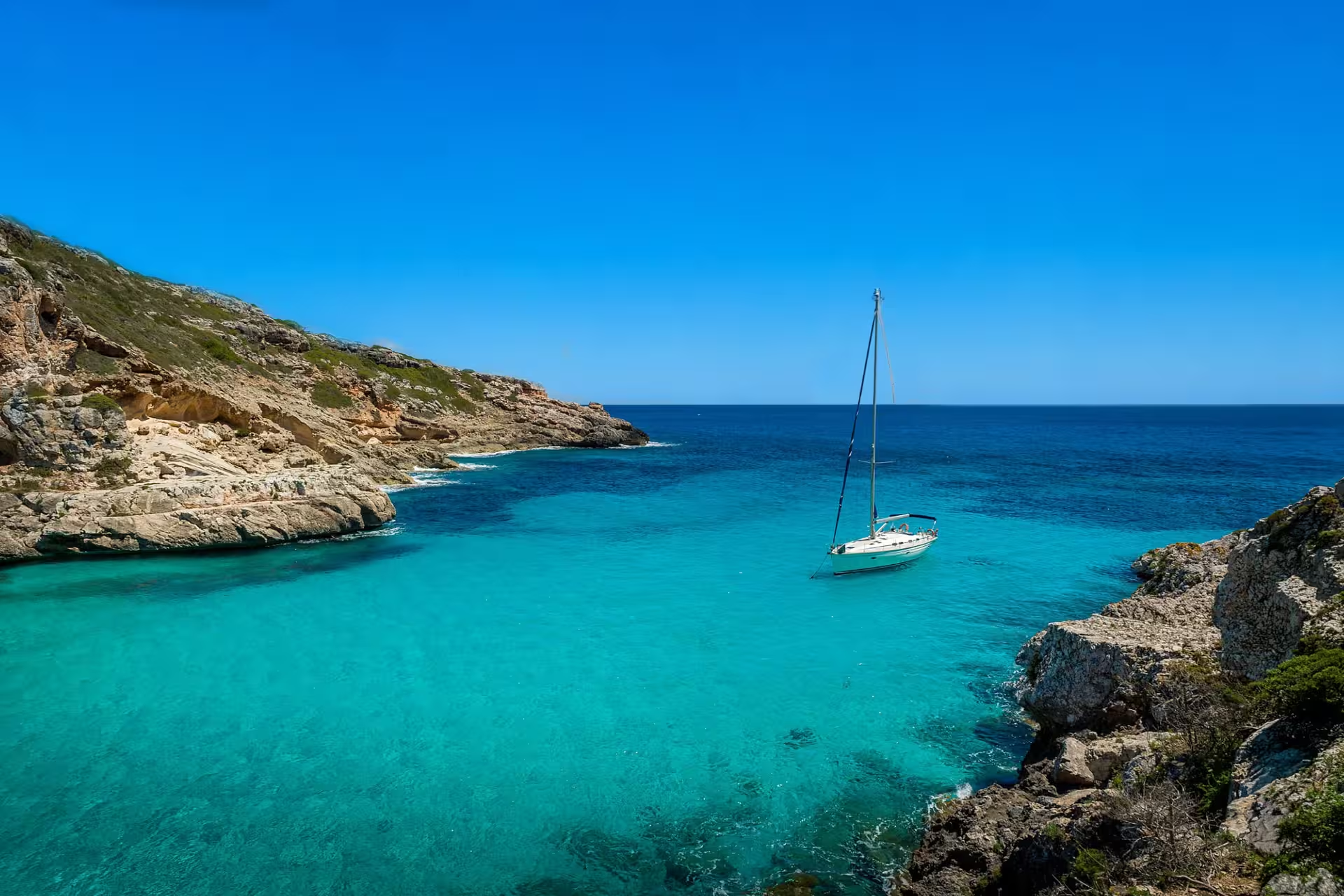
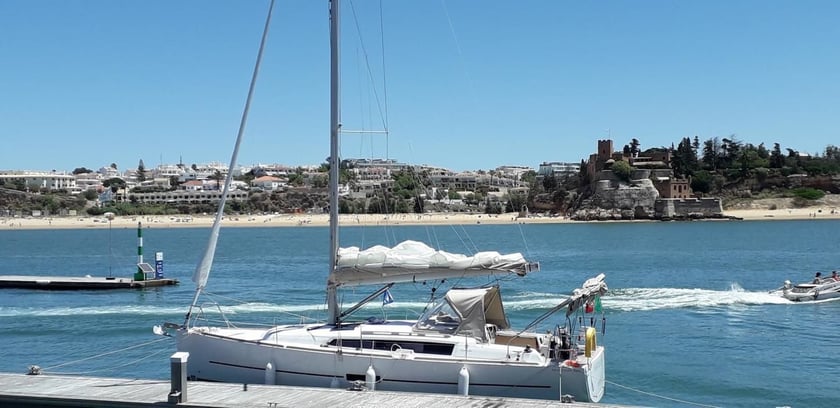
Lagos sits at the mouth of the Ribeira de Bensafrim on Portugal’s western Algarve coast. A yacht charter in Lagos combines relatively sheltered cruising inside the Bay of Lagos with access to a more exposed Atlantic shoreline. The protected marina, broad sandy beaches and nearby limestone headlands make the city relevant both as a place to begin a trip and as a coastal destination in its own right.
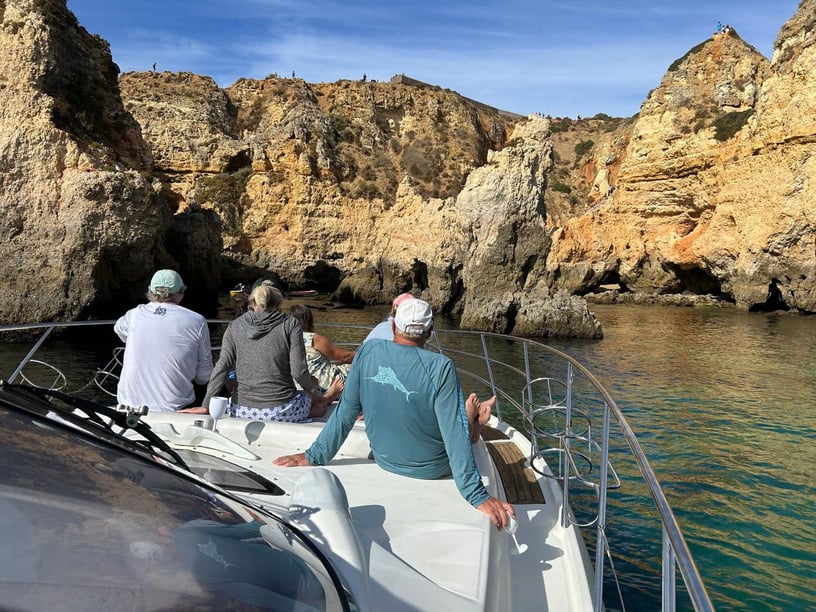
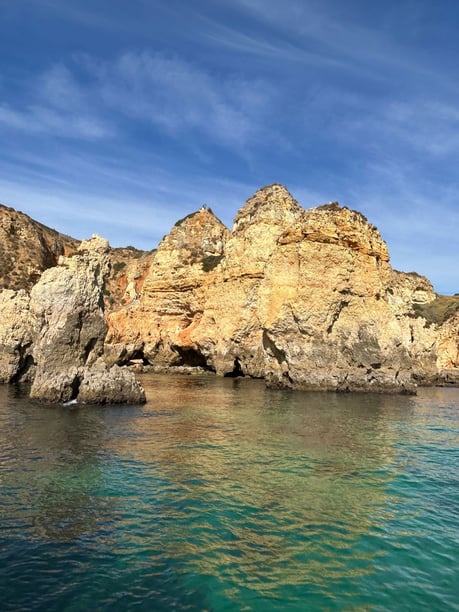
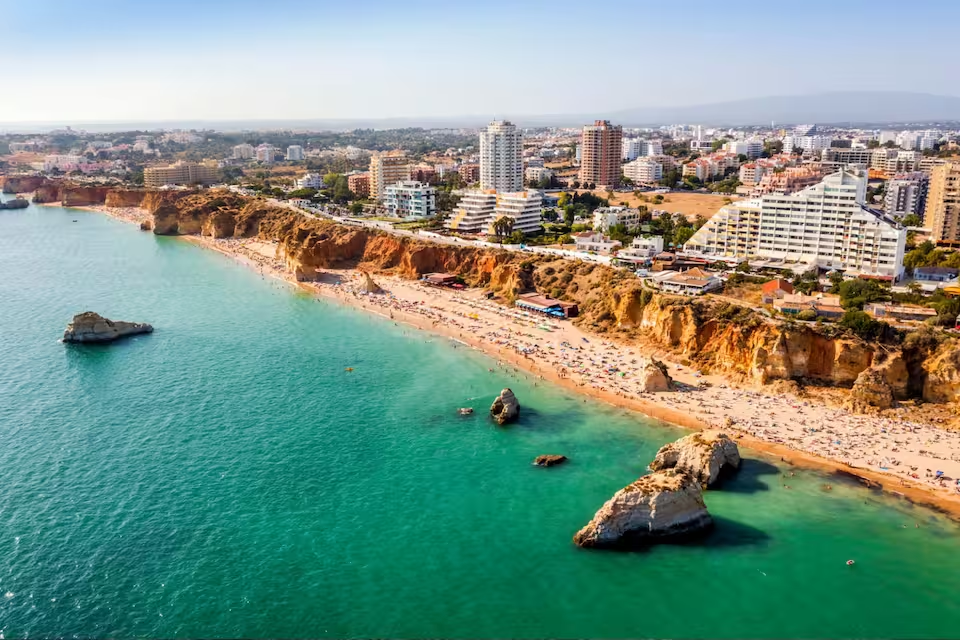
From the water, the defining contrast is between the long, open shore of Meia Praia and the arches, sea stacks and narrow inlets around Ponta da Piedade. Ashore, the marina lies close to the walkable historic center, allowing time under way to be balanced with restaurants, cultural sites and the city’s maritime history. Travelers considering a longer coastal journey can also compare Lagos with wider yacht charter options in Portugal.
Coastal places to explore
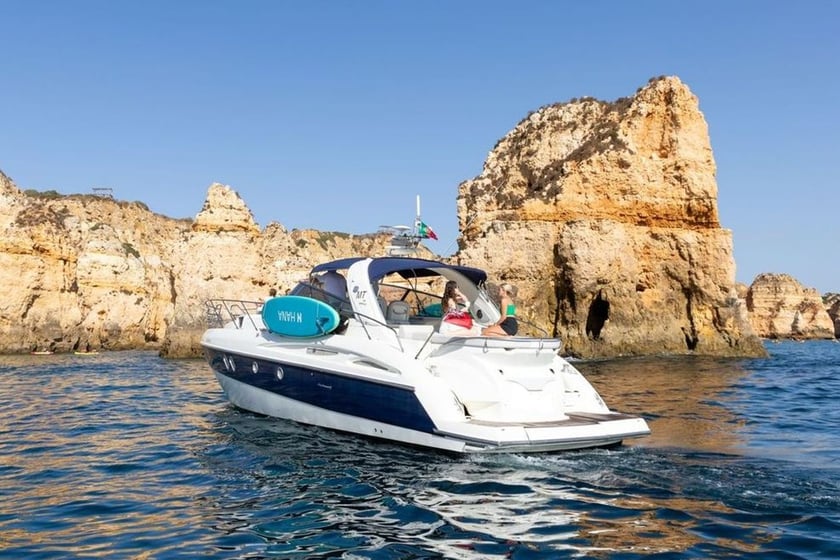
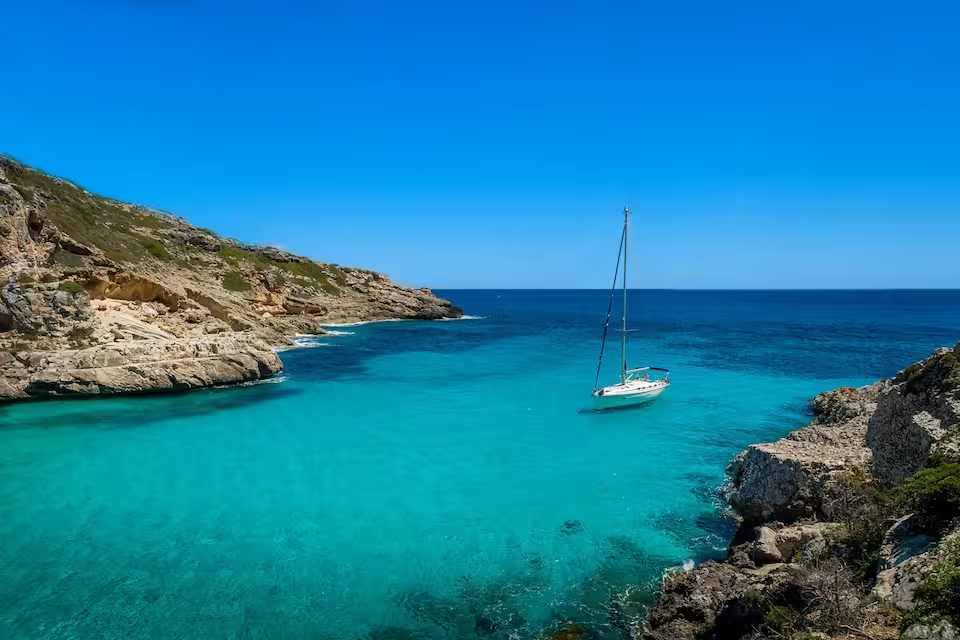
Ponta da Piedade is the principal focus of local boat excursions. Its golden limestone formations include arches, grottoes and compact beaches enclosed by cliffs. Because the entrances are narrow and exposed to changing swell, the closest exploration is normally undertaken by a maneuverable small boat or guided paddle craft rather than a larger yacht.
Inside the bay, Meia Praia provides a very different setting. Its sandy shore extends for approximately five kilometers toward the Alvor estuary, creating an open backdrop for sailing, swimming and wind sports. South and west of the city, Praia de Dona Ana, Praia do Camilo and Praia de Porto de Mós continue the cliff-backed coastal character.
Short passages can also connect Lagos with Praia da Luz and Burgau to the west or Alvor and Portimão to the east. Travelers planning to continue along the Algarve can explore yacht charters around Portimão as a nearby alternative or extension.
What sailing around Lagos is like
Marina de Lagos provides protected access to the Bay of Lagos, where line-of-sight sailing and sandy anchoring areas make short coastal outings relatively straightforward. The destination is nevertheless rated as moderately challenging overall because conditions change beyond the shelter of the bay. Ponta da Piedade and the coast farther west receive more Atlantic swell, so a calm inner-bay trip should not be taken as an indication of conditions around the headlands.
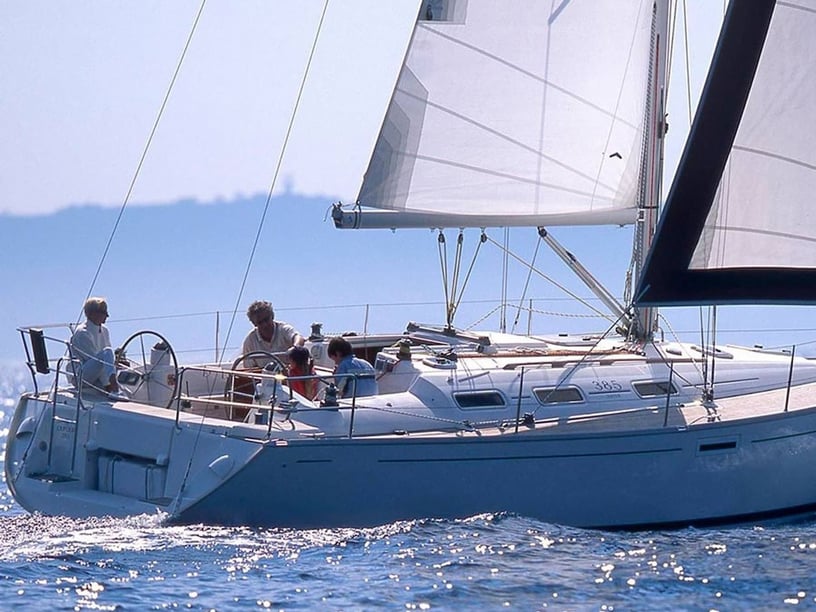
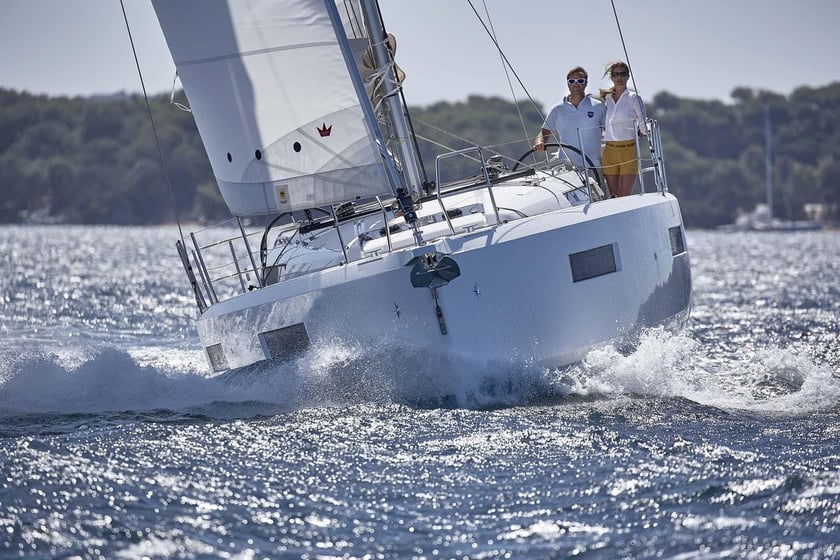
From May through August, north to northwest winds commonly increase during the afternoon and can reach 20 to 30 knots. Mornings and nights are often calmer, making an early departure useful for relaxed cruising or a weather-dependent visit near the grottoes. The strengthening afternoon breeze can suit active sailing, but it also affects swimming stops, small-craft excursions and the comfort of less experienced guests.
Skippers must account for exposure, forecast changes and the difference between land weather and sea state. Sunny conditions in Lagos do not necessarily mean that cave entrances or waters beyond the headland are safely accessible.
Best time for a Lagos yacht charter
Recreational boating is generally most dependable from May through October. June to September bring the driest conditions and the most consistent level of coastal activity, while July and August form the busiest part of the summer. These peak months also coincide with the established pattern of afternoon northerly winds, so departure time can materially shape the day on the water.
May, June and September are identified as particularly suitable months. May usually combines favorable boating conditions with lower visitor pressure than midsummer. June offers settled summer activity before the July–August peak, while September retains high-season conditions as the busiest holiday period begins to ease.
April and October can still support yacht trips, but weather becomes less consistent toward the edges of the season. From November through March, westerly weather, rain and Atlantic swell are more likely to interrupt excursions, restrict grotto access and reduce the reliability of marine services.
Short routes and coastal itineraries
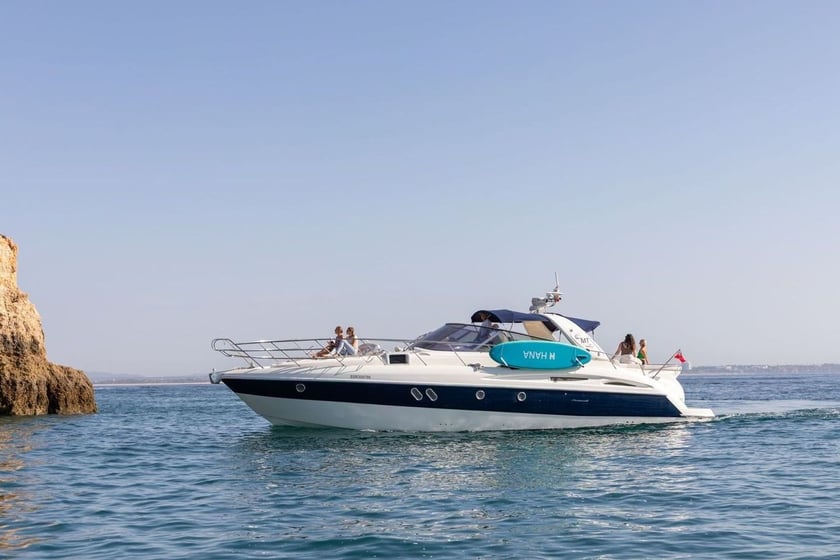
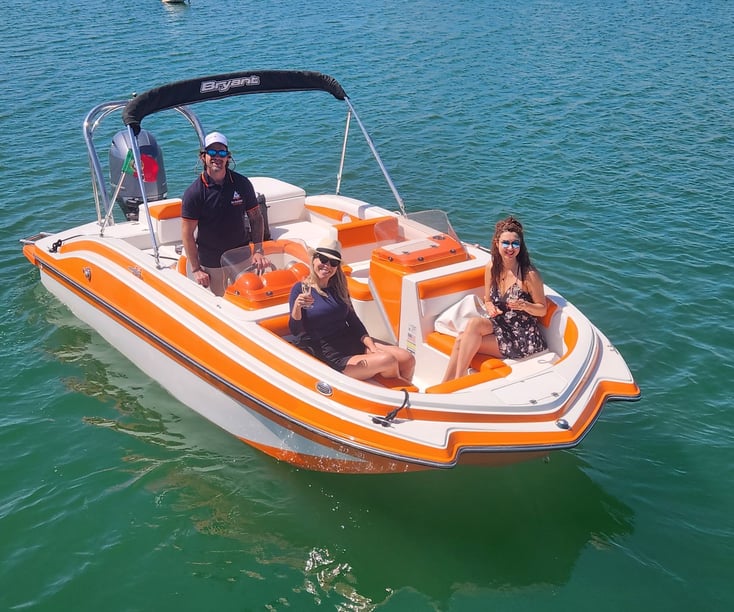
The established local outing is a circuit from Marina de Lagos toward Ponta da Piedade. It follows the coast past beaches and limestone formations, with the exact approach to arches, caves and small inlets determined by wind and swell. A yacht may provide the main platform for time in the bay, while a suitable smaller craft handles close exploration where conditions permit.
For a broader coastal trip, Lagos can be connected westward with Praia da Luz and Burgau or eastward across the bay toward Alvor and Portimão. These are useful building blocks rather than fixed itineraries: the exposed coastline, afternoon wind and desired time for swimming or going ashore should determine how much distance is included.
Experiences on the water and ashore
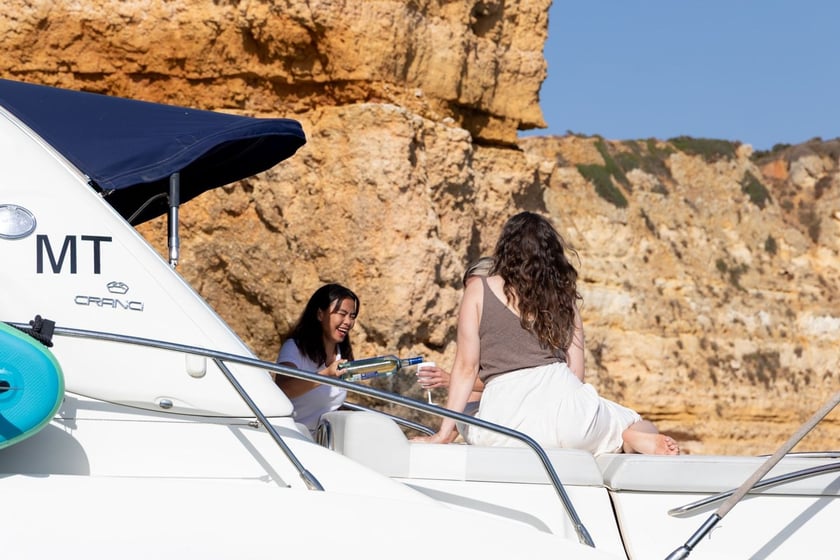
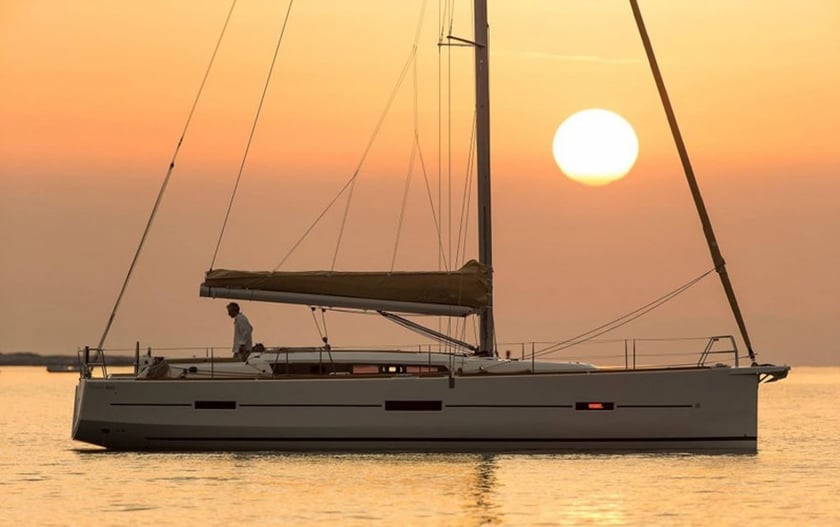
A Lagos charter can divide the day between sailing, swimming and viewing the coastline from different distances. The open sands of Meia Praia suit a spacious bay experience, whereas Ponta da Piedade is about intricate rock formations and carefully timed access. Atlantic water remains comparatively cool even in summer, so protective clothing can be useful for longer swimming, paddling or small-boat sessions.
The city adds substantial historical context to time on the water. Lagos was a fortified port associated with fifteenth-century Portuguese maritime expansion, including the voyage on which Gil Eanes rounded Cape Bojador. That history also includes the trafficking and sale of enslaved Africans, interpreted at the Rota da Escravatura museum. The Forte da Ponta da Bandeira, city walls and Church of Santo António offer further options ashore.
Meals can continue the maritime theme through local fish and shellfish dishes, including marinated horse mackerel, stuffed squid and seafood soups.
Reaching the marina and departure area
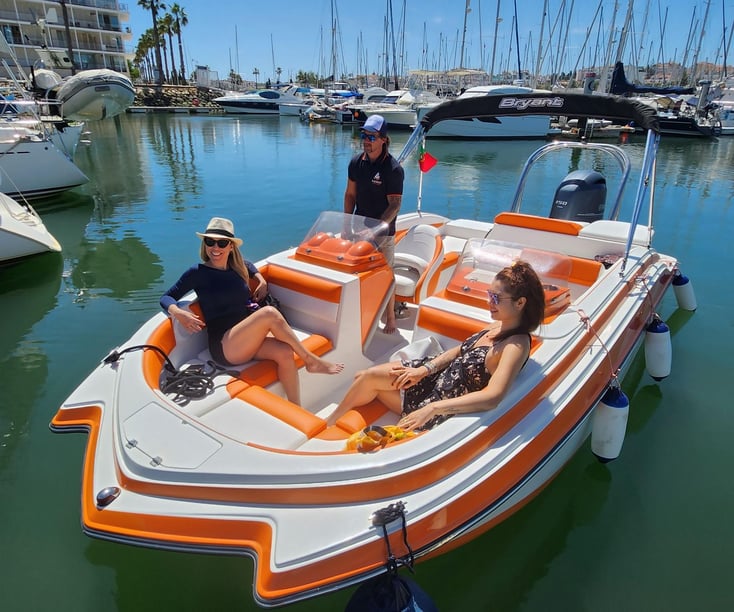
Marina de Lagos is the principal local departure point and gives sheltered access to the bay. Its position is especially convenient: Lagos railway station is adjacent to the marina, while the historic center is within walking distance. This allows the city to function both as a practical embarkation area and as a destination before or after a yacht trip.
Faro Airport, officially Gago Coutinho Airport, is the main commercial airport serving the western Algarve. Lagos can be reached from there by road, with the A22 and EN125 providing the principal approaches. Regional rail and intercity coach services also connect the city with other parts of the Algarve.
The marina entrance uses a protected, lit channel and a lifting bridge. Visiting skippers should confirm current navigation notices, bridge procedures and VHF instructions before arrival.
Planning your charter
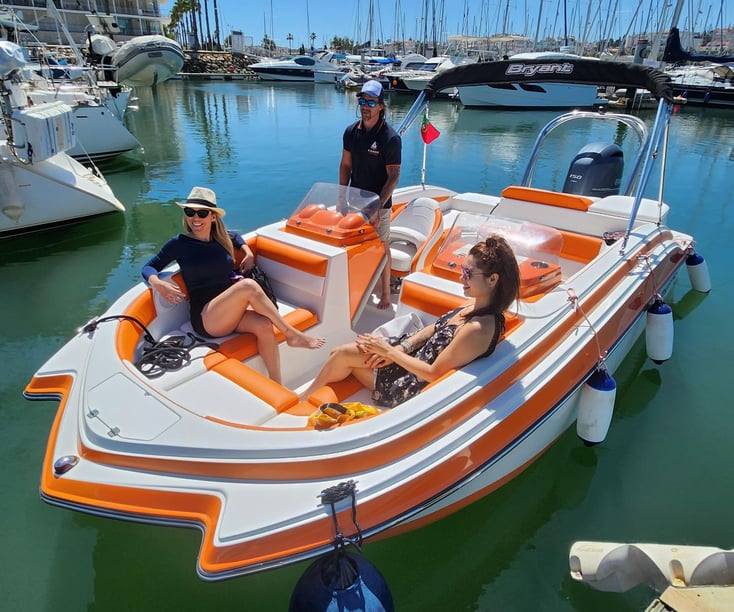
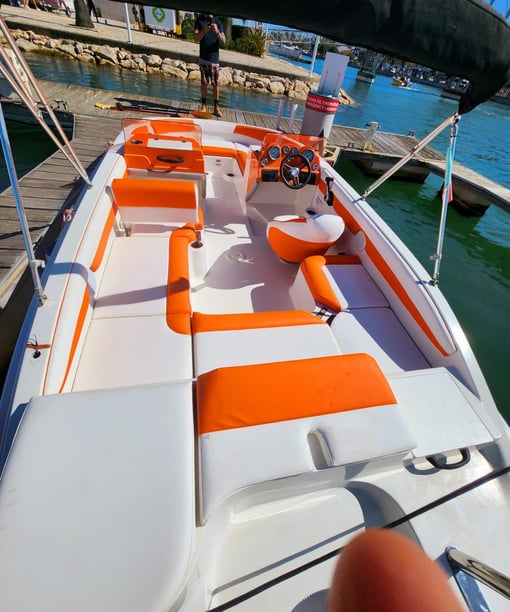
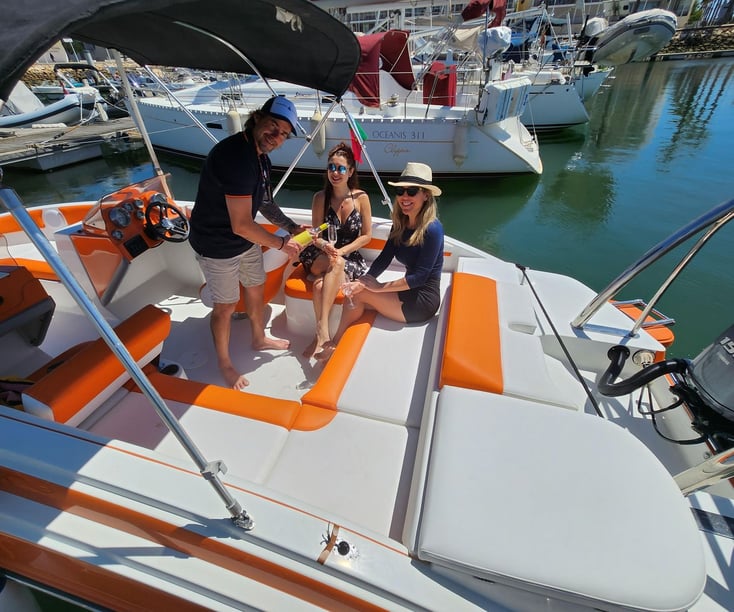
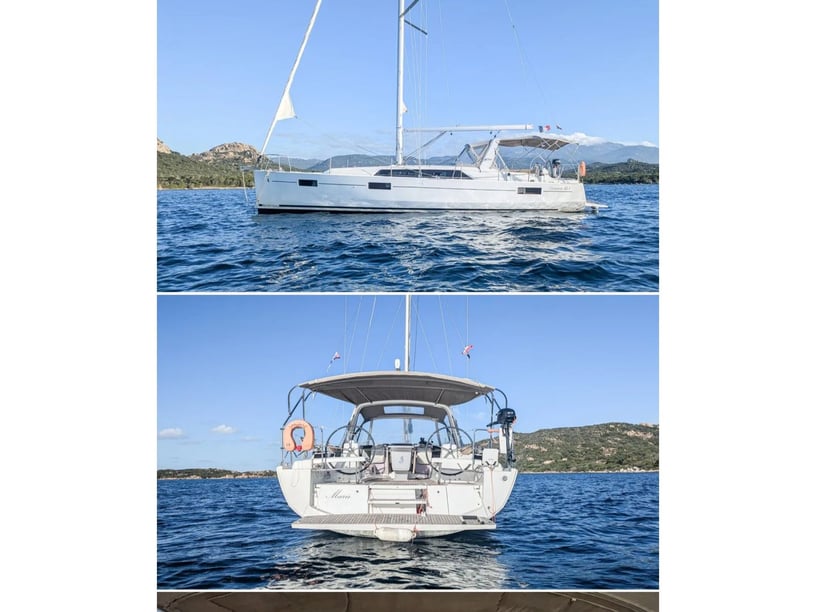
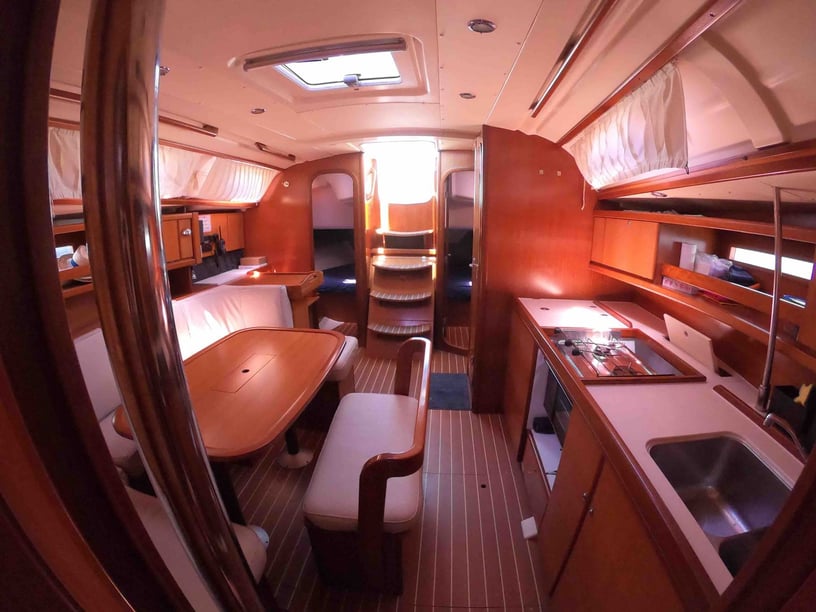
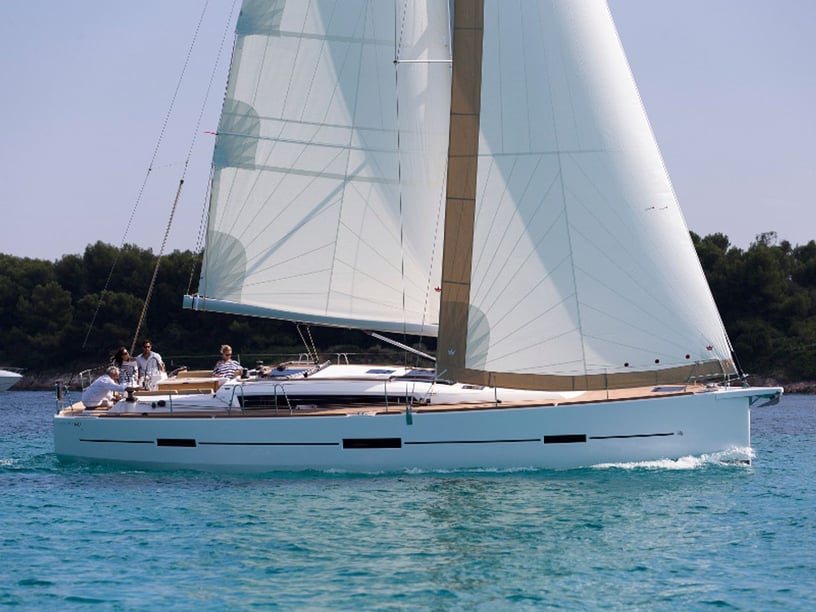
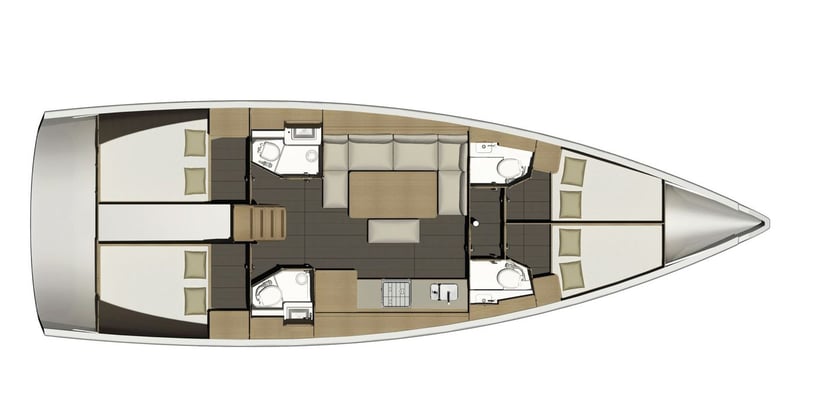
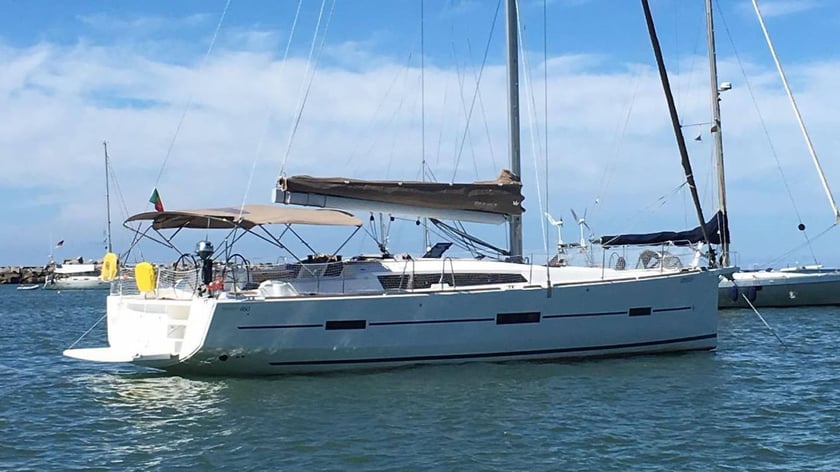
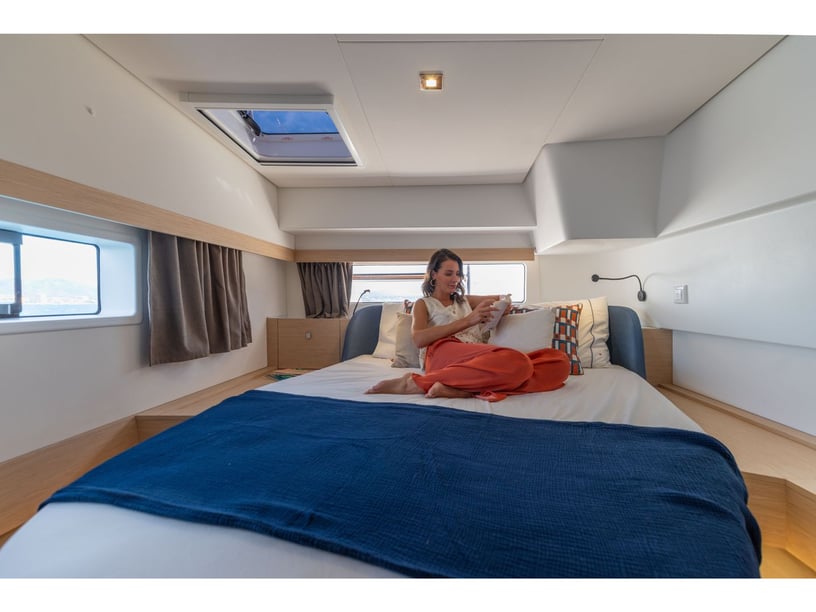
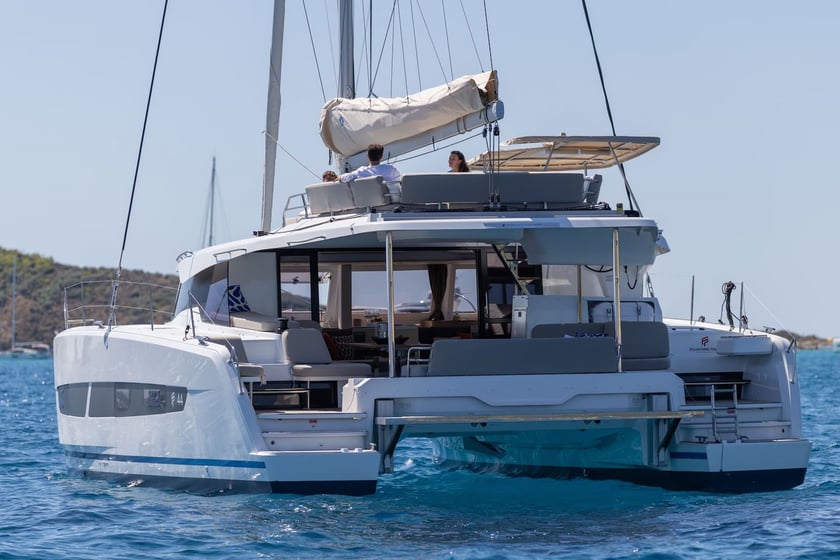
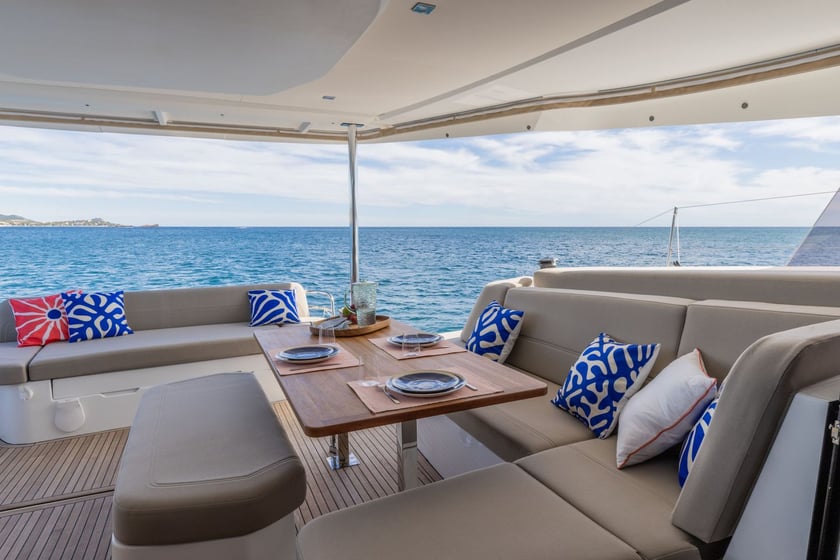
When comparing a yacht charter or boat rental in Lagos, begin with the intended balance between sailing, swimming, close-up coastal exploration and time ashore. A larger yacht may suit cruising across the bay and along the Algarve, but access to the narrow grottoes generally requires a more maneuverable craft or a separate guided excursion. Travelers should therefore check how a proposed trip handles Ponta da Piedade rather than assuming the main vessel will enter every inlet.
Departure time is another important choice. During warmer months, morning trips commonly encounter lighter wind, while afternoon sailing may be more active as the north to northwest breeze strengthens. The marine forecast and sea-state report should be checked separately from the land forecast, particularly when a route rounds Ponta da Piedade.
It is also worth discussing exposure and comfort with the operator or skipper. Conditions inside the Bay of Lagos can be comparatively manageable, but Atlantic swell beyond the headland may change the route, swimming plans or duration of the outing.