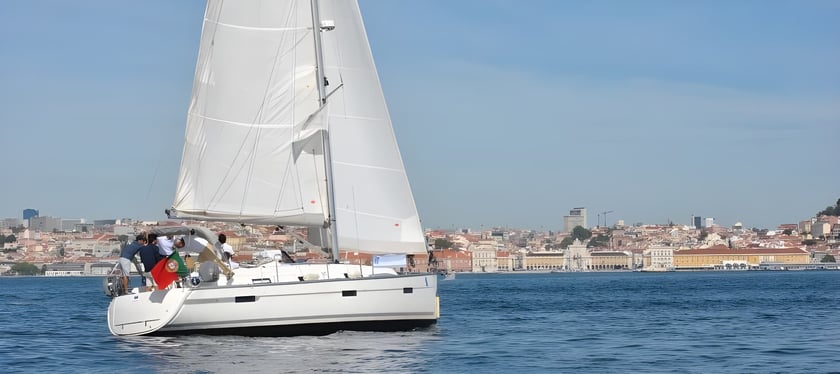
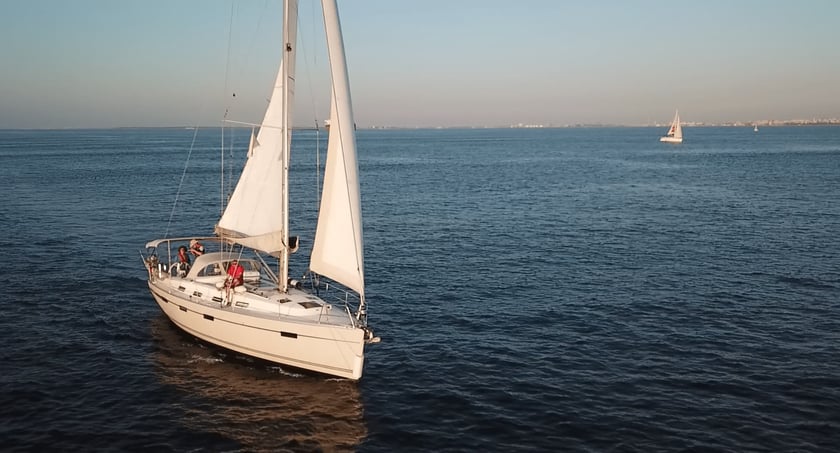
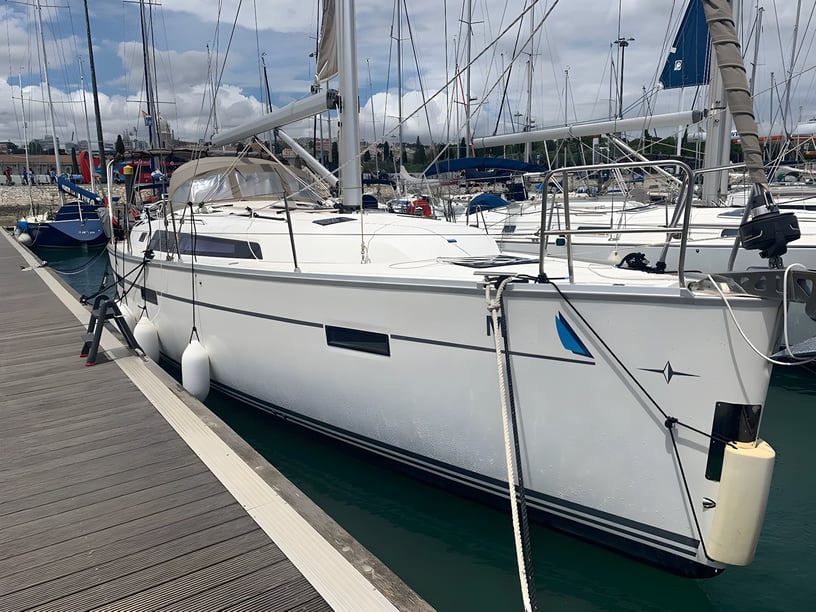
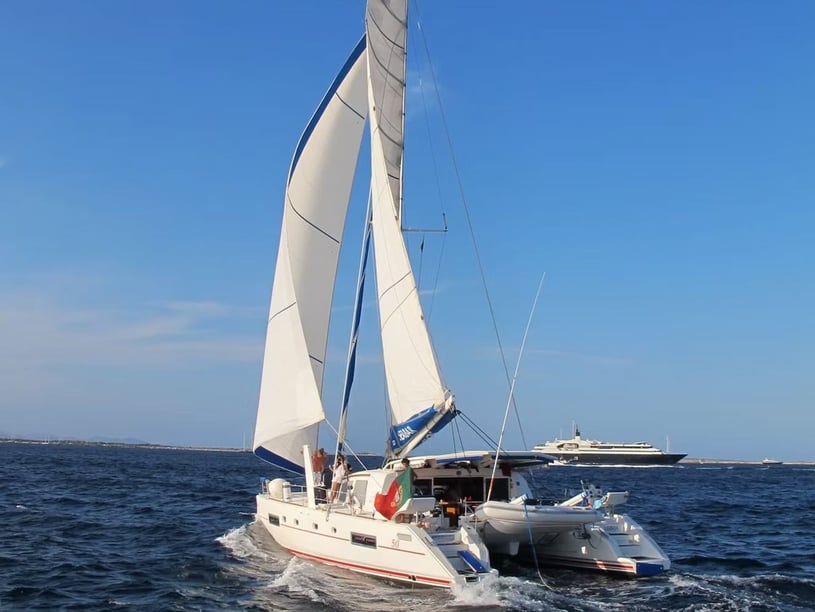
Yacht charter in Cascais
Cascais occupies a distinctive position on Portugal’s Atlantic coast, where the relatively sheltered Estoril shoreline meets the open ocean at the western approach to the Tagus estuary. A yacht charter in Cascais is therefore less about island-hopping and more about coastal sailing: cruising past urban beaches, following the Tagus toward Lisbon or heading west into increasingly exposed Atlantic scenery.
Marina de Cascais lies beside the historic center, citadel and cultural waterfront, allowing time ashore to fit naturally around a day on the water. The town’s fishing heritage, royal-era villas and established regatta culture add a strong maritime identity. Travelers comparing this coast with the wider choice of yacht charters in Portugal should note that Cascais combines convenient urban access with conditions that can change quickly beyond the shelter of its bay.
Coastal areas to explore
Cascais Bay is the natural starting point for understanding the area. Its urban shoreline and greater shelter contrast with the waters west of town, making it suitable for enjoying the coast without immediately committing to a more exposed Atlantic passage. Eastward, the route follows the Estoril coast toward the Tagus entrance, with Lisbon’s riverfront becoming the broader cruising objective.
To the west, the shoreline changes around Cabo Raso. Rocky headlands, lighthouses and Atlantic swell replace the more protected character of the bay. Continuing toward Guincho reveals a coast associated with dunes, surf, windsurfing and kitesurfing. Farther northwest, Cabo da Roca and the high cliffs of the Sintra coast form a dramatic but substantially more exposed cruising area.
These contrasting directions make Cascais useful for route choice: remain near the bay for a more contained outing, head east for an urban and historic coastal journey, or travel west when forecasts and the yacht’s capabilities suit open-ocean conditions.
What sailing around Cascais is like
Sailing conditions around Cascais are strongly shaped by the nortada, the north to northwesterly wind common in summer. It is generally lightest around dawn, with coastal averages below 7 knots, then often strengthens to roughly 11–16 knots during the afternoon. Stronger periods occur, so the timing of departure can materially affect the character of a trip.
Cascais Bay and the marina offer more protection than the waters beyond Cabo Raso. West of town, Atlantic swell and locally generated chop become more noticeable, especially on passages toward Guincho and Cabo da Roca. This makes the area well suited to coastal cruising, training and active sailing, but it also means that a route which appears short on a map may demand more careful weather assessment than a sheltered-bay excursion.
Summer morning fog can reduce visibility along the western coast. In winter, Atlantic depressions may bring strong southwesterly winds, rain and large west or southwest swell. For travelers rather than navigators, the practical lesson is straightforward: discuss the intended route and departure time with the skipper, particularly if the itinerary extends beyond the inner bay.
Best time for a Cascais yacht charter
Recreational boating is concentrated from May through October. June to September generally provides the most dependable combination of dry weather, long daylight hours and manageable sea states, while July, August and September are identified as the most suitable months overall. July and August also tend to have the lowest average wave heights.
May and October can still support coastal trips, but conditions are less consistently settled than in midsummer. From November through March, rain, Atlantic depressions and larger swell substantially reduce routine leisure boating, although individual weather windows can occur.
Even in the main season, the Atlantic remains cool. Surface water is typically warmest from July through October and reaches about 18–19°C near the end of summer. Travelers planning swimming stops should therefore treat “warmest” as relative and prepare for cooler water than in many Mediterranean charter areas.
Route ideas from Cascais
A short westbound route from Marina de Cascais toward Cabo Raso and Guincho passes lighthouses, rocky shoreline and the transition into open Atlantic scenery. It is compact in distance but exposed to wind and swell, so it works best when the forecast supports the trip.
Continuing beyond Cabo Raso toward Cabo da Roca extends the journey along the high cliffs of the Sintra coast. This is the more ocean-facing option and requires greater attention to sea state and visibility.
The principal eastbound alternative follows the Estoril coast and enters the Tagus toward Belém and the capital’s riverfront monuments. Travelers interested in making that urban coastline the center of their plans can also explore yacht charters in Lisbon. Route selection should reflect conditions on the day rather than treating the western and eastern itineraries as interchangeable.
Maritime culture, beaches and time ashore
Cascais supports a yacht trip that divides easily between sailing and exploring ashore. The marina is beside the historic center and Cascais Citadel, where the town’s development from fishing port to royal seaside resort is particularly visible. King Luís made the Citadel his summer residence in 1870, while King Carlos later established Portugal’s first marine biology laboratory there in 1896.
Maritime interests continue at the Santa Marta Lighthouse Museum and Museu do Mar Rei D. Carlos. The town’s regatta tradition is equally significant: Cascais hosted the 2007 ISAF Sailing World Championships and remains closely associated with competitive sailing.
Beach time and swimming can form part of calmer outings, although the cool Atlantic water is worth anticipating. On land, local dining emphasizes fresh fish and shellfish, including grilled fish and goose barnacles collected around the Roca coast. Guincho can complement a charter with surf, windsurfing or kitesurfing, though its exposed setting differs markedly from the town beaches.
Reaching Cascais and Marina de Cascais
Humberto Delgado Airport in Lisbon is the relevant air gateway. From central Lisbon, Cascais is directly accessible by suburban rail from Cais do Sodré. Road travelers can use the A5 motorway or follow the waterfront Estrada Marginal.
Marina de Cascais is adjacent to the town center and serves as the principal local departure point for trips into Cascais Bay, west along the Atlantic coast or east toward the Tagus. This gives Cascais a dual role: it can be explored as a historic seaside destination and used as a practical starting point for nearby coastal cruising. Road connections also continue west toward Guincho and Cabo da Roca, which helps when combining a yacht outing with time along the Sintra coast.
Planning the right charter
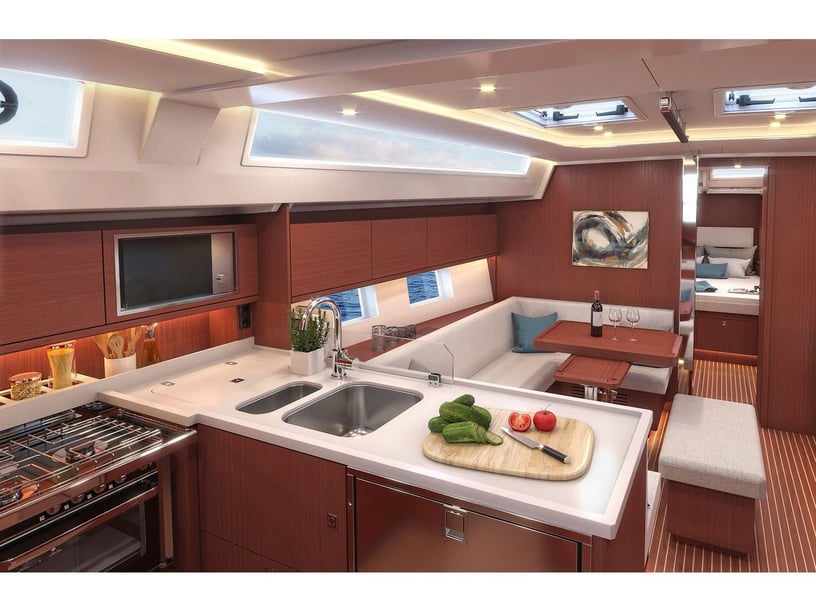
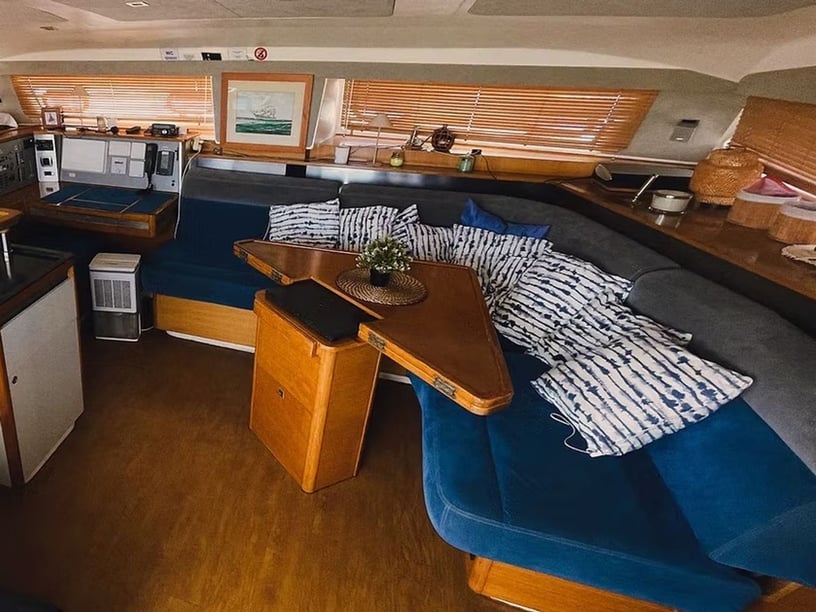
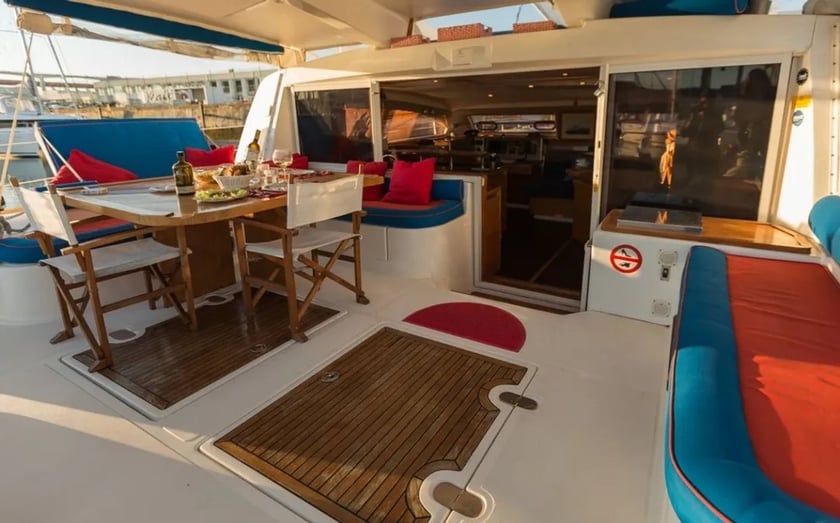
When comparing yacht charter or boat rental in Cascais, begin with the intended route rather than distance alone. A relaxed outing inside or near the bay has different requirements from a passage around Cabo Raso. For the western coast, ask how the itinerary accounts for Atlantic swell, strengthening afternoon winds and possible morning fog. Current forecasts, nautical information and port notices should be checked before departure.
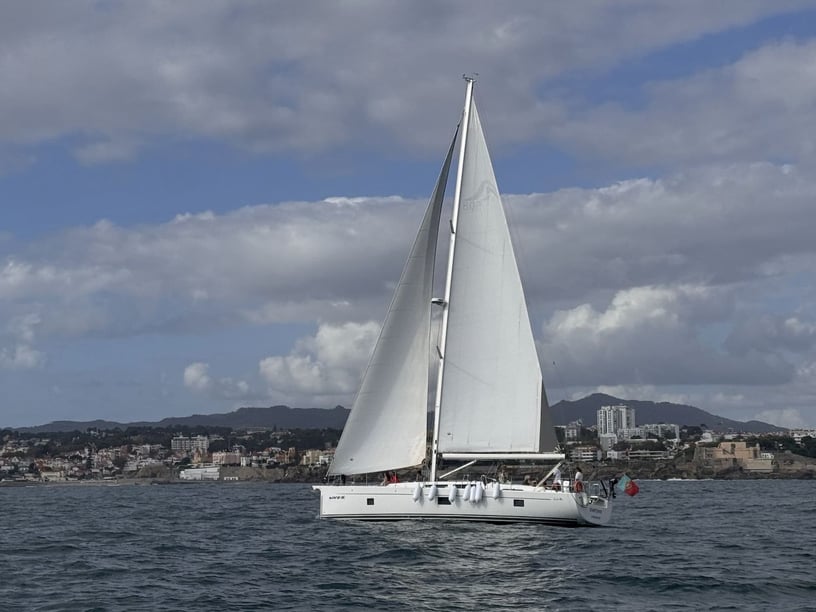
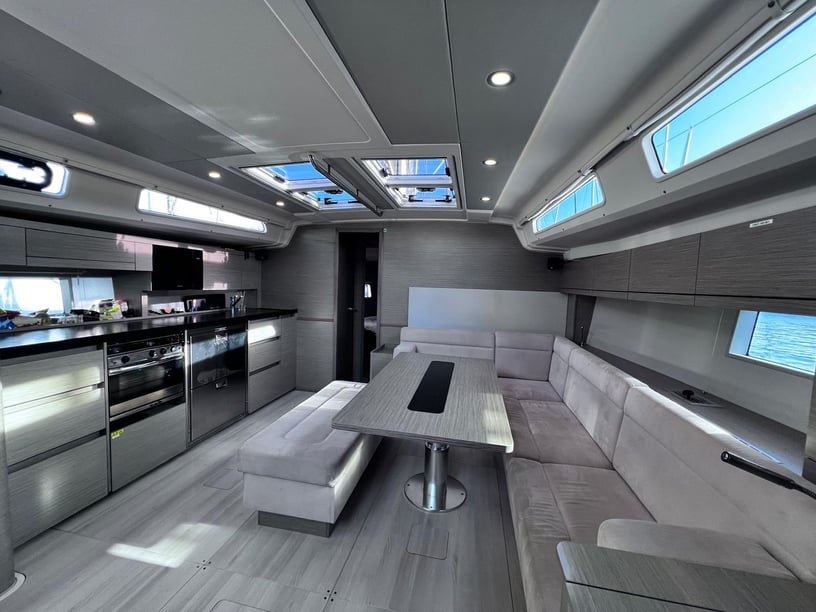
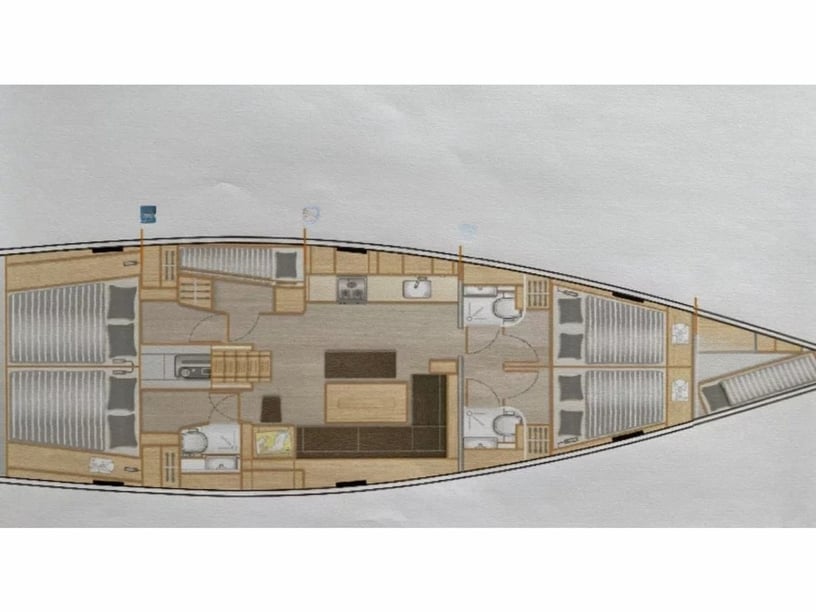
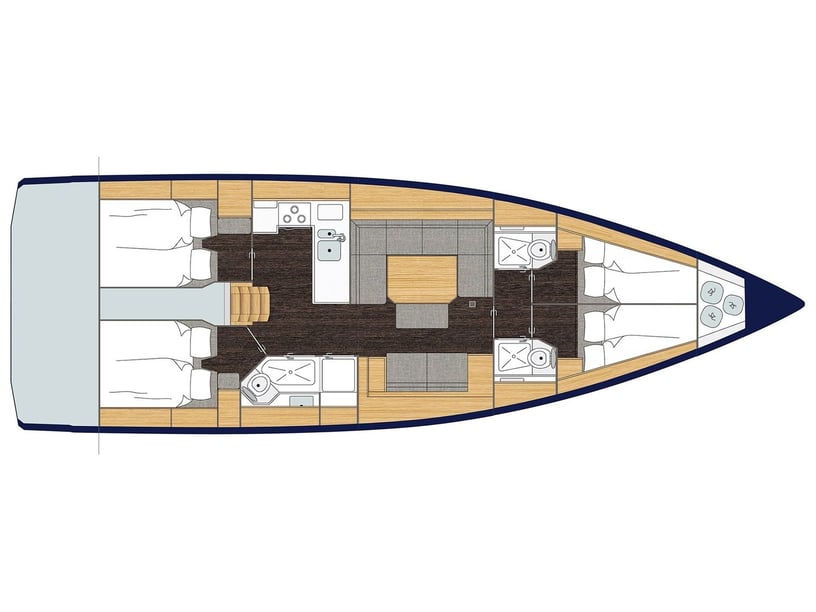
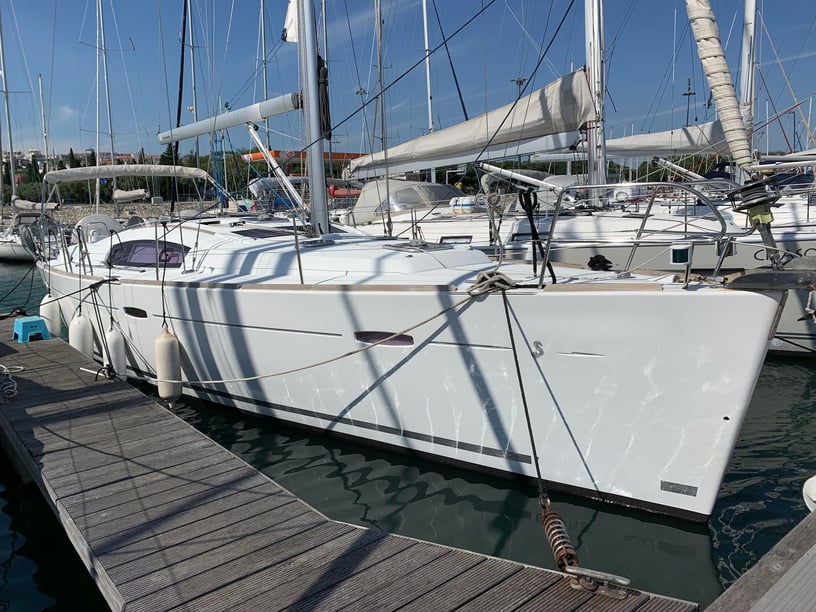
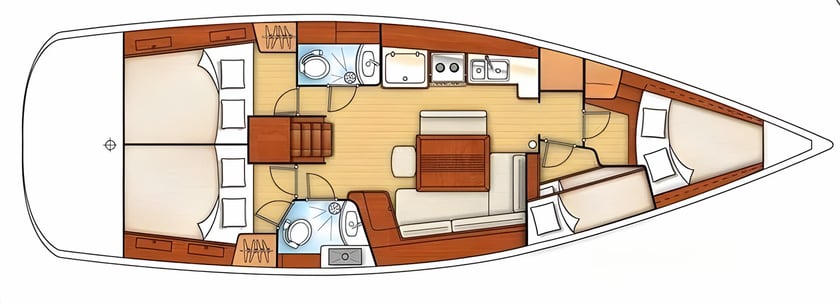
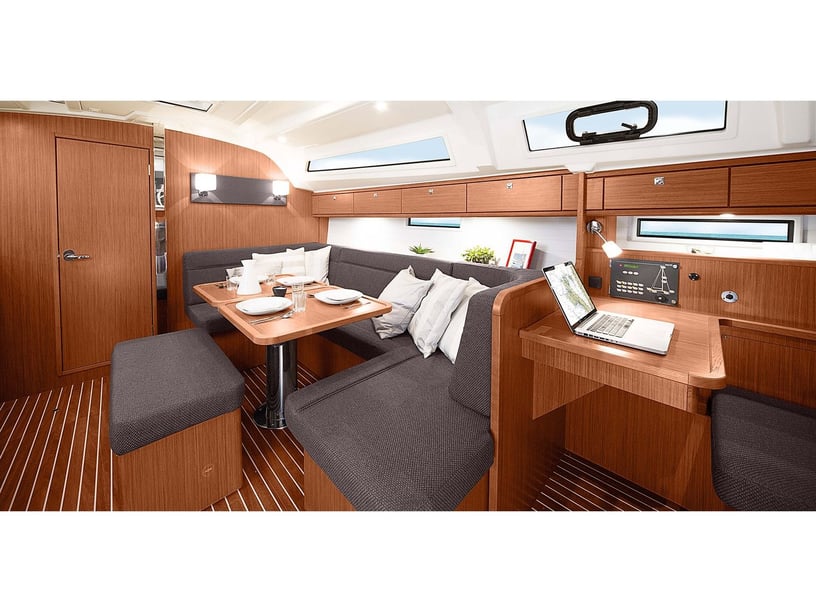
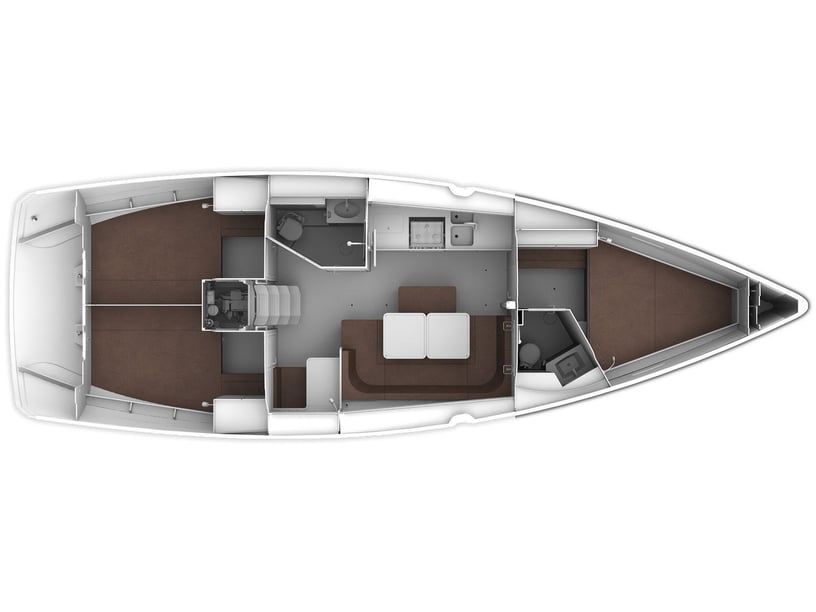
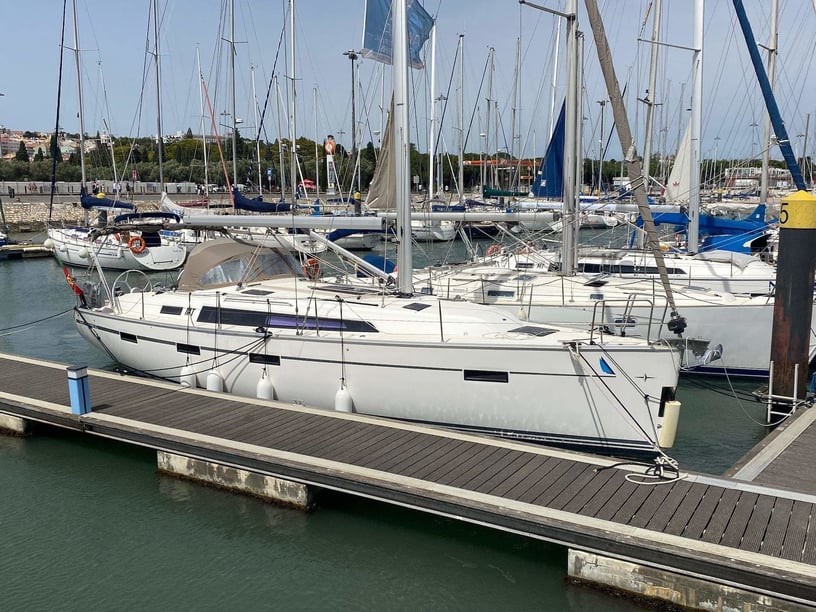
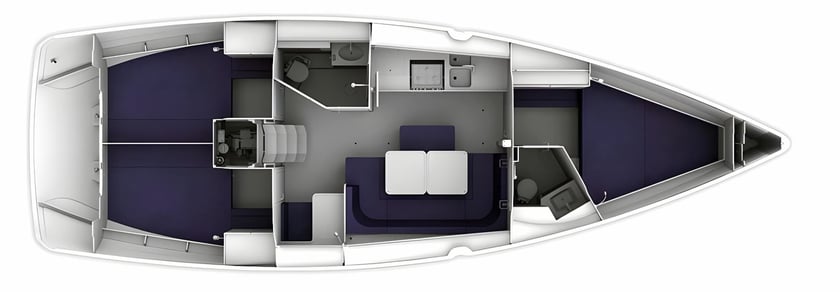
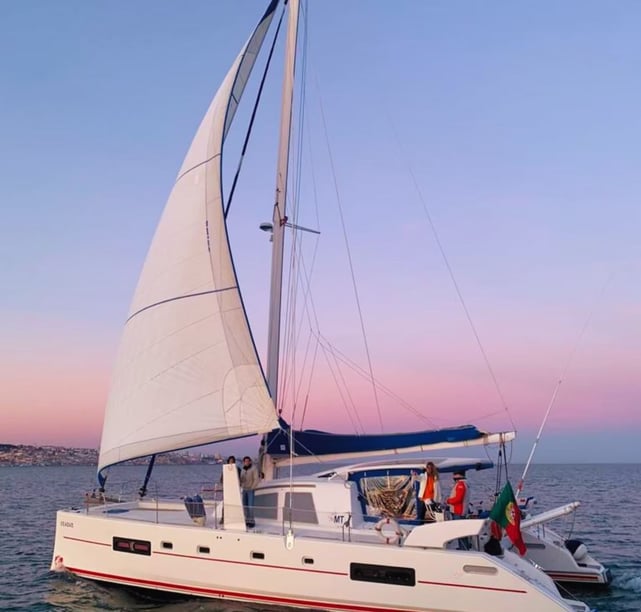
Travelers seeking a wind-led experience can compare a sailboat charter in Cascais, while those prioritizing coastal coverage can review motor yacht charter options. Confirm the boat’s suitability, the charter arrangement, capacity and cabin needs directly against the proposed trip, as no single format is ideal for every route.
Summer mornings are often calmer than late afternoons, so an earlier departure may suit travelers prioritizing smoother conditions. Build flexibility into plans for Cabo Raso and Cabo da Roca, and carry suitable layers and swimming protection even in summer. Cascais rewards realistic planning: sheltered water, open-ocean sailing and an urban waterfront are close together, but they do not share the same conditions.