Yacht charter in Mauritius
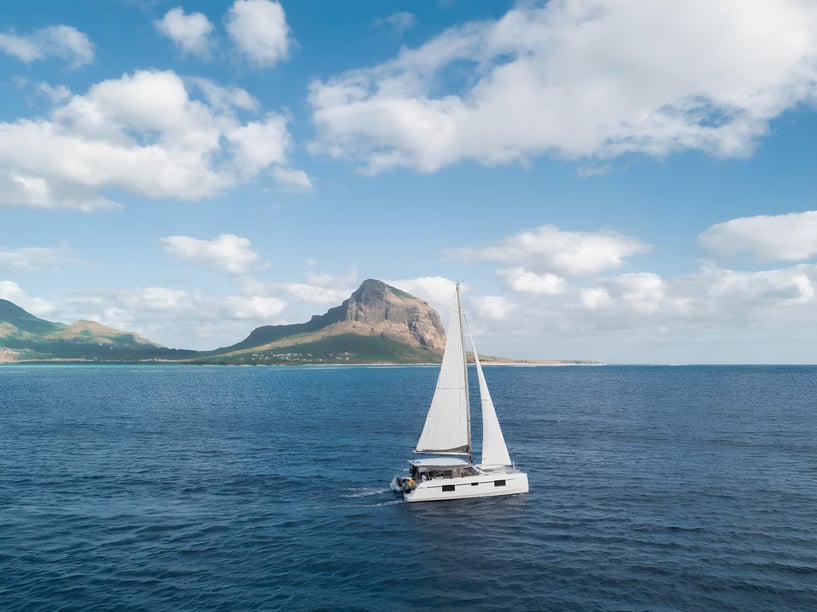
A yacht charter in Mauritius can take several distinct forms, from a relaxed outing inside a reef-protected lagoon to an open-water cruise around northern islets. The main island is almost encircled by coral reefs and coastal lagoons, creating sheltered boating areas alongside reef passes and exposed ocean waters. This contrast is central to choosing where and how to charter.
The north and west combine established departure points with comparatively sheltered conditions, resort settlements and easy access to offshore islets. Eastern lagoons are broader but more exposed to the prevailing southeast trade winds, while the south mixes protected waters near Mahébourg with a rugged, open coastline farther west. Rodrigues offers a quieter experience shaped by its extensive lagoon and traditional sailing-canoe culture. Agaléga and Saint Brandon are remote expedition environments rather than conventional yacht charter areas.
Exploring from the water connects reef snorkeling, island stops and volcanic coastal scenery with time ashore in fishing communities, resort towns or historically significant places. The most suitable plan depends less on covering long distances than on matching the cruising area to the weather, desired activities and level of exposure.
The principal cruising areas
Grand Baie is the main reference point for northern cruising. Departures from Grand Baie and nearby Pereybère lead toward Coin de Mire, Gabriel Island and Flat Island. These trips combine open-water sailing with snorkeling and beach stops where landing is permitted. They suit travelers who want a clear sailing component rather than remaining entirely inside a lagoon.
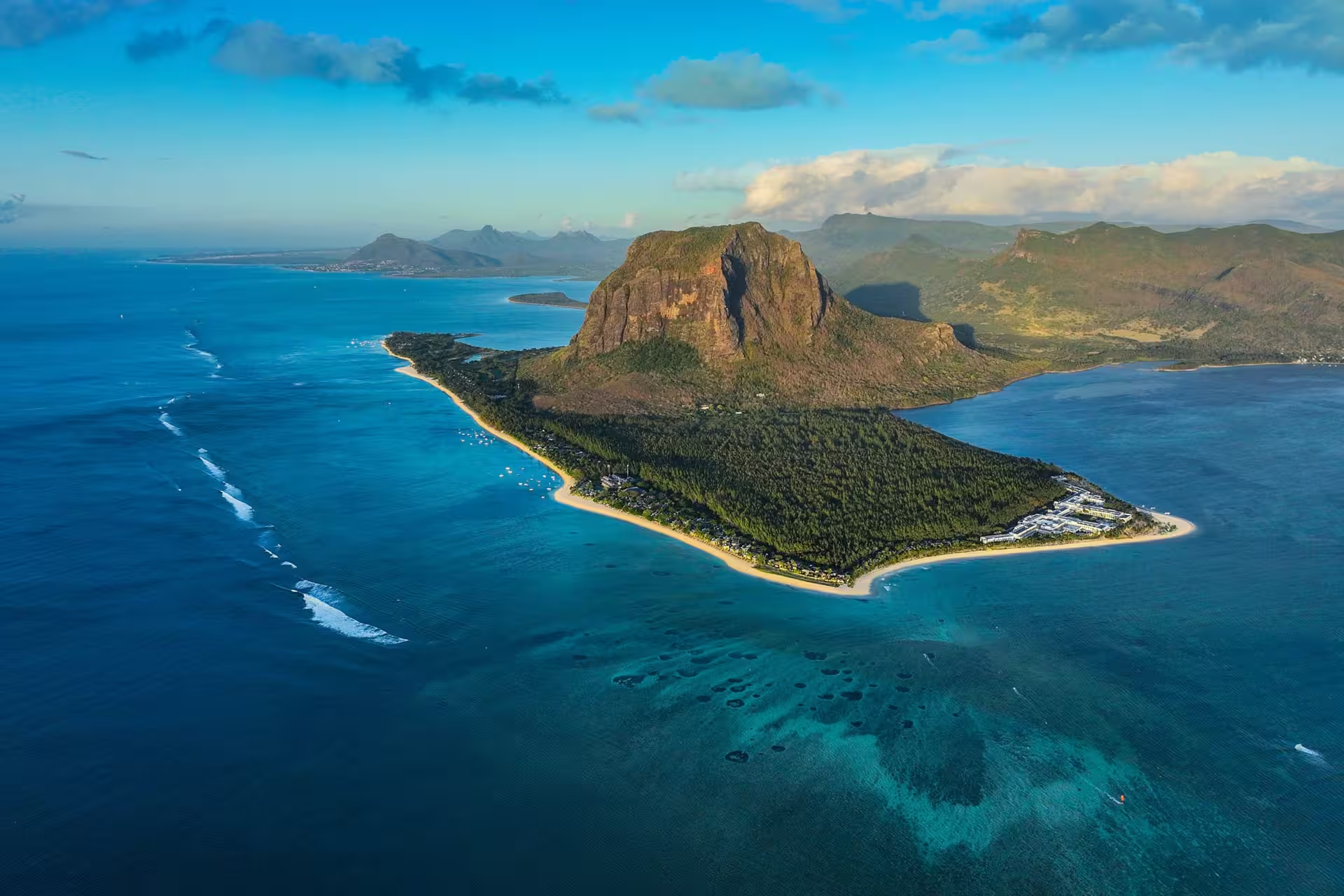
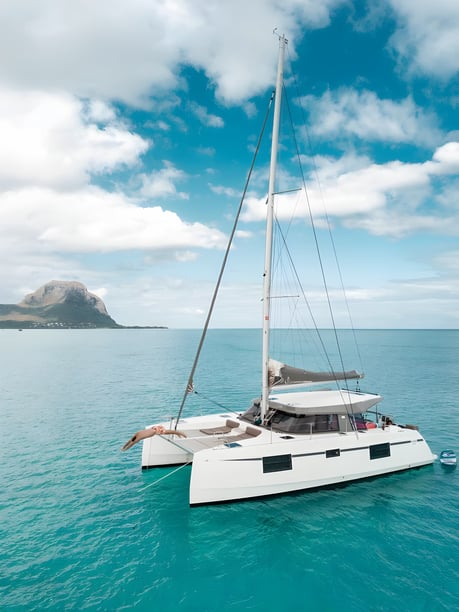
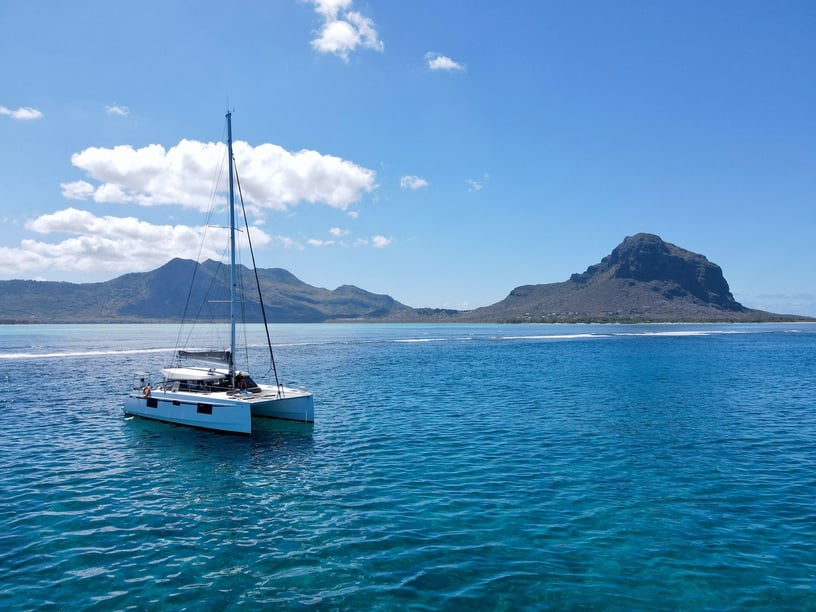
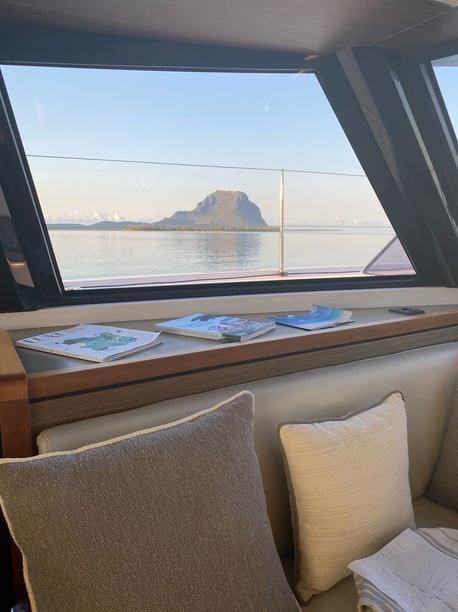
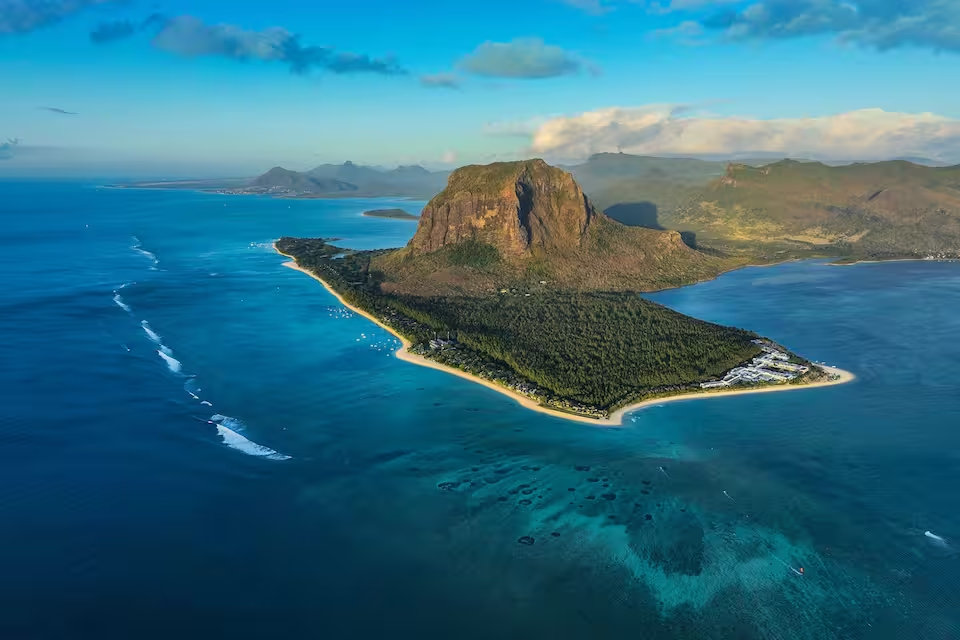
The west and southwest are generally less exposed to the southeast trades. Tamarin, Flic en Flac, Black River, La Gaulette and Le Morne provide access to mountain-backed coastal scenery and sheltered lagoon trips. From La Gaulette or Case Noyale, a common outing crosses the southwest lagoon toward Île aux Bénitiers and Crystal Rock. This region is a practical choice for combining time on the water with the landscapes around Le Morne.
On the east coast, the Trou d’Eau Douce and Pointe Maurice area is associated with lagoon trips to Île aux Cerfs. The lagoon offers protected sections, although the coast receives the trade winds more directly than the west. In the southeast, Mahébourg and Blue Bay provide a different setting: traditional pirogue outings, marine-park waters and routes through the protected lagoon.
Rodrigues should be considered separately rather than added casually to a main-island itinerary. From Port Mathurin or Mourouk, lagoon trips can reach islets such as Île aux Chats, Île Hermitage and Île aux Cocos. The atmosphere is closely connected to fishing, crafts and traditional sailing, while travel between Mauritius and Rodrigues requires a domestic flight or a sea passage.
What sailing in Mauritius is like
The coral reef system creates two very different boating environments. Inside the lagoons, trips can be relatively sheltered and focused on swimming, snorkeling or short crossings. Outside the reefs, ocean swell and stronger wind become much more influential. Reef passes, coral heads and breaking waves restrict where vessels can cross safely, so local knowledge is important even when distances appear short.
Southeast trade winds prevail for much of the year and become steadier from May to October. The north and west are generally more protected, whereas the east and south face the trades more directly. During the austral winter, stronger winds can make sailing lively and may produce rough or heavy swell beyond the reef. Summer tends to be warmer, wetter and more humid, with lighter winds at times but a greater risk of tropical disturbances.
These conditions make itinerary flexibility valuable. A lagoon-focused charter differs significantly from an offshore circuit around the northern islands, and neither should be treated like an inter-island ocean passage. Voyages to Rodrigues, Agaléga or Saint Brandon require expedition-level planning, appropriate vessels and separate operational checks.
When to charter a yacht
The broad trade-wind cruising period runs from April to November. April, May, September and October are identified as particularly suitable months. April and May generally combine warm weather with less rainfall than midsummer and avoid the most persistent winter winds. September and October retain the drier-season appeal while conditions begin moving away from the strongest part of winter.
June through August are dry and form an active sailing period, but the steadier trades can create more demanding conditions outside sheltered lagoons. They may suit travelers who prioritize sailing, provided the route and vessel are appropriate for the forecast. November marks a transition toward the warmer, wetter season.
From November into May, trips remain possible during settled weather, but plans need greater flexibility because this is the main cyclone-risk period. January through March are the least favorable months in the supplied seasonal pattern. Conditions also vary around the island: western and northwestern waters are usually drier and less exposed than eastern and southern coasts, so the best route on a given day may not be the same nationwide.
Route ideas for time on the water
Many established Mauritius routes work naturally as focused day cruises. In the north, a circuit from Grand Baie or Pereybère can link the waters around Coin de Mire, Gabriel Island and Flat Island, balancing open-water sailing with snorkeling and permitted shore stops. In the southwest, La Gaulette or Case Noyale provides a starting point for Île aux Bénitiers and Crystal Rock without requiring a long coastal passage.
An east-coast itinerary commonly concentrates on the lagoon around Île aux Cerfs, departing from Pointe Maurice or the Trou d’Eau Douce area. Mahébourg offers a more locally rooted alternative through the southeast lagoon, where traditional pirogue trips can be combined with the coastal history of the former Grand Port area.
On Rodrigues, traditional sailing-canoe routes connect lagoon islets rather than forming an extension of a main-island cruise. Attempting to combine the islands by sea changes the nature of the trip from local chartering to an ocean passage and requires separate vessel, skipper and authorization arrangements.
Reefs, island culture and time ashore
Reef and lagoon environments shape many yacht charter experiences in Mauritius. Snorkeling is a natural focus around the northern islets, Blue Bay, the southeast lagoon and Rodrigues, while beaches and small islands provide stopping points where access rules allow. Marine parks and protected areas operate under zoning, speed, anchoring and mooring regulations, so a responsible itinerary must account for more than proximity on a map.
The journey can also connect with Mauritius’s cultural landscape. Le Morne, visible from southwest waters, is associated with maroon resistance and the history of slavery. Port Louis offers Aapravasi Ghat, the Central Market and Chinatown, reflecting the island’s position on Indian Ocean routes and the influences of African, Indian, Chinese and European communities. Ashore, those influences also appear in foods such as dholl puri, fish vindaye, biryani and rougaille.
Traditional maritime culture remains particularly relevant in Mahébourg and Rodrigues, where pirogues and sailing canoes are associated with fishing, lagoon outings and local races. Wildlife encounters require care: dolphin and whale activities are regulated, and licensed operators must follow approach, speed and no-contact rules.
Air access and departure points
International travelers usually arrive at Sir Seewoosagur Ramgoolam International Airport in southeast Mauritius. Road transfers connect the airport with Mahébourg and Blue Bay nearby, as well as Grand Baie in the north, Port Louis, Black River, Le Morne and the east coast.
Common starting points include Grand Baie and Pereybère for northern-island cruises; La Balise Marina, La Gaulette and Case Noyale for western and southwestern waters; Trou d’Eau Douce and Pointe Maurice for Île aux Cerfs; and Mahébourg or Blue Bay for the southeast lagoon. Rodrigues is reached by domestic air service to Sir Gaëtan Duval Airport or by sea through Port Mathurin, with trips commonly beginning around Port Mathurin or Mourouk.
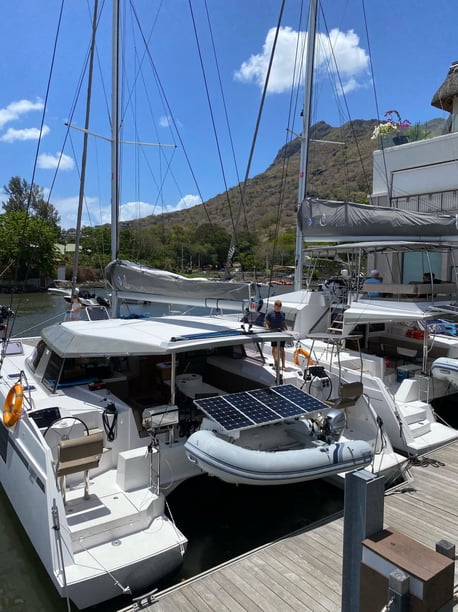
Marina infrastructure is limited. Many operations rely on anchorages, moorings, hotel jetties or small-boat landing points rather than full-service marinas.
Planning the right charter
Begin by deciding whether the priority is a sheltered lagoon outing, an offshore sailing route or a culturally focused trip by traditional boat. This choice affects the appropriate departure area, vessel and required experience more than the straight-line distance between attractions. Travelers comparing a yacht charter or boat rental in Mauritius should ask where the boat is licensed to operate, whether the planned route crosses a reef pass and how weather-related itinerary changes are handled.
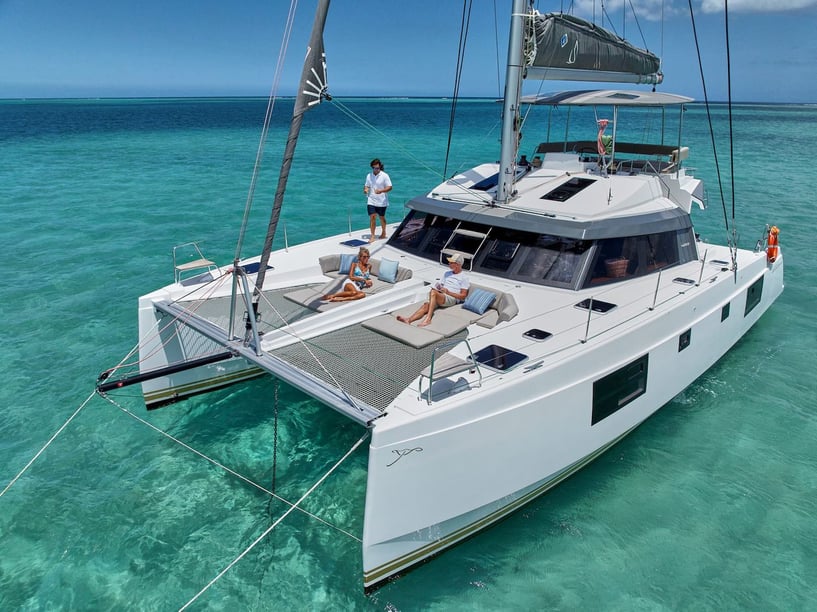
Commercial pleasure craft and skippers are licensed by the Tourism Authority. Use a registered operator and confirm passenger-capacity limits, flotation equipment and the rules applying to marine parks or wildlife encounters. Travelers without experience of local reefs should place particular value on a licensed skipper with local knowledge. Those considering different sailing formats can also compare the trip characteristics associated with a sailboat charter in Mauritius and a Mauritius catamaran charter without assuming that every vessel suits every reef passage or landing point.
Foreign seagoing vessels generally make their first entry at Port Louis to complete formalities. Plans involving Rodrigues or remote outer islands may require additional vessel, skipper and authorization procedures. Whatever the season, cyclone, strong-wind and heavy-swell bulletins should be checked, with extra flexibility from November into May.