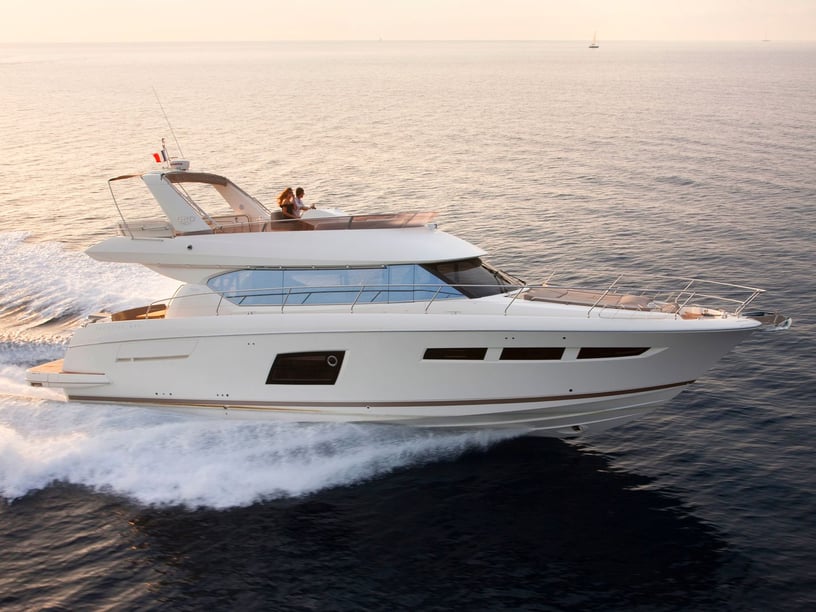
Yacht charter around Hulhumalé
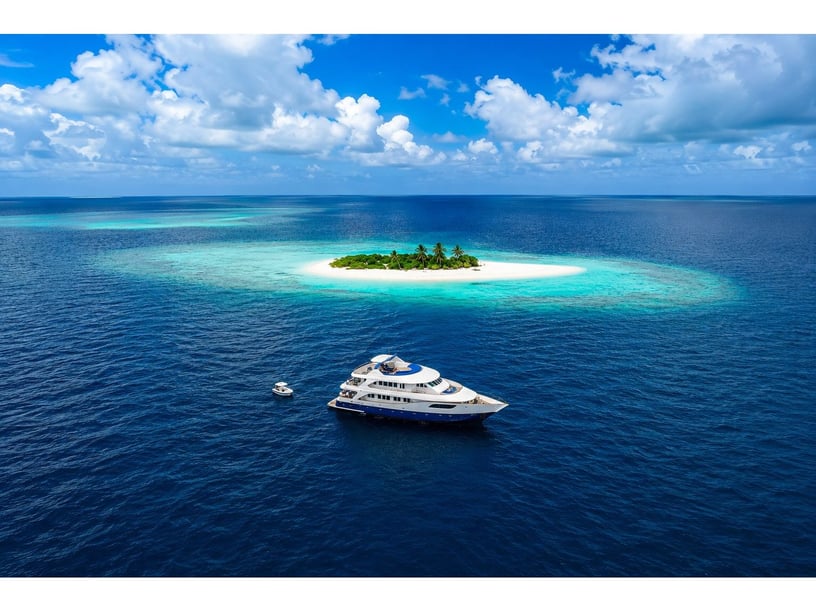
A Hulhumale yacht charter begins in a distinctly practical corner of the Maldives. This reclaimed, inhabited island lies in southern North Malé Atoll, beside Velana International Airport and within the Greater Malé urban area. Its long beachfront, western harbor waters, guesthouses and cafés create a modern local-city setting rather than the self-contained atmosphere of a private resort.
Hulhumalé is especially relevant as an embarkation, transfer and excursion point. Boats can leave the harbor area for nearby reefs, sandbanks and inhabited islands, while liveaboards use the wider airport and harbor zone for longer central-atoll itineraries. The location therefore suits travelers who value convenient air connections and quick access to the water. For a broader view of possible cruising regions, travelers can also explore yacht charters across the Maldives.
Places to explore from Hulhumalé
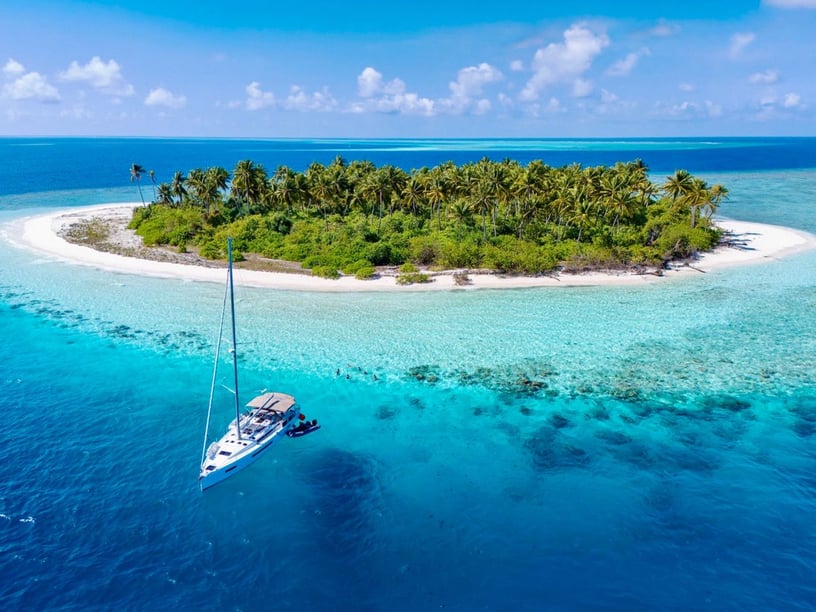
North Malé Atoll provides the immediate setting for trips from Hulhumalé. Nearby options include reef and sandbank excursions, with routes sometimes combining time in the water with visits to inhabited islands such as Himmafushi and Huraa. Thulusdhoo is another relevant island in the surrounding atoll, while nearby Malé offers a contrasting urban stop within the same Greater Malé area.
The atoll’s established underwater sites also shape many yacht itineraries. Banana Reef, Hulhumalé Beyru, the Maldives Victory wreck and Manta Point can feature in diving-focused plans, depending on conditions and the experience of participants. These sites are not interchangeable: exposed reefs, channels and current-affected dive areas require appropriate local guidance. Travelers more interested in relaxed surface activities can instead prioritize sheltered snorkeling areas, sandbanks and short passages between islands.
What cruising in North Malé Atoll is like
Cruising from Hulhumalé may combine relatively protected lagoon and inner-atoll waters with more exposed outer reefs and current-affected channels. Short excursions can fan out from the harbor toward nearby islands and snorkeling areas, while longer trips move beyond the immediate atoll. This variety makes the area useful for both brief days on the water and wider liveaboard journeys.
The apparent proximity of islands should not be mistaken for uncomplicated navigation. Coral reefs, shoals, thilas, channels and busy harbor traffic all influence route choices. Currents around reef corners and channels can be strong or unpredictable, so an experienced local skipper, current forecasts and reef-aware navigation are important. Exact passages and stops may need to change with sea conditions, particularly during the wetter monsoon period.
Best time for a Hulhumalé yacht charter
Recreational boating operates throughout the year, but January through April generally offers the most settled conditions for cruising and surface excursions. January, February and March are usually the driest and sunniest months, making them particularly suitable for itineraries built around snorkeling, swimming and island stops. April remains one of the better months, although it is a transitional period.
From mid-May through November, the southwest monsoon brings more rain and less consistent weather. Yacht trips and diving continue, but plans benefit from greater flexibility because routes or departure times may change. This period can still appeal to travelers with a specific marine-life interest: Manta Point in southeastern North Malé Atoll is associated with manta activity from May to October. December returns to the main season, although conditions can still reflect the transition between monsoons.
Route ideas from Hulhumalé
A straightforward day route can connect Hulhumalé with Himmafushi and Huraa, combining local-island visits with snorkeling before returning to the harbor. Another common excursion pattern heads to a North Malé Atoll reef or sandbank and includes Himmafushi on the return leg. The precise site is normally chosen according to currents, weather and operating arrangements.
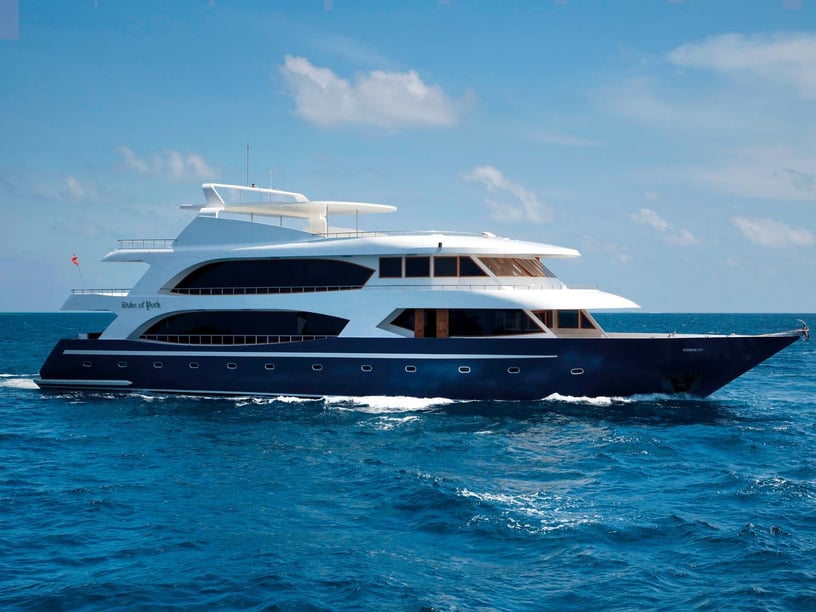
Longer liveaboard itineraries use the Greater Malé airport area as a gateway to the central atolls. These journeys may combine North Malé with South Malé, Ari, Rasdhoo or Vaavu before returning to Hulhumalé Harbour. Such a plan is better suited to travelers who want a multi-day diving or cruising journey rather than a series of short local excursions.
Life on and off the water
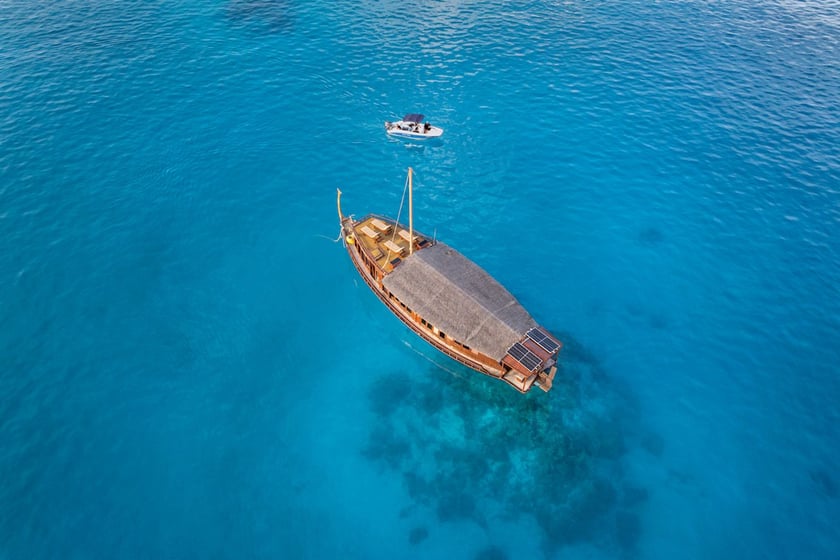
A yacht trip around Hulhumalé can balance cruising with snorkeling, diving, swimming and time ashore. Reefs and sandbanks provide the main marine focus, while inhabited islands introduce a different dimension from resort-only travel. Back in Hulhumalé, the beachfront, cafés and residential neighborhoods reveal the contemporary character of a city developed to relieve pressure on nearby Malé.
Divers have access to several recognized sites, including Banana Reef, Manta Point and the Maldives Victory wreck. Some channel and thila dives involve strong currents and may not suit inexperienced divers, so certification level and recent experience should be discussed before the itinerary is agreed. Travelers who do not dive can build a gentler rhythm around scenic cruising, surface snorkeling, beach time and meals ashore. Hulhumalé’s combination of urban facilities and marine access is its defining feature: it is a gateway to the atoll rather than an isolated island retreat.
Airport access and departure points
Velana International Airport is directly connected to Hulhumalé by road, with buses and taxis serving the Greater Malé area. This proximity can simplify the first and final stages of a yacht trip, particularly for liveaboard transfers. Passenger boats and ferries also connect the urban islands and other communities in North Malé Atoll.
Potential embarkation points include Hulhumalé Harbour, Hulhumalé Excursion Jetty, also known as Lakudi Jetty, and the airport pier. The exact meeting point can vary with the operator, vessel and sea conditions, so it should be confirmed shortly before departure. Hulhumalé should be viewed as a harbor, anchorage and transfer area rather than a full-service leisure marina. Independent yacht arrivals need to arrange clearance, anchorage or berthing and local support in advance.
Planning your charter
The first decision is whether the trip should be a short reef or island excursion, or a multi-day yacht or liveaboard itinerary. When considering boat rental in Hulhumale, confirm the trip duration, embarkation jetty, included water activities and whether the route is fixed or selected according to daily conditions. For diving plans, check the required experience level for current-affected sites and allow the no-fly interval specified by the dive operator or certification agency before departing from the nearby airport.
Local customs also matter. Hulhumalé is an inhabited island, so modest dress is appropriate away from designated tourist swimming areas, and local restrictions on alcohol apply. Travelers should not assume that resort-island practices extend to public areas.
Finally, build some flexibility into arrival and departure days. Weather, currents and harbor operations can affect transfer points or route choices. Confirming the latest jetty information, skipper arrangements and the intended balance between cruising, diving and going ashore will make it easier to choose a charter that fits both the group’s interests and experience.