Yacht charter in the Golden Horn
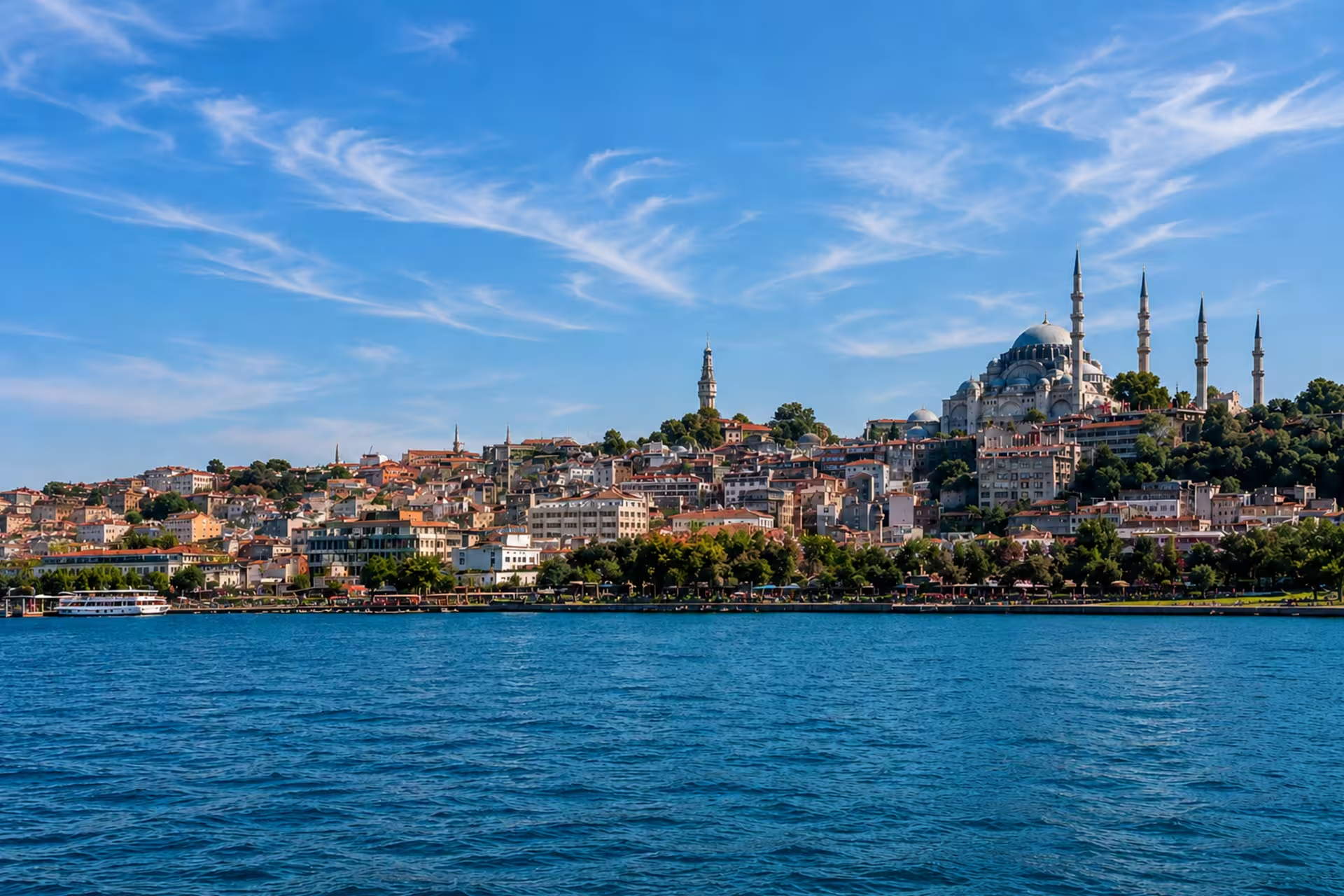
Planning a yacht charter in Halic means seeing a distinctly urban side of Istanbul from the water. Known locally as Haliç and internationally as the Golden Horn, this horn-shaped estuary extends for about seven kilometres from the Bosphorus toward the Alibey and Kağıthane creek valleys. Its densely built hillsides, historic waterfronts and succession of bridges create a setting very different from a conventional beach or island-hopping destination.
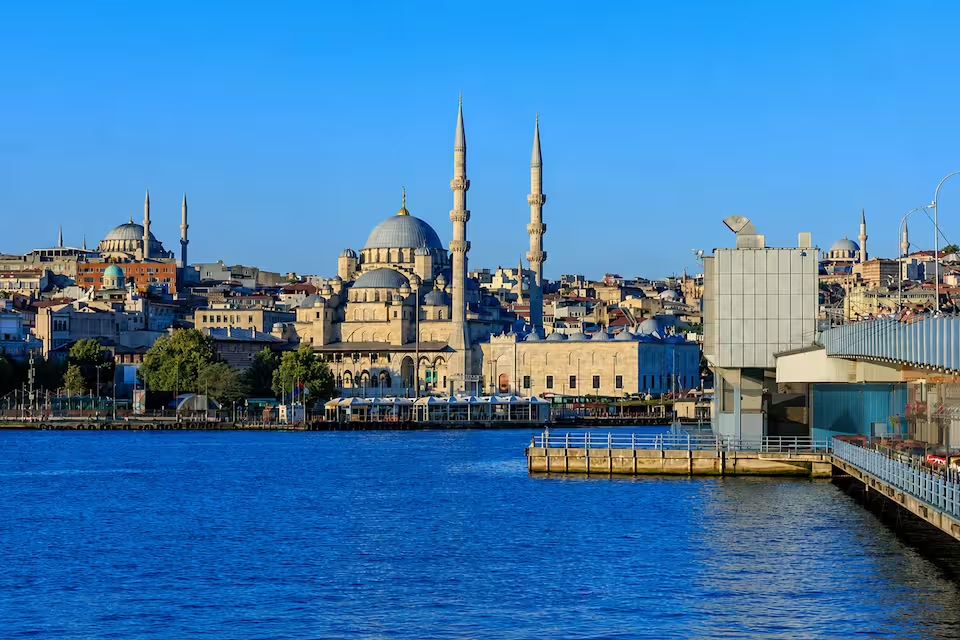
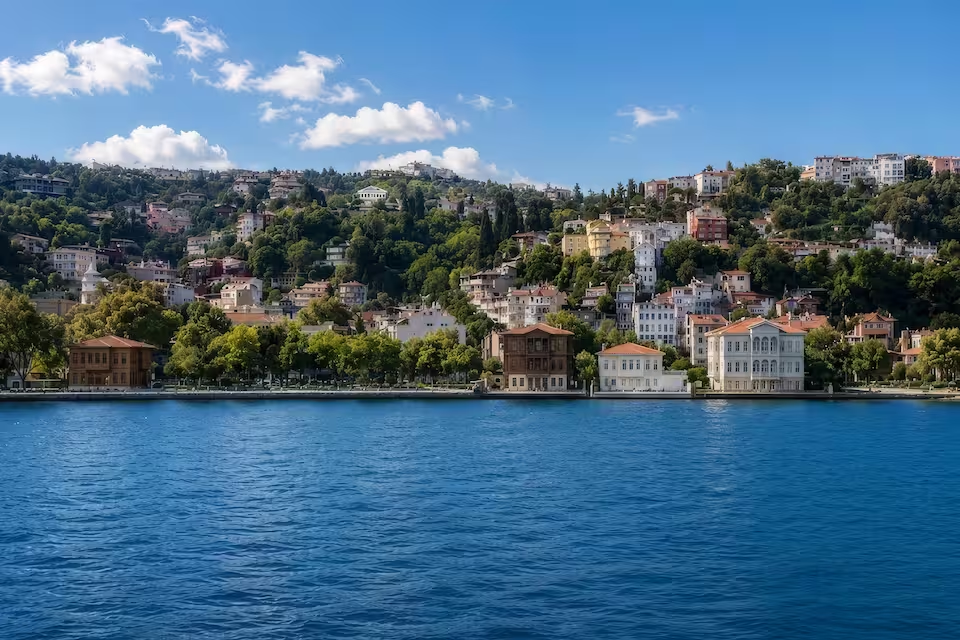
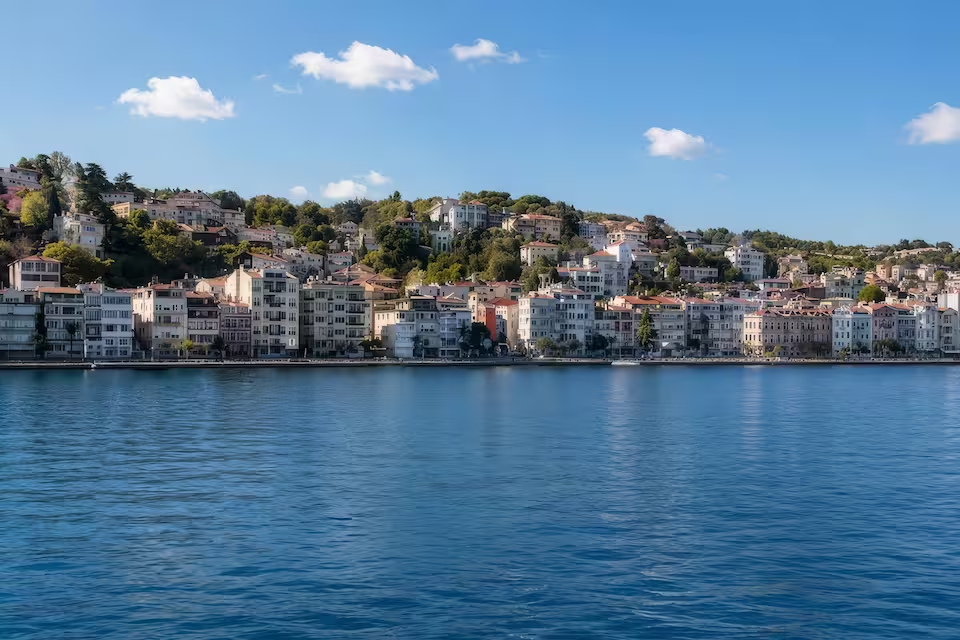
The natural format here is a short scenic cruise rather than an open-water sailing holiday. From the water, travelers can follow Istanbul’s layered skyline past domes, minarets, working shipyards and neighborhoods shaped by several religious and cultural traditions. Stops or transfers ashore add museums, historic streets and local gastronomy to the journey.
Boat choice and itinerary design matter because the estuary becomes shallower upstream, while bridges can restrict tall-masted vessels. Haliç is therefore best approached as a compact heritage cruising area: well suited to travelers who want to combine time aboard with close-range views of central Istanbul and frequent opportunities to explore ashore.
Where to cruise in Haliç
The Bosphorus-facing entrance has the grandest urban outlook and the busiest marine environment. Around Karaköy and Eminönü, a cruise meets the Golden Horn close to the Galata Bridge, Galata Tower and the historic peninsula. This area suits travelers looking for iconic city views, but frequent ferry and commercial traffic requires more attention than in the inner estuary.
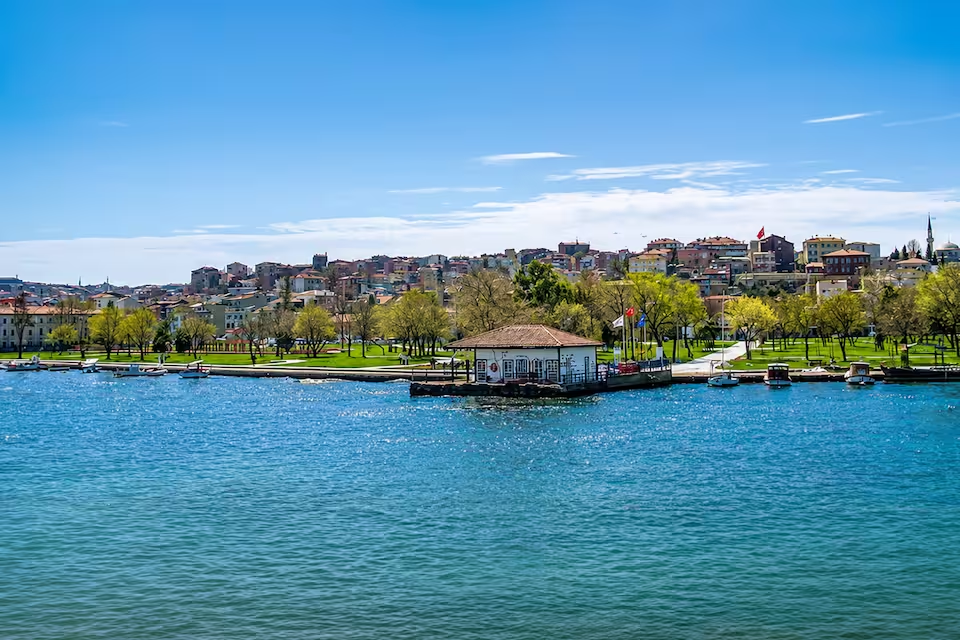
Continuing inland, Kasımpaşa and Hasköy reveal the Golden Horn’s shipbuilding and industrial heritage. Haliç Shipyard has roughly six centuries of shipbuilding and repair history, while the Rahmi M. Koç Museum in Hasköy offers a natural shore visit for travelers interested in transport and engineering. This middle section balances urban scenery with generally more sheltered water.
Fener and Balat form the strongest area for cultural exploration ashore. Their churches, synagogues, mosques and historic houses reflect Istanbul’s Orthodox Christian, Jewish, Armenian Christian and Muslim communities. The Church of St. Stephen of the Bulgars and the Ecumenical Patriarchate are among the notable landmarks close to the waterfront.
Farther upstream, Ayvansaray and Eyüpsultan suit a quieter, history-focused outing. The city walls can be seen around Ayvansaray, while Eyüp Sultan Mosque and Pierre Loti Hill give the upper estuary a different character from the busy entrance. Sütlüce and nearby waterfront attractions, including Miniatürk, can also fit into a short urban itinerary. Depth decreases toward these upper waters, so access depends on the selected boat.
What cruising here is like
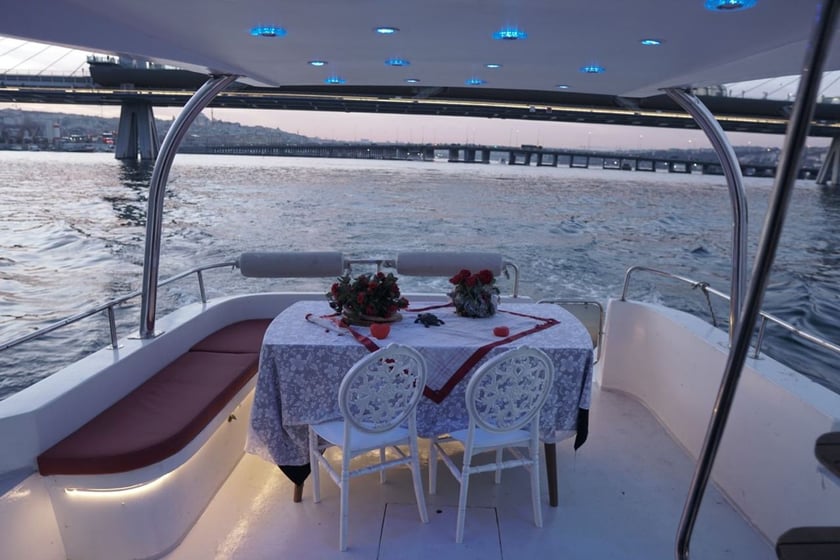
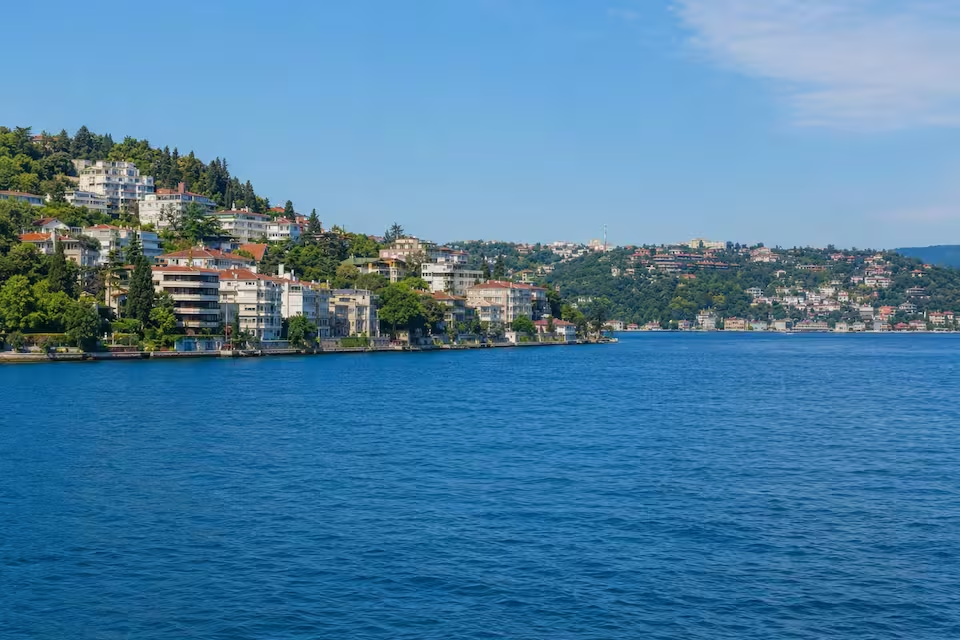
Haliç offers short, sheltered and largely line-of-sight passages within a narrow estuary. The middle and upper sections are more protected from waves than the Bosphorus and include calm stretches long associated with rowing. This makes the journey feel less like a passage between distant anchorages and more like a moving viewpoint through Istanbul’s waterfront history.
Conditions change toward the mouth. The entrance carries regular ferry and commercial traffic, so a careful lookout is important even when the water itself appears manageable. Istanbul’s prevailing wind is generally the northeasterly poyraz. Strong southwesterly lodos events can disrupt marine transport around the Bosphorus and Sea of Marmara, and may still affect operations within the Golden Horn despite its relative shelter.
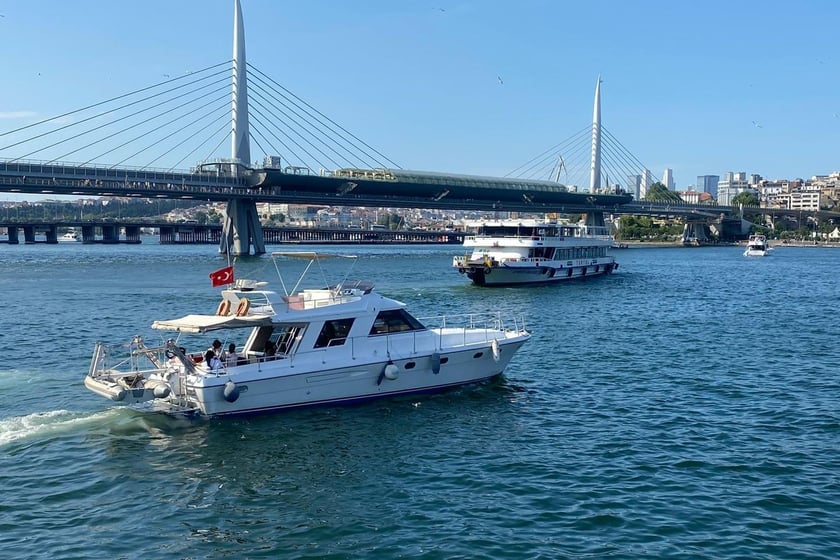
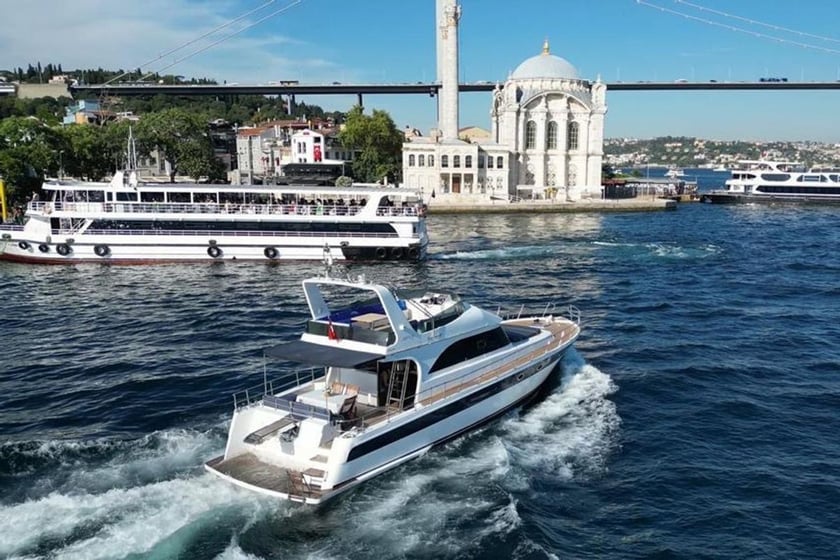
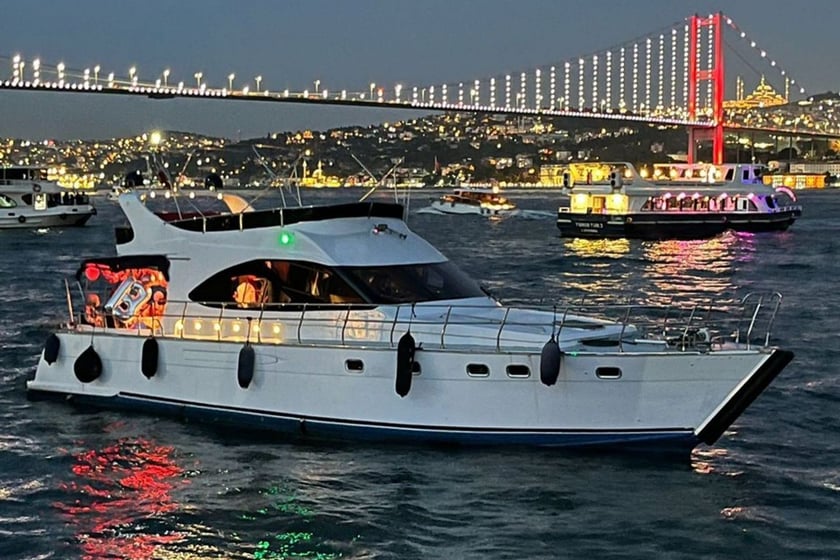
The principal constraints are depth and overhead clearance. The estuary becomes markedly shallower upstream, and its road and rail bridges can restrict vessels with tall masts. Low-profile, shallower-draft craft are consequently more adaptable for exploring farther inland. Travelers considering a motor-yacht charter in Haliç should confirm that the proposed boat and route are compatible with bridge and depth restrictions.
The best time for a Haliç charter
Recreational outings are generally most comfortable from May through September, when Istanbul is warmer and comparatively dry. June to September is the main high season, bringing conditions more conducive to spending time on deck and combining a cruise with several waterfront stops. Demand is also likely to be concentrated in this period, so arrangements benefit from being made earlier.
April, May and October provide transitional conditions. May already falls within the broader comfortable boating period, while April and October may suit travelers who prefer a less peak-oriented city visit and are prepared for more variable weather. They should not be treated as guaranteed calm or lower-cost periods.
From November through March, conditions are cooler and wetter, with a greater possibility of disruptive winds. Ferries and working-waterfront activity continue throughout the year, but winter is less consistently suitable for a leisure charter. Regardless of season, the immediate forecast matters because strong poyraz or lodos conditions can alter operating plans.
Routes through the Golden Horn
The established ferry corridor offers a useful framework for understanding a Golden Horn cruise. It links Karaköy with Kasımpaşa, Fener, Balat, Hasköy, Ayvansaray, Sütlüce and Eyüpsultan, connecting the energetic entrance with progressively more sheltered inner waters. A private itinerary may draw on part of this sequence rather than attempting to include every district.
A shorter outing can concentrate on the entrance and middle estuary, pairing the Galata skyline with Kasımpaşa, Hasköy or Fener and Balat. A longer urban cruise may continue toward Eyüpsultan, subject to vessel draft, bridge constraints and current operating conditions. The documented Unkapanı–Eyüpsultan rowing circuit also illustrates the calm character of the middle and upper estuary, although a yacht itinerary must be planned according to the capabilities of the chosen vessel rather than copied directly from a rowing route.
History, culture and life ashore
The defining experience in Haliç is not swimming from secluded anchorages. It is the chance to read Istanbul’s history from the water. The Golden Horn served as a naturally protected harbor for Eastern Roman and Ottoman commercial and naval activity, and traces of that maritime role remain visible in shipyards, dry docks and waterfront districts.
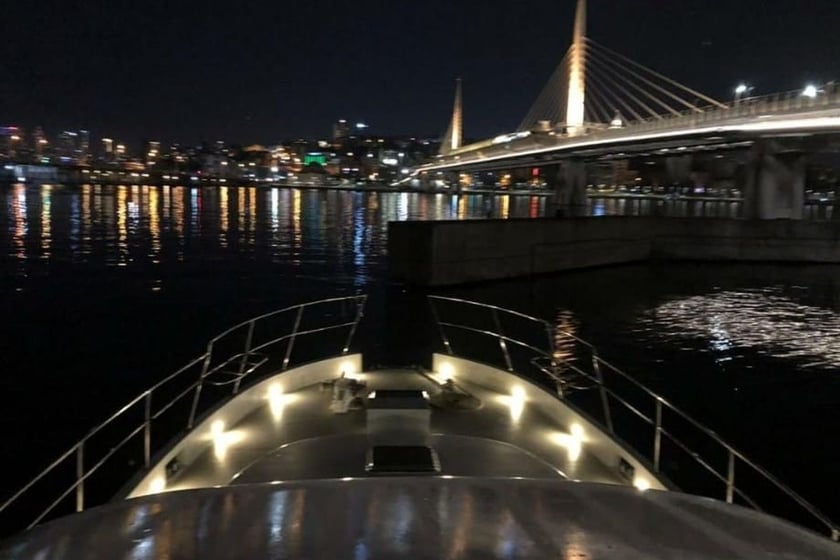
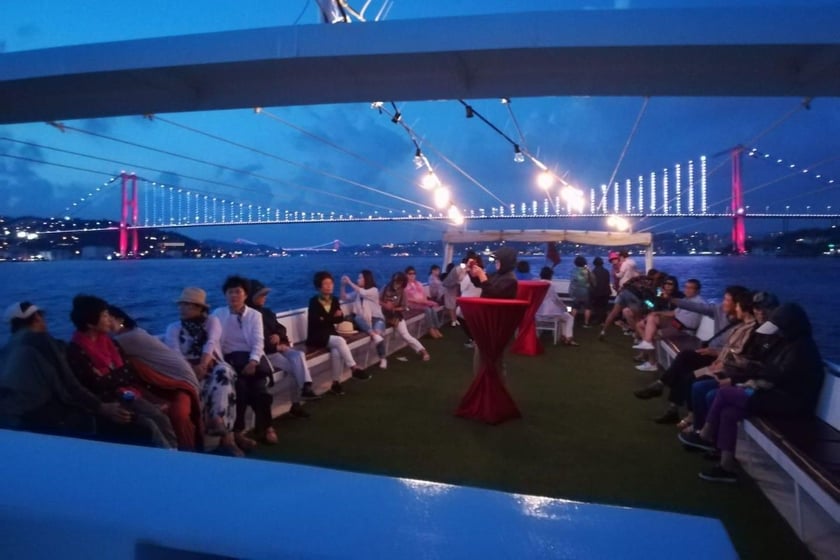
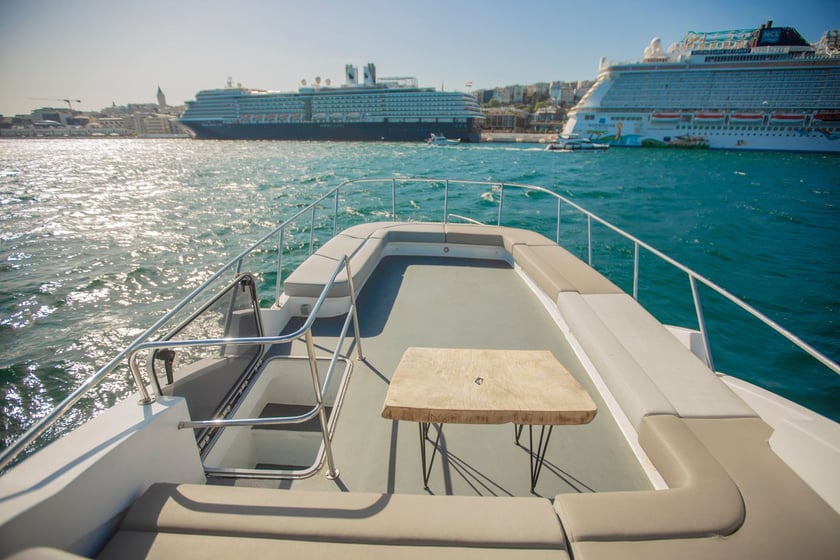
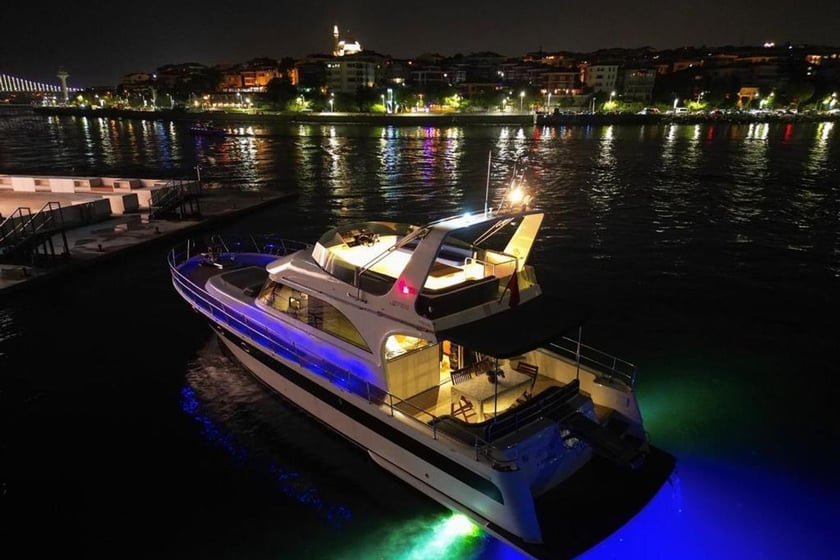
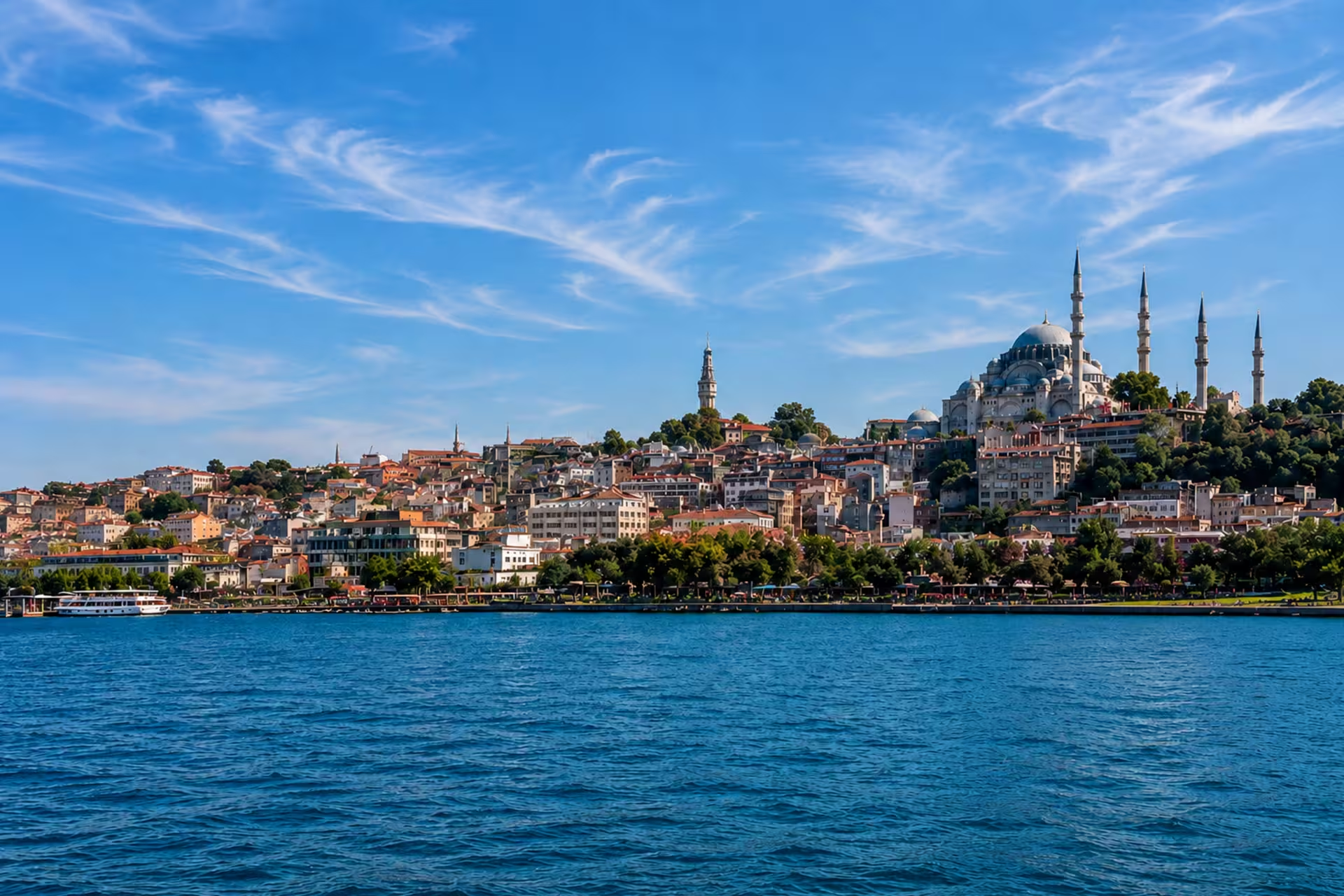
A cruise can place major landmarks into geographic context: the Galata district near the mouth, Süleymaniye Mosque above the historic peninsula, the multicultural streets of Fener and Balat, and the religious landscape of Eyüpsultan farther inland. Domes, minarets, bridges and hillside neighborhoods appear in succession at close range, giving the journey a clear visual narrative.
Going ashore is an important part of the experience. Travelers can combine cruising with the Rahmi M. Koç Museum, religious monuments, historic residential streets or the city walls at Ayvansaray. Gastronomy can also be incorporated through a meal ashore rather than treated as an onboard or remote-bay experience. The result is a city-focused charter in which cruising, museum visits, neighborhood walks and waterfront transport can share the same day.
Access and departure points
Haliç lies within central Istanbul and is integrated with the city’s metro, tram, bus and ferry networks. Haliç station on the M2 metro provides central access, while the T5 Eminönü–Alibeyköy tram follows much of the estuary. Şehir Hatları ferries connect the principal waterfront districts and can be useful for reaching or leaving different parts of a planned outing.
Relevant starting points include Karaköy Pier near the mouth, Eyüpsultan Pier in the upper estuary and the Tersane Istanbul waterfront on the Unkapanı side. These are urban piers and waterfront locations rather than resort-style charter bases, so embarkation details should be confirmed carefully.
International travelers can arrive through Istanbul Airport or Istanbul Sabiha Gökçen International Airport. Istanbul Airport connects toward the M2 corridor via the M11 metro, while Sabiha Gökçen is served by the M4 metro on the Asian side. Transfer time will depend on the departure waterfront and city traffic.
Choosing the right charter format
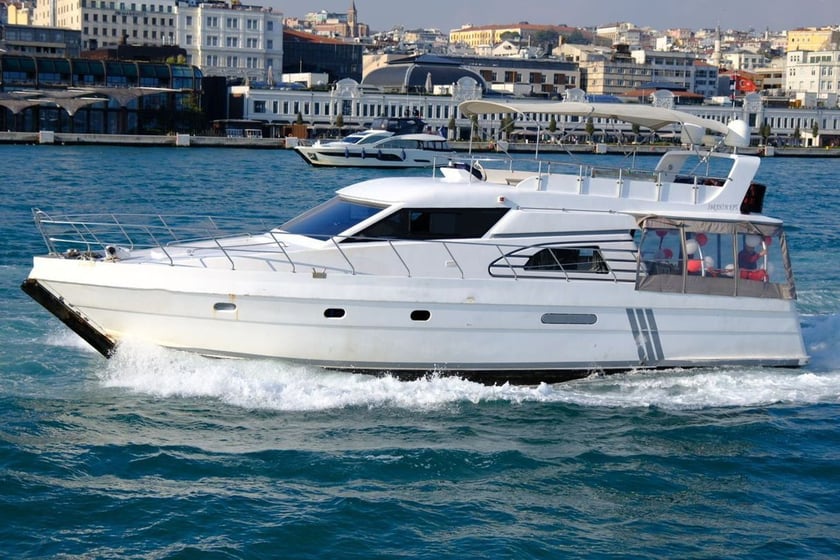
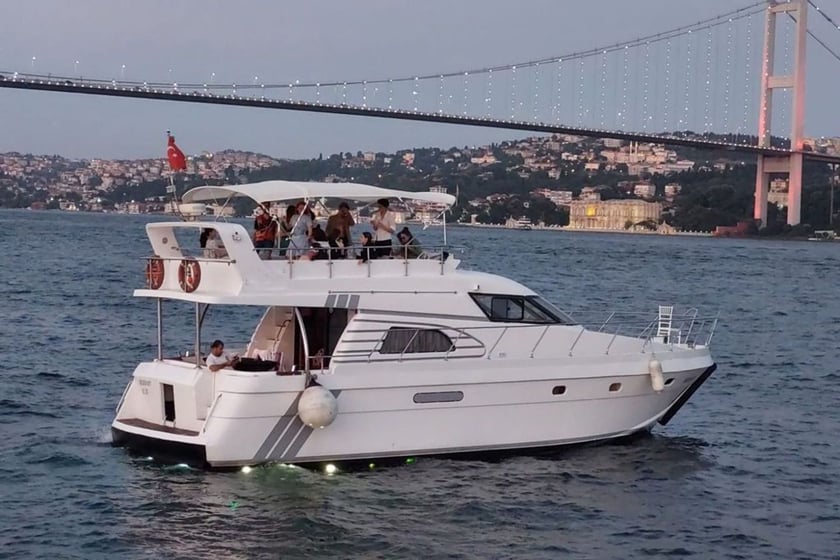
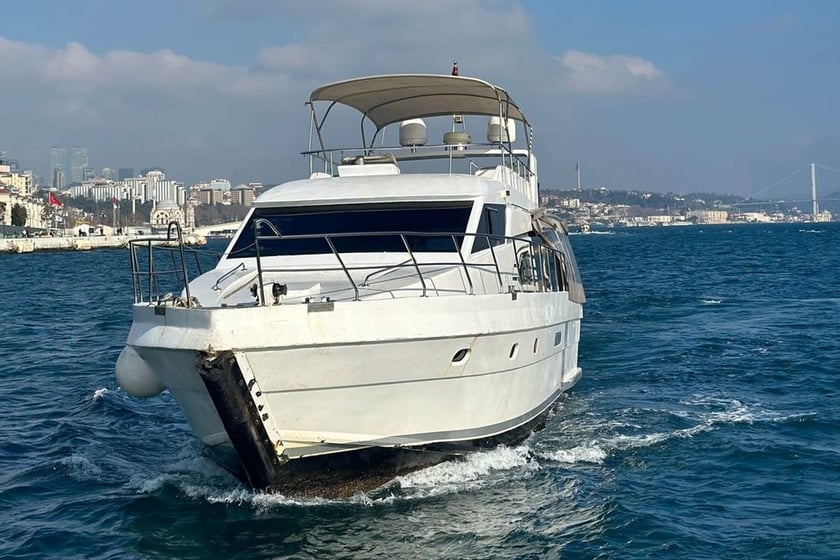
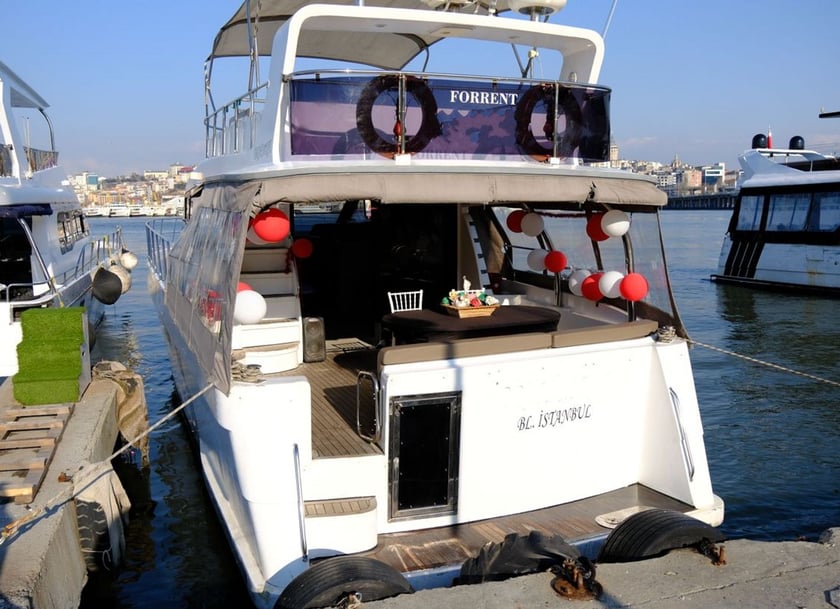
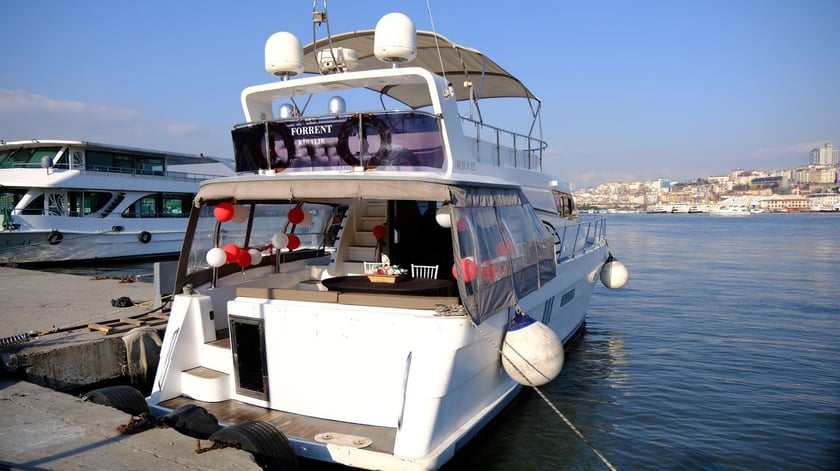
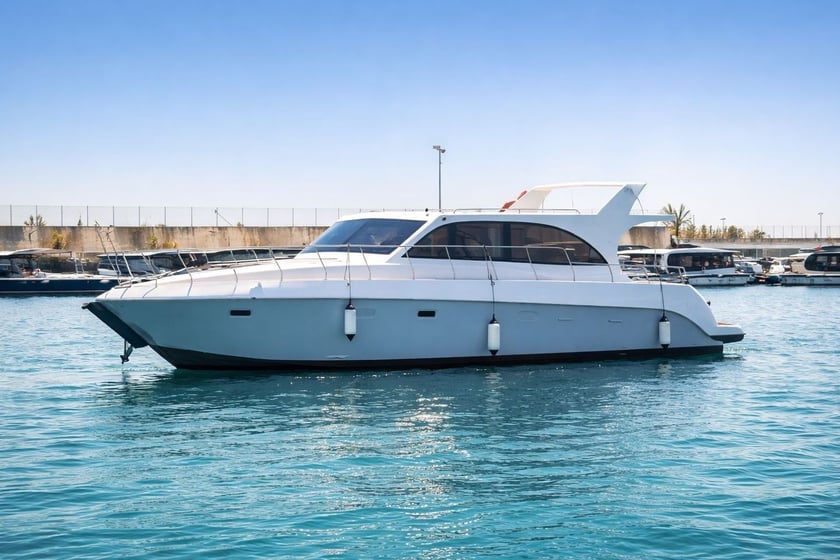
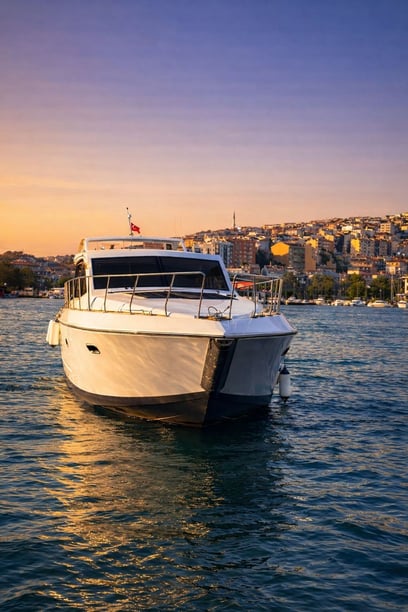
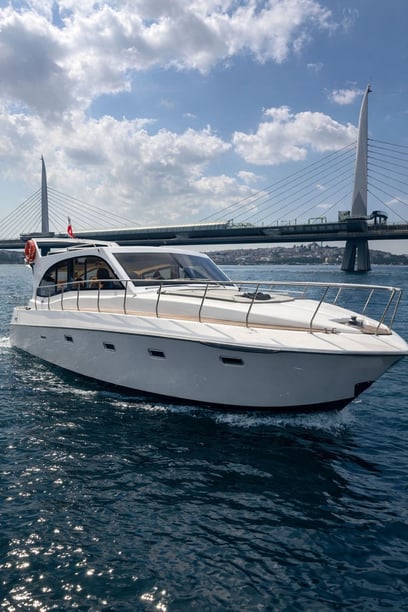
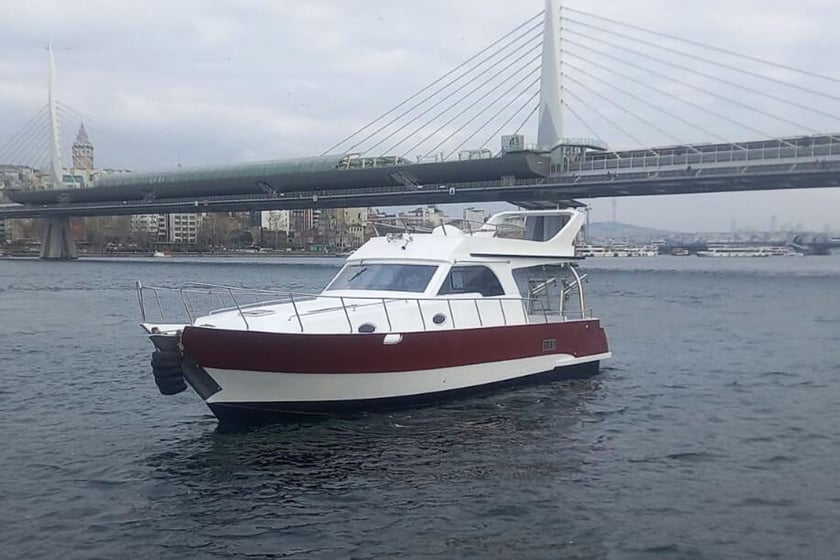
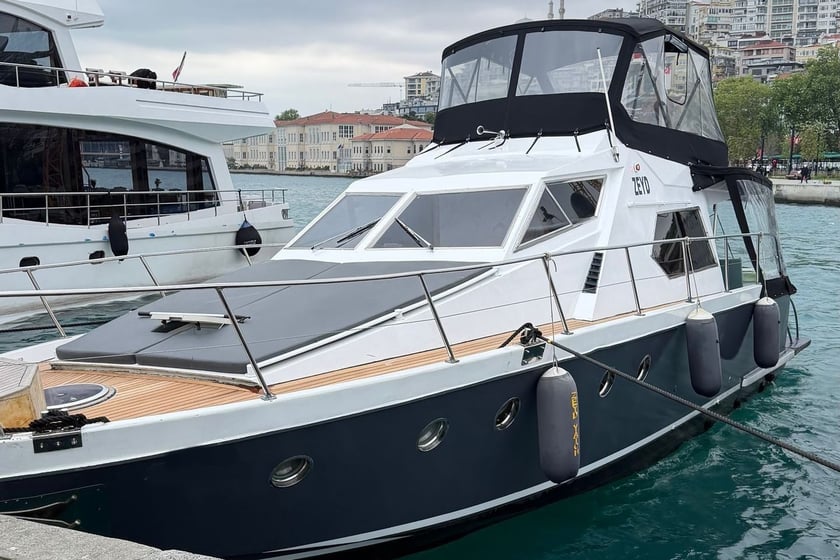
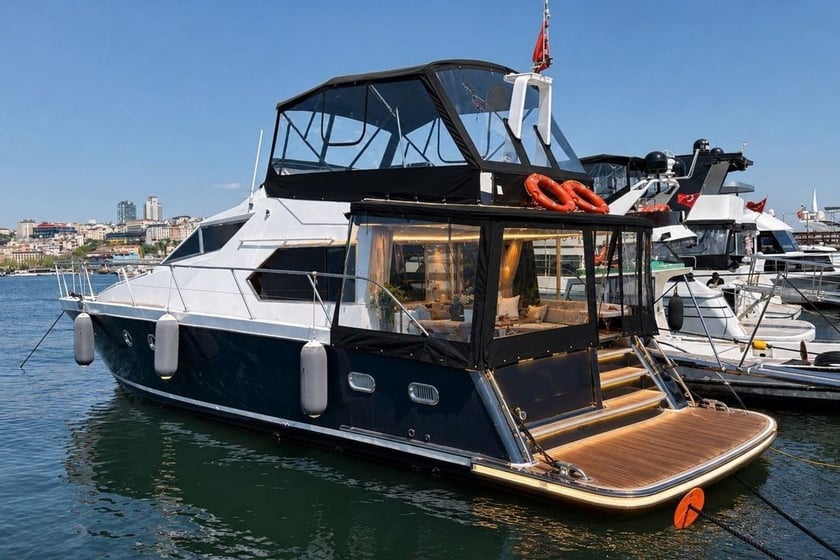
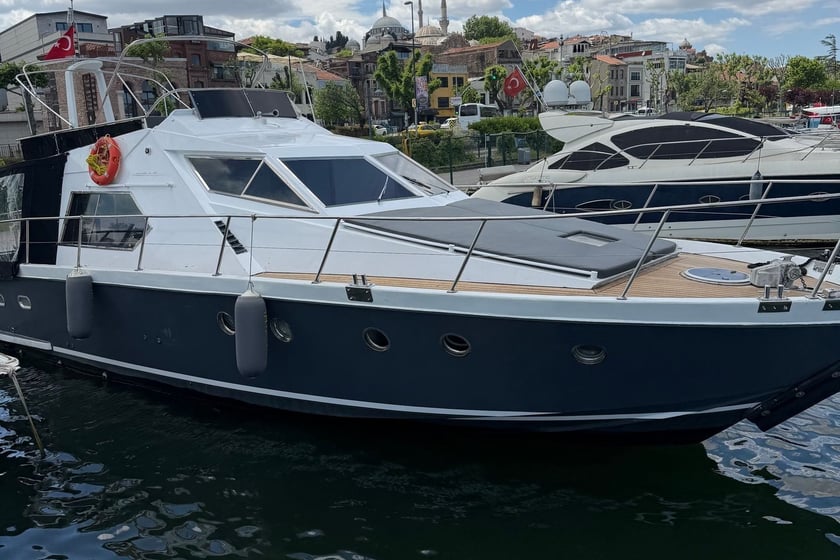
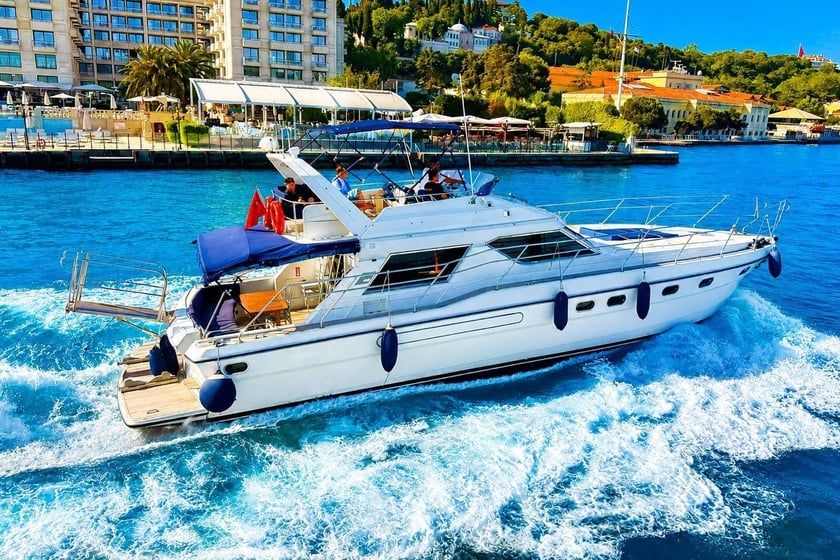
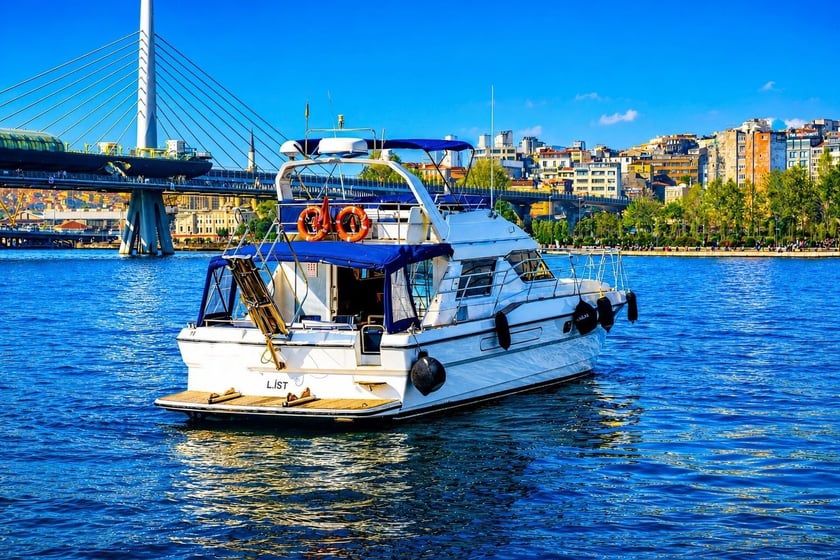
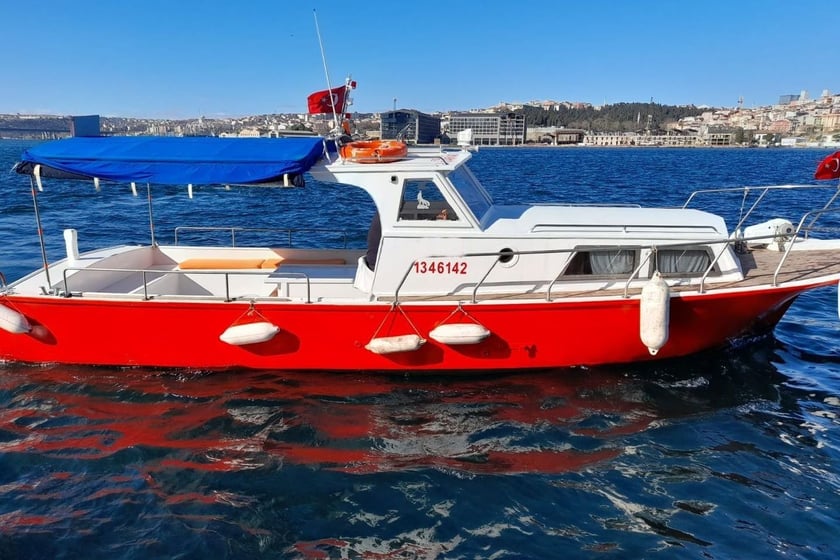
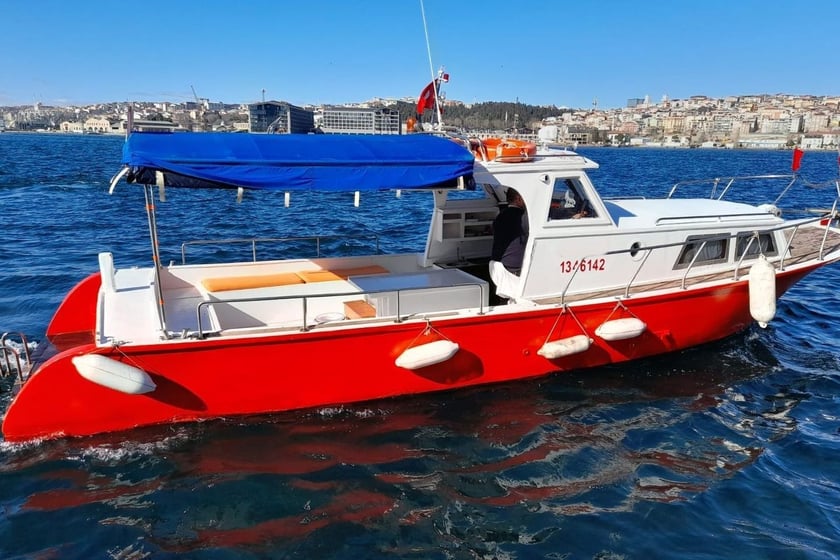
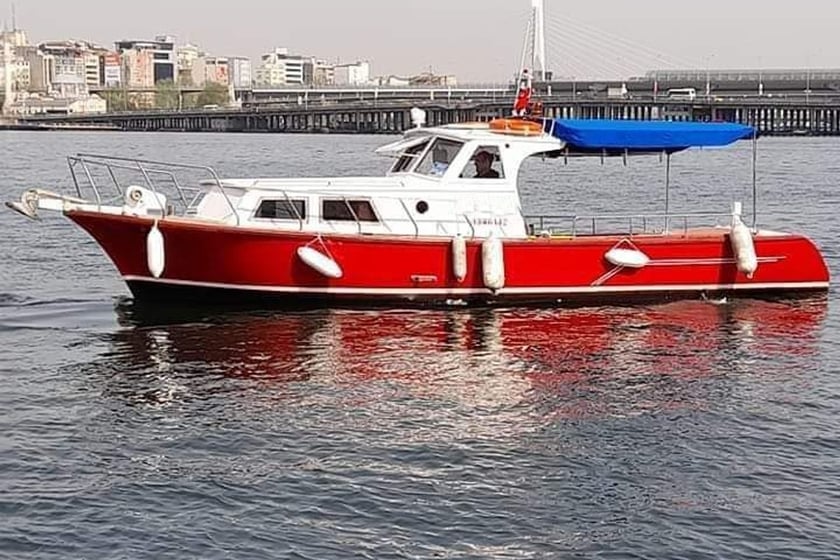
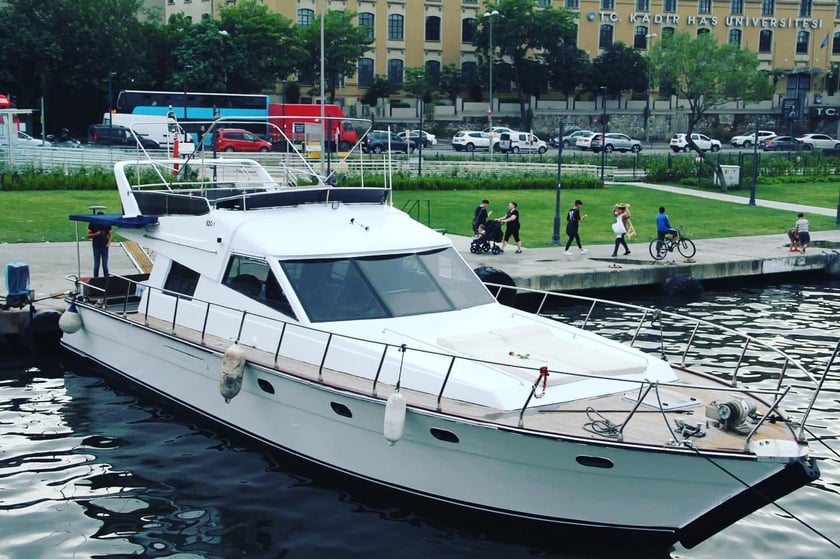
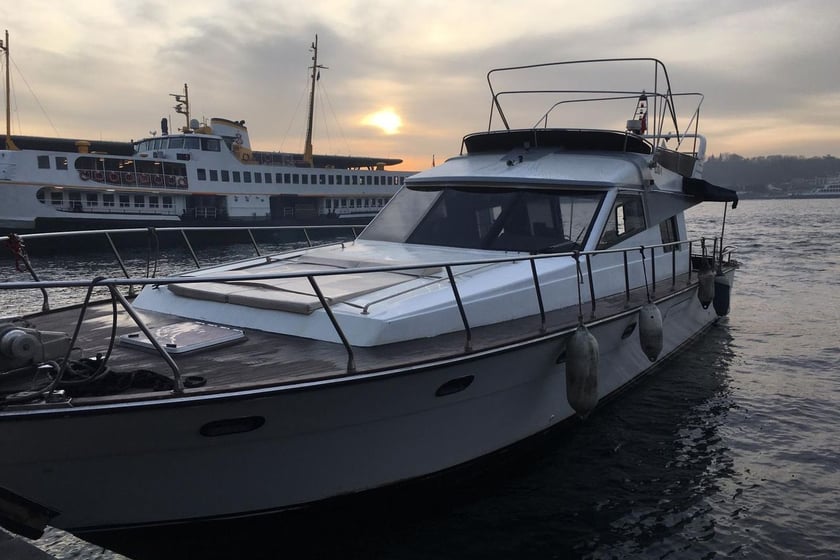
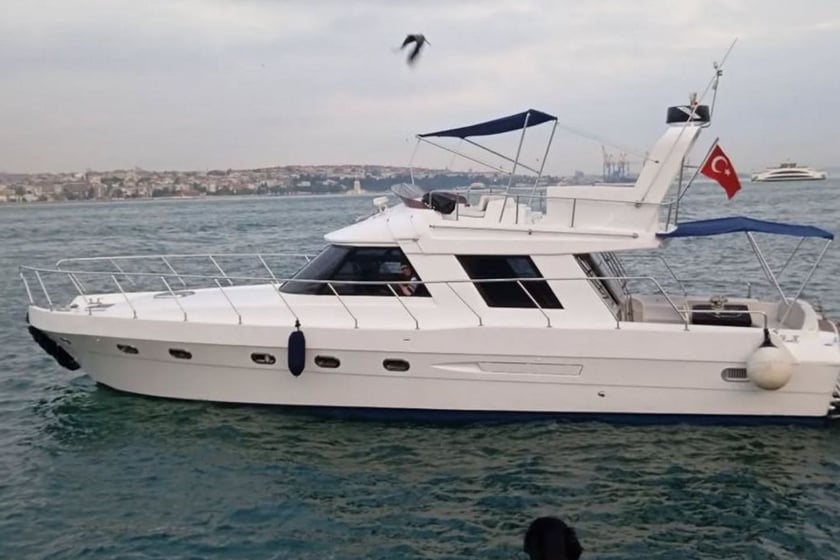
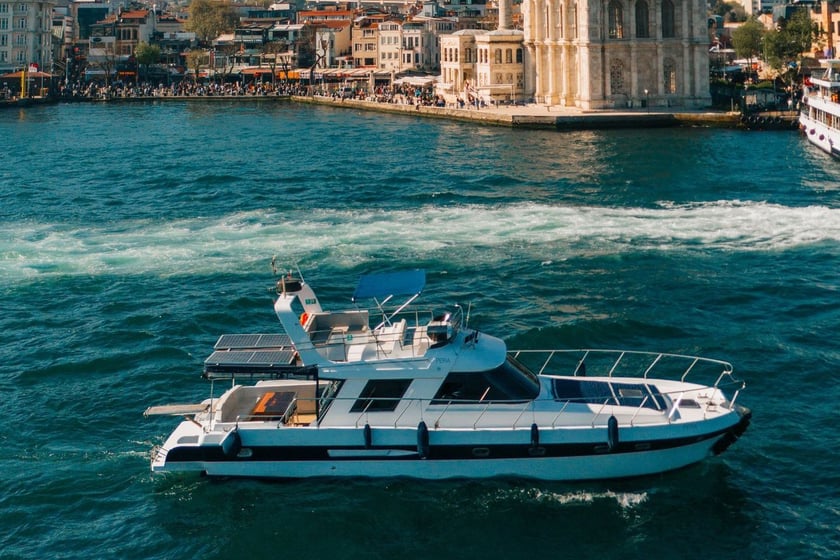
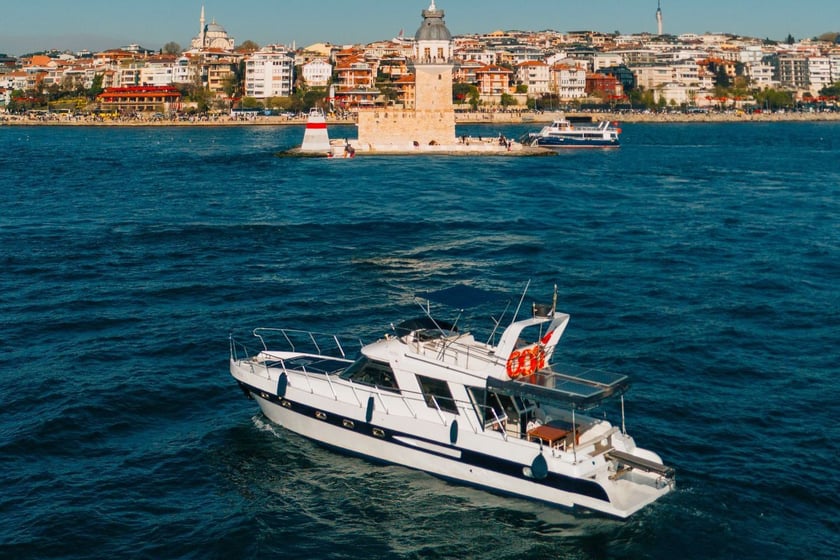
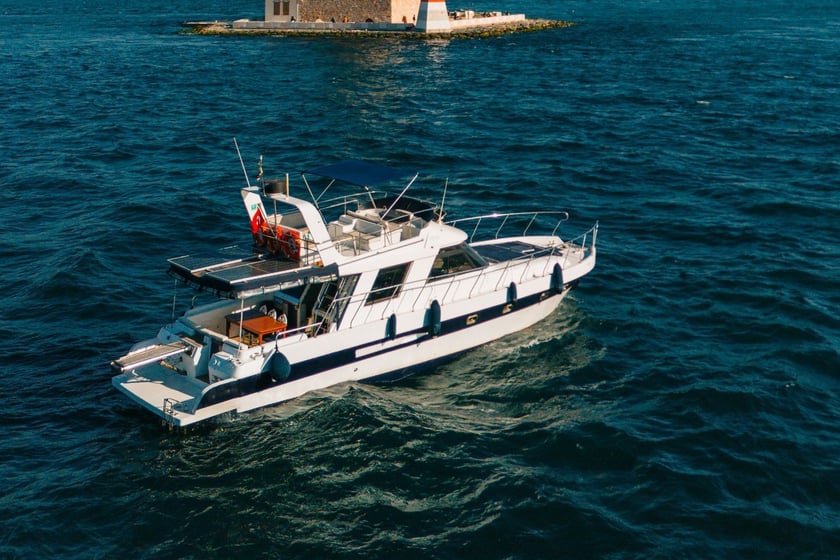
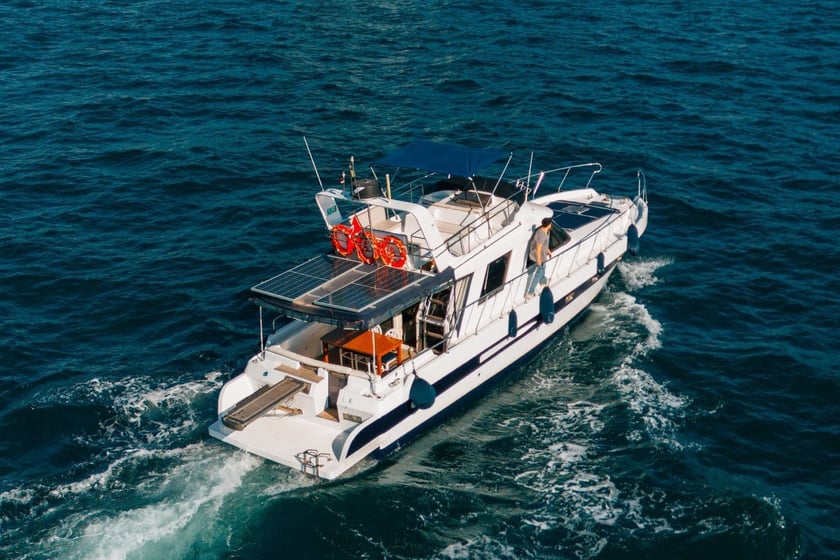
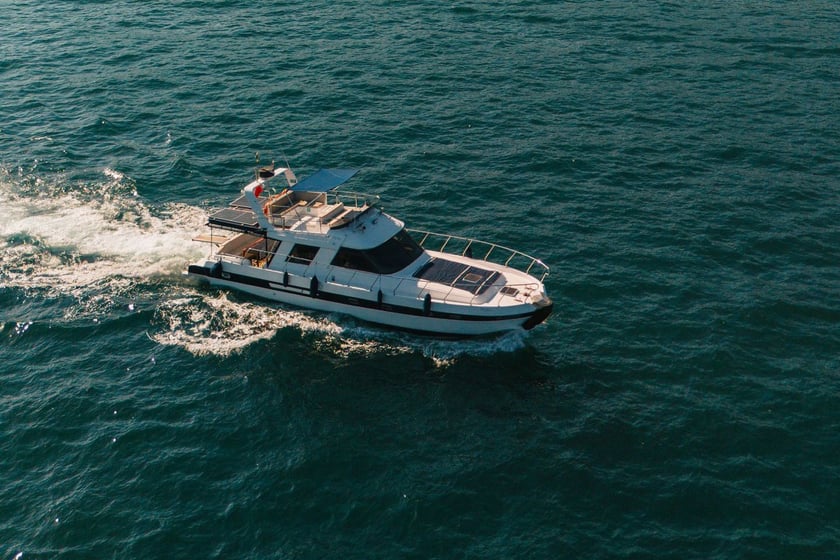
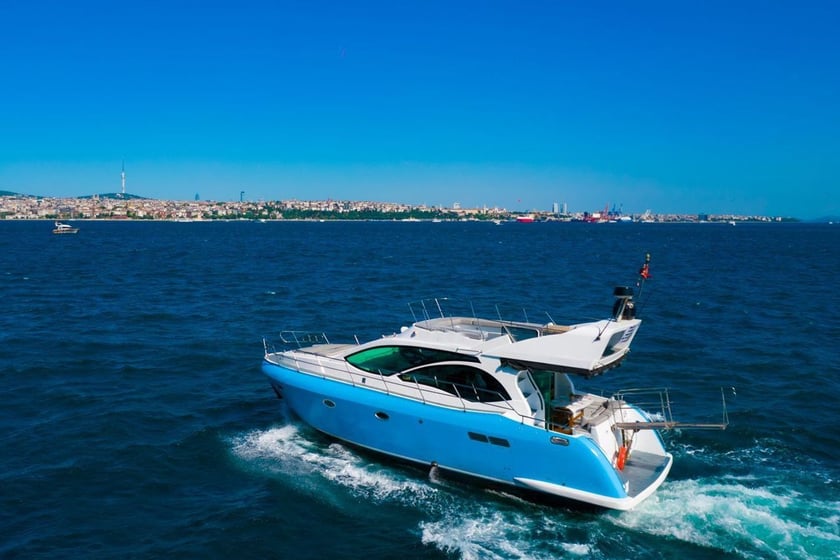
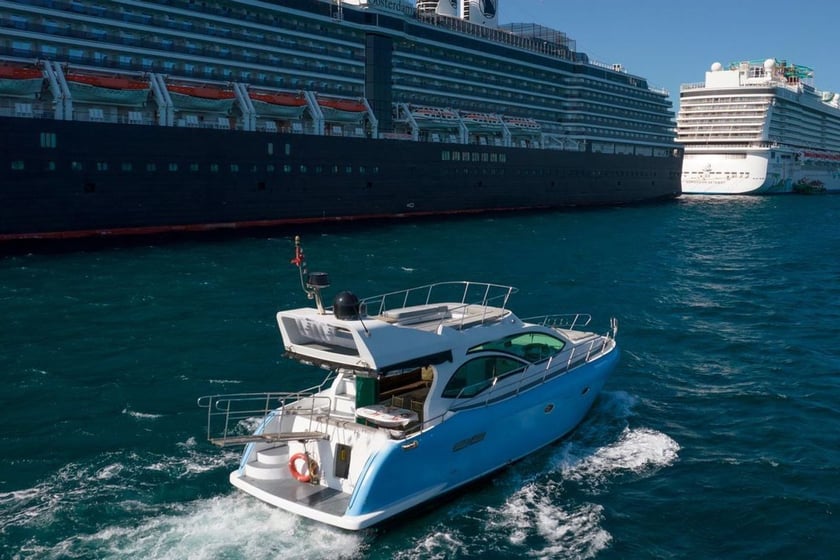
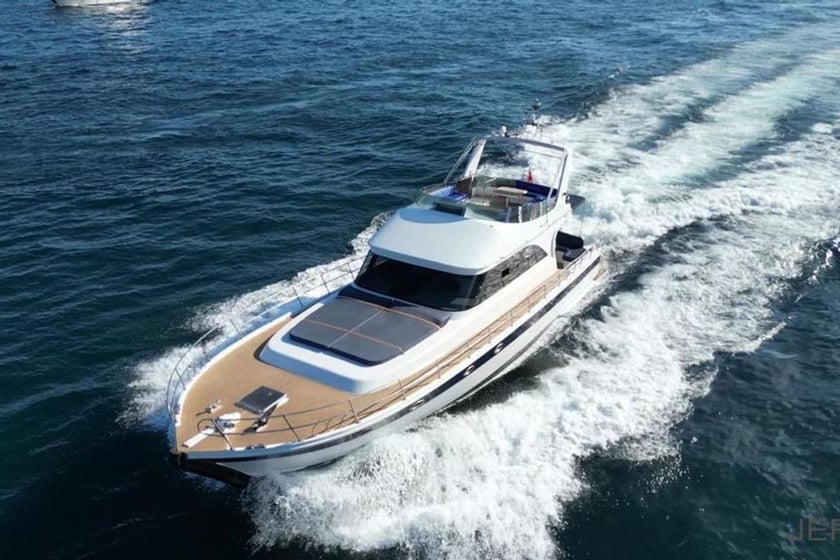
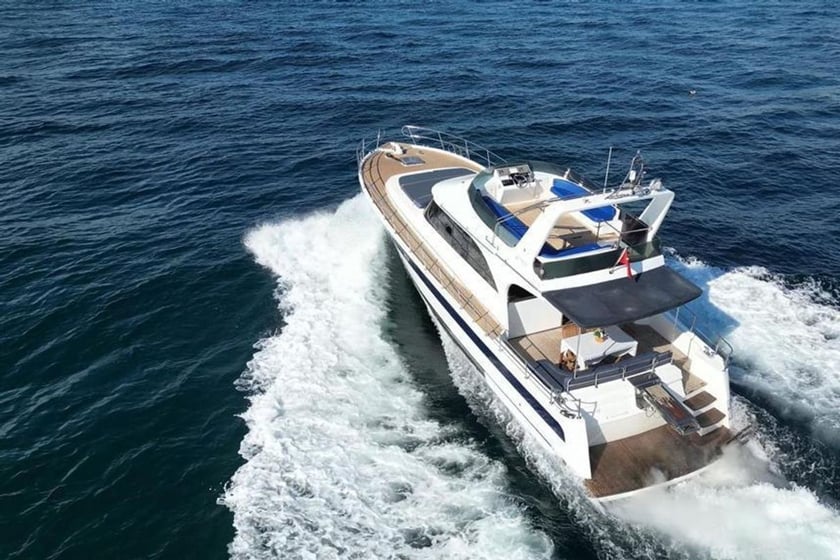
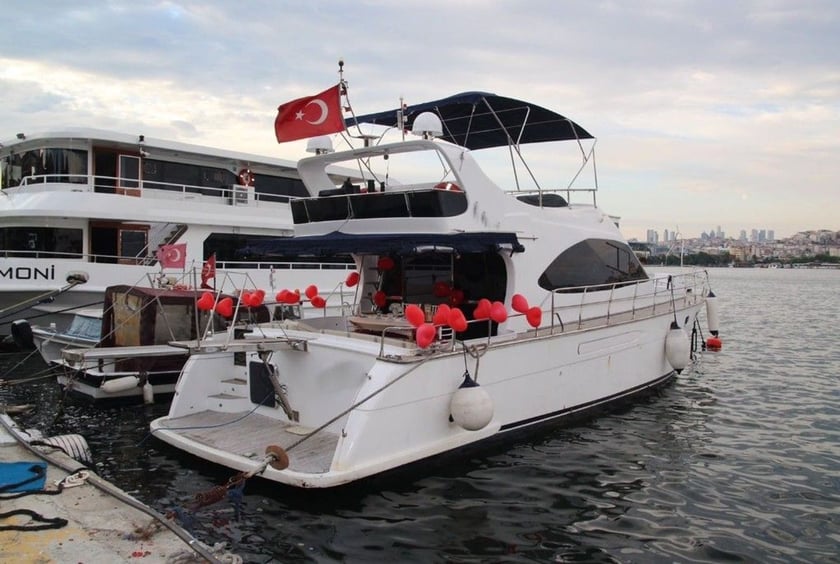
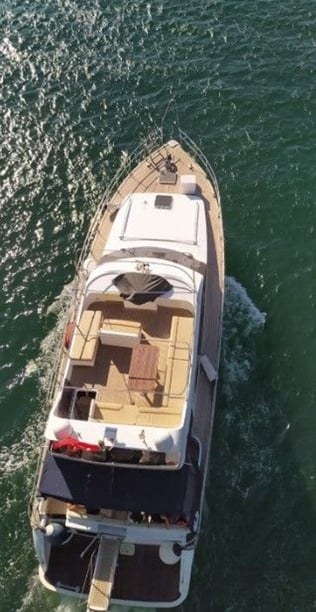
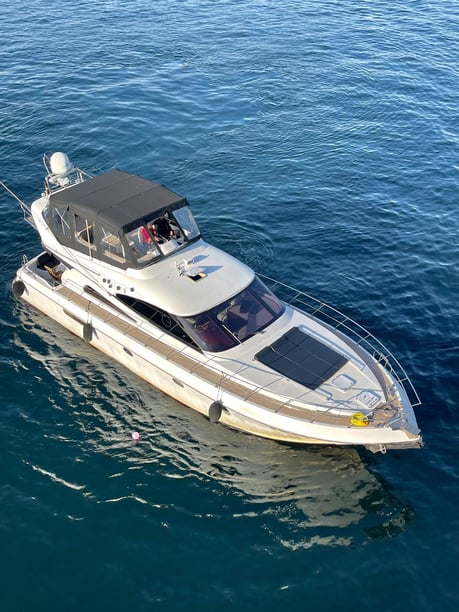
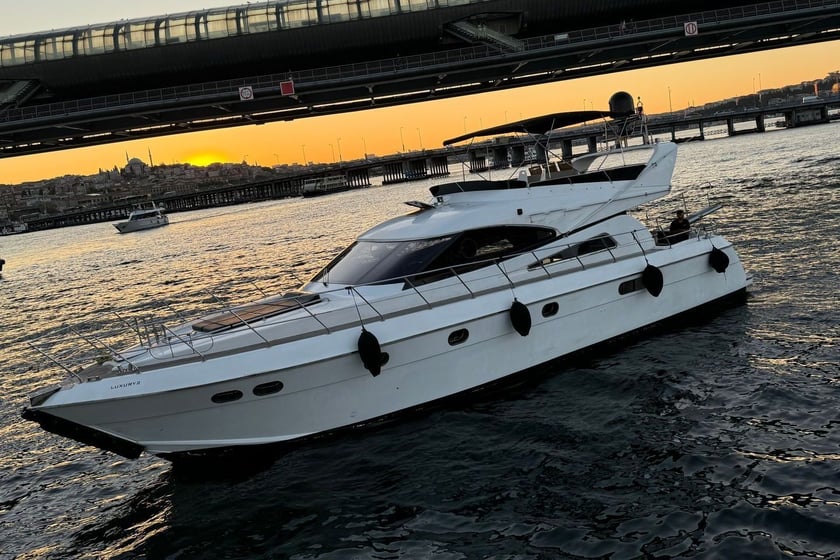
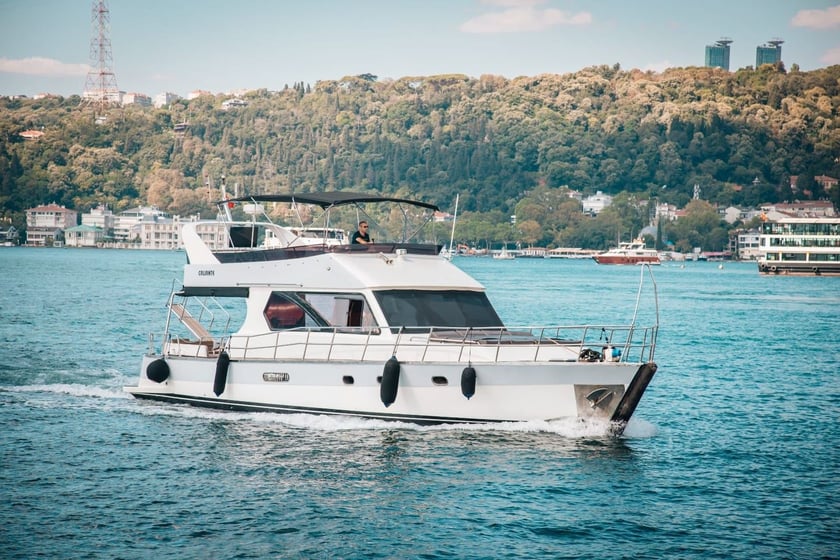
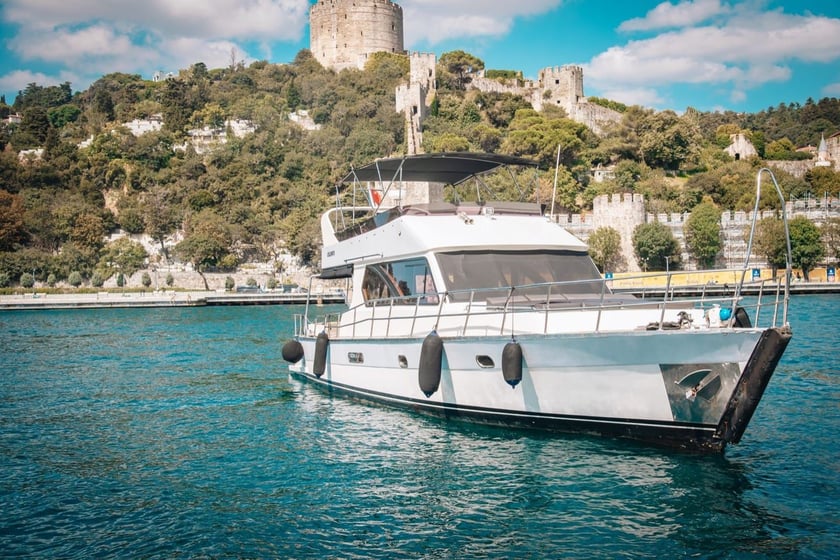
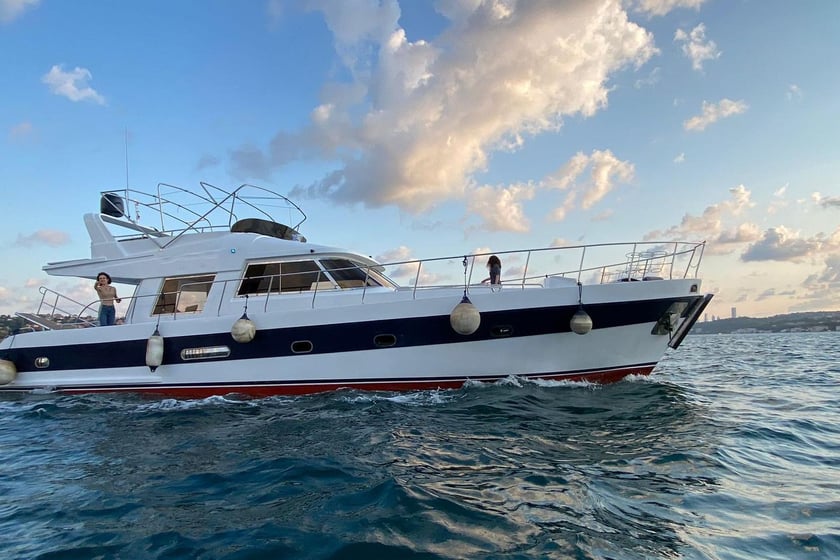
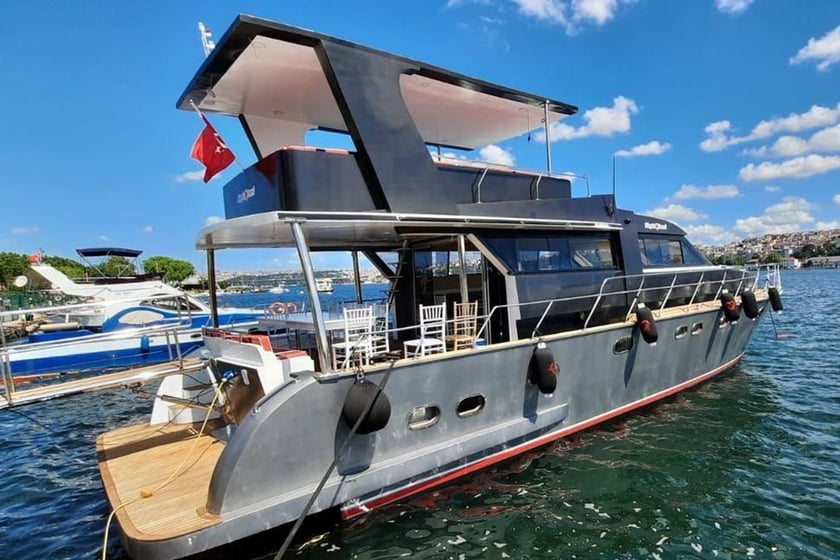
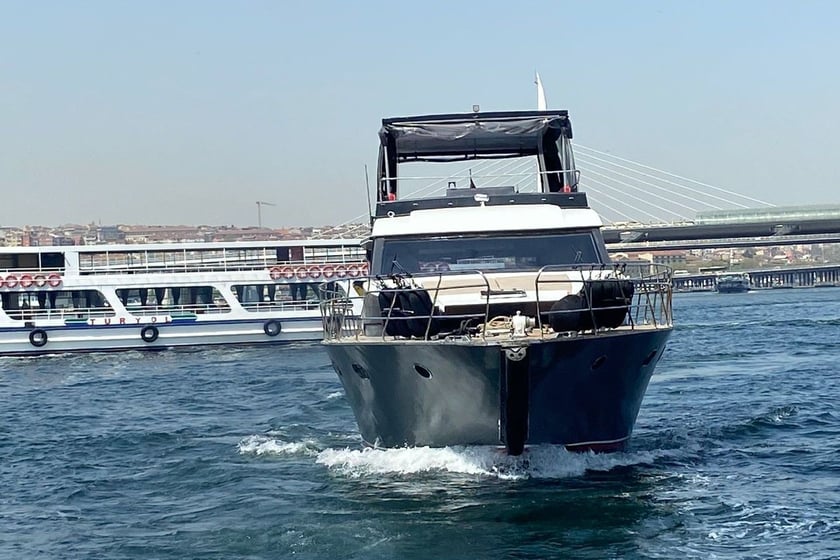
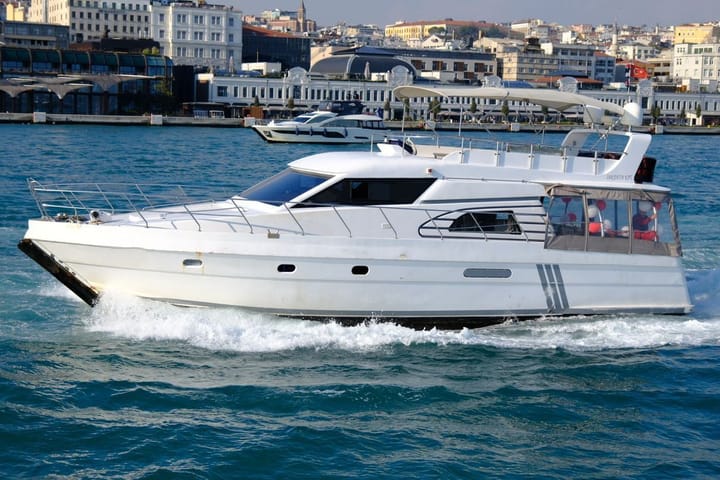
In Haliç, the itinerary should guide the boat choice. Travelers interested mainly in the entrance and central skyline may have more flexibility, whereas an outing toward Eyüpsultan requires closer attention to draft and bridge clearance. A low-profile motorboat charter in Haliç can be a practical concept for short urban cruising, while tall-masted or deep-draft boats face greater limitations farther inland.
Before confirming a trip, clarify the intended boarding point, cruise duration, planned shore stops and the farthest point upstream. Ask whether the proposed route passes beneath restricted bridges and whether current depth information is suitable for the vessel. At the Bosphorus-facing entrance, traffic awareness is also a significant operational consideration for the skipper.
Travelers should distinguish this experience from a multi-day coastal charter built around beaches, anchorages and overnight passages. Haliç works best for a focused city cruise, potentially integrated into a broader Istanbul stay. Those comparing it with more conventional charter formats can consult the wider yacht charter guide to understand how boat choice, trip length and cruising environment shape the experience.
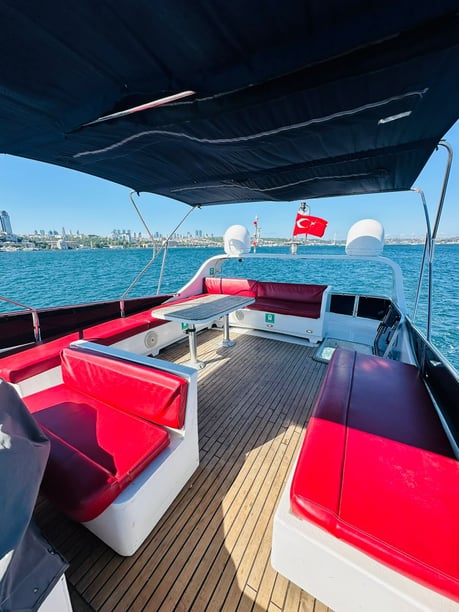
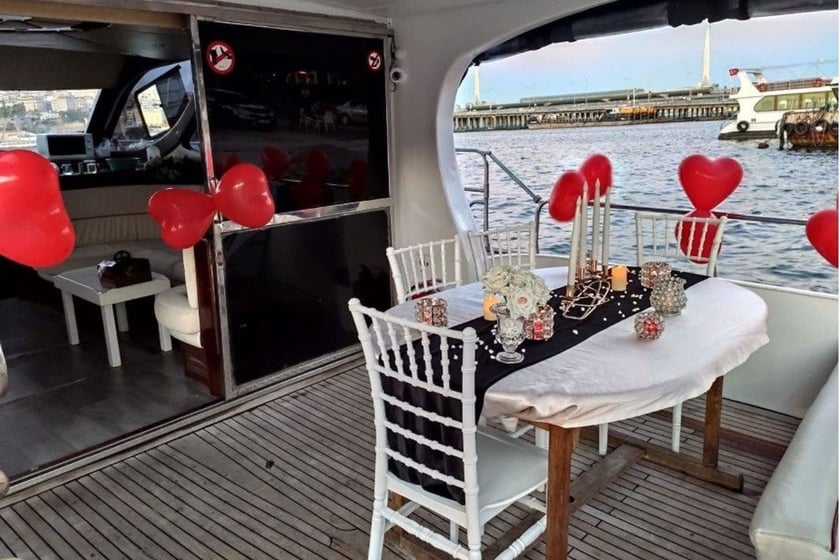
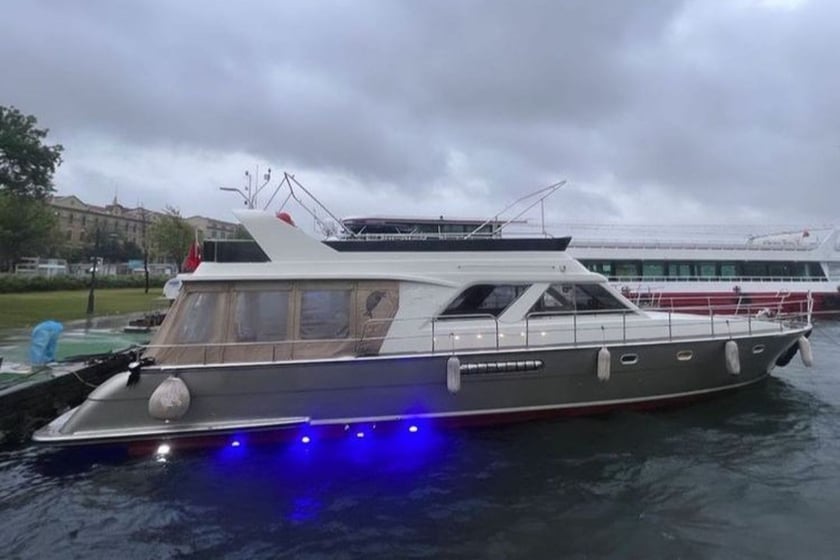
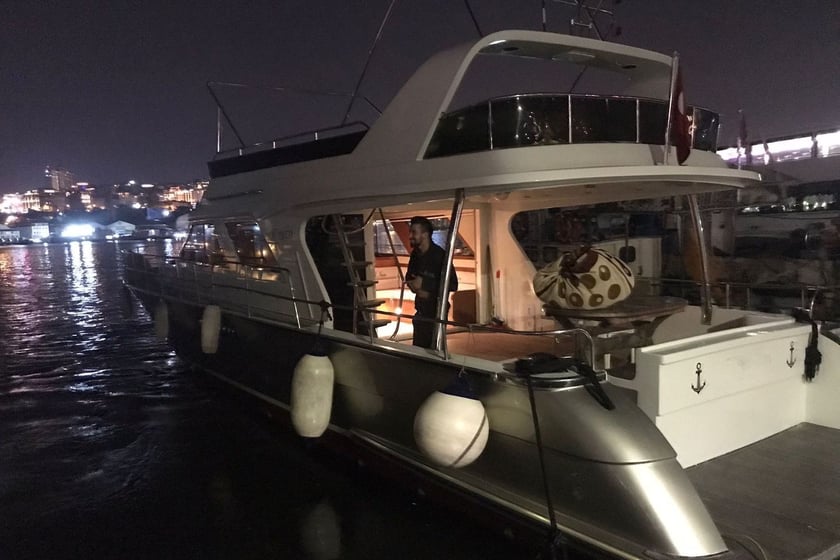





Verified
Cumhur A.03 Oct 2022
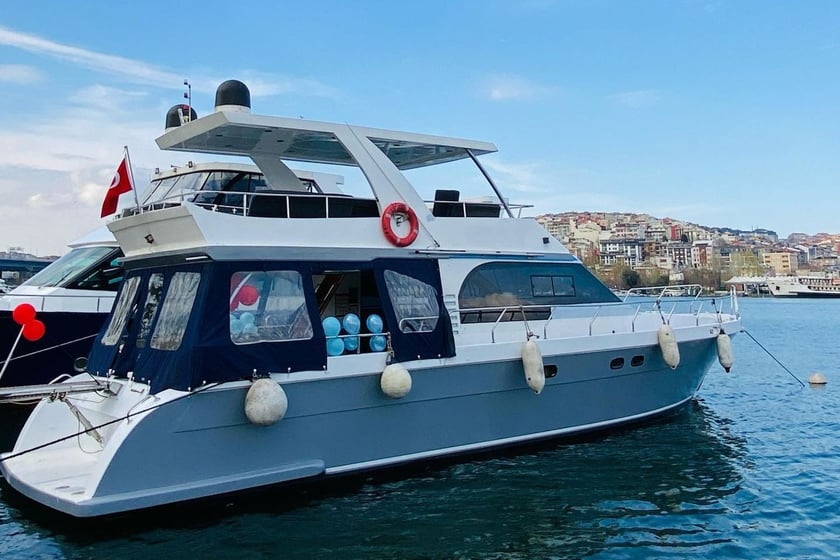
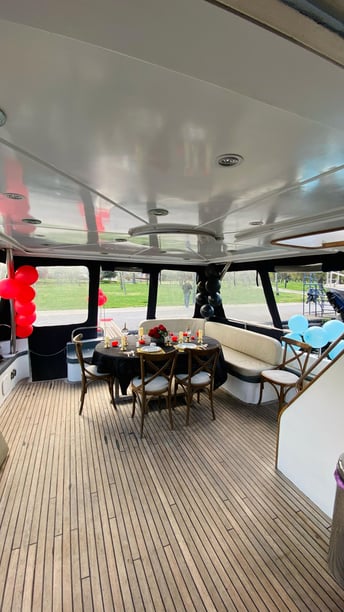
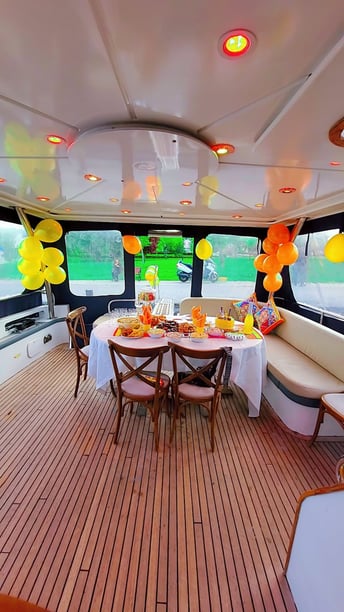
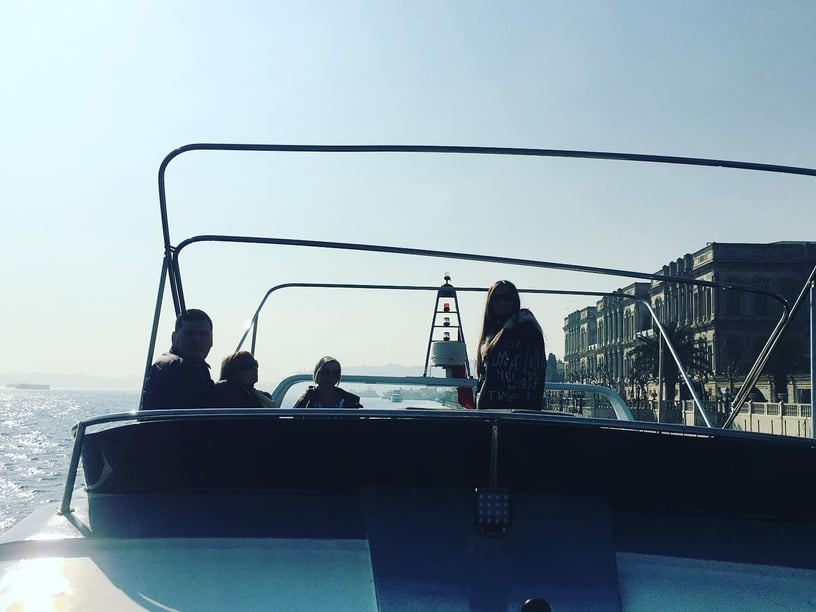
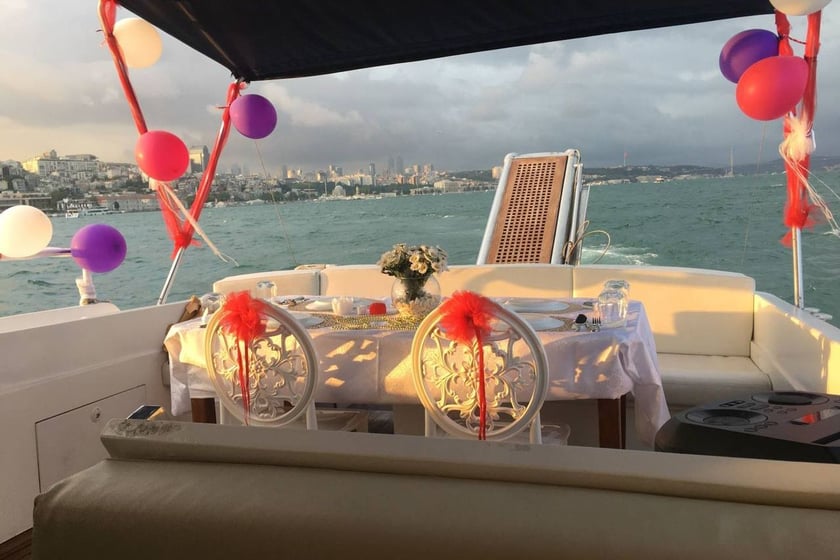
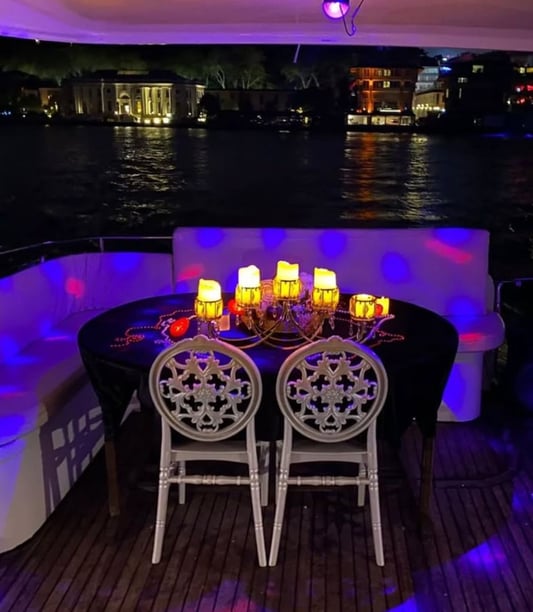
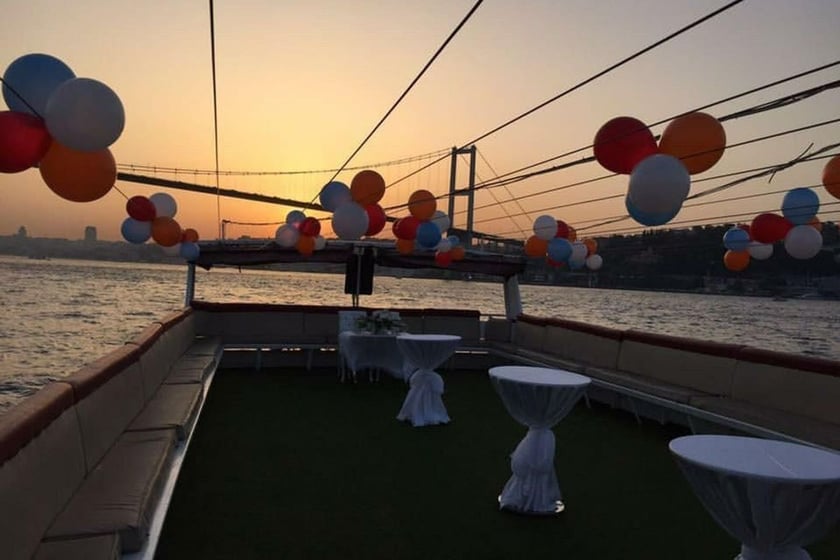
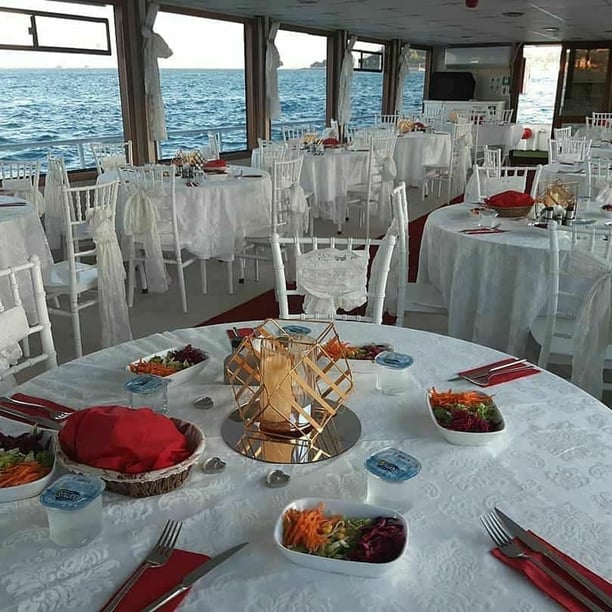
We celebrated my son's 18th birthday. We did a few hours tour, it was nice.
Listing owner: İbrahim HalilHalic / Turkey