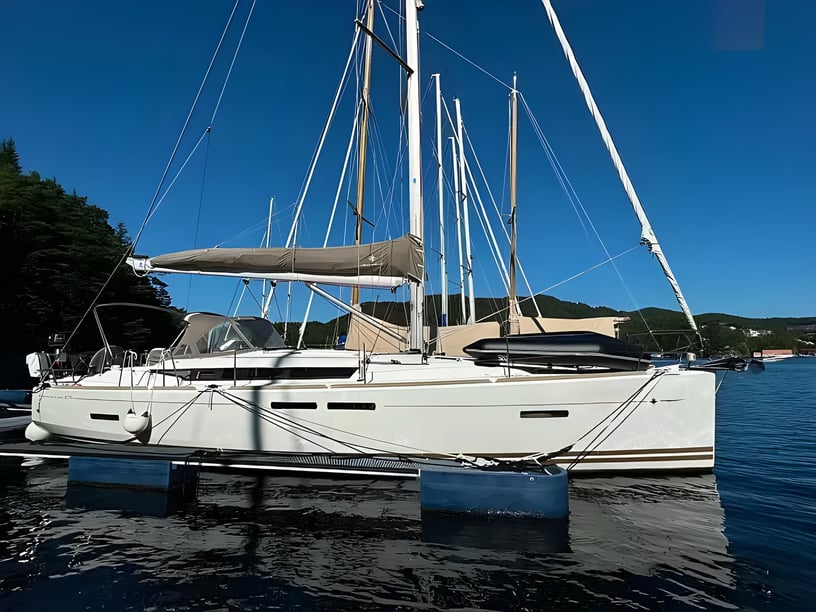
Yacht charter around Hjellestad
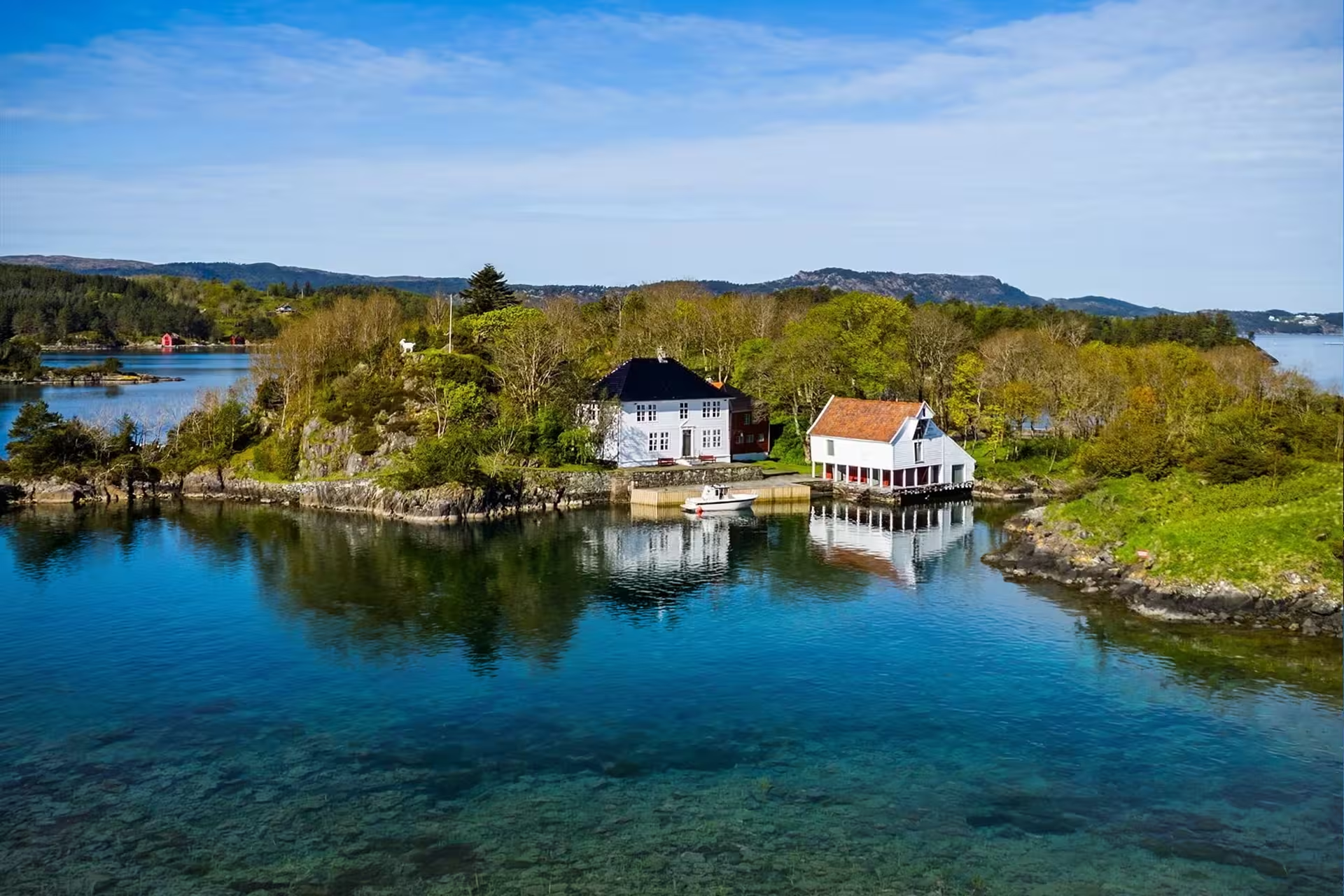
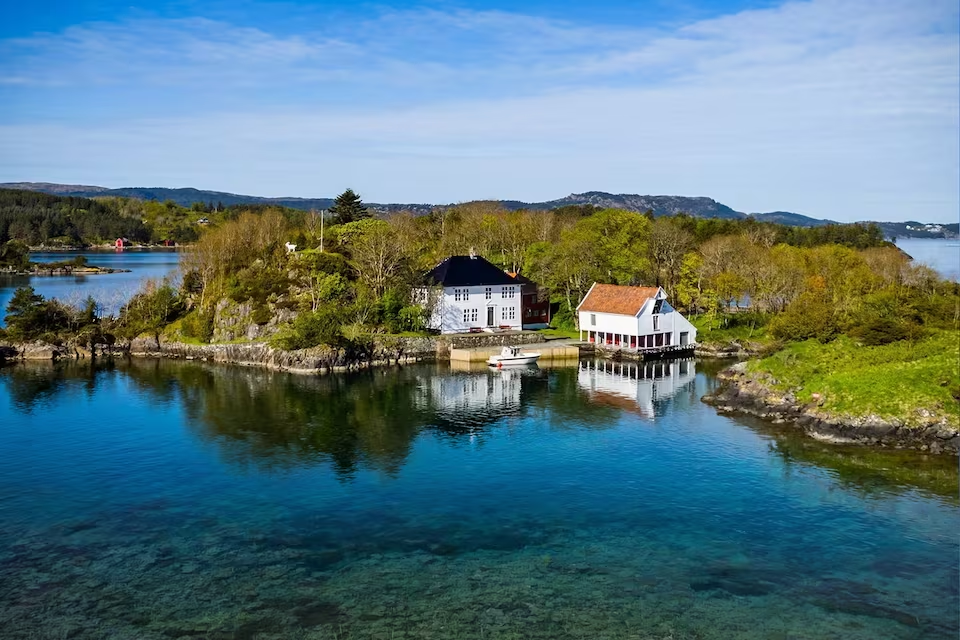
Hjellestad is a small coastal settlement in Bergen municipality, set on a low peninsula south of central Bergen. Raunefjorden lies to the west, while the Milde shoreline and Fanafjorden are to the east. Marinas, sailing clubs and a ferry quay give the locality a distinctly maritime role without the scale or bustle of a large city harbor.
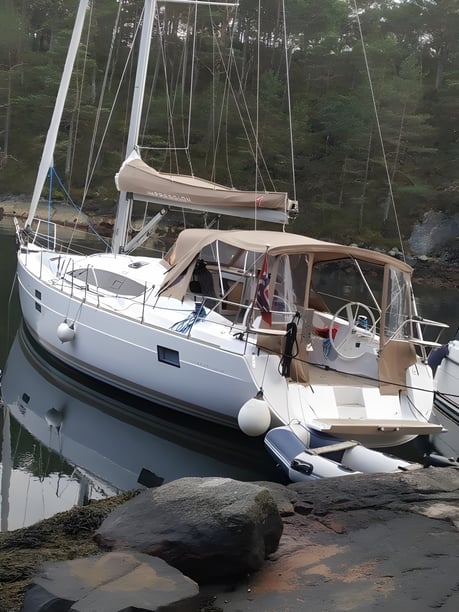
A yacht charter in Hjellestad provides access to sheltered harbor basins, short passages among nearby islands and more open sailing across Raunefjorden. Bjelkarøy, Lerøy and Sotra sit across the surrounding channels, while Bergen and its airport remain close by. This combination makes Hjellestad relevant both as a possible departure area and as a quieter coastal stop within a wider yacht charter in Norway.
Islands and coastal places to explore
Bjelkarøy and Lerøy are natural reference points for cruising west of Hjellestad. The channels between these islands and Sotra create opportunities for short passages in which land often remains in view. Klokkarvik, reached by the local ferry after its island stops, is another useful point for understanding how the mainland and island communities connect across Raunefjorden.
Closer to Hjellestad, Milde offers a contrasting shore-based interlude. Mildevågen is one of the area’s potential departure points, while nearby coves and coastal recreation areas include Steingardsvikane, Grønevika and Sandholna. These places suit a trip that combines time aboard with walking, bathing or a visit to the gardens at Milde. Bergen can form part of the broader travel plan, but Hjellestad itself retains a smaller, more residential harbor atmosphere.
What sailing from Hjellestad is like
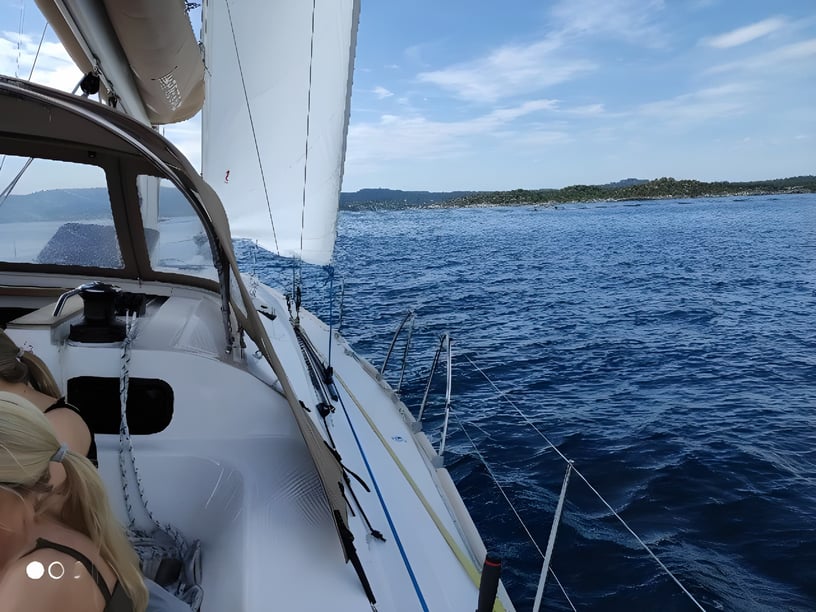
Cruising conditions vary noticeably over a relatively compact area. Kviturspollen provides protected sailing-club waters, whereas routes leading onto Raunefjorden are more exposed. The wider cruising ground connects with Lerøyosen, Kobbaleia and the channels around Bjelkarøy, Lerøy and Sotra, allowing crews to move between sheltered sections and open-water crossings.
The overall sailing difficulty is moderate. Marked routes across Raunefjorden are generally straightforward, but the island-and-skerry coastline still calls for normal coastal navigation. Hjellestad Marina reports some current in its approach and exposure to winds from the south and from west through northwest. Scheduled ferries also operate between Hjellestad, the islands and Klokkarvik, so maintaining awareness of ferry movements is part of local passage planning.
Weather is maritime and changeable, with rain possible throughout the year. Even in summer, plans should allow for shifts in wind and visibility rather than relying on a fixed daily schedule.
The best time for a Hjellestad yacht charter
May through September is the principal recreational boating season around Hjellestad. Longer daylight, milder temperatures and a wider range of boating activity make this the most practical period for a conventional yacht holiday. June, July and August are the particularly suitable months, generally offering the most comfortable overall conditions and calmer average winds than much of the year.
May and September sit outside the main summer peak but can still work well for travelers prepared for cooler, more variable weather. April may provide usable spring windows, while October is typically cooler, wetter and windier. The windier part of the year generally extends from late September through March. Although year-round harbor facilities make winter boating possible, winter is less suited to a typical leisure charter.
Route ideas in the surrounding waters
One established passage through the waters west of Hjellestad runs northbound via Lerøyosen, Raunefjorden and Kobbaleia. It links several parts of the immediate cruising ground without requiring a detailed day-by-day itinerary.
A shorter local plan can focus on the channels around Bjelkarøy and Lerøy before returning to Hjellestad or continuing toward Sotra and Klokkarvik. These routes are well suited to travelers who prefer manageable island passages and frequent coastal reference points. The final route should reflect the vessel, forecast, crew experience and operating arrangements of the chosen charter.
Coastal experiences on and off the water
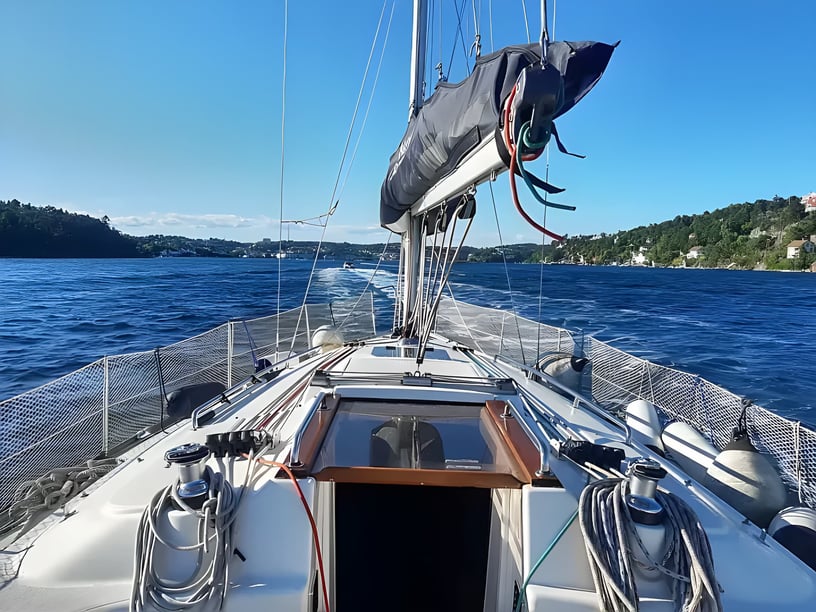
Hjellestad works particularly well for trips that balance sailing with simple shore visits. Protected harbor waters and short island passages can suit families and crews interested in line-of-sight cruising, while Raunefjorden introduces a more open sailing environment without leaving the immediate area.
At Milde, travelers can go ashore for the Arboretum and Bergen Botanical Garden, coastal paths and established bathing coves. The gardens occupy a landscape with both botanical and cultivated-history interest, giving the day a different focus from the nearby island passages.
Local maritime culture is visible in the sailing associations, guest harbors and ferry links that connect mainland and island communities. Bergens Seilforening, founded in 1872, maintains its sailing base at Kviturspollen. This continuing boating tradition helps distinguish Hjellestad from a purely residential suburb of Bergen.
Access, marinas and departure points
Bergen Airport, Flesland is the most relevant airport for Hjellestad. The settlement can be reached by road and local bus services from both the airport area and Bergen. A ferry from Hjellestad calls at Bjelkarøy and Lerøy before continuing to Klokkarvik on Sotra, providing an additional link across the local boating area.
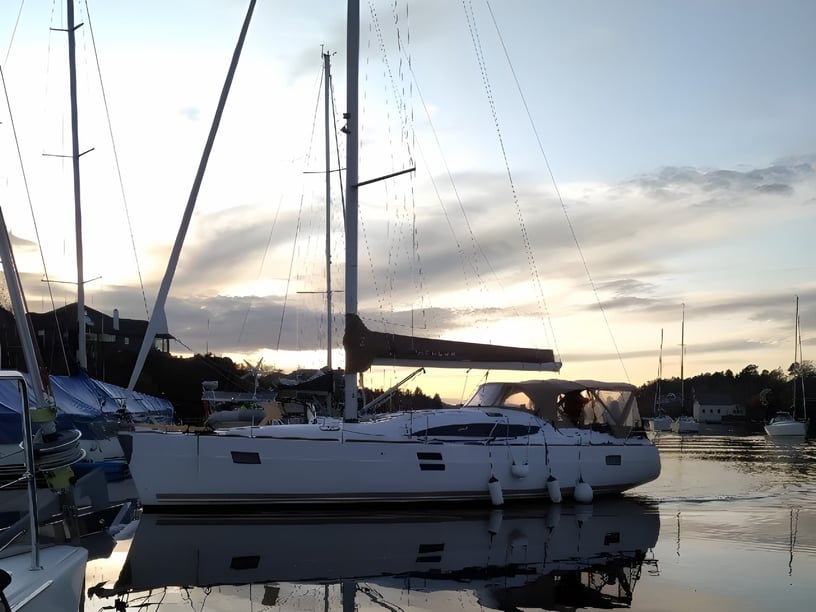
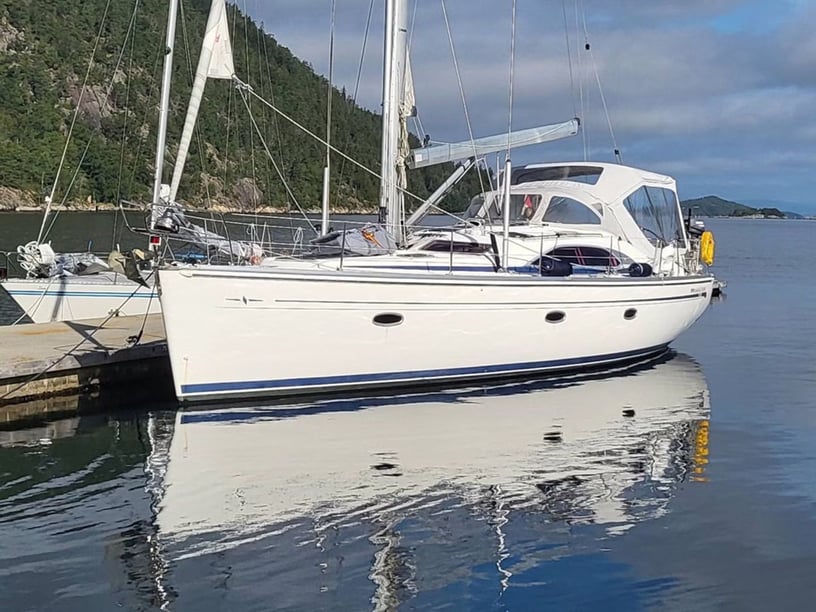
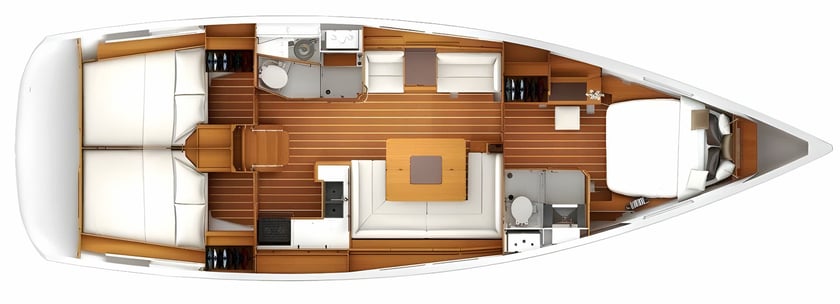
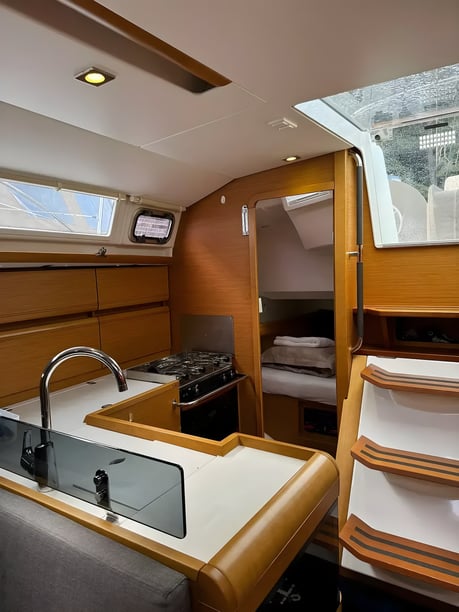
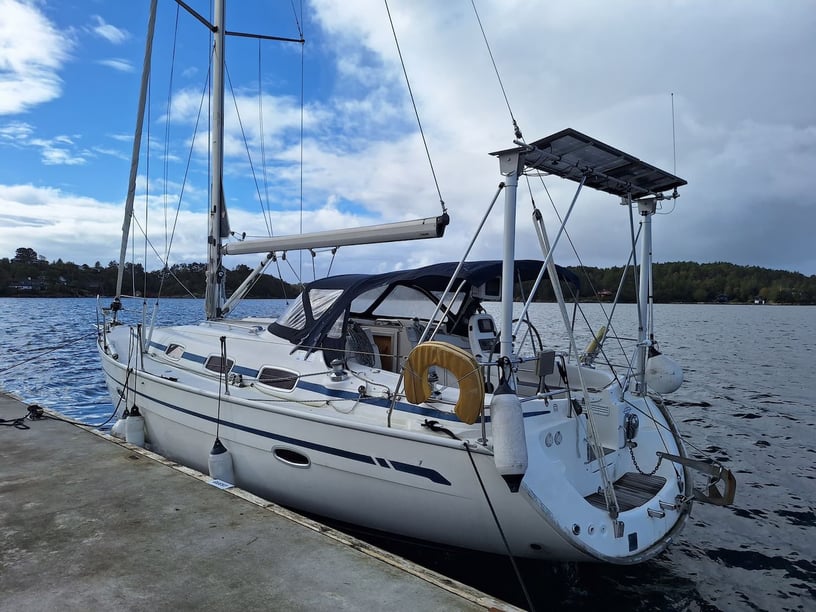
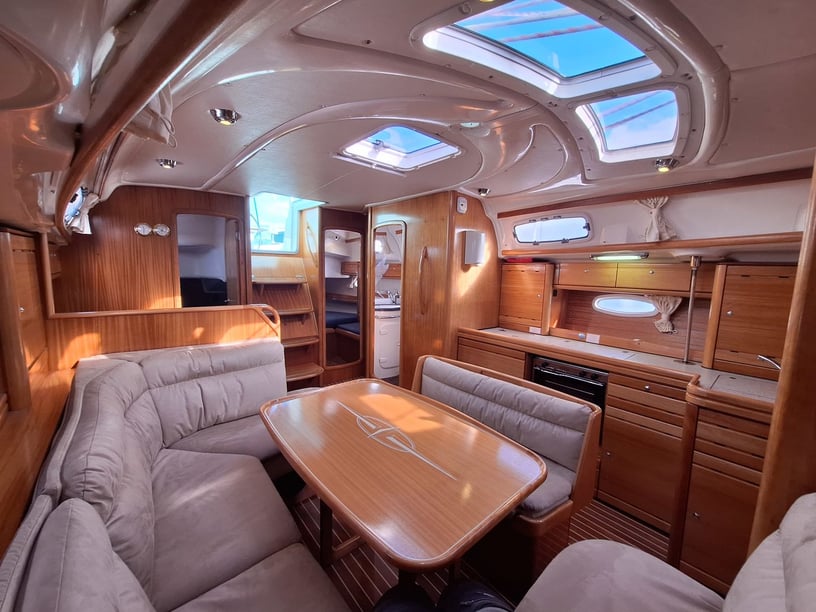
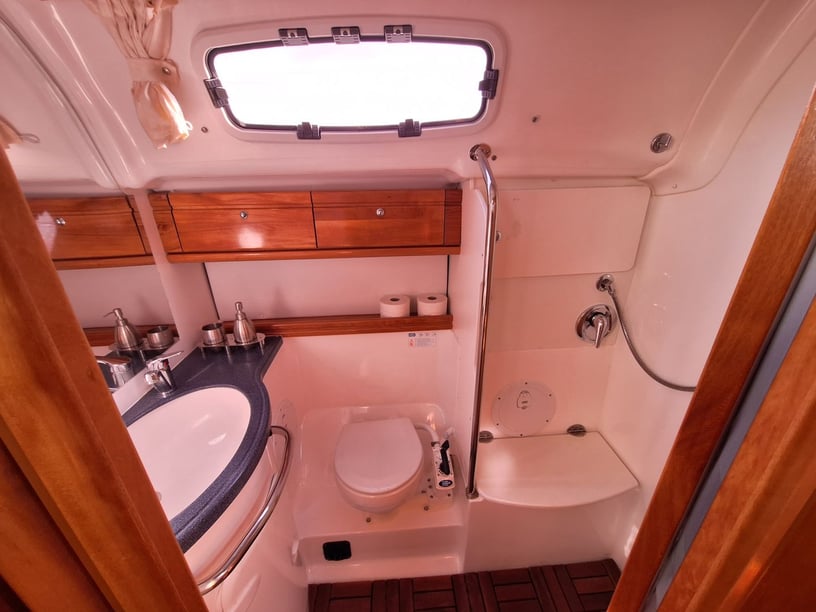
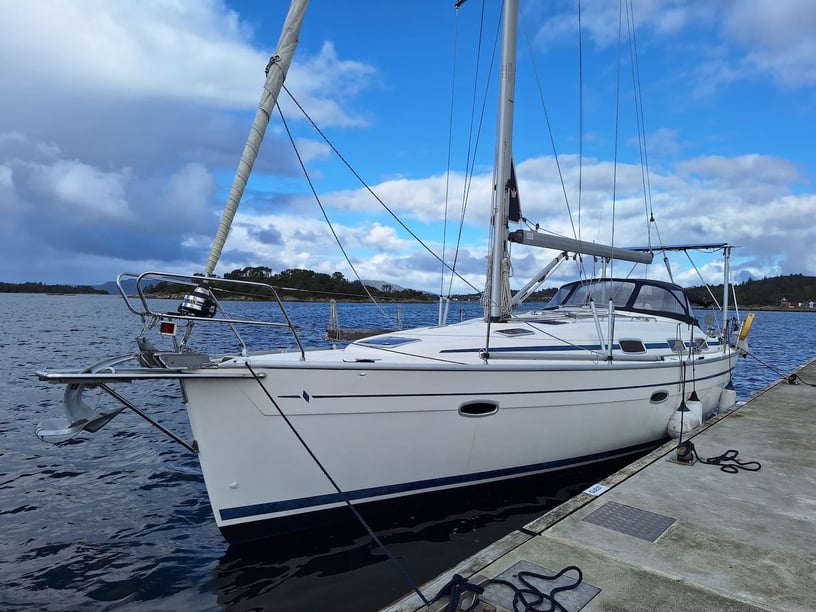
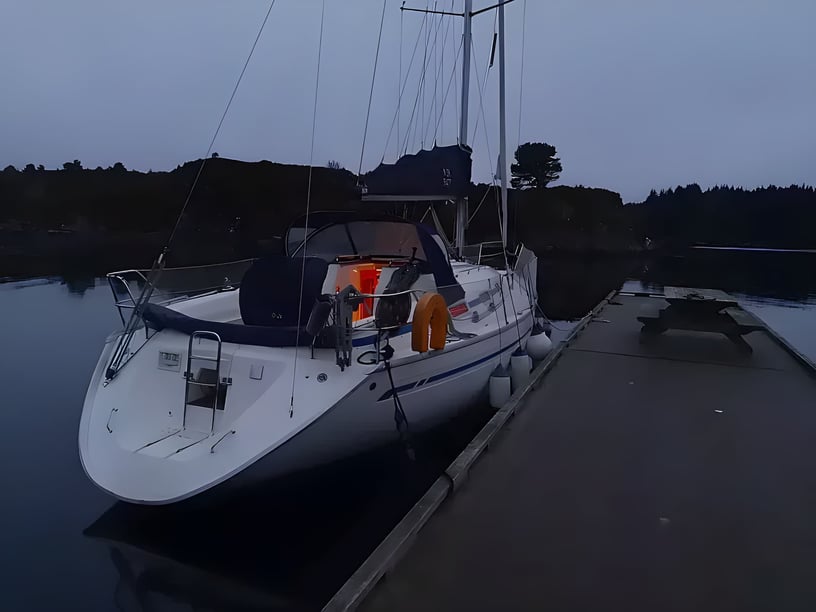
Potential starting points include Hjellestad Marina, the Bergens Seilforening facilities and guest harbor at Kviturspollen, and Mildevågen. Hjellestad should be viewed as a compact harbor and departure area rather than automatically assumed to be a major charter base. The precise embarkation point depends on the selected boat and operator.
Provisioning and guest-harbor services are concentrated around Hjellestad Marina and Kviturspollen. Opening times, berthing arrangements and other operational details should be checked before arrival.
Planning your charter
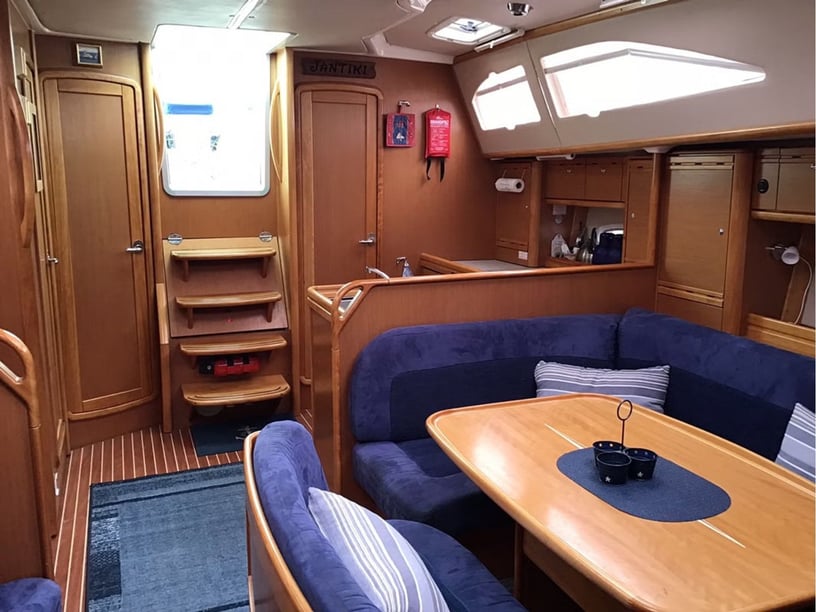
When comparing yacht charter or boat rental in Hjellestad, consider how much of the trip will take place in protected local waters and how much will involve exposed sections of Raunefjorden. The area’s moderate difficulty means the route should match the crew’s coastal experience, particularly when wind affects the marina approach or open-water crossings. Travelers unfamiliar with these conditions should clarify skipper and crew arrangements when reviewing a charter.
Bring waterproof clothing and warm layers even for a summer trip. Cold-water safety equipment remains relevant throughout the season, and an itinerary with some flexibility is more practical than one dependent on a rigid sequence of stops.
Current large-scale nautical charts and applicable Norwegian Notices to Mariners corrections should be used for the surrounding island and skerry waters. Before departure, confirm local weather, ferry schedules, harbor services and the exact embarkation arrangements. These checks are especially important when combining Hjellestad’s small harbors with passages toward Bjelkarøy, Lerøy or Sotra.