2 catamarans
Lagoon
Popular models: 450 and 450F
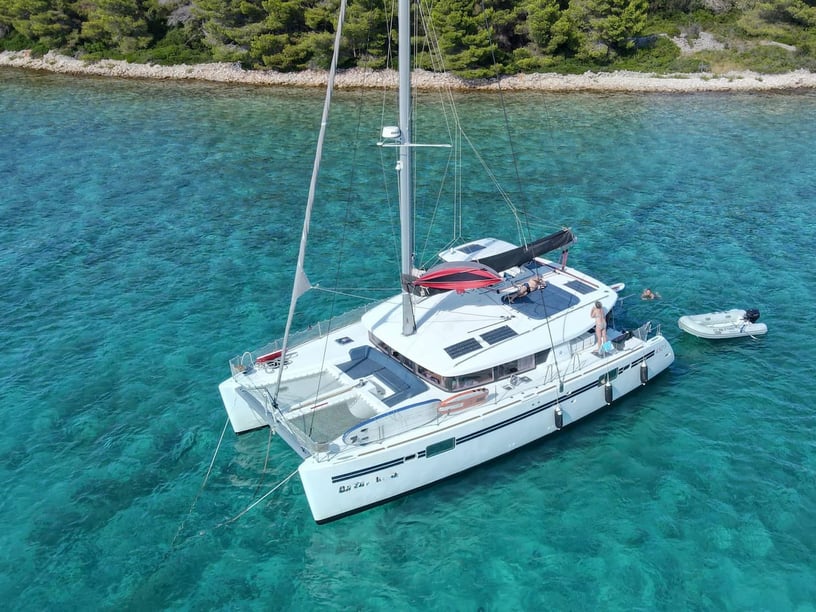
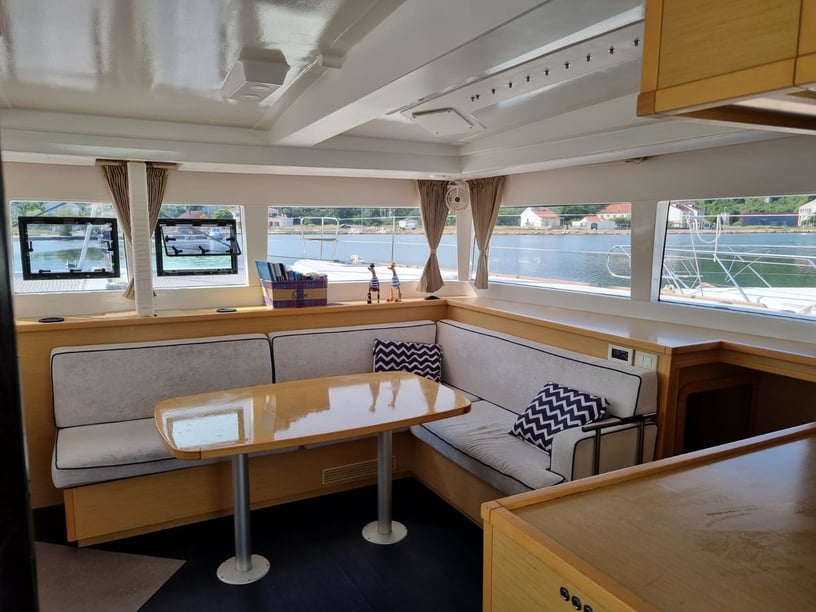
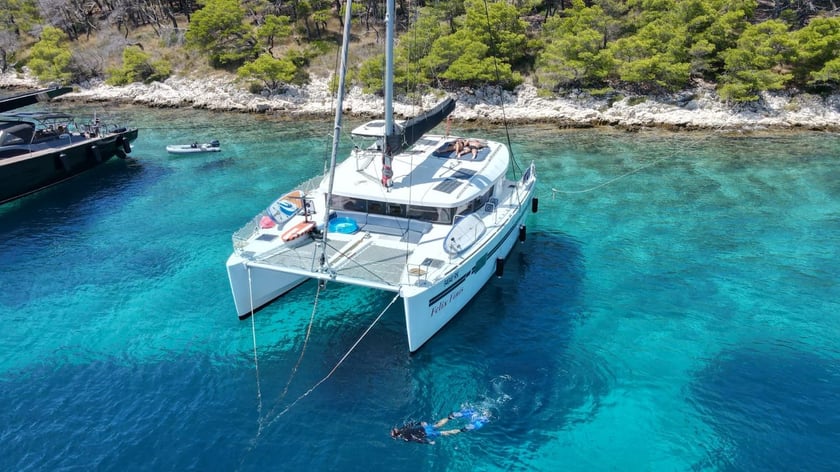
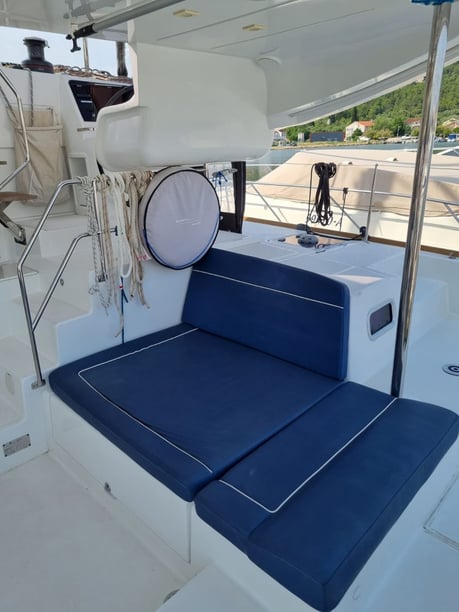
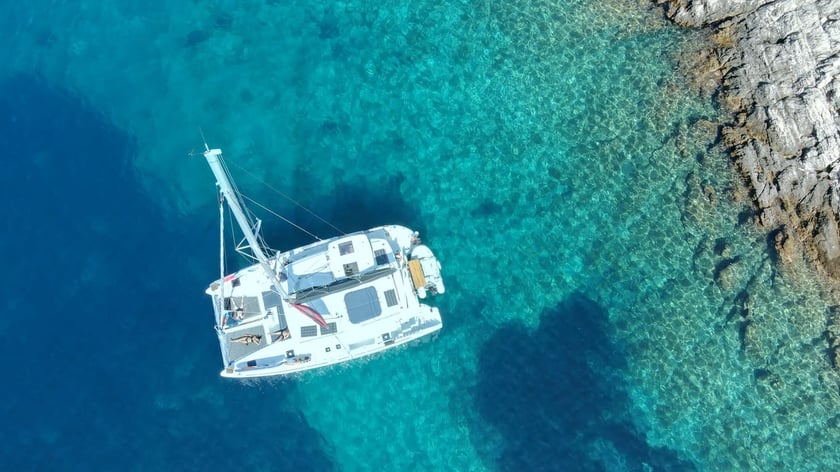
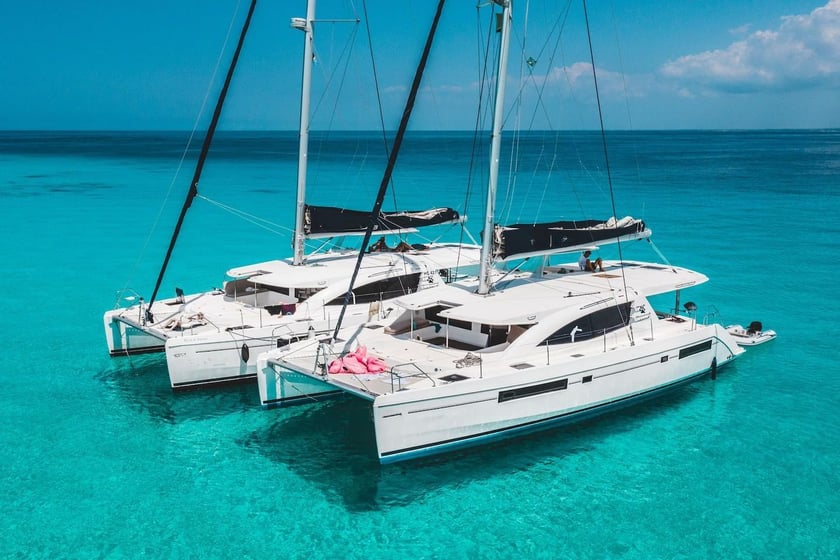
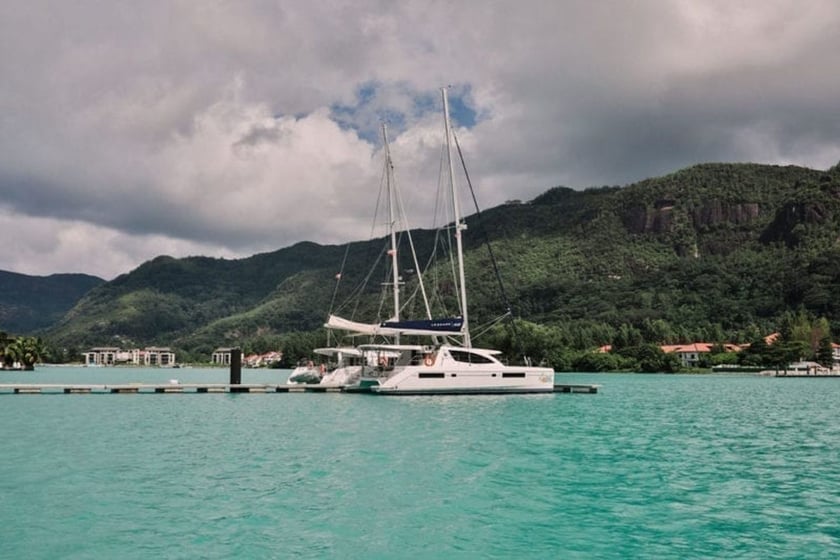
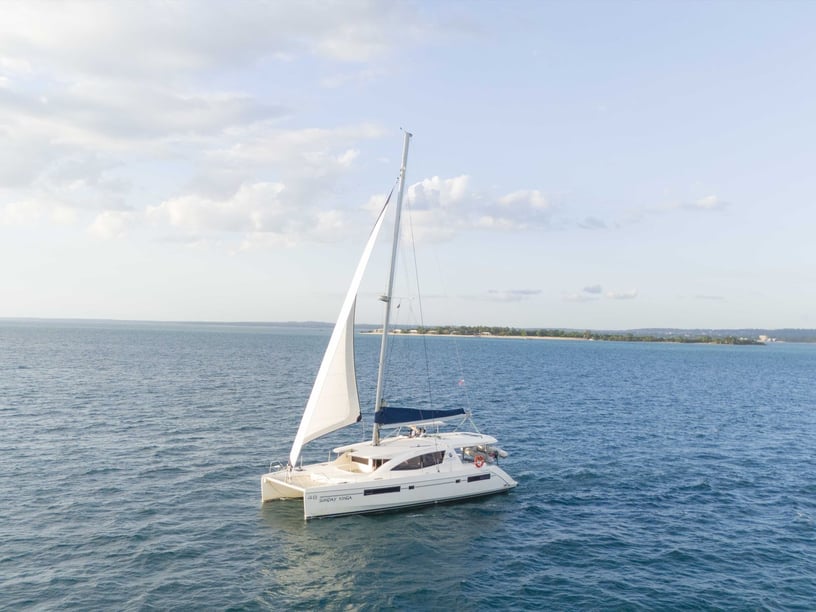
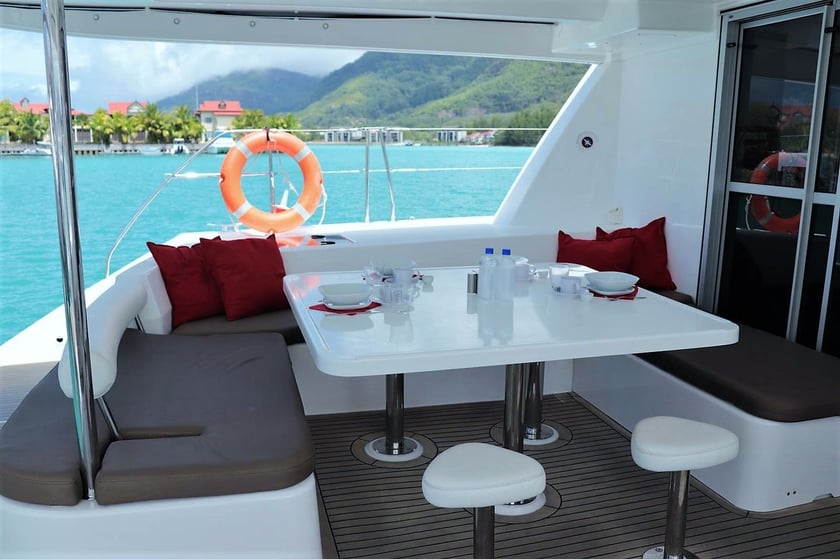
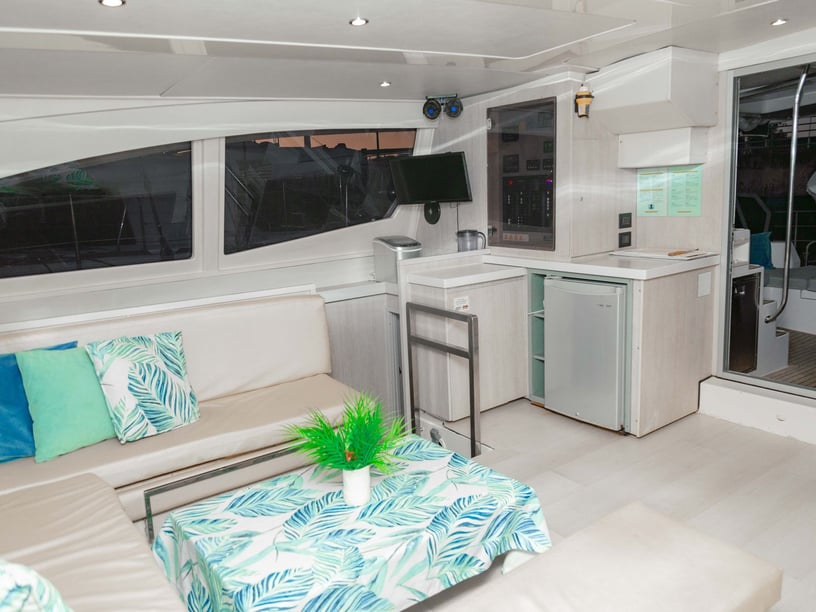
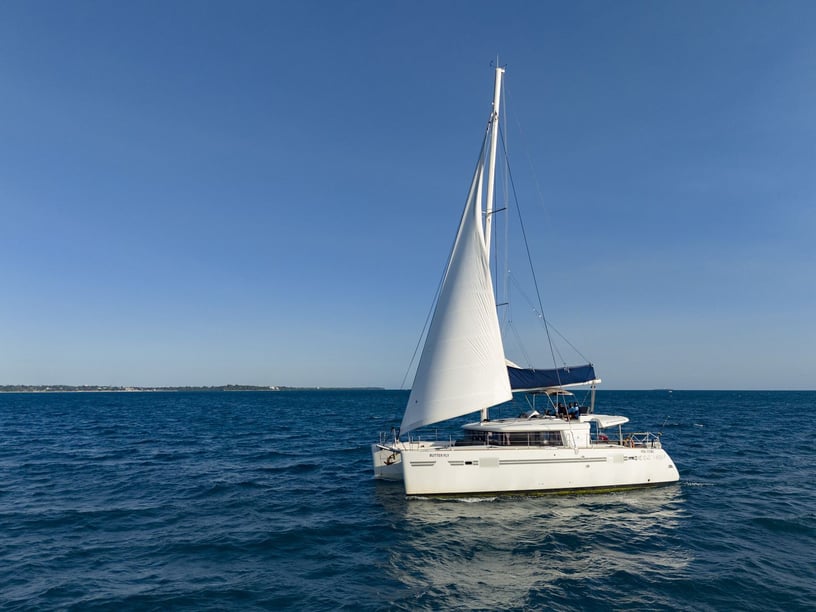
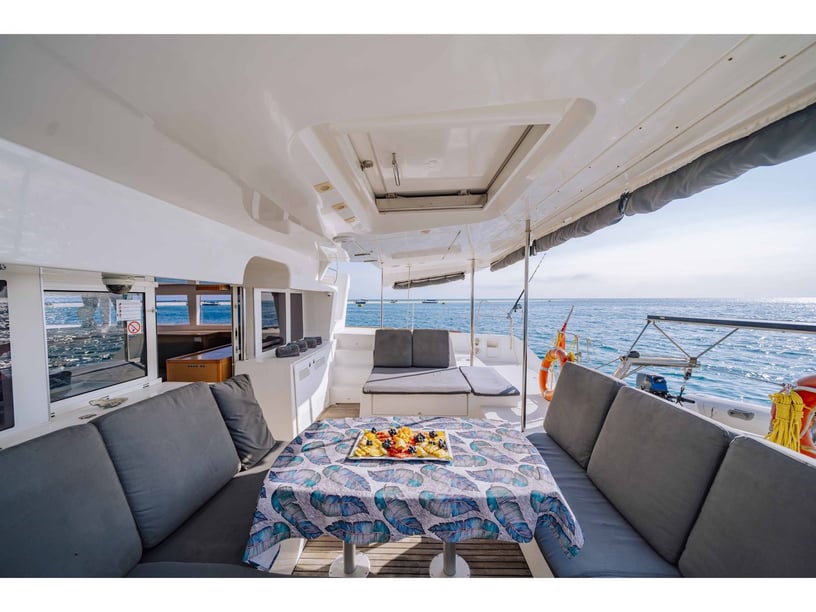
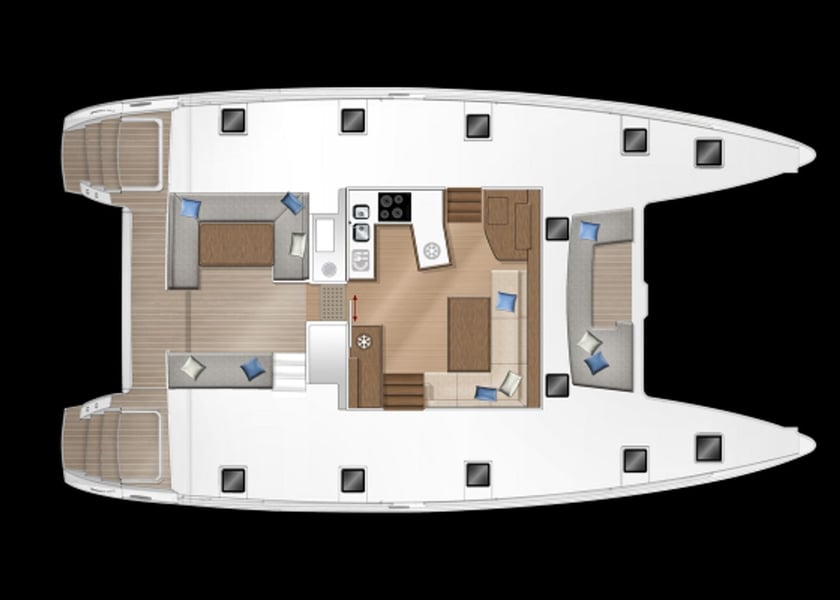
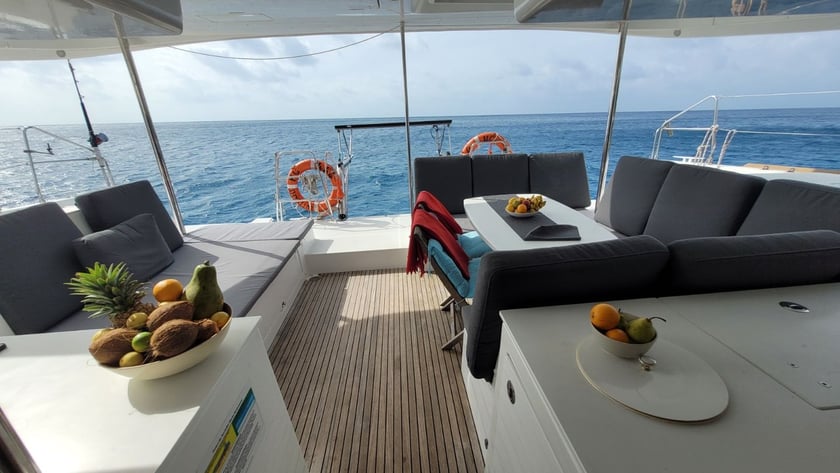
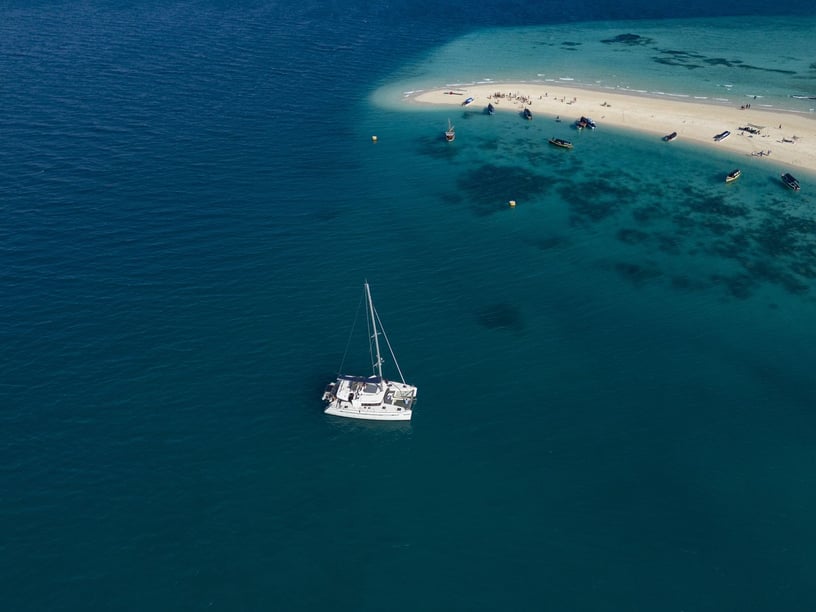
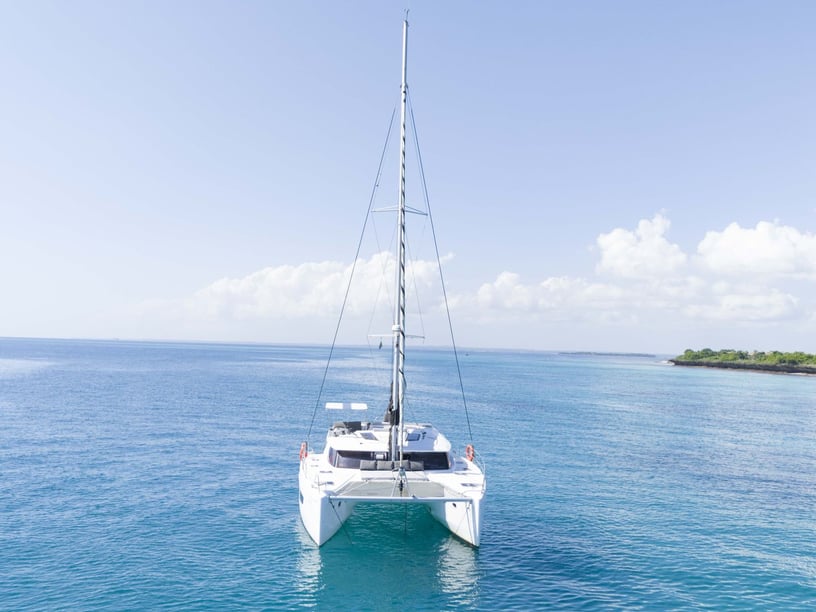
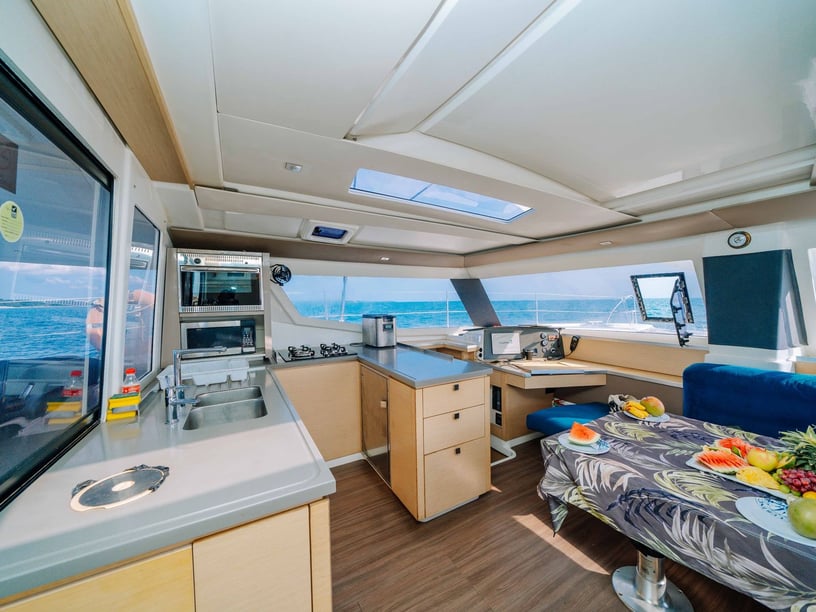
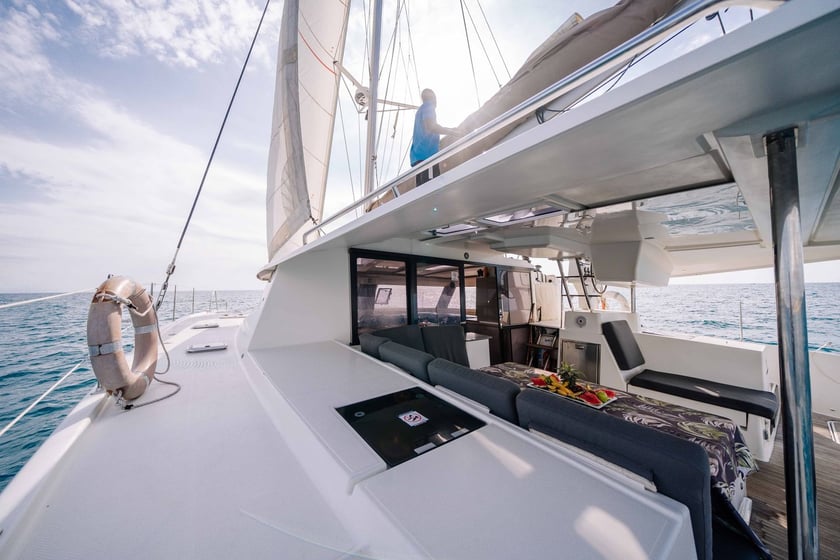
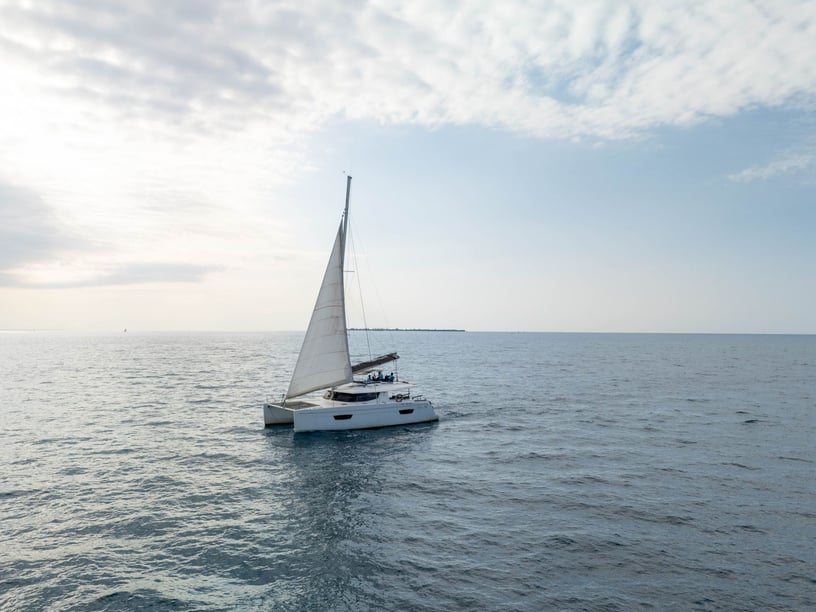

Explore popular catamaran brands and models available for charter in Africa.
Popular models: 450 and 450F

Popular models: 48
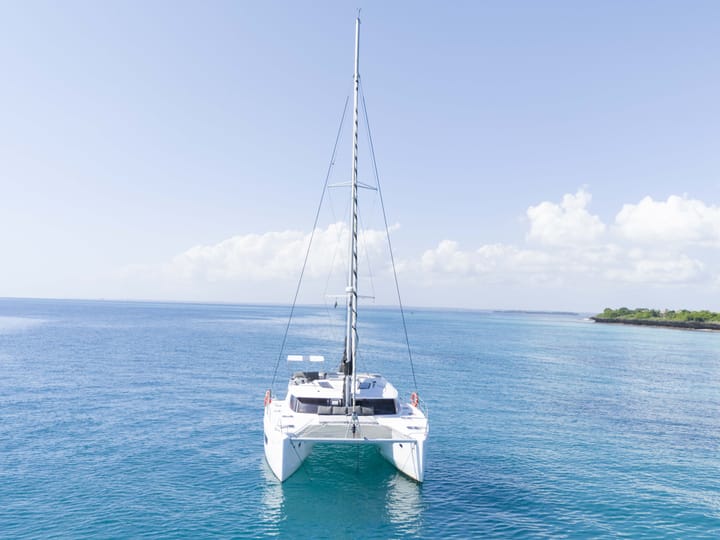
Popular models: Helia 44 Evolution
Trusted by thousands of travelers booking boat rentals every year.
Compare the available catamaran charter options in Africa based on your experience and travel style.
A professional skipper handles navigation while you relax and enjoy the trip. No boating experience is required.

Operate the boat yourself for maximum independence. A valid boating licence may be required depending on local rules.
Planning a catamaran charter in Africa means choosing among separate cruising regions rather than following one continuous coast. The continent spans Mediterranean, Atlantic, Red Sea and Indian Ocean waters, with conditions and infrastructure varying considerably between them. For a broader view of vessels and destinations, see yacht charters in Africa.
A catamaran’s twin hulls create wide communal areas, relatively stable cruising and less heel than a monohull. Cabins are generally distributed between the hulls, leaving the central saloon, cockpit and deck areas for shared time. This arrangement works particularly well for island-hopping holidays that balance cruising with swimming, anchoring and meals on board. Travelers comparing the format beyond this region can also explore catamaran charter options worldwide.
The Seychelles Inner Islands offer one of Africa’s clearest island-hopping settings, with relatively short passages between Mahé, Praslin, La Digue and nearby protected marine areas. In Mozambique, trips from Vilankulo can connect Bazaruto, Benguerra and Magaruque with reef and sandbank areas. Shallow draft may be useful in such environments, although reefs, channels and limited buoyage still make current charts and local knowledge important.
Farther north, Zanzibar and the wider Swahili coast combine time on the water with historic settlements and living dhow traditions. Stone Town reflects African, Arab, Indian and European influences, making days ashore part of the journey rather than simply a pause between anchorages.
The experience changes sharply elsewhere. Cape Verde has exposed, trade-wind passages between volcanic islands, while Cape Town and the Cape Peninsula face open-ocean swell, strong winds and fewer sheltered stops. These areas call for more careful route and weather planning than short tropical island circuits.
There is no single season for catamaran charter across Africa. Timing should be assessed for the exact coast or archipelago. In Seychelles, the transitional periods around April and October commonly bring calmer conditions, while stronger southeast trades can make July and August rougher. Along parts of the East African coast, June to October is generally drier and more settled, though local monsoon patterns still matter.
Cape Verde supports boating through much of the year, but its northeast trades strengthen during parts of the dry season. Around Cape Town, activity often concentrates in austral spring and summer, although powerful southeasterly winds can interrupt itineraries. Southwest Indian Ocean destinations monitor tropical-cyclone conditions from November into mid-May, while Red Sea trips must account for summer heat and local wind exposure.
A catamaran’s stability can improve comfort, but it does not remove the effects of swell or strong winds. Flexible itineraries remain valuable in exposed regions.
Catamarans suit families, groups of friends and multi-generational parties that value shared living space without giving up cabin separation. Their broad cockpit and deck areas allow guests to spread out, while limited heel can make movement under sail more comfortable. The trade-off is a wider vessel footprint, which can affect marina berth availability and maneuvering space.
Choose first between bareboat, skippered and fully crewed formats. Bareboat charter offers the greatest independence but requires suitable experience and may require recognized qualifications, depending on the vessel and country. A professional skipper removes that responsibility and can be especially useful where reefs, shallow channels, exposed passages or local permit procedures complicate the trip. Check whether the skipper or other crew need dedicated cabin space.
Also compare sailing and power catamarans, cabin configuration, swimming access and outdoor areas. In remote archipelagos, practical considerations such as fuel, repair facilities, marine-park rules and local boat transfers may be as important as onboard amenities.
On viravira.co, the current Africa catamaran selection totals 5. Layouts range from 3 to 6, while listed capacity spans 10 to 14. These ranges are useful starting points for matching private space and communal areas to the group, but individual layouts should still be checked carefully, particularly when accommodation is required for a skipper or crew.
Eligible listed prices begin at 867 €. Final comparisons should account for the charter format, vessel equipment, route, season and any crew arrangements rather than price alone.


/ night
catamarans available
€867
€1,450
/ night
catamaran available
€867
€1,450
/ night
catamaran available
€867
€1,450
Prices vary by yacht type, size, season and charter type. Additional costs such as fuel, skipper fees and security deposit may apply.
Last updated at October 4, 2026
Learn everything you need to know about catamaran rental in Africa, including costs, yacht types, charter options and sailing requirements.
How many people can join a catamaran charter in Africa?
Can I charter catamarans without a skipper in Africa?
How much does a skipper cost per day for catamaran charter in Africa?
Do I need a licence to charter catamarans in Africa?
Which catamaran brands are most popular in Africa?