Yacht charter in Tanzania
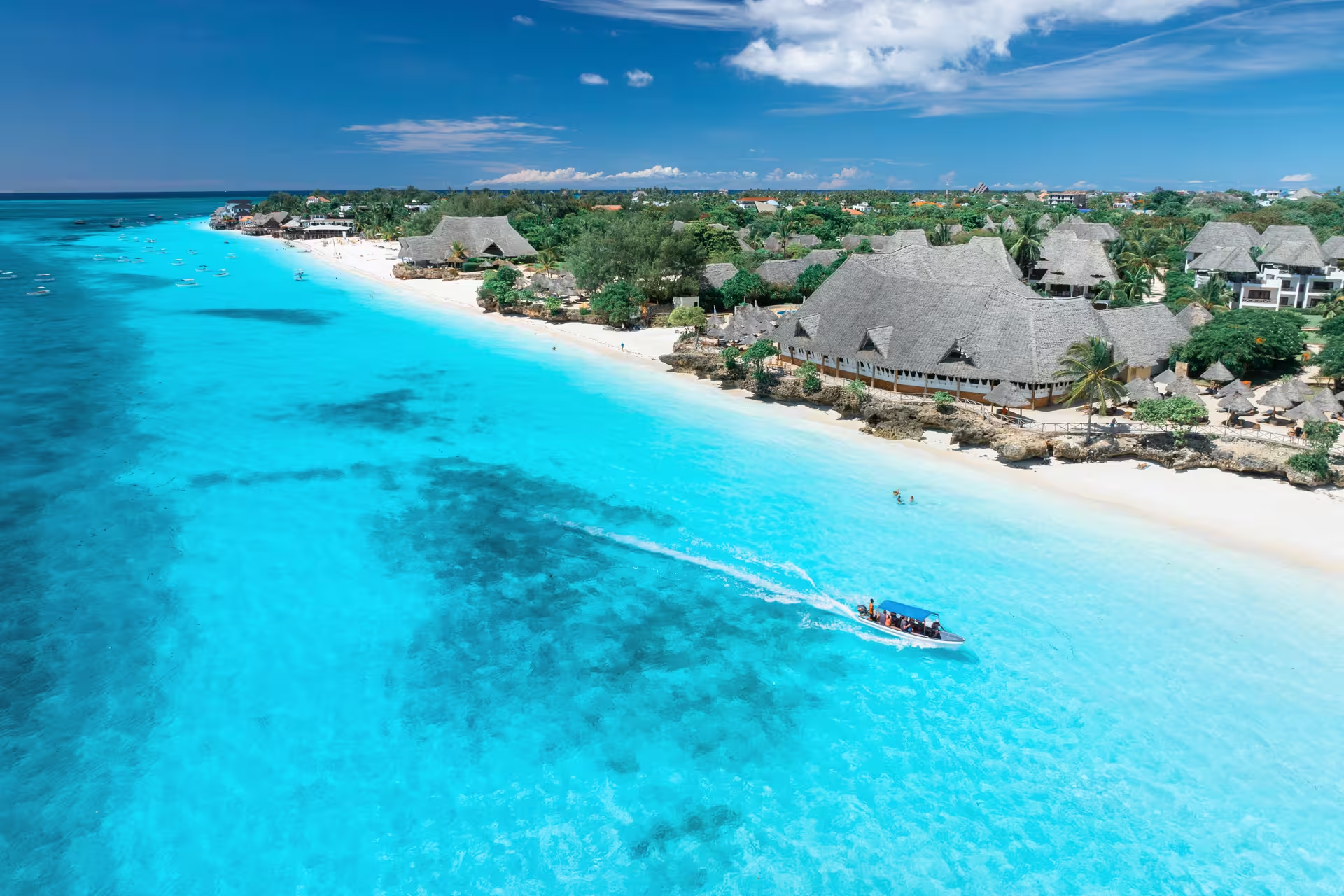
A yacht charter in Tanzania explores a varied Indian Ocean coast shaped by coral reefs, tidal sandbanks, mangrove estuaries and deep channels between the mainland and its principal islands. Unguja—widely known as Zanzibar—offers the most varied combination of coastal villages, small islands and cultural stops, while Pemba and Mafia have a quieter cruising character. Mainland possibilities range from short trips near Dar es Salaam to sheltered northern harbors and historic Swahili ports farther south.
Time on the water can combine reef and sandbank stops with snorkeling, diving and visits ashore. It also gives travelers a direct view of Tanzania’s maritime heritage: traditional dhows still sail these waters, and ports such as Stone Town and Kilwa preserve connections to centuries of Indian Ocean trade. The scale of the coast means trips should be planned around a specific region rather than treated as one continuous, uniform cruising ground.
Principal cruising areas and coastal destinations
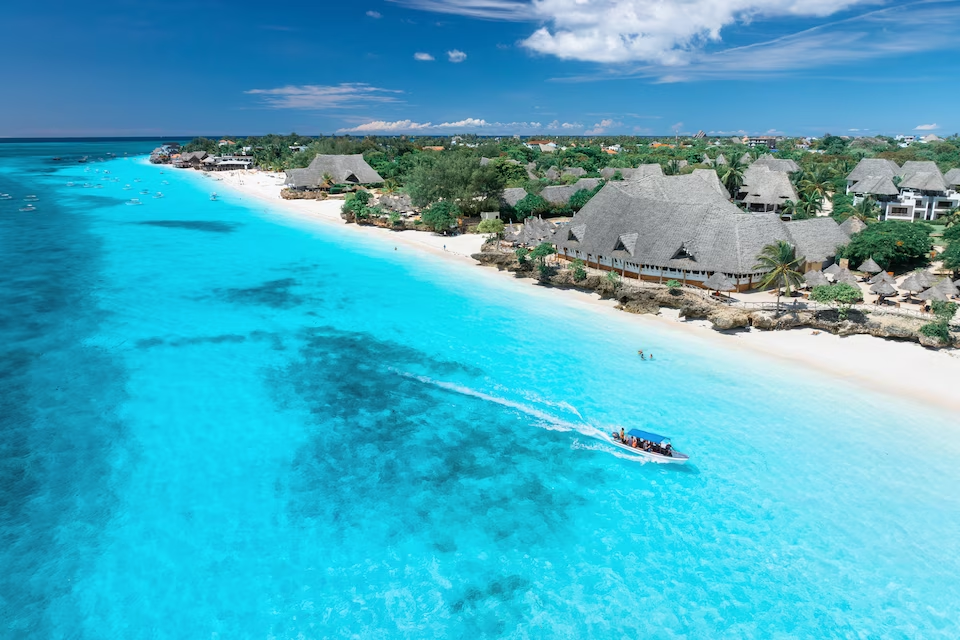
Unguja is a natural starting point for travelers who want varied island cruising with established visitor destinations nearby. From Stone Town, routes can include the small islands around Bawe, Chapwani and Changuu, the protected waters of Menai Bay or the northwest coast around Kendwa and Nungwi. Mnemba and the island’s eastern side add reef-focused possibilities, although exposure and local conditions must be considered. Travelers concentrating on this archipelago can explore the dedicated Zanzibar yacht charter page.
Pemba, north of Unguja, suits a more remote itinerary. Its reefs, channels and Misali Island Conservation Area are notable attractions, but the surrounding waters demand closer attention to tides, currents and reef approaches. Open passages across the Pemba and Zanzibar channels are a different undertaking from sheltered day cruising.
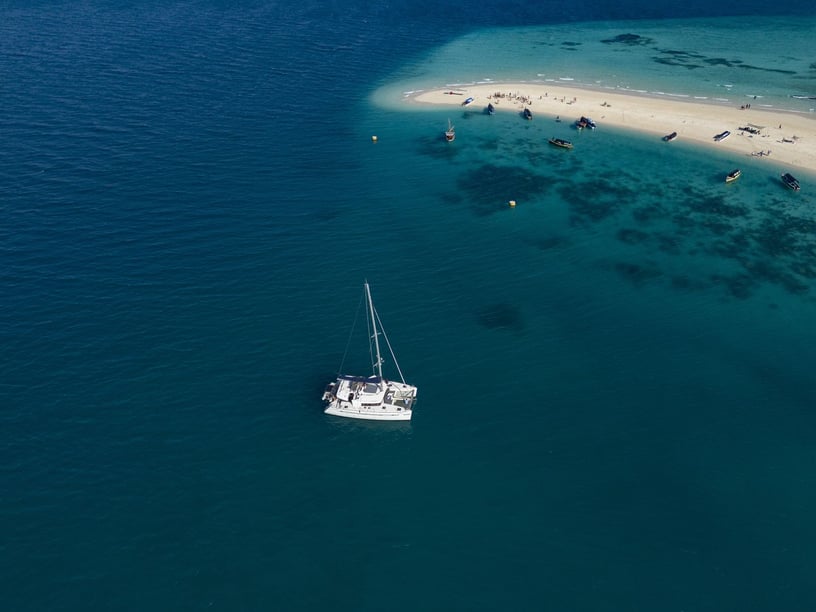
Mafia Island offers another distinct experience. Chole Bay provides comparatively protected local waters, with trips linking Utende, Chole Island, Juani Island, reefs and tidal sandbanks within and around Mafia Island Marine Park. This area is particularly relevant to travelers prioritizing marine life, diving and small-scale coastal communities.
On the mainland, Msasani Bay is convenient for day cruises to Bongoyo and Mbudya, while Tanga Bay provides a sheltered northern base. Pangani and Bagamoyo add Swahili coastal context. Farther south, Kilwa combines cruising with major historic sites, whereas Mnazi Bay and the Mtwara coast are more remote and require greater logistical planning.
Conditions on the water
Tanzania’s charter experience ranges from sheltered sailing inside bays and reef lagoons to exposed passages between islands. Menai Bay, Chole Bay and parts of Tanga Bay can support locally focused trips, while Pemba, eastern island coasts and the inter-island channels involve stronger currents, rougher water and fewer straightforward approaches.
Two monsoon systems shape route choice. The northeast kaskazi generally runs from November to March, bringing warmer weather and typically lighter winds. The southeast kusi develops from April and is strongest from June into September or October. It usually brings drier, cooler conditions and more reliable sailing wind, but exposed seas and island channels can become choppy, especially from June through August.
Tides matter throughout the destination. Large tidal ranges expose shallow flats, alter access through reef passes and create strong streams in narrow channels. Daylight approaches and tide-aware planning are therefore important in unfamiliar waters. Travelers considering longer passages should allow itinerary flexibility and value current local knowledge rather than planning solely by straight-line distance.
When to charter in Tanzania
The principal boating periods are December to February and June to October, but they offer different experiences. December through February falls within the warmer northeast monsoon and generally brings lighter winds. February is identified as one of the particularly suitable months for boating, making it a useful choice for travelers who prefer the kaskazi season.
June to October is drier and windier under the southeast monsoon. It can suit travelers who value more dependable sailing conditions, although the strongest part of the season may produce rougher exposed passages. September and October are particularly suitable months; October also sits near a transition toward lighter or more variable winds.
April and May are the least dependable months around Zanzibar and the northern coast because of long rains, cloud and squalls. March and November are transitional periods. Conditions are not identical nationwide: the southern mainland coast generally has a longer wet period extending from November into April or May, so timing that works well around Zanzibar may not translate directly to Kilwa, Mtwara or other southern waters.
Ideas for yacht charter routes
An Unguja circuit can connect Stone Town with Menai Bay, the small islands immediately offshore, the northwest coast around Tumbatu, Kendwa and Nungwi, and the waters near Mnemba. The exact sequence should reflect weather, sea state and the direction of the monsoon rather than follow a fixed loop.
A more ambitious northern passage can link Tanga, Pemba, Unguja and Dar es Salaam. This itinerary combines open-water sailing with island stops, but its channel crossings and reef navigation require more planning than local cruising.
Shorter alternatives include day trips from Msasani Bay to Bongoyo or Mbudya and small-boat or dhow circuits around Chole Bay. These Mafia routes connect reefs, sandbanks, mangrove channels and inhabited islands without requiring a long offshore passage.
Life aboard and highlights ashore
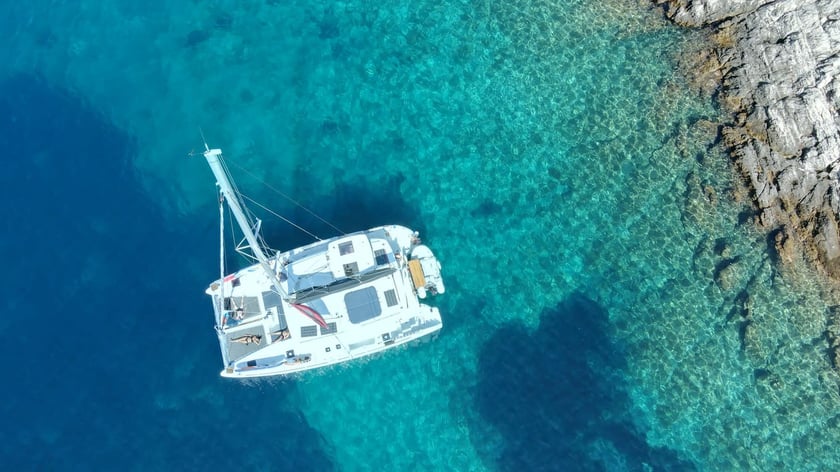
Reefs, seagrass habitats, mangroves and tidal sandbanks make snorkeling, diving and marine-life observation central to many Tanzanian charters. The experience changes with the chosen area: Zanzibar combines water-based stops with established beach destinations, while Pemba and Mafia emphasize quieter waters, conservation areas and smaller settlements.
History is equally important. Stone Town preserves the urban character and architecture of a Swahili trading center shaped by African, Arab, Indian and European influences. At Kilwa Kisiwani and Songo Mnara, the remains of medieval ports reflect trade extending across the Indian Ocean. Reaching these coastal places by water helps place them within the maritime networks that created them.
Traditional dhows and wooden boatbuilding remain visible parts of coastal life. Meals ashore may draw on Swahili combinations of fish or seafood, coconut milk, rice and spices such as cloves, cinnamon and cardamom. In Stone Town and predominantly Muslim coastal communities away from resort areas, modest dress and respect for local customs are appropriate.
Gateways and departure points
Dar es Salaam and Zanzibar are the principal gateways for coastal travel. Julius Nyerere International Airport serves Dar es Salaam, while Abeid Amani Karume International Airport provides access to Unguja. Regional flights connect Pemba, Mafia, Tanga and Mtwara, helping travelers reach cruising areas that would otherwise require substantial overland or sea travel.
Common starting points include Msasani Bay and The Slipway in Dar es Salaam, Stone Town and Nungwi on Unguja, Tanga Harbour, and Utende or Kilindoni on Mafia Island. Dedicated yacht facilities are most evident around Dar es Salaam Yacht Club and Tanga Yacht Club and are limited in more remote areas. Passenger ferries also connect major mainland and Zanzibar ports, but current routes and schedules should be checked before relying on them for a charter connection.
Planning the right charter
When researching yacht charter or boat rental in Tanzania, begin by matching the trip format to the cruising area. A short reef or sandbank excursion from Dar es Salaam, Stone Town or Mafia requires different preparation from a passage involving Pemba or several mainland ports. Longer and more remote itineraries may need greater logistical self-sufficiency because dedicated yacht facilities are limited outside the principal centers.
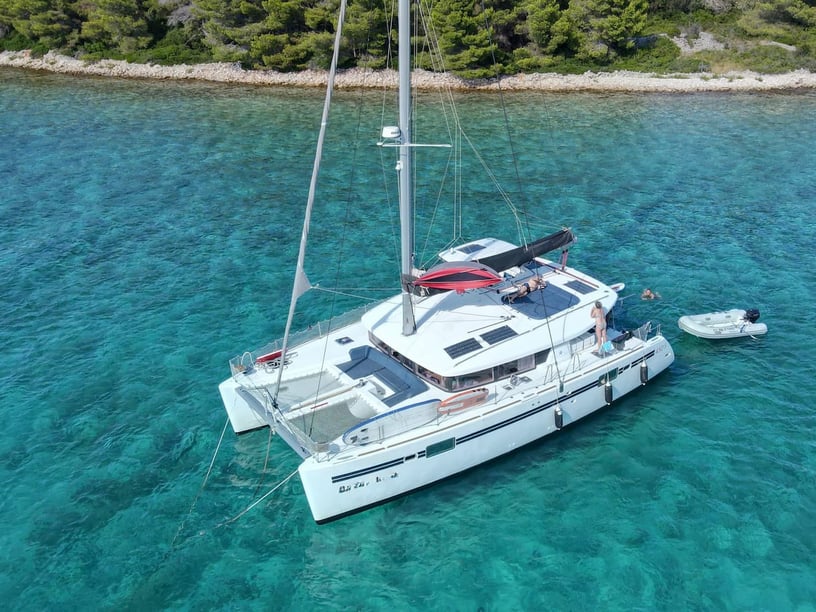
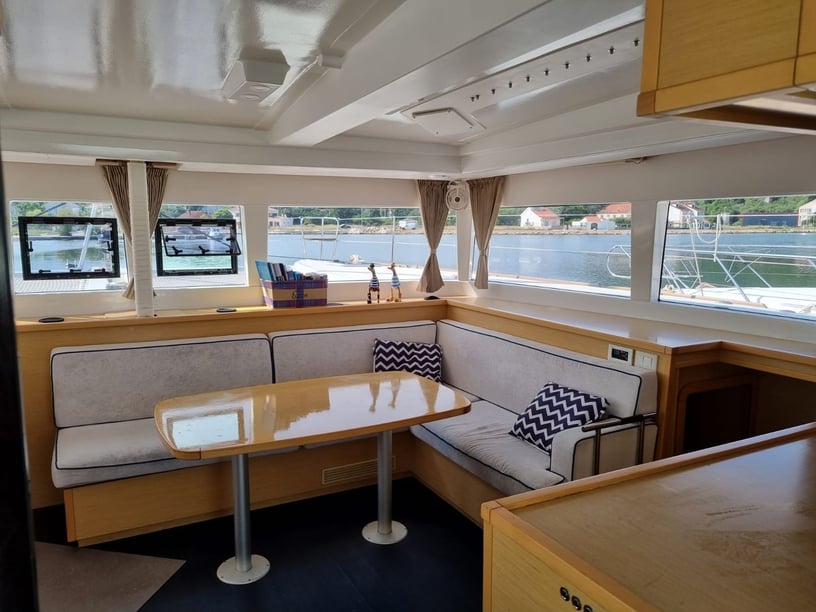
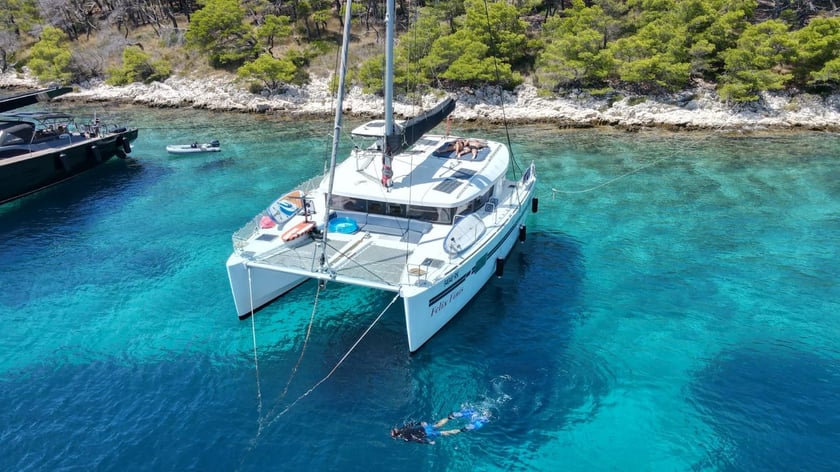
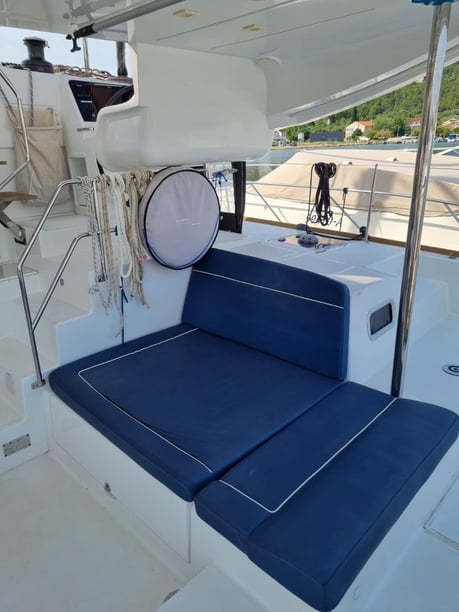
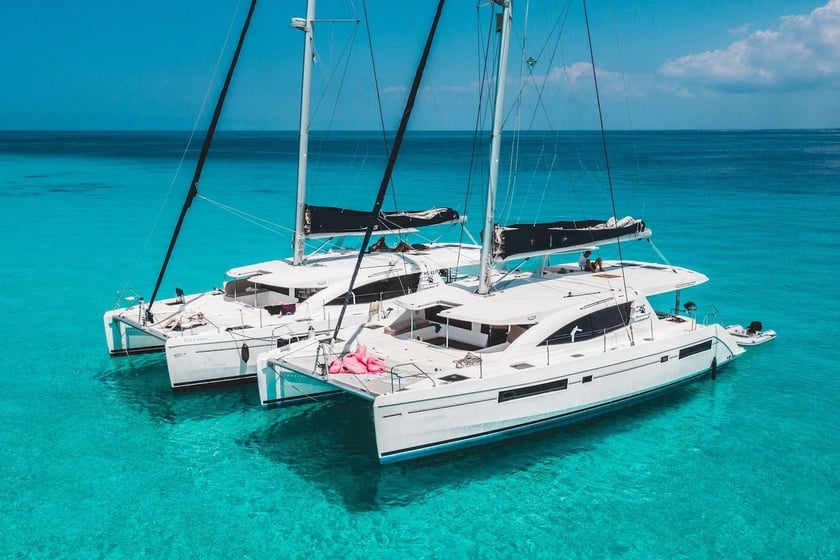
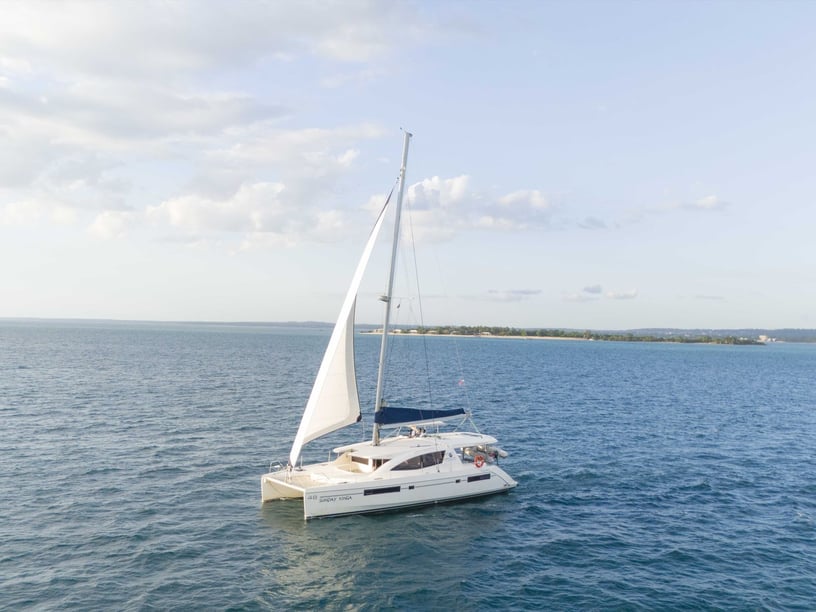
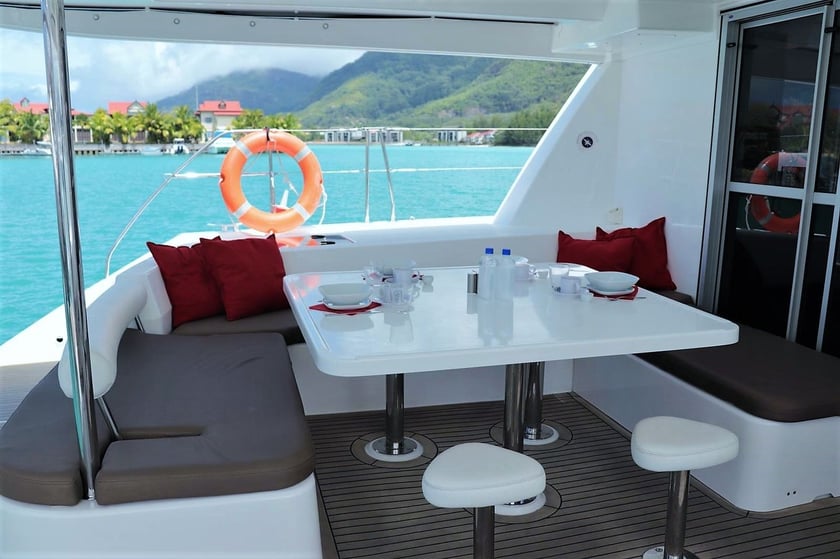
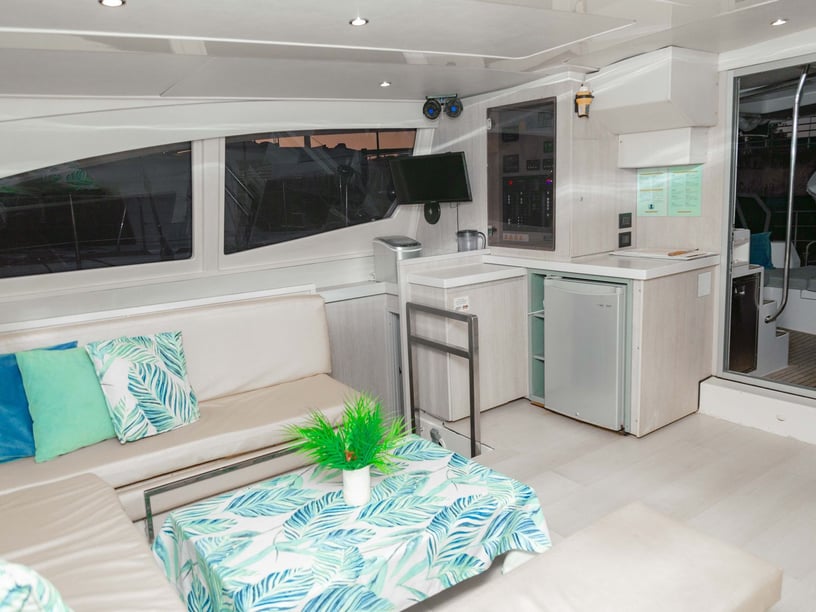
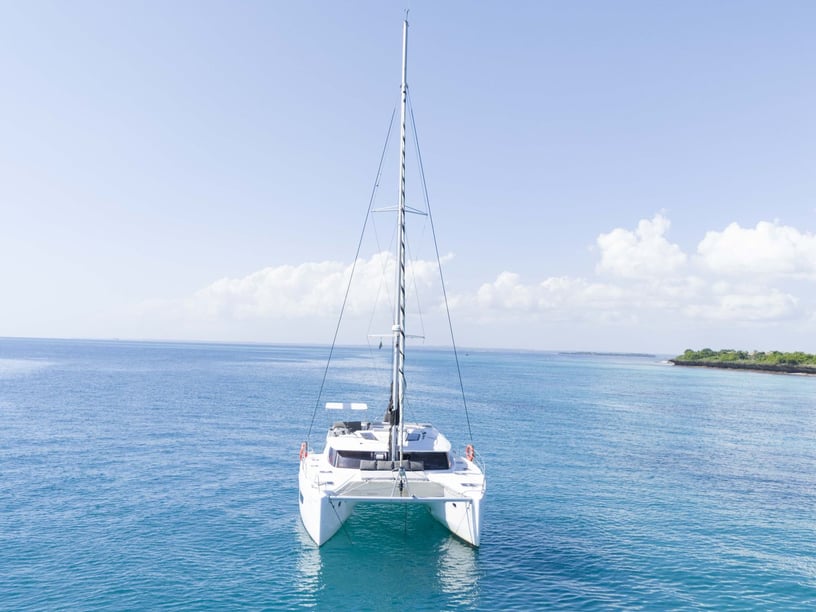
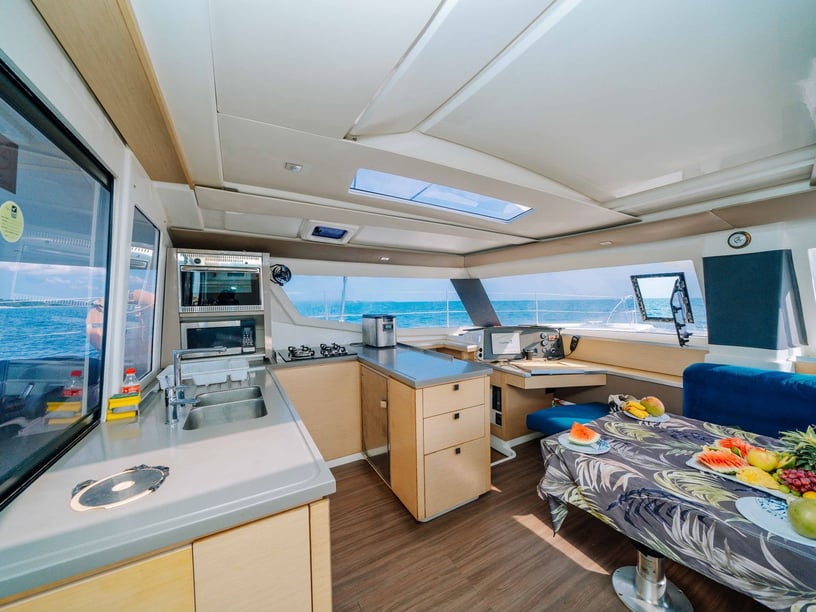
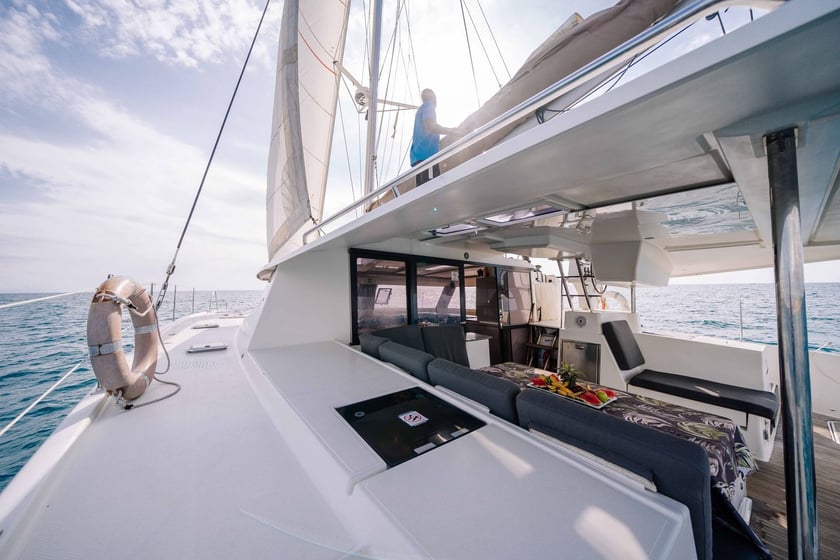
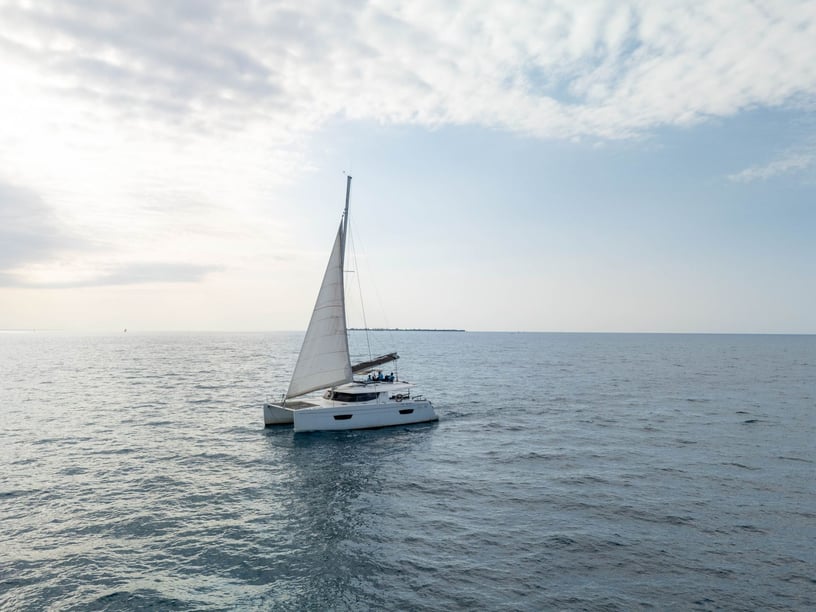
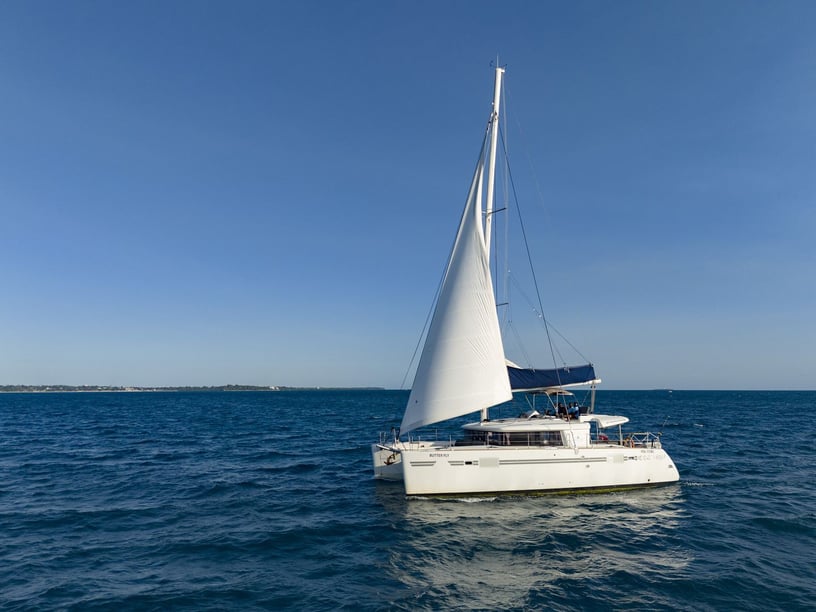
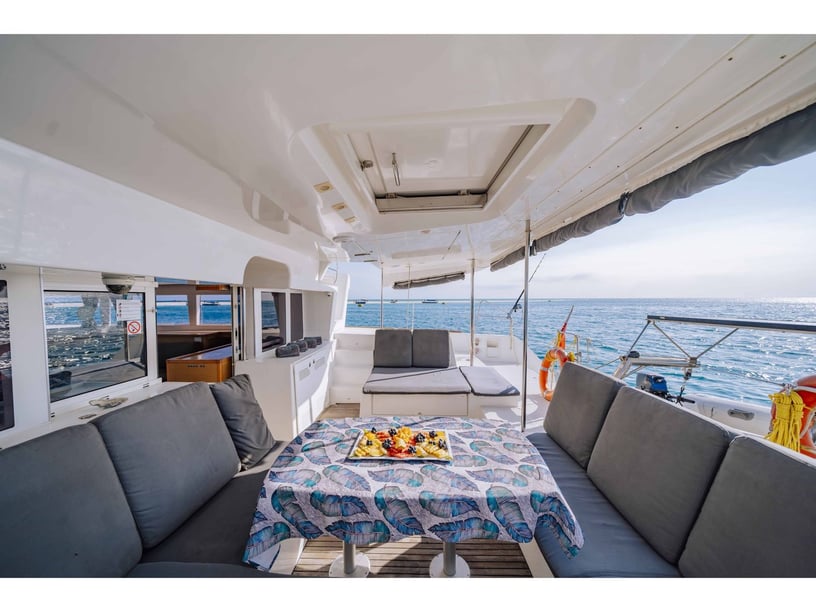
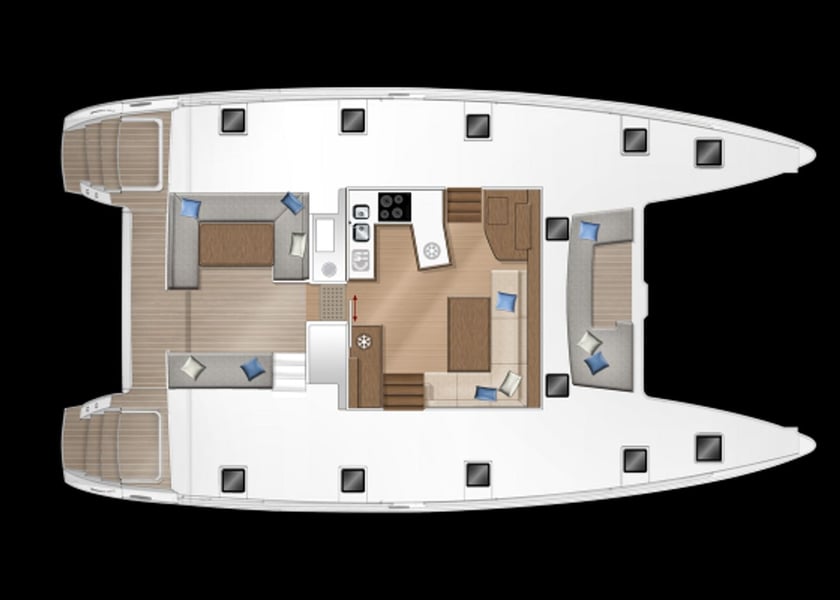
Boat choice should also reflect the intended route, guest comfort and the balance between sailing and time at anchor. Travelers comparing a sailboat charter in Tanzania with a catamaran charter should confirm draft, onboard space and suitability for the proposed reef approaches and open-water passages rather than choosing by capacity alone.
Marine parks, reserves and conservation areas may have their own access, anchoring and activity rules. Current requirements should be confirmed with the relevant authority or operator. International yacht arrivals also need to verify port health, immigration, customs and coastal-clearance procedures with the intended arrival port. Building flexibility into the itinerary is sensible wherever tides, monsoon winds or exposed channel crossings may affect the day’s plan.