2 catamarans
Lagoon
Popular models: 450 and 450F
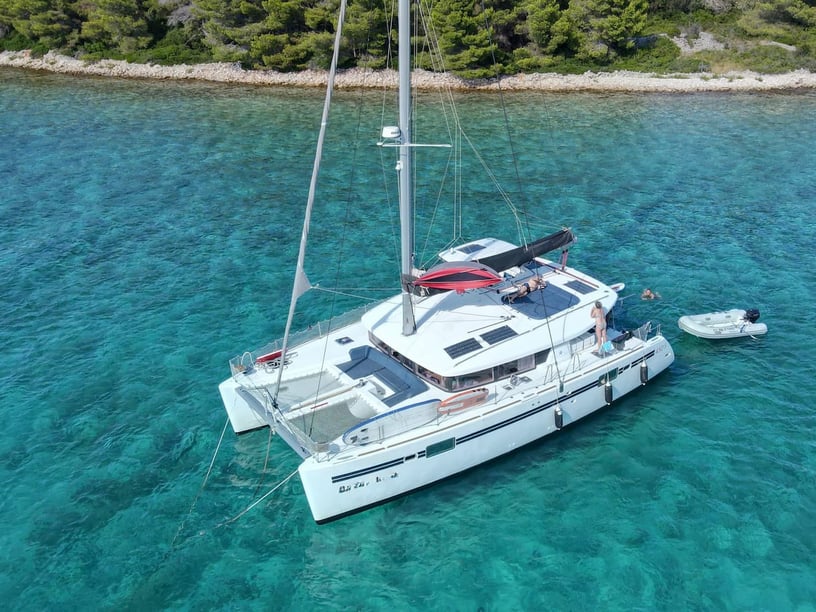
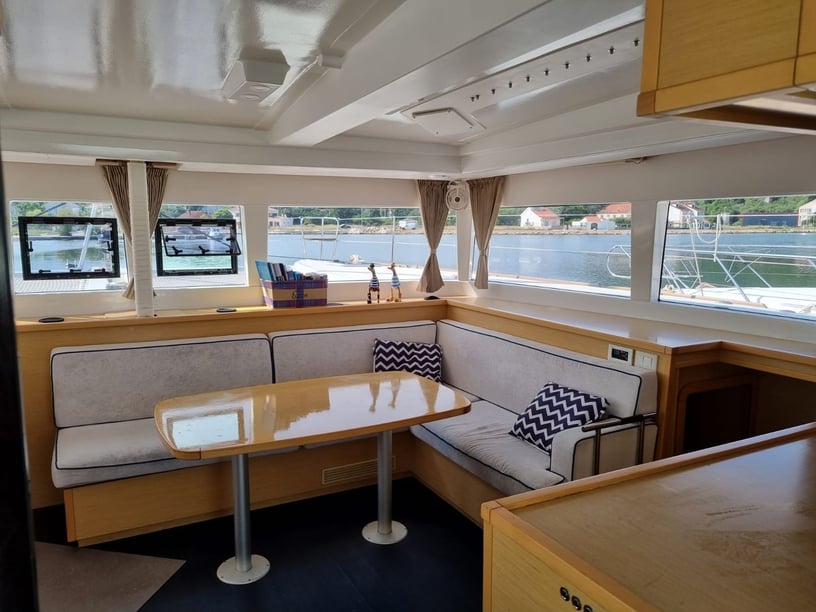
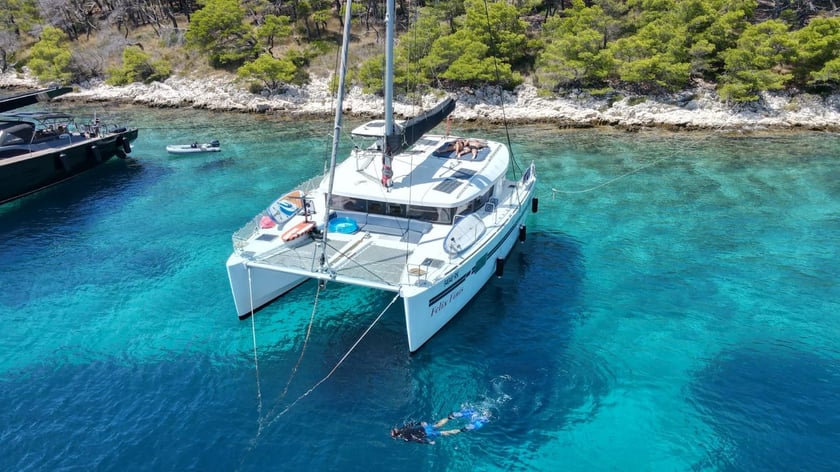
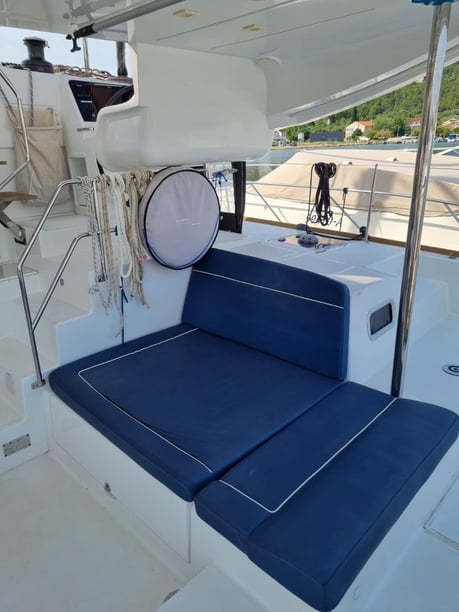
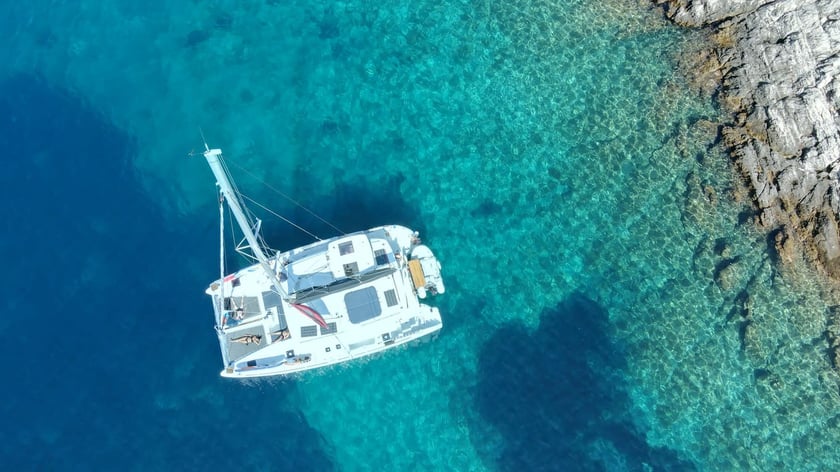
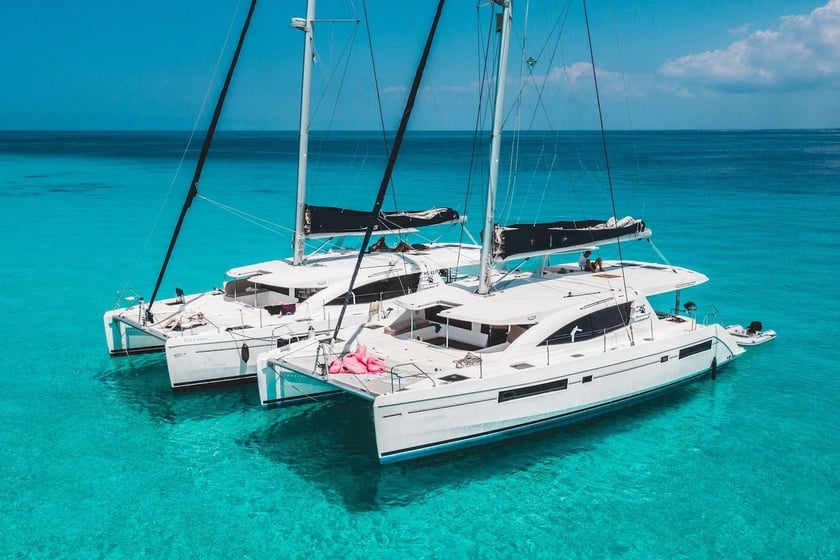
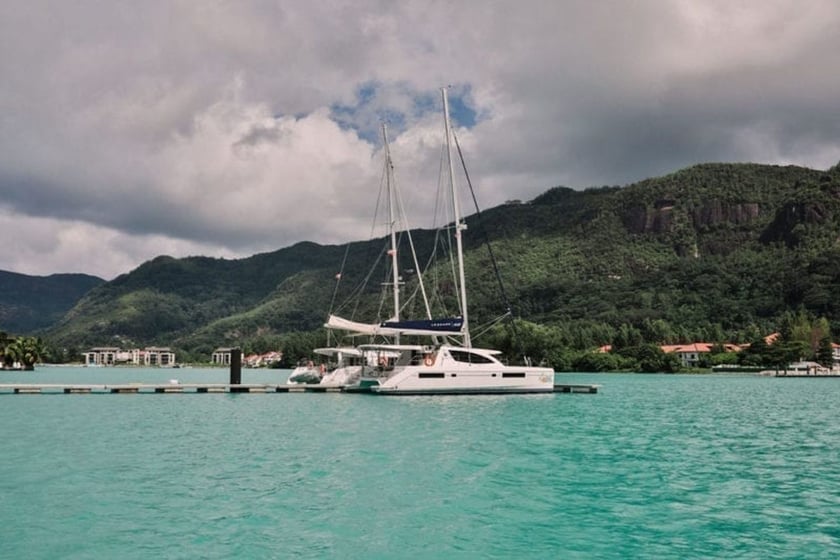
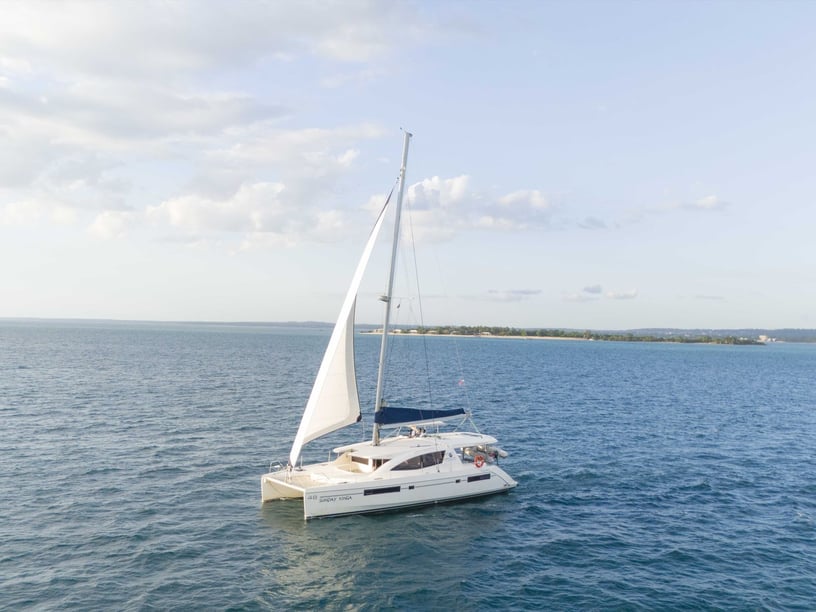
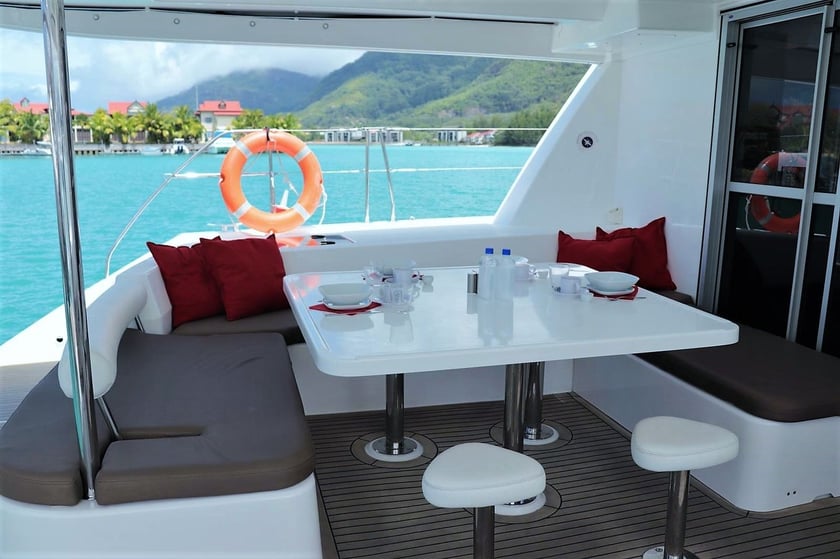
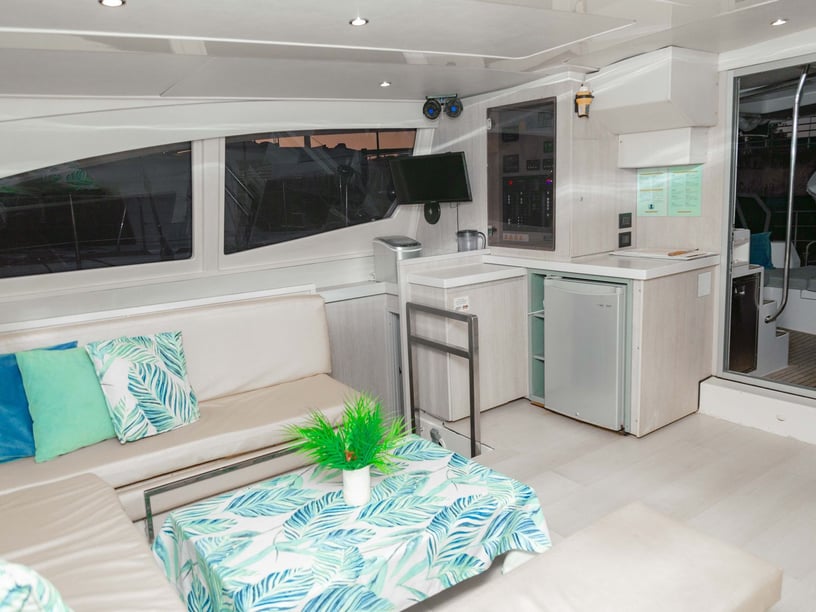
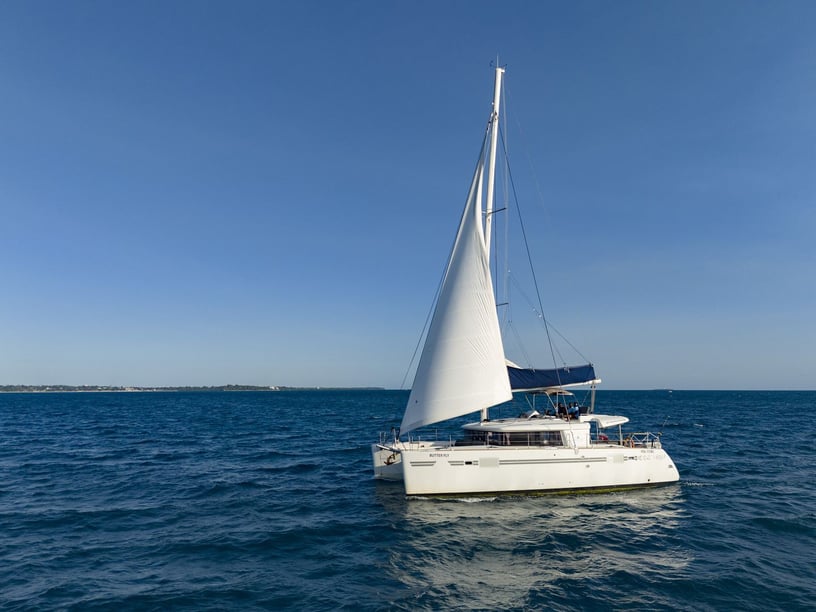
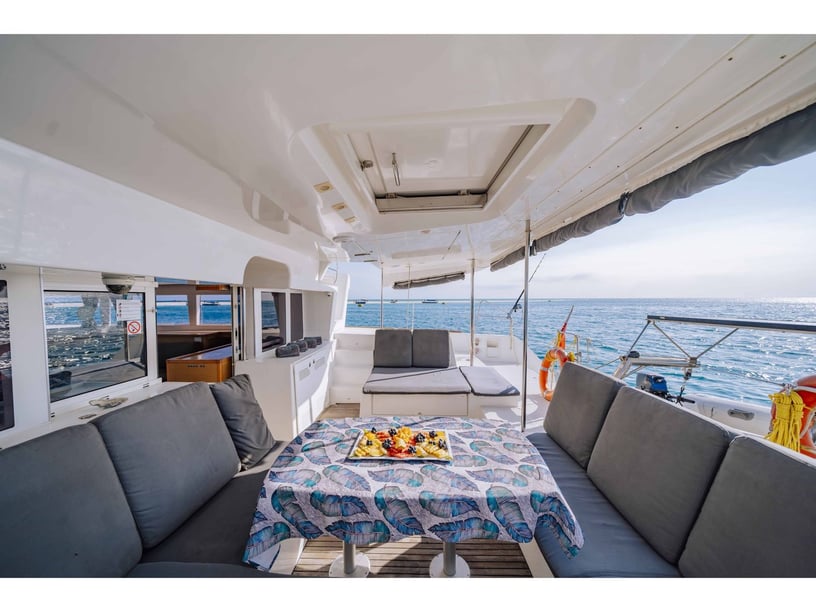
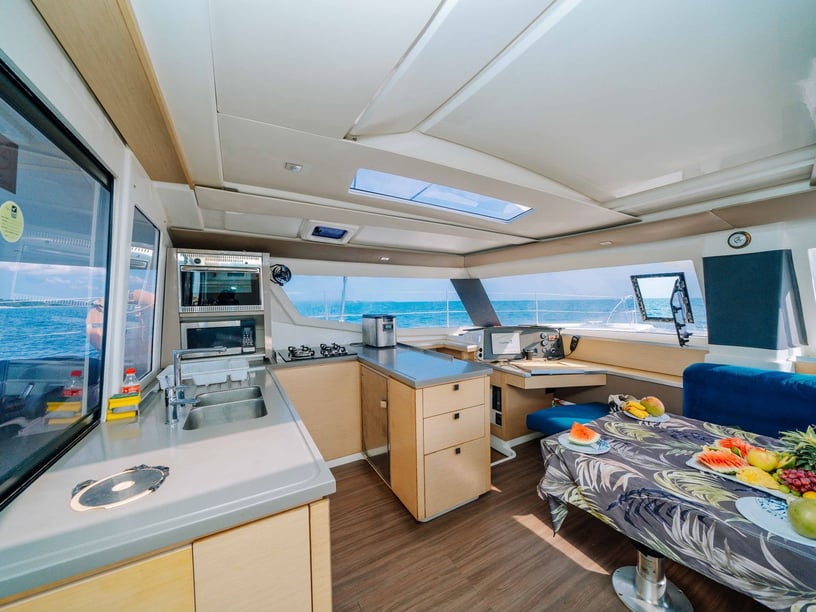
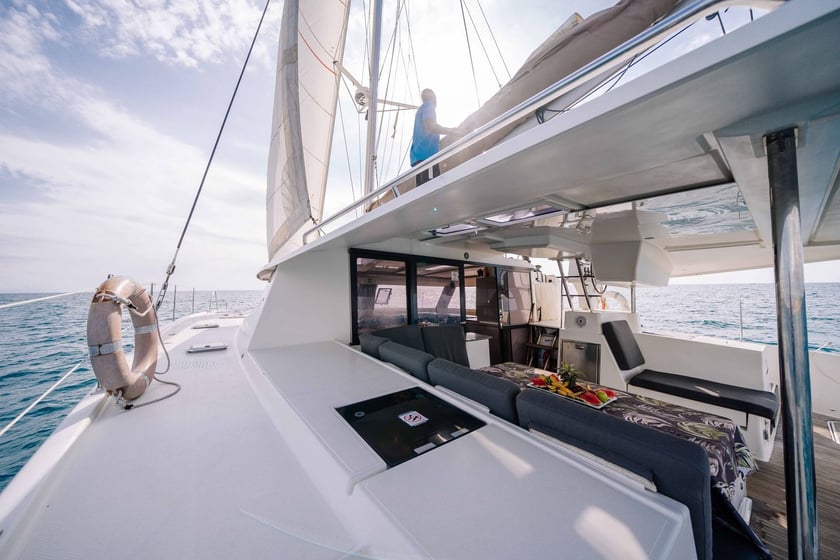
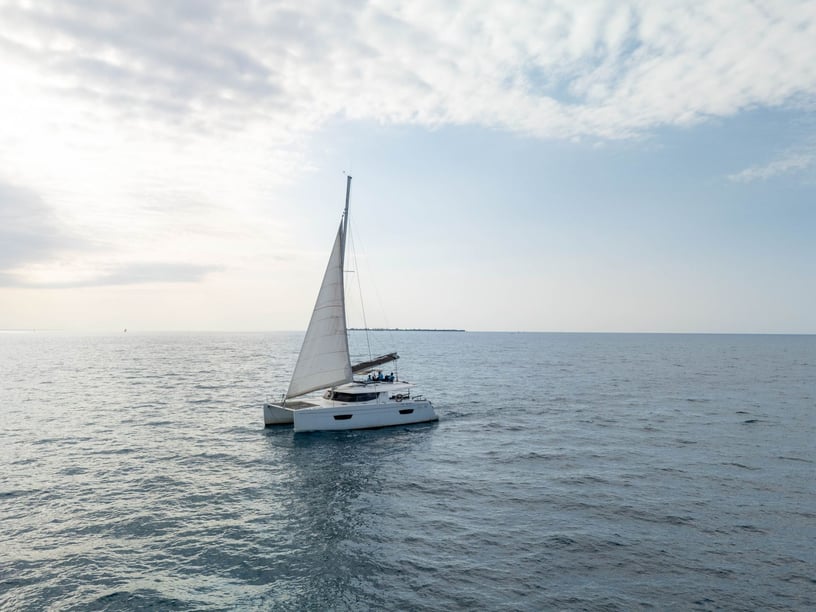

Explore popular catamaran brands and models available for charter in Tanzania.
Popular models: 450 and 450F

Popular models: 48
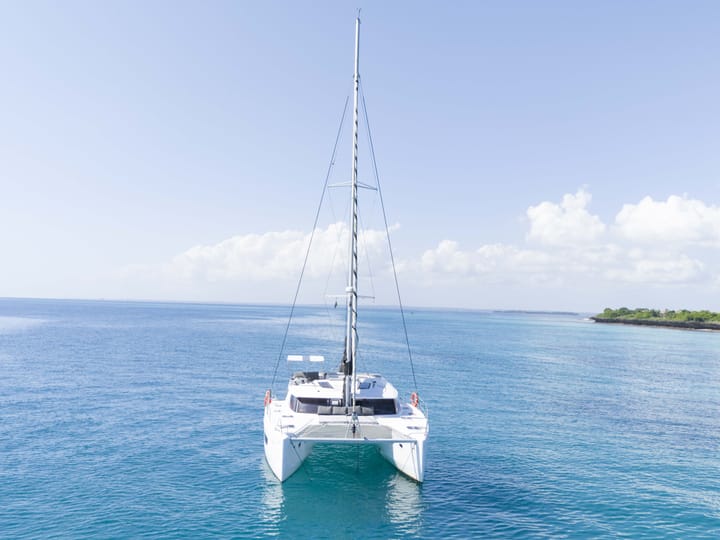
Popular models: Helia 44 Evolution
Trusted by thousands of travelers booking boat rentals every year.
Compare the available catamaran charter options in Tanzania based on your experience and travel style.
A professional skipper handles navigation while you relax and enjoy the trip. No boating experience is required.

Operate the boat yourself for maximum independence. A valid boating licence may be required depending on local rules.
Explore catamaran rental options in Tanzania by trip length, including multi-day charter and weekly charter.

Multi-day trips with catamarans in Tanzania for 2–3 day routes, overnight stays and multiple stops.

Week-long trips with catamarans in Tanzania for longer routes and multiple stops.
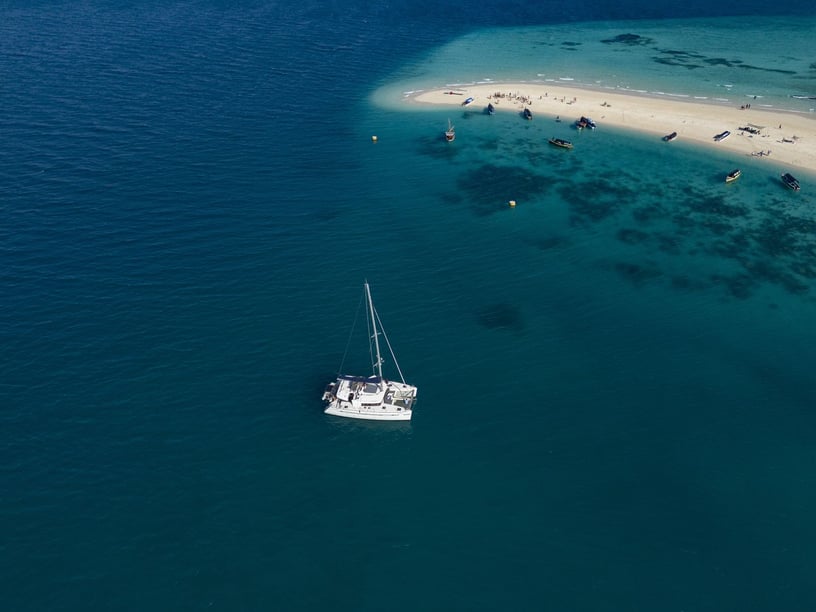
A catamaran charter in Tanzania combines generous onboard space with access to a varied Indian Ocean coastline. Cruising areas include the Zanzibar, Pemba and Mafia island groups, as well as mainland bays and marine reserves. Depending on the itinerary, a trip may mix open-water passages with time inside reef lagoons, sheltered bays and mangrove-lined channels.
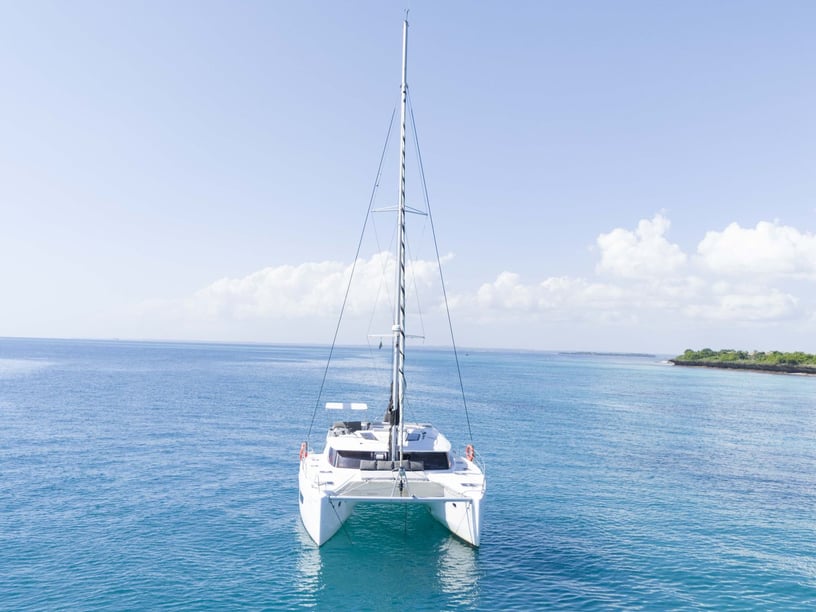
The catamaran’s twin hulls create broad communal areas and separate accommodation spaces, making this boat type well suited to groups and extended stays aboard. Limited heel can provide a more stable experience under sail, while the relatively shallow draft may be useful around some coastal anchorages. It does not remove the need for careful navigation among reefs, tidal flats and channels. Travelers considering other boat types can compare the wider selection of yacht charters in Tanzania.
Zanzibar offers the most varied setting for island hopping. From Stone Town, routes can take in the small islands nearby, Menai Bay, the northwest coast around Kendwa and Nungwi, or waters toward Mnemba. Days can be divided between cruising, swimming, snorkeling and going ashore, with Stone Town adding Swahili architecture and Indian Ocean trading history to the journey.
Mafia Island has a quieter cruising character. Chole Bay provides comparatively protected local waters, with routes around Chole Island, reefs, sandbanks and mangrove channels. From Dar es Salaam, shorter outings can reach Bongoyo and Mbudya in the nearby marine reserve. Pemba and longer passages between the major islands are more demanding because of exposed coasts, strong tidal streams and deep inter-island channels.
The experience ashore can be as important as the route. Coastal settlements reflect dhow traditions and a cuisine built around seafood, coconut, rice and spices. Access and anchoring rules vary among marine parks and conservation areas, so current requirements should be checked with the operator.
Tanzania has two principal recreational boating periods. From December to February, the northeast monsoon generally brings warmer weather and typically lighter winds. From June through October, the southeast monsoon produces drier, cooler conditions and more reliable sailing wind, but exposed routes can be rougher—particularly from June to August.
February, September and October offer a favorable overall balance, although the right timing depends on the intended area and route. March and November are transitional, with lighter or more variable winds. April and May are generally the least dependable months because of long rains, cloud and squalls. The southern mainland coast follows a somewhat different pattern, with its wetter period extending through much of November to April.
A catamaran’s stability and limited heel can improve comfort, but stronger winds and choppy channels still affect passage planning. Large tides, reef approaches and strong currents also make local knowledge and daylight arrivals valuable.
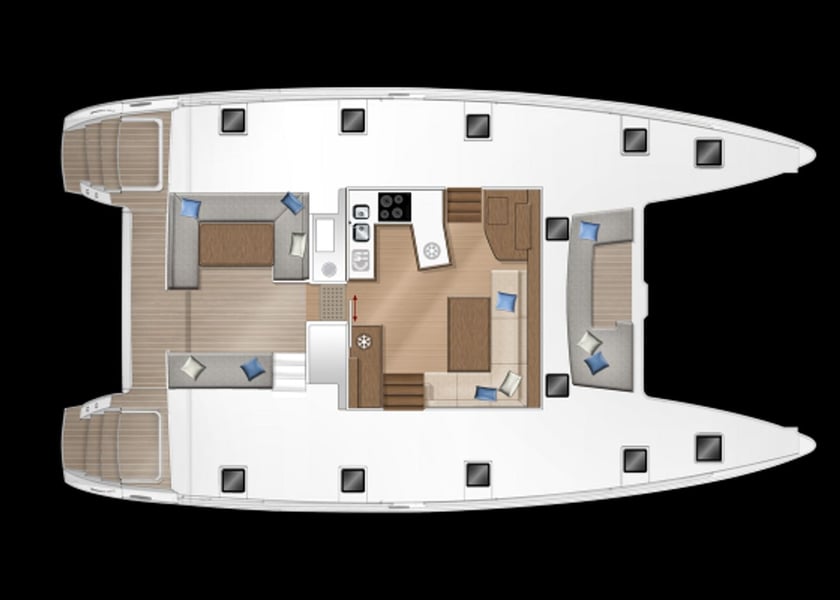
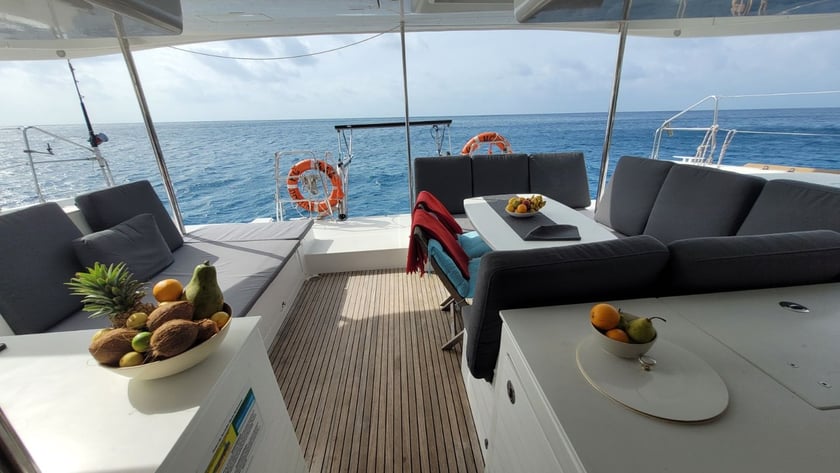
Catamarans suit families and groups who value shared living space without giving up cabin privacy. Guest accommodation is usually divided between the two hulls, while the central saloon, cockpit and deck areas provide room to dine or relax together. This layout also lets different members of the group use separate parts of the boat at the same time.
When comparing options, consider cabin configuration rather than capacity alone. Check how bathrooms are arranged, whether a skipper or crew needs a dedicated cabin, and how much shaded outdoor space is available. Sailing catamarans suit travelers who want wind-powered passages, while power catamarans prioritize engine-led cruising. Individual equipment and comfort levels can vary substantially.
A skippered or crewed charter is the practical choice for guests without suitable boating experience. Bareboat operation requires appropriate skills and may require qualifications; Tanzania’s reefs, tides, currents and limited yacht facilities outside the main centers add to the planning demands. Catamarans also have a wide beam and different handling characteristics from monohulls. For a broader introduction to formats and layouts, see the catamaran charter guide.
viravira.co currently lists 5 catamaran options in Tanzania, with prices starting from 867 €. Listed capacities range from 10 to 14, while cabin configurations extend from 3 to 6.
These ranges make the available selection most relevant to medium-sized and larger private groups. Compare the sleeping layout, crew accommodation, charter format and included equipment carefully, since two catamarans with a similar capacity can offer quite different levels of privacy and communal space.


/ night
catamarans available
€867
€1,450
/ night
catamaran available
€867
€1,450
/ night
catamaran available
€867
€1,450
Prices vary by yacht type, size, season and charter type. Additional costs such as fuel, skipper fees and security deposit may apply.
Last updated at October 12, 2026
Learn everything you need to know about catamaran rental in Tanzania, including costs, yacht types, charter options and sailing requirements.
How much does catamaran charter cost in Tanzania?
What is the price difference between high and low season for catamaran charter in Tanzania?
How many people can join a catamaran charter in Tanzania?
Can I charter catamarans without a skipper in Tanzania?
How much does a skipper cost per day for catamaran charter in Tanzania?
Do I need a licence to charter catamarans in Tanzania?
Which catamaran brands are most popular in Tanzania?