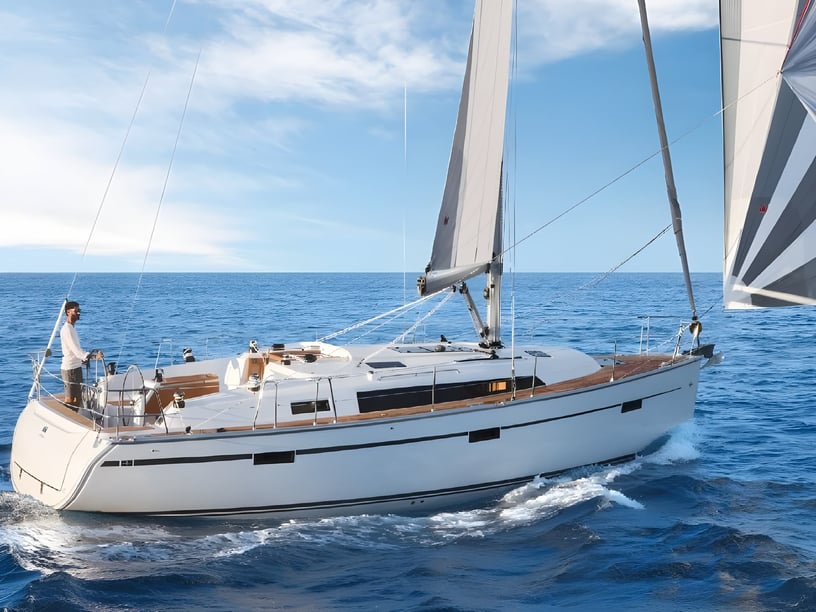
Yacht charter around Göteborg
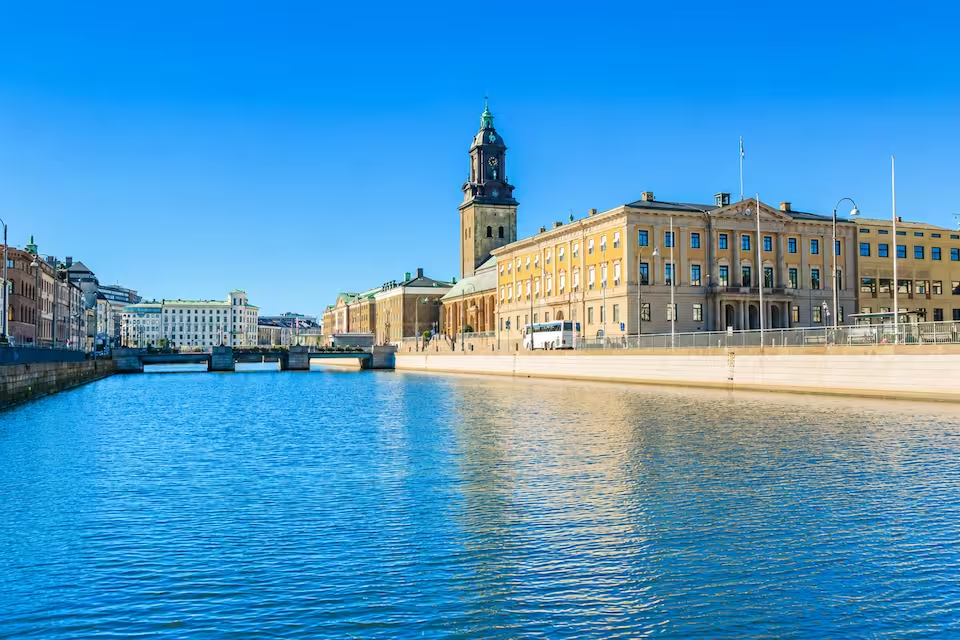
A yacht charter in Göteborg connects Sweden’s second-largest city with a west-coast landscape of rocky islands, narrow passages and open Kattegat waters. The cruising area begins at the mouth of the Göta älv, where canals, city-center berths and a busy commercial harbor give way to skerries and island communities within a relatively short distance.
The archipelago has two distinct sectors. To the south are largely car-free islands within Göteborg, while the northern archipelago includes larger islands and working harbor communities around Öckerö. Longer northbound trips can continue toward Marstrand. This combination makes Göteborg relevant both as a place to visit from the water and as a gateway to short-hop cruising along Sweden’s western coast.
Islands and coastal places to explore
The southern archipelago is well suited to itineraries combining short passages with time ashore. Styrsö is one of the principal island communities, while Donsö retains strong fishing, shipping and pilotage traditions. Farther south, Vrångö offers a guest harbor, a nature reserve and walking opportunities across an island once associated with pilots and maritime rescue. Because these islands are car-free, visits tend to unfold on foot or by bicycle.
The northern archipelago has a more visibly working maritime character. Hönö Klåva provides a useful harbor setting from which to explore the smaller channels around Hönö and Öckerö. Beyond the inner islands, Vinga marks the exposed western edge of the local cruising area with its lighthouse and beacon.
For a longer trip, Marstrand forms a natural extension north of Göteborg. Its harbor and Carlsten Fortress add a historical shore visit to an itinerary otherwise shaped by skerries, fishing settlements and coastal passages.
What sailing near Göteborg is like
Cruising around Göteborg changes quickly from urban harbor navigation to sheltered island passages and, farther west, more exposed sailing. Marked fairways thread between low rocky islands, shoals and skerries. Short distances make island hopping practical, but the intricate coastline requires more attention than the modest passage lengths might suggest.
Inner routes can offer useful shelter, while approaches around Vinga and the open Kattegat may become rough in strong westerly or southerly weather. Water levels are influenced substantially by wind and atmospheric pressure rather than by a simple tidal pattern. Currents can also change quickly or cross the fairway, especially near the mouth of the Göta älv.
The area is considered moderately demanding. Accurate navigation is important around rocks and narrow channels, and the principal harbor approaches are shared with large commercial vessels. Travelers planning an independent charter should be comfortable interpreting current charts, buoyage and navigational notices; otherwise, local skippering knowledge can be particularly valuable.
The best time for a Göteborg yacht charter
June, July and August are the most suitable months for recreational cruising around Göteborg. They combine the longest daylight with the most comfortable temperatures and the fullest seasonal operation of guest harbors. This is also the busiest part of the local boating calendar.
May is a useful shoulder month for travelers prepared for cooler conditions and more variable marina services. September remains within the broader June-to-September boating period, but shorter days and reduced shoreside operations increasingly affect planning as the month progresses.
From October through April, colder water, limited winter daylight and less settled conditions materially reduce recreational activity. Guest-harbor staffing, water and other facilities may also be restricted, so an off-season trip requires more careful confirmation of both weather and shoreside services.
Cruising routes from the city to the archipelago
One straightforward route leads from central Göteborg through the harbor and into the southern archipelago, linking Styrsö, Donsö and Vrångö. It suits a trip focused on short passages, walking ashore and visits to car-free island communities.
In the north, Hönö Klåva can be paired with smaller channels through the northern archipelago before continuing toward Vinga. This route brings a clearer transition from sheltered island water to the more exposed outer coast, so conditions should guide whether Vinga is included.
A longer northbound itinerary can follow the established fairways around Öckerö and continue through the Albrektsund channel toward Marstrand. It offers a broader west-coast cruise without losing the archipelago’s pattern of short legs and frequent harbor stops.
Life on the water and ashore
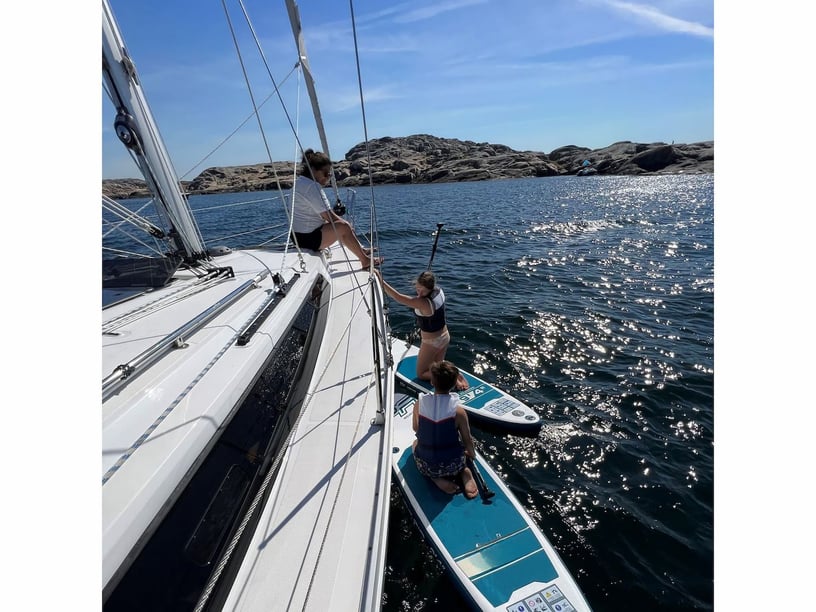
A charter around Göteborg can divide the day between cruising, swimming from rocky shores and exploring compact island communities. Nature reserves on Vrångö and Galterö provide opportunities to walk through protected coastal landscapes, subject to local access rules and seasonal restrictions.
Maritime history is visible throughout the area. Göteborg was founded in 1621 as a fortified trading city, and its canal plan reflects substantial Dutch influence. New Älvsborg Fortress stands along the maritime approach, while Vinga’s stone lighthouse, built in 1890, recalls the outer coast’s importance to navigation. In the city, the Museum of Gothenburg provides further context on trade and the Swedish East India Company.
Food is another practical part of the itinerary rather than a separate attraction. Fish and shellfish are central to both Göteborg’s dining culture and the harbor communities of the archipelago, making waterside meals a natural complement to time spent sailing.
Access, harbors and possible departure areas
Göteborg Landvetter Airport is connected with central Gothenburg by airport coach and other bus services. Within the city, public transport reaches the waterfront and the main ferry gateways: trams and buses serve Saltholmen and Lilla Varholmen, while Stenpiren has central departures for ferries and boat excursions.
Lilla Bommen places visiting boats close to the city center, with Göteborgs Gästhamn and other waterfront facilities nearby. Långedrag and Saltholmen are practical western access points for the southern archipelago. Donsö and Vrångö have guest harbors farther out, while Hönö Klåva can support exploration of the northern islands.
Göteborg therefore has several roles within a yacht trip: it can be an urban port of call, an access point for the archipelago or part of a wider west-coast itinerary. The exact embarkation point should be confirmed with the charter operator rather than assumed from the destination name alone.
Planning and choosing your charter
When comparing yacht charter or boat rental in Göteborg, begin with the route rather than the number of islands you hope to visit. A southern-archipelago trip favors short legs and car-free shore visits, while Vinga or Marstrand introduces longer passages and greater exposure to changing conditions. Build enough flexibility into the schedule to adjust the outer part of the route when westerly or southerly weather strengthens.
Confirm which harbor facilities will be operating during the planned dates, particularly outside summer. Current Swedish nautical charts, navigational warnings and Notices to Mariners are essential for anyone responsible for navigation. Small-craft fairways should be used where designated, and extra attention is required near commercial harbor approaches. Access restrictions may also apply in bird-protection areas, nature reserves and military training zones.
Travelers primarily interested in sailing can review the dedicated sailboat charter options for Göteborg. For a wider comparison of destinations and cruising contexts, see yacht charter in Sweden.