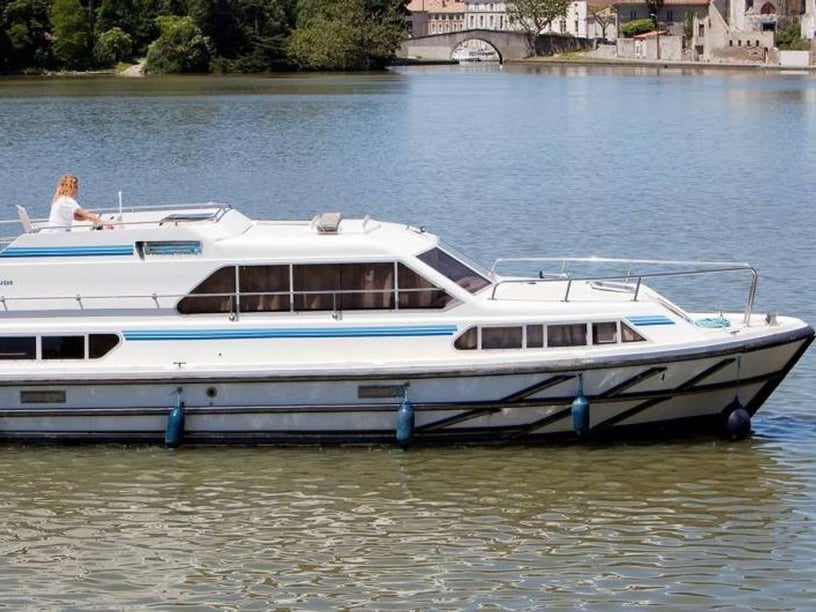
Yacht charter around Spean Bridge
Spean Bridge is an inland Highland village rather than a waterfront charter base. Its value for a yacht charter lies in its proximity to Loch Lochy and the Caledonian Canal, which meet at Gairlochy near the southern end of the Great Glen. Travelers stay within reach of freshwater cruising while retaining easy access to the mountains, walking routes and historic sites of Lochaber.
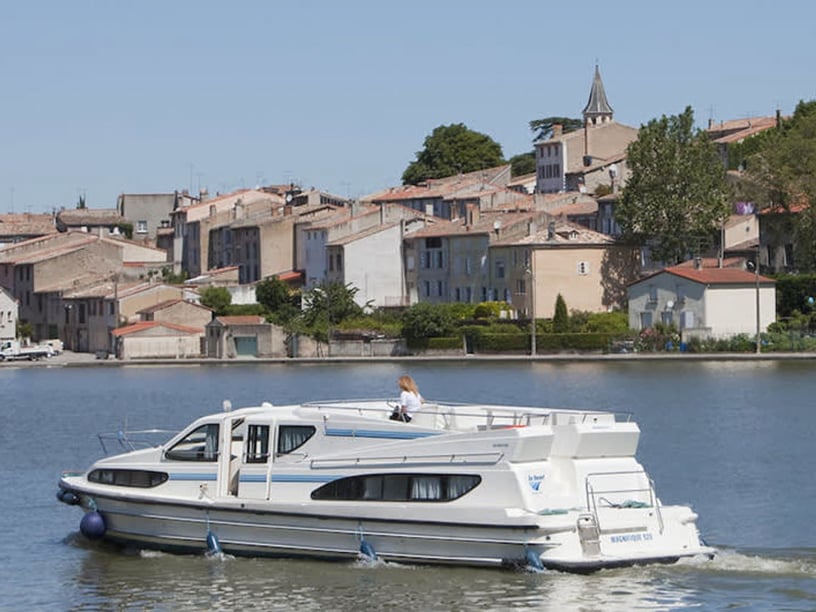
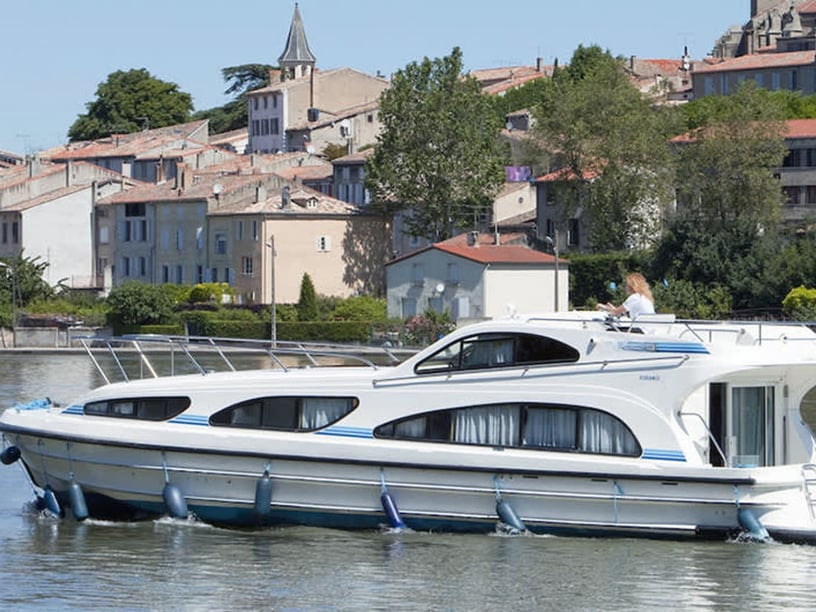
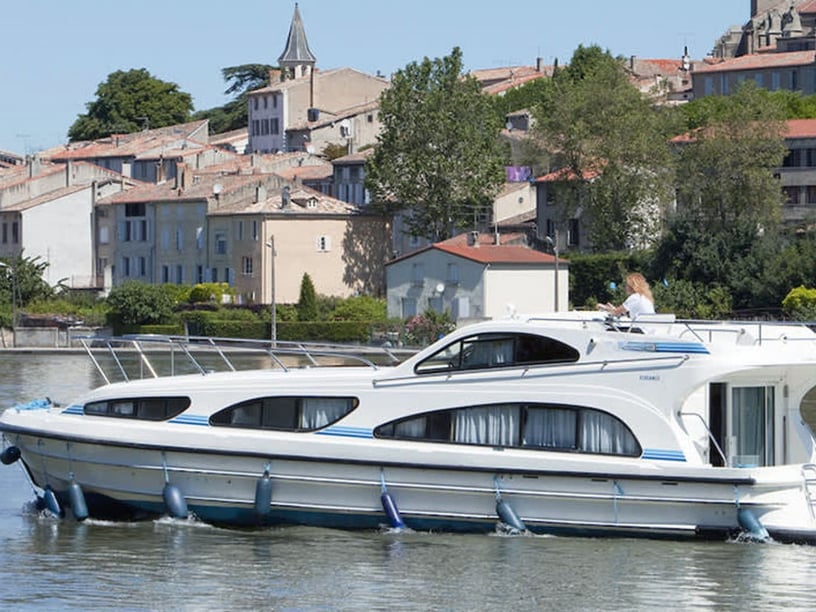
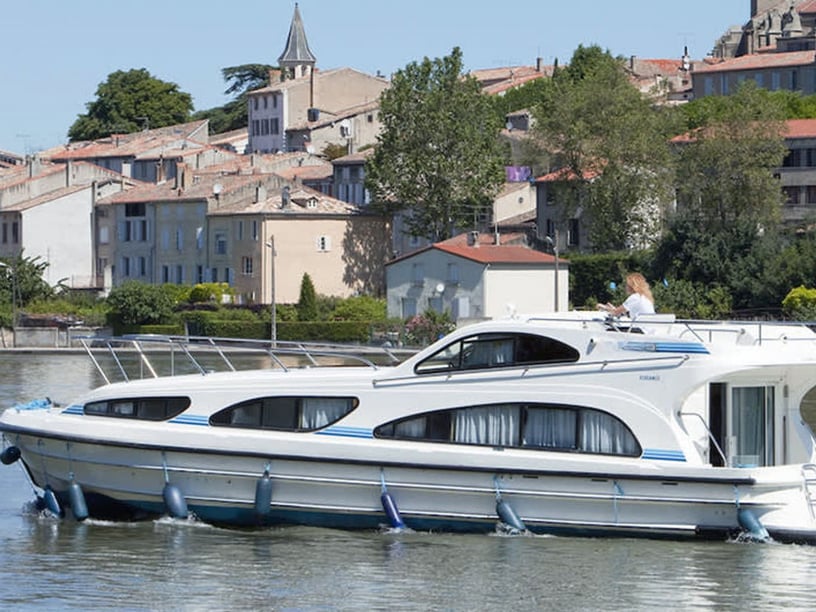
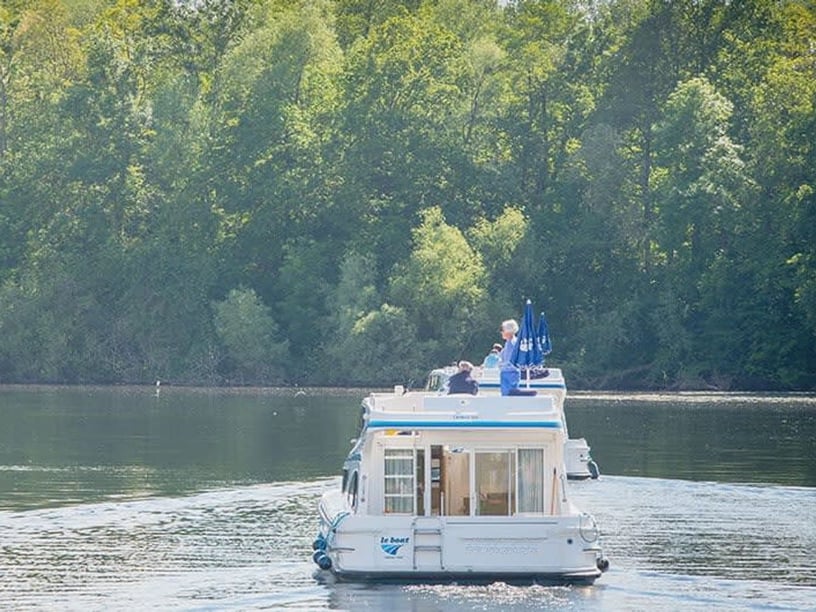
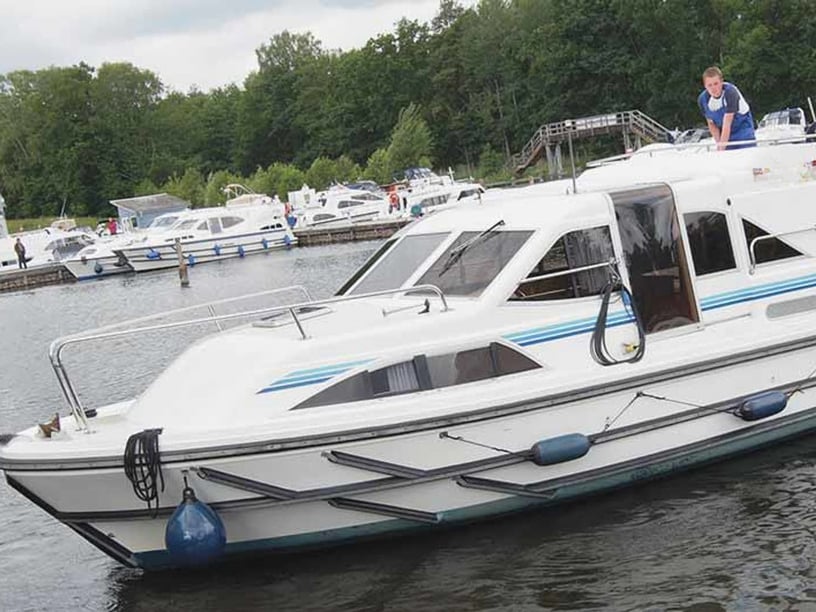
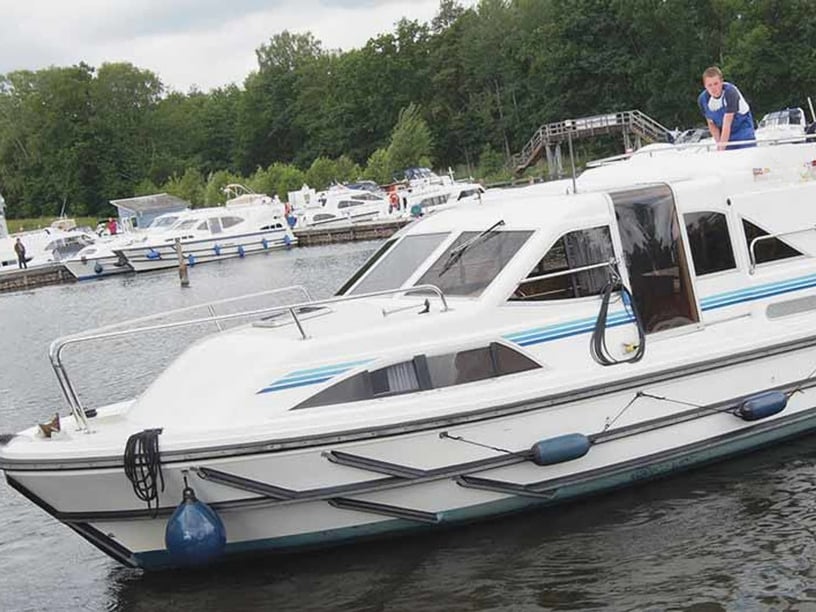
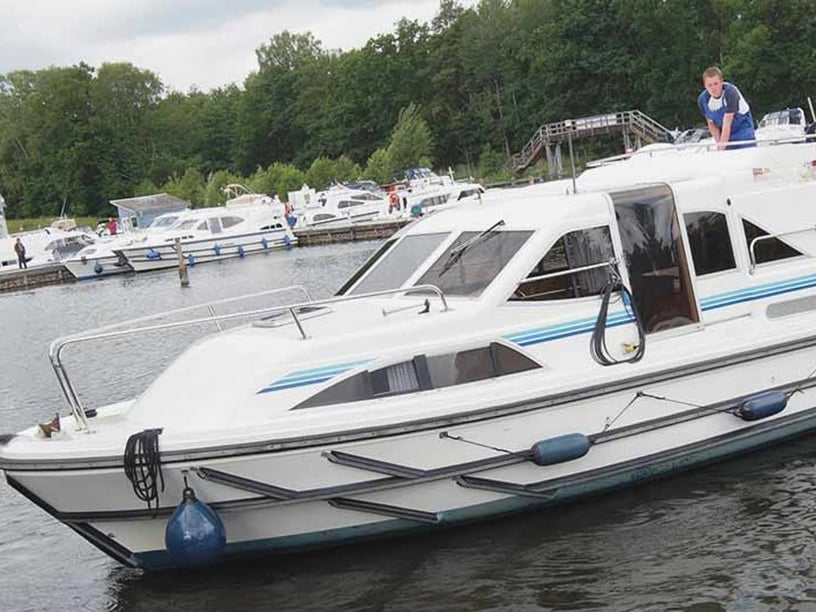
A yacht charter around Spean Bridge therefore begins with a road transfer to a nearby embarkation point. Once aboard, the experience combines broad loch passages with sheltered canal cuttings, staff-operated locks and stops ashore. This is a distinctive alternative to a coastal itinerary and can form part of a wider yacht charter in the United Kingdom.
Places to explore on the Great Glen waterways
Gairlochy is the closest direct gateway from Spean Bridge to the navigable Great Glen. Here the Caledonian Canal enters Loch Lochy, opening onto a long freshwater passage beneath the mountains of Lochaber. The loch provides the area’s principal stretch of open-water cruising, contrasting with the narrower and more controlled canal sections.
At the northeastern end of Loch Lochy, Laggan Locks offers moorings and an established boating base. In the opposite direction, Banavie is known for Neptune’s Staircase, the sequence of locks that raises and lowers vessels along the canal. Farther west, Corpach connects the inland waterway with Loch Linnhe and has marina facilities, while Fort William is a useful service and transport center for the wider area.
What cruising near Spean Bridge is like
Cruising alternates between two noticeably different environments. Canal cuttings are generally sheltered and subject to speed restrictions, but progress depends on lock and swing-bridge operating hours. Locks are operated by canal staff, so passage planning is shaped as much by the waterway timetable as by distance.
Loch Lochy is broader and more exposed. Wind can build short, uncomfortable waves, and Highland weather may change quickly even when the adjacent canal remains calm. Current forecasts should therefore guide open-loch passages rather than conditions observed in a sheltered cutting.
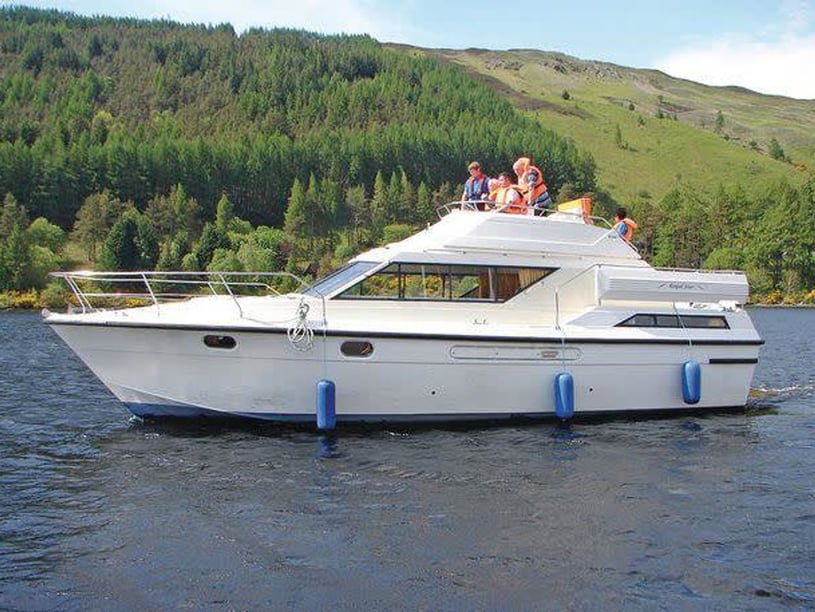
The area is considered moderately demanding overall. Travelers do not need to master the operational detail themselves when a suitably managed charter is chosen, but they should expect a structured cruising rhythm and occasional weather-related changes. The reward is variety: open freshwater sailing, narrow engineered waterways and mountain scenery within the same journey.
Best time for a Spean Bridge yacht charter
The normal recreational cruising season runs from April through October. Late spring and summer bring milder temperatures, long daylight hours and generally lighter average winds, making May through August the most favorable broad period for time on the water.
June and July are the particularly suitable months, combining summer operating schedules with the most favorable expected conditions. They are also part of the main season, so advance planning is sensible. April, May, September and October form the quieter shoulder periods. May benefits from increasing daylight, while September can still work well for cruising but is typically cooler and wetter. Winter navigation is limited and usually requires advance arrangements, so it is not the standard choice for a leisure charter.
Cruising routes from the Spean Bridge area
The most locally focused route runs between Gairlochy and Laggan Locks across Loch Lochy. It is a logical choice for travelers who want to center the trip on open-loch cruising without committing to the complete Great Glen passage. The route connects mooring and lock facilities at either end of the loch while keeping Spean Bridge within practical road-transfer distance.
For a longer journey, the Caledonian Canal forms an established coast-to-coast route between Corpach, near Fort William, and Inverness. It links canal cuttings and lock flights with Loch Lochy, Loch Oich, Loch Ness and Loch Dochfour. This itinerary requires more time and closer attention to operating schedules, but it shows how the Spean Bridge area fits into the larger Great Glen navigation.
Highland landscapes and history ashore
A charter near Spean Bridge can combine cruising with walking, fishing and visits to sites connected with Highland history. The Commando Memorial outside the village commemorates members of the British Commandos who trained in Lochaber during the Second World War. High Bridge over the River Spean is associated with the opening engagement of the Jacobite Rising of 1745 and with General Wade’s military-road network.
The waterway itself contributes another historical layer. Engineered under Thomas Telford and opened to traffic in 1822, the Caledonian Canal uses the natural lochs of the Great Glen to connect Corpach with Inverness. Moving between its locks and open lochs gives travelers a clear sense of how engineering and geography shape the journey.
Access, marinas and embarkation points
Spean Bridge stands at the junction of the A82 and A86 and has a station on the West Highland Line, with rail connections through Fort William and Glasgow. Inverness and Glasgow are the principal air gateways for the wider Lochaber area, followed by onward travel by road or rail.
The village has no waterfront marina, so a search for yacht charter or boat rental around Spean Bridge should account for a transfer to the actual embarkation point. Gairlochy is closest for direct access to Loch Lochy, while Laggan Locks and Banavie offer established canal departure options. Thomas Telford Corpach Marina and Fort William provide access at the western end of the canal and toward Loch Linnhe. The most suitable starting point depends on whether the itinerary concentrates on Loch Lochy, explores the canal, or continues toward the western sea lochs.
Practical planning for your charter
Begin by deciding whether the priority is a shorter Loch Lochy experience or a longer Caledonian Canal transit. This affects the departure point, trip length and the amount of time spent passing through locks and bridges. Confirm seasonal operating hours before finalizing an itinerary, as these can determine daily progress even in settled weather.
Vessels using the Caledonian Canal require the appropriate navigation licence and must follow Scottish Canals procedures. Winter passage normally needs advance notice. On open water, plans should remain flexible enough to accommodate changing wind and weather; a sheltered canal section does not necessarily indicate comfortable conditions on Loch Lochy.
Travelers should also distinguish between swimming opportunities and the navigable canal itself. Swimming is not permitted in the man-made canal sections because of vessel traffic, lock sluices and underwater hazards. Finally, allow time for road transfers between Spean Bridge and Gairlochy, Laggan Locks, Banavie, Corpach or Fort William rather than treating the village as the point of embarkation.