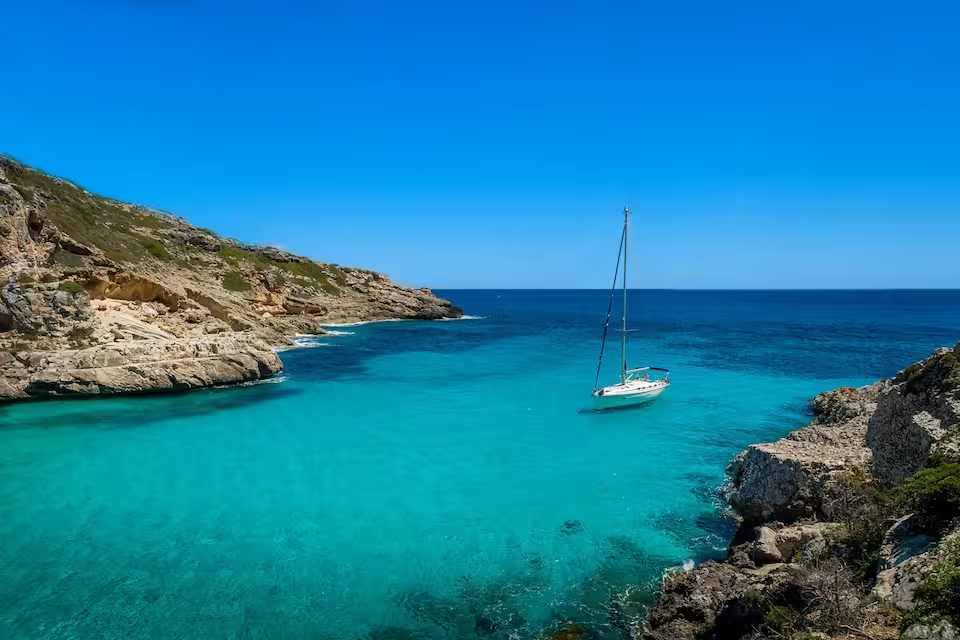
1 boats and yachts available for charter in New Zealand
INSTANT BOOKING
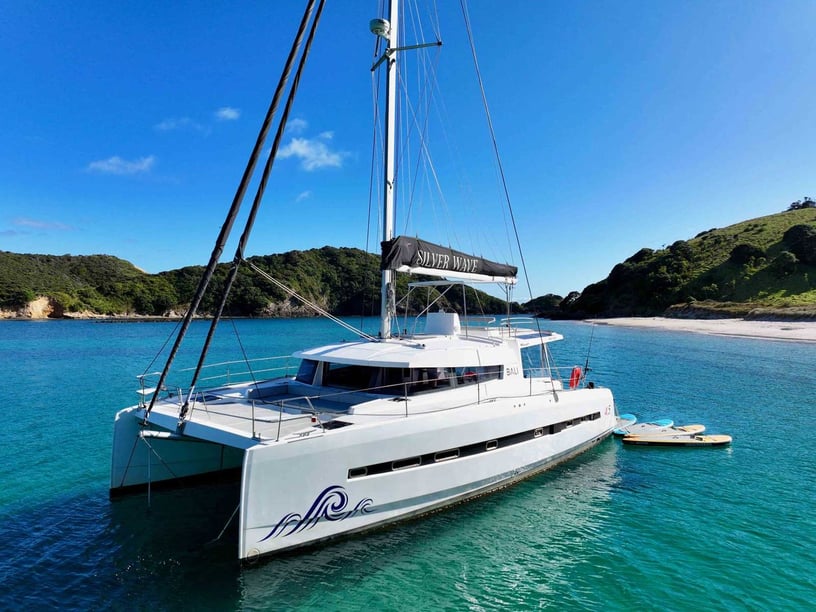
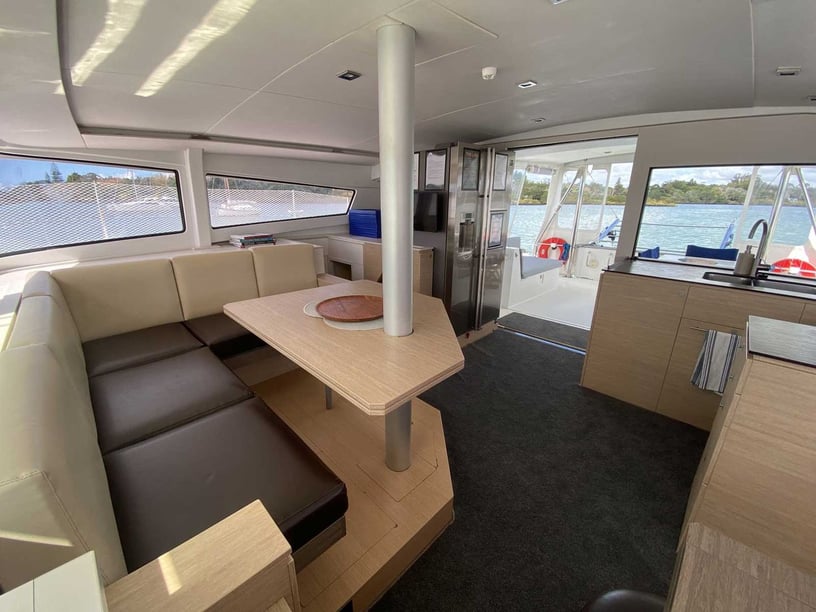
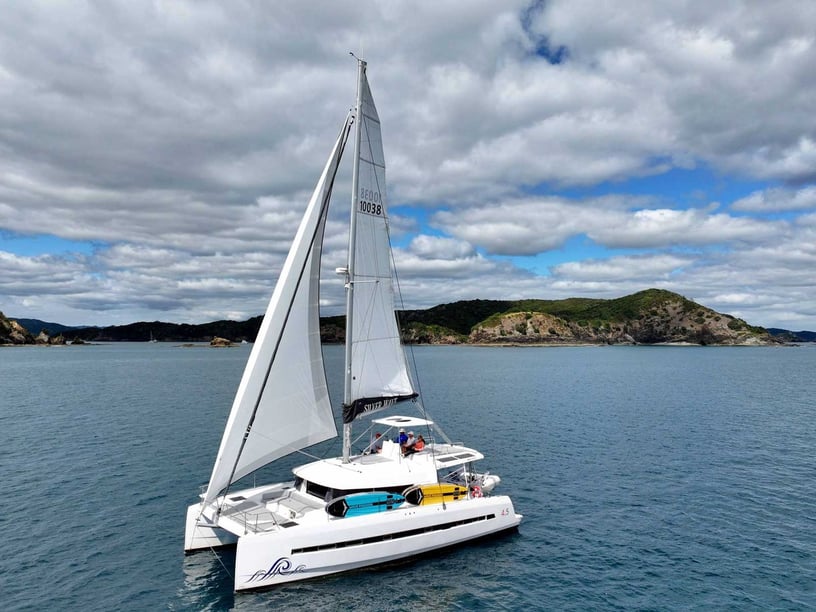
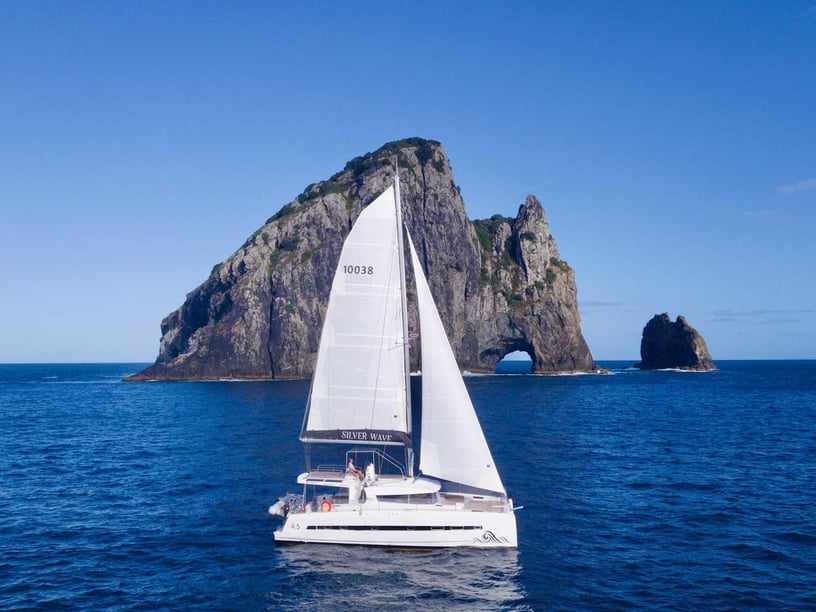
- Bali, 4.5
- 2016
- Paihia
New
- 8 berths
- 4 cabin
- 13.6 m
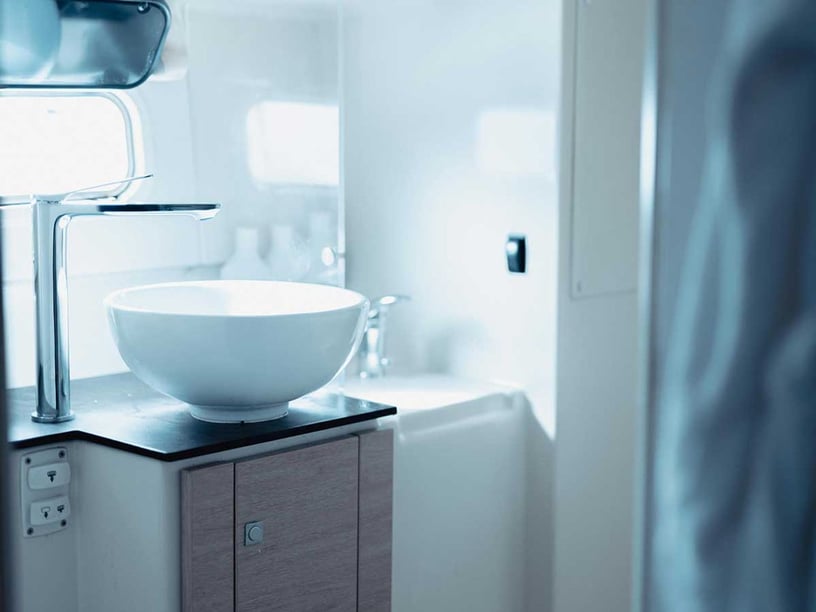
- 4 WC
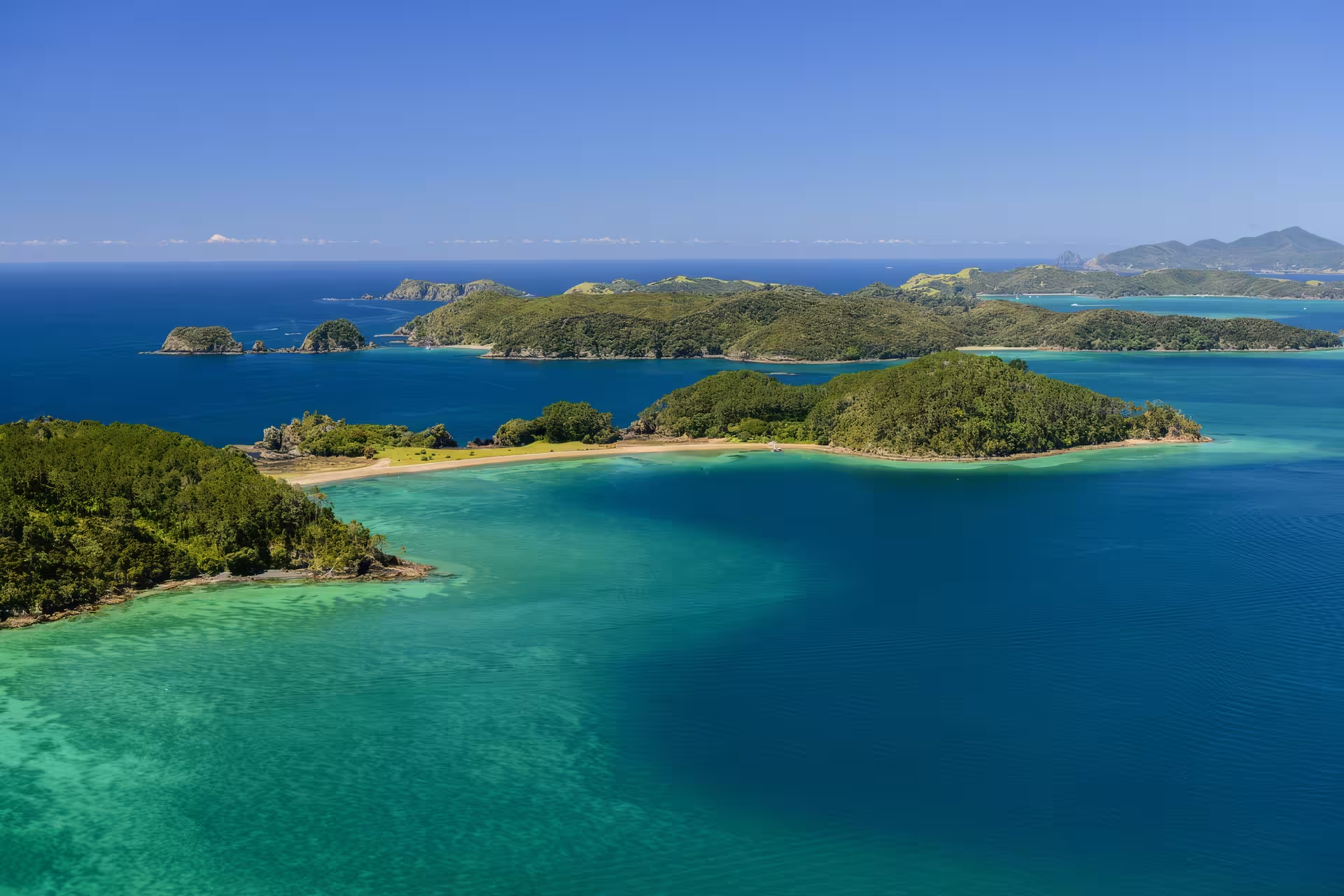
Explore catamaran charter options in New Zealand.
Trusted by thousands of travelers booking boat rentals every year.
Find the right private boat rental option for your sailing experience and travel style in New Zealand.
A professional skipper handles the sailing on a skippered yacht charter, while you relax and enjoy. No sailing experience required.
Rent yachts in New Zealand by trip length, including multi-day charter and weekly charter.

2-3 day yacht charters in New Zealand to recharge in secluded coves and hidden anchorages.

7-day weekly yacht charters in New Zealand to explore secluded bays and multiple sailing destinations.
A yacht charter in New Zealand can take several distinct forms. In the north, subtropical islands, sandy beaches and natural harbours create opportunities for short passages and sheltered anchorages. Farther south, cruising shifts to intricate sounds, cooler waters and remote glacier-carved fiords. The country’s length and varied coastline make the choice of region as important as the choice of yacht.
The main charter areas are the Bay of Islands, Auckland’s Hauraki Gulf, the Marlborough Sounds and Fiordland. The Abel Tasman coast and Stewart Island/Rakiura add further possibilities for beach visits, wildlife watching and walks reached from the water. Exploring by yacht allows travelers to move between conservation islands, coastal settlements and bays that are difficult or impossible to experience in the same way by road.
New Zealand’s maritime character also extends beyond recreational sailing. Māori ancestors reached Aotearoa in ocean-going waka, and many cruising areas retain names and traditions connected with iwi and ancestral voyages. Fishing, boatbuilding and inter-island shipping form further layers of the country’s relationship with the sea.
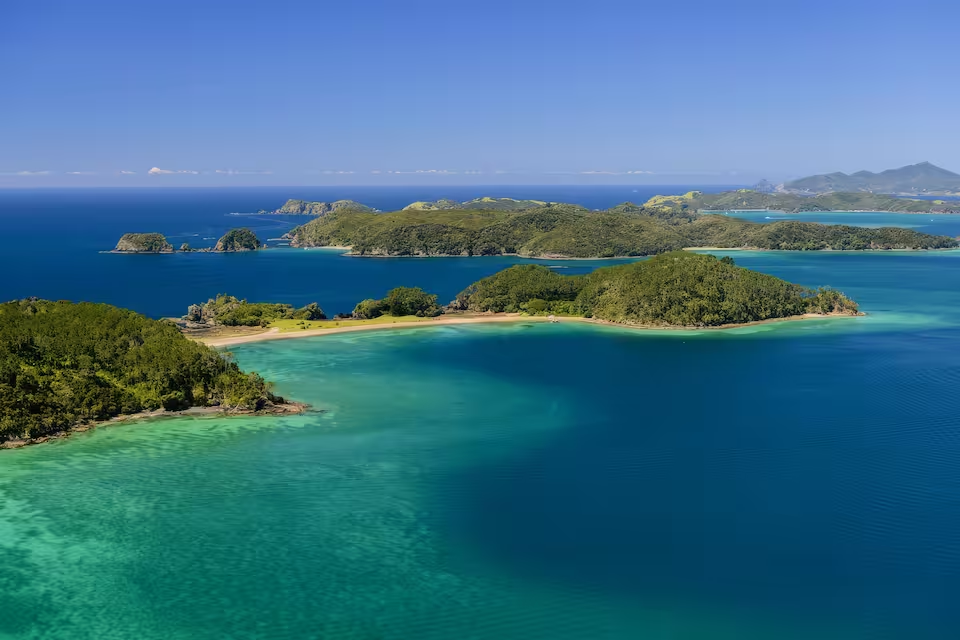
The Bay of Islands is one of the most approachable areas for island-hopping. Trips commonly begin in Opua or Paihia and can include Russell/Kororāreka, Urupukapuka Island, sheltered island bays and the Cape Brett area. Its concentration of islands and anchorages suits travelers who want relatively short cruising legs mixed with beaches, historic sites and time ashore.
Auckland offers a different rhythm. Departing from the Waitematā waterfront places a yacht within reach of the Hauraki Gulf/Tīkapa Moana, where Waiheke, Rangitoto-Motutapu, Rotoroa and Aotea/Great Barrier Island support trips of varying length. This area combines city access with volcanic islands, conservation sites and more distant anchorages. Waiheke can add shore-based dining and vineyard visits, while the outer gulf demands more time and weather awareness.
At the top of the South Island, the Marlborough Sounds divide into several complex waterways. Queen Charlotte Sound/Tōtaranui, approached from Picton or Waikawa, combines sheltered bays, waterfront accommodation and boat-access walking. Pelorus Sound/Te Hoiere, usually entered from Havelock, feels more dispersed, with remote communities and inner- and outer-sound cruising.
Nelson, Kaiteriteri and Marahau provide access to the Abel Tasman coast, where boating can be combined with beaches, kayaking and walking. Fiordland is markedly more remote: Milford Sound/Piopiotahi, Doubtful Sound/Patea and the southern fiords are expedition-cruising environments rather than casual island-hopping grounds. Stewart Island/Rakiura offers another southern alternative, particularly around the sheltered inlets of Paterson Inlet/Whaka a Te Wera.
Conditions vary sharply between regions. The Bay of Islands, Hauraki Gulf and Marlborough Sounds allow many short passages between islands, bays and coastal settlements, often with several choices of shelter. That flexibility can make them suitable for itineraries balancing sailing with swimming, anchoring and going ashore.
New Zealand nevertheless lies in the prevailing westerlies, and exposed coasts can experience strong winds, ocean swell and rapid weather changes. Headlands and mountainous terrain may funnel or accelerate the wind, while wind opposing the tide can create steep, uncomfortable seas. Even within a generally sheltered cruising area, conditions around an outer island or entrance can differ substantially from those deep inside a bay.
Cook Strait and Foveaux Strait require particular care because of strong tides and potentially confused seas. Coastal passages between the principal cruising regions should not be treated as extensions of sheltered island-hopping. Fiordland adds frequent heavy rainfall, steep-sided valleys and katabatic gusts, so voyages there generally call for suitable vessels, experienced crews and specialist local planning.
The principal recreational boating season generally runs from November through March. December to February brings the warmest and busiest period, while January, February and March are identified as particularly suitable months for boating. Demand is typically strongest in the height of summer, especially around popular northern islands and holiday settlements.
March often retains mild, relatively settled weather while attracting fewer visitors than the central summer period. Early April may also remain pleasant, although it sits outside the main season and conditions become less dependable. October and November can work for flexible trips but are generally more changeable.
From May through September, normal leisure boating activity is reduced. Sheltered northern waters and some guided cruises may still operate, but southern and exposed regions have a shorter, cooler and more weather-dependent season. Timing should therefore be assessed for the chosen cruising ground rather than for the country as a whole.
A Bay of Islands itinerary can link Opua or Paihia with Russell/Kororāreka, Urupukapuka Island and a selection of sheltered island anchorages, with the Cape Brett area as a more exposed extension. From Auckland, Hauraki Gulf routes commonly combine the city waterfront with Waiheke and Rangitoto-Motutapu; longer trips may continue to Rotoroa or Aotea/Great Barrier Island.
In the Marlborough Sounds, Queen Charlotte Sound cruising can connect bays, conservation islands, lodges and walking-track access from Picton or Waikawa. Pelorus Sound itineraries begin from Havelock and explore a more extensive network of remote waterways. On the Abel Tasman coast, a trip can combine boating with water-taxi, kayak or walking segments rather than remaining entirely aboard.
Fiordland itineraries through Milford, Doubtful, Breaksea or Tamatea/Dusky Sound require specialist planning. Around Stewart Island/Rakiura, shorter trips from Halfmoon Bay can focus on Paterson Inlet and Ulva Island/Te Wharawhara.
A charter can alternate between cruising, swimming, anchoring and exploring on land. Northern and central regions offer beaches and island bays, while the Marlborough Sounds add waterfront lodges and walking locations reached directly by boat. Conservation islands, marine reserves and wildlife sanctuaries are a recurring feature, although landing, anchoring and fishing rules differ between protected areas.
History is especially prominent in the Bay of Islands. Waitangi was where the Treaty of Waitangi was first signed in 1840, and the surrounding waters were an important setting for early Māori-European contact. More broadly, dual Māori and English place names encountered along the coast reflect the continuing cultural significance of these waterways.
Food can also form part of time ashore. The sheltered Marlborough Sounds support established Greenshell mussel and salmon aquaculture, often paired locally with Marlborough wine. In Fiordland, the emphasis changes from settlements and dining to remote scenery: steep fiord walls, heavy rainfall and limited access create an expedition-style experience. Stewart Island/Rakiura and Ulva Island add sheltered inlets, conservation areas and boat-access nature excursions.
Auckland is the principal international gateway and also a direct departure point for the Hauraki Gulf, with yachts leaving from areas including Westhaven, Z Pier and Viaduct Harbour. Kerikeri airport serves the Bay of Islands, while road connections link Auckland with Northland and the Coromandel.
For the upper South Island, domestic flights serve Nelson and Blenheim. Nelson, Kaiteriteri and Marahau are useful for the Abel Tasman coast, while Picton, Waikawa and Havelock serve the Marlborough Sounds. The Cook Strait ferry between Wellington and Picton provides another practical connection.
Fiordland access depends on the specific waterway. Milford Sound has road access from Te Anau, whereas reaching Doubtful Sound involves crossing Lake Manapouri and continuing over Wilmot Pass. Stewart Island/Rakiura is reached by ferry from Bluff or by light aircraft from Invercargill, with Halfmoon Bay acting as the main local starting point.
For any New Zealand boat rental, begin by choosing the cruising environment rather than trying to cover several distant regions in one itinerary. The Bay of Islands and inner Hauraki Gulf favor island-hopping and shorter legs; the Marlborough Sounds suit sheltered sound cruising and boat-access walks; Fiordland calls for an expedition mindset, more weather flexibility and strong local expertise.
The yacht and itinerary should match the most exposed part of the planned route, not only the sheltered anchorages. Travelers considering different formats can use the New Zealand sailboat charter and New Zealand catamaran charter pages as more focused starting points. For Cook Strait, Foveaux Strait, outer coasts or Fiordland, crew experience and vessel suitability are especially important.
Before departure, check current marine forecasts, nautical charts, tides and relevant harbourmaster bylaws. Recreational craft must carry suitable personal flotation devices, and local rules can impose additional wearing requirements. Conservation islands may require boats, footwear and equipment to be cleaned before landing; privately operated vessels visiting Fiordland islands may also require a Fiordland Clean Vessel Pass. Marine reserves have location-specific rules governing fishing, anchoring, landing and wildlife encounters, so boundaries and restrictions should be confirmed for each itinerary.
The best time for yacht charter in New Zealand depends on the season, with each period offering different sailing conditions and travel experiences.
January, February, December
Peak season
The busiest charter period in New Zealand falls in January, February, December: 20°C air, 21°C sea, 4 sunny days a month and wind averaging 10 knots.
March, April, November
Shoulder
Shoulder season in New Zealand covers March, April, November: 6°C air, 6°C sea, 3 sunny days a month and wind averaging 4 knots.
May, June, July, August, September, October
Low season
Low season in New Zealand covers May, June, July, August, September, October: 9°C air, 10°C sea, 4 sunny days a month and wind averaging 8 knots.
Weather, sea and price data shown here are for Paihia. Prices reflect seasonal pricing trends. For more details: Paihia.
| Month | JAN | FEB | MAR | APR | MAY | JUN | JUL | AUG | SEP | OCT | NOV | DEC |
|---|---|---|---|---|---|---|---|---|---|---|---|---|
| 🌡️ Avg. temperature | 21° | 21° | 0° | 0° | 0° | 0° | 13° | 13° | 14° | 15° | 17° | 19° |
| ☀️ Avg. sunny days A day is counted as sunny when average daytime cloud cover is 30% or less. | 5 days | 4 days | 4 days | 4 days | 5 days | 5 days | 5 days | 3 days | 3 days | 2 days | 2 days | 4 days |
| 🌧️ Avg. days with rain A day is counted as rainy when at least 1 mm of rain falls. Monthly rainfall | 10 days89 mm | 9 days80 mm | 9 days55 mm | 10 days112 mm | 8 days79 mm | 11 days113 mm | 10 days124 mm | 11 days89 mm | 11 days79 mm | 11 days84 mm | 11 days70 mm | 9 days51 mm |
| 💨 Avg. wind Shows how windy a typical day is during this month, based on the full-day average. | 10 knSuitable for sailing based on hourly wind data. | 10 knSuitable for sailing based on hourly wind data. | 12 knSuitable for sailing based on hourly wind data. | 12 knSuitable for sailing based on hourly wind data. | 11 knSuitable for sailing based on hourly wind data. | 11 knSuitable for sailing based on hourly wind data. | 10 knSuitable for sailing based on hourly wind data. | 9 knSuitable for sailing based on hourly wind data. | ||||
| 🌊 Avg. seawater temperature | 21° | 22° | 0° | 0° | 0° | 0° | 16° | 15° | 16° | 16° | 18° | 19° |
| 📅 Season | HIGH SEASON | HIGH SEASON | SWEET SPOT | SWEET SPOT | LOW | LOW | LOW | LOW | LOW | LOW | SHOULDER | HIGH SEASON |
/ night
catamaran available
€3,243
€3,688
Prices vary by yacht type, size, season and charter type. Additional costs such as fuel, skipper fees and security deposit may apply.
Last updated at September 13, 2026
Available only for overnight charters.
Prices vary by yacht type, size, season and charter type. Additional costs such as fuel, skipper fees and security deposit may apply.
Last updated at September 13, 2026
Learn everything you need to know about boat rental in New Zealand, including costs, yacht types, charter options and sailing requirements.
How much does a yacht charter cost in New Zealand?
What types of boats are available for charter in New Zealand?
Can I charter a yacht bareboat, with a skipper or with a crew in New Zealand?
What is the best time for yacht charter in New Zealand?
What are the popular yacht charter destinations in New Zealand?
How many guests can a yacht charter accommodate in New Zealand?
How much does a skipper cost per day in New Zealand?
What are the most widely available yacht models in New Zealand?