Yacht charter in Santa Maria
Santa Maria sits on the low, arid southern coast of Sal, facing a broad Atlantic bay and a long white-sand waterfront. The city combines a resort-oriented beachfront with a working fishing shore, restaurants, local markets and live Cape Verdean music.
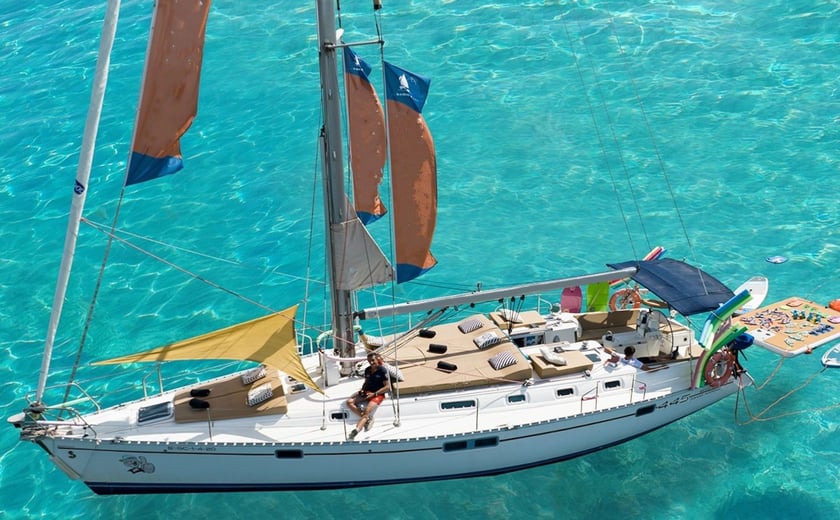
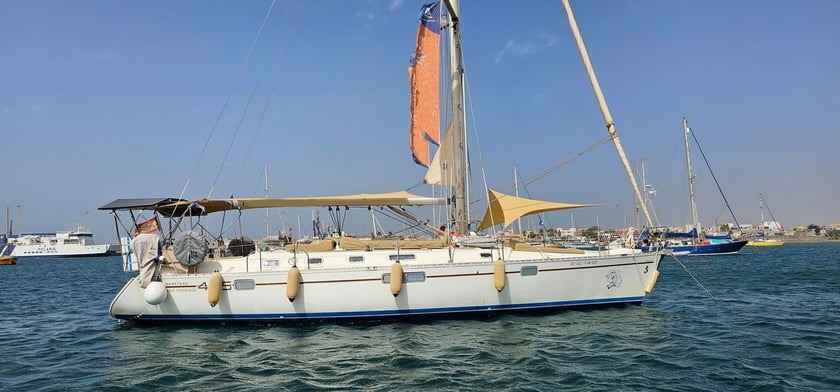
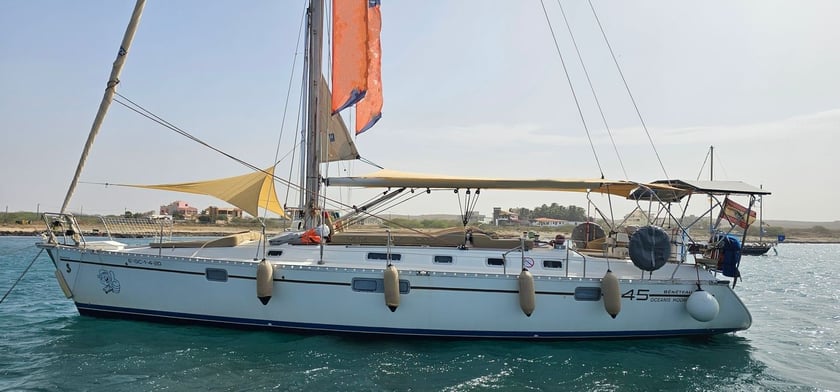
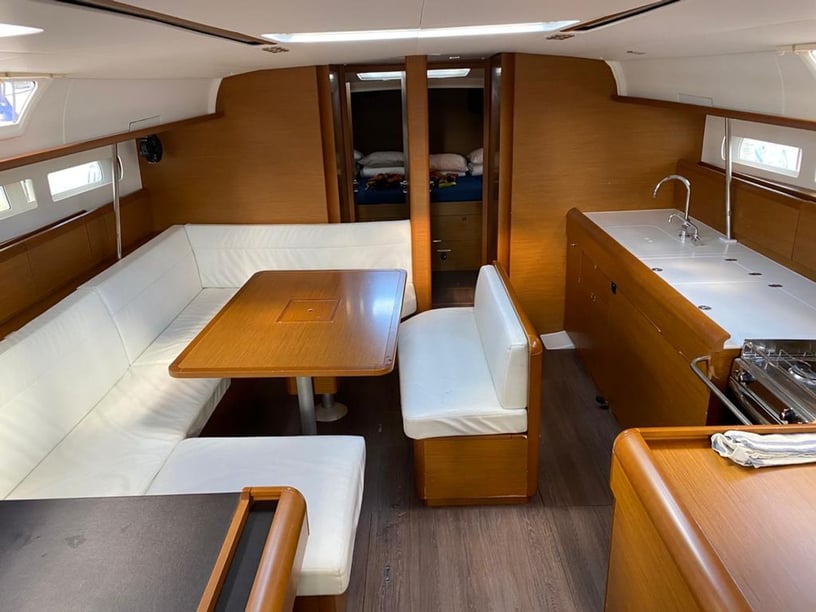
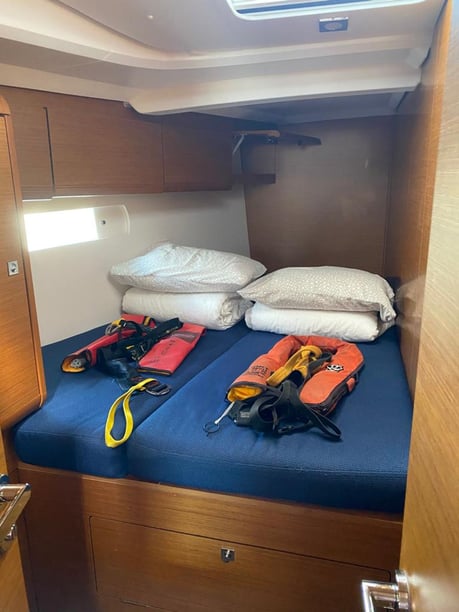
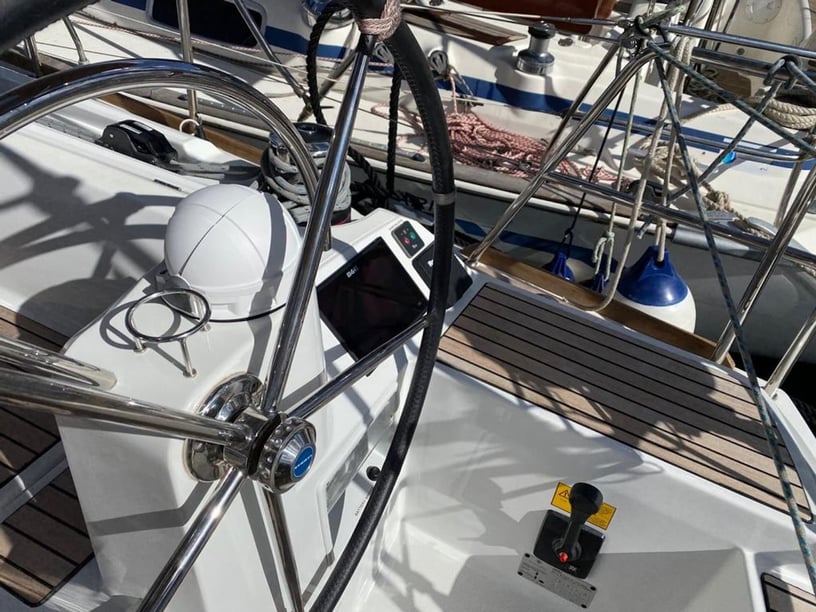
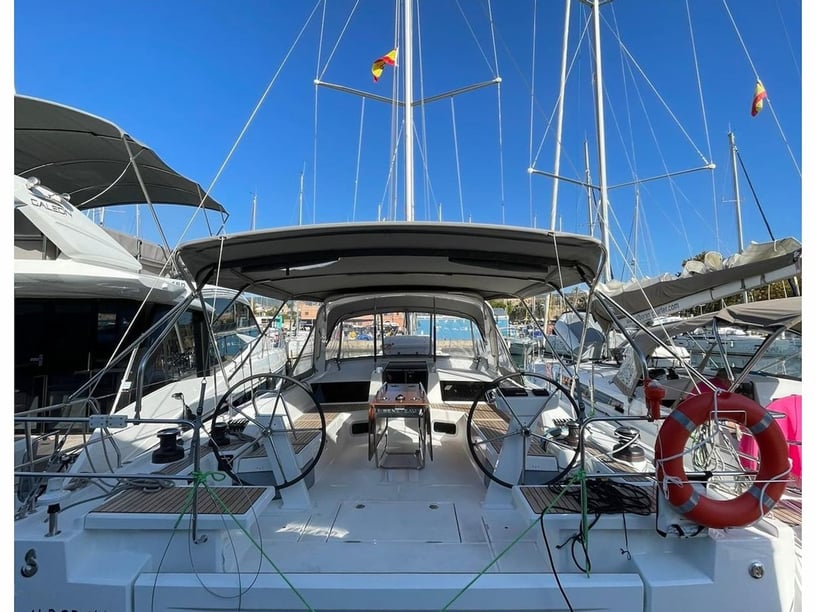
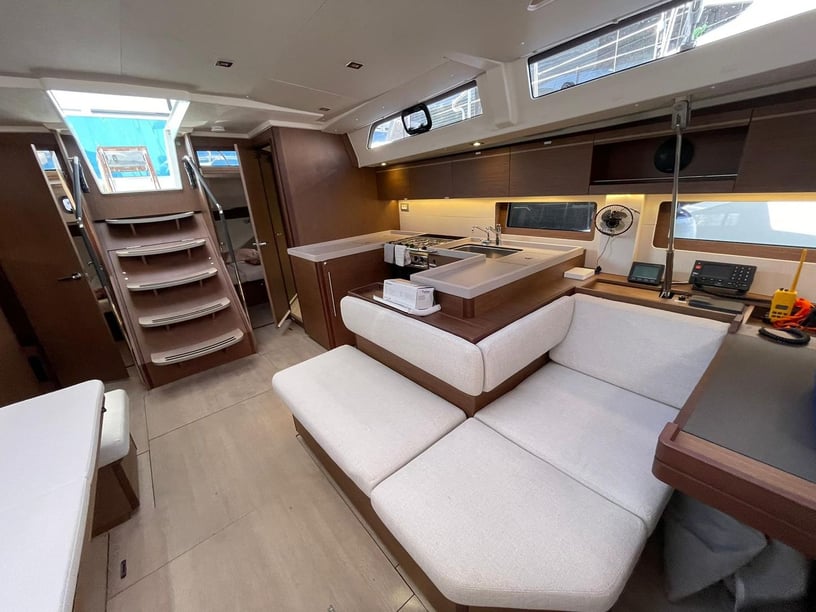
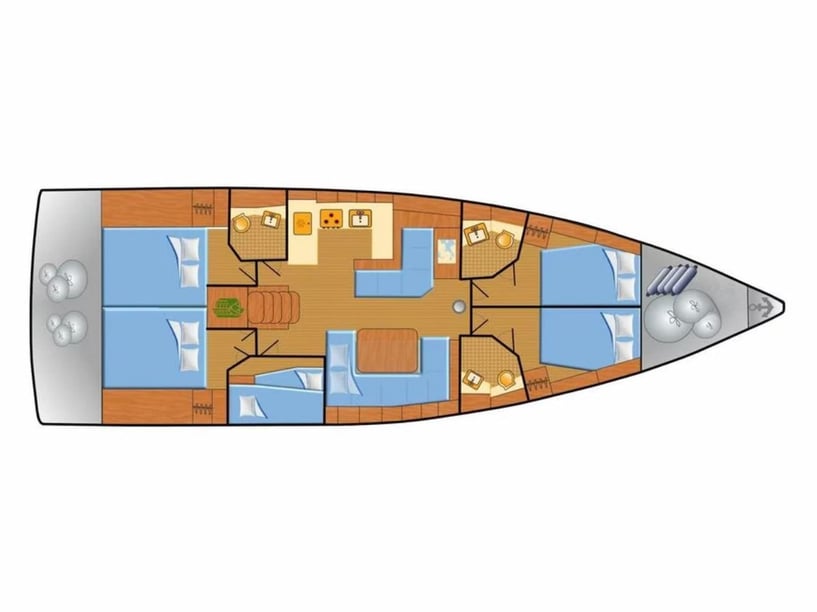
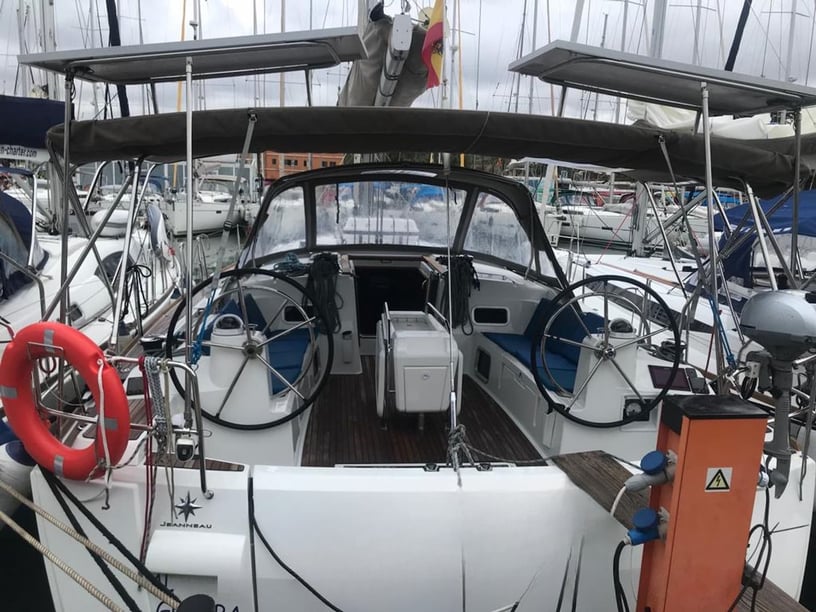
A yacht charter in Santa Maria is generally shaped by day sailing, catamaran excursions, fishing and snorkeling rather than marina-based cruising. Boats operate from the town waterfront or from Sal’s principal port at Palmeira, with trips following the southern and western coastline when conditions permit. This makes Santa Maria both a convenient holiday base and a place to explore from the water, rather than a conventional full-service charter marina. Travelers considering a wider itinerary can also compare yacht charter options across Cape Verde.
Coastal places to explore around Sal
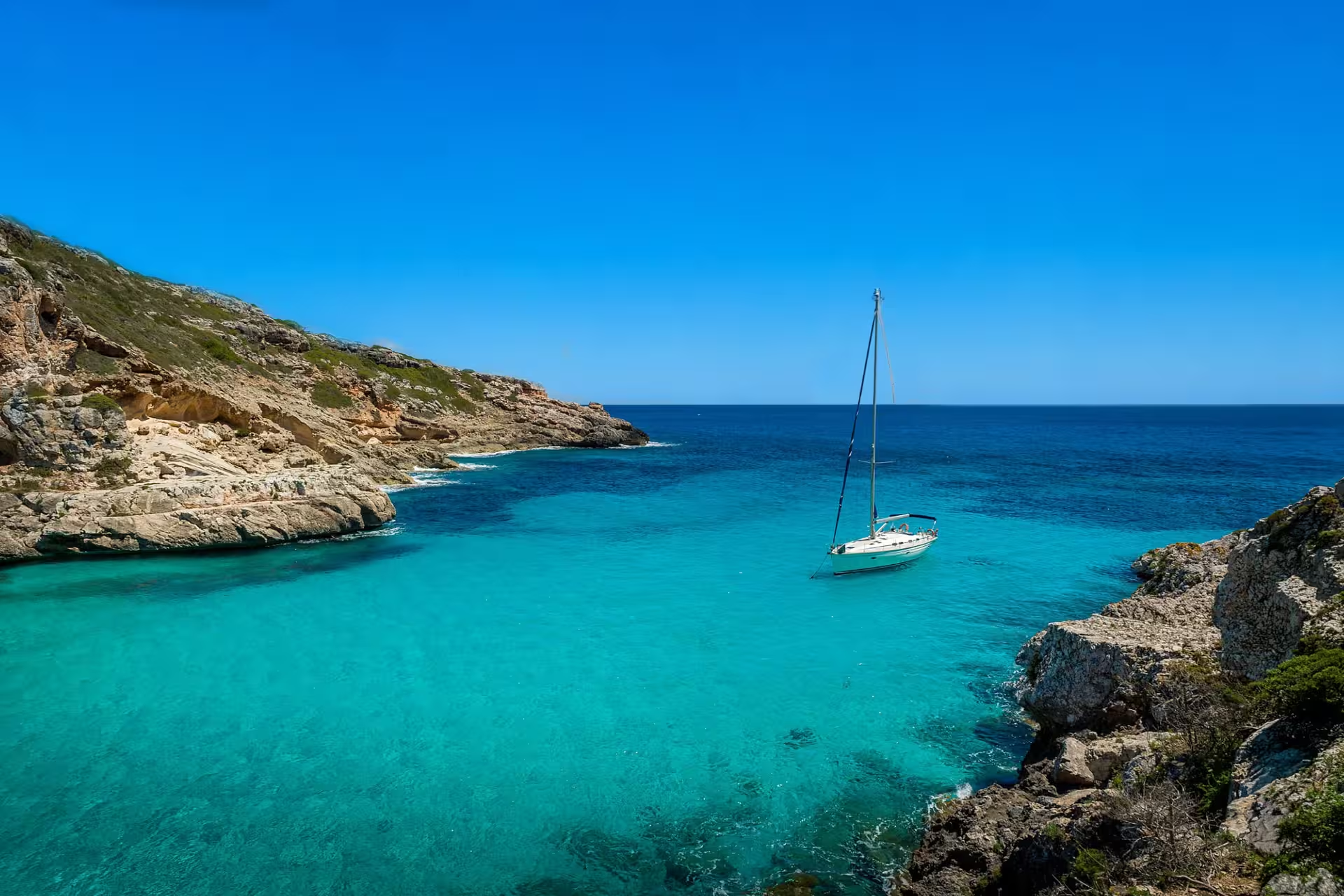
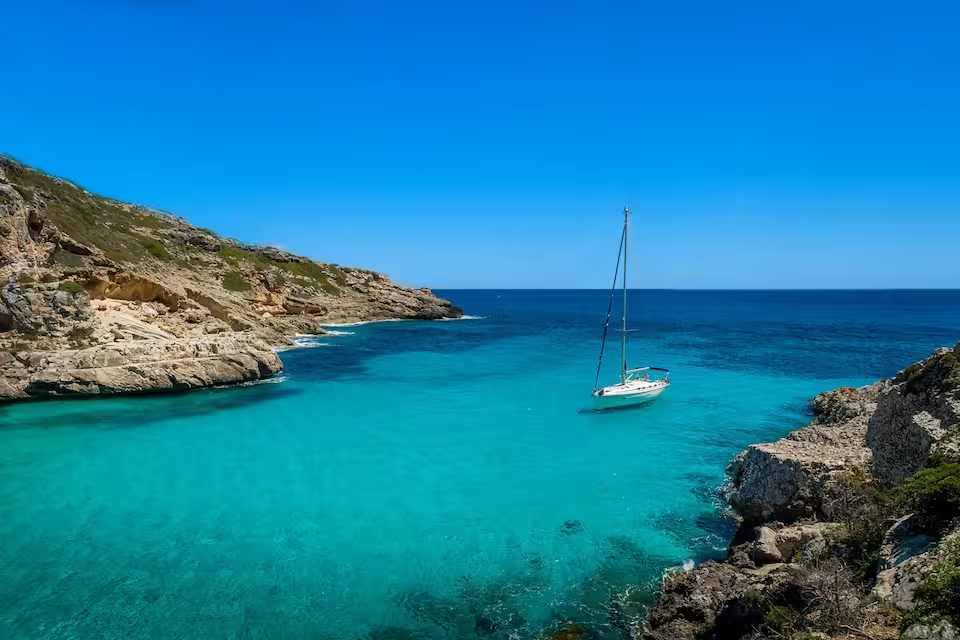
Santa Maria Bay is the immediate focus for swimming, snorkeling and paddleboarding. Its shallower sections can be noticeably calmer than the exposed water beyond the bay, making it well suited to relaxed stops close to town.
West of Santa Maria, the coastline runs toward Ponta do Sinó and Ponta Preta. Ponta Preta is known for stronger surf and currents, providing a clear contrast with the sheltered parts of the town bay. On Sal’s eastern side, Costa da Fragata and Kite Beach are more exposed to the trade winds and are closely associated with windsurfing and kitesurfing.
Farther north on the west coast, Murdeira Bay offers a more enclosed setting for swimming and snorkeling. It forms part of a protected marine nature reserve, so visits should be managed with care around turtles, cetaceans, seabirds and sensitive underwater habitats.
What sailing around Santa Maria is like
Cruising around Santa Maria takes place in open Atlantic surroundings, with few deeply sheltered harbors. Northeast trade winds predominate and are generally strongest from January through April. Outside protected water, the combination of wind and swell can produce choppy conditions, so routes and stops often depend on the day’s forecast.
Santa Maria is sheltered from winds between southwest and east, but northeasterly swell can still enter its anchorage and make boats roll. Surf may also complicate tender or beach landings. Conditions experienced at anchor should therefore not be assumed to represent those farther offshore or around exposed headlands.
The local sailing difficulty is moderate. Travelers seeking a relaxed outing should discuss sea conditions, boarding arrangements and the intended route before departure. Those with limited sailing experience may prefer a trip managed by an experienced local skipper, particularly when venturing beyond Santa Maria Bay.
Best time for a Santa Maria yacht charter
Boat excursions can operate throughout the year when sea conditions allow, but the principal yacht period runs from November through February. November, December, January and February are identified as particularly suitable months, while March also remains part of the busier season. This period overlaps with Sal’s established windsurfing and kitesurfing season, which continues approximately from November to May.
The trade winds are usually strongest from January to April, an important consideration for travelers sensitive to choppy water. April through October generally forms a quieter shoulder period for yachting. June and July are warm and very dry, while August through October are hotter and more humid. Rain is most likely in September, though conditions still vary from day to day.
Day-sailing routes around Sal
A typical Santa Maria-based trip follows Sal’s southern or western coast for a half or full day. Swimming, snorkeling or fishing stops are selected according to wind, swell and visibility rather than a rigid itinerary.
Another established option begins at Palmeira. Travelers staying in Santa Maria transfer by road to the port, then sail south toward Murdeira Bay for swimming and snorkeling before returning to Palmeira. This route combines a functional port departure with one of the island’s more enclosed coastal areas and is particularly relevant when Santa Maria’s beach-based boarding conditions are less convenient.
Experiences on and off the water
Time afloat can be divided between coastal sailing and stops for swimming or snorkeling, with the calmer sections of Santa Maria Bay offering an accessible introduction to Sal’s waters. More exposed stretches around Ponta Preta and Kite Beach reveal the stronger wind, surf and currents that have made the island prominent in board sports.
Back ashore, the Pontão de Santa Maria and surrounding waterfront retain a visible connection to small-boat fishing and the landing of the local catch. Fresh fish and seafood feature strongly in local dining, alongside Cape Verdean dishes such as cachupa. Evening plans can include restaurants and live Cape Verdean music near the beachfront.
The city’s maritime character also reflects its history. Founded in 1830 as a center for salt extraction and export, Santa Maria developed around salt working and fishing before tourism expanded substantially from the 1990s.
Getting there and where trips depart
Amílcar Cabral International Airport is the main arrival point for Sal. Santa Maria is reached by road from the airport and Espargos, usually by taxi, hotel transfer or rental vehicle.
Yacht access in Santa Maria is based on anchoring and waterfront or beach operations; there is no full-service marina in the city. Some trips board from the Santa Maria waterfront, subject to surf and sea conditions. Others are marketed from Santa Maria but depart from Porto da Palmeira, Sal’s principal functional port, reached by road through the center of the island.
Travelers should therefore confirm the actual departure point before arranging transfers. For visiting yachts, Palmeira is also the relevant location for the island’s principal port services and clearance.
Planning your charter or boat rental
When comparing a yacht charter or boat rental in Santa Maria, begin with the intended experience: a short sail within or near the bay requires different conditions and timing from a longer coastal trip toward Murdeira. Ask whether boarding is from the beach, the waterfront or Palmeira, and whether road transfers are included in the trip plan.
Because Santa Maria’s boating environment is anchorage- and excursion-based, the weather can influence the route, swimming stops and landing arrangements. Allow flexibility rather than relying on a fixed list of places. Travelers prone to seasickness may prefer calmer inshore plans and should consider how northeasterly swell affects the anchorage.
Sun exposure and ultraviolet levels are high throughout the year, with limited natural shade on boats and beaches. Suitable sun protection and adequate water are important even on shorter outings. Winter travelers should also be aware that Saharan haze can occasionally reduce offshore visibility.