Yacht charter in Palmeira
Palmeira is a fishing village and working port on the northwest coast of Sal, one of the islands of Cape Verde. Its sheltered harbor is an established arrival and anchorage point for visiting yachts, although it has no confirmed dedicated recreational marina. A yacht charter in Palmeira is therefore shaped more by the rhythms of an active maritime gateway than by the facilities of a purpose-built resort harbor.
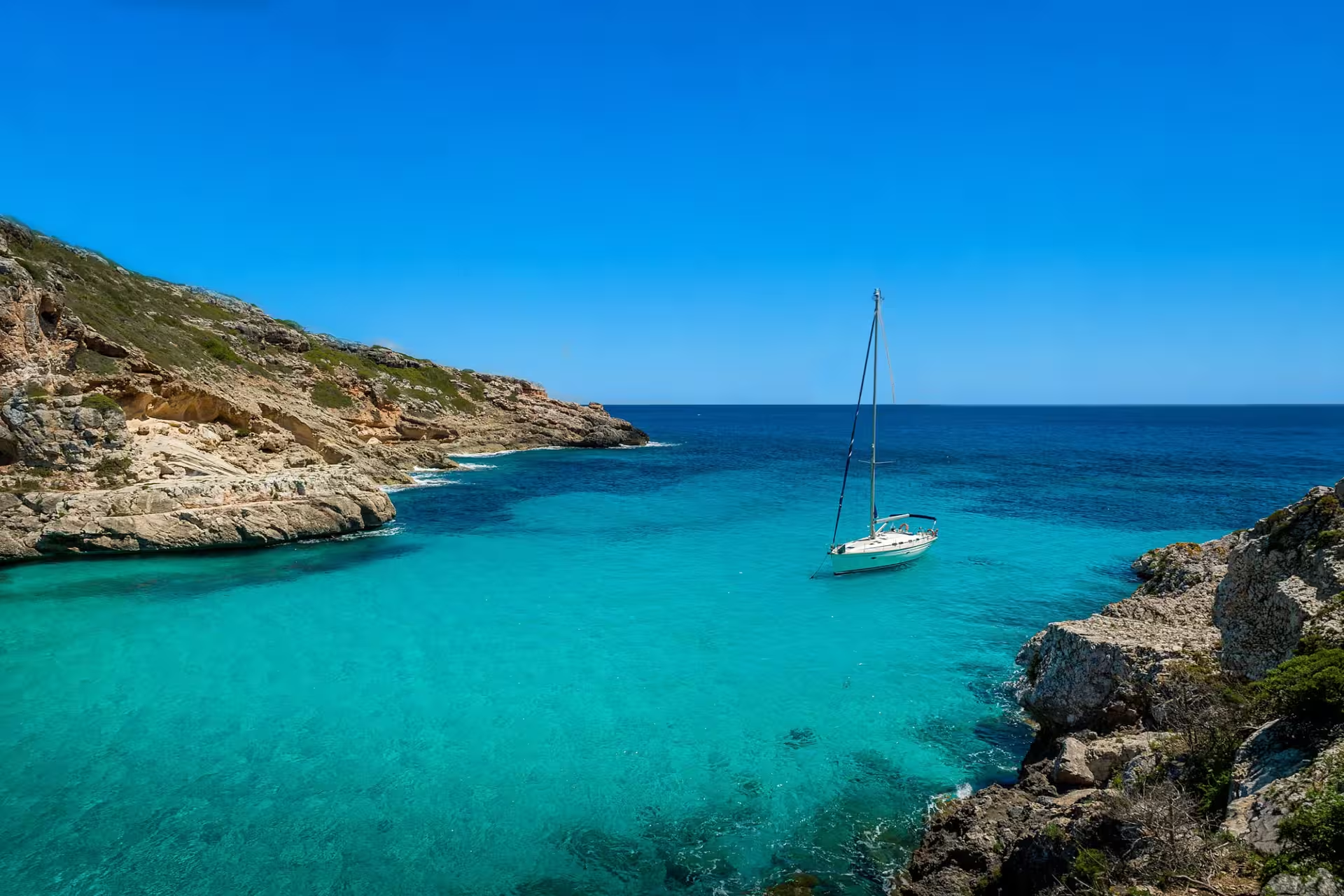
The setting is distinctly Atlantic. Low, arid coastline surrounds the village, with dark basalt formations extending north toward Buracona and broader bays and sandy shores appearing farther south. Palmeira suits travelers who value local fishing culture, coastal exploration and a practical connection to the rest of Sal. For a wider view of cruising possibilities across the archipelago, see yacht charter in Cape Verde.
Coastal places to explore around Palmeira
North of the port, the volcanic coastline leads toward Buracona, known for its lava formations, caves and natural pool. This rugged shore provides a striking contrast to the lower, sandier coast south of Palmeira and can be combined with an overland visit during time ashore.
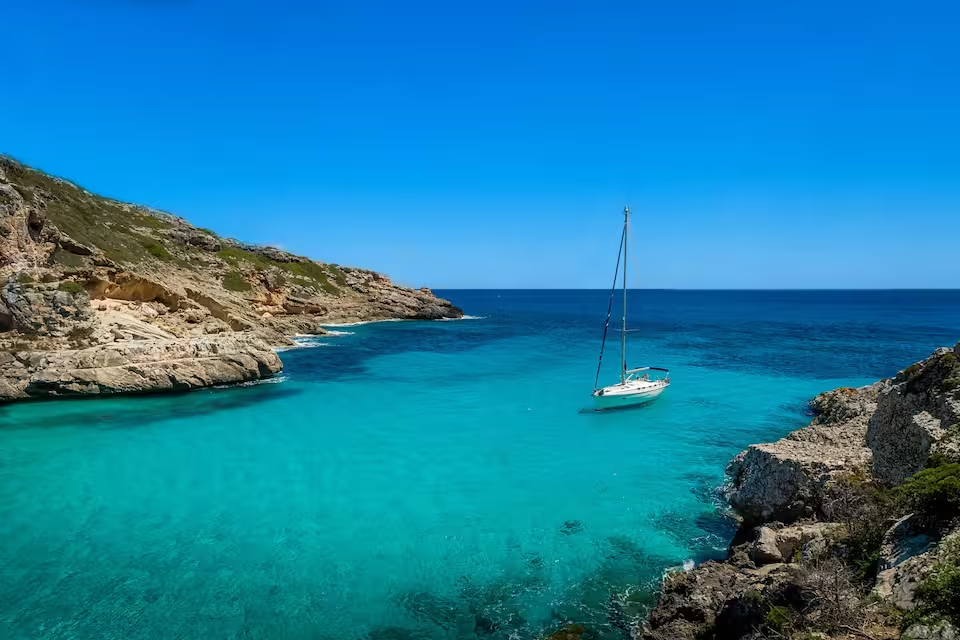
Murdeira Bay is the most established nearby objective for a coastal excursion by sailing yacht or catamaran. Located along Sal’s west coast, it is associated with scenic cruising and wildlife observation and lies within the Baía da Murdeira Marine Natural Reserve. Farther south, Santa Maria introduces another side of Sal, with a broad bay and sandy coastline. These areas allow a charter itinerary to combine time on the water with visits to different parts of the island rather than remaining focused solely on the working harbor.
Sailing conditions and cruising character
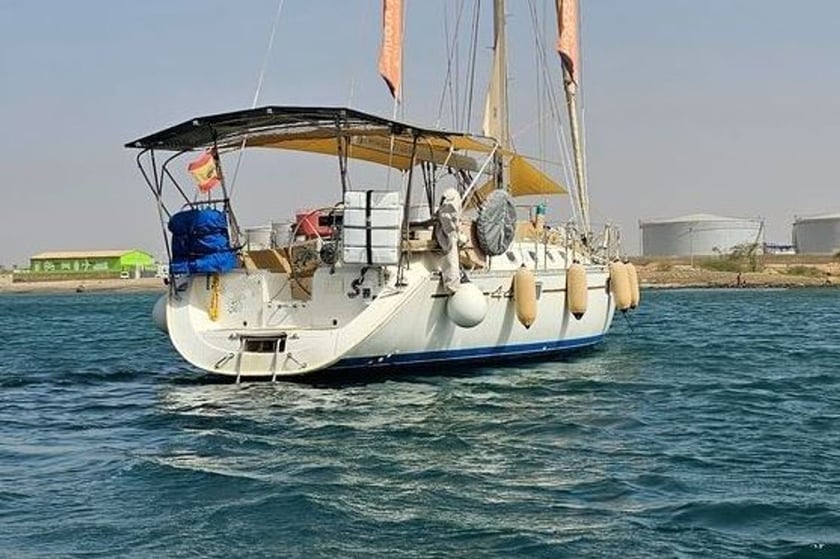
Cruising around Palmeira revolves around the protection offered by Baía de Palmeira. The port breakwaters shelter the anchorage from much of the prevailing Atlantic swell, but northeast trade winds can still send strong gusts through the harbor. Yachts share the area with fishing boats, local moorings and commercial traffic, so the atmosphere is active rather than secluded.
Outside the harbor, conditions become more exposed. Atlantic swell and wind-driven chop can affect coastal passages, while travel between Cape Verde’s islands involves open-ocean sailing. These differences matter when choosing a charter: a short trip south along Sal’s coast is a different undertaking from an onward passage through the archipelago.
Anchoring is generally over areas of sand and mud, but holding quality varies. Port traffic, floating lines and the buoyed deep-water channel also require careful attention from the crew. Daylight arrival is prudent, and itineraries should allow flexibility for wind and sea conditions.
The best time to charter in Palmeira
Recreational boating is possible throughout the year, but the experience changes with the trade winds and seasonal weather. November through March is the main tourism, wind-sport and ocean-cruising period. Conditions are usually dry and the northeast trades are well established, although stronger winds and harbor gusts can make sailing more demanding. November is among the particularly suitable months for a Palmeira yacht charter.
May and June are also especially appealing, generally bringing dry, warmer conditions and somewhat lighter winds than in winter. July through September tends to have warmer water and lighter average winds, but humidity increases, occasional rain becomes more likely and tropical disturbances are seasonally possible.
October is another particularly suitable month, with warm water and weather that generally improves as the wetter period ends. Travelers prioritizing stronger, more consistent sailing conditions may prefer the winter cruising season, while those seeking a warmer trip with typically lighter winds can consider late spring or October.
Charter routes from Palmeira
The clearest local route follows Sal’s west coast from Palmeira toward Murdeira Bay. It works well as a coastal excursion, offering views of the island’s changing shoreline and opportunities for marine-life observation without committing to a passage between islands. Santa Maria can add a southern coastal and shore-based element to a broader Sal itinerary.
For ocean-cruising yachts, Palmeira can also serve as an entry point before continuing west to Mindelo through the Barlavento islands. This is an exposed Atlantic passage rather than a casual extension of a local cruise, so vessel suitability, crew experience, forecasts and adequate passage time are central planning considerations.
Life on the water and ashore
Palmeira’s defining experience is the close relationship between the village and its harbor. Artisanal fishing remains visible along the waterfront, and fresh fish and seafood are an important part of local food culture. Going ashore offers an opportunity to see a working Cape Verdean port rather than a waterfront created mainly for visitors.
A charter can balance coastal sailing with fishing, diving and marine-life experiences. North of the village, volcanic rock and the Buracona formations add a geological dimension to time ashore; to the south, the coastline opens into broader bays. Travelers with additional time can also visit the Pedra de Lume salt flats inland. Together, these experiences make Palmeira suitable for a trip that combines sailing with Sal’s fishing traditions, volcanic landscape and contrasting coastal environments.
Access, harbor and departure points
Amílcar Cabral International Airport is the main air gateway to Sal. Palmeira is reached by road through Espargos, using taxis, rental vehicles or locally operated shared transport. The same road network connects the village with Murdeira, Santa Maria and other parts of the island.
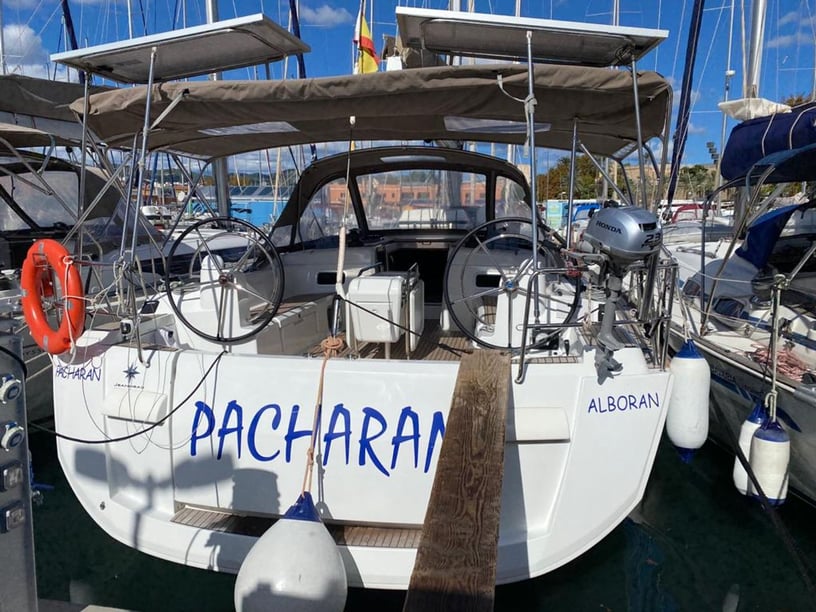
Porto da Palmeira is the relevant maritime arrival and departure area, but it should not be approached as a full-service leisure marina. Visiting yachts normally anchor within the harbor and use a dinghy to reach shore. Basic food, water and everyday supplies are available in the village, while Espargos provides a broader selection. Specialist chandlery and repair facilities are limited, so travelers should confirm where their vessel is based and what support is included before arranging airport transfers.
Planning a boat rental or yacht trip
When comparing boat rental in Palmeira, first establish whether the trip is a local coastal excursion, an overnight charter around Sal or part of a longer inter-island passage. The intended route has a major bearing on the appropriate vessel, crew arrangements and time required. Travelers should also confirm the actual embarkation point, as Palmeira functions as a commercial harbor and yacht anchorage rather than a conventional charter marina.
Ask how shore transfers will work, whether a dinghy is used, and what food, water and other provisions are carried aboard. For longer passages, discuss the vessel’s suitability for Atlantic conditions and the crew’s experience with Cape Verde’s trade winds. Current arrival procedures, clearance rules, port fees and protected-area requirements should be checked with the port authority and the Maritime Delegation of Sal. Port-authority directions may also affect yacht movements and shore access within the harbor.