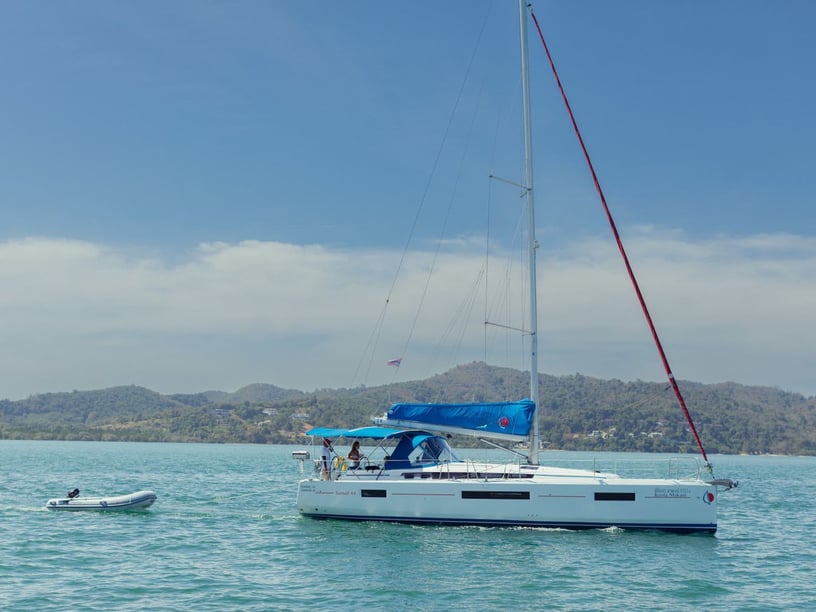
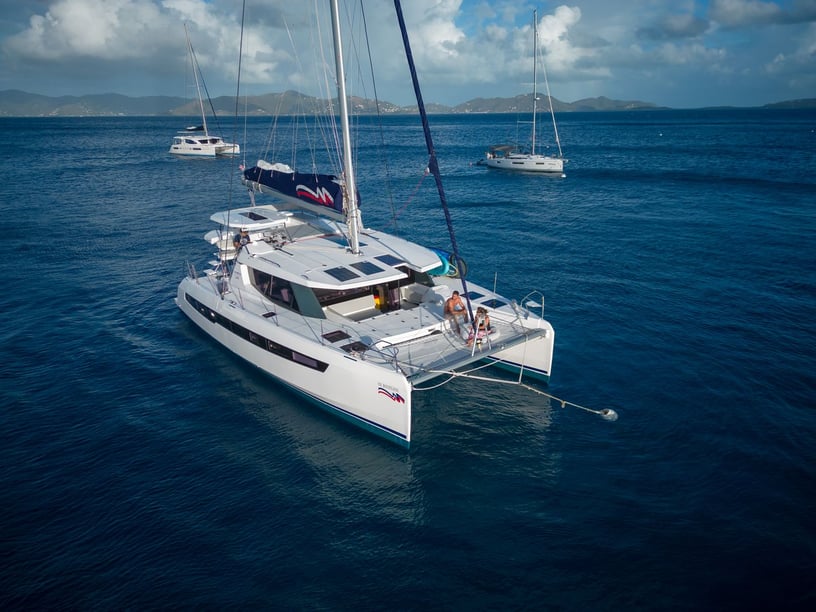
Yacht charter around Saint Martin
Saint Martin is a binational Caribbean island, with the French collectivity of Saint-Martin in the north and Dutch Sint Maarten in the south. A yacht charter around Saint Martin brings these two characters into one cruising area: French and Creole waterfront dining, Dutch-side marinas and nightlife, protected nature sites and short passages to neighboring islands.
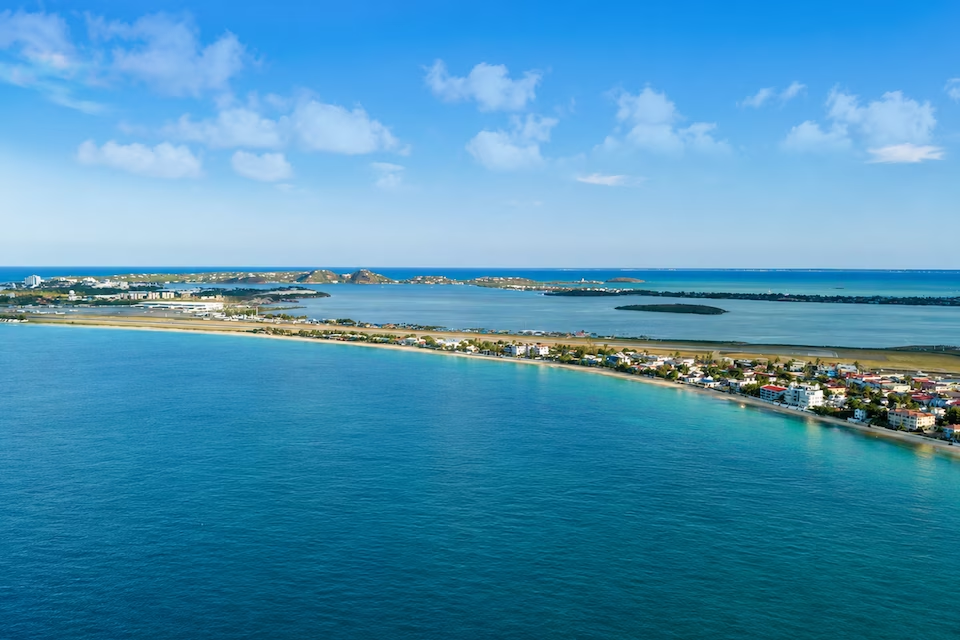
The indented coastline offers several distinct boating zones. Simpson Bay Lagoon is a sheltered center for marinas and marine services, while the northeast is shaped by reefs, small islands and the Saint-Martin National Nature Reserve. The western coast is generally more protected from the Atlantic swell than the eastern and northeastern shores. This variety makes the island relevant both as a place to begin a trip and as a destination to explore by water.
Coasts, bays and islands to explore
On the French side, Marigot combines a harbor setting with Fort Louis and a market shaped by the island’s Caribbean and French influences. Farther north, Grand Case is known for its waterfront restaurants and informal Creole lolos, making it a natural stop when dining ashore is part of the itinerary. Sheltered Anse Marcel can also connect the north coast with trips into the nature reserve.
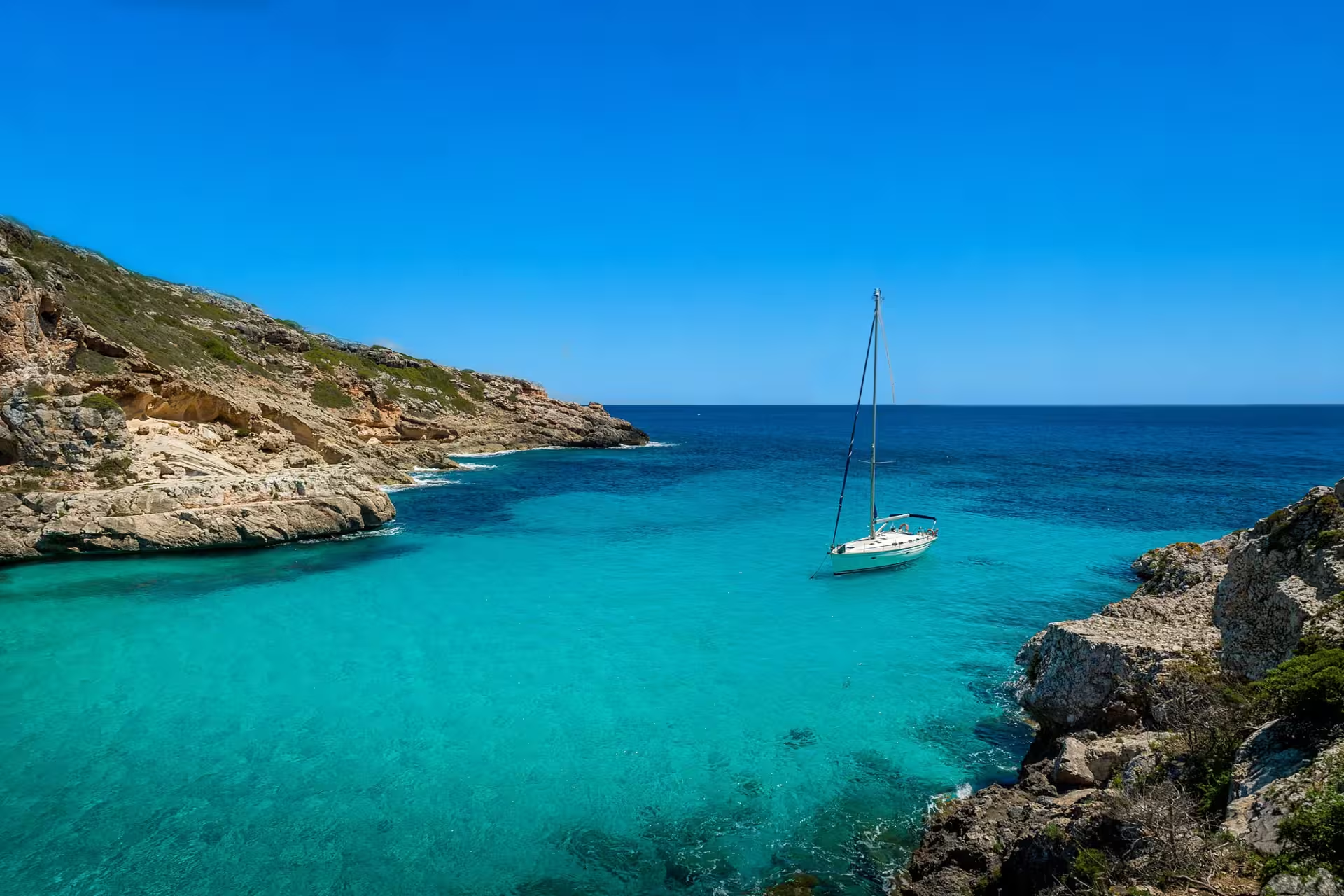
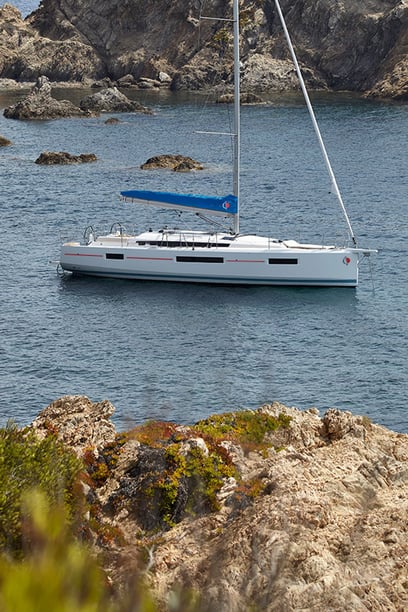
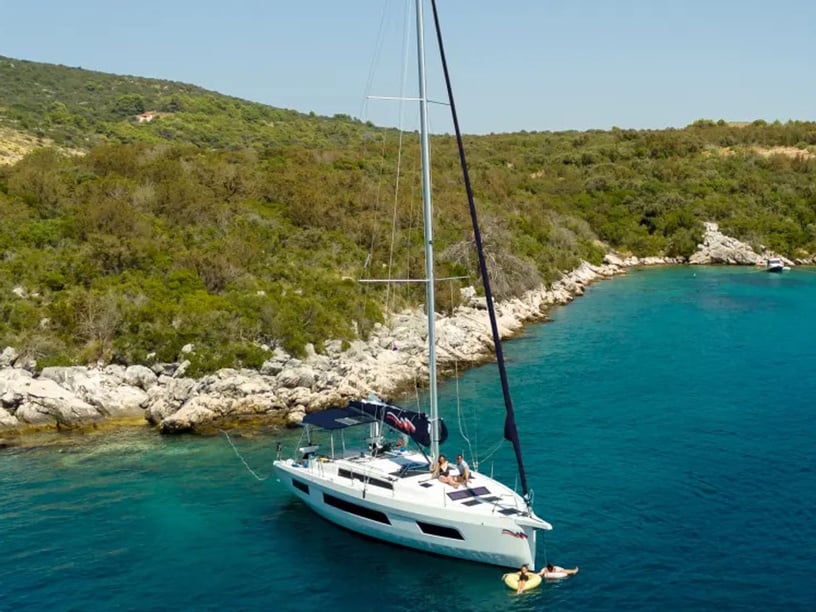
Tintamarre, Pinel Island and Creole Rock are among the most relevant stops for swimming, snorkeling and marine life. Moorings protect sensitive areas where anchoring may be restricted. On the Dutch side, Simpson Bay offers marina facilities and evening activity, while Philipsburg faces Great Bay and provides access to the boardwalk and historic Fort Amsterdam. Beyond Saint Martin, Anguilla and Saint Barthélemy extend the cruising ground with short open-water passages.
What sailing conditions are like
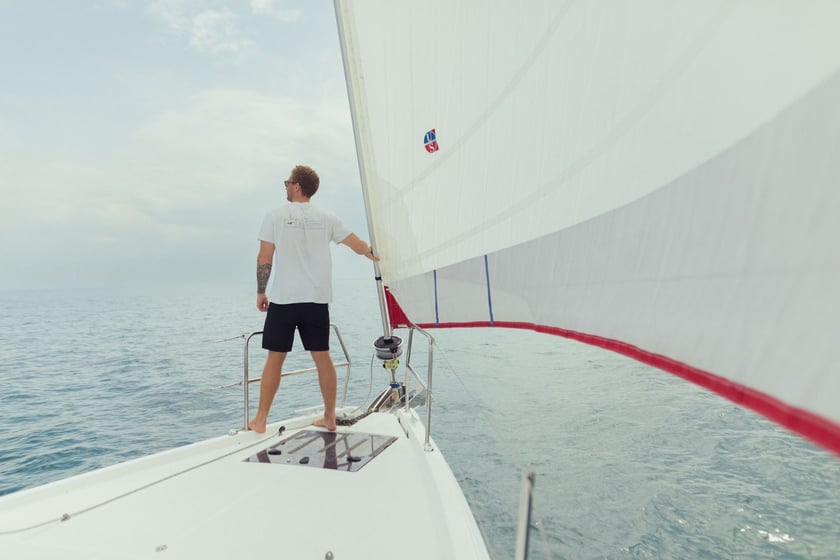
Cruising around Saint Martin ranges from maneuvering within sheltered Simpson Bay Lagoon to coastal hops and exposed passages across the Northern Leeward Islands. Northeast to easterly trade winds commonly prevail from late autumn through spring. Winter winds are often around 15 to 20 knots, though stronger Christmas Wind periods can exceed 25 knots.
Conditions vary significantly around the island. The eastern and northeastern coasts receive more Atlantic wind and swell, while the western leeward side is often more protected. North or northeast swell can still make roadsteads such as Grand Case, Marigot and Simpson Bay uncomfortable even when local winds are moderate. Reef approaches, squalls and the channels toward Anguilla and Saint Barthélemy add complexity, giving the area an overall moderate level of sailing difficulty. Forecasts and local route planning therefore matter as much as distance.
Best time for a Saint Martin yacht charter
The principal yacht charter season runs from December through April, when rainfall is generally lower, temperatures are comparatively comfortable and the trade winds are well established. February, March and April are identified as particularly suitable months. They combine the main season’s sailing pattern with good scope for moving between the island’s coasts and nearby destinations, subject to swell and short-term forecasts.
May and June can still provide favorable cruising, although conditions become warmer and the trades are often softer. The Atlantic hurricane season officially lasts from June through November, and normal charter activity decreases during its wetter, hotter portion. September and October are generally the least dependable months, with weaker and less settled trade winds. November is transitional as the regular wind pattern begins to return. Tropical-cyclone procedures, marina rules and insurance requirements should be checked carefully for any summer or autumn trip.
Route ideas from Saint Martin
A local nature-focused route can link Anse Marcel with Tintamarre, Pinel Island, Creole Rock and Grand Case. It balances time under way with snorkeling, swimming and meals ashore without requiring a longer inter-island circuit.
For a broader itinerary, Saint Barthélemy can be approached via Tintamarre and Île Fourchue, continuing to Gustavia or Anse de Colombier. Another established pattern combines Saint Barthélemy with Anguilla, where Road Bay, Prickly Pear Cays or Crocus Bay may form part of the route before returning to Saint Martin. These are short passages in regional terms, but they cross open channels. Weather, sea state, crew experience and clearance requirements should determine the sequence rather than a fixed schedule.
Life on and off the water
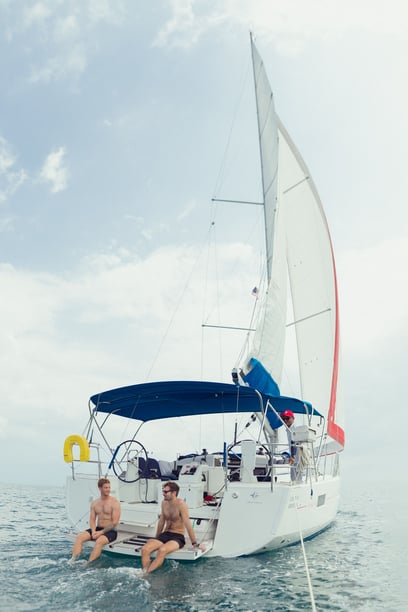
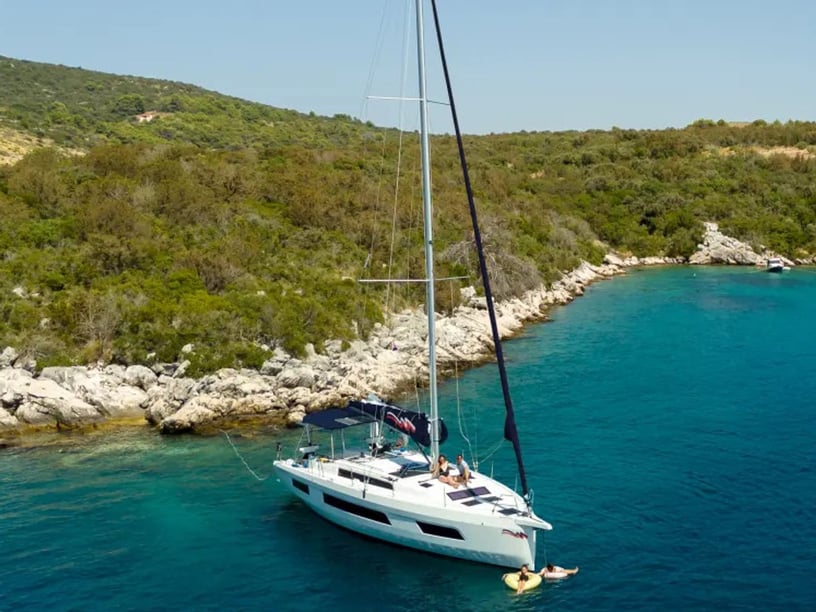
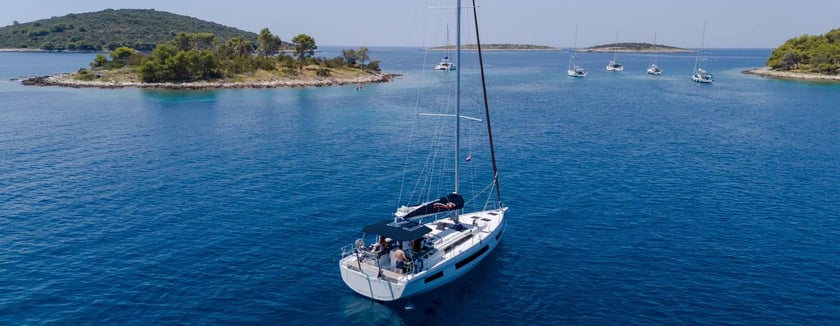
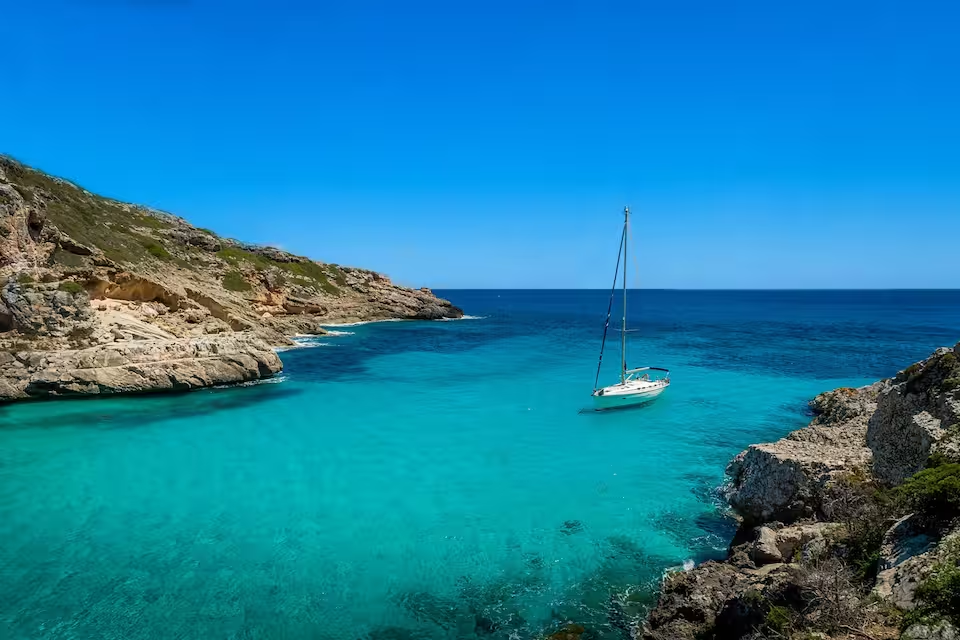
A charter here can alternate between reef-protected swimming stops, open-water sailing and evenings in contrasting waterfront districts. Tintamarre, Pinel Island and Creole Rock bring snorkeling and marine life into the trip, while Grand Case adds French and international restaurants alongside Creole open-air grills serving seafood and local dishes.
The island’s French-Dutch division is more than a map detail. Established by the Treaty of Concordia in 1648, it remains visible in language, architecture, food and waterfront life. There are no routine checkpoints on the land border, yet maritime procedures remain separate. Simpson Bay and the Dutch south coast provide marinas and nightlife, while Marigot offers a harbor town atmosphere beneath Fort Louis. Near the lagoon, aircraft arriving at Princess Juliana International Airport form one of the island’s most recognizable coastal sights.
Air access, marinas and departure areas
Princess Juliana International Airport is the main international gateway and lies close to the Simpson Bay marina district. Grand Case-Espérance Airport primarily handles regional Caribbean connections on the French side. Taxis, rental cars and route minibuses connect the island’s two jurisdictions, while ferries from Marigot serve Anguilla and Saint Barthélemy.
Potential departure areas include Marina Fort Louis in Marigot, Anse Marcel Marina and the marina cluster around Simpson Bay Lagoon, including Simpson Bay Marina, Yacht Club Isle de Sol and Yacht Club at Port de Plaisance. Lagoon access is controlled by opening bridges on both the French and Dutch sides, so crews must confirm current schedules and instructions. Saint Martin consequently functions as both a wider cruising destination and a practical departure area, although the most convenient starting point depends on the boat, embarkation arrangements and intended route.
Planning your charter
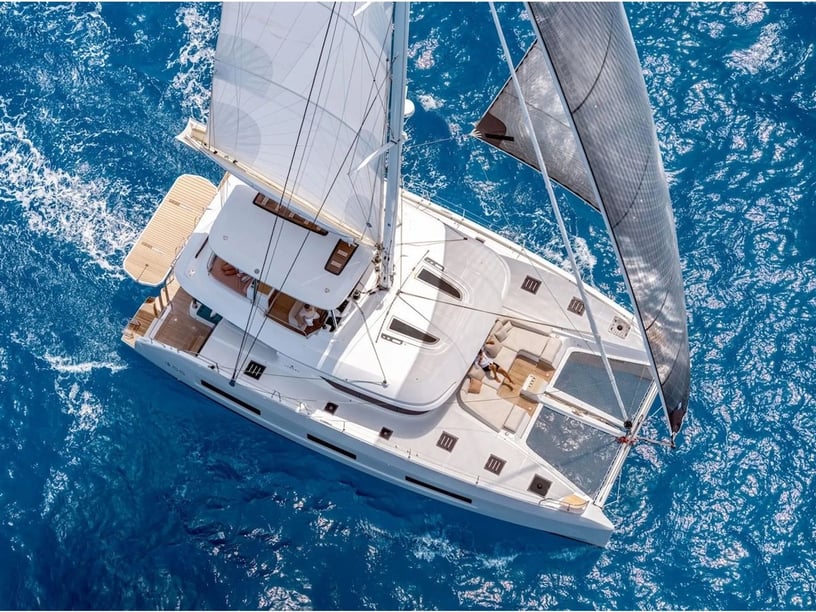
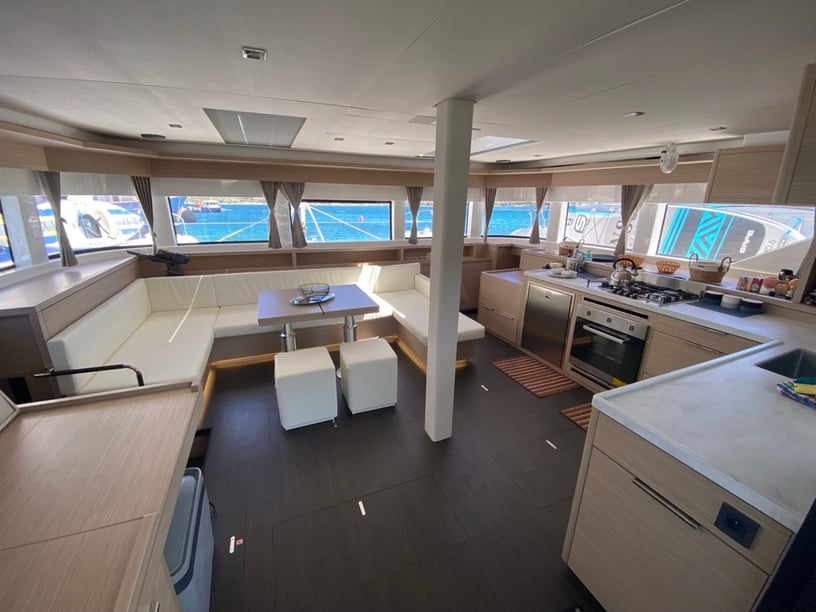
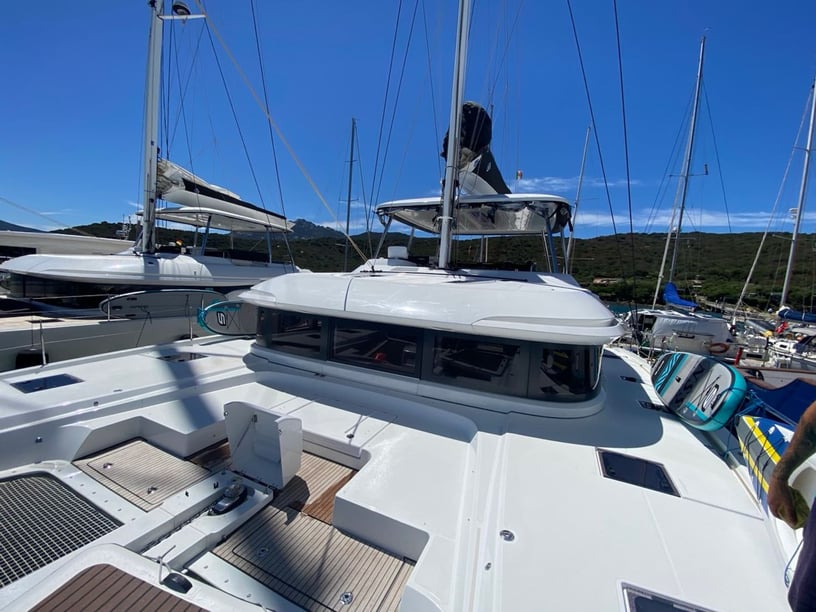
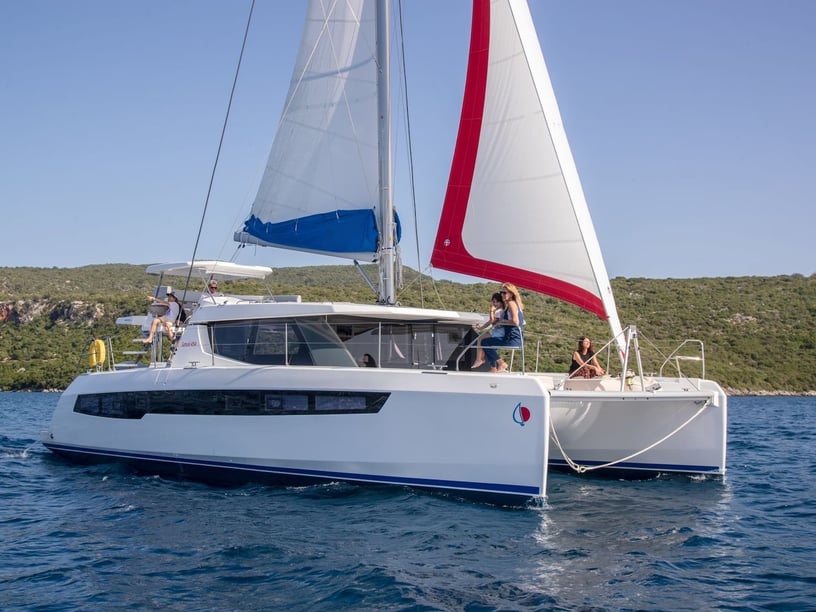
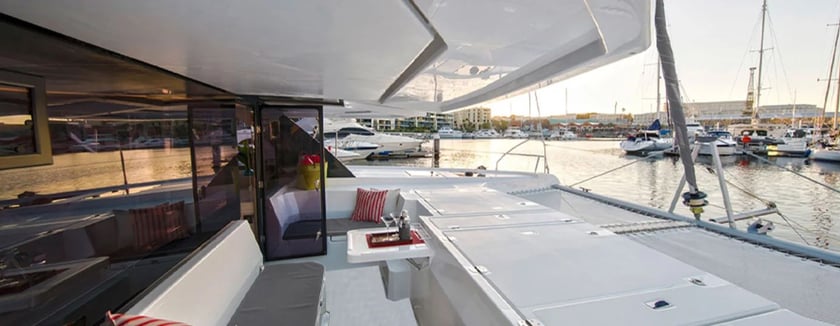
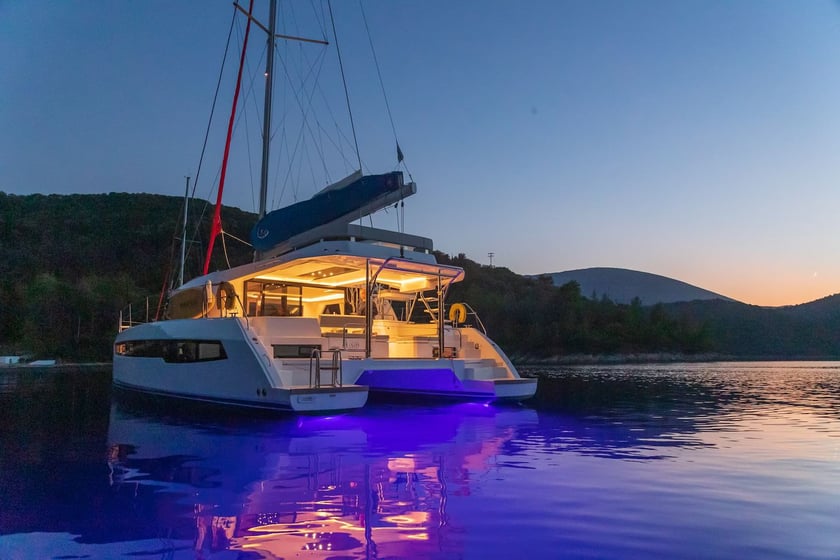
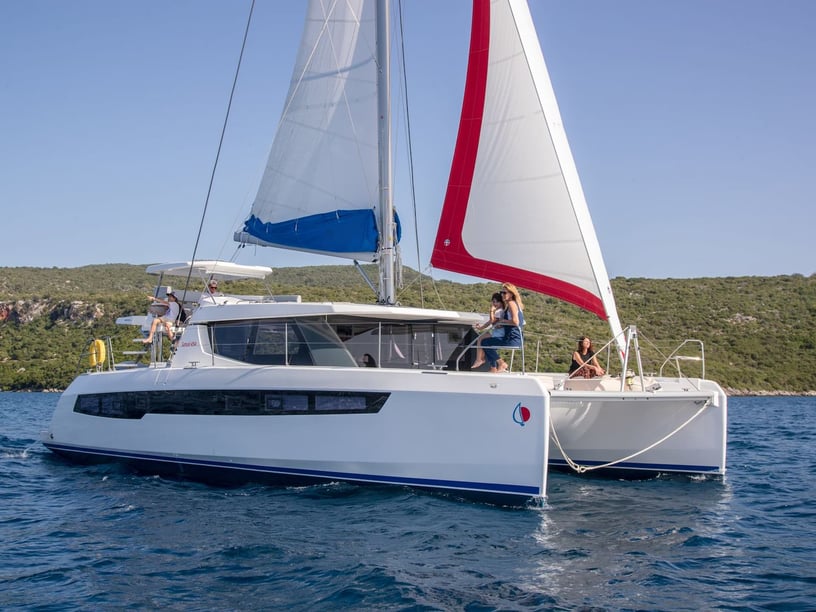
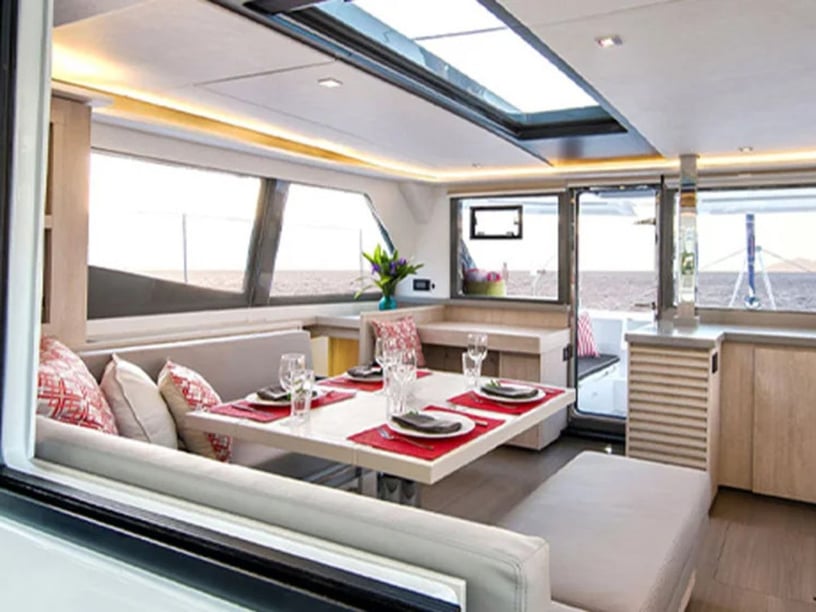
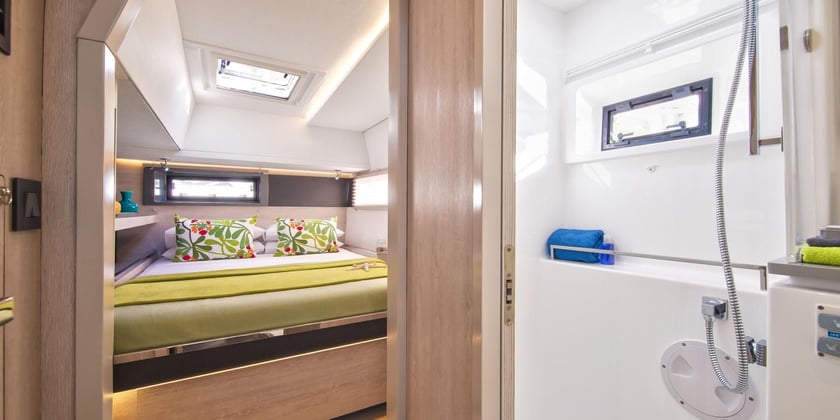
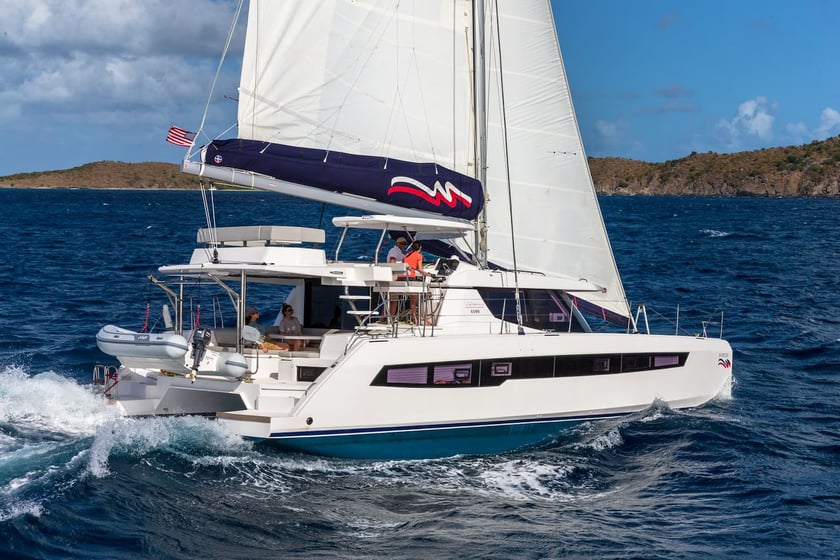
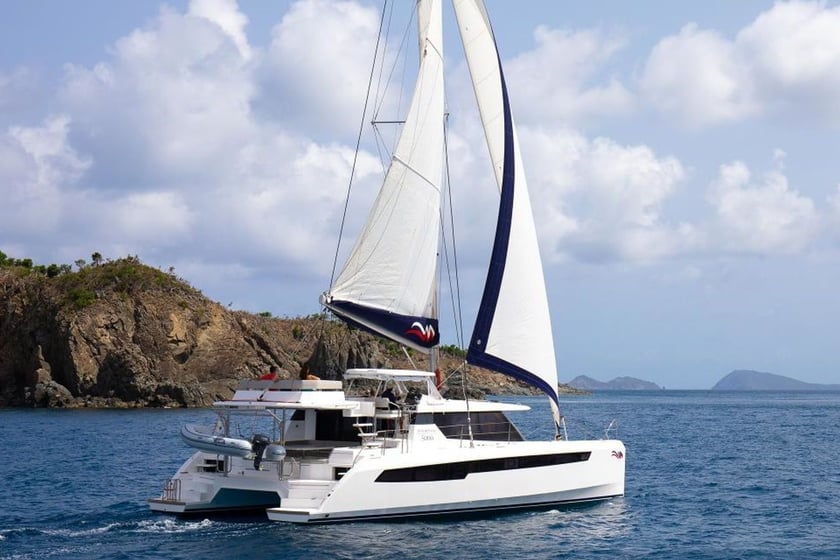
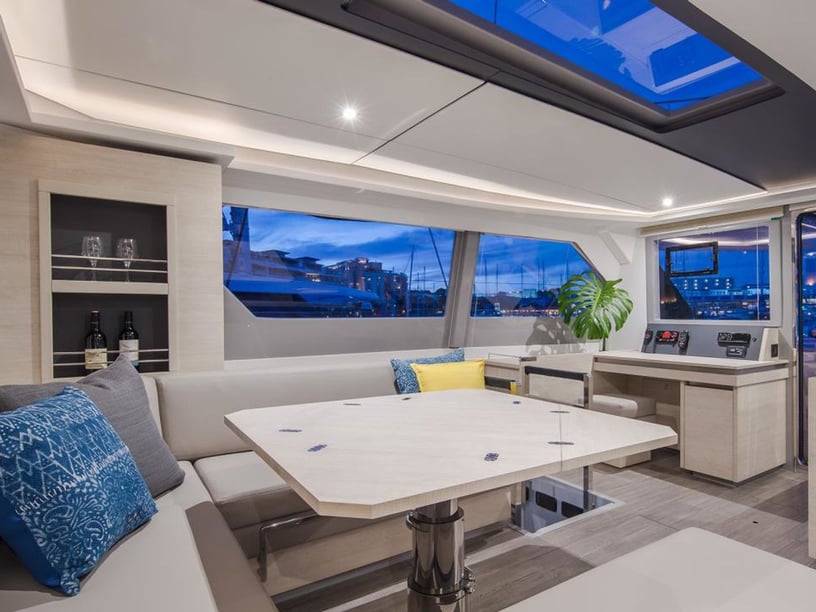
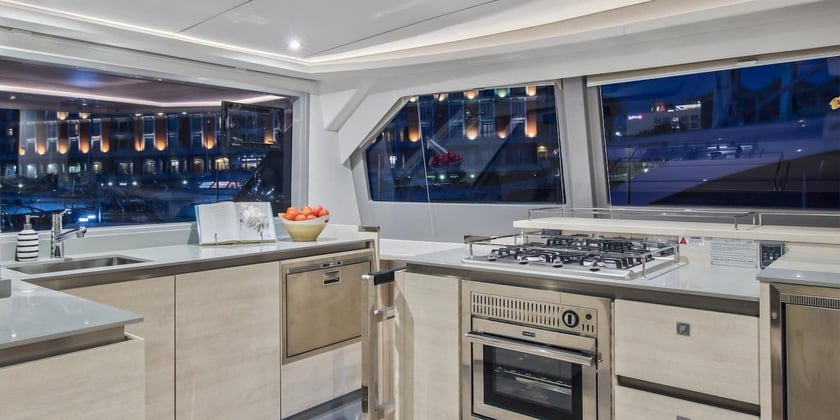
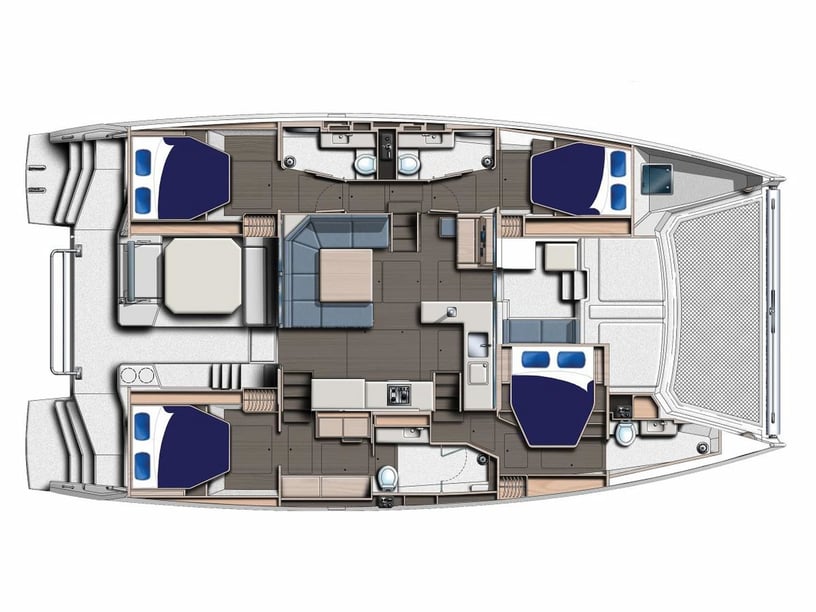
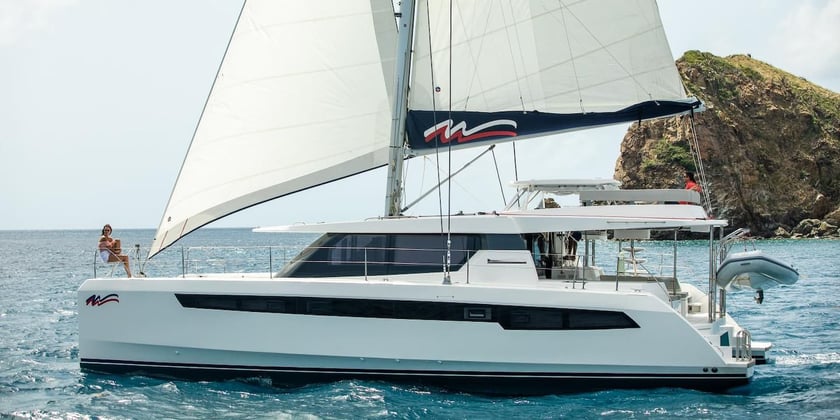
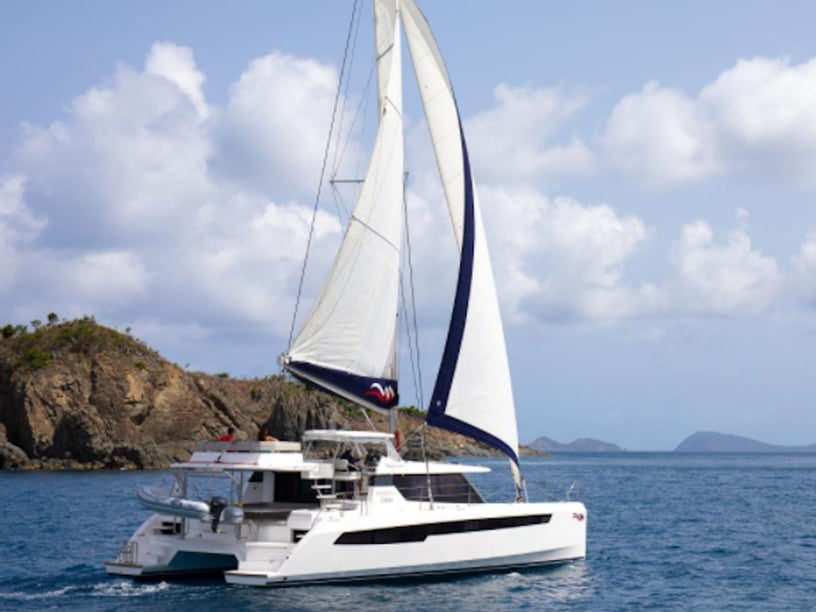
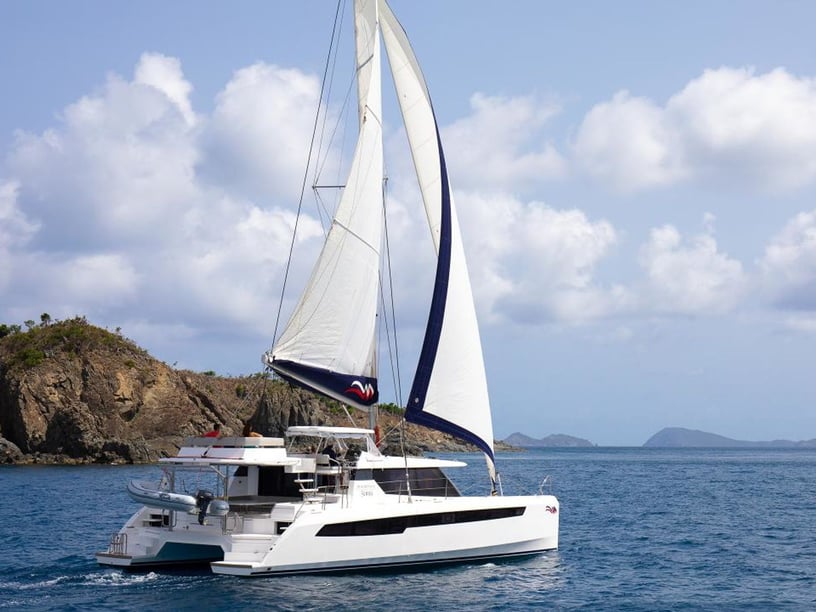
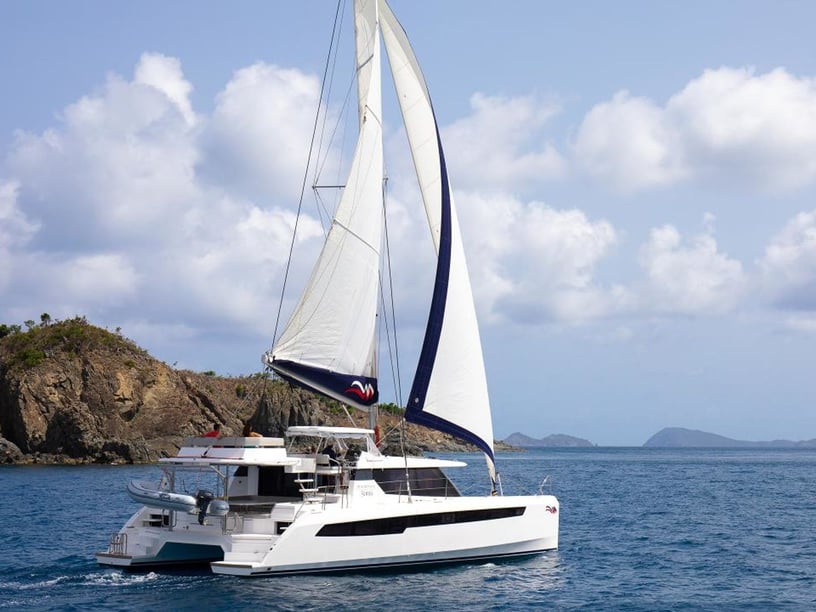
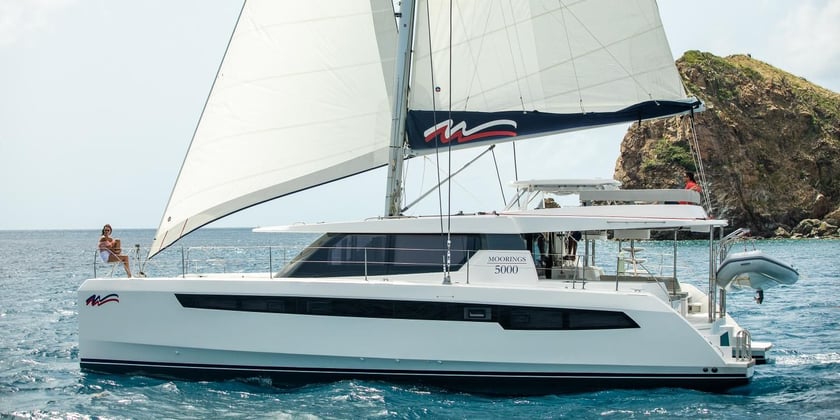
When comparing a boat rental or longer yacht charter in Saint Martin, begin with the intended route. A trip centered on the lagoon and nearby bays has different requirements from an itinerary crossing to Anguilla or Saint Barthélemy. Travelers can compare dedicated pages for sailboat charter in Saint Martin, catamaran charter in Saint Martin and motor yacht charter in Saint Martin when deciding which format fits their plans. Those focusing on the French collectivity can also review the broader Saint Martin yacht charter options.
Confirm customs, immigration and port procedures for each jurisdiction, particularly before changing territory by sea or visiting neighboring islands. Appropriate travel documents and clearance are required for passages to Anguilla and Saint Barthélemy. In the national nature reserve, use mooring buoys where provided; anchoring on coral or seagrass is prohibited, and overnight stays may require authorization. Bridge timing, north swell and tropical-weather planning should all be discussed before the itinerary is finalized.