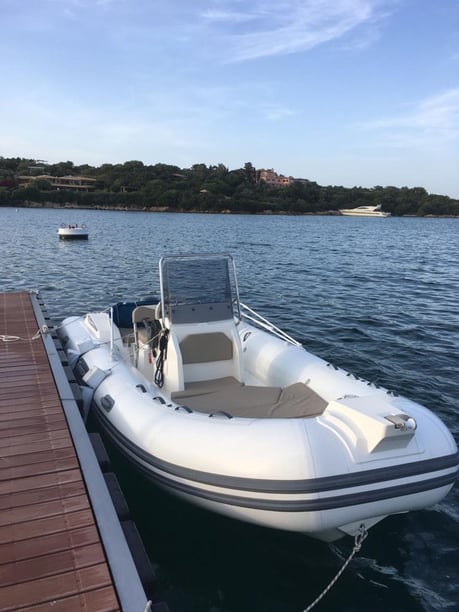
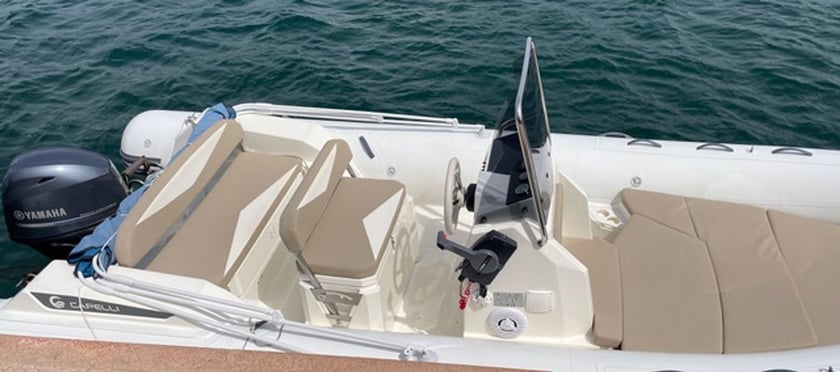
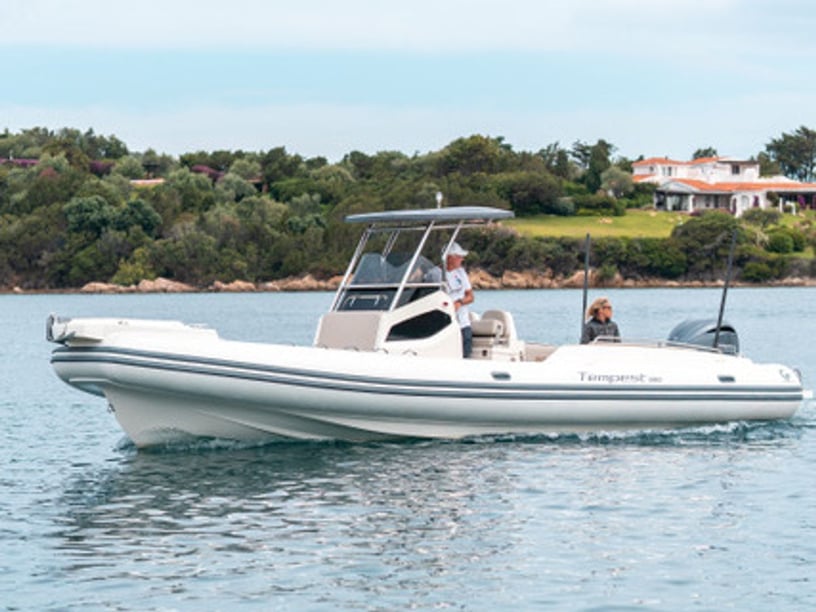
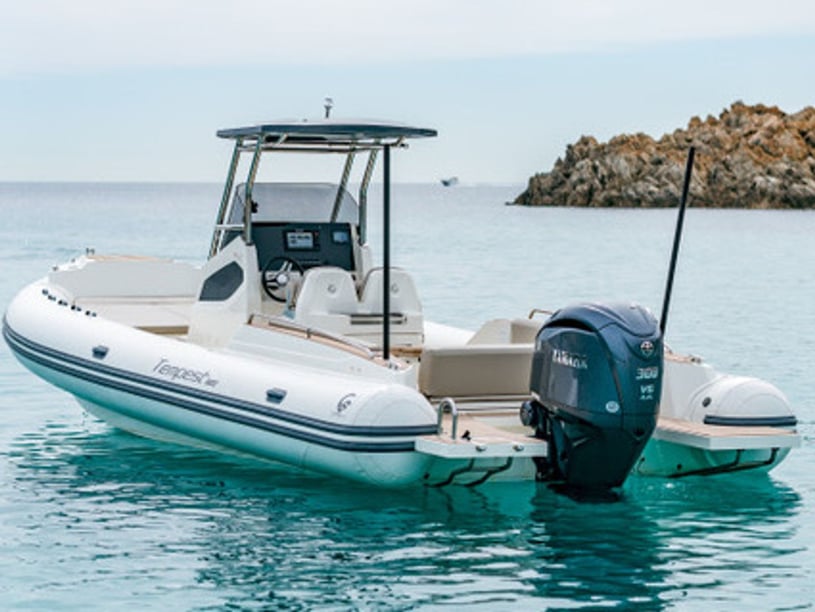
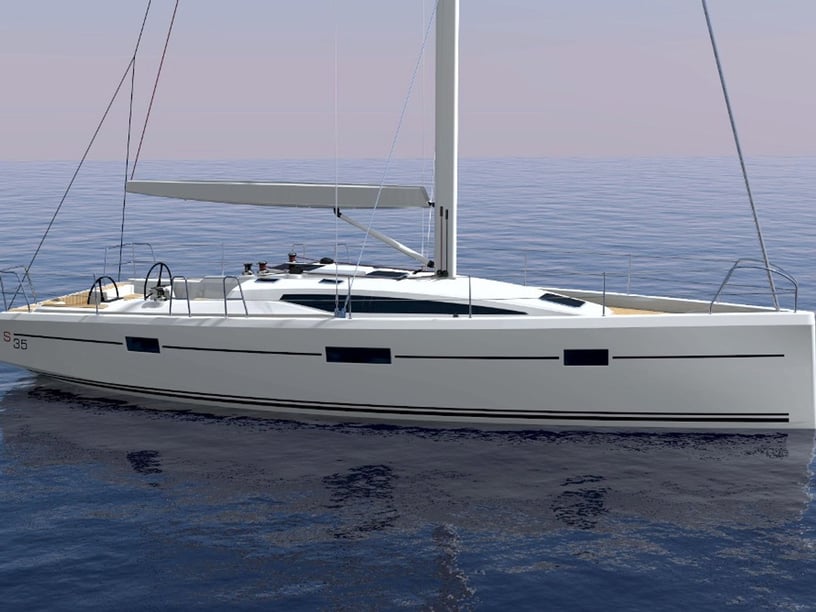
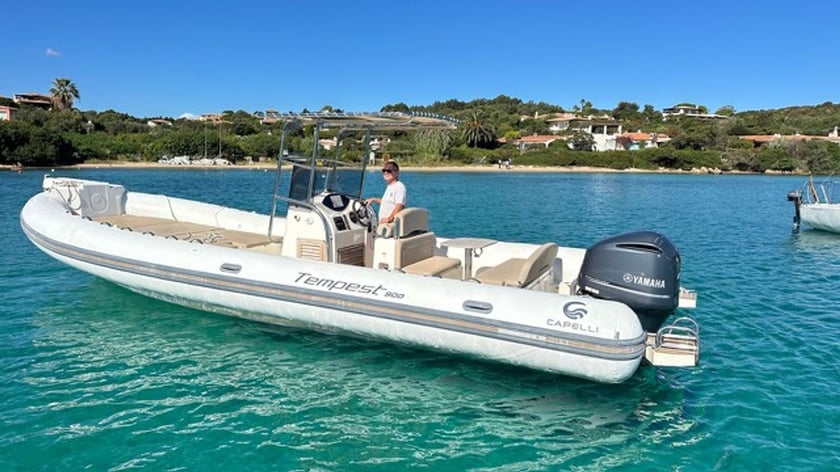
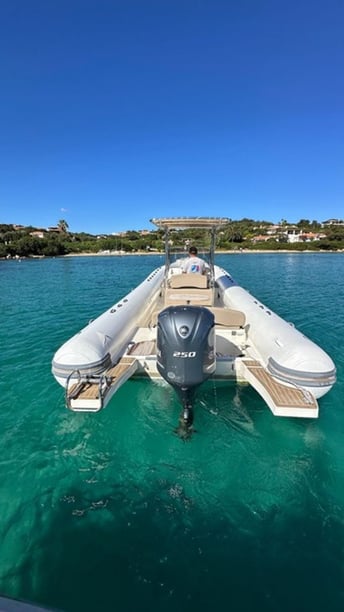
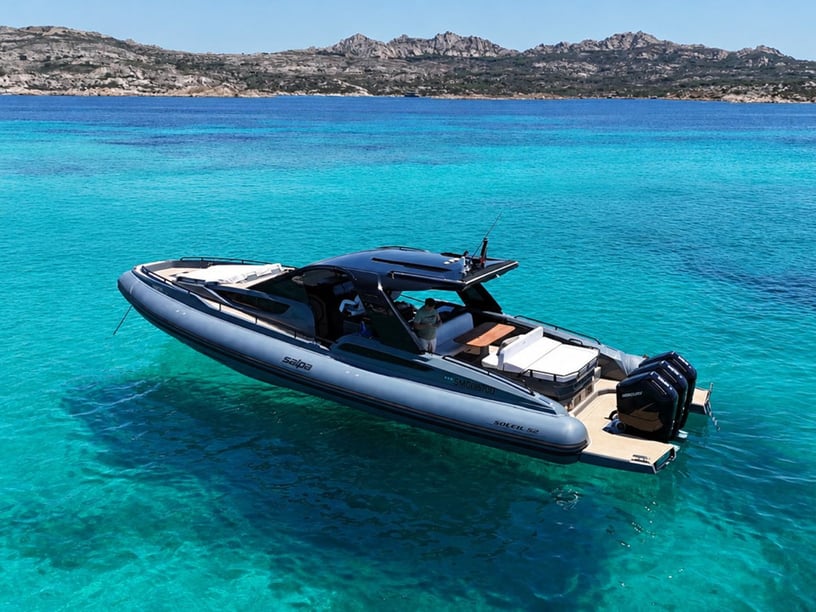
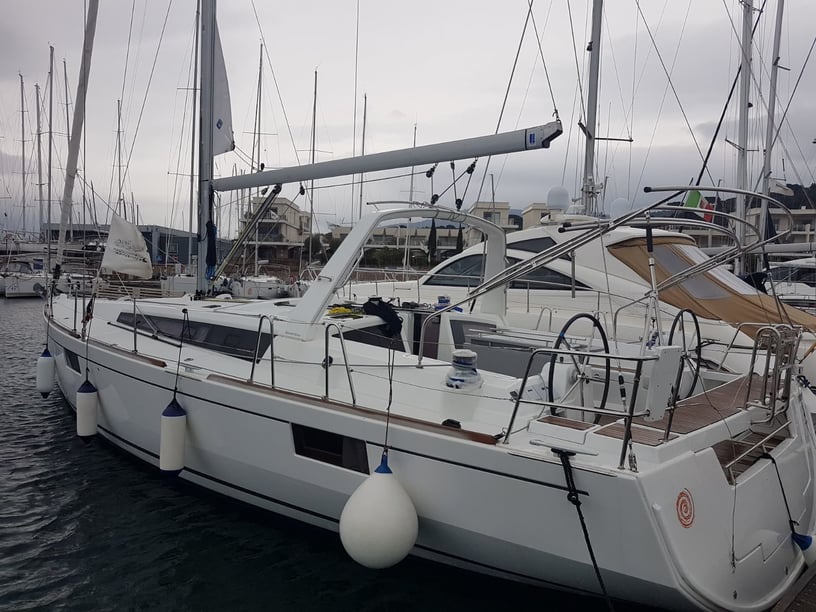
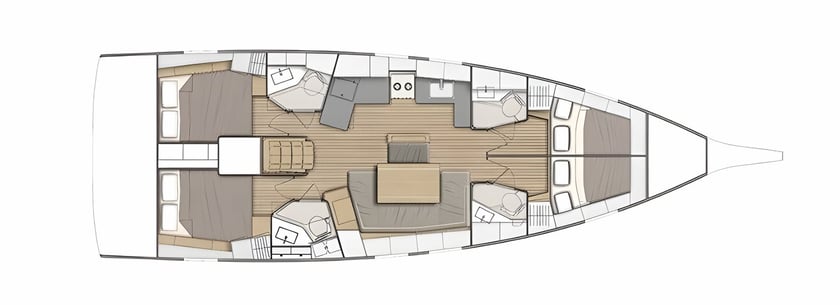
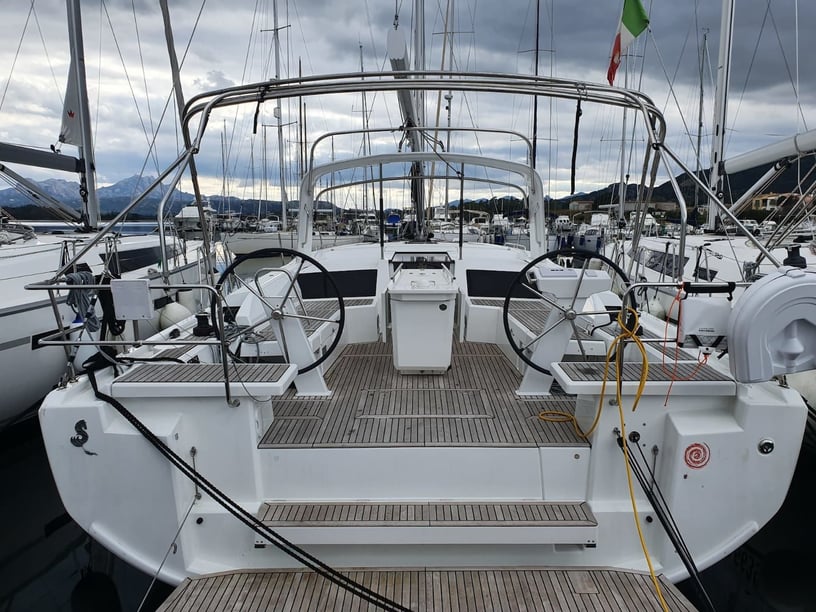
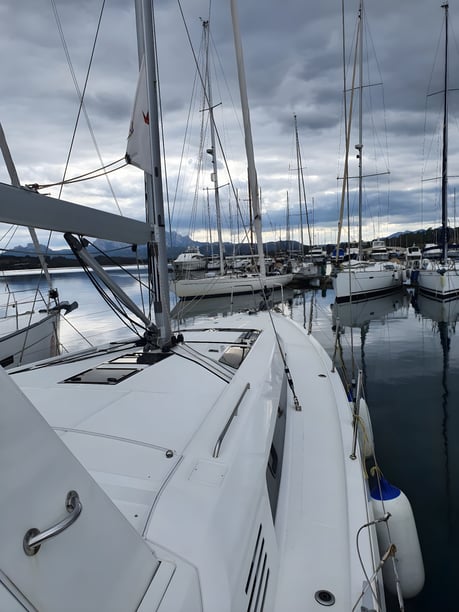
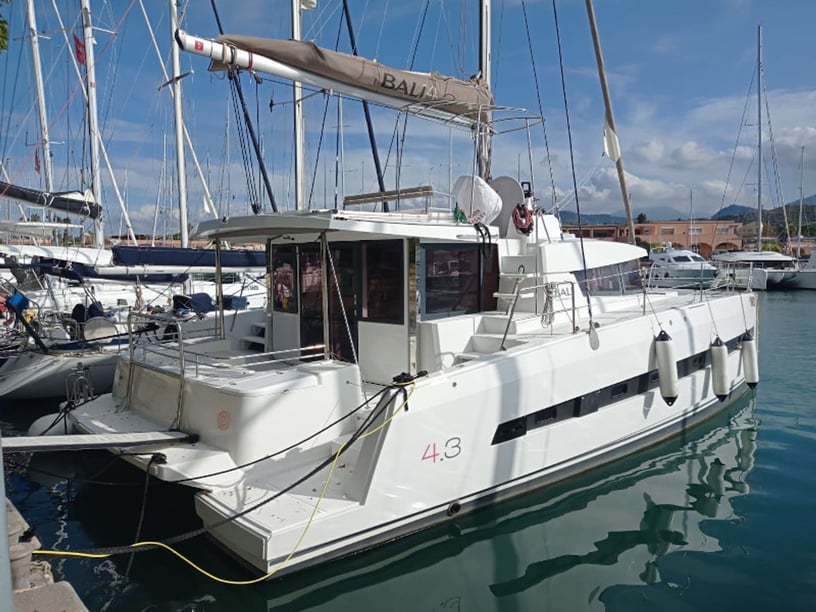
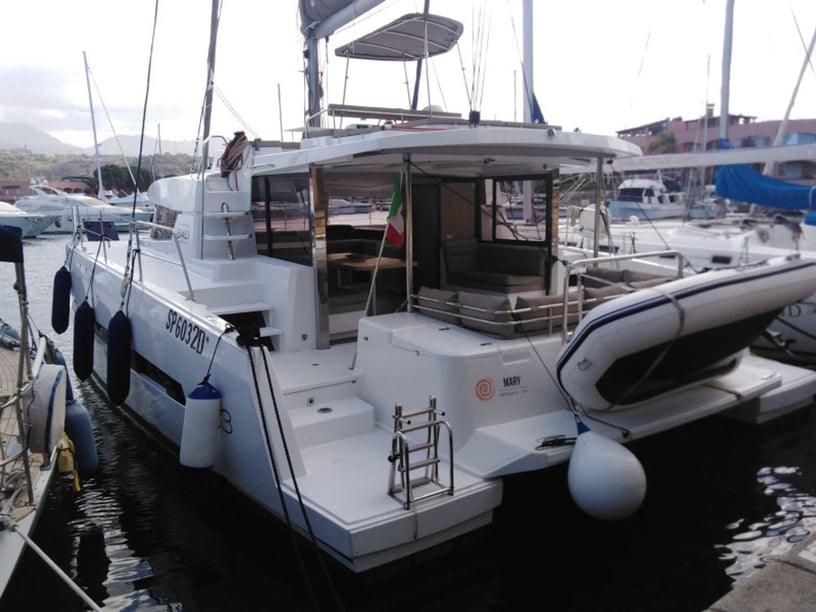
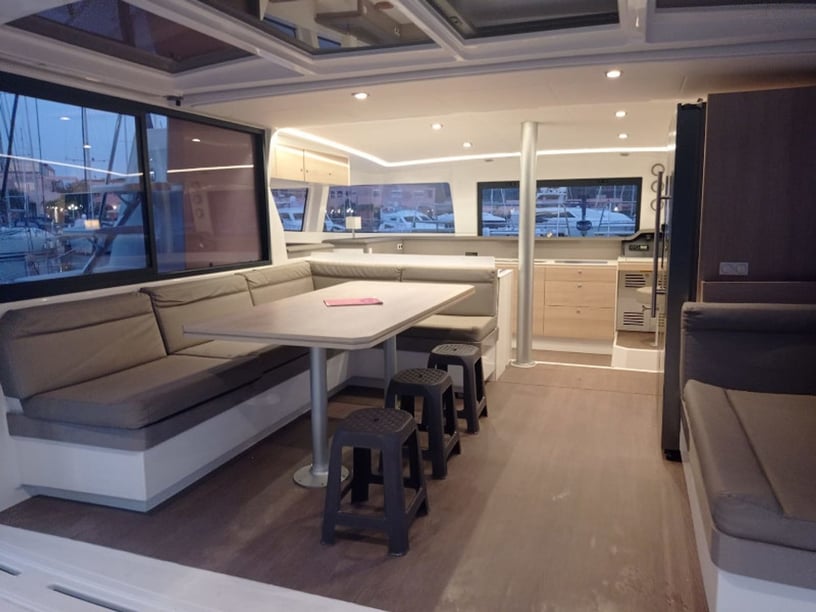
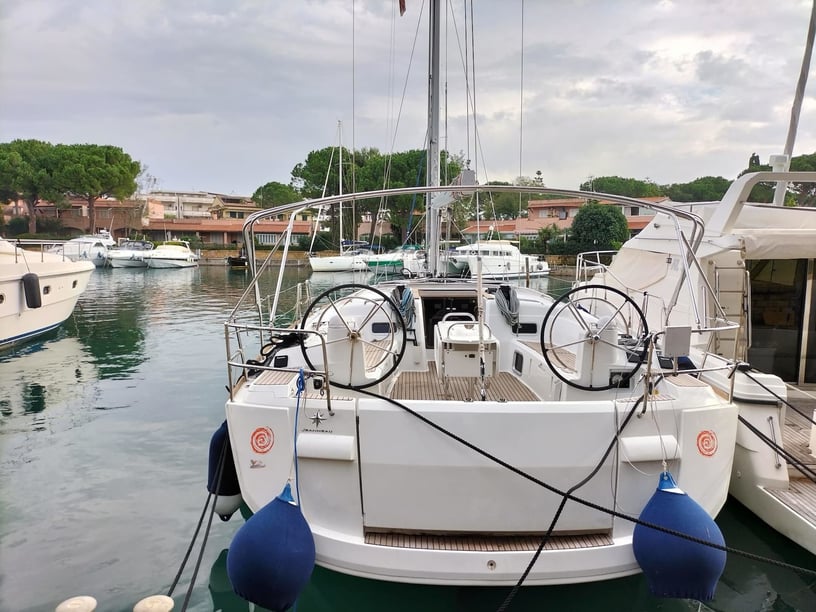
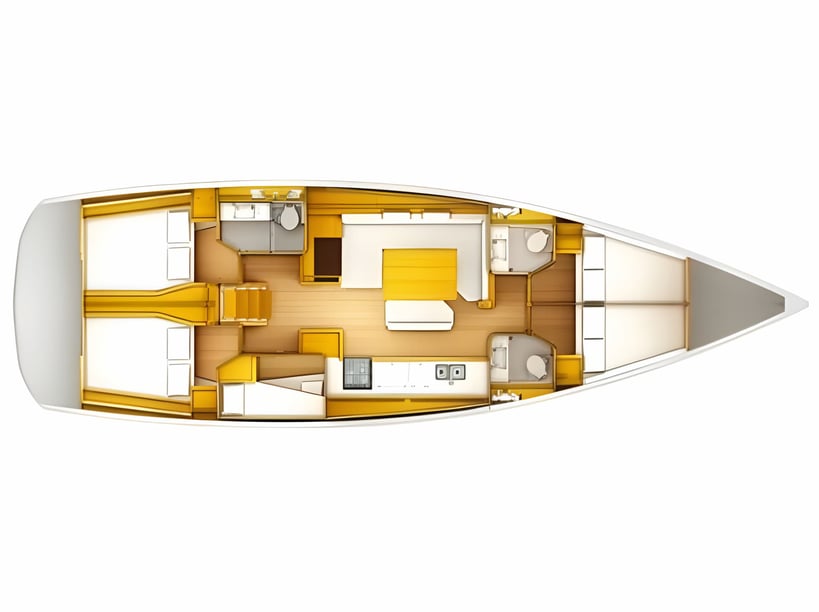
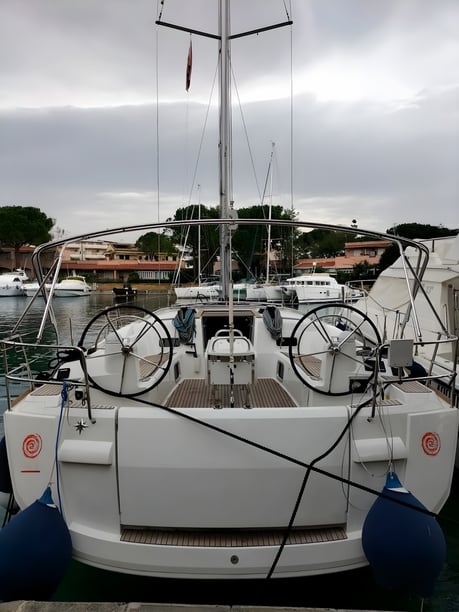
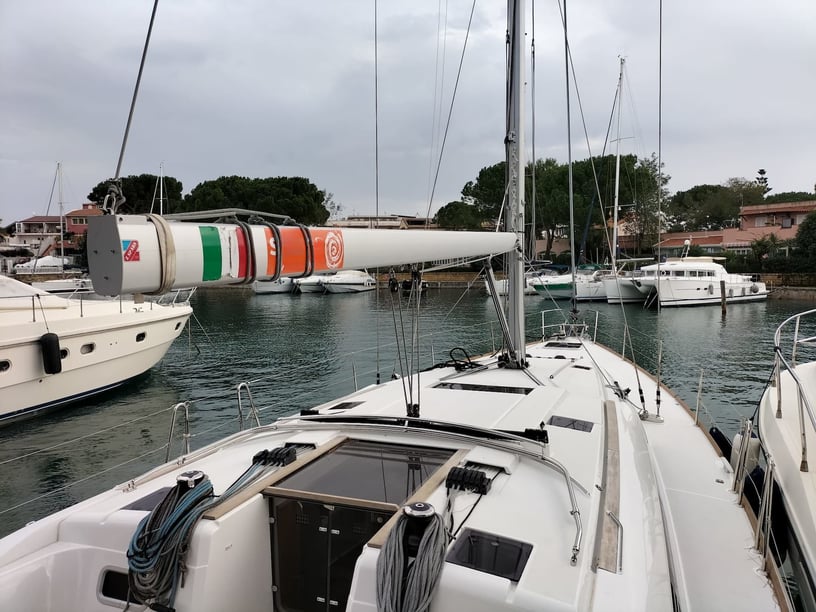
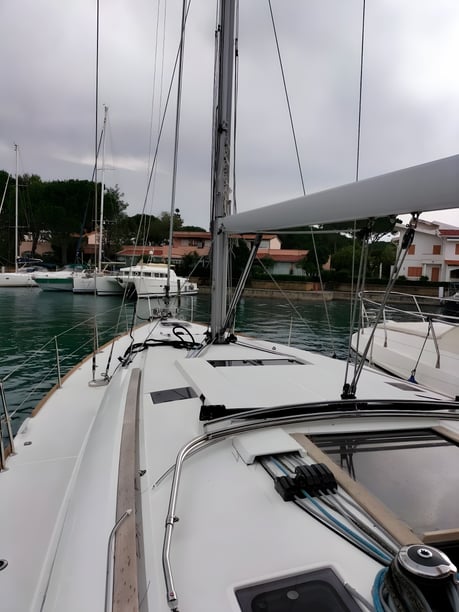
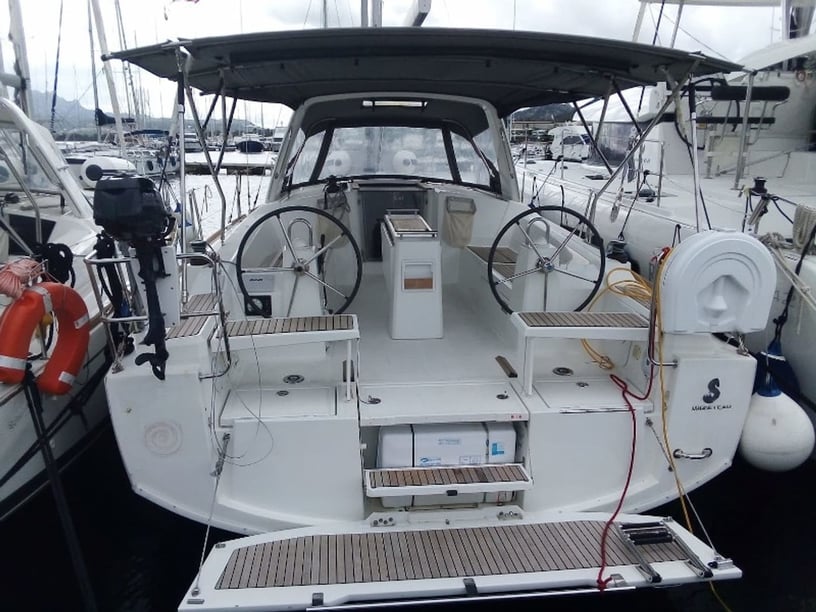
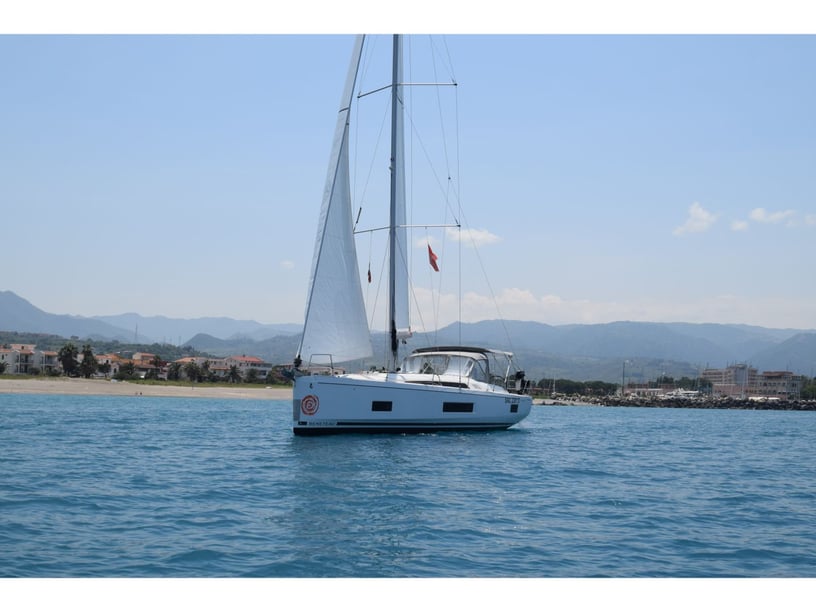
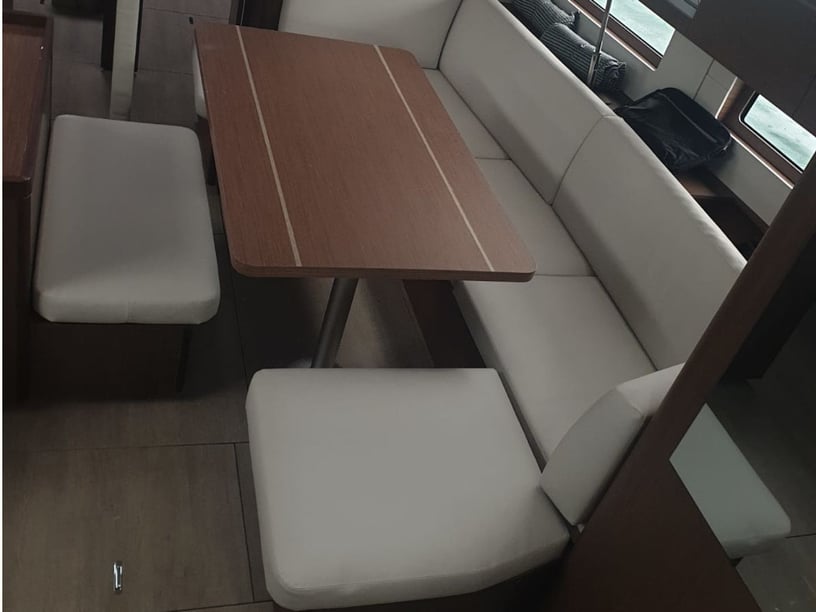
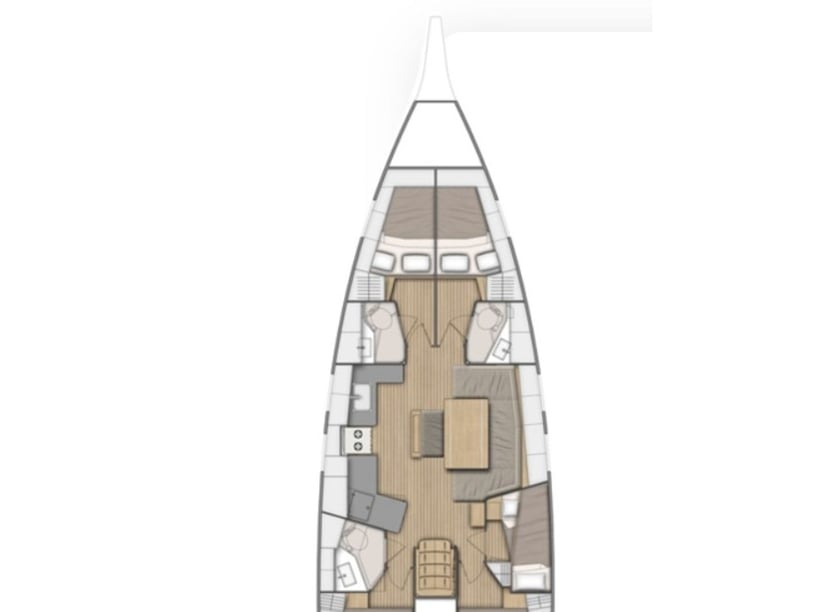
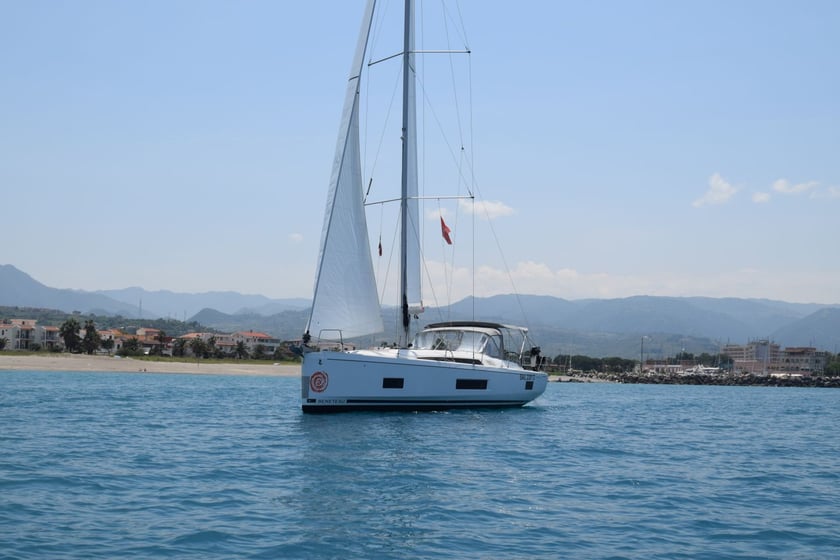
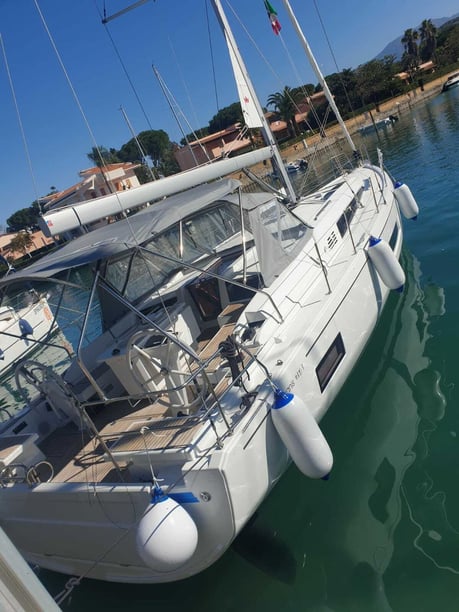
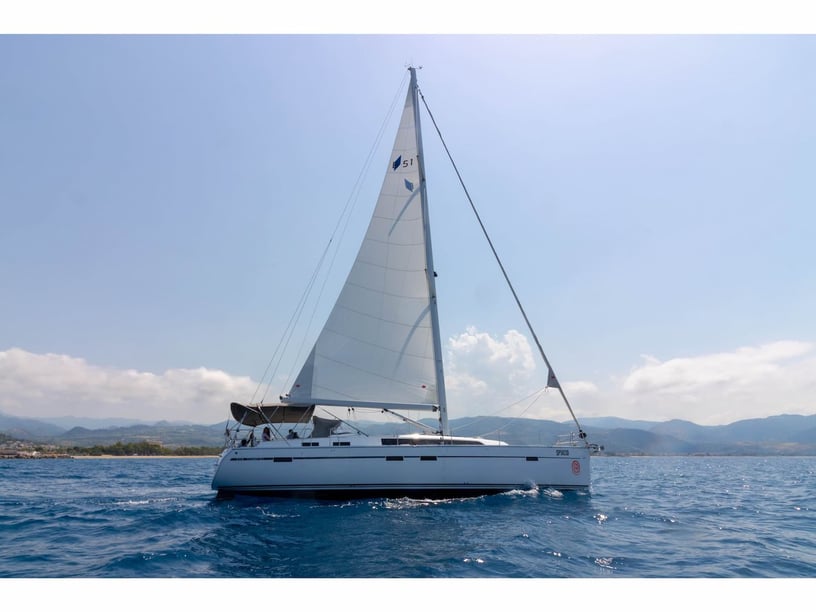
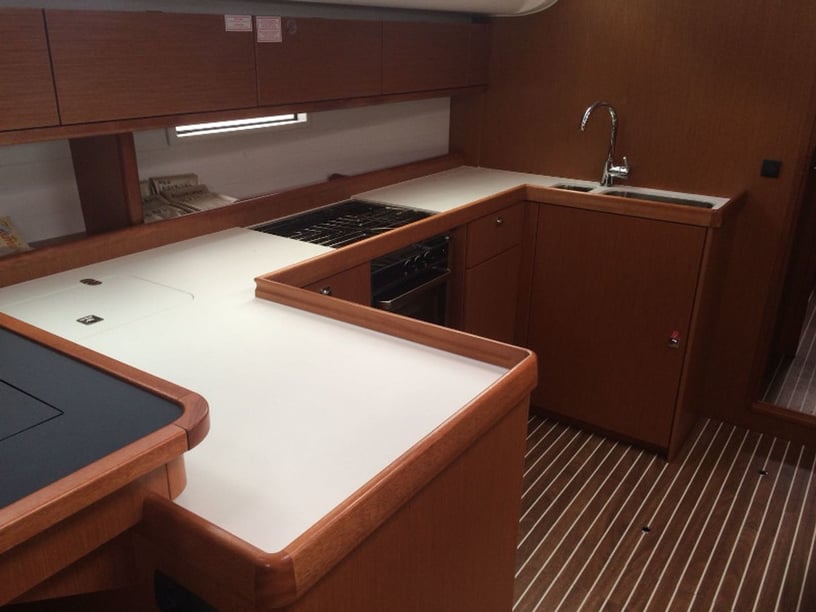
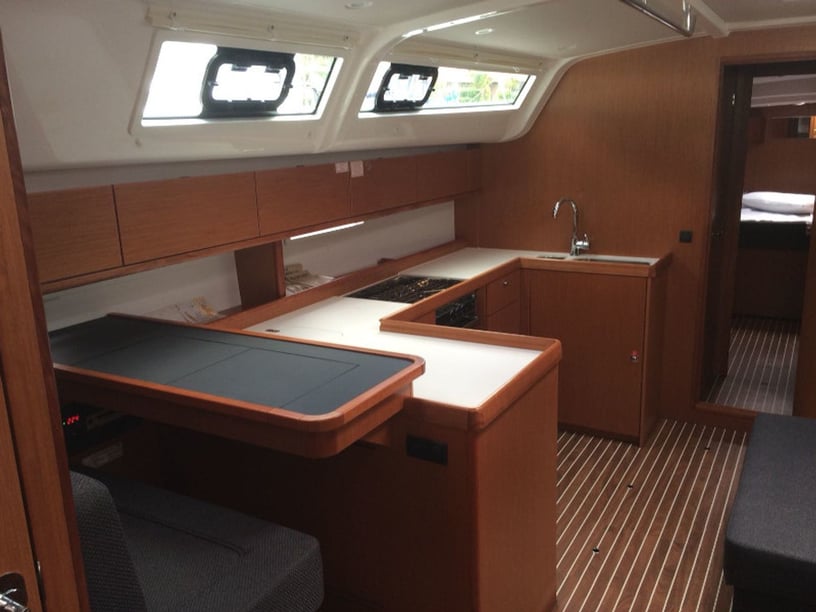
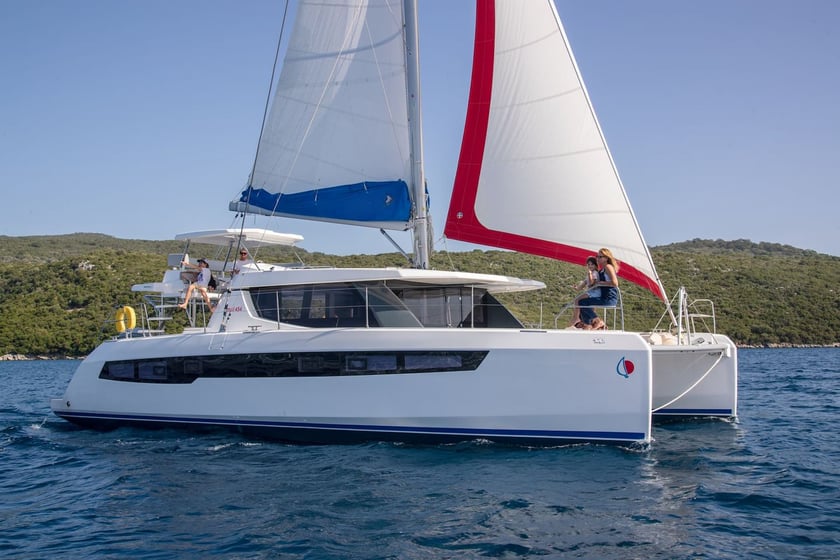
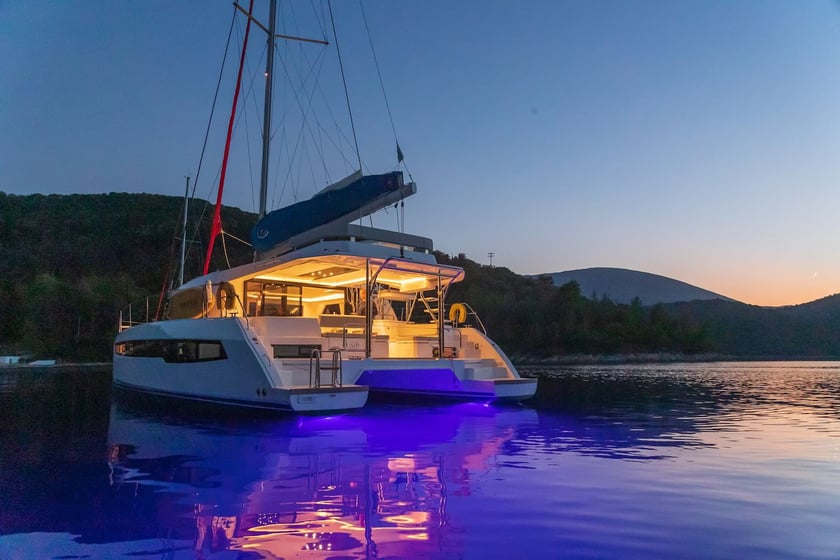
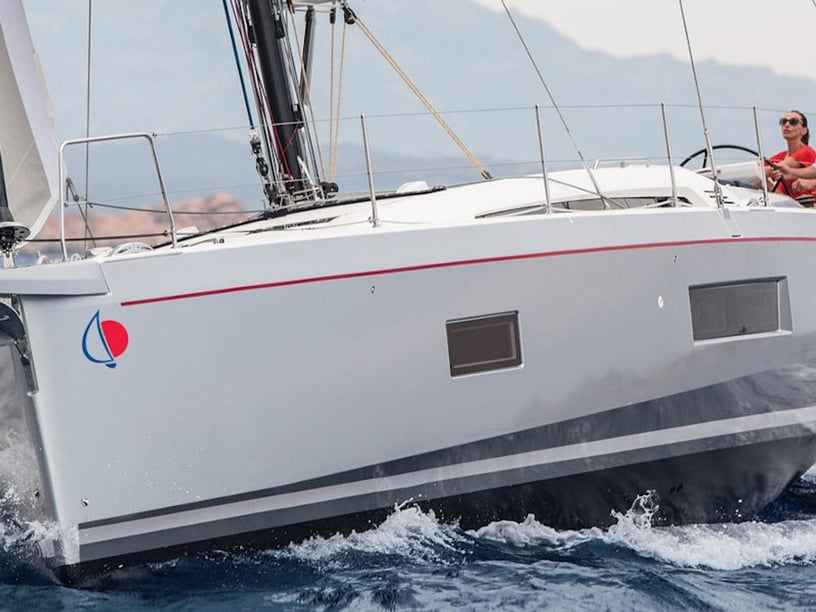
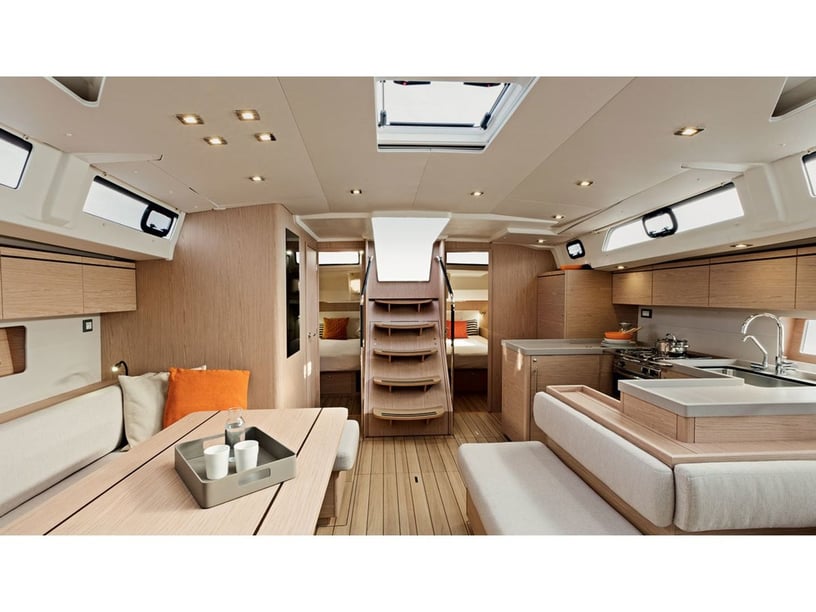
Yacht charter in Porto Cervo
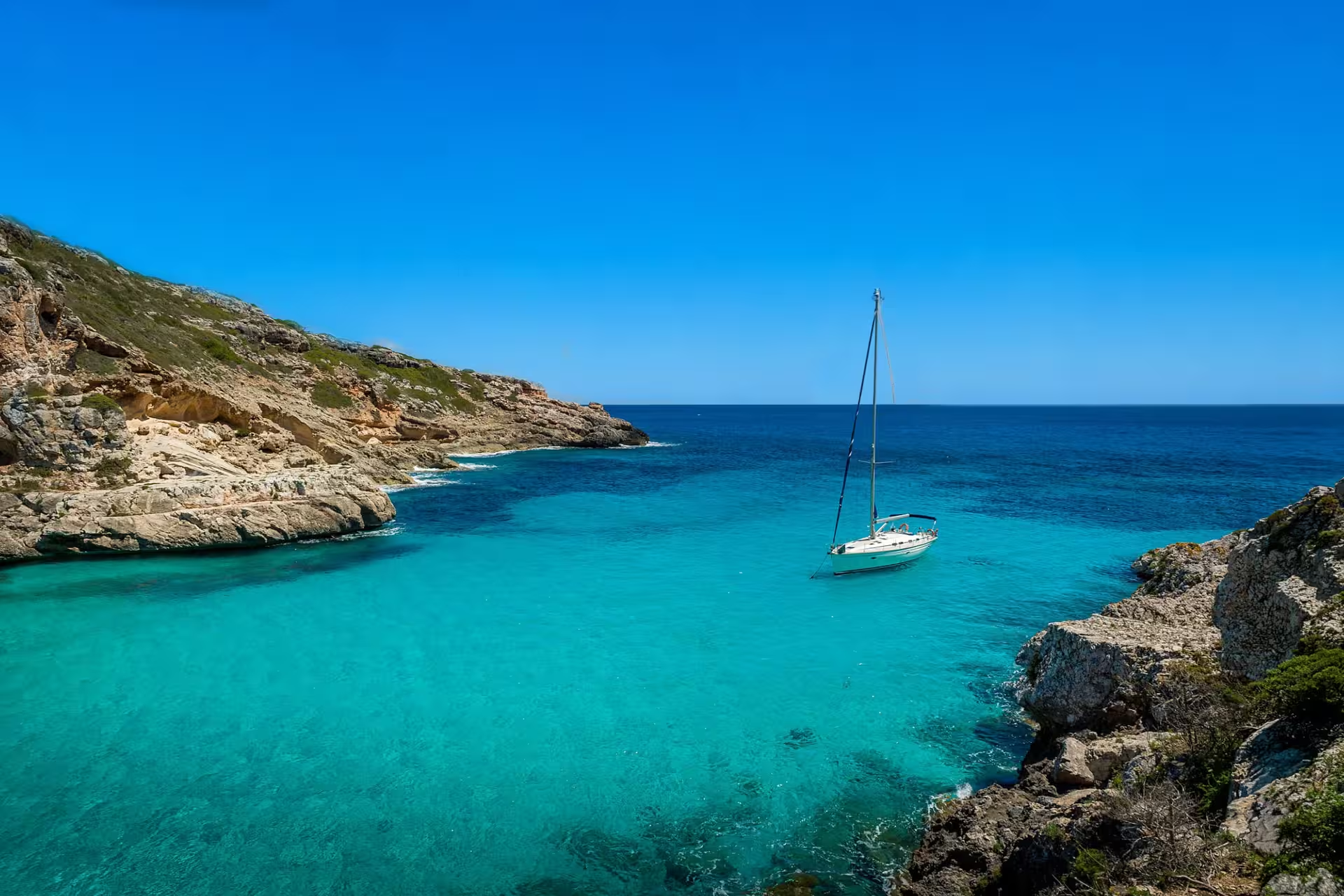
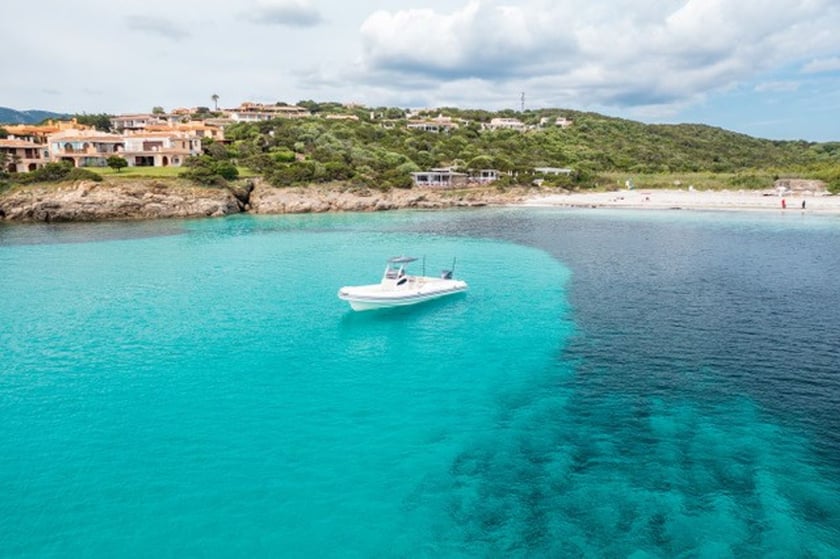
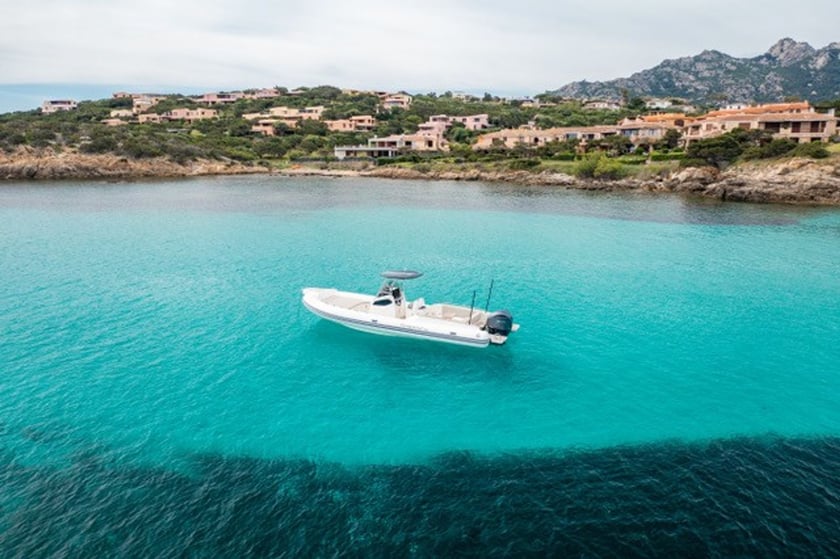
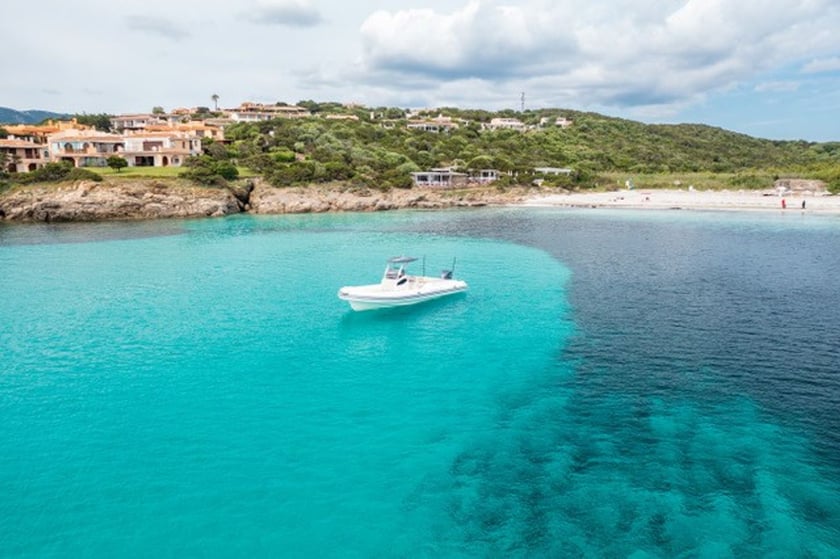
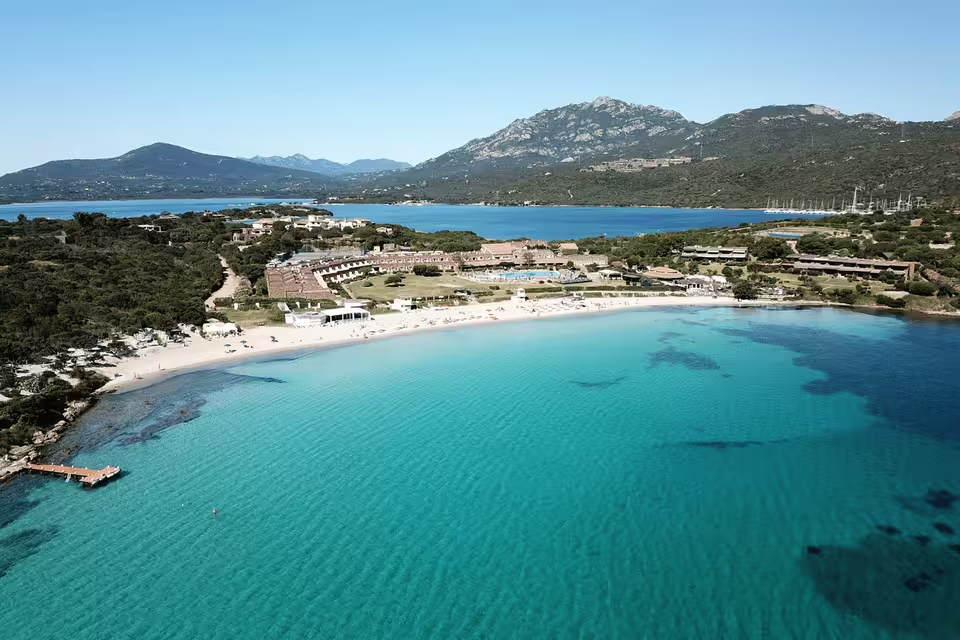
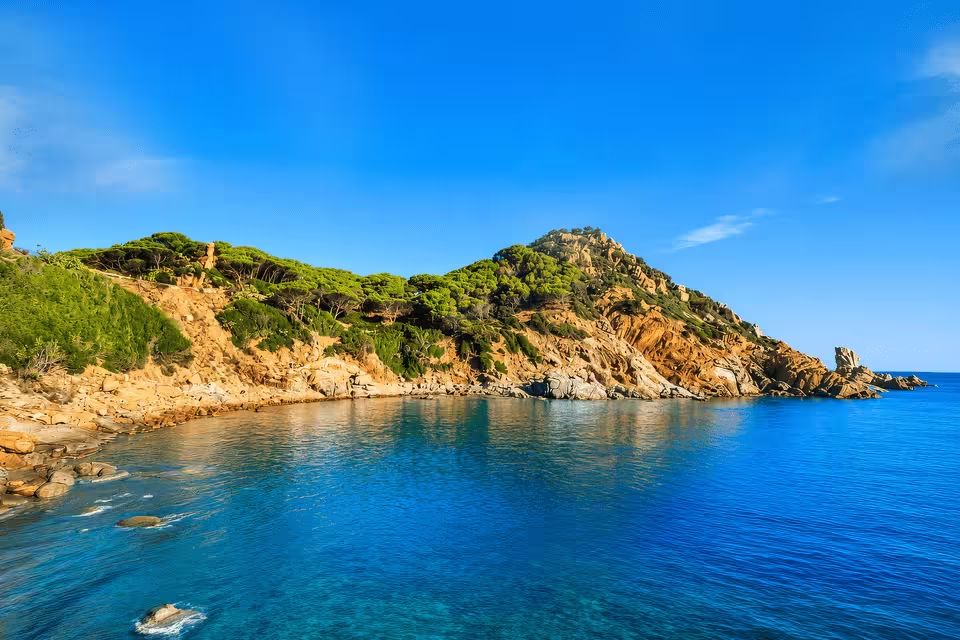
Porto Cervo occupies a sheltered natural inlet on northeastern Sardinia’s Costa Smeralda. Granite headlands, Mediterranean scrub and low hills frame a waterfront developed around an old port and modern marina. Its position gives yacht charter travelers access to nearby beaches and bays as well as longer cruising grounds around La Maddalena and southern Corsica.
The locality is also closely associated with international regattas and the Yacht Club Costa Smeralda. Ashore, low-rise architecture, restaurants, boutiques and seasonal nightlife create a polished resort atmosphere. A yacht charter in Porto Cervo can therefore combine time in quiet coves with evenings along the marina waterfront.
Bays, beaches and islands around Porto Cervo
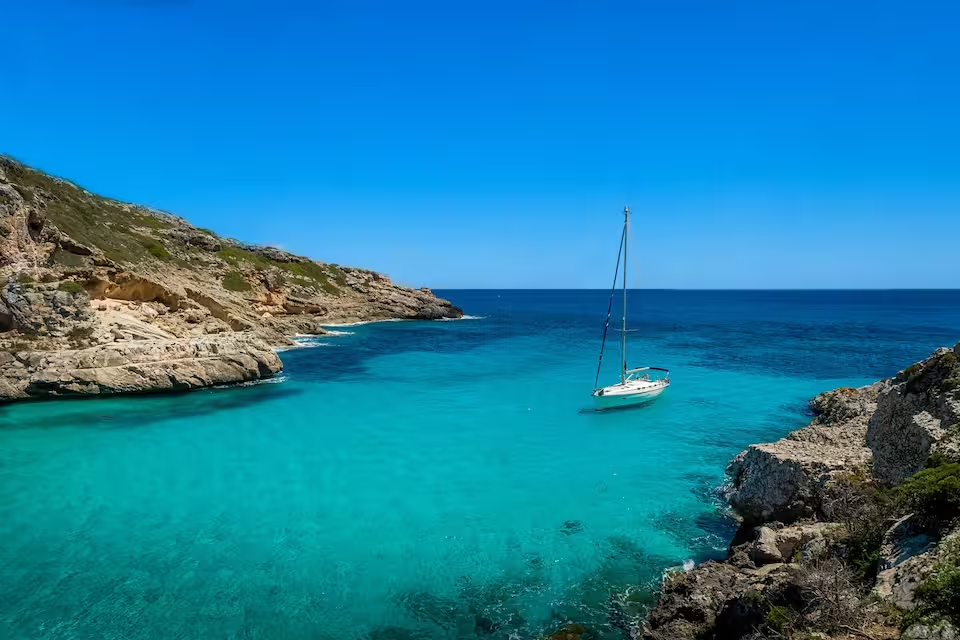
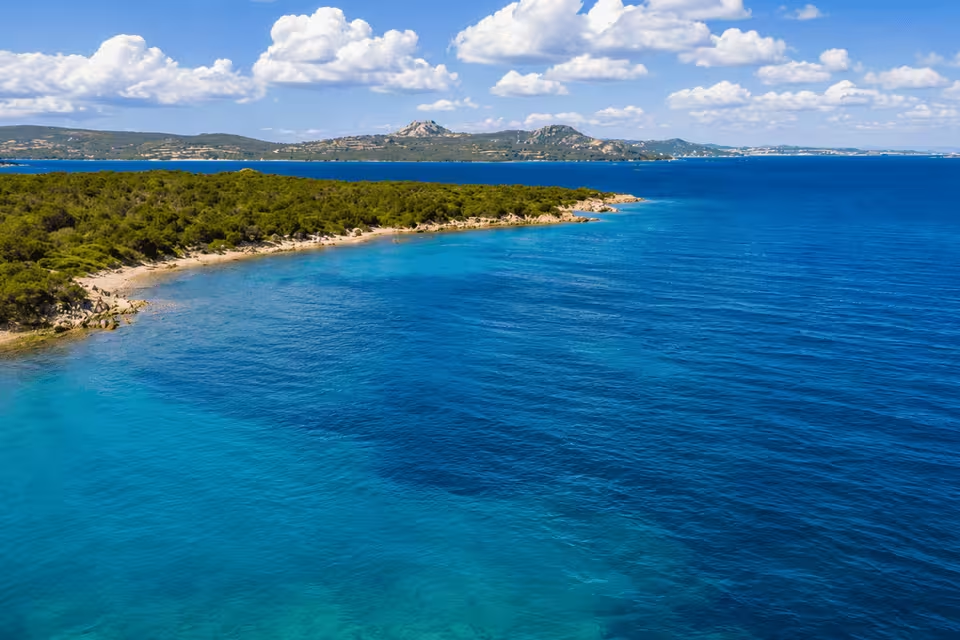
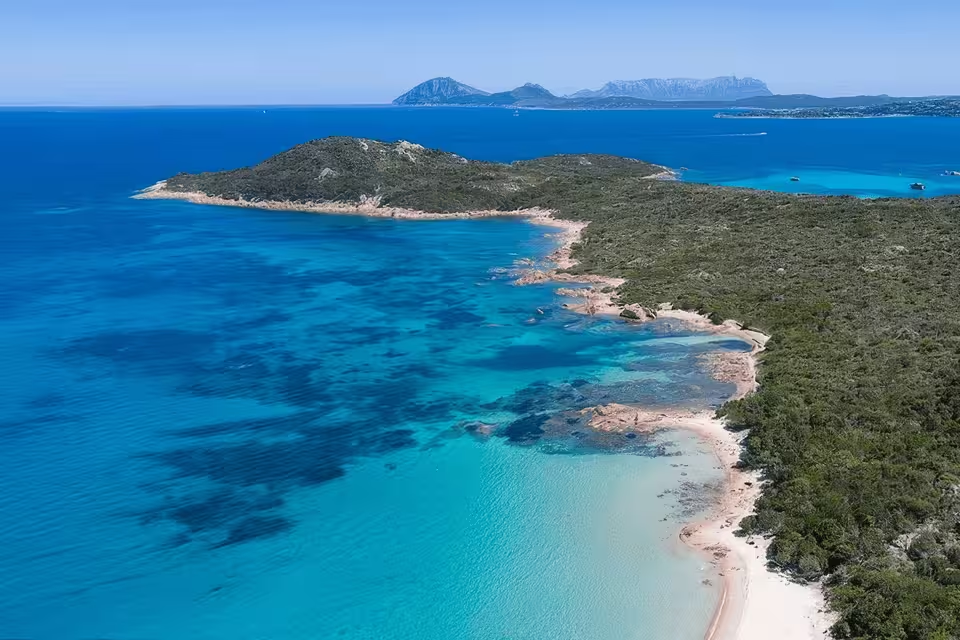
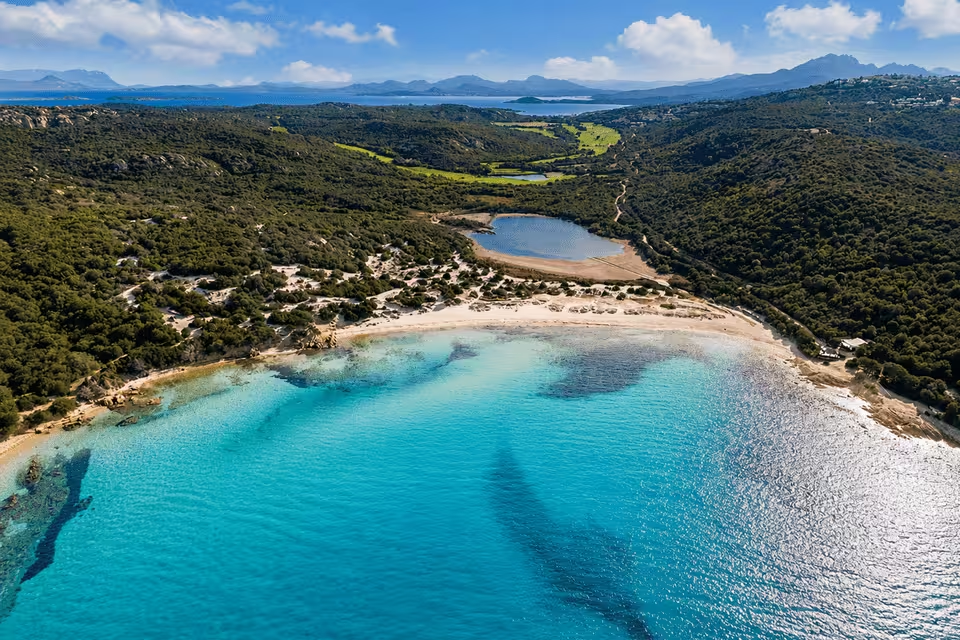
The central Costa Smeralda lends itself to short coastal cruises. Pevero, Romazzino and Cala di Volpe provide a sequence of bays and beaches south of Porto Cervo, while Capriccioli is known for sandy coves set among granite and scrub. Cala Granu offers another nearby stop, and the Li Nibani islets add interest to the waters off the Pevero coast.
North of Porto Cervo, Liscia di Vacca and Poltu Quatu can form part of a compact local itinerary, with Baja Sardinia farther along the coast. For a broader cruise, the La Maddalena Archipelago opens up a network of islands and channels around Caprera, La Maddalena and Spargi. The Mortorio, Soffi and Le Camere group is also close enough to feature in coastal plans, although strict protection rules limit access, anchoring and landing in some areas.
What cruising here is like
Porto Cervo’s inlet provides good shelter, but conditions can change noticeably once a yacht moves beyond the harbor. The coastline supports short passages between bays, allowing a charter day to alternate between cruising, swimming and time ashore without requiring long distances. Farther north, the waters near Capo Ferro and throughout La Maddalena become more exposed.
Westerly and northwesterly winds are characteristic. The Maestrale can rise quickly above 20 knots and produce choppy open water even while Porto Cervo remains relatively calm. Wind acceleration and currents become especially important toward the Strait of Bonifacio. Granite rocks, shoals, protected zones and heavy summer traffic also call for careful route planning. These conditions make weather checks and appropriate crew experience important when deciding between a sheltered coastal itinerary and an archipelago or Corsica passage.
Best time for a Porto Cervo yacht charter
The principal recreational boating season runs from May through October. June and September are particularly suitable: sailing and swimming conditions are generally favorable, while marinas and anchorages tend to face less pressure than during the busiest part of summer.
July and August bring the warmest, driest weather, along with peak demand and greater congestion in popular bays and harbors. Advance planning matters during these months and around major regattas. May offers an earlier-season alternative, although the water is cooler. October can still suit flexible trips, but conditions become more weather-sensitive. Winter boating is possible, though stronger average winds, cooler weather and reduced leisure activity make it less suited to a typical yacht holiday.
Cruising routes from Porto Cervo
A coastal day cruise can follow Pevero, Romazzino, Cala di Volpe and Capriccioli, with an extension toward Mortorio, Soffi and Le Camere where current park regulations allow. This route emphasizes beaches, swimming stops and relatively short passages.
A longer itinerary can head north into the La Maddalena Archipelago, linking the Costa Smeralda with Caprera, La Maddalena and Spargi. Multiday cruises may continue through the archipelago toward Lavezzi and Bonifacio in southern Corsica. Crossing the Strait of Bonifacio requires a suitable forecast, sufficient crew experience and attention to the regulations governing the different protected areas. Plans should retain flexibility because a Maestrale episode may make exposed legs inappropriate even when local waters remain manageable.
Experiences on the water and ashore
A yacht charter around Porto Cervo is well suited to days structured around short cruises, beach visits, swimming and snorkeling. Exploring by water also reveals the relationship between the Costa Smeralda’s pale granite formations, Mediterranean vegetation and small sandy coves more clearly than a road-based visit.
Porto Cervo’s maritime identity adds another dimension. Regatta courses commonly use the surrounding islands, channels and rocky headlands as natural features, and major events bring a distinctive sailing atmosphere to the harbor. Ashore, travelers can visit the marina waterfront, the Piazzetta delle Chiacchiere and Stella Maris Church or stay for dining and seasonal nightlife. The resort’s curved, low-rise buildings and use of local stone reflect its planned development from the 1960s and its effort to blend with the Gallura landscape.
Getting there and departure points
Olbia is the main gateway for Porto Cervo, with both an airport and ferry port. The road transfer from Olbia typically takes around 30 to 40 minutes under normal conditions, using the SS125 and regional roads through the Costa Smeralda area. Seasonal bus connections may also link the airport, ferry port and Porto Cervo, while ferries to Olbia or Golfo Aranci are useful for travelers arriving with a vehicle.
Marina di Porto Cervo is the locality’s principal yacht harbor and provides fuel, provisioning, technical support and an on-site shipyard. Marina dell’Orso at Poltu Quatu is another relevant departure point nearby. Porto Cervo consequently works both as a place to begin a cruise and as a destination within a wider Costa Smeralda or La Maddalena itinerary.
Planning your charter
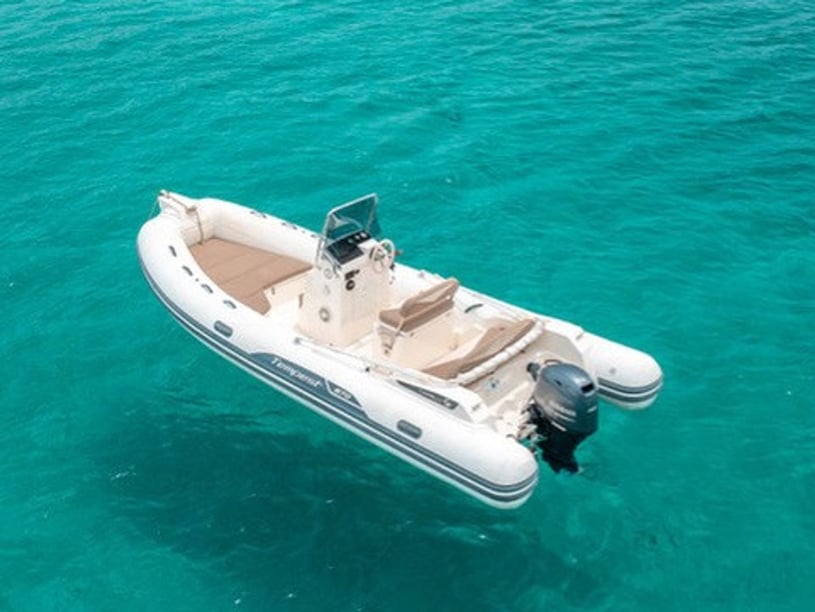
For boat rental in Porto Cervo, begin by matching the trip length to the intended cruising area. A day on the central Costa Smeralda can focus on nearby bays and beaches, whereas La Maddalena or Bonifacio calls for a multiday plan, greater flexibility and closer attention to exposed conditions.
Reserve marina berths early for July, August and major regatta periods. Within La Maddalena Archipelago National Park, navigation, anchoring and mooring require current authorization and compliance with zoning rules. Mortorio, Soffi and Le Camere include particularly sensitive areas, so consult current park maps and notices before departure. Use designated moorings or permitted sandy areas and avoid anchoring on Posidonia seagrass.
Check Maestrale forecasts throughout the trip rather than relying on conditions inside Porto Cervo’s sheltered inlet. Travelers still comparing regions and cruising styles can also explore yacht charter destinations across Italy.