Yacht charter around Peterborough
Peterborough offers an inland alternative to open-water yacht cruising. The city sits on Little Lake and the Otonabee River, where the Trent-Severn Waterway passes through a sequence of channels and locks. From here, the connected route runs south toward Rice Lake and north through Lakefield to the Kawartha lakes.
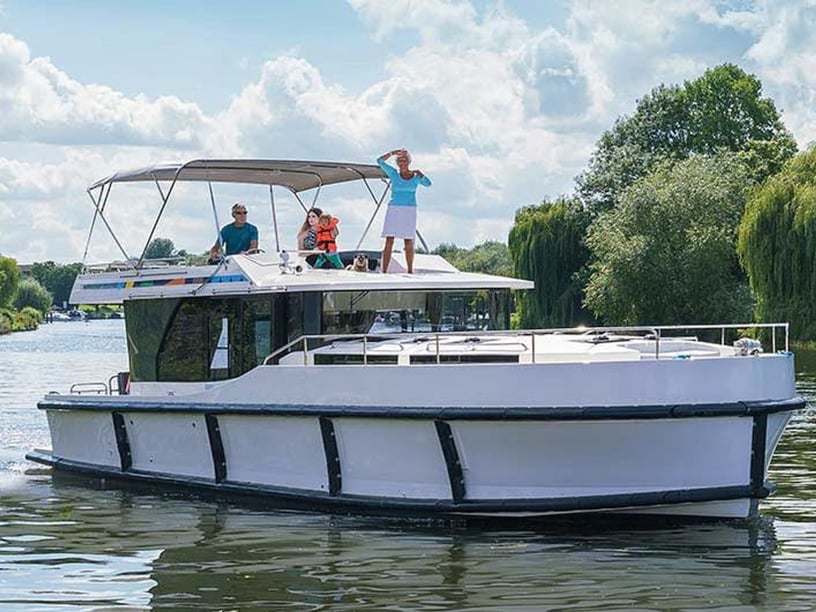
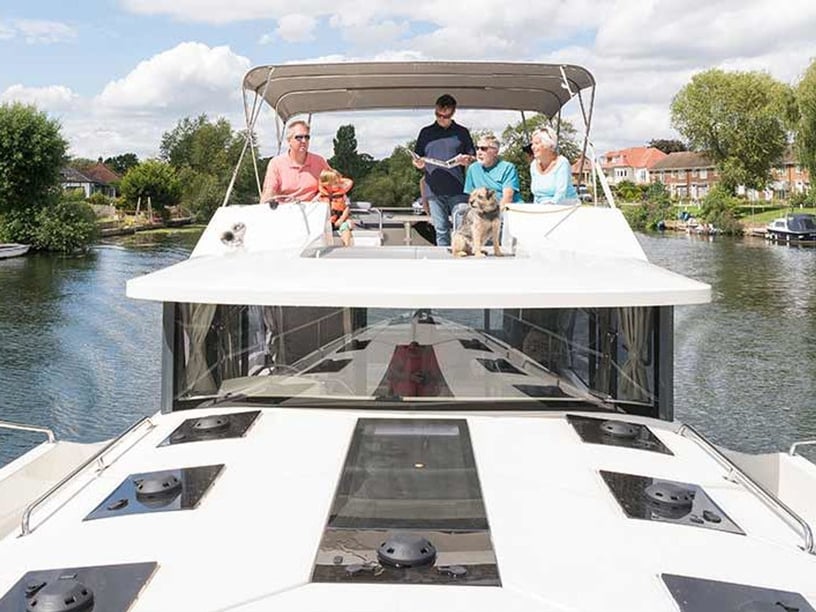
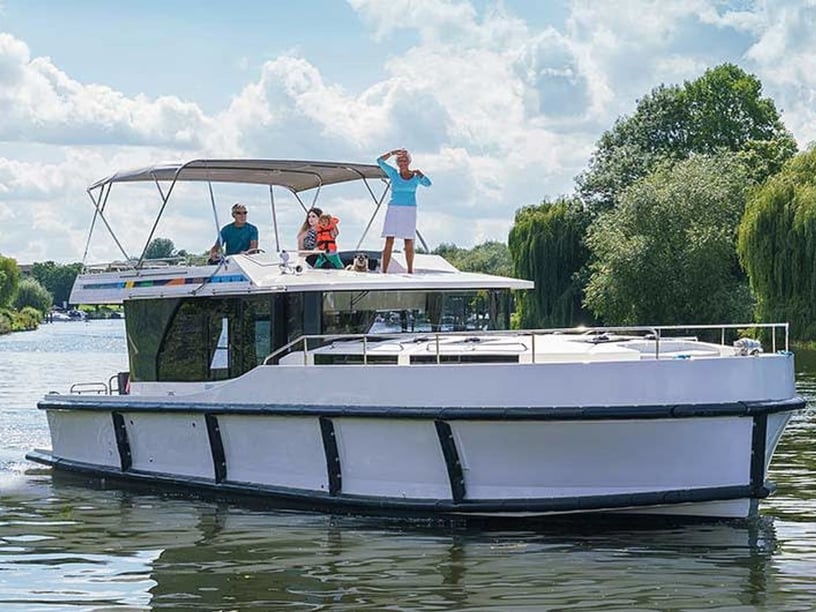
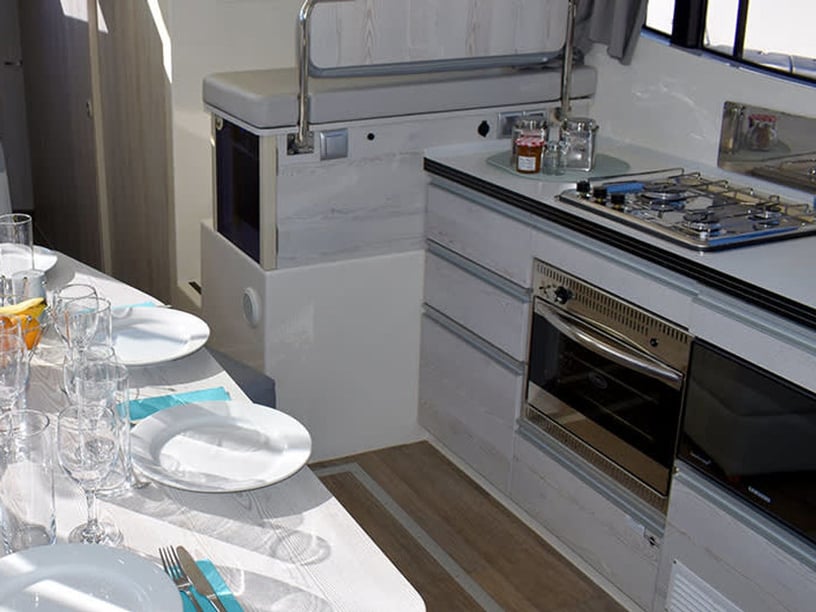
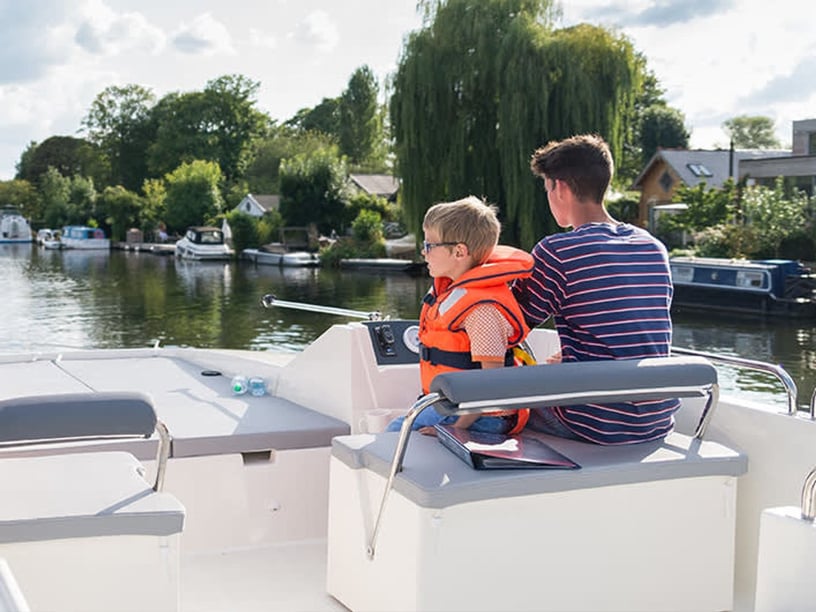
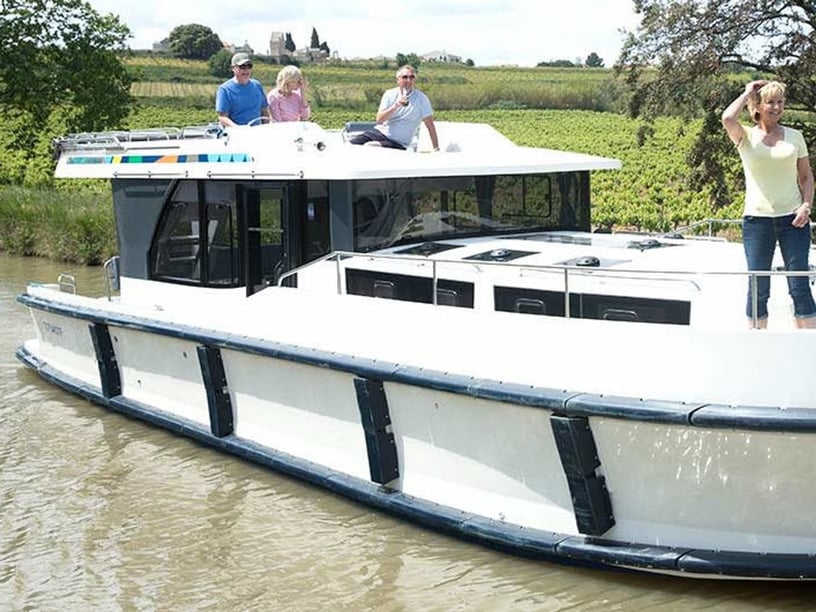
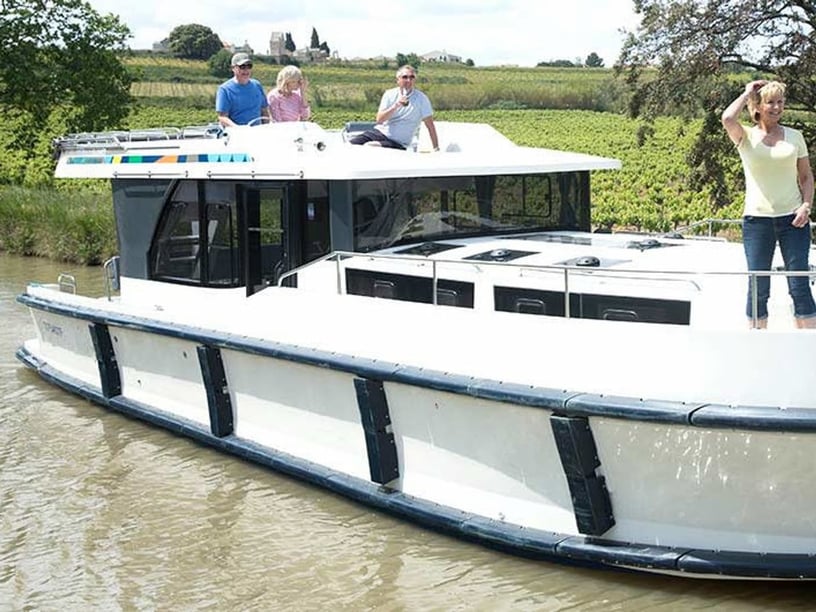
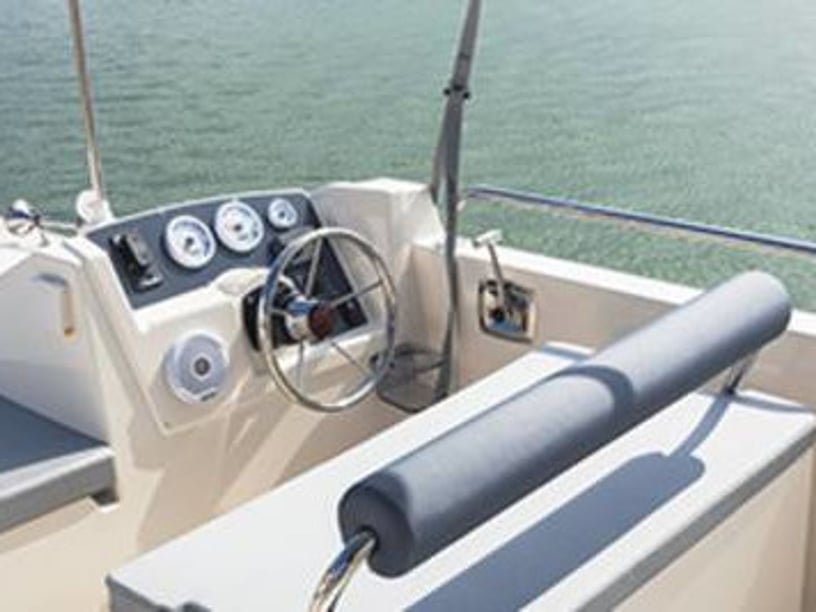
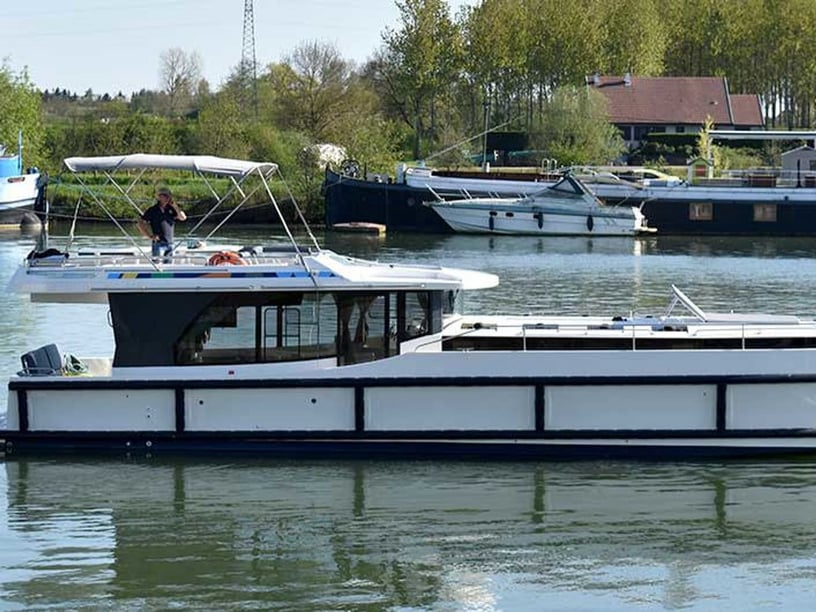
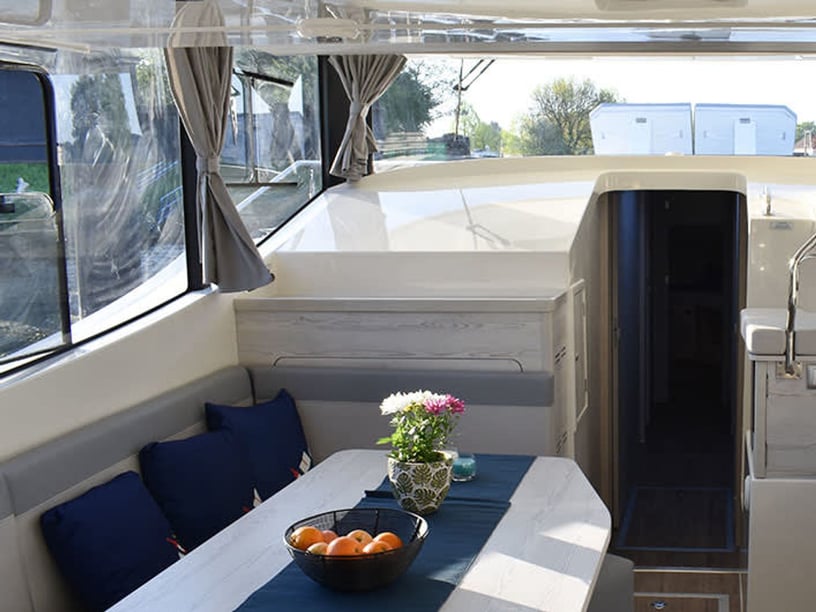
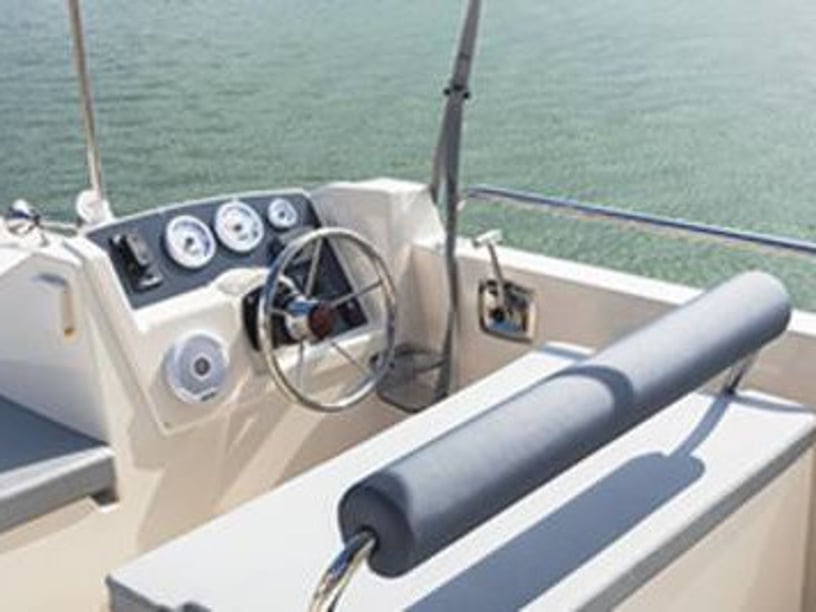
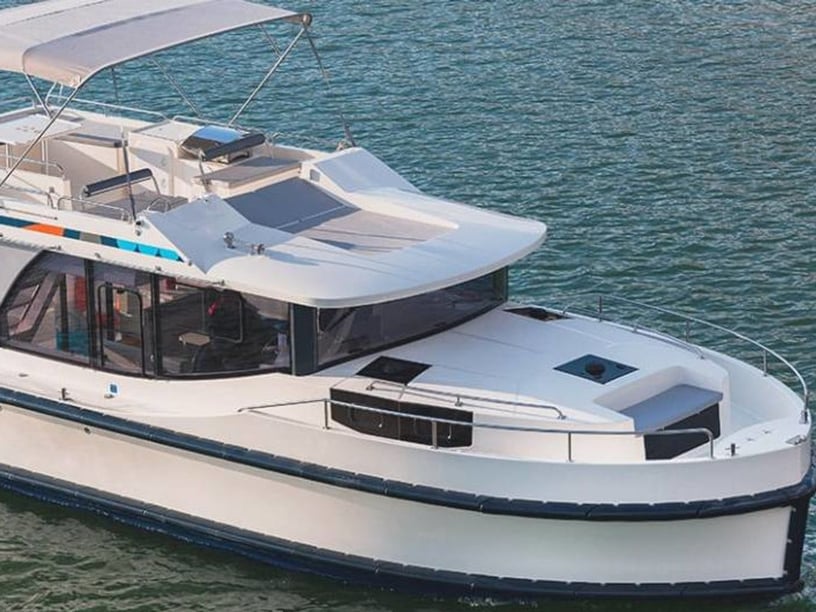
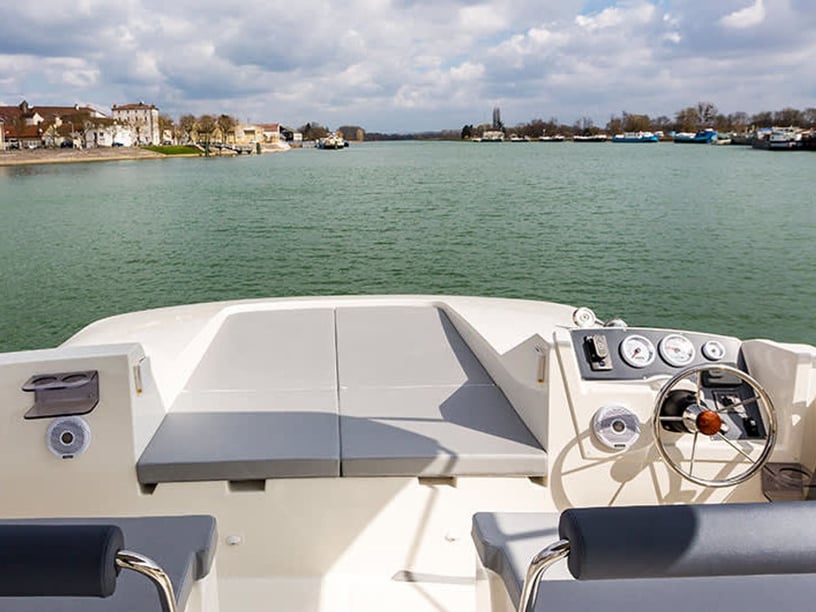
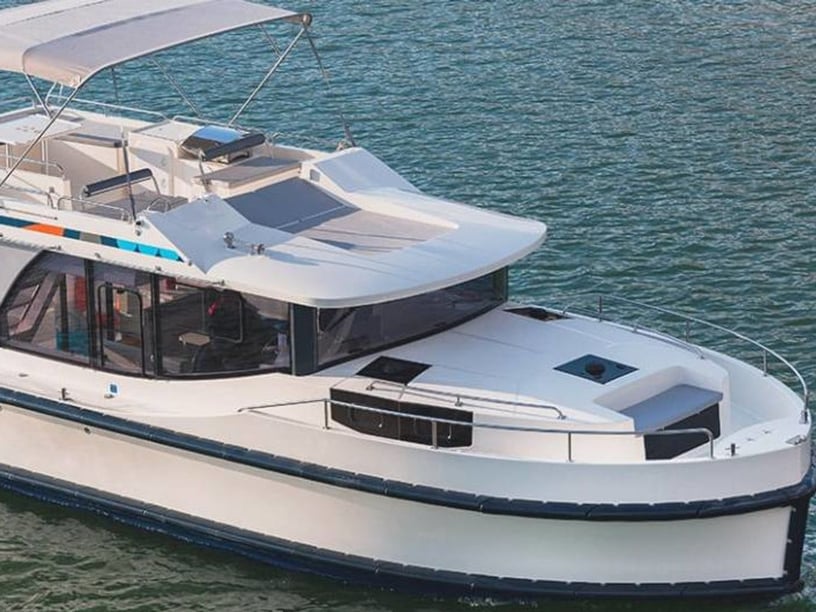
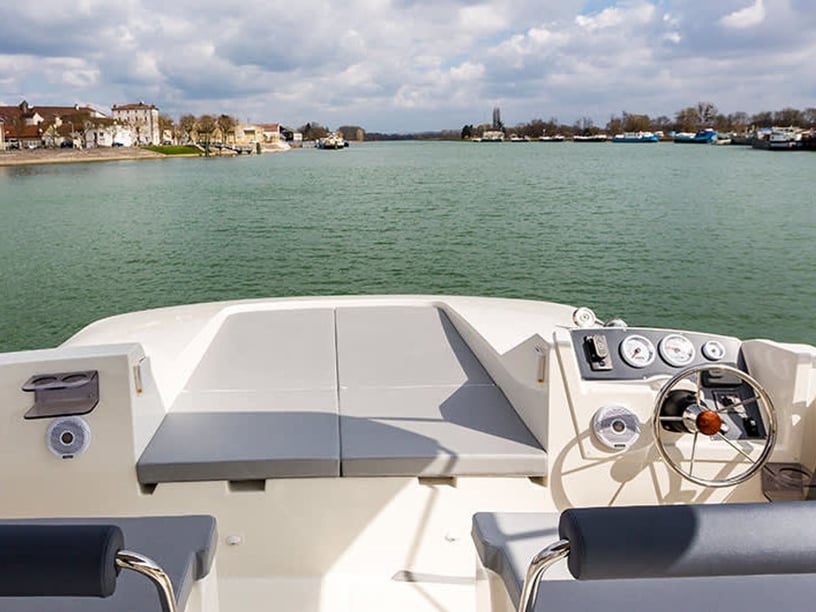
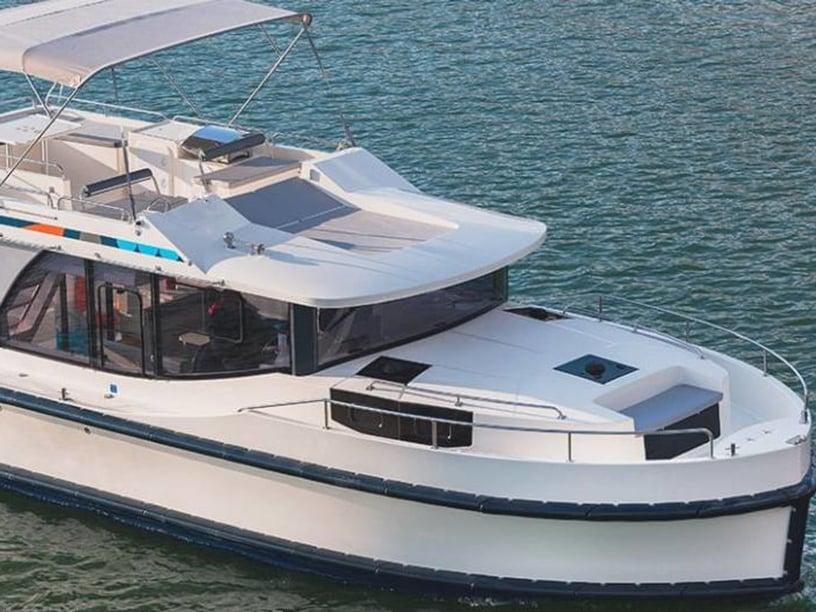
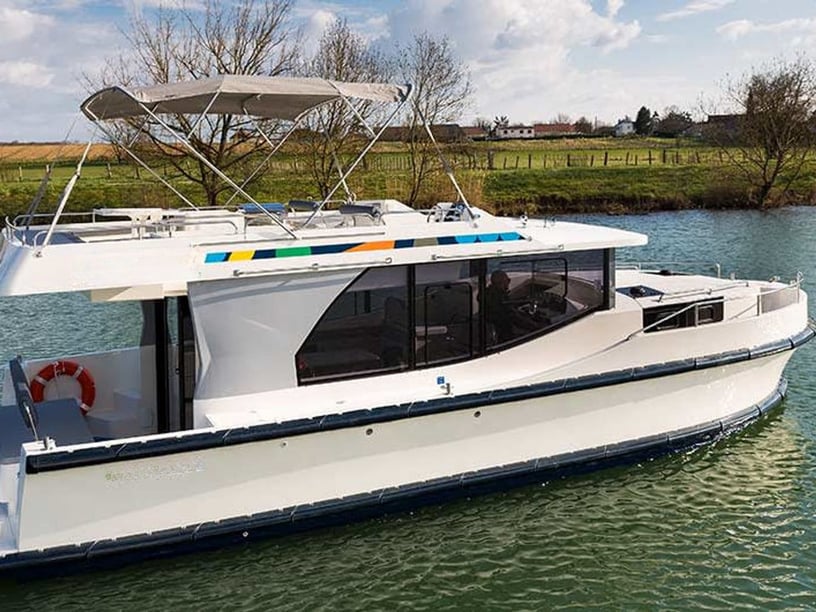
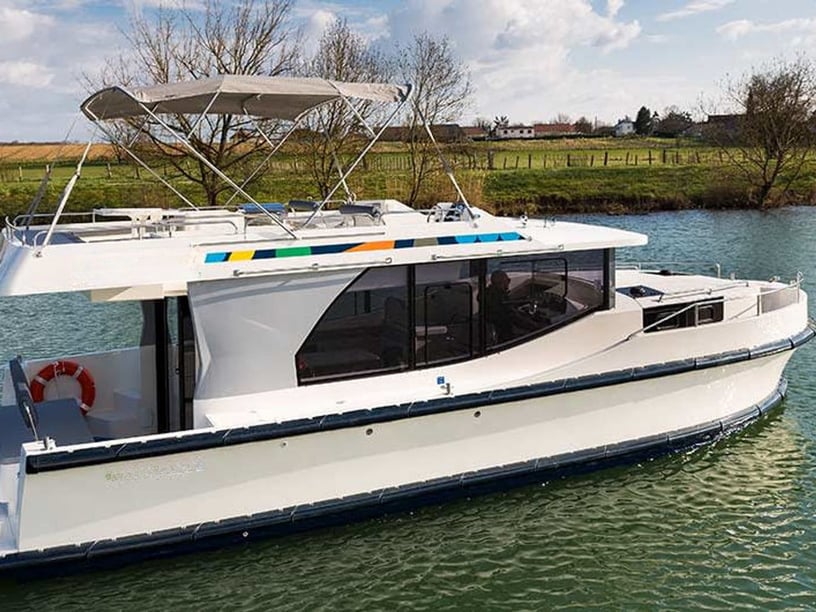
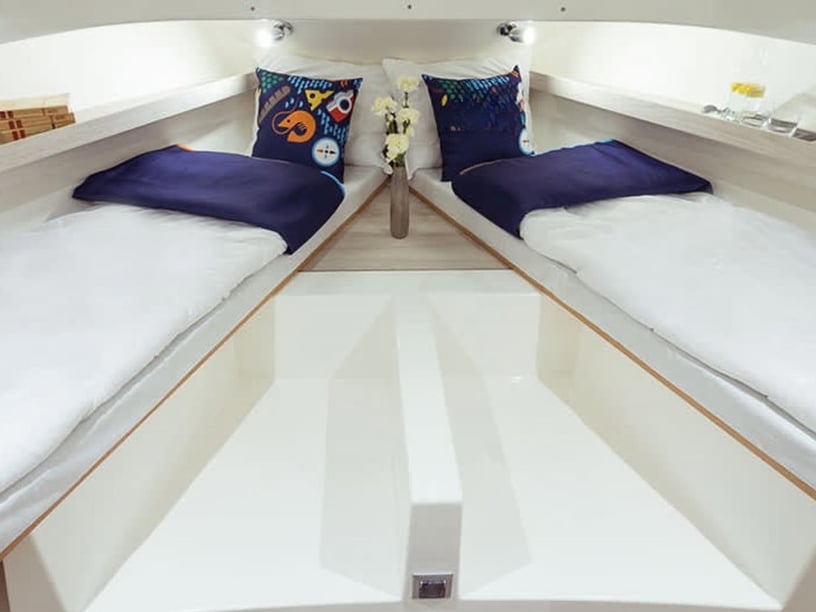
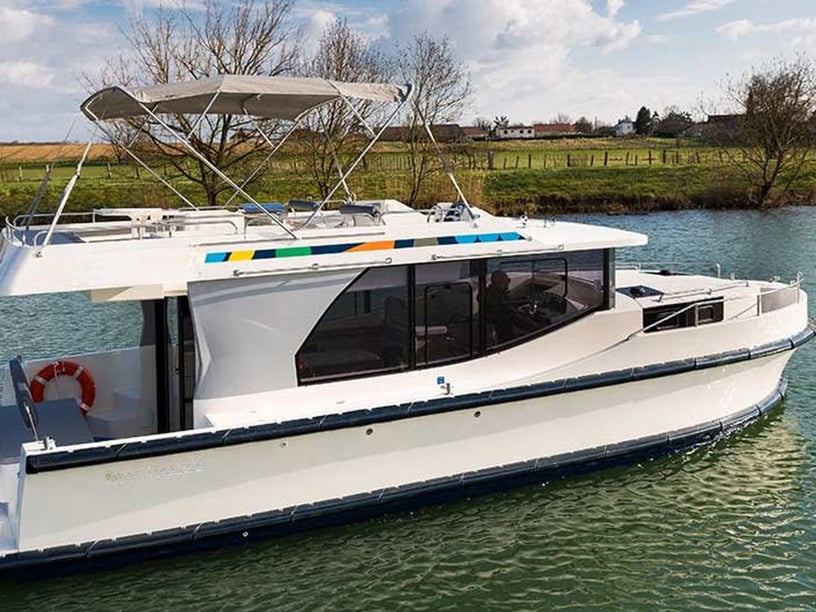
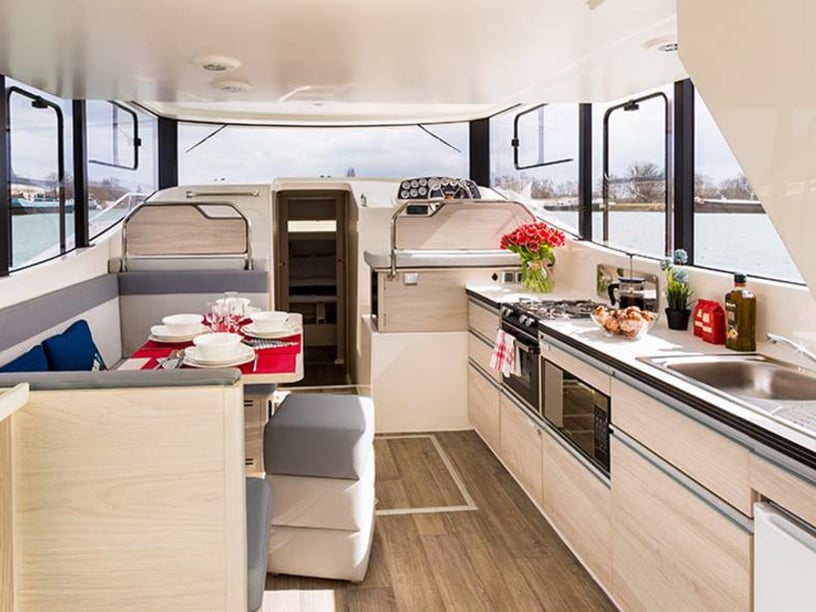
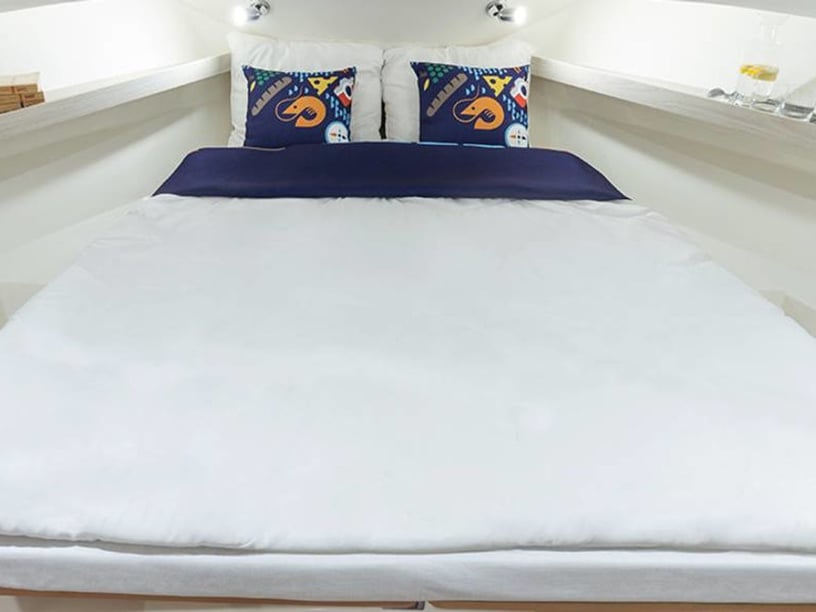
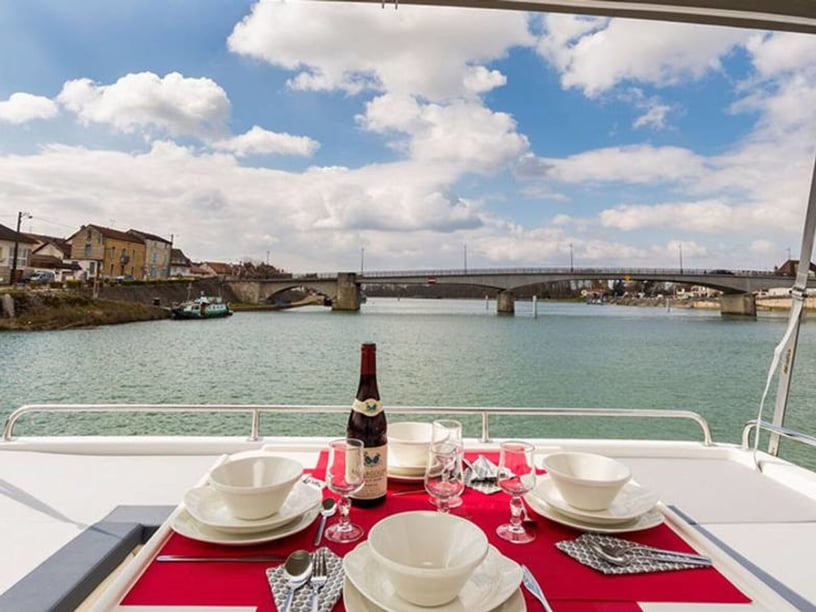
A yacht charter in Peterborough is therefore less about long sailing passages and more about sheltered-water exploration, lock transits and stops close to town. Canal cruisers, compact powerboats and houseboats are generally better suited to this environment than deep-draft sailing yachts. Peterborough can serve as a departure point, an overnight waterfront stop or a destination within a longer Trent-Severn journey. Travelers comparing this setting with other possibilities can also explore yacht charter in Canada.
Places to explore on the waterway
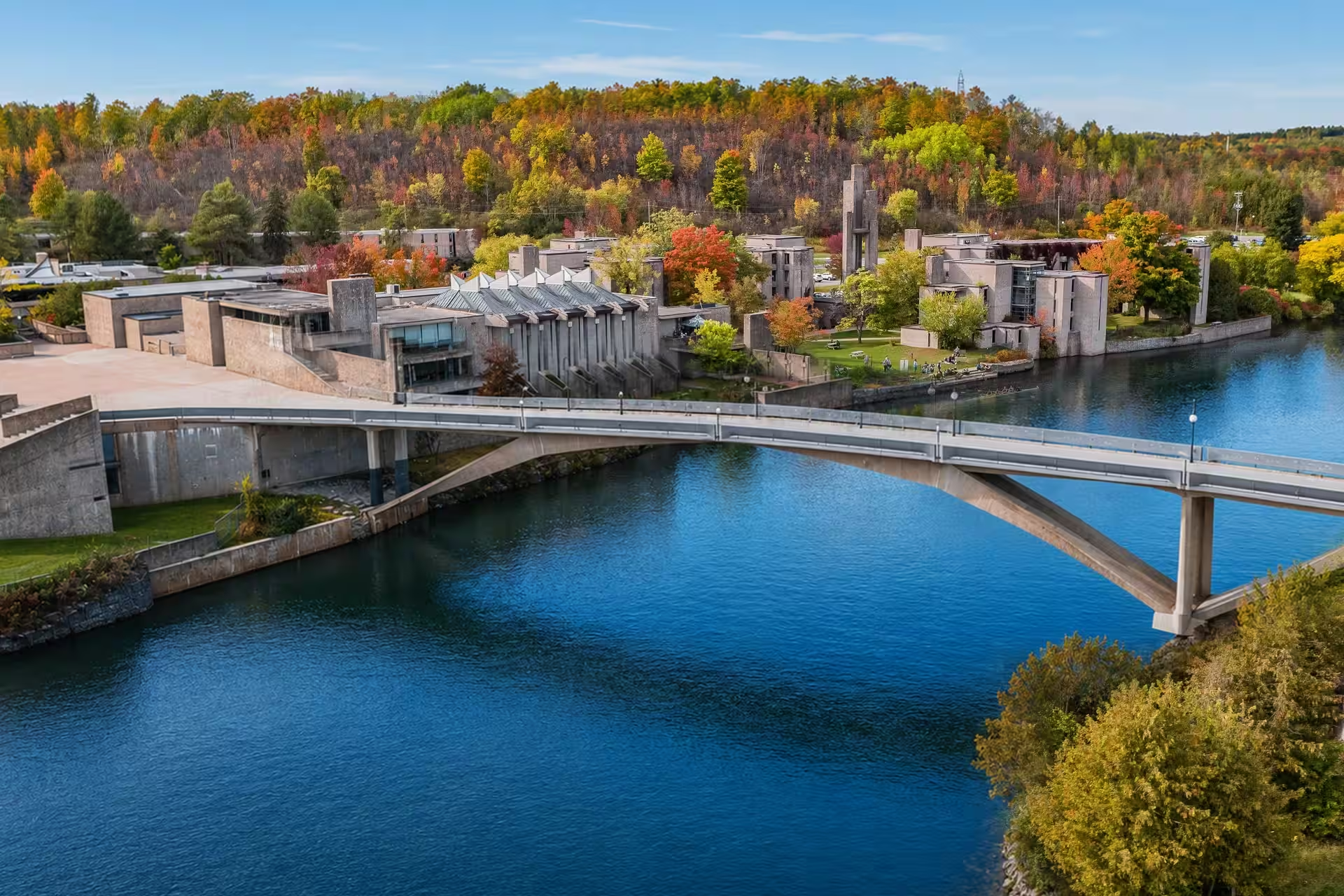
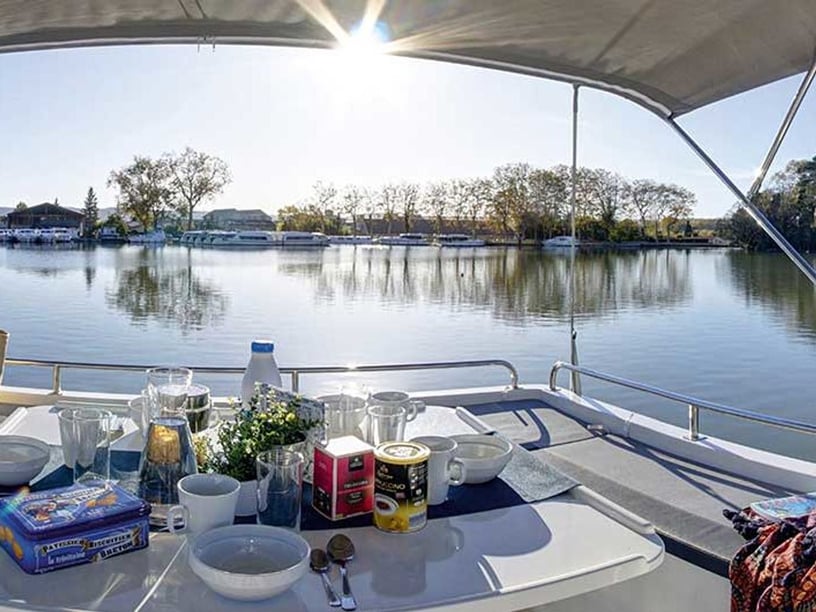
Little Lake forms the center of Peterborough’s boating experience. Peterborough Marina provides access to the city waterfront, with dining, shops and visitor services within walking distance. The lake also connects naturally with the Otonabee River and the canal sections running through the city.
North of Peterborough, Lakefield is a useful reference point for river journeys and longer cruises toward the Kawartha lakes. The route between the two communities passes through multiple locks, making progress part of the experience rather than simply a transfer between stops. Farther north, Young’s Point and McCrackens Landing open up access to connected lake scenery, including Clear Lake and Katchewanooka Lake. These places are most relevant to travelers planning a multi-stage inland cruise rather than a short outing confined to Peterborough.
What cruising near Peterborough is like
Cruising around Peterborough combines sheltered lake water, narrow river reaches and engineered canal navigation. Winds are generally light in summer, particularly in July and August, but the main planning considerations are the locks, marked channels, dams, bridge clearance and vessel draft. This makes the area moderately demanding even though it lacks the exposure associated with coastal passages.
On the Otonabee River, the current flows south from Lakefield toward Peterborough. Northerly winds can assist southbound paddlers, while southerly winds create a headwind. Narrow sections may also be affected by powerboat wakes. For motorized craft, the repeated lock passages set the pace of the day and reward itineraries that allow time rather than relying on ambitious distances.
The local geography favors canal cruisers and small powerboats. Travelers specifically seeking sailing under canvas should consider carefully whether a proposed vessel’s draft, mast height and handling characteristics suit the Trent-Severn corridor.
Best time for a Peterborough boating trip
The Trent-Severn navigation season normally runs from the Victoria Day weekend in mid-May until the Thanksgiving weekend in mid-October. July and August are the best-supported months for boating around Peterborough, combining peak waterway activity with the area’s lowest average summer wind speeds.
June and September also fall within the main cruising period. They may suit travelers who prefer to plan outside the busiest midsummer weeks, although conditions can differ from those in July and August. May and October are shoulder-season months: locks are normally operating for part of each month, but cooler and less consistent conditions call for more flexible plans. From late autumn through early spring, normal lock-based recreational cruising is largely inactive.
Because the waterway operates as managed infrastructure, seasonal dates alone are not enough. Current lock schedules, bridge notices and water levels should be checked before departure.
Route ideas around Peterborough
The 16.5-kilometre route from Lakefield to Peterborough follows the Otonabee River through seven locks before reaching Little Lake. It is established as a one-way paddling journey, but it also illustrates the character and scale of this part of the waterway for travelers considering a broader canal cruise.
A shorter southbound experience can begin at the Trent University waterfront and continue through the Peterborough Lift Lock, Lock 20, Little Lake and the lower Otonabee River toward Squirrel Creek Conservation Area. One-way trips require a road shuttle to be arranged in advance.
For a longer connection, the 37-kilometre route from McCrackens Landing to Peterborough crosses Clear Lake and Katchewanooka Lake before joining the Otonabee River. With nine locks, it is better treated as a two-day journey than a hurried point-to-point passage.
Waterfront experiences and cultural highlights
The defining passage is the Peterborough Lift Lock, which raises or lowers vessels by approximately 19.8 metres. Opened in 1904, it is the highest hydraulic lift lock on the Trent-Severn Waterway. Passing through it gives travelers a direct view of how engineering reshaped movement along the river corridor.
Peterborough’s relationship with the water predates the canal. The area was known as Nogojiwanong, a Nishnaabeg name meaning “place at the foot of the rapids,” and its lakes, rivers and portage routes supported Indigenous travel and fishing long before the modern waterway was built.
The city later became closely associated with factory-built wooden canoes. The Canadian Canoe Museum provides cultural context for that legacy and complements time spent paddling or cruising. A charter itinerary can therefore combine navigation with visits ashore, fishing, wildlife watching and an evening near the downtown waterfront.
Getting there and choosing a departure point
Peterborough is primarily reached by road. Travelers arriving from the Greater Toronto Area typically use Highway 401 and Highway 115, while Highway 7 connects the city with other parts of Central and Eastern Ontario. Toronto Pearson International Airport is the principal commercial gateway for most long-distance visitors. Peterborough Regional Airport mainly supports charter, corporate, private and general aviation.
Peterborough Marina on Little Lake is the most convenient waterfront starting point for combining a cruise with downtown services. Other local launch options include Rogers Cove Beach and the Mark Street Boat Launch, the Trent University waterfront and Monaghan Road Boat Ramp. Lakefield Marina is relevant for trips beginning north of the city.
Peterborough should be viewed as both a place to explore and a practical node on the Trent-Severn Waterway, rather than automatically as a primary yacht-charter base.
Practical charter planning
When considering a Peterborough yacht charter or boat rental, vessel dimensions matter as much as comfort and capacity. The navigation channel above Lock 19 toward the upper waterway is normally about 1.8 metres deep, but shallower areas are possible and water depths are not guaranteed. The Trent-Severn Waterway’s minimum fixed-bridge clearance is approximately 6.1 metres. Both water draft and air draft should therefore be confirmed before selecting a boat or route.
Lockage and overnight mooring at lockstations require the applicable Parks Canada permits during the navigation season. Travelers should also review current lock operations, bridge information and water levels shortly before departure. Marked channels need to be followed, and boats must remain well clear of dams near the locks.
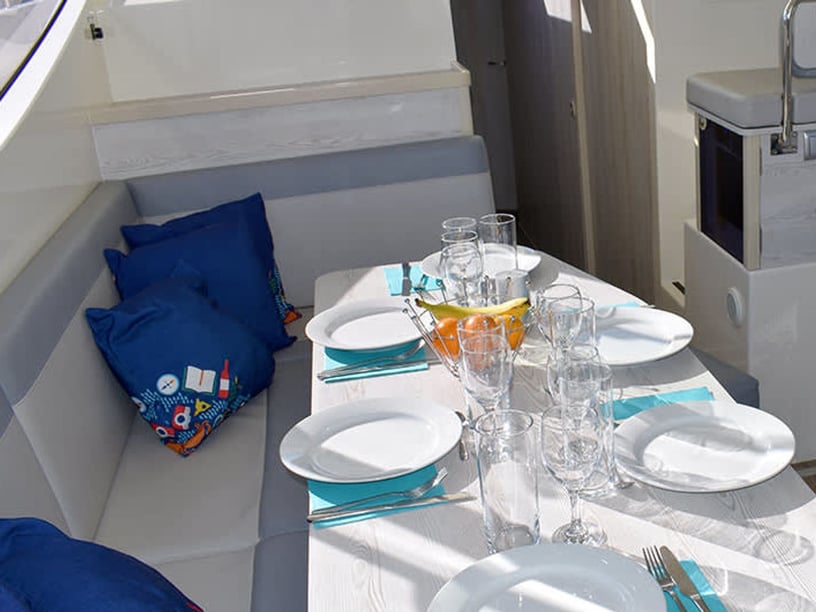
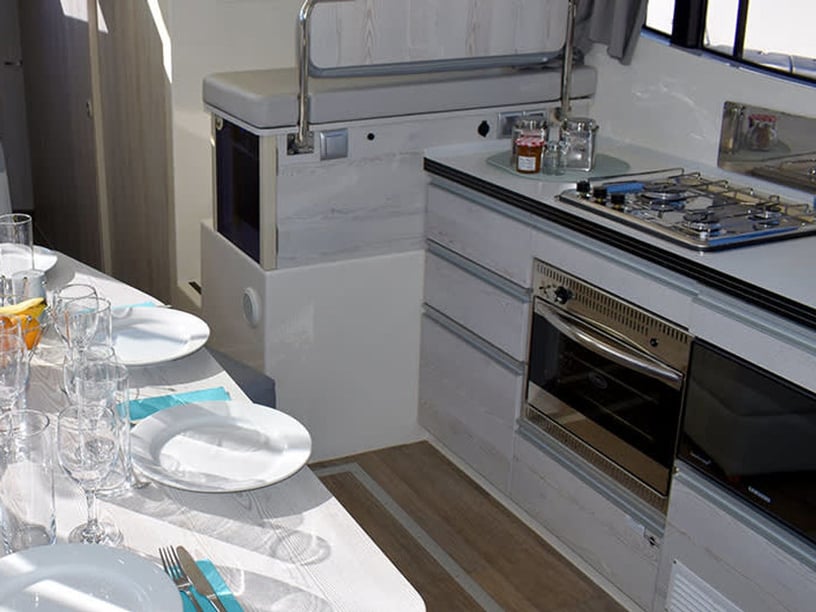
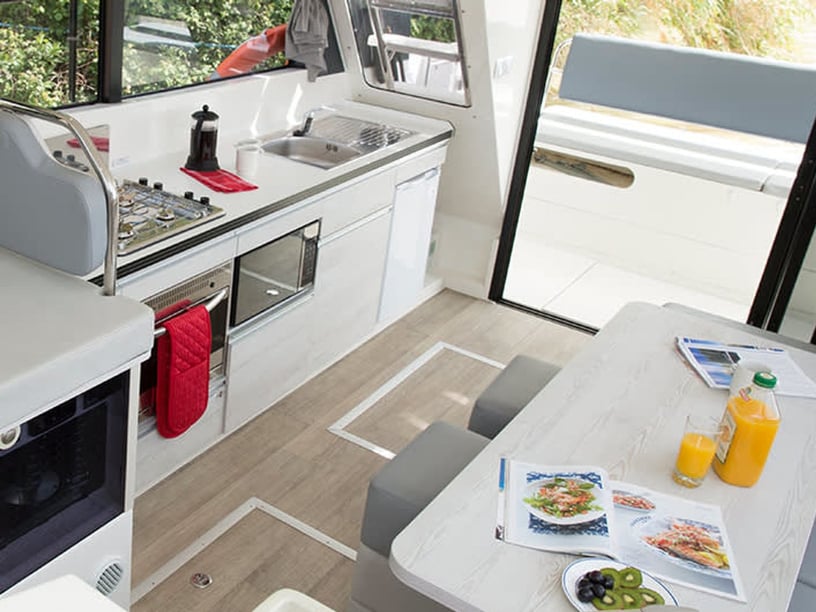
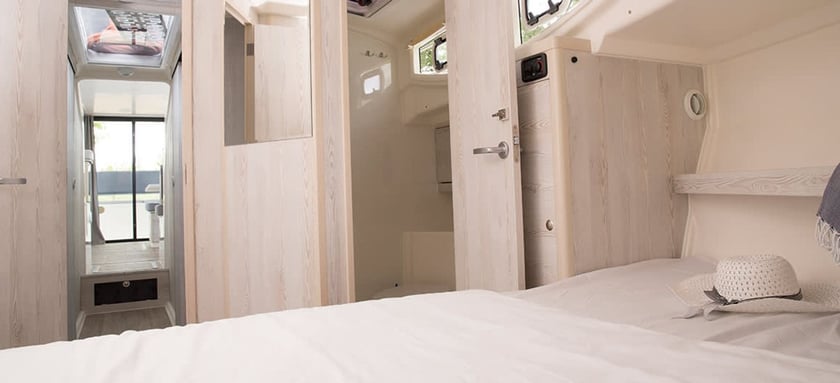
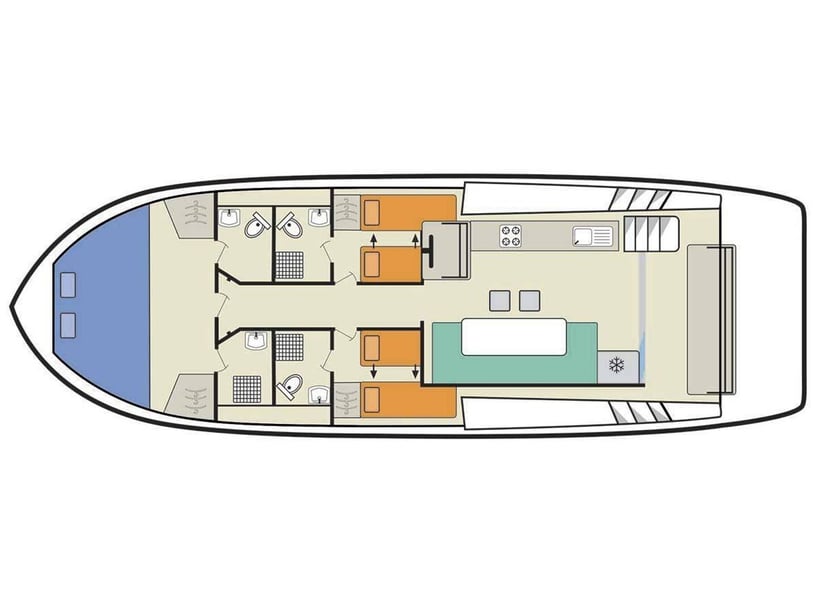
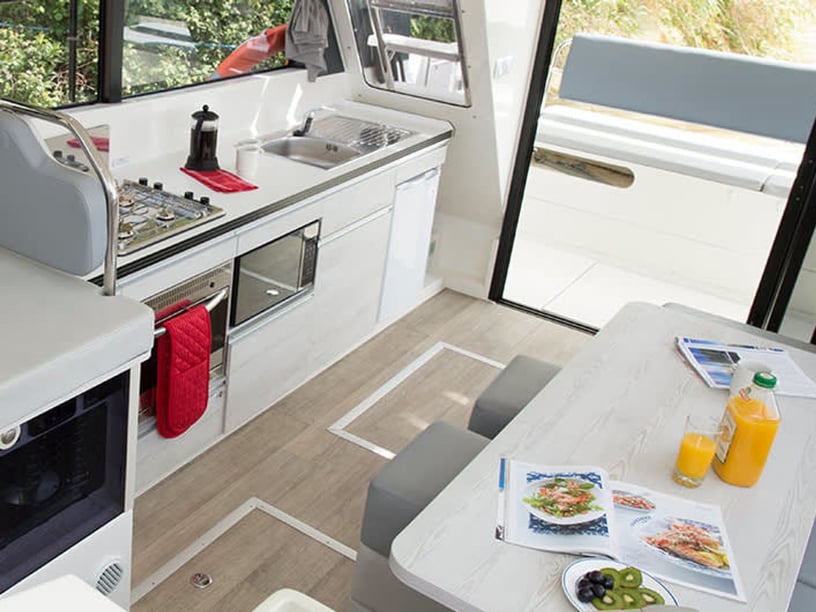
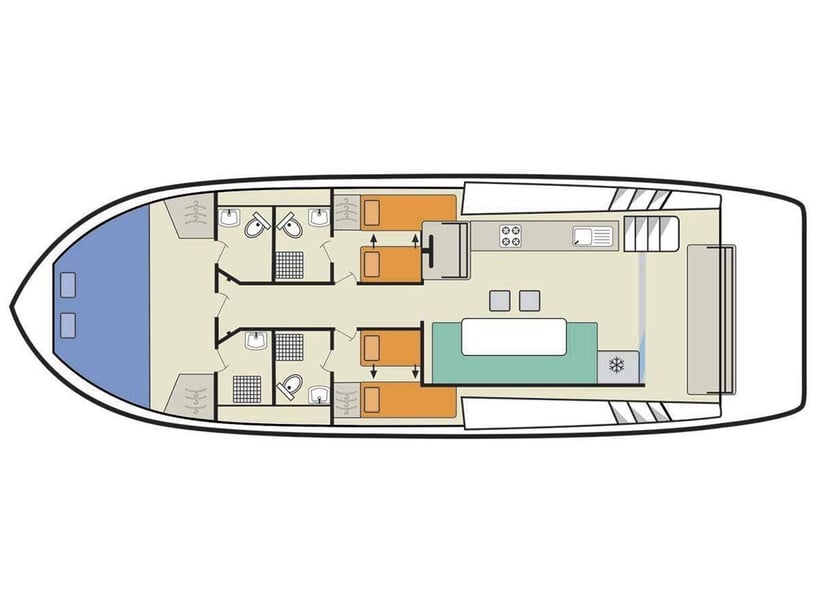
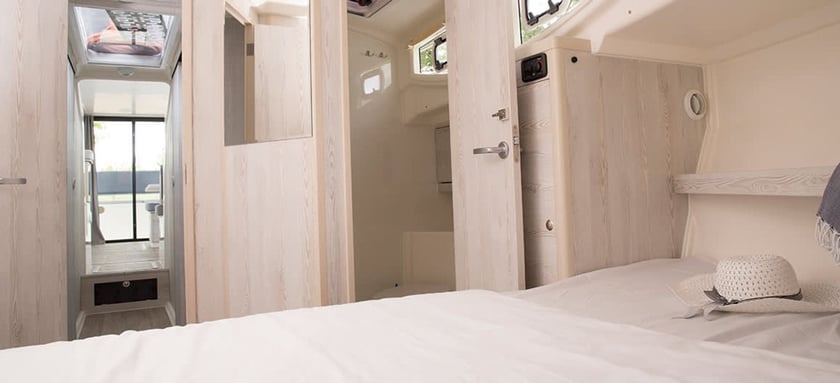
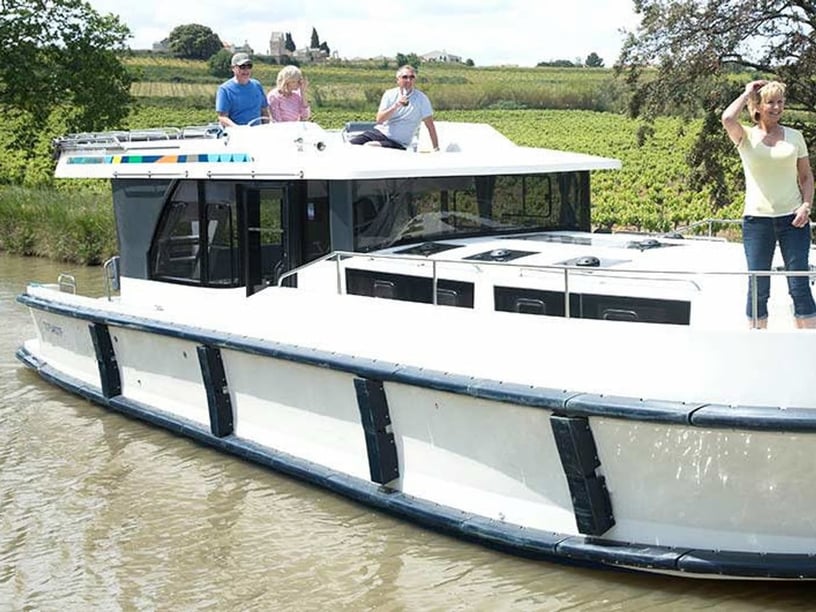
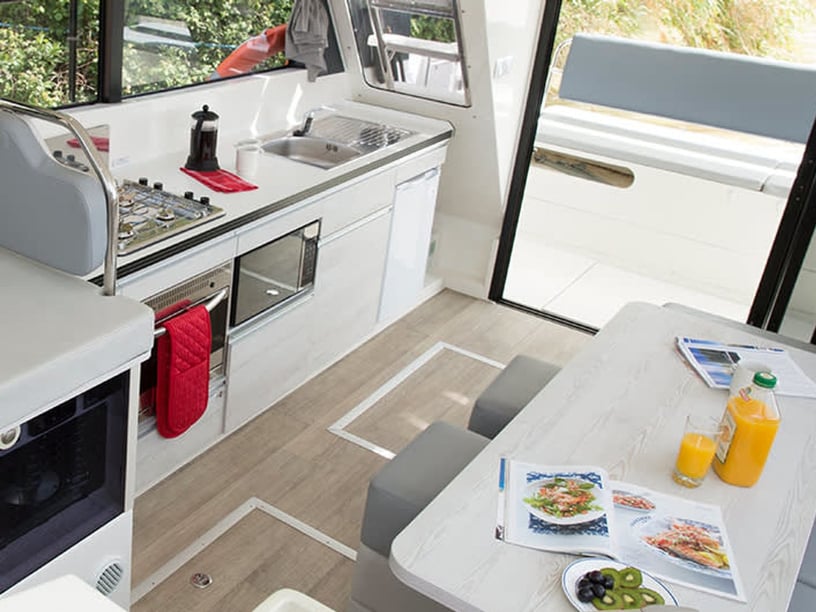
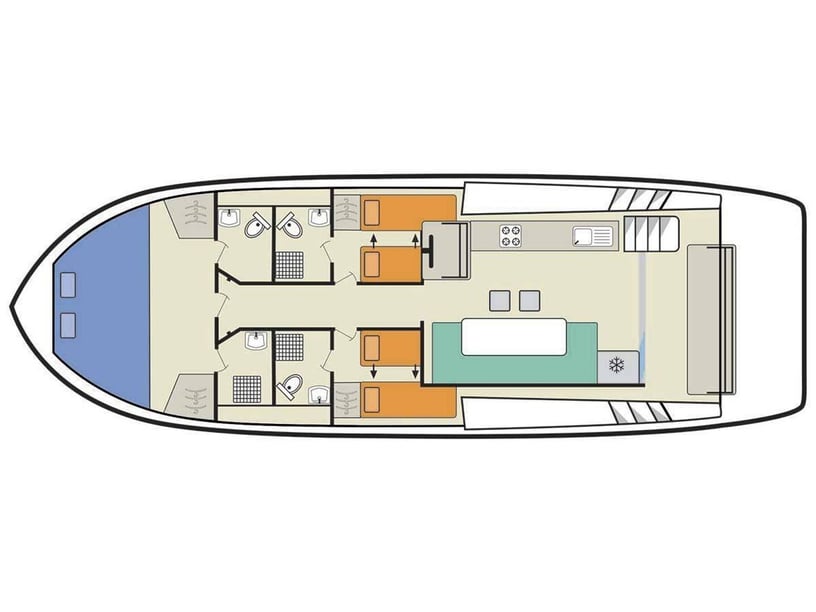
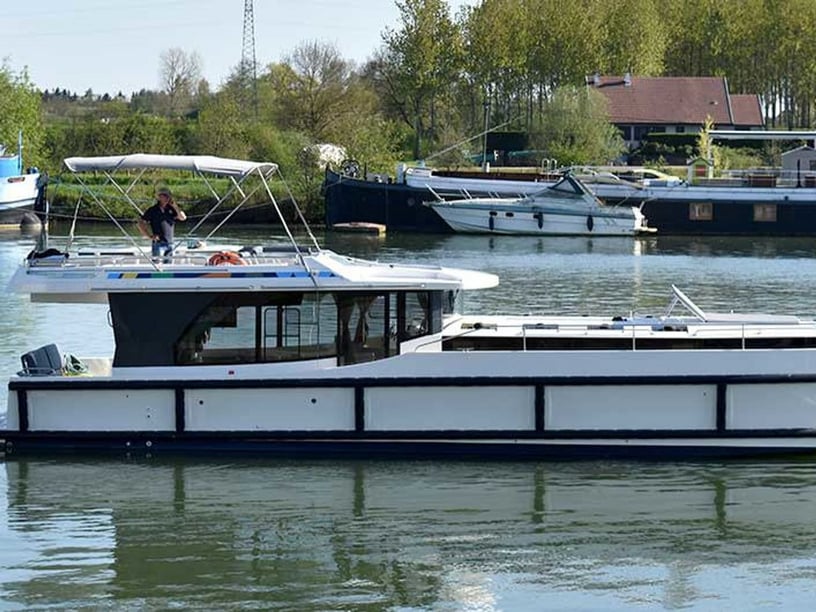
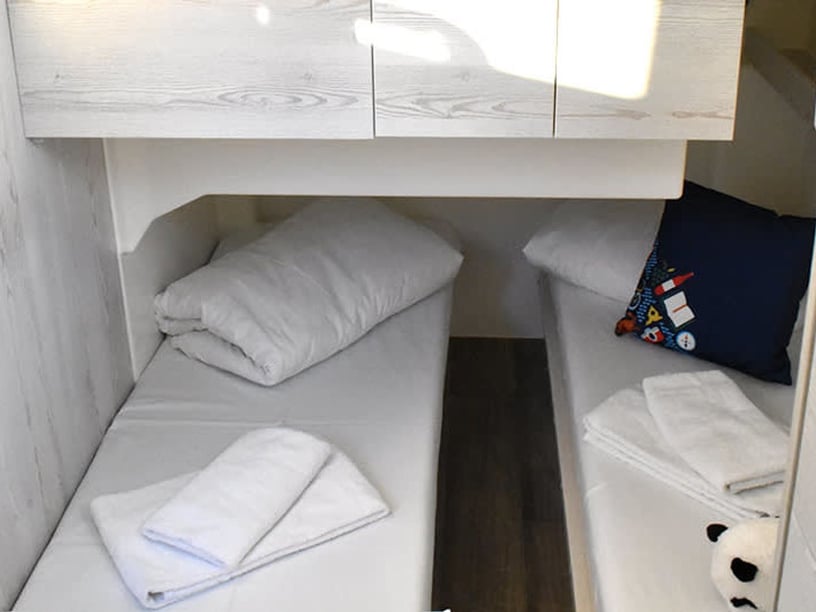
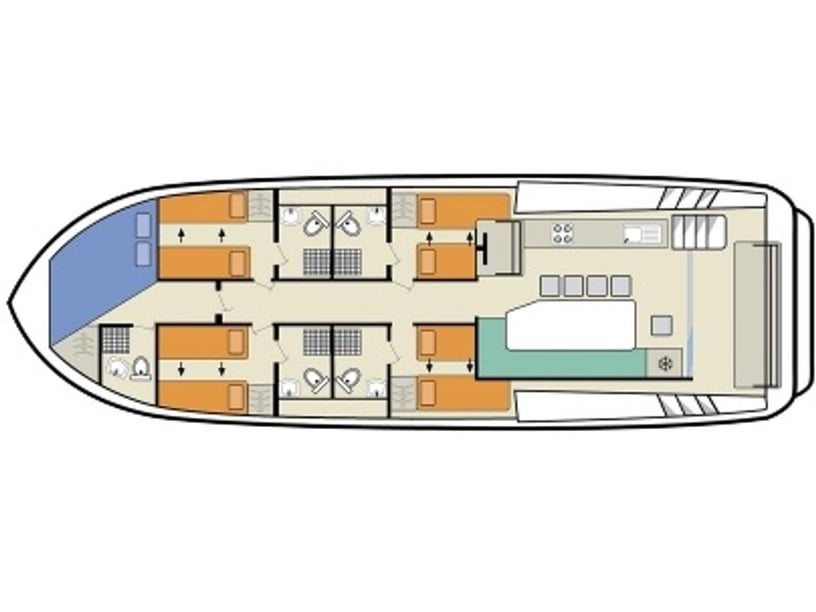
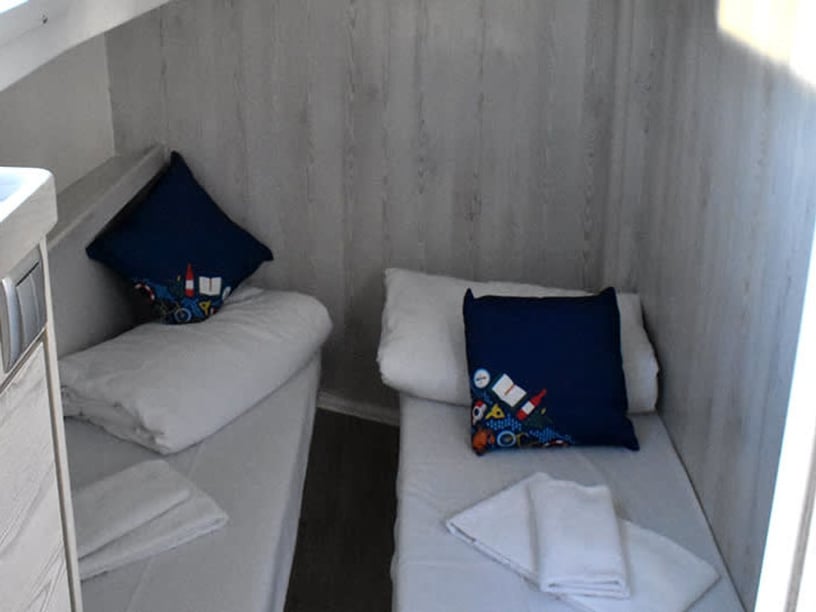
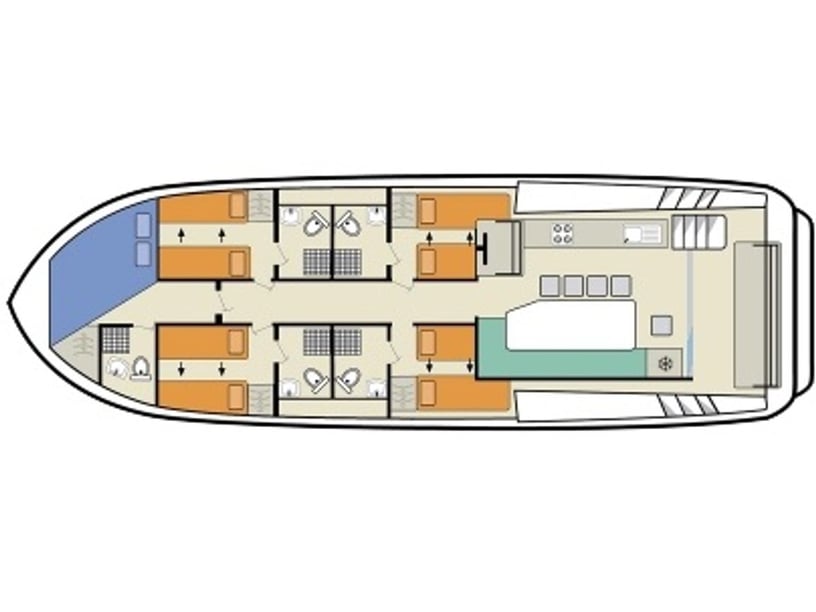
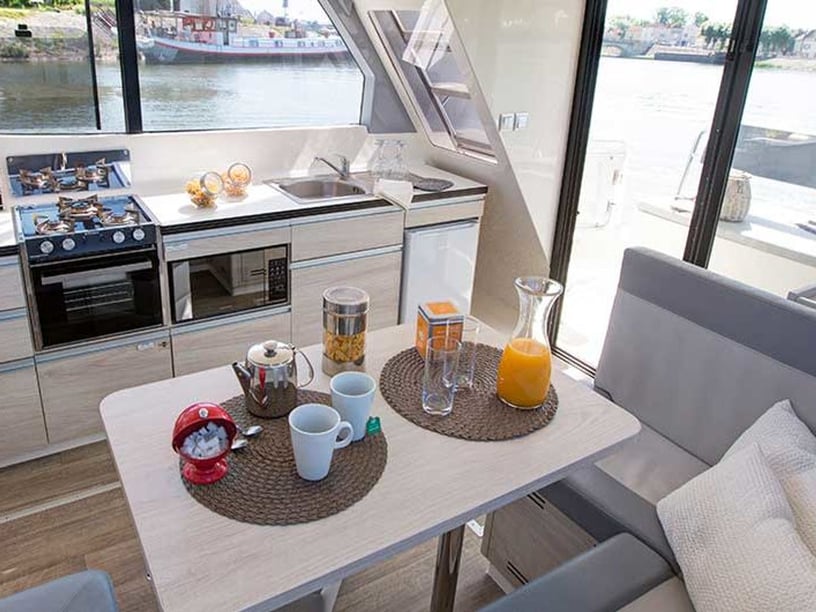
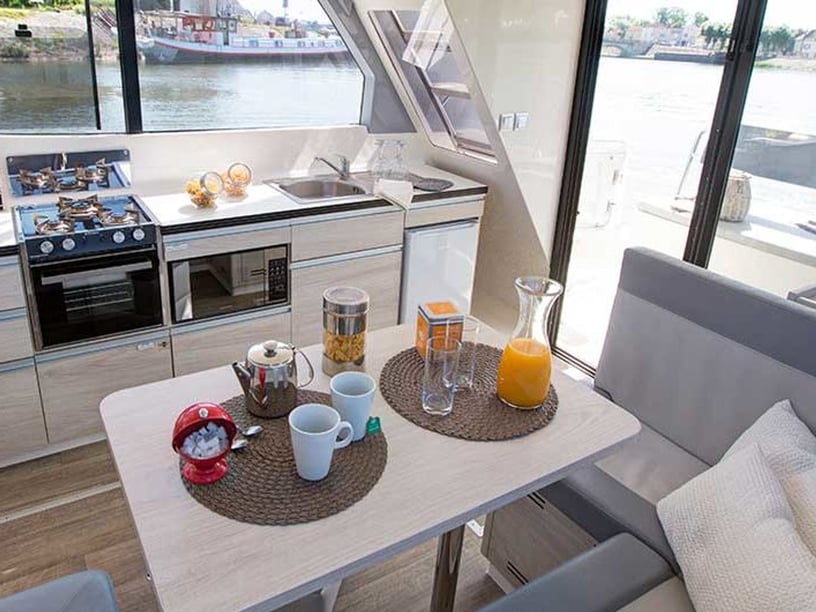
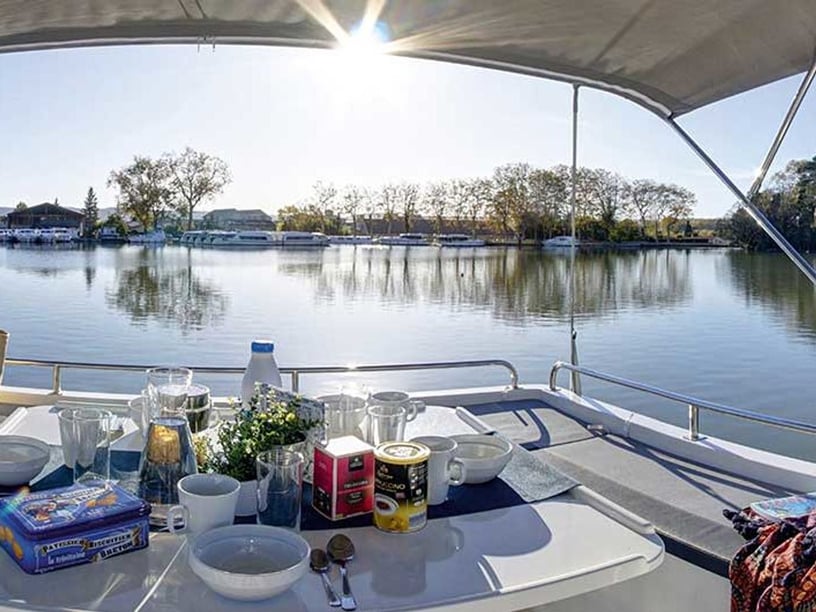
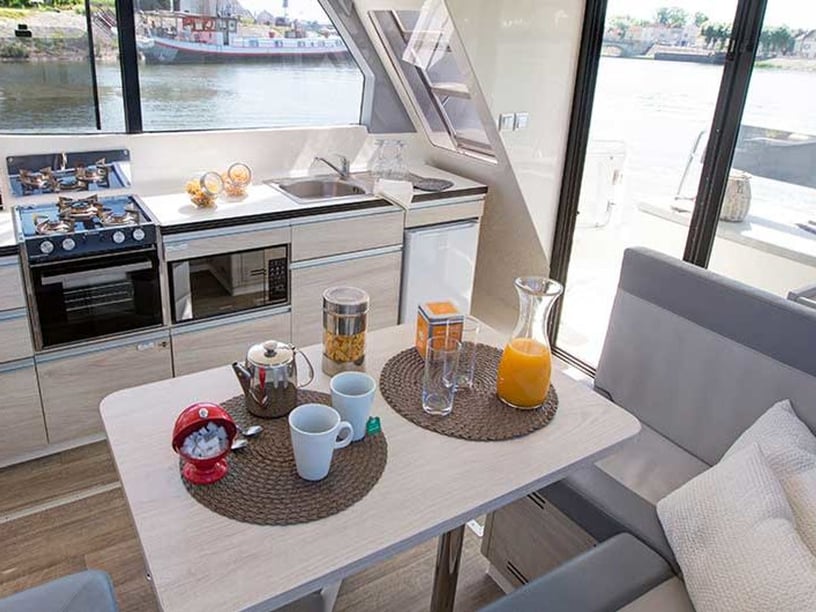
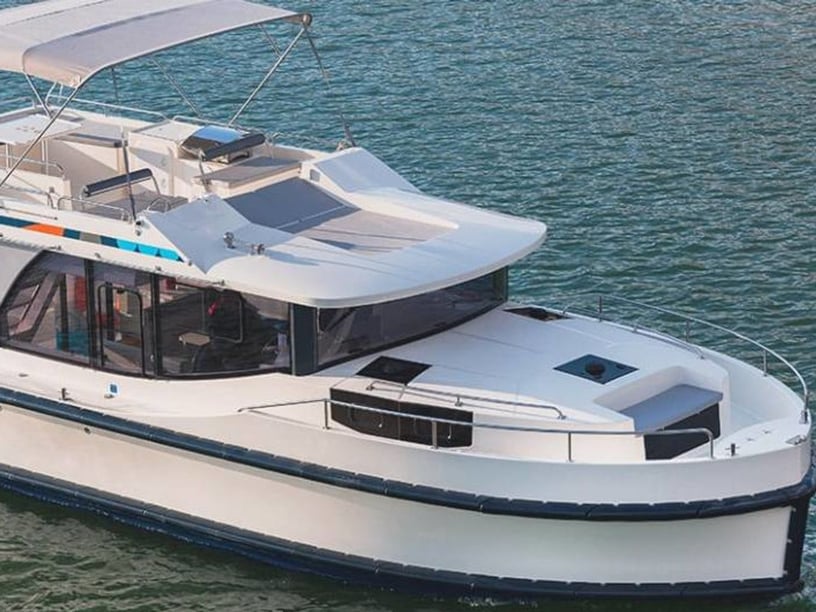
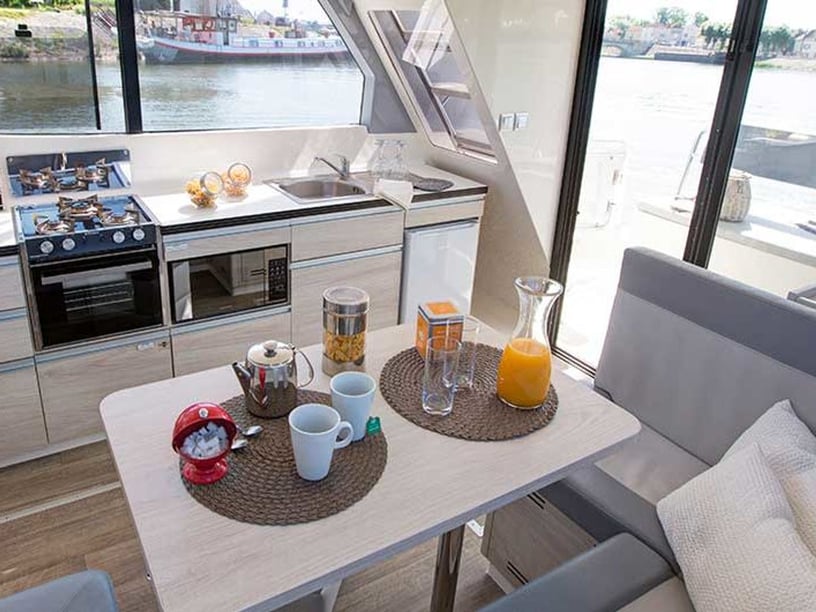
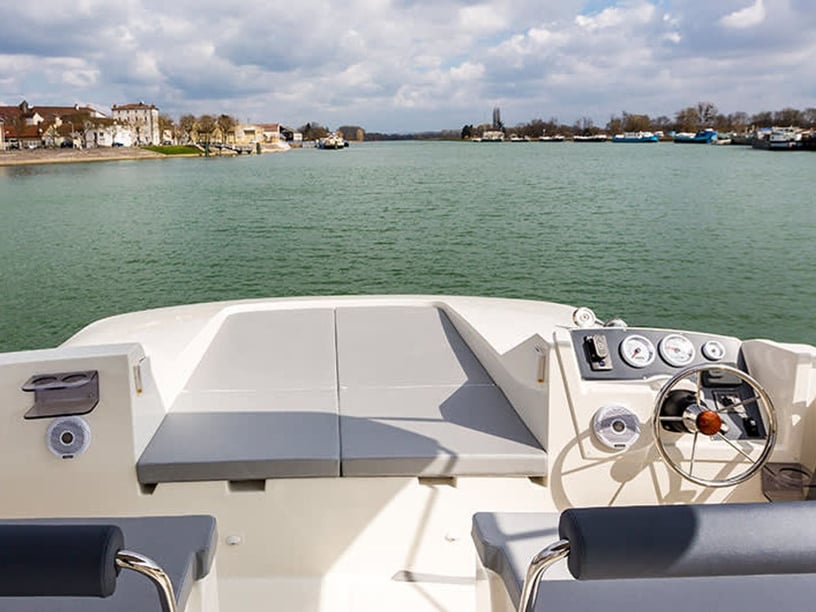
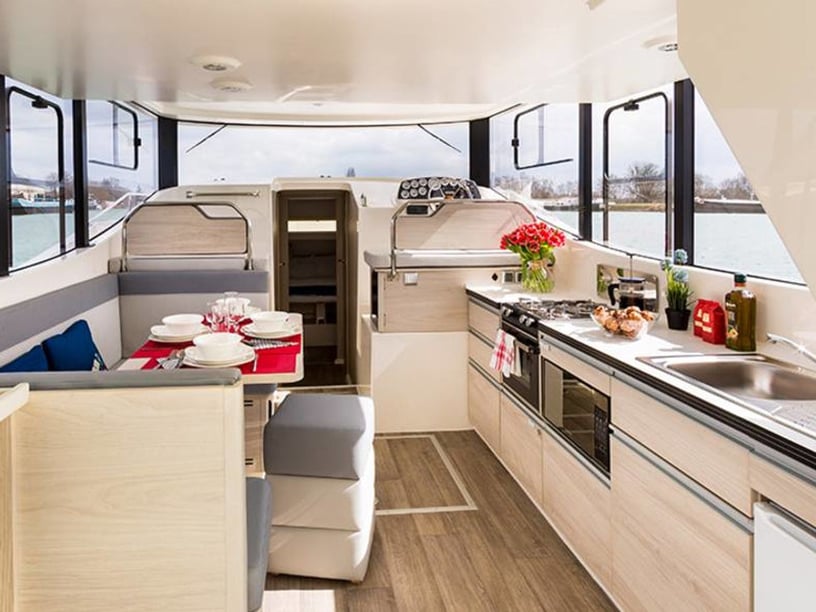
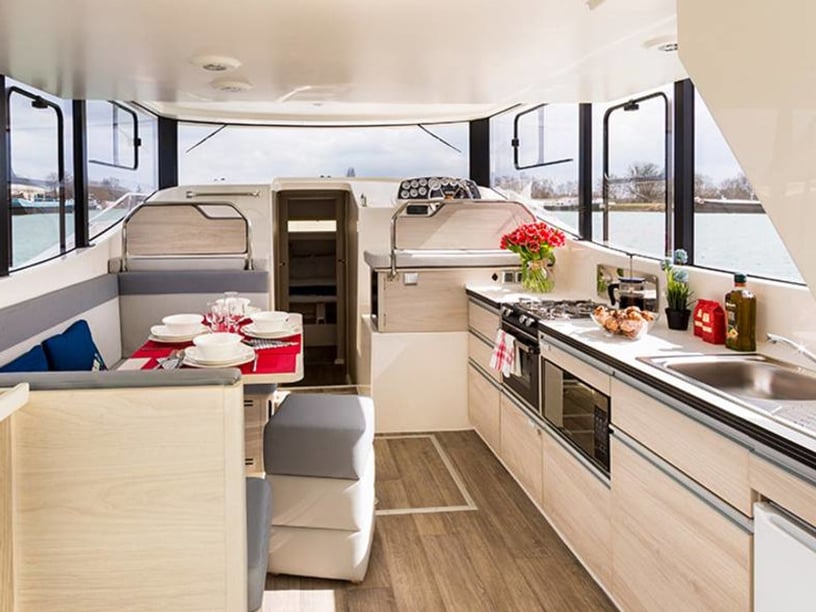
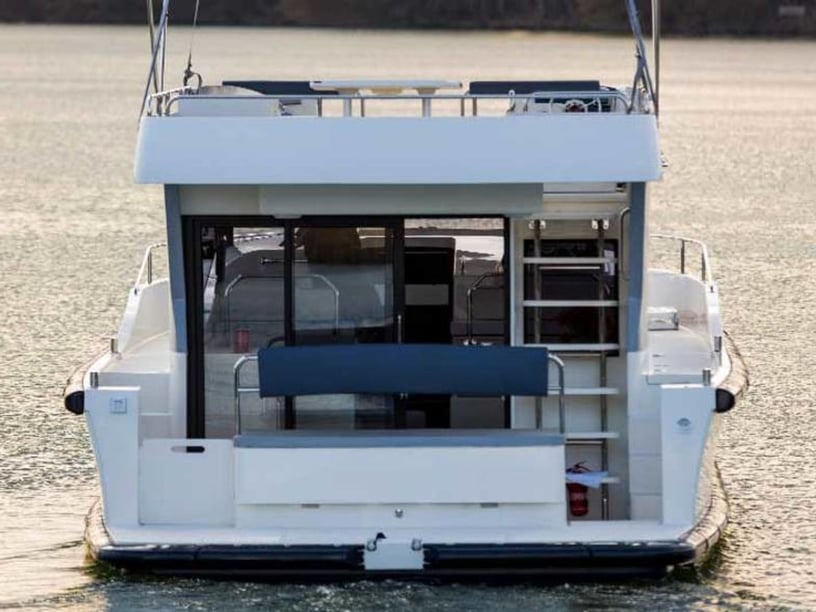
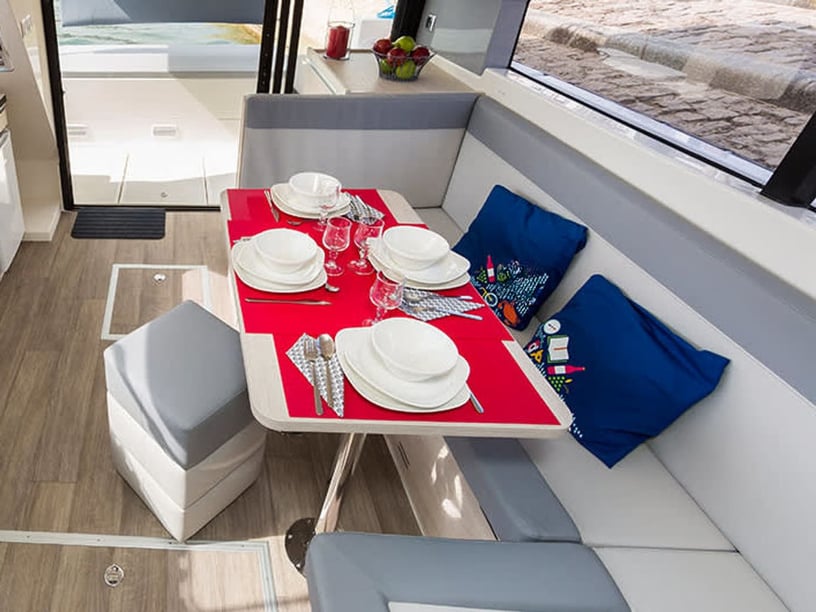
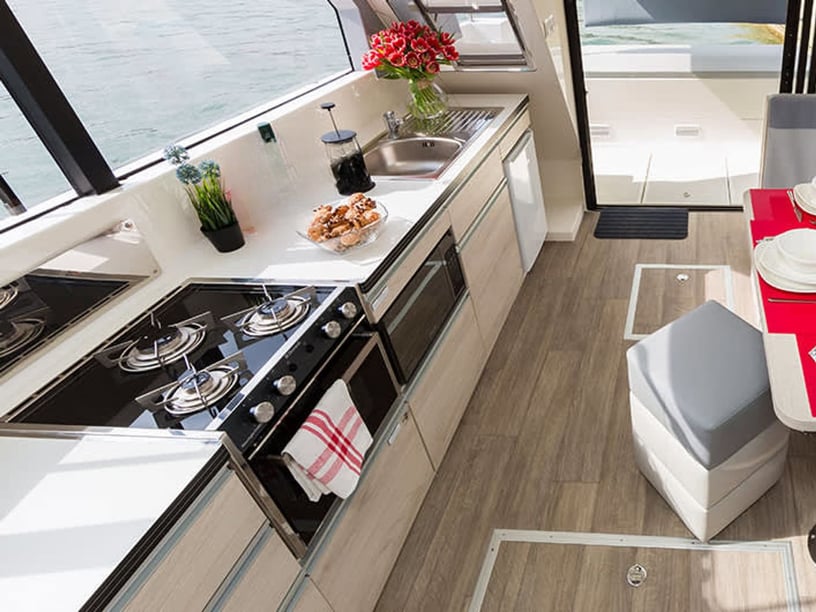
The most suitable trip format depends on the intended route. A compact motorized craft may work well for Little Lake and nearby river sections, while a canal cruiser or houseboat is more appropriate for a slower multi-day journey through several locks. One-way paddling trips involve separate logistical planning, particularly a prearranged road shuttle.