Yacht charter in Canada
A yacht charter in Canada can mean island-hopping on the Pacific coast, navigating historic freshwater canals, sailing among the islands of the Great Lakes or visiting working harbours in Atlantic Canada. The country faces three oceans and contains an extensive network of lakes and rivers, so the first planning decision is usually where to cruise rather than which individual port to visit.
Southern British Columbia offers sheltered inside passages as well as more exposed coastal routes. Ontario and Quebec combine freshwater sailing, island groups and operational lock systems, while the Atlantic provinces bring together maritime communities, protected harbours and open-ocean conditions. Haida Gwaii, Newfoundland and Labrador, and northern waters are more demanding choices suited to carefully prepared trips.
This variety distinguishes exploring Canada by yacht from a conventional land itinerary. A charter can connect anchorages, islands, historic waterfronts and natural areas that are difficult to combine by road, but distances, weather and seasonal services vary considerably between regions.
Canada’s principal charter regions
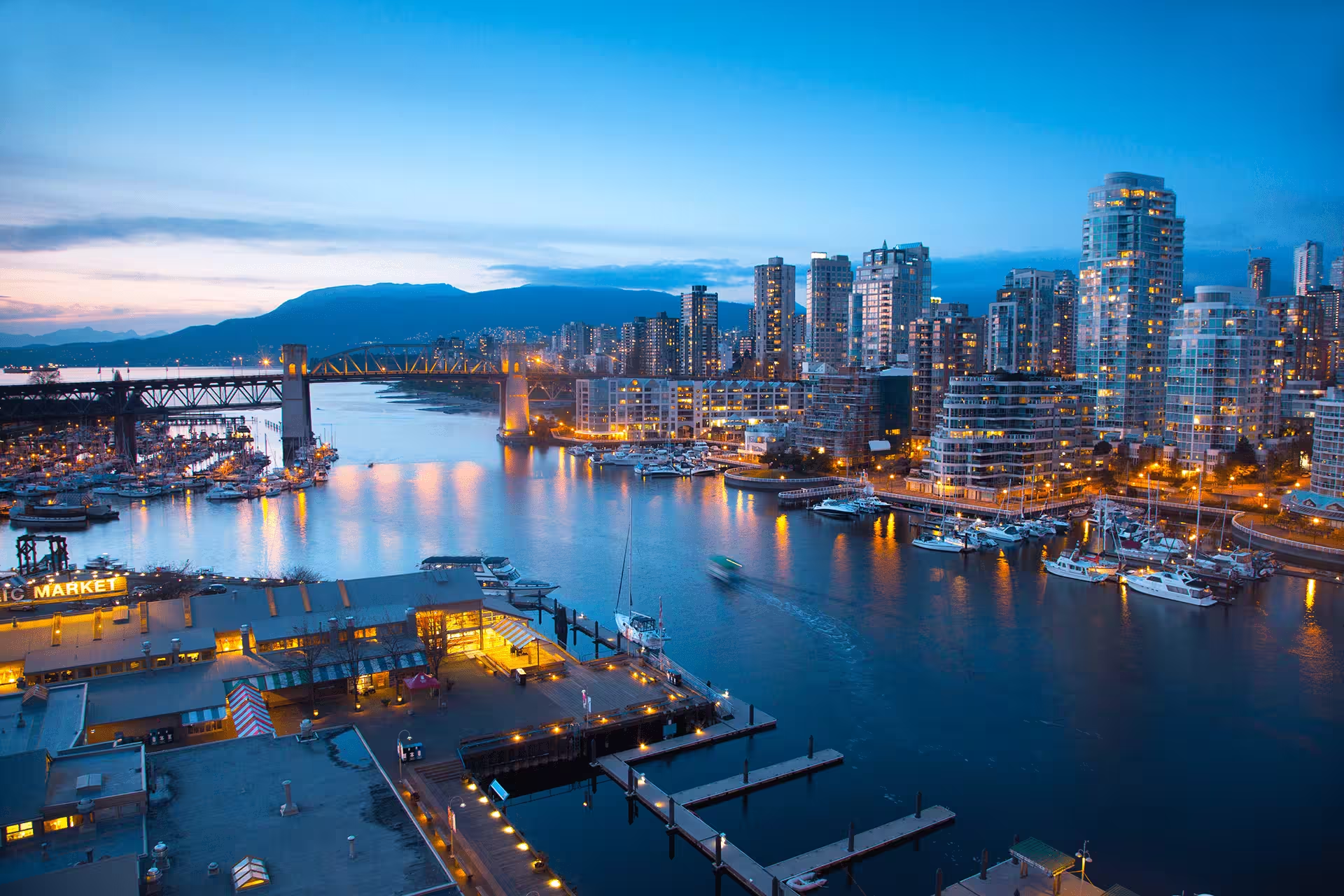
On the Pacific coast, the Southern Gulf Islands are among the most approachable areas for short-distance cruising. Trips from Sidney or Victoria can link Pender, Mayne, Saturna, Galiano, Salt Spring and Sidney Island through predominantly sheltered inter-island waters. This area suits travelers who want regular shore visits alongside manageable daily passages. Farther north, Desolation Sound combines established anchorages with a more remote coastal setting, commonly approached from Lund or Powell River.
The Discovery Islands, Broughton Archipelago and outer British Columbia coast require greater attention to tides, currents, weather and access to services. Haida Gwaii is a specialist choice: Gwaii Haanas protects marine ecosystems and important Haida cultural landscapes, while limited facilities make preparation and self-sufficiency essential.
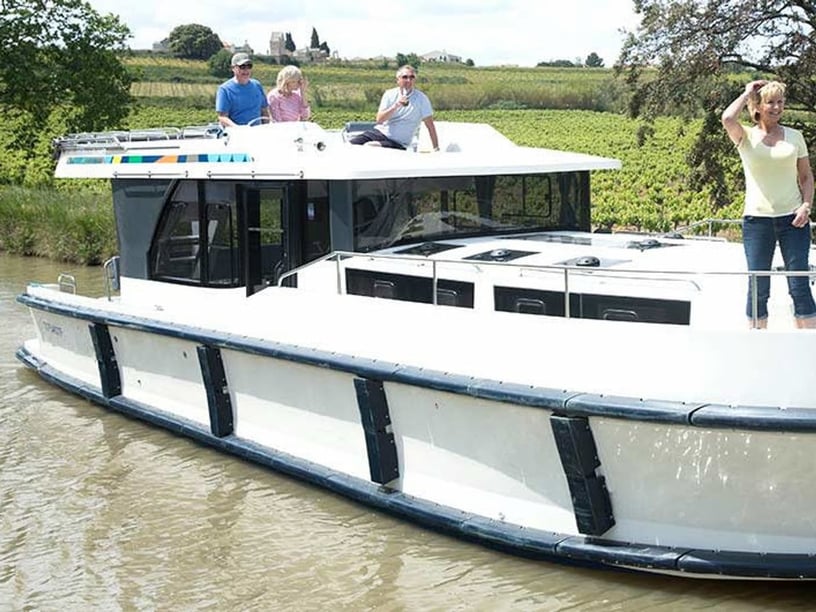
In central Canada, Georgian Bay and the North Channel are known for rocky island passages and freshwater anchorages. The Thousand Islands offer marked channels and frequent island stopping places from Kingston, Gananoque or Brockville. Canal cruising creates a different rhythm: the Rideau Canal links Kingston and Ottawa through lakes, rivers, canal cuts and historic lockstations, while the Trent-Severn Waterway connects Lake Ontario with Georgian Bay.
Atlantic Canada is defined by strong local maritime character. Nova Scotia’s South Shore links Halifax, Lunenburg and Mahone Bay, combining heritage waterfronts with coastal sailing. Cape Breton’s Bras d’Or Lake offers inland-sea cruising from Baddeck or St. Peter’s. Newfoundland and Labrador provide more exposed and remote passages, with fog, changing weather and seasonal icebergs adding both interest and complexity.
What cruising conditions are like
There is no single national pattern for a Canada yacht charter. In the Southern Gulf Islands, land shelter often reduces ocean swell, but tidal narrows, ferry traffic and confined passes still require careful planning. Outer British Columbia has larger tides and may bring swell, fog, strong winds and rapid weather changes.
The Great Lakes are freshwater cruising grounds, but their scale should not be underestimated. Lake breezes, squalls and rough open-water passages can develop quickly, and the water may remain cold even in summer. Canal and waterway itineraries are generally less exposed, although lock schedules, vessel dimensions and operating procedures shape each day’s progress.
On the St. Lawrence, currents, tides and commercial traffic become important considerations. Atlantic routes range from protected harbours and Bras d’Or Lake to exposed ocean coasts affected by fog and strong tidal regimes. Farther north, sea ice, limited support and long distances shorten the practical cruising window.
These differences influence charter choice. Travelers seeking a gentler pace may prefer sheltered island groups or canal passages, while exposed coasts and remote archipelagos call for suitable experience, conservative itineraries and close attention to local forecasts.
Best time for a yacht charter
Most recreational cruising in southern Canada takes place from late May to early October. July and August are the most consistently suitable months across the greatest number of regions, making them the clearest choices for travelers coordinating a cross-country summer trip or considering areas with short operating seasons.
June through September forms the main high season, while May and October sit at the edges of the typical cruising period. These shoulder months can work in selected southern areas, but cooler conditions, unsettled weather and reduced seasonal services require closer checking. Southern coastal British Columbia has a longer local boating season than many other regions, although winters are wetter and less settled.
Great Lakes, canal, St. Lawrence and Atlantic services are strongly seasonal. Northern and Arctic cruising has a much shorter window governed by ice conditions, so timing must be assessed for the specific route rather than from a national calendar.
Route ideas for a Canadian yacht charter
A Southern Gulf Islands circuit from Sidney or Victoria works well when the aim is to balance cruising with regular time ashore. The relatively short passages allow an itinerary to combine several islands without treating every day as a long transfer. Desolation Sound, approached from Lund or Powell River, shifts the emphasis toward anchorages such as Prideaux Haven, Tenedos Bay and Grace Harbour.
In Ontario, the Rideau Canal provides a continuous journey between Kingston and Ottawa, with historic lockstations determining the pace. The Trent-Severn Waterway offers another through-route between Trenton and Port Severn, including conventional locks, lift locks and the Big Chute Marine Railway. For a trip without the full canal transit, the Thousand Islands can be explored from Kingston, Gananoque or Brockville.
On the Atlantic side, a Nova Scotia South Shore itinerary can use Halifax, Lunenburg and Mahone Bay as its principal urban and heritage calls. Bras d’Or Lake routes from Baddeck or St. Peter’s can connect established stops around Maskells Harbour, Marble Mountain and East Bay. These routes should be treated as starting frameworks: suitable distances depend on the boat, weather, lock operations and the experience of the skipper and crew.
Nature, culture and time ashore
Canadian yacht trips often alternate between secluded anchorages, wildlife observation and visits to communities whose histories are closely tied to the water. Whales, porpoises, seals and seabirds may be encountered in several coastal regions; around Newfoundland and Labrador, icebergs are an additional seasonal feature.
The cultural context changes with the coast. Canada’s waterways served as travel, trade, fishing and gathering routes for Indigenous peoples long before European colonization. Gwaii Haanas brings marine conservation together with significant Haida cultural landscapes and village sites. In Atlantic Canada, fishing, shipbuilding and working harbours remain visible parts of coastal life. Old Town Lunenburg retains its planned street layout, wooden architecture and working-waterfront identity.
Food can also shape shore time. Atlantic stops commonly feature regional seafood, while Gulf Islands communities may combine boating access with farmers’ markets, wineries and west-coast dining. Travelers seeking a trip built particularly around time under sail can also explore sailing holidays in Canada.
Access and common departure points
The principal southern charter regions are accessible through international and domestic airports, highways and intercity transport. Vancouver International Airport and Victoria International Airport serve the Pacific gateway, with ferries connecting the mainland, Vancouver Island and the Gulf Islands. Sidney, Victoria, Nanaimo, Lund and Port McNeill are among the practical coastal starting points.
Toronto, Ottawa and Montréal provide access to Ontario and Quebec cruising areas. Kingston, Gananoque and Brockville are useful for the Thousand Islands and St. Lawrence, while Parry Sound opens routes into Georgian Bay. Ottawa and Kingston sit at opposite ends of the Rideau Canal.
Halifax Stanfield International Airport is the main gateway for Nova Scotia itineraries, with Halifax and Lunenburg serving the South Shore and Baddeck or St. Peter’s providing access to Bras d’Or Lake. St. John’s is a key arrival point for Newfoundland. More isolated Pacific, Labrador and northern areas may require regional flights, ferries, water taxis, charter boats or seaplanes, so transfer logistics should be built into the itinerary.
Planning the right charter
Begin by matching the cruising area to the trip’s desired pace and the crew’s experience. Sheltered island-hopping, lock-and-canal travel, open-lake sailing and remote coastal cruising are fundamentally different yacht charter experiences. Passage distances, access to fuel and supplies, shore interests and the amount of time available should all be considered before choosing a boat rental in Canada.
Cold-water exposure is a significant concern in many regions, including during summer. Suitable personal flotation devices and preparation for cold conditions remain important even when air temperatures are comfortable. Check official marine forecasts, tides, currents, navigational warnings and local restrictions before departure. In tidal narrows, on the St. Lawrence and along the Atlantic coast, route timing may need to follow current and tide tables.
Historic canals have seasonal schedules, vessel-dimension limits and specific lock procedures. Protected areas may impose permits, wildlife approach distances, anchoring restrictions or mandatory orientations. Foreign recreational boaters must also follow Canadian safety, equipment and operating requirements; accepted proof of operator competency may be needed depending on the vessel and length of stay.
For remote areas such as Gwaii Haanas, limited fuel, cellular coverage and emergency support make conservative planning essential. Travelers still deciding whether Canada matches their preferred cruising style can compare it with the broader range of yacht charter destinations.