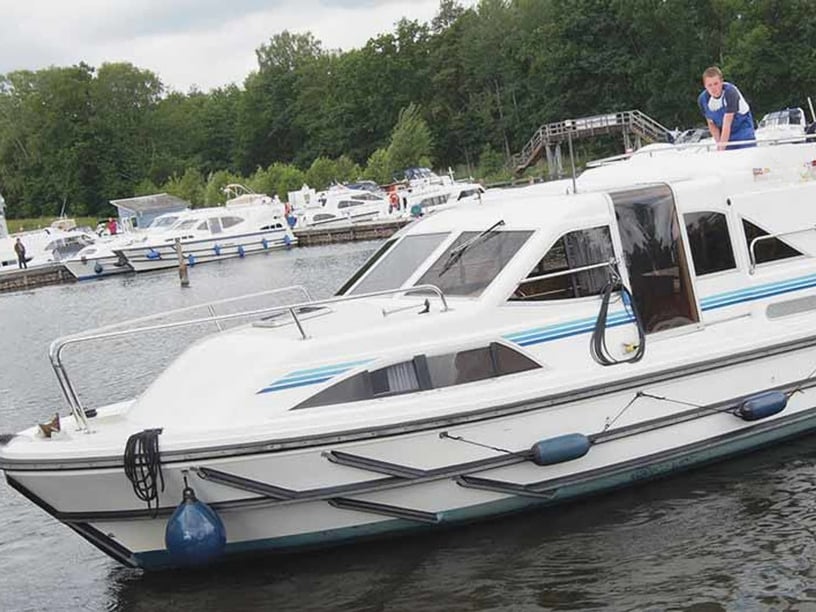
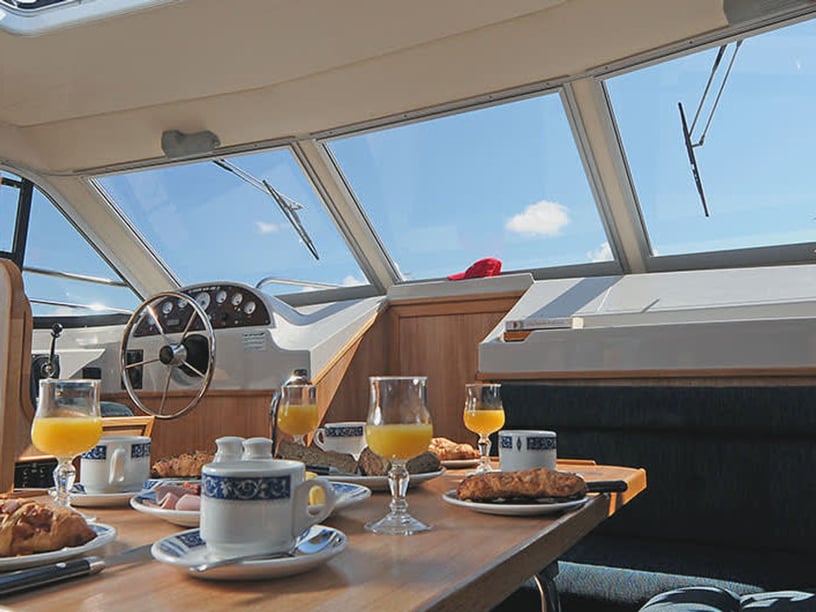
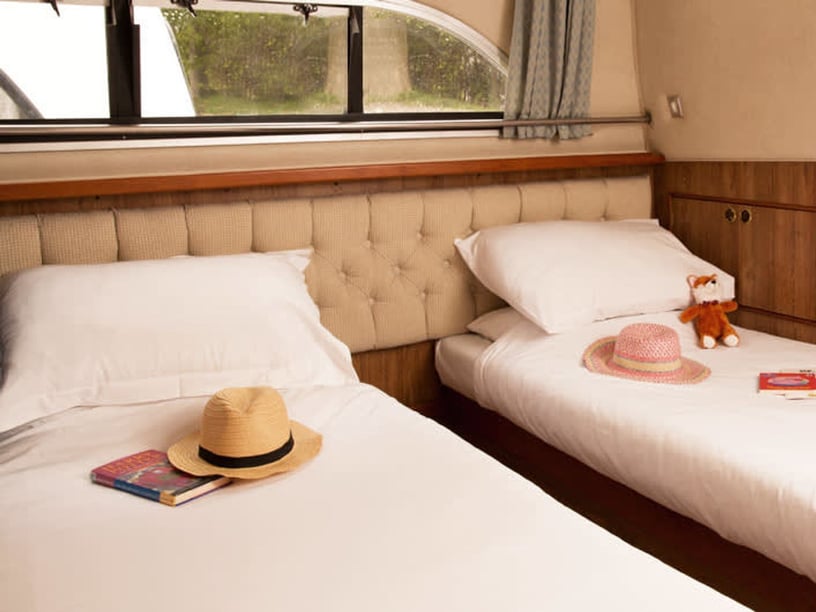
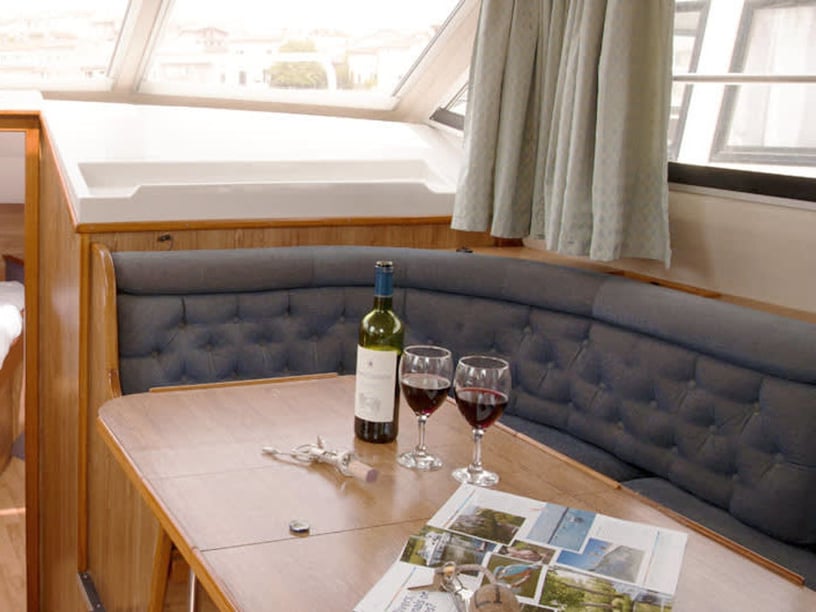
Yacht charter around Oban
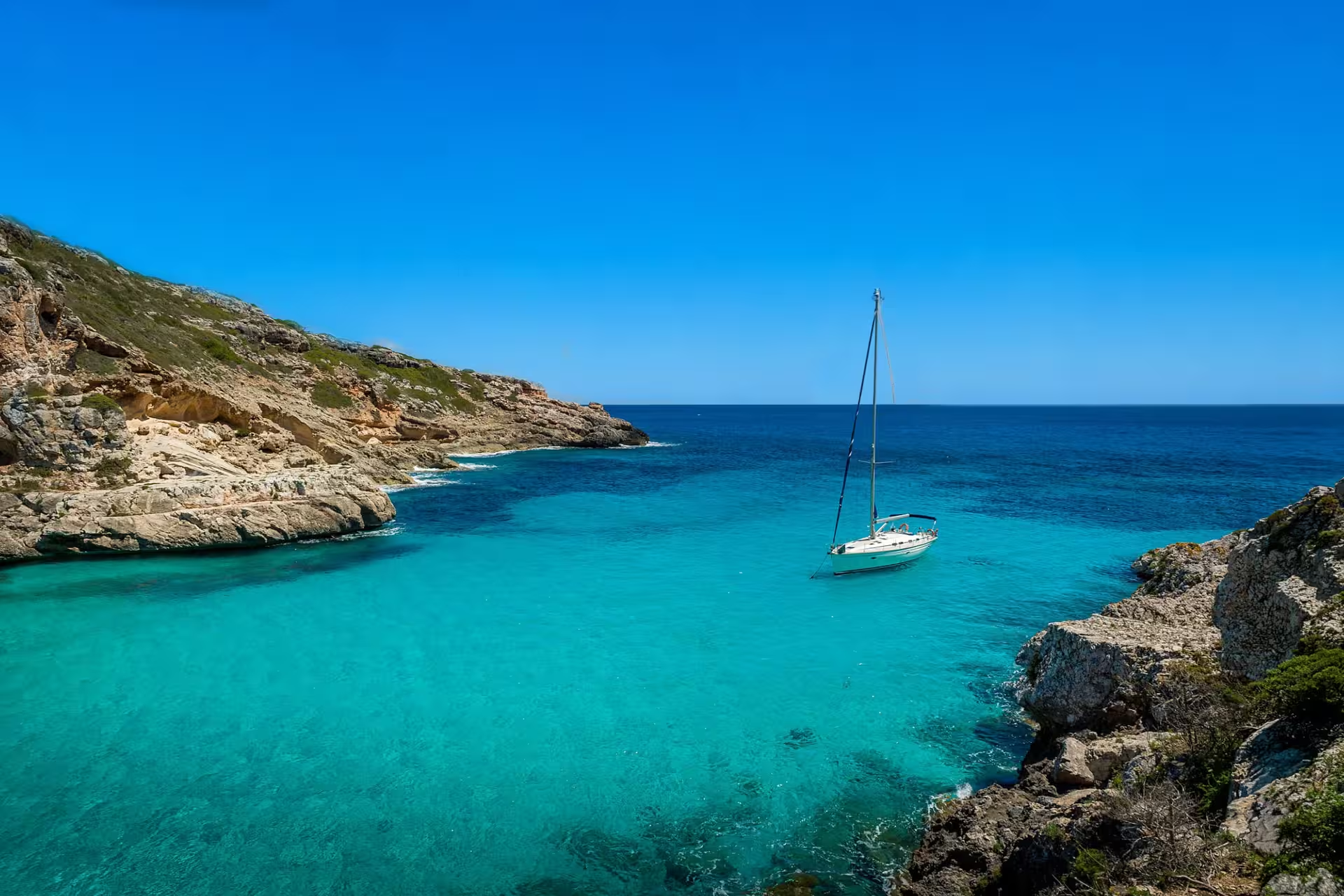
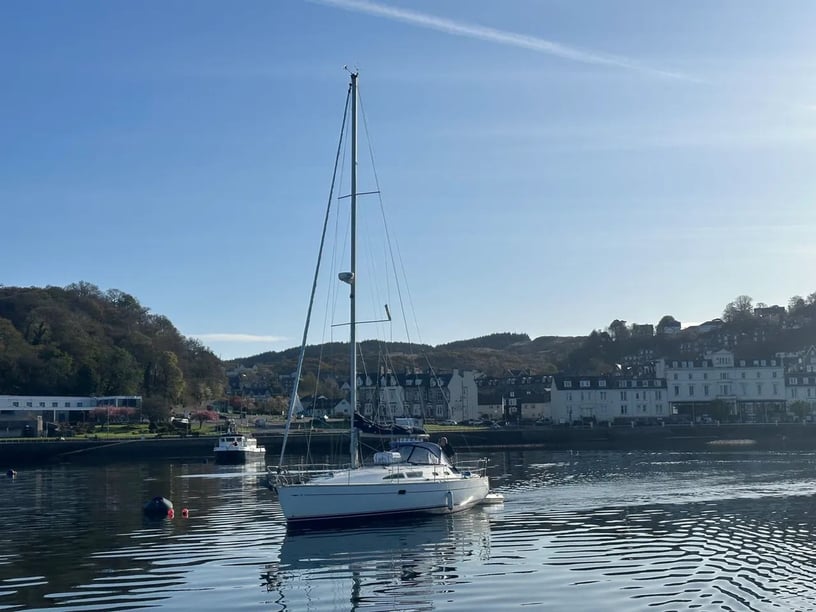
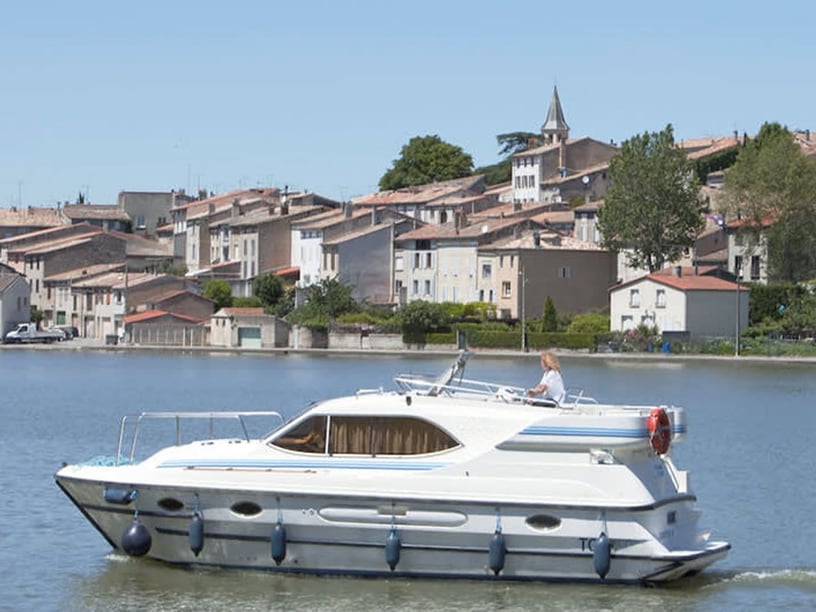
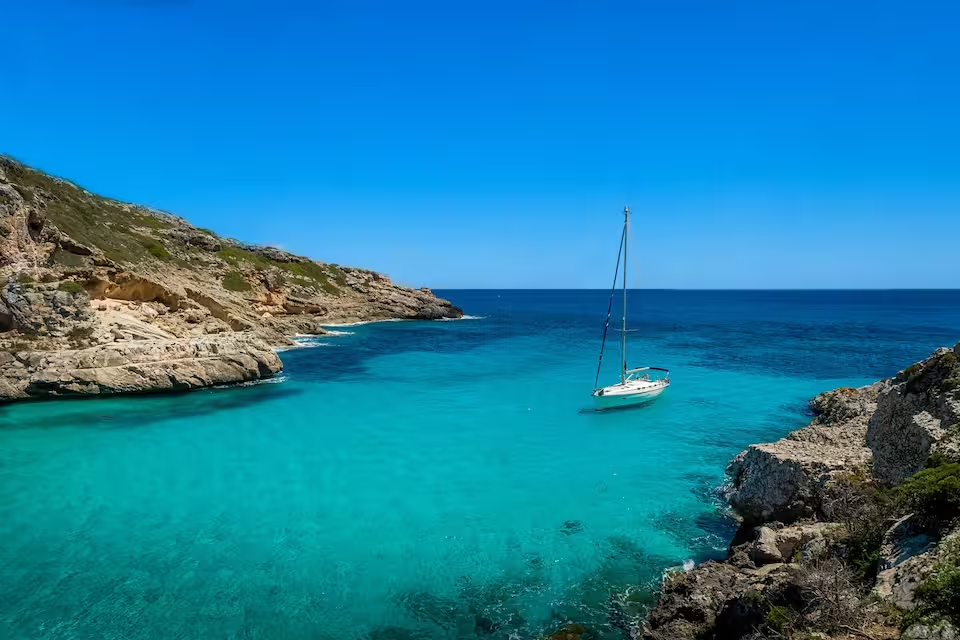
Oban curves around a natural bay on the Argyll coast, protected to the west by the island of Kerrera. Beyond the harbour, the Firth of Lorn opens into a maritime landscape of islands, sea lochs, sounds and tidal passages leading towards Mull, Lismore and the Slate Islands. This setting makes a yacht charter in Oban a practical starting point for exploring the Inner Hebrides as well as for shorter trips close to town.
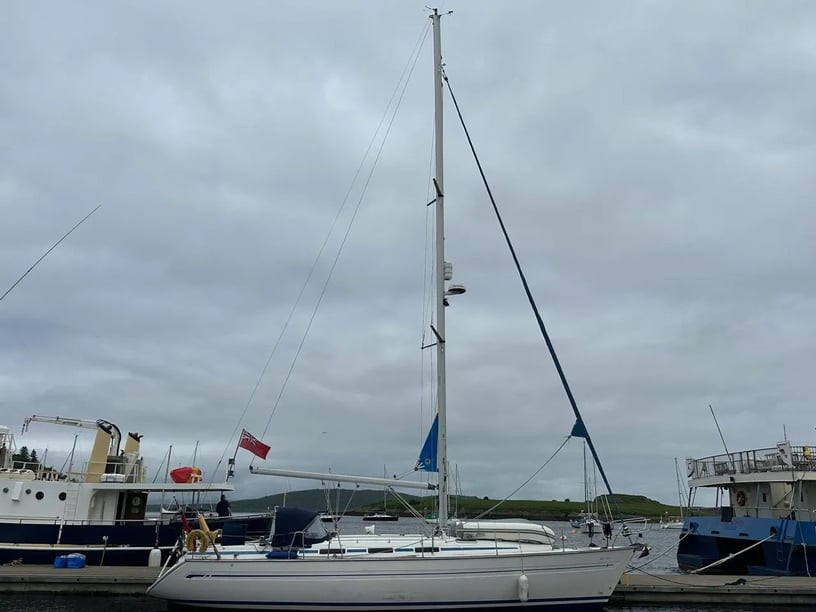
Oban is a working ferry and fishing port rather than a purpose-built holiday resort. Yachts share the waterfront with ferries, commercial craft and wildlife-tour boats, while provisioning, transport connections and visitor berthing are close at hand. Seafood restaurants, Oban Distillery and nearby castles give crews worthwhile options ashore before or after a passage.
Islands and coastal places to explore
Kerrera is the immediate geographical feature of an Oban cruise. It shelters the town’s bay and creates the Sound of Kerrera, a natural route south towards Seil and the Slate Islands. Gylen Castle adds an attractive shore-based focus to time around the island.
North of Oban, Dunstaffnage Bay offers access to a full-service marina and the nearby Dunstaffnage Castle and Chapel. Continuing into the Sound of Mull connects Craignure, Lochaline and Tobermory, allowing a charter to combine island passages with small coastal settlements.
More ambitious itineraries may include Staffa, the Treshnish Isles, Coll or the western side of Mull. These exposed destinations should be treated as possibilities rather than fixed promises because weather, visibility and sea conditions can change the practical route. South of Oban, Ellenabeich, Easdale and the wider Slate Islands offer a contrasting network of narrower waterways and historic island communities.
What sailing from Oban is like
Cruising around Oban ranges from comparatively sheltered passages beside Kerrera to exposed crossings and powerful tidal waters farther into the Firth of Lorn. A short itinerary can remain close to Oban, Dunstaffnage and Kerrera, while longer charters can enter the Sound of Mull or continue north and west into the Hebrides.
The local climate is cool, maritime and changeable. Passing Atlantic systems can alter wind and visibility, so route flexibility is an important part of the experience. Conditions also vary substantially over short distances: an island or headland may provide useful shelter, while the next crossing may be more exposed.
Tides are a major planning consideration. Strong streams occur around the Sound of Luing, Cuan Sound, the Gulf of Corryvreckan and the Falls of Lora. These areas require appropriate experience, current forecasts and careful timing. Oban Bay presents a different challenge, with frequent ferry, fishing and commercial traffic requiring close attention even in relatively sheltered water.
The best time for an Oban yacht charter
Leisure boating is concentrated between April and October, with the main visitor and boat-trip season extending from May to late September. May, June, July and August are the most suitable months overall.
May and June often combine long daylight hours with comparatively dry and sunny weather, making them particularly appealing for itineraries with several passages or stops ashore. June marks the beginning of the busiest summer period. July and August are normally the warmest months and generally have lighter winds, although Atlantic weather can still bring rapid changes.
September offers a quieter shoulder-season setting, but conditions tend to become wetter, windier and less consistent as autumn progresses. Strong winds and gales are more common from November through March, when normal recreational activity is substantially reduced.
Cruising routes from Oban
A classic northern route leads from Oban or Dunstaffnage through the Sound of Mull, with possible stops at Lochaline and Tobermory. The return can be shaped around Kerrera or Lismore, depending on conditions and the charter’s duration.
A longer round-Mull cruise may connect Loch Spelve, Tobermory, Calgary Bay or Coll, the waters around Ulva and Gometra, Staffa, Erraid and Kerrera. This creates a varied itinerary, but exposed western passages require enough time for weather-related changes.
Heading south through the Sound of Kerrera brings Puilladobhrain, Seil and the Slate Islands within reach. Continuing towards Cuan Sound or the Sound of Luing introduces stronger tidal constraints. Whichever direction is chosen, it is sensible to plan a principal route with sheltered alternatives rather than relying on a rigid sequence of stops.
Wildlife, heritage and time ashore
An Oban yacht charter can divide the day between island passages, anchorages and visits ashore. The surrounding reef habitats and tide-swept waters support seals, otters, seabirds, fish and diverse marine communities. Wildlife encounters should remain unhurried and non-intrusive, particularly near seabird colonies and sensitive shores.
The area’s maritime culture is equally visible. Oban remains a major ferry hub, and its harbour reflects a long history of fishing, trade and transport between the mainland and islands. Seafood from Argyll and the Hebrides is a natural part of an evening ashore, while Oban Distillery connects the waterfront town with a whisky-making tradition dating to 1794.
Castles can also be incorporated into a route. Dunollie and Dunstaffnage are accessible near town, while Gylen Castle stands on Kerrera. In Oban itself, McCaig’s Tower provides a broader view over the bay and surrounding islands.
Getting to Oban and joining a yacht
Oban is accessible from Glasgow by the West Highland railway, intercity coach and road via the A85. The railway station, coach stops and CalMac ferry terminal are grouped near the waterfront, which simplifies transfers for travelers arriving without a car. Glasgow Airport is the principal air gateway, while Oban Airport mainly handles regional island services, charters and private aircraft.
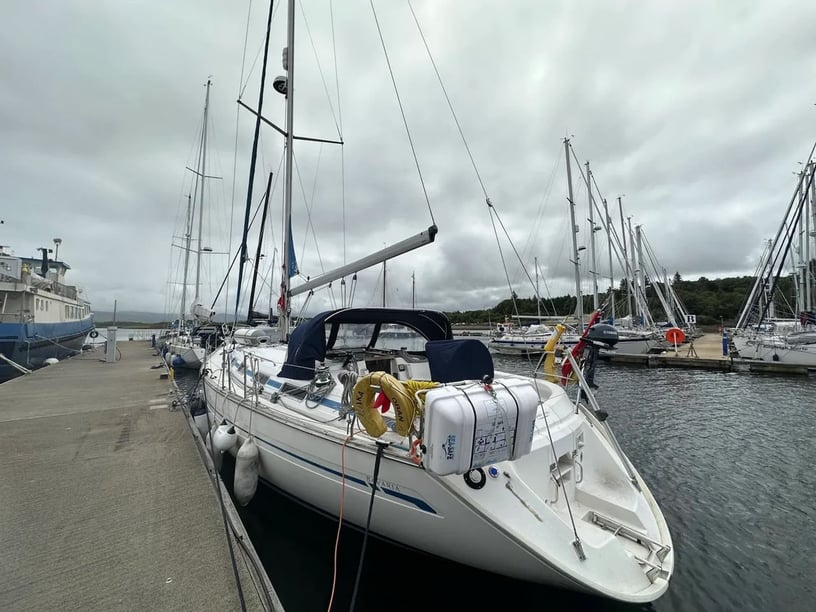
Possible embarkation areas include the North Pier Pontoons, Kerrera Marina and Dunstaffnage Marina, although the exact joining point depends on the individual charter. North Pier is intended primarily for vessels in transit rather than long-term marina stays. Kerrera and Dunstaffnage offer fuller berthing and marine-service facilities close to town.
Oban therefore serves several roles: it can be a departure area, a provisioning and transport hub, and an interesting stop within a wider Hebridean itinerary.
Planning and comparing charter options
When comparing yacht charter with boat rental in Oban, look beyond the label and check the trip duration, charter format, embarkation point and intended cruising area. A local trip around Kerrera has different planning demands from a round-Mull itinerary or a route through the tidal passages south of Seil. Travelers should also consider whether their preferred route matches the experience of the operating crew and the time available for weather alternatives.
Confirm whether the itinerary is flexible and how decisions are made if exposed islands become impractical. Current charts, forecasts, sailing directions and tide tables are essential around the Firth of Lorn, particularly near tidal narrows and races. Within Oban Bay, harbor procedures and commercial traffic also influence departure and arrival timing.
Provisioning and shore access are relatively convenient in town, but remote anchorages and island stops require more advance planning. For a broader comparison of cruising areas and charter possibilities, explore yacht charter in the United Kingdom.