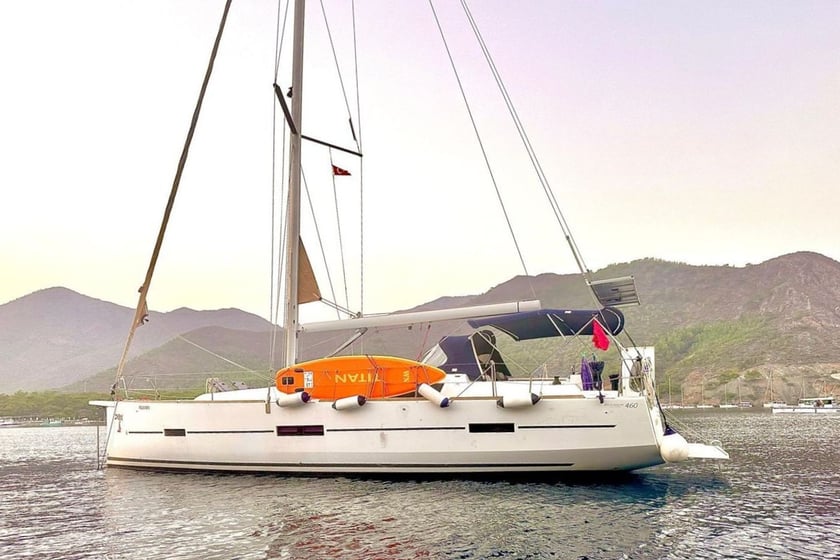
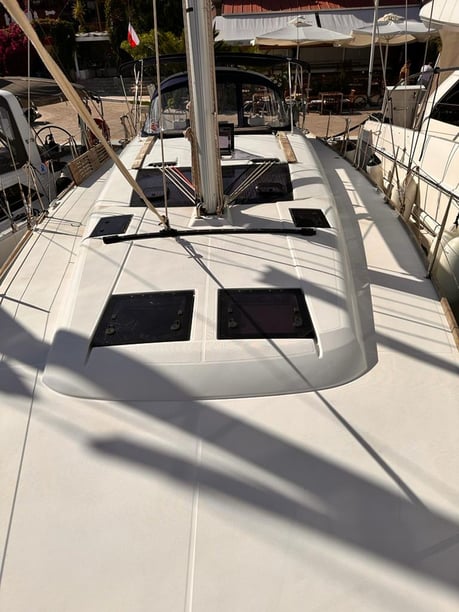
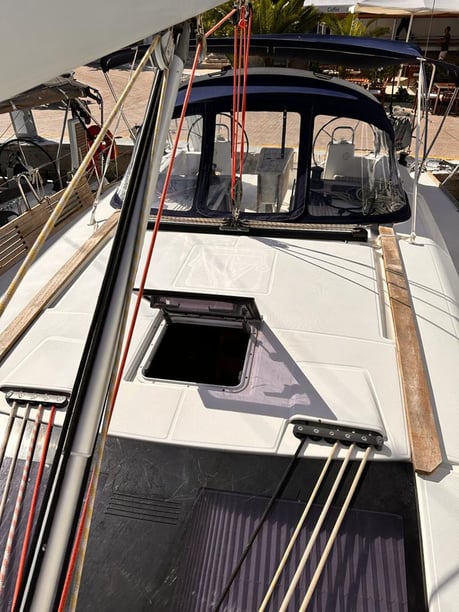
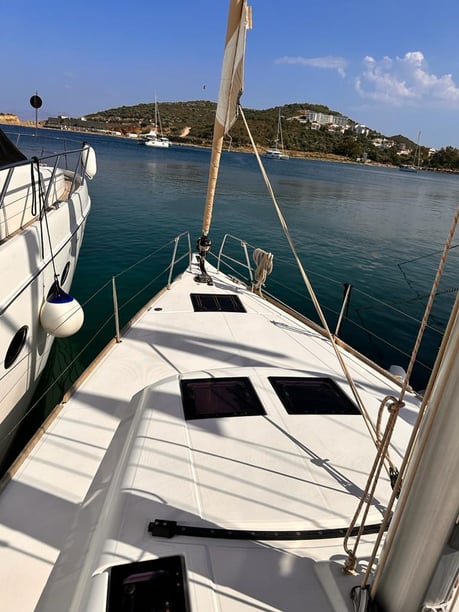
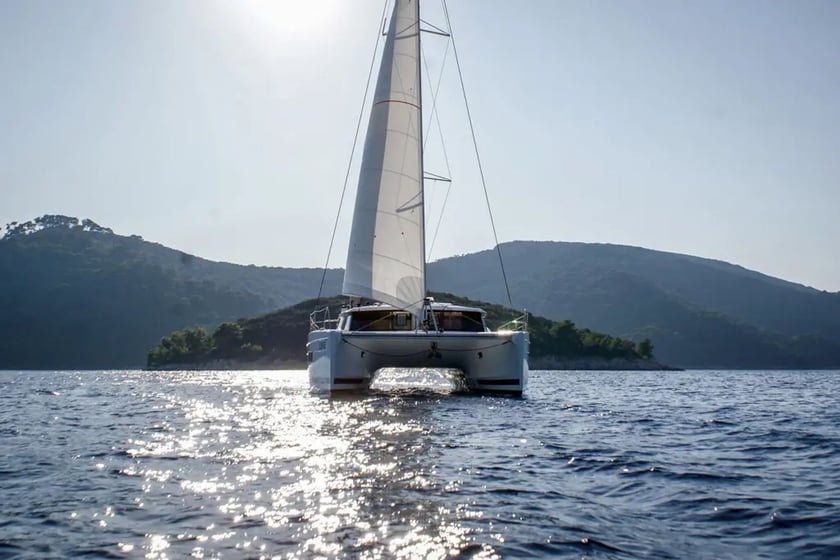
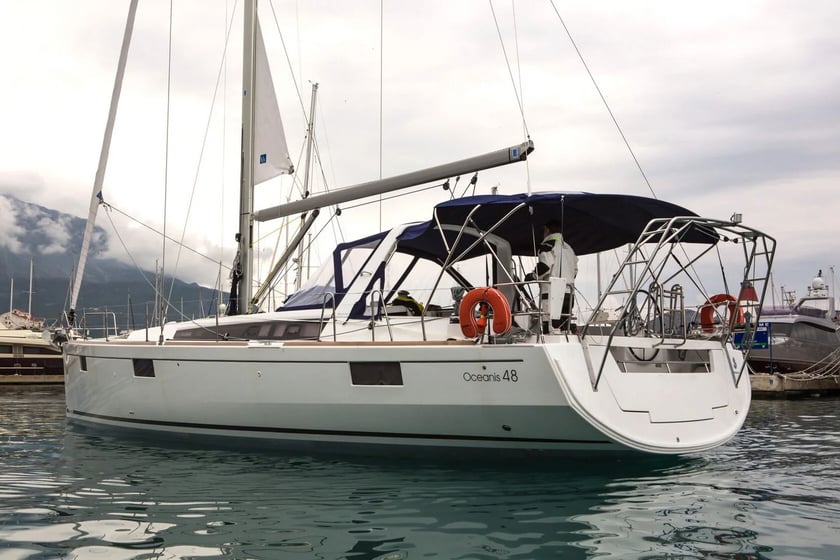
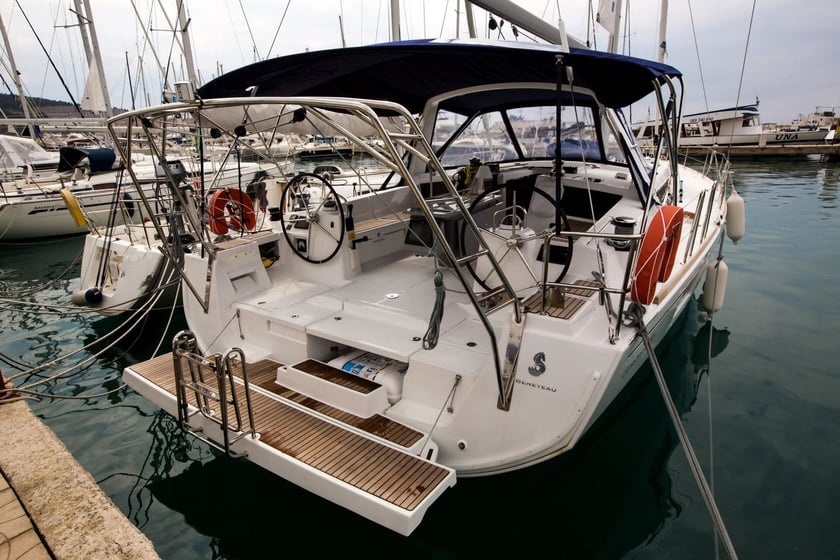
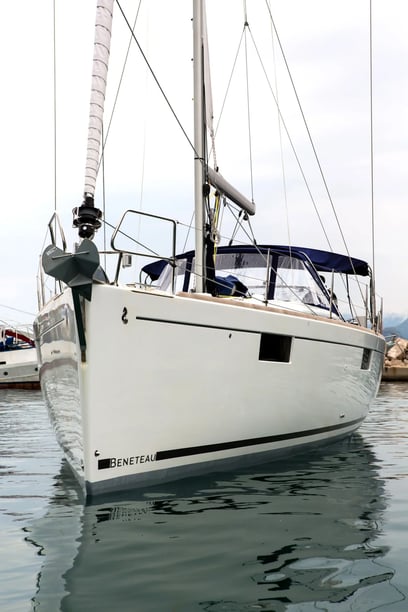
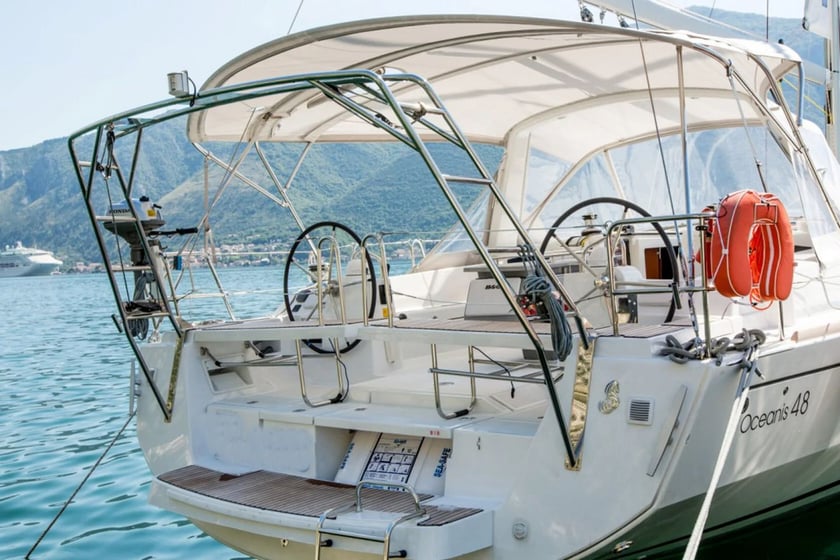
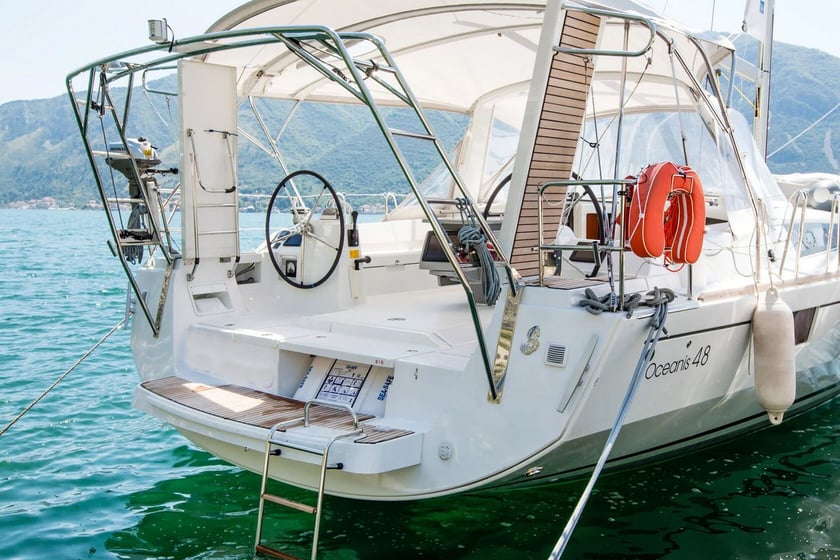
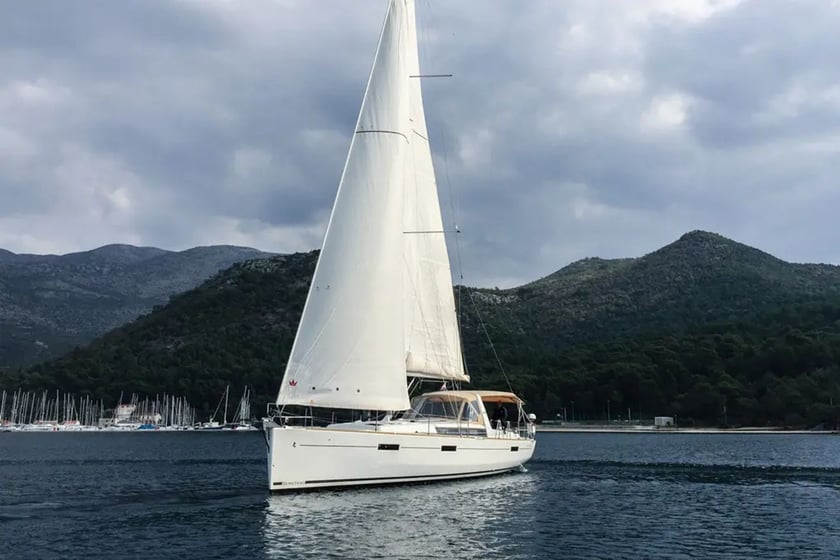
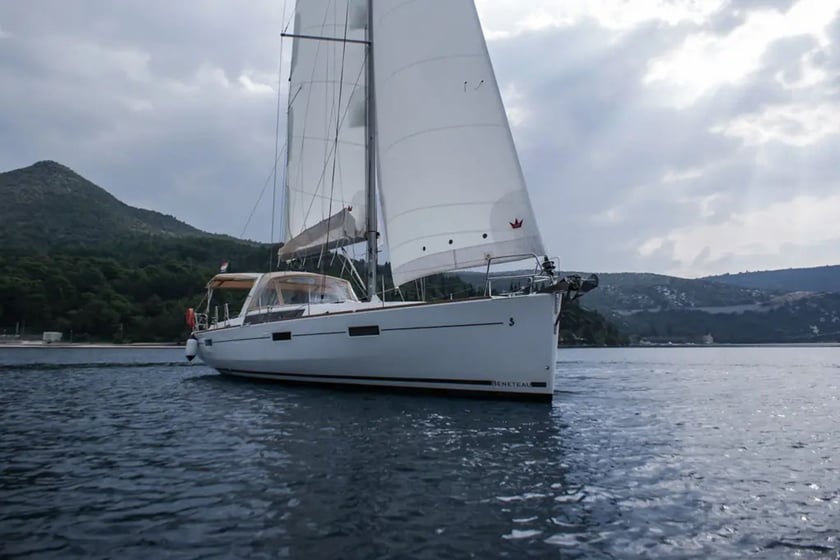
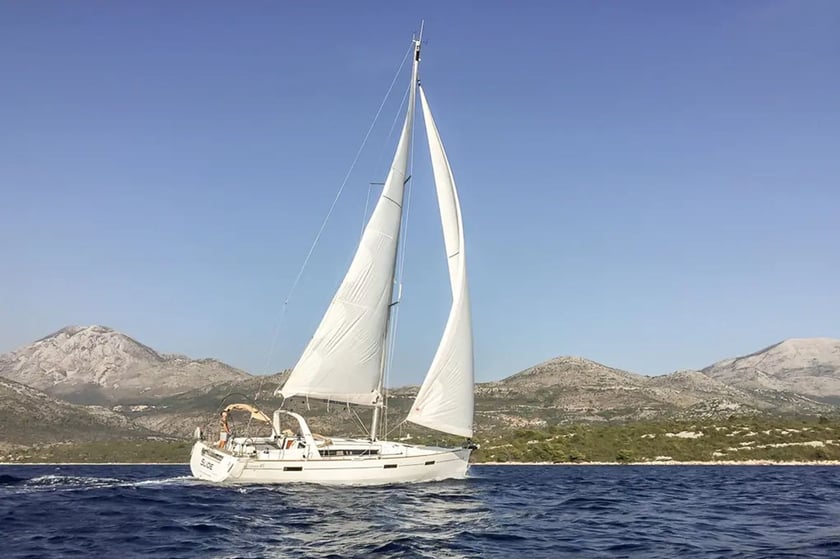
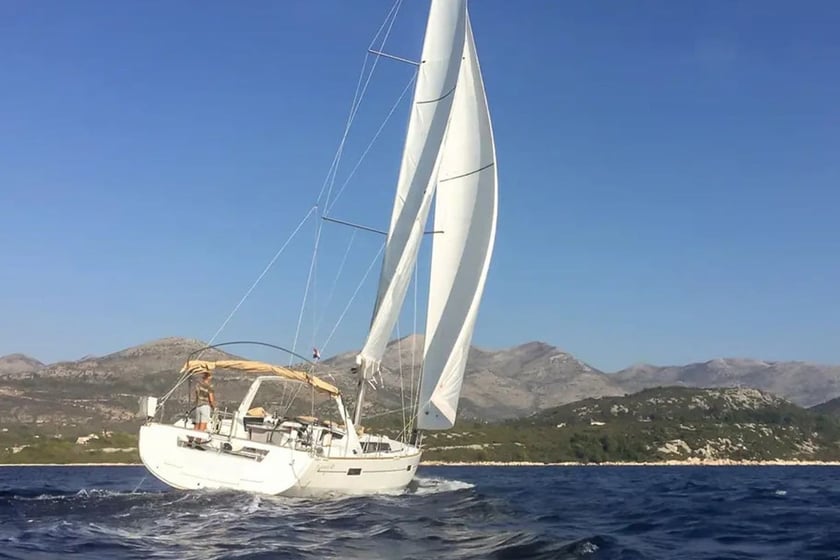
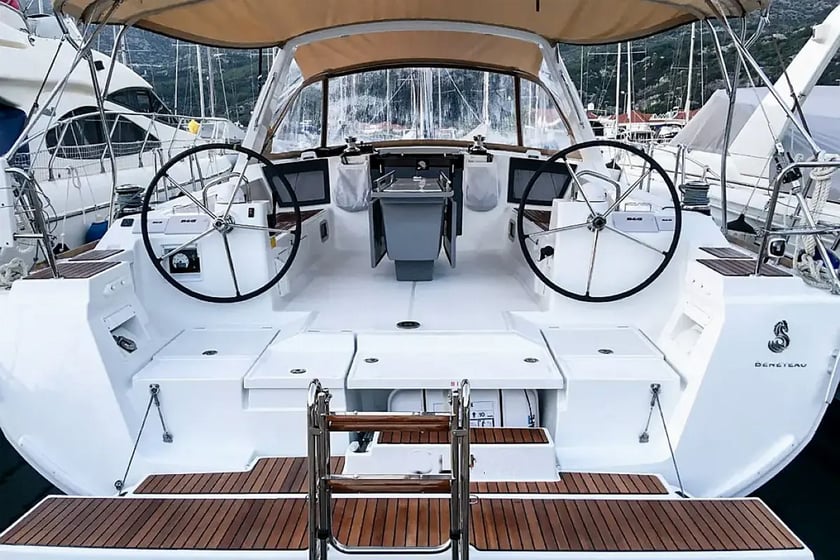
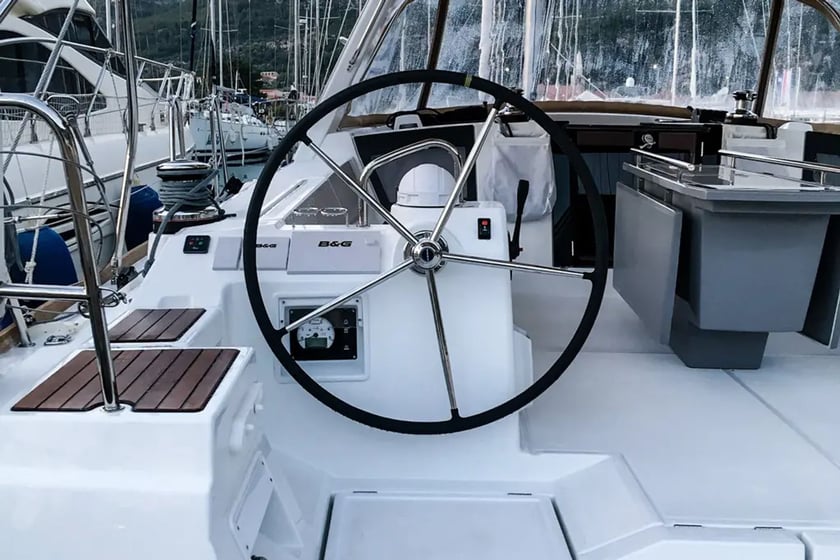
Yacht charter in Kotor
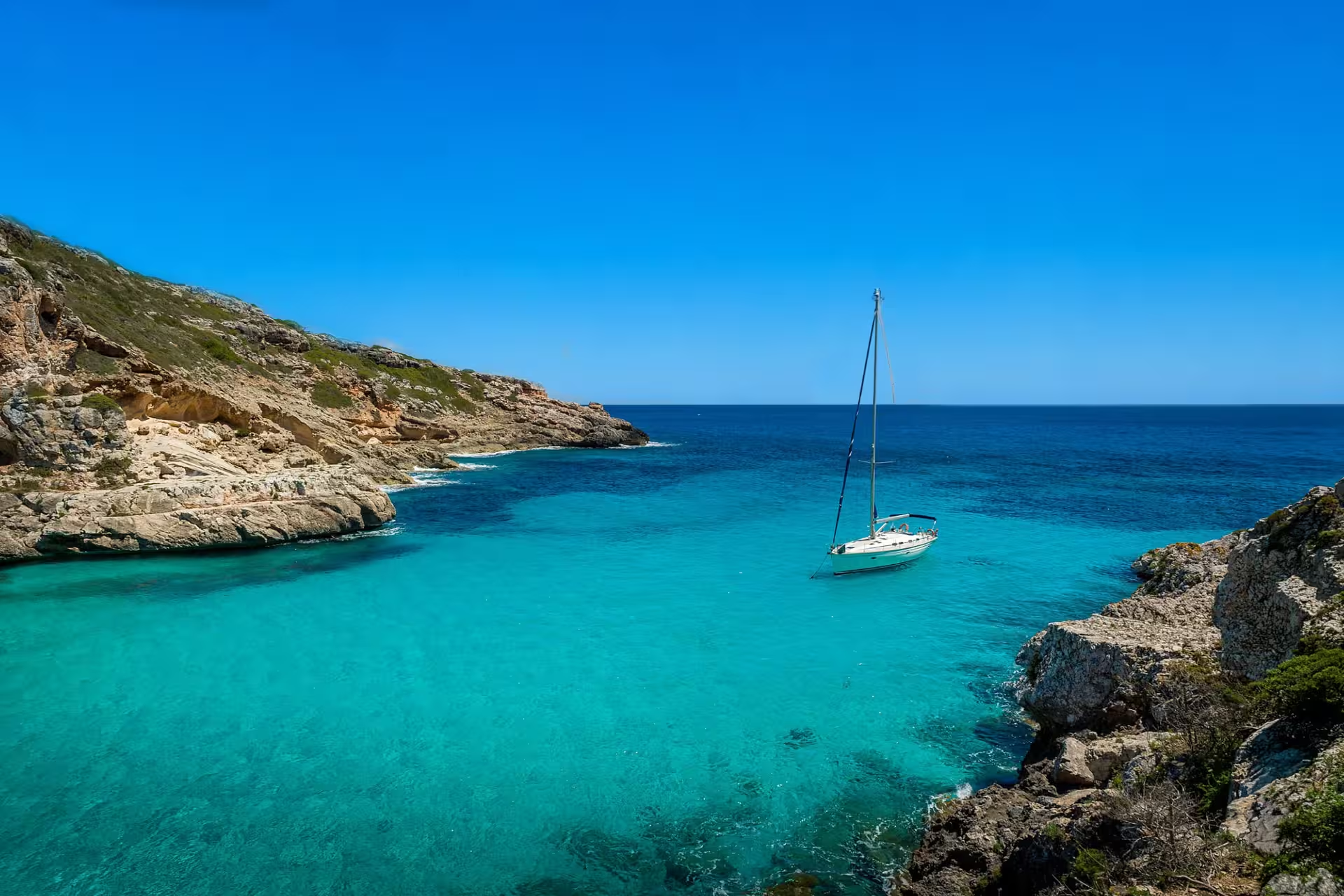
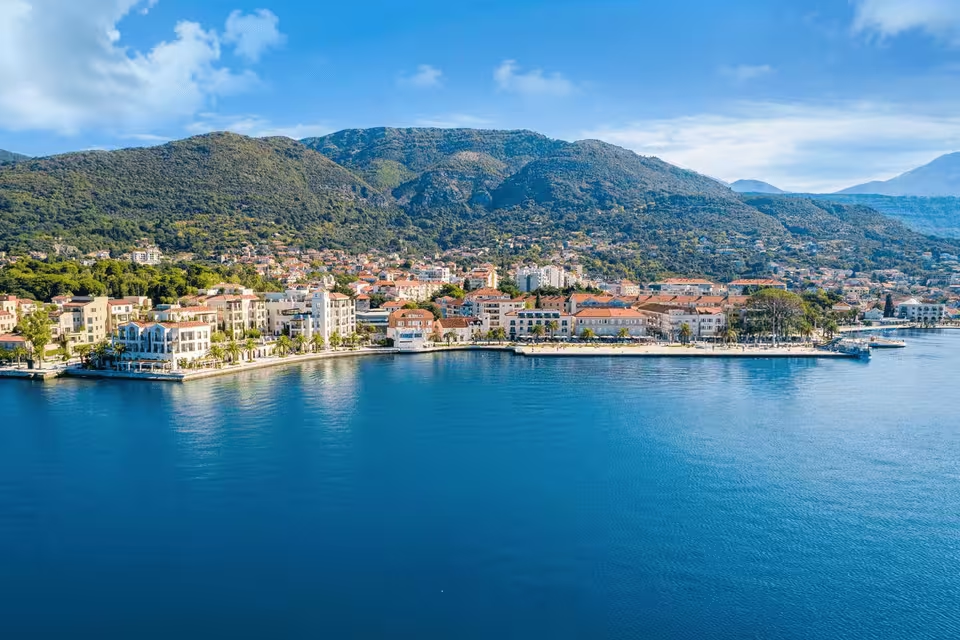
A yacht charter in Kotor begins at the innermost southeastern end of the Bay of Kotor, where a medieval walled town, working port and steep limestone slopes meet within a remarkably enclosed stretch of water. The historic center is part of the UNESCO-listed Natural and Culturo-Historical Region of Kotor, giving travelers an immediate connection between time afloat and exploration ashore.
Kotor is both a place to visit by yacht and a possible starting point for trips through the wider bay. Its position favors short passages between old waterfront settlements, while the narrow Verige Passage leads toward the broader basins around Tivat and Herceg Novi. Travelers considering a longer yacht charter in Montenegro can therefore combine Kotor’s sheltered inner waters with modern marinas and the more exposed approaches to the Adriatic.
Places to explore around the bay
Perast is one of the most natural stops from Kotor. The historic stone settlement faces two small islands: Saint George and Our Lady of the Rocks. The latter is an artificial islet created over centuries through the deposition of stones and vessels around a reef, and its church remains one of the bay’s defining cultural landmarks.
Dobrota and Prčanj lie close to Kotor and suit unhurried coastal cruising, while Risan extends the journey into another mountain-framed section of the inner bay. Beyond the Verige Passage, Tivat provides a contrast through Porto Montenegro and the broader waters of Tivat Bay. Continuing west brings crews toward Herceg Novi, Mamula Island and the bay entrance, where the landscape opens toward the Adriatic and conditions become less sheltered.
What sailing around Kotor is like
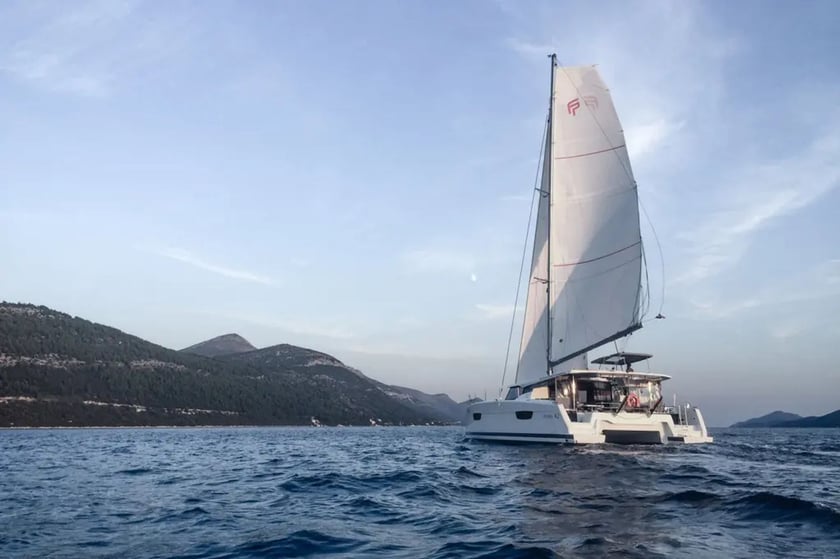
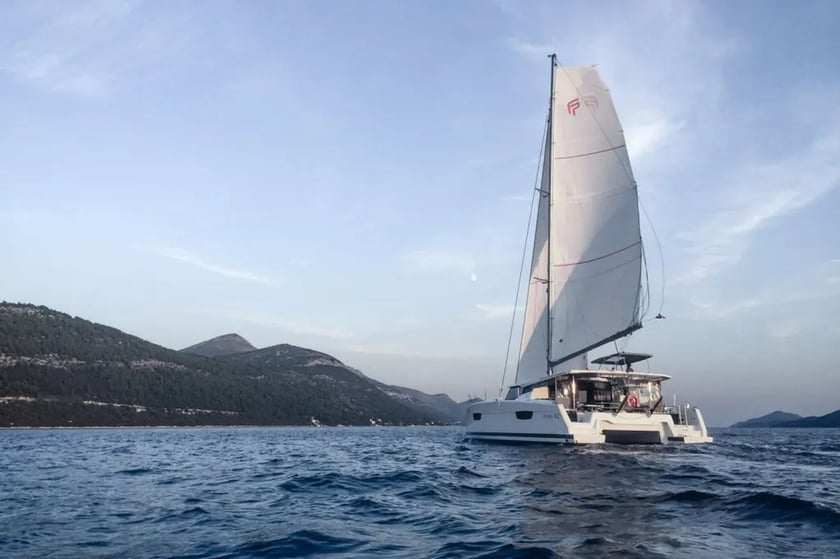
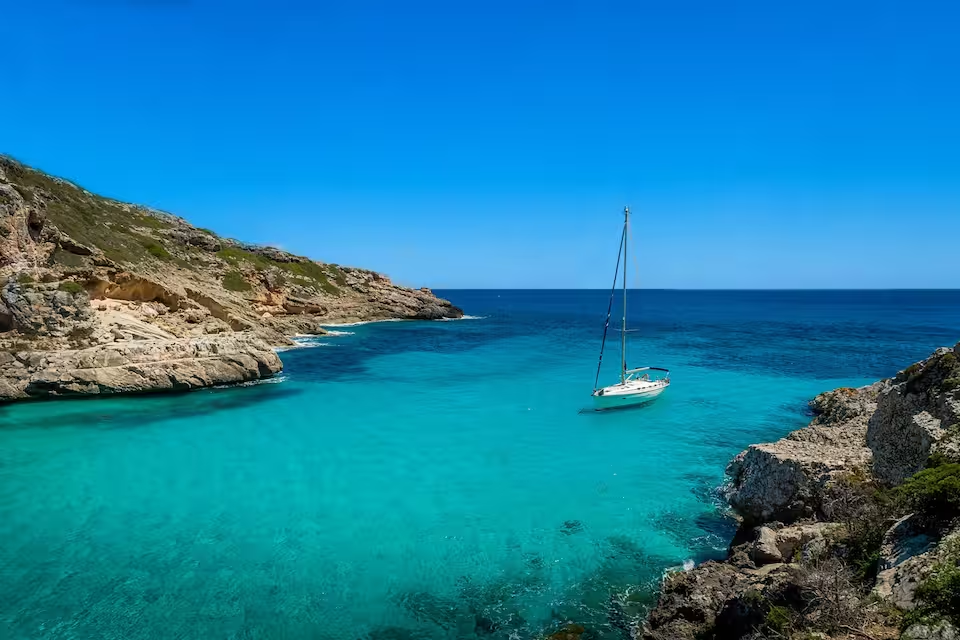
Cruising near Kotor is generally easy, scenic and based on short, line-of-sight passages. The enclosed inner bay often remains calm, making it well suited to travelers who want to divide the day between time underway, swimming stops and visits to historic settlements rather than completing long offshore legs.
Shelter should not be mistaken for uniform conditions. Southerly and southeasterly winds are common, and the summer mistral also affects the Montenegrin coast. Bora and sirocco events can bring stronger weather, while westerly waves may reach Kotor’s port. Currents can increase near the quays and the mouth of the Škurda River after heavy rain.
The character changes progressively toward the bay entrance. The Verige Passage is narrow and shared with ferries and other commercial traffic, while Herceg Novi Bay and the open Adriatic are more exposed. These contrasts allow an itinerary to stay within protected waters or include more open cruising when the weather and group’s preferences permit.
The best time for a Kotor yacht charter
Recreational boating is concentrated from May through October. June, July, August and September are the most suitable months for consistently warm, comparatively dry conditions, and they also form the principal high season. This period works especially well for travelers who prioritize swimming, long days on the water and a broad choice of bay-based activities.
May sits in the shoulder season and can be a practical option before peak summer activity. October is also classed as shoulder season, but autumn rainfall increases sharply, so plans benefit from greater flexibility. April marks the earlier edge of the shoulder period and is less dependable for a conventional warm-weather yacht holiday.
Winter cruising can operate from sheltered marinas, but frequent rain, cooler water and stronger seasonal winds make November through March less suitable for most leisure charters.
Cruising routes from Kotor
A compact inner-bay circuit can connect Kotor, Perast and Our Lady of the Rocks, leaving ample time for going ashore without requiring long passages. Extending through the Verige Passage to Tivat and Porto Montenegro adds a different side of the bay, combining historic quays with a contemporary marina setting before returning to Kotor.
Longer routes can continue beyond Tivat toward the former submarine tunnels, Mamula Island and the Blue Cave area near the outer bay. This progression is one of Kotor’s main advantages: a trip can begin amid enclosed mountain scenery and gradually move toward more open coastal waters. Actual routing should remain flexible around weather, port traffic and current local navigation notices.
History, culture and life by the water
A Kotor yacht charter is particularly rewarding for travelers who want cultural stops to shape the rhythm of the trip. The marina and port stand immediately beside Kotor Old Town, placing the Cathedral of Saint Tryphon, historic palaces and the Maritime Museum within easy reach. The city walls and San Giovanni Fortress rise above the waterfront for those who want a more active excursion ashore.
Maritime identity is not simply a historic theme here. The traditions of the Boka Navy, a maritime organization associated with Kotor since 809, remain part of the region’s living cultural heritage and were recognized by UNESCO in 2021. Around the bay, centuries of seafaring connections are visible in waterfront churches, stone settlements and maritime collections.
Food can also become part of the cruising experience. Mussels and oysters are cultivated in the Bay of Kotor and traditionally appear in buzara preparations with wine, garlic, olive oil and herbs.
Getting there and choosing a departure point
Tivat Airport is the closest air gateway to Kotor. Podgorica Airport offers an alternative route across Montenegro, while Dubrovnik Airport is also used for cross-border arrivals from Croatia. Travelers using Dubrovnik should allow for the additional border crossing when organizing transfers. Kotor itself is accessible by the Adriatic coastal road and regional bus services.
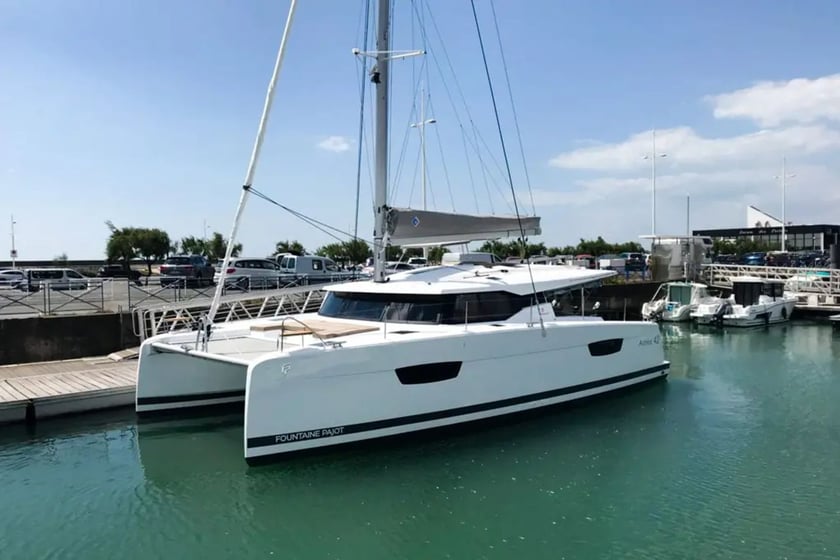
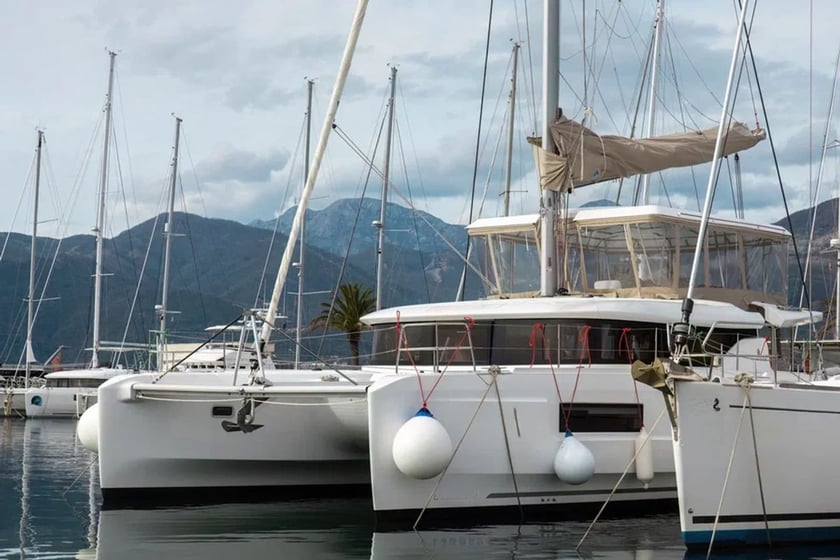
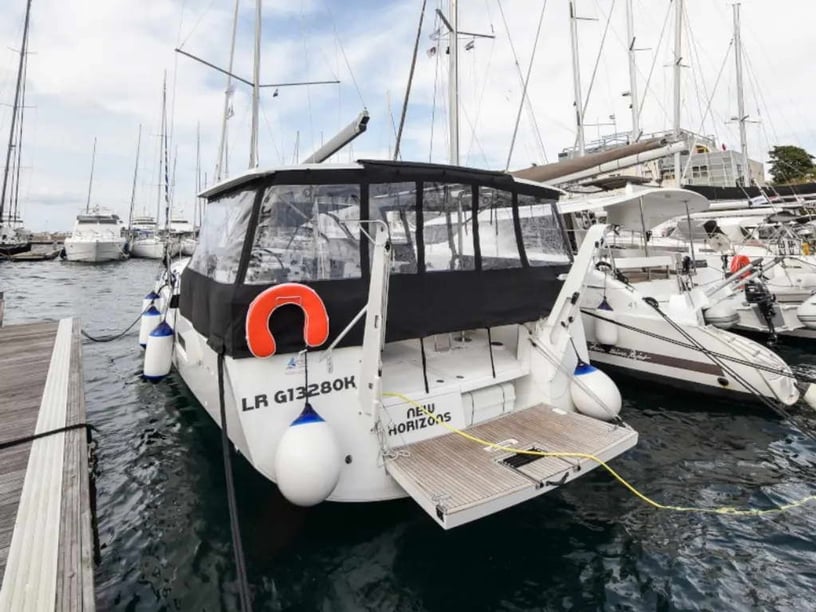
Marina Kotor and the Port of Kotor sit directly outside the Old Town and can serve as departure or arrival points, although cruise ships, excursion boats and visiting yachts share the waterfront and berth allocation is controlled by the port authority. Porto Montenegro in Tivat is another relevant departure area for trips that include Kotor. This means the town may function as a charter starting point, a major stop within a wider itinerary, or both, depending on the selected vessel and embarkation arrangements.
Planning the right charter format
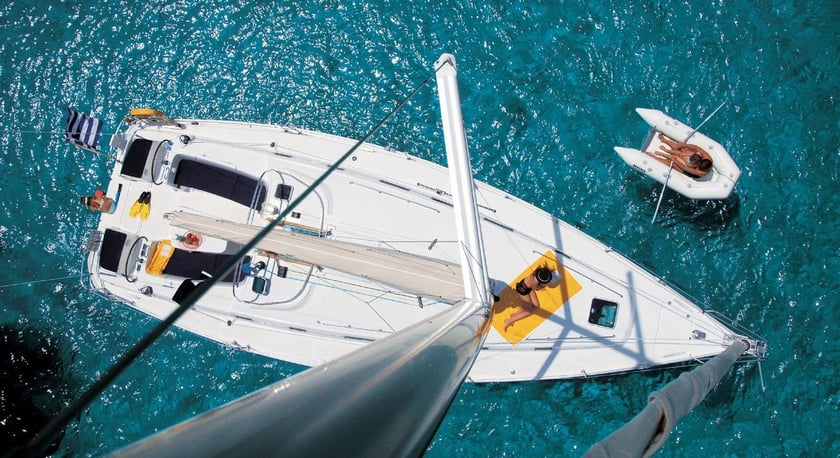
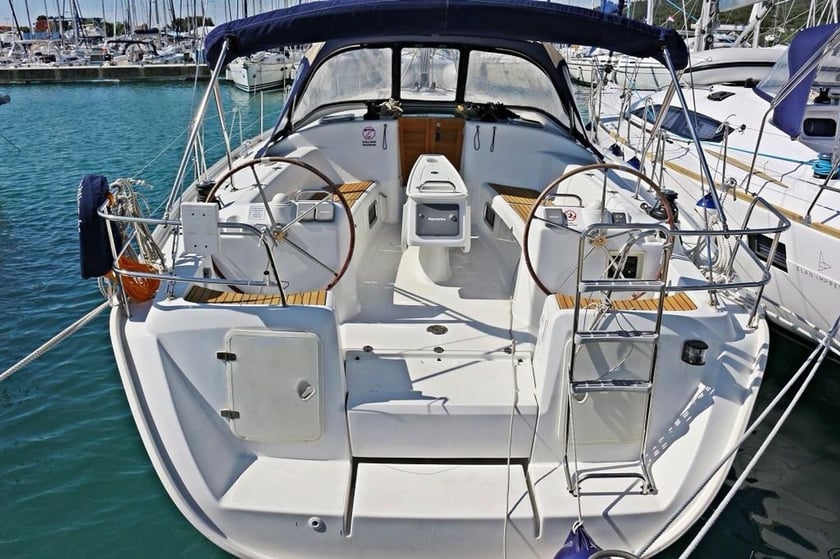
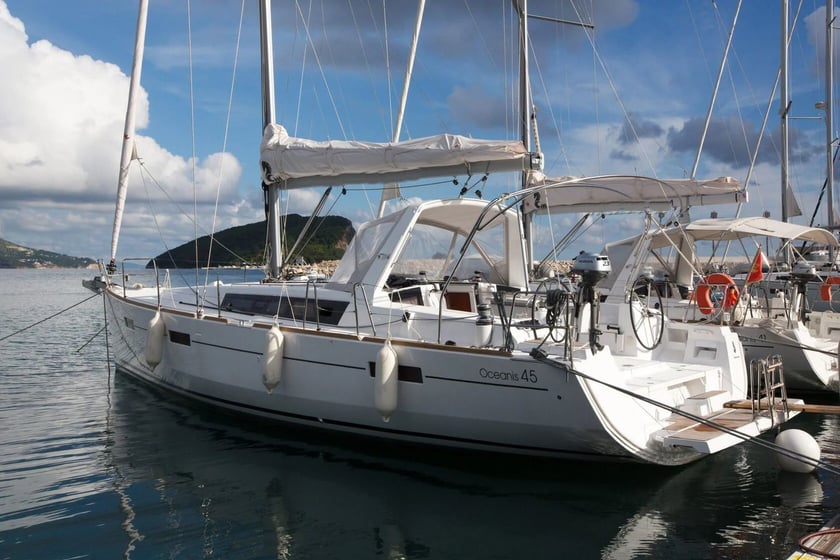
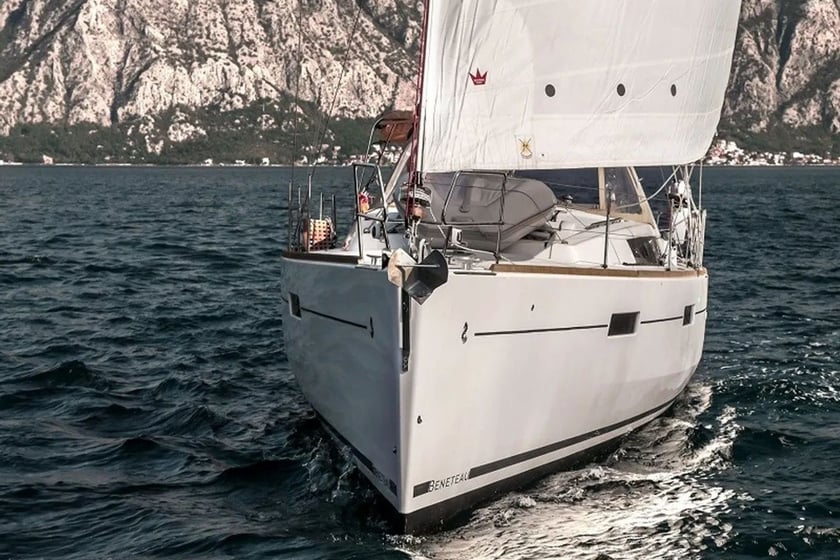
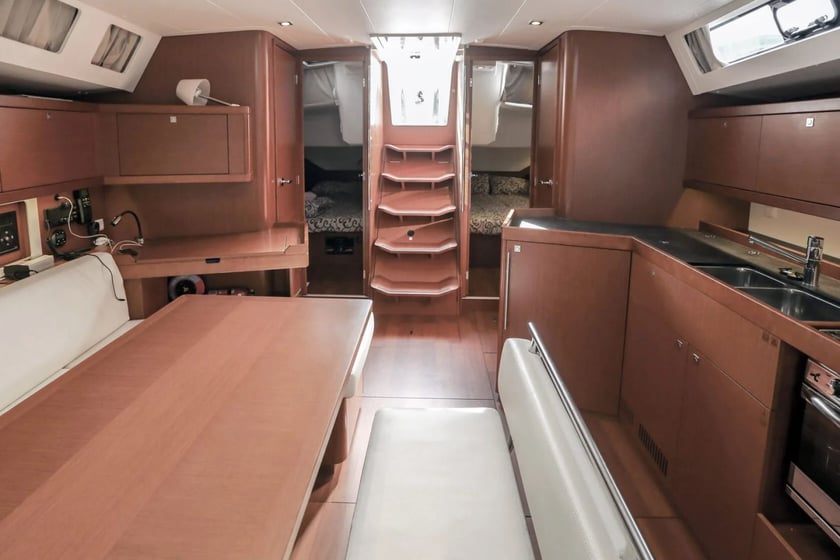
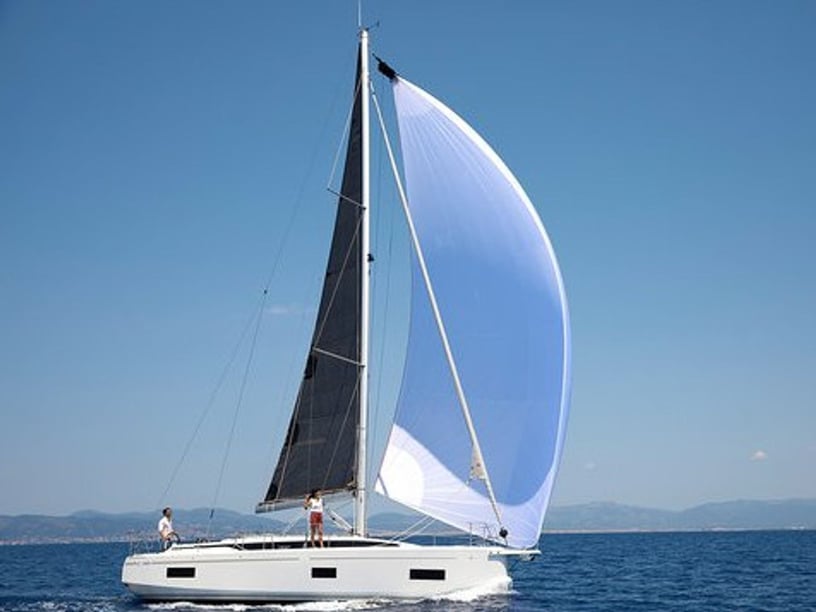
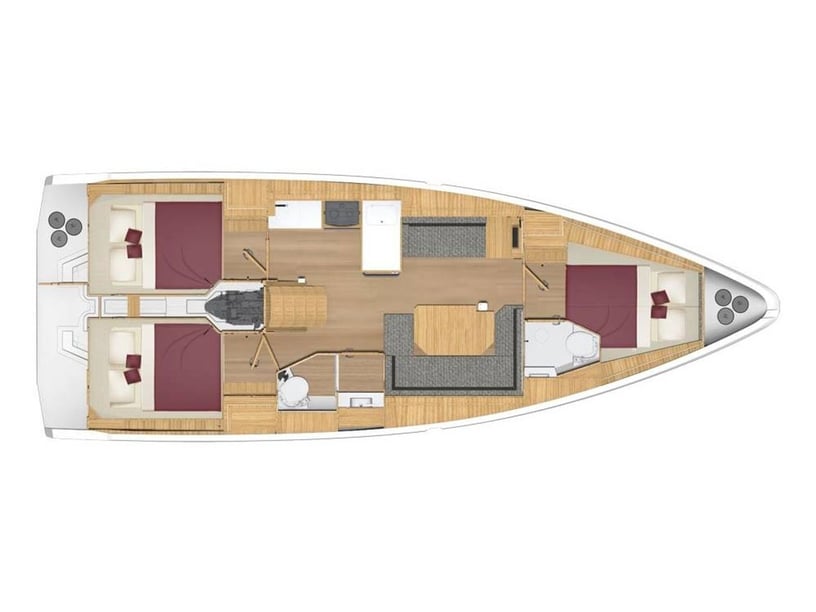
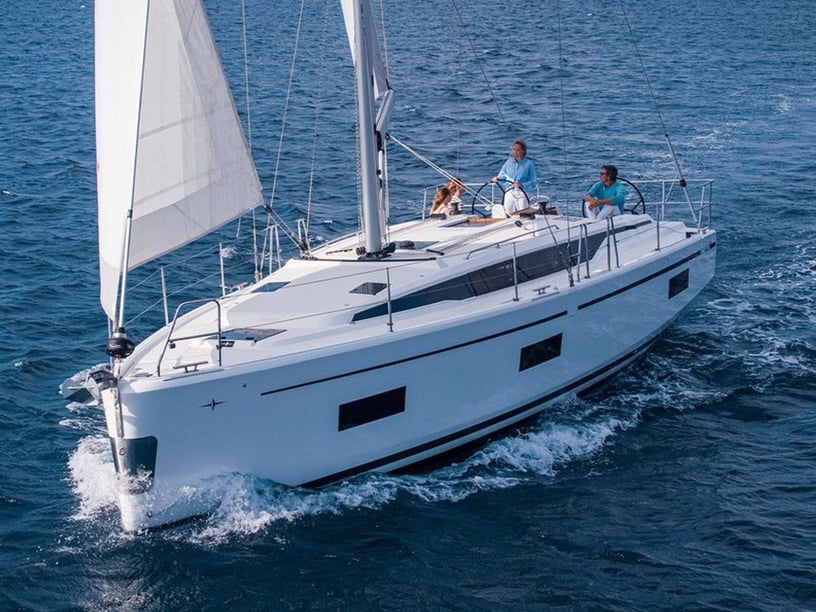
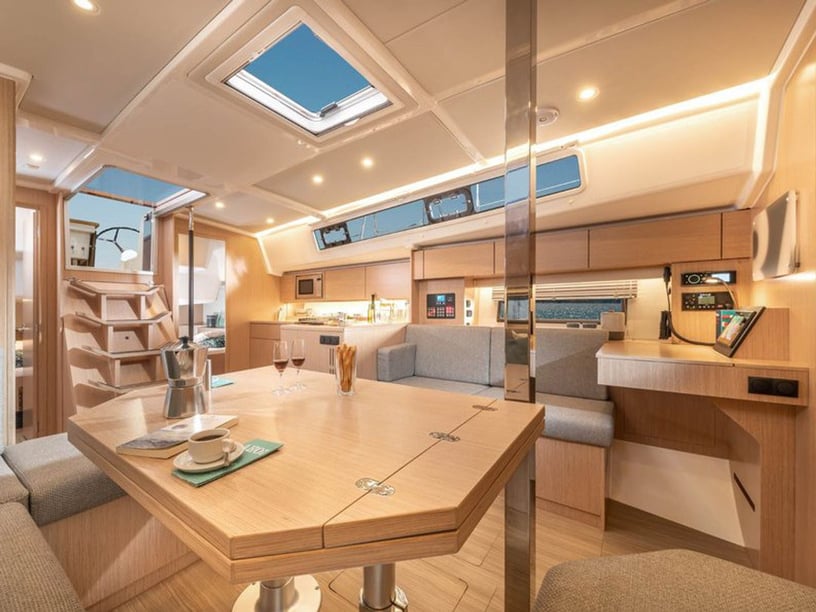
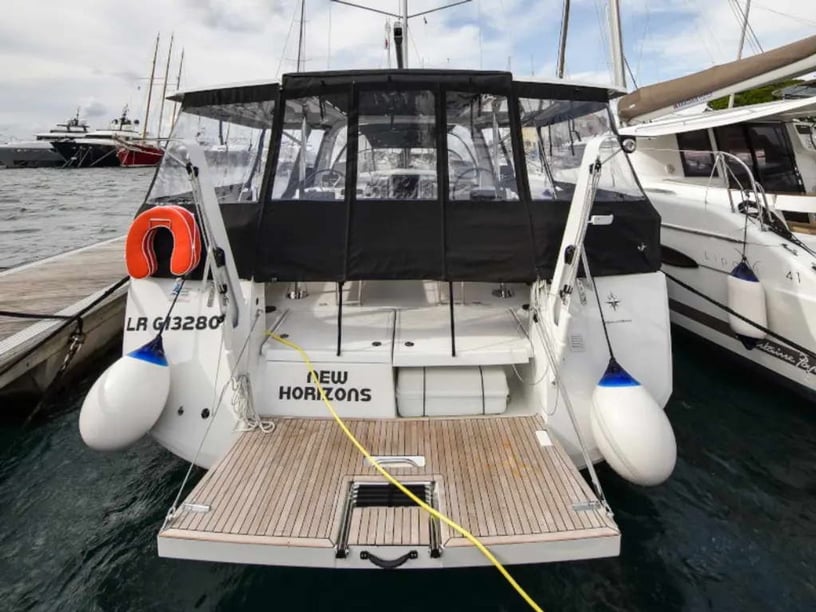
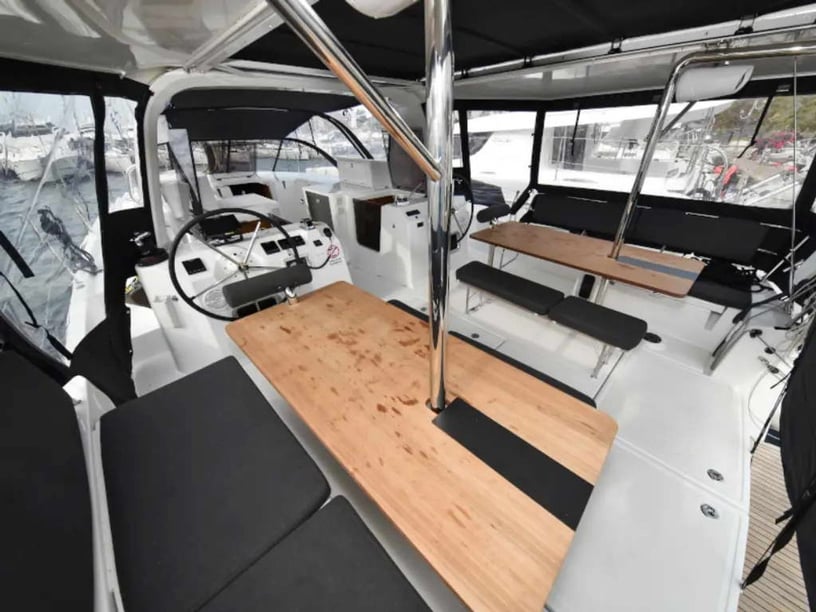
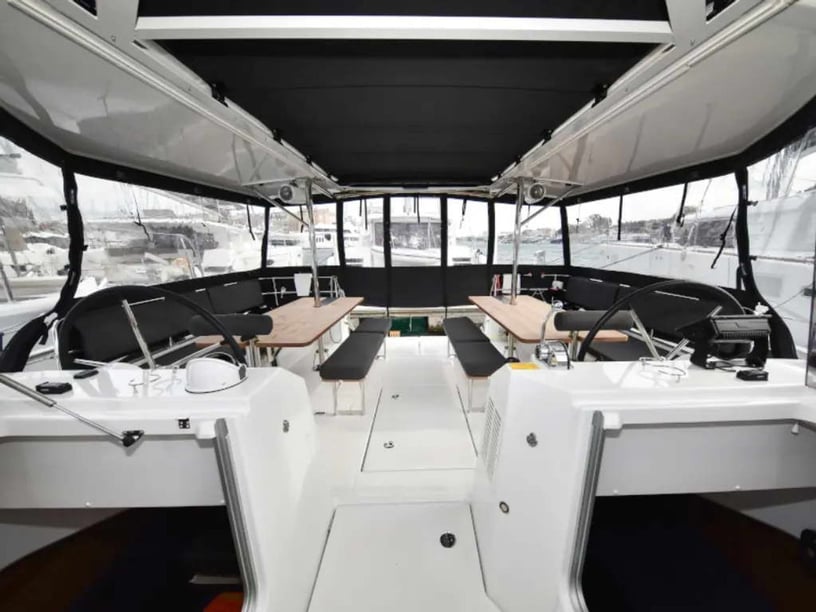
When comparing yacht charter or boat rental in Kotor, first decide whether the priority is a short tour of the inner bay or a longer trip toward Tivat, Herceg Novi and the Adriatic approaches. The protected waters and compact distances favor relaxed sightseeing itineraries and family groups, while routes beyond the Verige Passage introduce more traffic, changing exposure and longer periods underway.
Confirm the exact departure point before arranging accommodation or airport transfers, as trips may begin at Kotor’s waterfront or elsewhere in the wider bay. International arrivals by yacht should also verify current clearance requirements and the appropriate port of entry.
Current official charts and navigation notices are important even on a crewed trip because local rules can affect the planned experience. Under navigation rules announced on May 25, 2026, motor-powered vessels may not enter the Blue Cave; access is limited to non-motorized craft. Travelers hoping to include it should check the latest official notice and discuss how the visit would work with the operator. Port congestion, commercial traffic in the Verige Passage and stronger currents after heavy rain can also require itinerary adjustments.