7 catamarans
Lagoon
Popular models: 421, 380, and 440
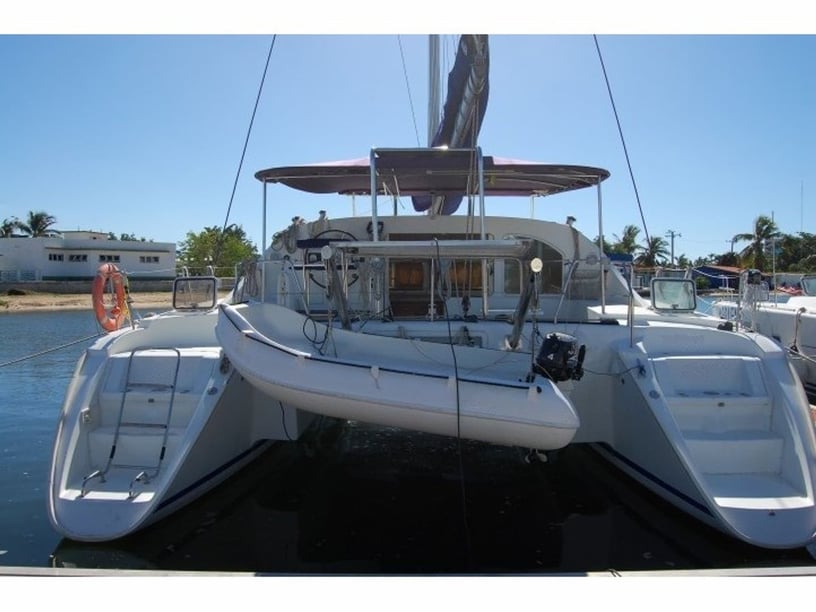
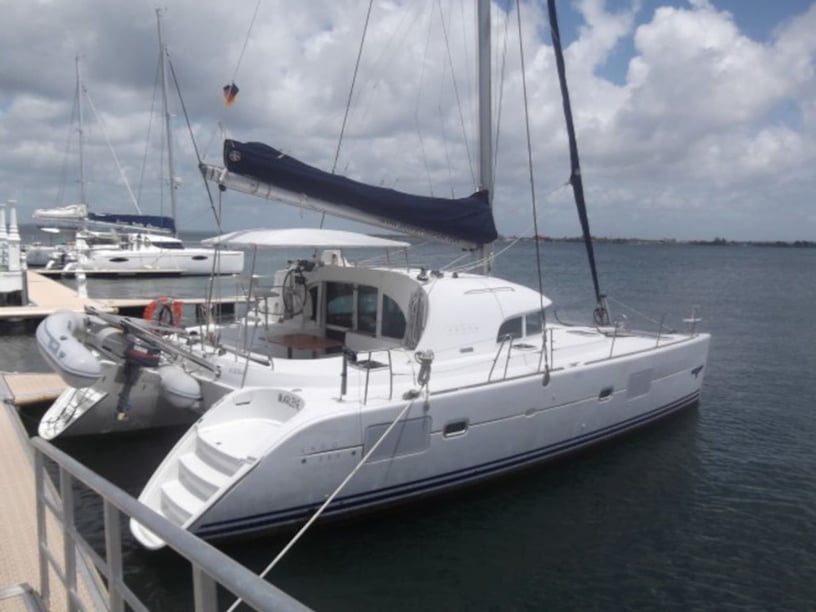
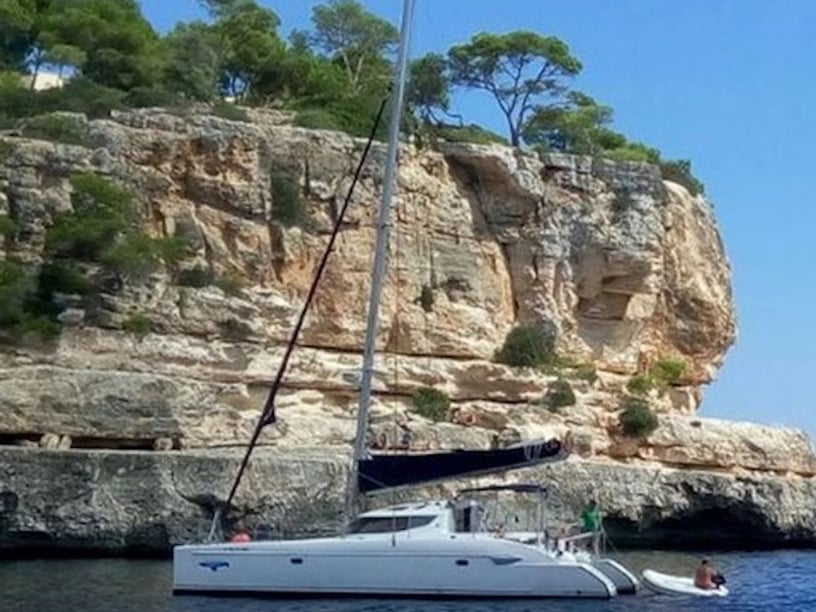
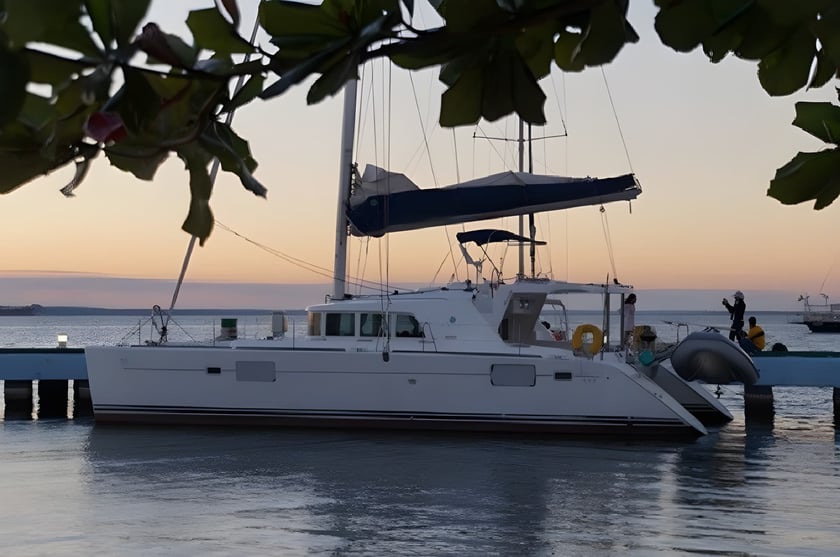
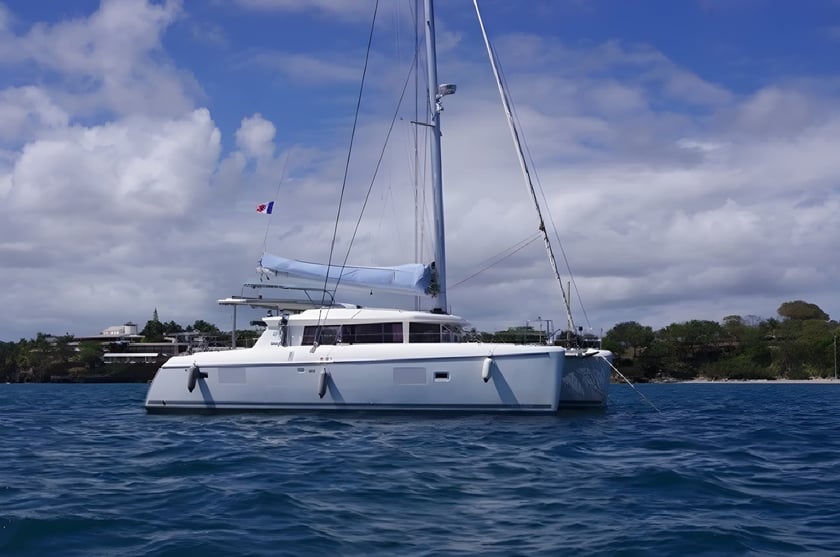
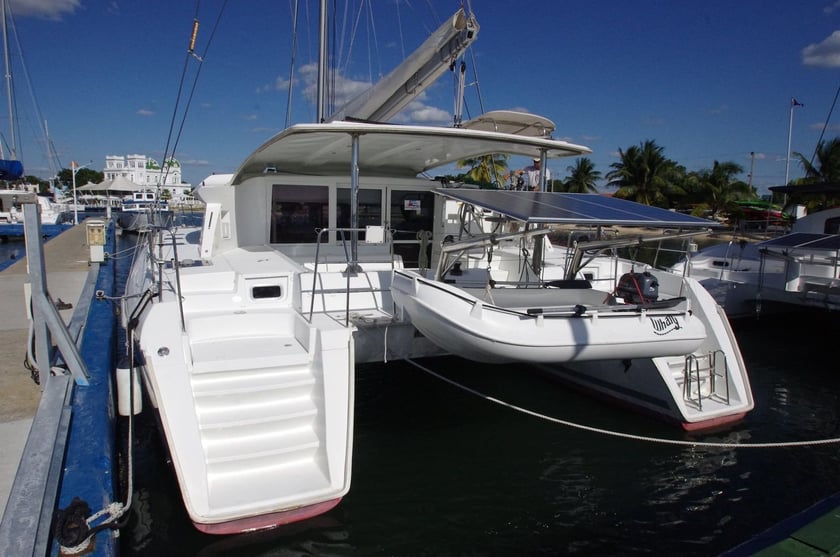
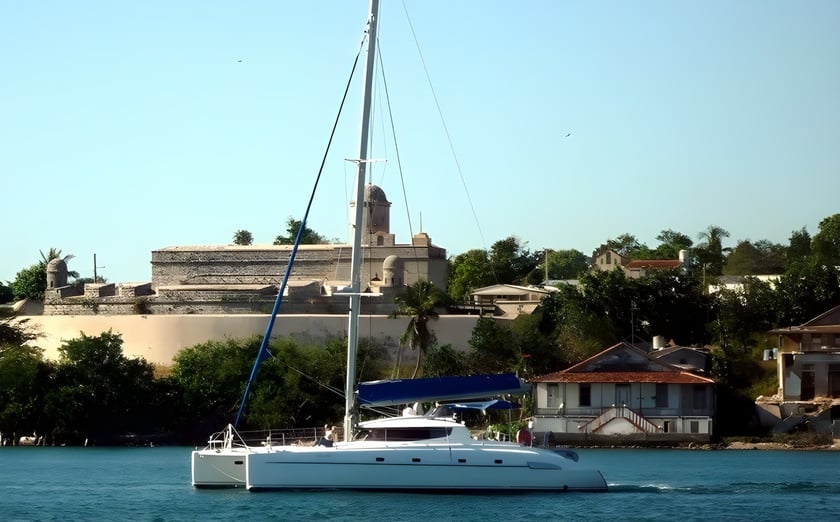
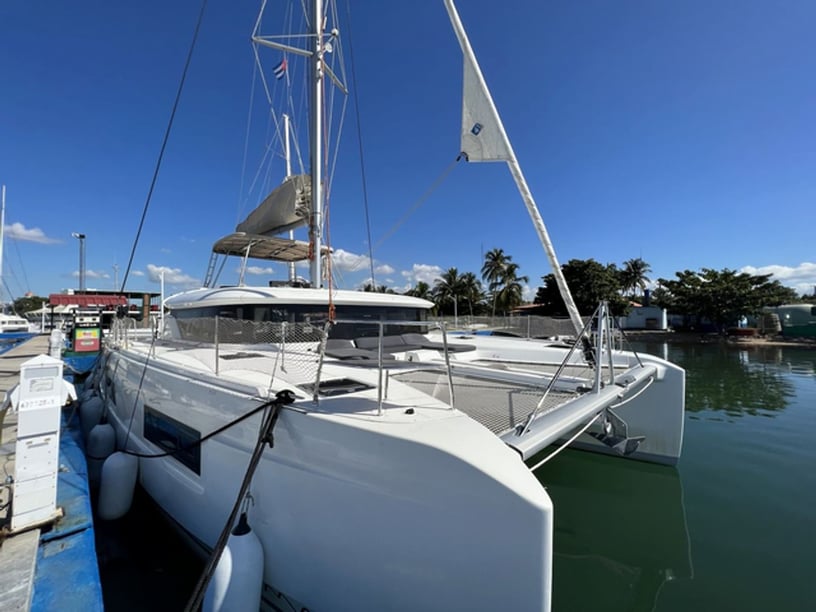
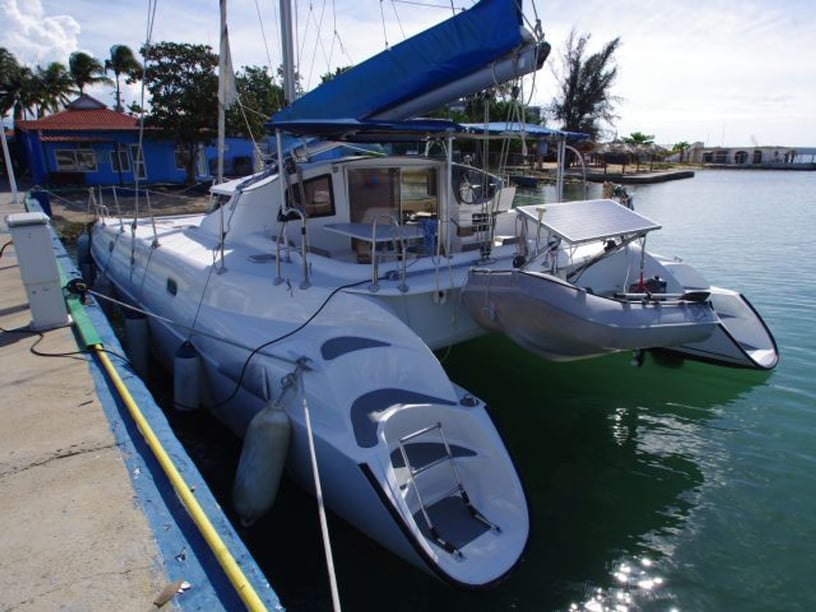
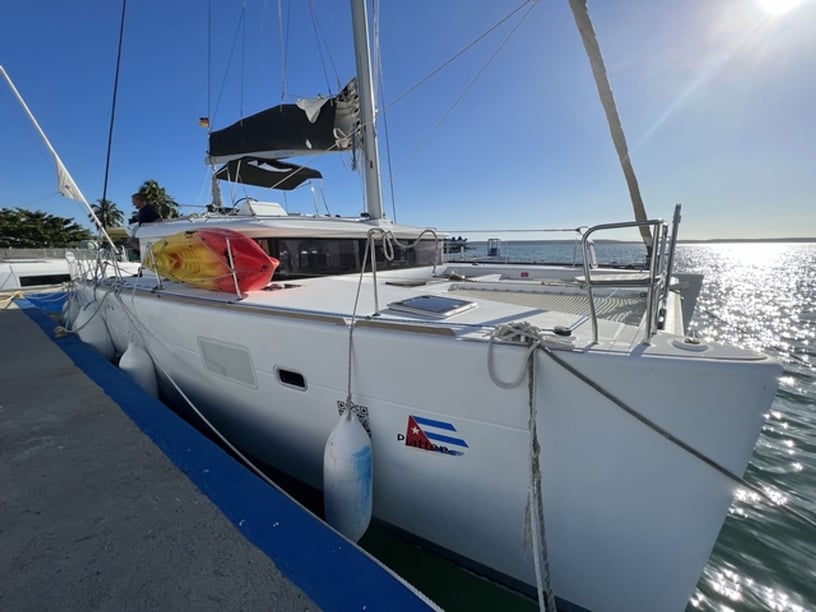
Explore popular catamaran brands and models available for charter in Cuba.
Popular models: 421, 380, and 440

Popular models: Athena 38 and Bahia 46

Popular models: 40
Trusted by thousands of travelers booking boat rentals every year.
Compare the available catamaran charter options in Cuba based on your experience and travel style.
A professional skipper handles navigation while you relax and enjoy the trip. No boating experience is required.
Operate the boat yourself for maximum independence. A valid boating licence may be required depending on local rules.
Explore catamaran rental options in Cuba by trip length, including multi-day charter and weekly charter.

Multi-day trips with catamarans in Cuba for 2–3 day routes, overnight stays and multiple stops.

Week-long trips with catamarans in Cuba for longer routes and multiple stops.
A catamaran charter in Cuba combines spacious onboard living with a cruising area spread across long coastlines, natural bays, offshore cays and four principal peripheral archipelagos. The twin-hull layout provides wide communal areas, cabins divided between separate hulls and considerably less heel than a comparable monohull. This suits trips where swimming, dining and relaxing at anchor are as important as time underway.
Cuba’s varied maritime geography also shapes the experience. Sheltered bays and waters behind reef-fringed cays contrast with exposed coastal passages and widely separated cruising regions. A catamaran’s relatively shallow draft can be helpful in some anchorages, but coral heads, shoals and narrow reef entrances still require careful route planning and reliable local pilotage information.
An established southern itinerary runs from Cienfuegos through the Canarreos Archipelago to Cayo Largo. It combines reef-fringed cays, beaches and anchorages, while a longer version extends west to Isla de la Juventud. Cienfuegos Bay provides a natural starting setting, and time ashore can include the historic port city or nearby Trinidad and Playa Ancón.
Farther east, Jardines de la Reina is reached by boat from Júcaro and is particularly associated with diving and protected marine landscapes. On the north coast, local routes around Cayo Guillermo and the Jardines del Rey cays link beaches and coral-reef areas. These regions should not be treated as one continuous itinerary: Cuba’s cruising grounds are extensive, and transfers or longer passages may separate them.
The rhythm of a catamaran trip typically alternates between cruising, anchoring, snorkeling or diving, and using the boat’s broad cockpit and deck areas. Groups can spread between communal spaces while retaining greater cabin separation than many monohull layouts.
The principal recreational sailing period runs from November through April. December to April generally offers the most settled balance of lower rainfall and useful easterly trade winds, making these months the main season for a Cuba catamaran charter. November is transitional, while May brings warmer conditions before the wetter period.
Winter is not uniformly calm. Cold fronts can create abrupt northerly winds and rough or unsafe entrances along the exposed north coast. Southern bays and waters protected by cay and reef systems are often more sheltered, although currents, shallow banks and local channels still demand attention.
From June through November, higher humidity, thunderstorms, squalls and tropical-cyclone risk require more cautious planning. Climatological hurricane activity is greatest from mid-August to mid-October. A catamaran’s stability does not remove the need to monitor forecasts or adjust an itinerary when conditions deteriorate.
Catamarans are particularly well suited to families, groups of friends and multi-generational parties who value generous shared space and separation between sleeping areas. When comparing boats, consider cabin configuration rather than capacity alone, especially if a skipper or additional crew requires dedicated accommodation. Swimming access, deck layout and the balance between indoor and outdoor space can also materially affect daily life aboard.
Bareboat charter offers independence but requires suitable qualifications and experience. Handling a wide-beamed catamaran differs from maneuvering a monohull, particularly in confined marina spaces. A skippered charter removes the need for guests to operate the vessel, while a more fully crewed option may add cooking, housekeeping or guest service depending on the boat.
Cuba’s long distances, unevenly distributed marina infrastructure and reef passages reward realistic itinerary planning. Visiting vessels must use designated entry points and complete the applicable clearance procedures. Travelers subject to United States jurisdiction should also verify current sanctions and vessel-authorization requirements before arranging travel. Those comparing the format across destinations can consult the broader guide to catamaran charters.
On viravira.co, the Cuba selection includes 10. Available options range from 4 to 6, with capacities from 8 to 12. Eligible completed catamaran bookings have an average duration of 8, a useful reference when considering Cuba’s dispersed cruising areas and the time needed for a multi-stop itinerary.
Travelers who want to compare catamarans with other vessel styles can review yacht charter options in Cuba. For a wider regional comparison, see catamaran charters in the Caribbean.


/ night
catamarans available
€314
€1,843
/ night
catamarans available
€314
€829
/ night
catamaran available
€286
€429
Prices vary by yacht type, size, season and charter type. Additional costs such as fuel, skipper fees and security deposit may apply.
Last updated at October 12, 2026
Learn everything you need to know about catamaran rental in Cuba, including costs, yacht types, charter options and sailing requirements.
How much does catamaran charter cost in Cuba?
What is the price difference between high and low season for catamaran charter in Cuba?
How many people can join a catamaran charter in Cuba?
Can I charter catamarans without a skipper in Cuba?
How much does a skipper cost per day for catamaran charter in Cuba?
Do I need a licence to charter catamarans in Cuba?
Which catamaran brands are most popular in Cuba?
How long is a typical catamaran charter in Cuba?