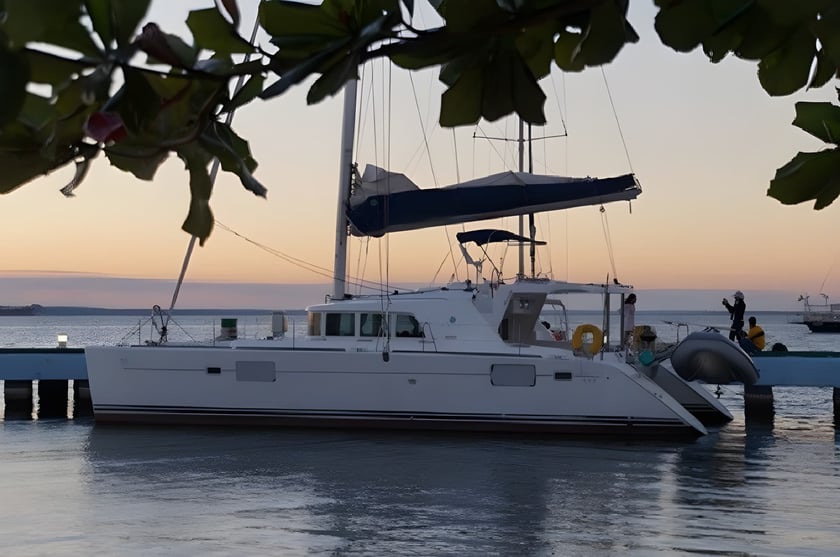
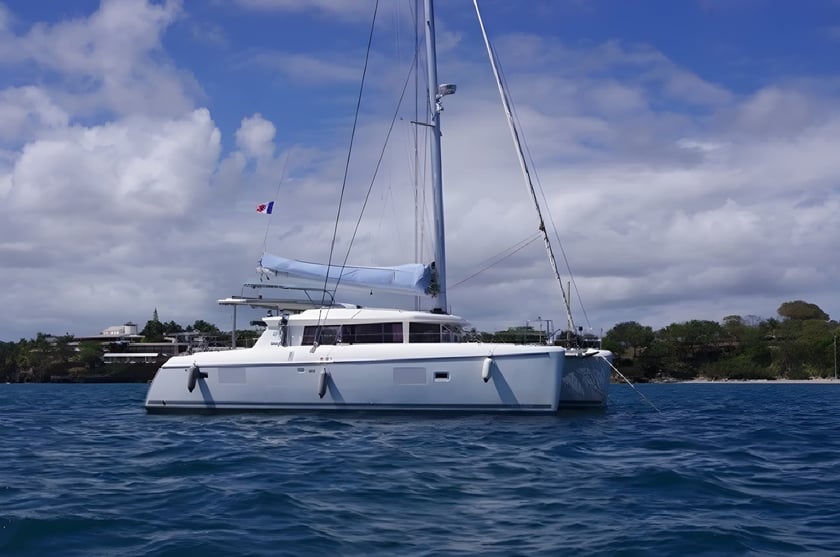
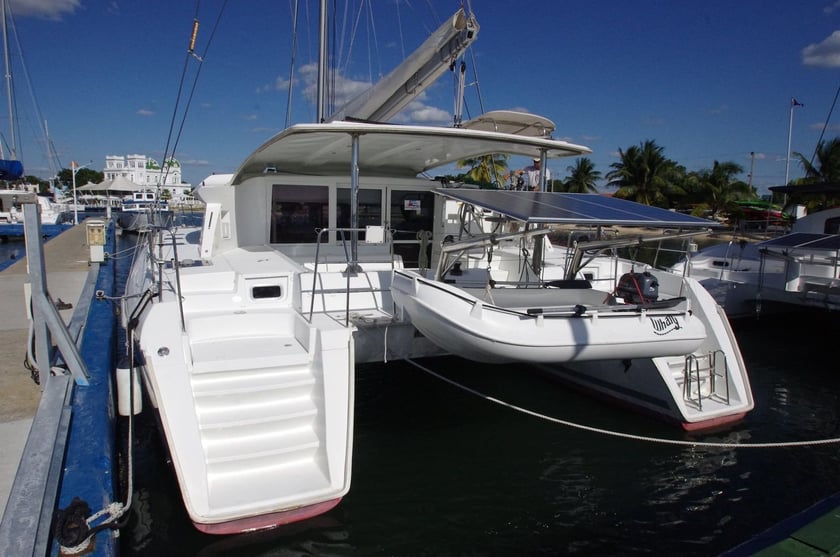
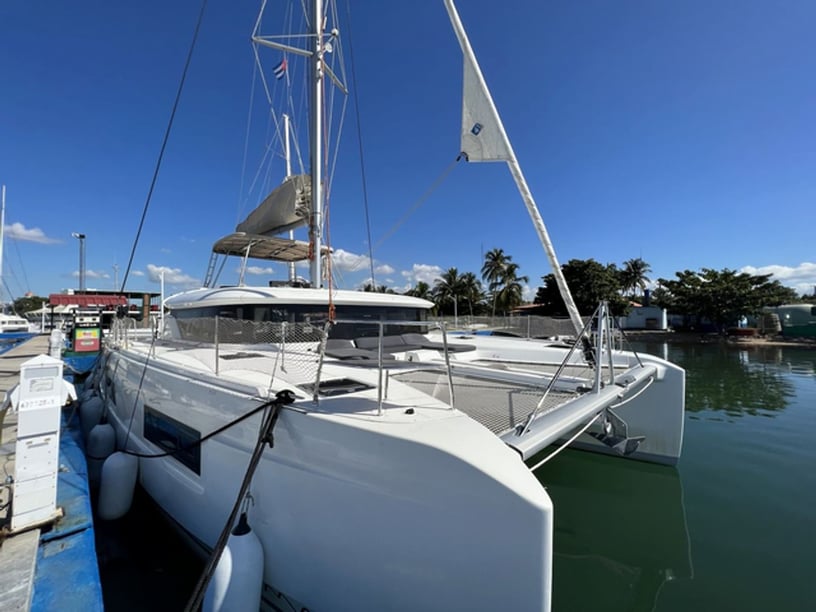
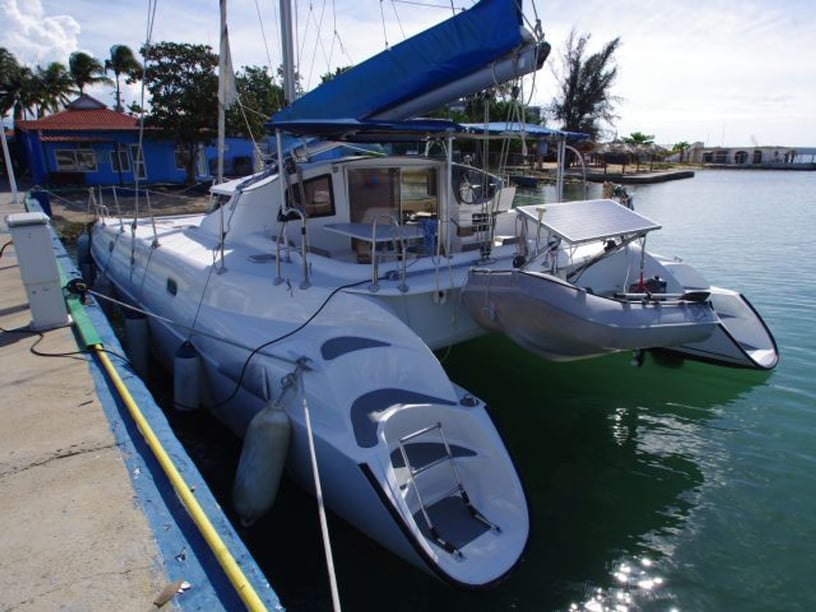
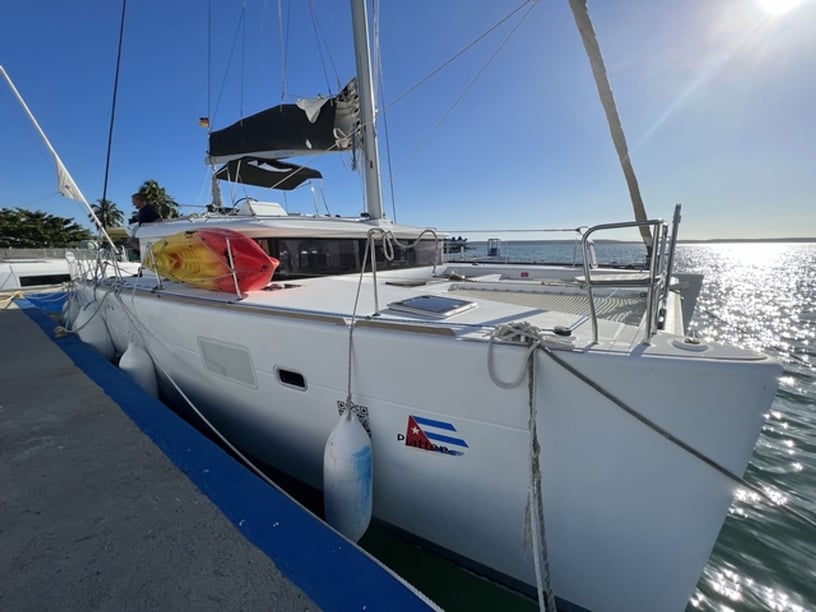
A yacht charter in Cienfuegos
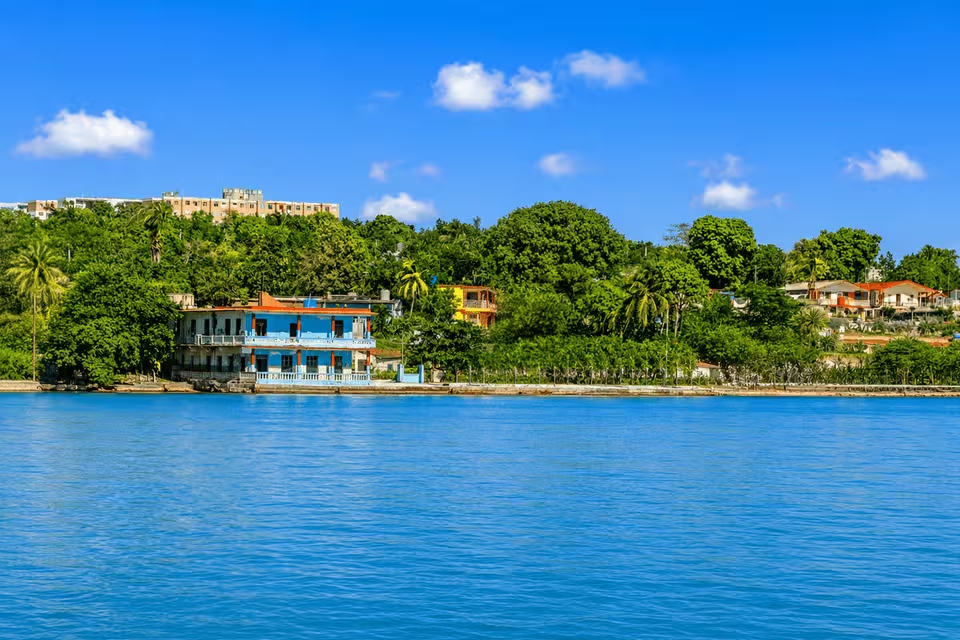
Cienfuegos occupies a peninsula beside the Bay of Jagua, a deeply enclosed natural harbor on Cuba’s south-central Caribbean coast. A long, narrow entrance separates the sheltered inner bay from the more exposed offshore cruising grounds. This geography gives a yacht charter in Cienfuegos two distinct dimensions: relaxed exploration within the harbor and longer passages toward reef-fringed islands.
The city is a cultural port and sailing gateway rather than a conventional beach resort. Its UNESCO-listed center, neoclassical architecture and waterfront districts make time ashore an important part of the trip. Punta Gorda provides the main recreational-yachting focus, while offshore itineraries connect Cienfuegos with Cayo Largo and the Canarreos Archipelago. Travelers considering a wider journey can also compare other yacht charter options in Cuba.
Places to explore from the bay to the cays
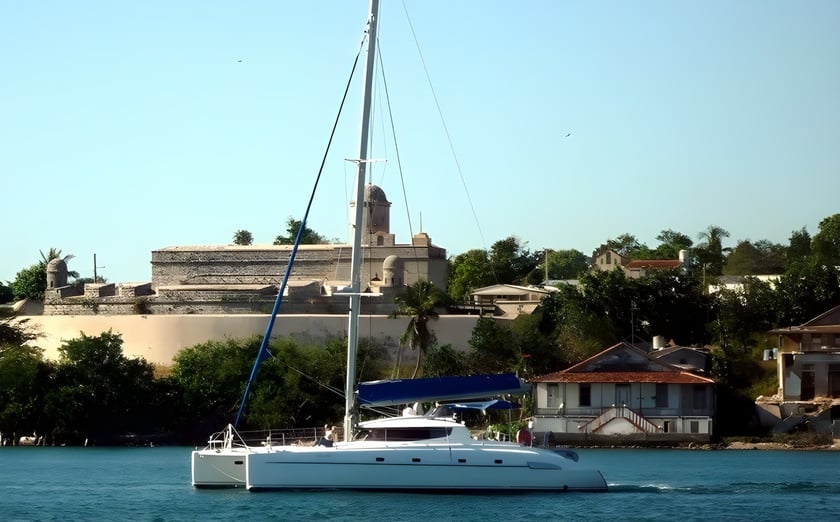
Inside Cienfuegos Bay, cruising stays close to the city waterfront, Punta Gorda and Cayo Carenas. The protected setting suits shorter outings focused on views, local history and time ashore rather than beach hopping. Near the harbor entrance, Castillo de Nuestra Señora de los Ángeles de Jagua reflects the bay’s strategic maritime importance; the fortress was completed in the 1740s, decades before Cienfuegos itself was founded.
Beyond the entrance, the character changes. Rancho Luna is associated with beaches and established reef, wreck and wall-diving areas along the open coast. Farther offshore, Cayo Largo del Sur, Cayo Guano del Este and the wider Canarreos Archipelago offer beaches, reefs and more secluded anchorages. These islands are relevant mainly to multi-day charters because reaching them involves long open-water legs and cruising in areas with limited services.
Sheltered bay cruising and offshore passages
The enclosed bay generally provides more protected water than the Caribbean outside its entrance. Local trips can therefore follow an easygoing rhythm of cruising past Punta Gorda, viewing the working port and historic waterfront, and approaching the Jagua area. Daytime sea breezes influence conditions inside the harbor, which also contains shoals, small islands and commercial traffic.
Easterly trade winds predominate in the region. Winter winds are typically around 10–15 knots, while summer winds are often lighter at roughly 5–10 knots and may include calm periods. The figures alone do not describe the whole charter, however: leaving the bay for the Canarreos cays brings longer passages, shallow reef areas and fewer nearby services. These offshore routes demand more planning than a bay cruise, especially when an overnight leg is involved. Current weather, local briefings and suitable navigation conditions are therefore important when deciding how ambitious the itinerary should be.
The best time to charter
The principal yacht-charter season runs from November through April, with December to April forming the core high season. December, January, February, March and April are identified as particularly suitable months, combining the drier part of the year with the region’s more established recreational sailing conditions.
May is transitional, with increasing rain, humidity and thunderstorms. From June through October, activity generally decreases as the wetter, hotter season develops. Tropical-cyclone risk officially extends from June to November and is most significant in September and October. November usually brings improving conditions as the dry season begins, but flexible planning and tropical-weather monitoring remain advisable because it still falls within the official hurricane-season window.
Route ideas from Cienfuegos
A short Cienfuegos itinerary can remain within the Bay of Jagua, combining Punta Gorda and the city waterfront with a cruise toward the harbor entrance. An optional visit to Jagua Fortress adds a historical stop without requiring an offshore passage. This format is well suited to travelers who want to balance boating with architecture and city exploration.
The established longer pattern is a roughly week-long Cienfuegos–Cayo Largo–Canarreos circuit. It commonly begins with a substantial offshore passage, sometimes sailed overnight, before continuing between reefs, beaches and anchorages around the cays. The return may include Guajimico before reaching Cienfuegos. Passage length, shallow-water navigation and limited facilities make this a materially different trip from local bay cruising, so the itinerary should reflect crew experience, forecasts and provisioning needs.
Culture, coast and life on the water
A Cienfuegos charter can combine sailing with a substantial cultural program ashore. The planned historic center grew from a settlement founded in 1819 as Fernandina de Jagua and later became closely connected with the nineteenth-century sugar economy. Parque José Martí and the Tomás Terry Theatre illustrate its civic architecture, while Punta Gorda, Palacio de Valle and the Malecón keep the city’s relationship with the water in view.
On the outer coast and around the Canarreos cays, the focus shifts toward beaches, snorkeling, diving and quieter anchorages. Rancho Luna is the more relevant area for established snorkeling and diving; the inner bay is a working harbor rather than the principal swimming zone. This contrast allows travelers to combine a historic port city with offshore nature instead of treating the entire charter as a continuous beach itinerary.
Access, marina and departure context
Marina Marlin Internacional Cienfuegos at Punta Gorda is the principal local point for recreational-yacht arrivals and departures. Its position connects the city with both sheltered bay outings and offshore routes, making Cienfuegos a combination of cultural destination, departure area and cruising gateway.
Jaime González International Airport is close to the city. Abel Santamaría International Airport in Santa Clara and José Martí International Airport in Havana provide additional gateways followed by road transfers. Cienfuegos also has road and intercity-bus links with Havana, Santa Clara and Trinidad. Travelers arriving internationally by yacht should confirm current immigration, customs and port-authority procedures before departure.
Planning the right charter format
The first planning decision is whether the trip will focus on the Bay of Jagua or continue into the Canarreos Archipelago. A short bay cruise emphasizes sheltered water, city views and historical visits. A multi-day offshore charter adds beaches, reefs and secluded anchorages but also involves long passages, shallow areas and fewer opportunities to obtain supplies.
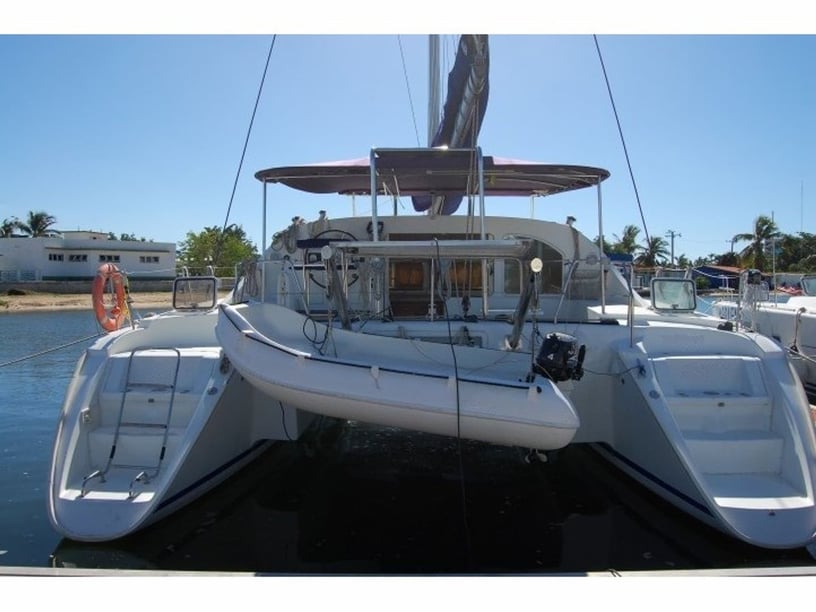
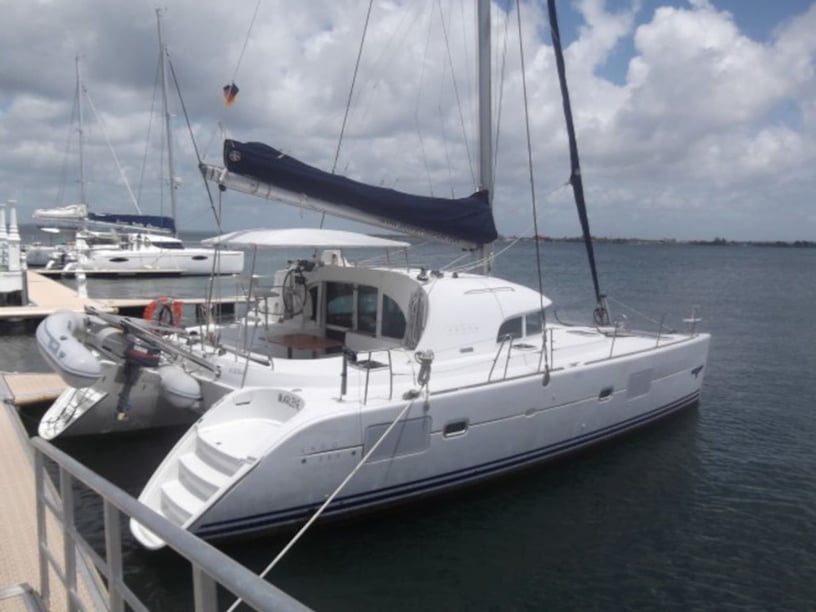
When comparing boat rental in Cienfuegos, discuss the intended route rather than considering the boat in isolation. Confirm whether the proposed schedule allows for the initial offshore leg, how weather-related changes will be handled and whether the crew has appropriate local knowledge. Before leaving for remote cays, water, fuel, food, spare parts and communications should be checked in Cienfuegos because services become limited offshore.
The bay’s commercial traffic and narrow entrance also require attention to current charts, navigational notices and port instructions. Travelers do not need to manage the technical details themselves on a crewed trip, but understanding these constraints helps set realistic expectations about departure times, route flexibility and the difference between an inner-bay outing and a full offshore itinerary.