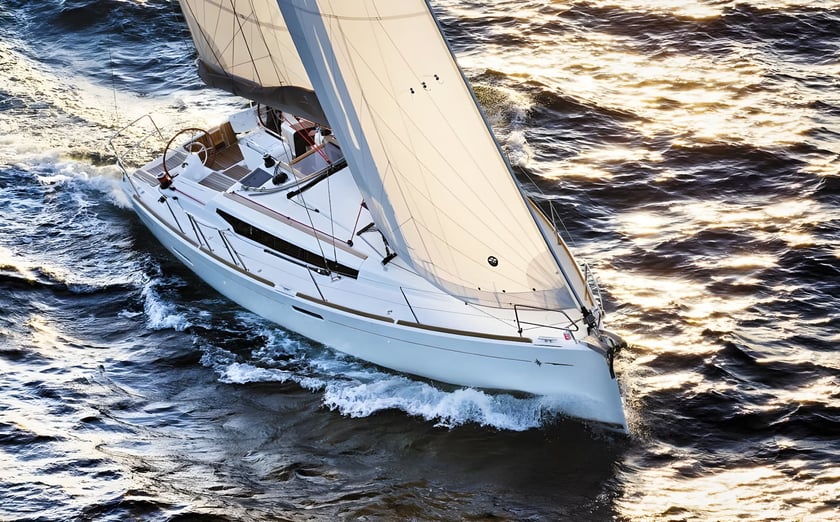
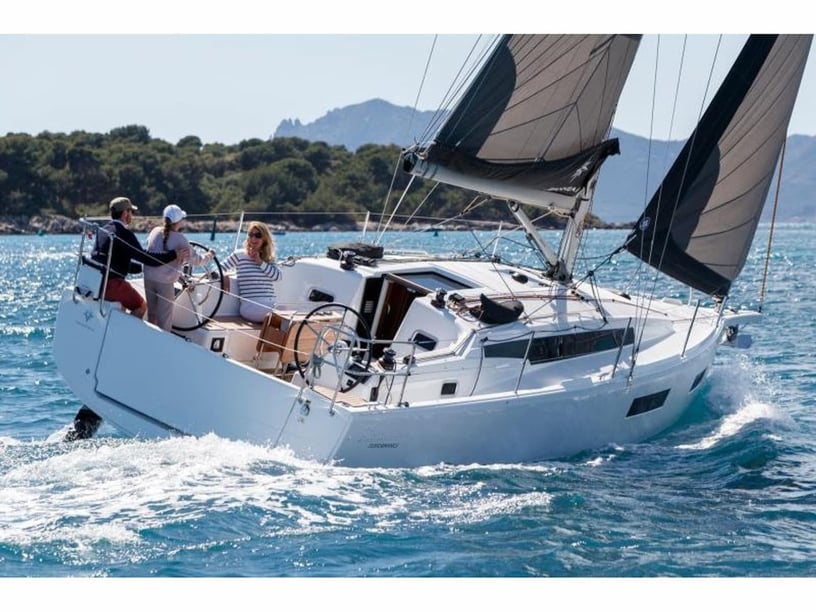
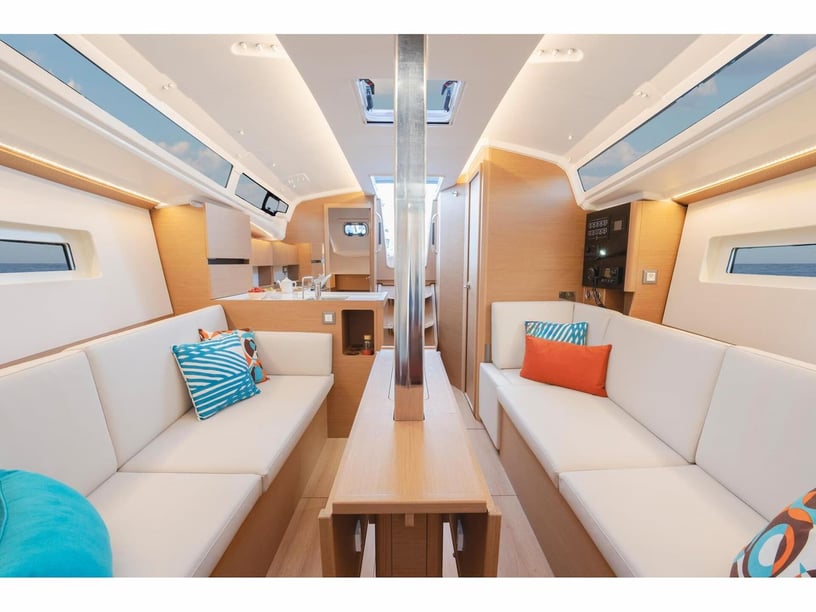
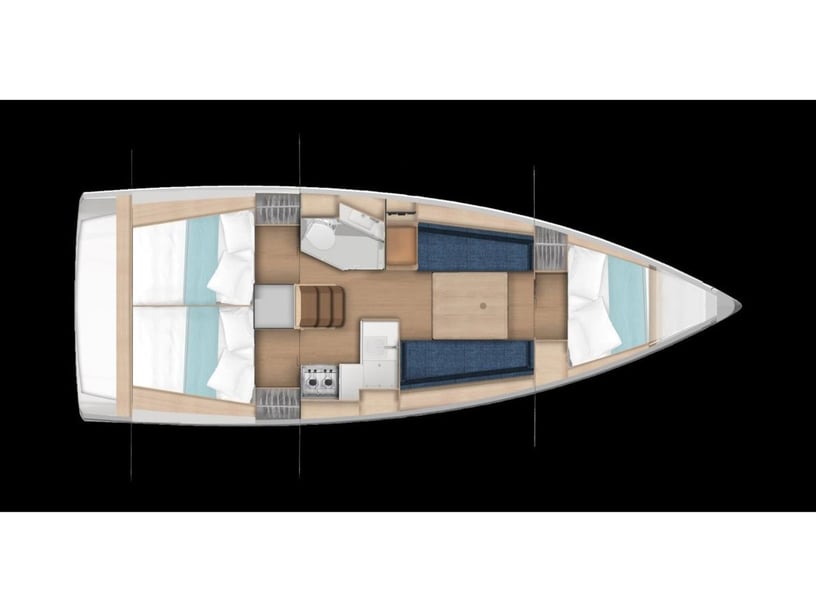
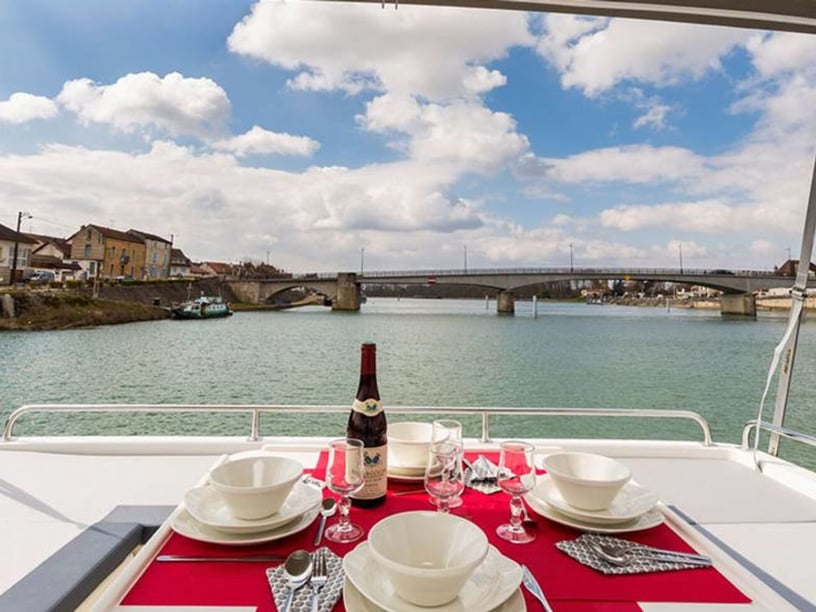
Yacht charter in Belgium
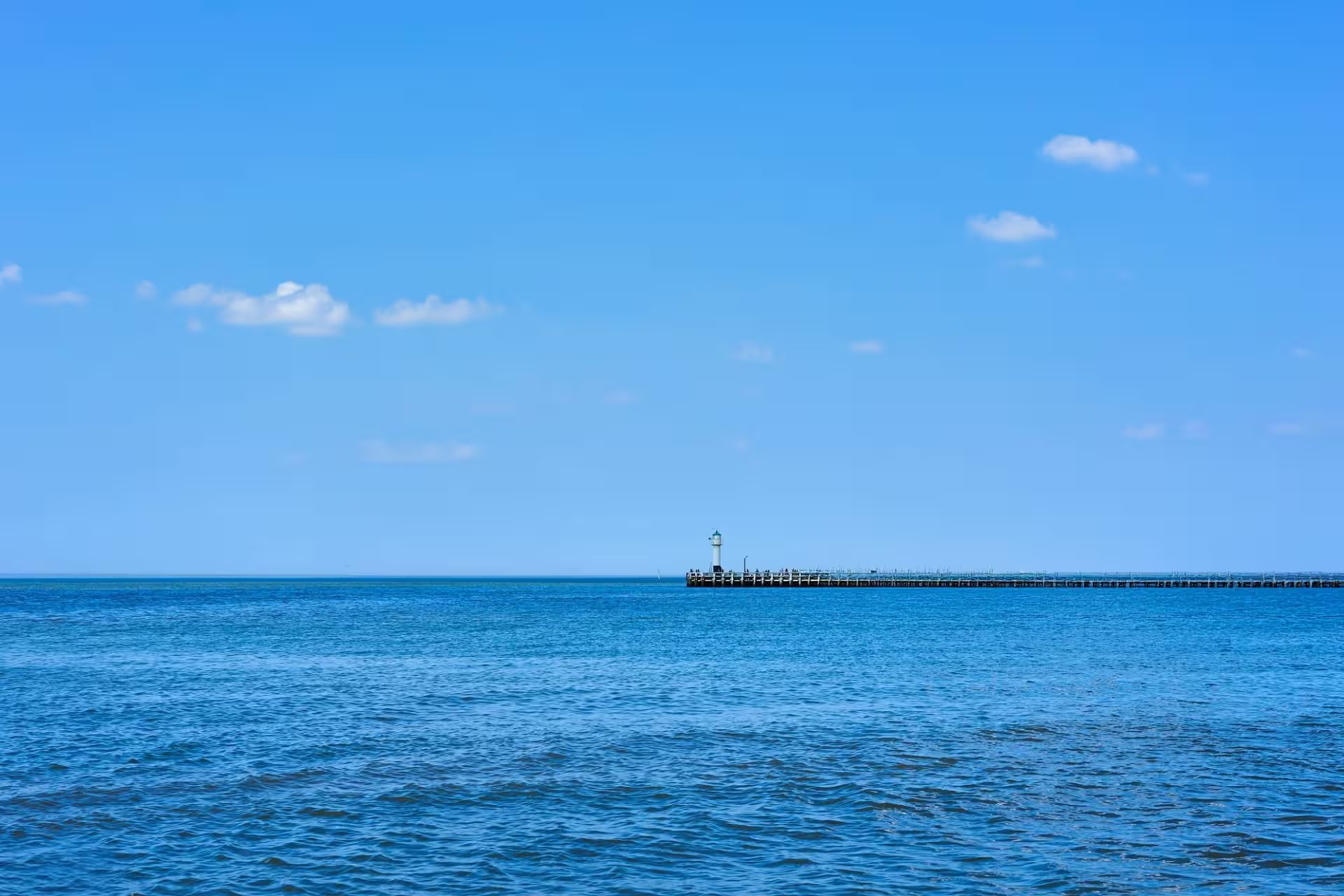
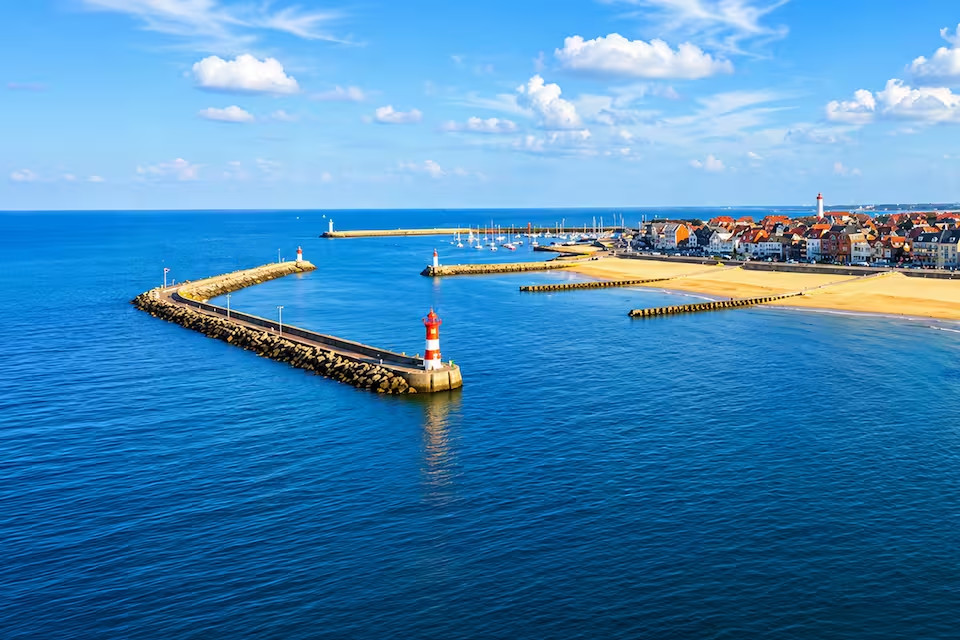
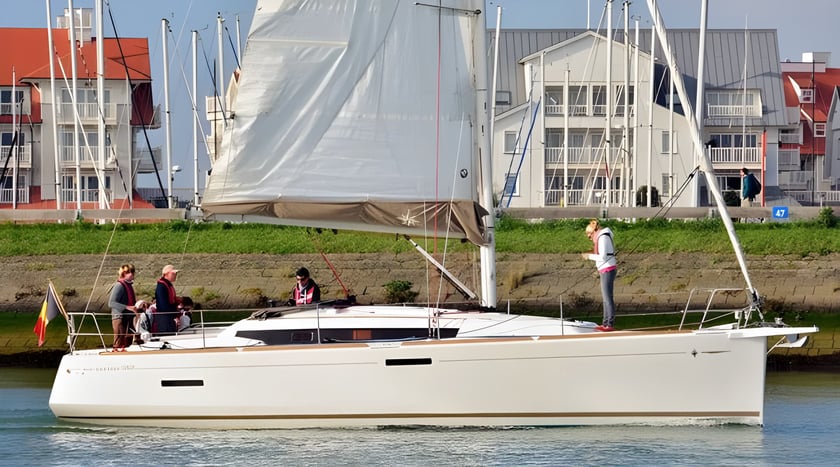
Belgium presents two distinct settings for a yacht charter: a short, open North Sea coast and an extensive network of rivers and canals. Its approximately 67-kilometre coastline runs between France and the Netherlands, with broad beaches, dunes and four principal yachting ports. Coastal cruising is largely linear and harbor-based, rather than focused on islands, sheltered coves or secluded anchorages.
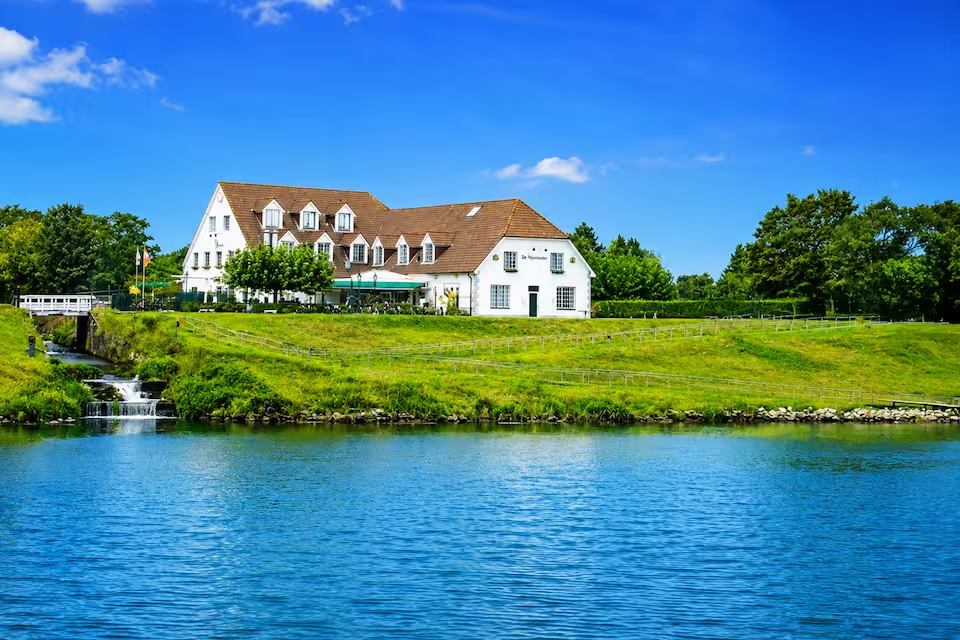
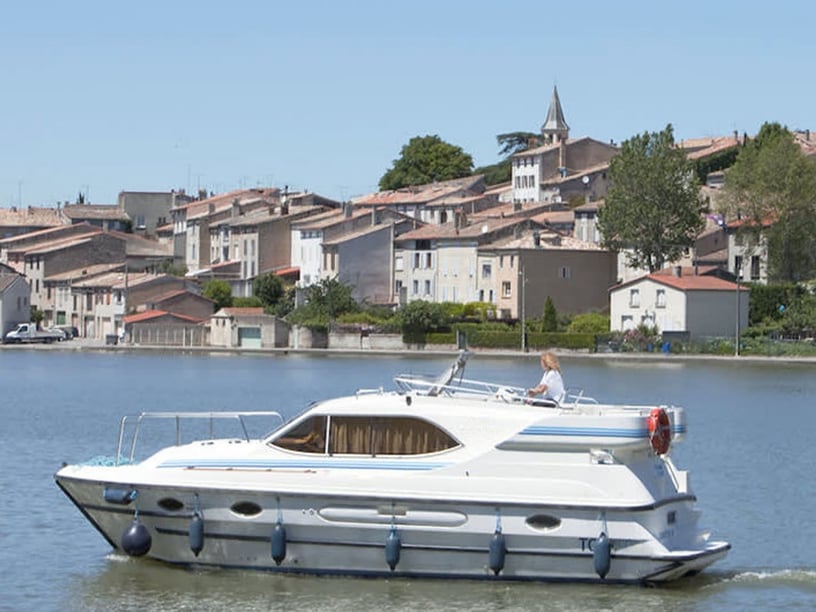
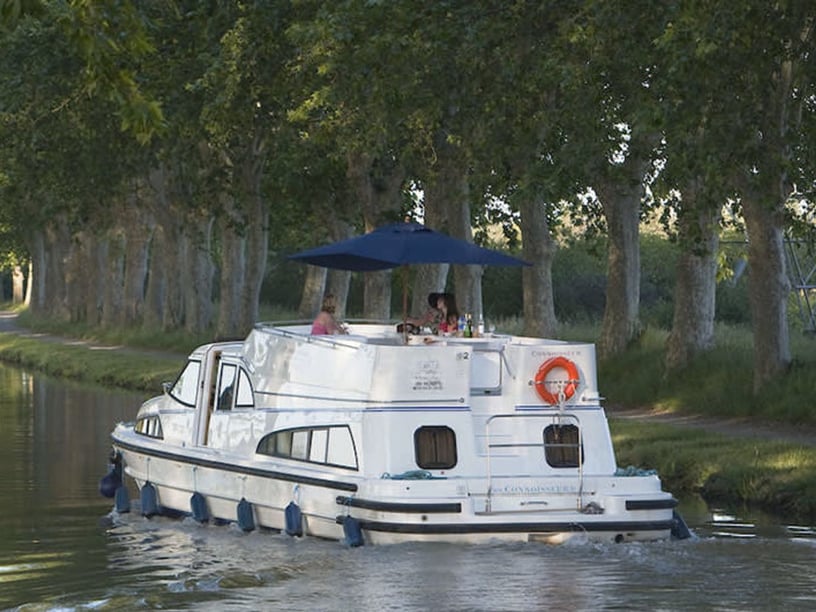
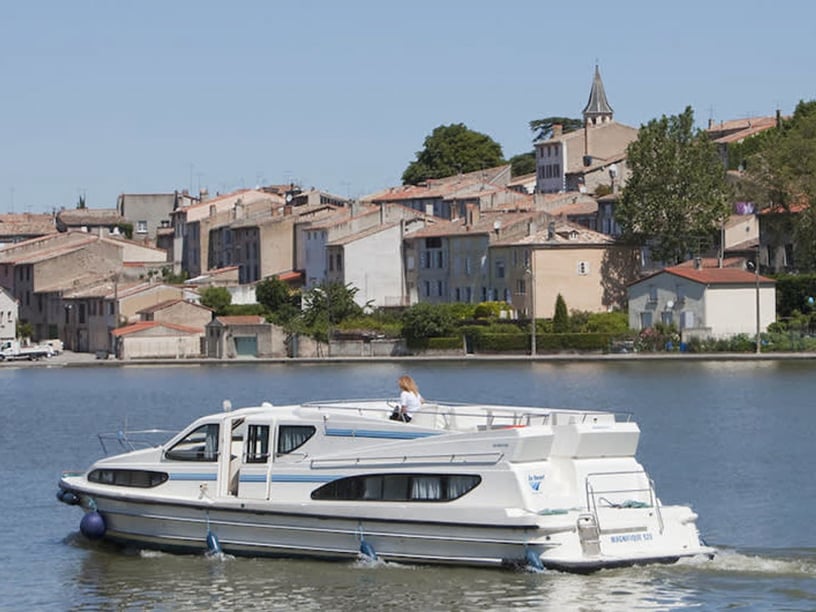
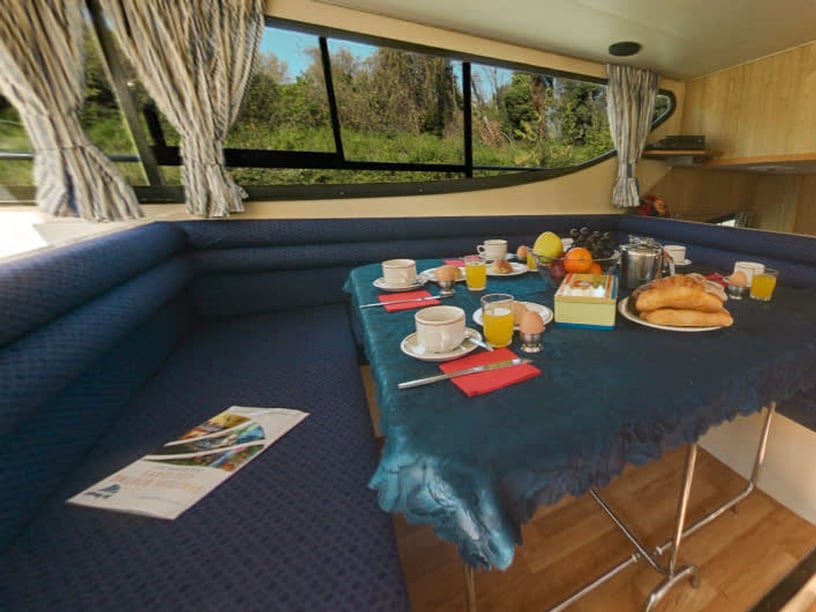
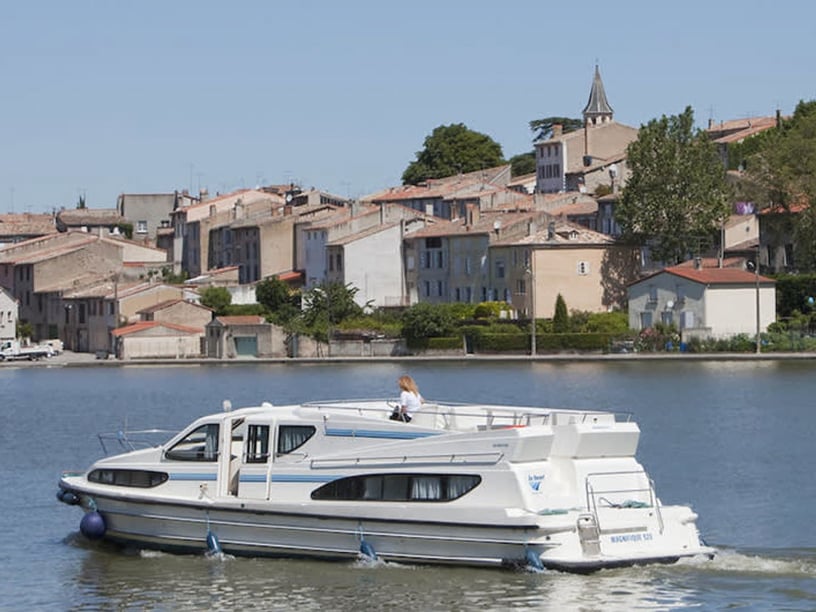
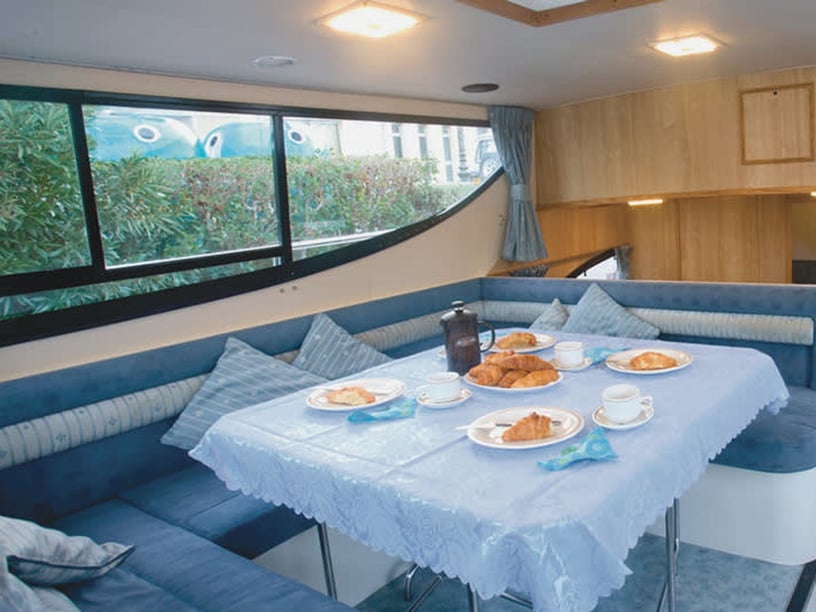
Inland, the character changes. The Scheldt, Lys, Meuse and Sambre, together with connecting canals, offer slower and more protected cruising through historic cities, river valleys and landscapes shaped by trade and industry. This contrast is central to planning a yacht charter in Belgium. A coastal trip emphasizes tides, sailing conditions and maritime ports, while an inland itinerary places greater weight on locks, bridges, waterfront towns and time ashore. Choosing between these environments—or determining whether a particular vessel can combine them—is the first important decision.
Where to charter and cruise
Nieuwpoort, Ostend, Blankenberge and Zeebrugge form the core of Belgium’s coastal cruising area. In the west, Nieuwpoort is both a departure point and an important maritime setting, known for the Ganzepoot lock complex and its role in the flooding of the Yser plain during the First World War. Ostend combines active docks and yacht facilities with prominent shore attractions, including Fort Napoleon and the three-masted Mercator training ship.
Farther east, Blankenberge provides another established stop on a Belgian port-hopping itinerary. Zeebrugge connects the coast with Bruges and onward routes toward the Scheldt and the Netherlands, although its substantial commercial traffic makes it a more operationally demanding environment. Knokke-Heist and the nearby Zwin landscape add beach and nature interests to an eastern-coast visit.
The principal inland alternatives are quite different. Ghent can be approached through several waterways and offers central moorings at Portus Ganda. In Wallonia, Namur and Dinant anchor trips on the Meuse, where river scenery and historic waterfronts replace the exposure of the North Sea. The historic Canal du Centre is suited to shorter heritage-focused cruising around its four original hydraulic boat lifts.
What sailing in Belgium is like
Belgium’s North Sea coast is shallow, tidal and exposed to fast-changing weather. Southwesterly and southerly winds are common, with generally lighter average winds in summer and stronger conditions in winter. Tidal ranges can exceed four metres, while tidal streams interact with extensive offshore sandbanks, gullies and harbor approaches. When wind runs against the current, waves can become steep and uncomfortable.
These conditions make coastal cruising more technical than the coastline’s modest length might suggest. Trips usually progress from harbor to harbor, and the straight, developed shore provides little natural anchoring shelter. Passage timing therefore matters, particularly around entrances and shallow approaches. Zeebrugge, Ostend and the Scheldt approaches also carry commercial shipping, requiring attention to traffic procedures and communications.
Inland cruising is normally more sheltered and unhurried, but it is not free of constraints. Locks, movable bridges, currents, water levels and commercial vessels all shape the day. Air draft and vessel dimensions can determine which canals are usable. Travelers seeking a relaxed pace may prefer these waterways, while those attracted by open-water sailing should be prepared for the tidal planning and weather awareness required on the coast.
The best time for a Belgium yacht charter
The main recreational boating period runs approximately from April to October, with May through September offering the most favorable overall conditions. June, July and August are the principal high-season months, bringing the warmest weather, longest daylight and generally lighter average winds. They are well suited to itineraries that combine cruising with beaches and extended shore visits.
May and September are also among the best months, but sit outside the central summer peak. They may appeal to travelers who prefer a less concentrated holiday period, although temperatures are cooler and conditions can be less consistent. April and early October can still work for selected trips, particularly with flexible planning and confirmed seasonal services.
From November through March, stronger winds, short daylight and cold water make coastal recreation more limited. Many inland services also follow spring-to-autumn operating schedules, so lock, bridge and mooring arrangements should be checked when traveling near the edges of the season.
Coastal and inland route ideas
A straightforward coastal itinerary links Nieuwpoort, Ostend, Blankenberge and Zeebrugge. The route suits travelers who want regular time ashore and a succession of maritime towns rather than remote anchorages. Its compact geography does not remove the need to plan each leg around tides, weather and harbor access.
Nieuwpoort and Ostend can also serve as starting points for longer cross-border passages toward Dunkirk or Calais, southeast England, the Dutch coast and Zeeland. These are open-water extensions rather than casual additions, so vessel suitability, crew experience and the charter’s permitted cruising area need to be confirmed.
Inland routes follow a different rhythm. Ghent is accessible via the Lys, Scheldt, Ghent–Terneuzen Canal or Ghent–Ostend Canal, depending on the vessel and itinerary. On the Meuse, cruising between Namur and Dinant combines river scenery with historic waterfronts, while Namur marks the confluence of the Sambre and Meuse. A shorter trip on the Canal du Centre Historique focuses on the UNESCO-listed hydraulic lifts. Combining coastal and inland sections depends on vessel dimensions, bridge clearances and the connecting waterway chosen.
History, beaches and life ashore
A Belgium yacht charter is as much about its ports and waterways as time under way. Along the coast, broad sandy beaches provide the natural setting, but most yacht itineraries return to marinas rather than anchoring in isolated bays. Shore time can include the Atlantikwall defenses at Raversyde, Fort Napoleon, public art from the Beaufort Sculpture Park and the Mercator museum ship in Ostend.
Food offers another link with the North Sea. Brown shrimp and shrimp croquettes are closely associated with the Belgian coast. In Oostduinkerke, shrimp fishing on horseback remains a living maritime tradition and has appeared on UNESCO’s Representative List of the Intangible Cultural Heritage of Humanity since 2013.
The inland waterways reveal a separate layer of Belgian history. Bruges owes much of its medieval prosperity to its connections with maritime trade, while Ghent’s waterways lead into an urban landscape shaped by commerce. In Wallonia, the four historic lifts on the Canal du Centre survive in their original working condition. Together, these experiences make the trip less about continuous sailing and more about alternating passages with food, museums, architecture and waterfront exploration.
Reaching the main departure areas
Brussels Airport is the principal international gateway and has rail connections from beneath the terminal to cities including Ghent and Bruges. Ostend–Bruges International Airport is closer to the central coast. National rail services reach Ostend, Blankenberge, Knokke and De Panne, while the Coastal Tram links seaside communities between De Panne and Knokke-Heist.
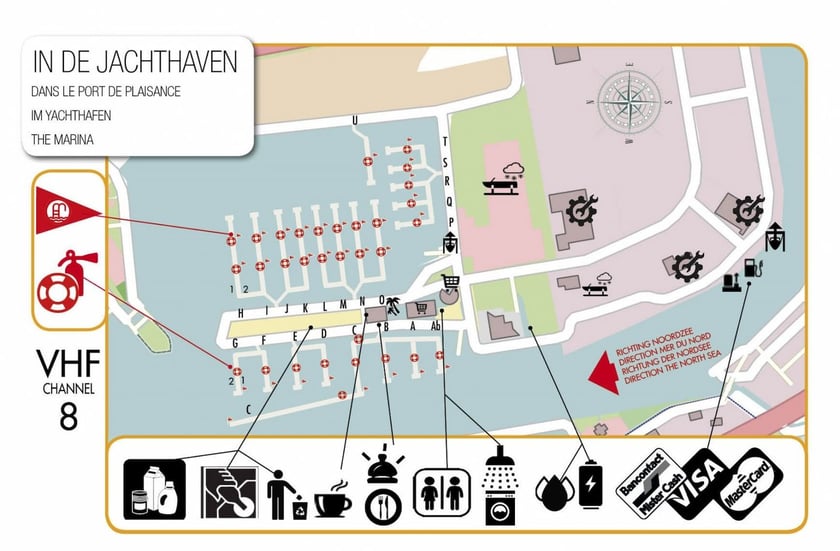
On the coast, common departure points include Nieuwpoort, Ostend, Blankenberge and Zeebrugge. Relevant facilities include the yacht harbors of Nieuwpoort, Ostend Docks, Mercator Marina and the clubs and marinas at Blankenberge and Zeebrugge. Inland trips may begin from Ghent, Namur or Dinant, with Portus Ganda in Ghent and Port de Jambes in Namur among the useful mooring locations. The best base should be chosen according to the intended cruising environment, not simply the nearest airport.
Planning the right charter
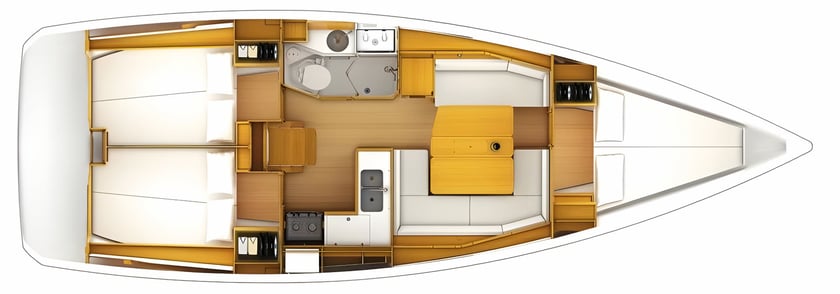
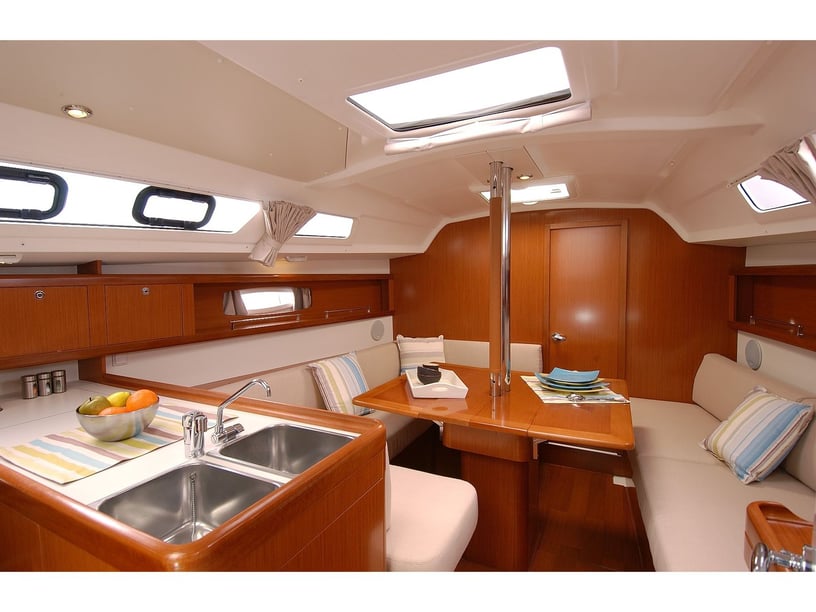
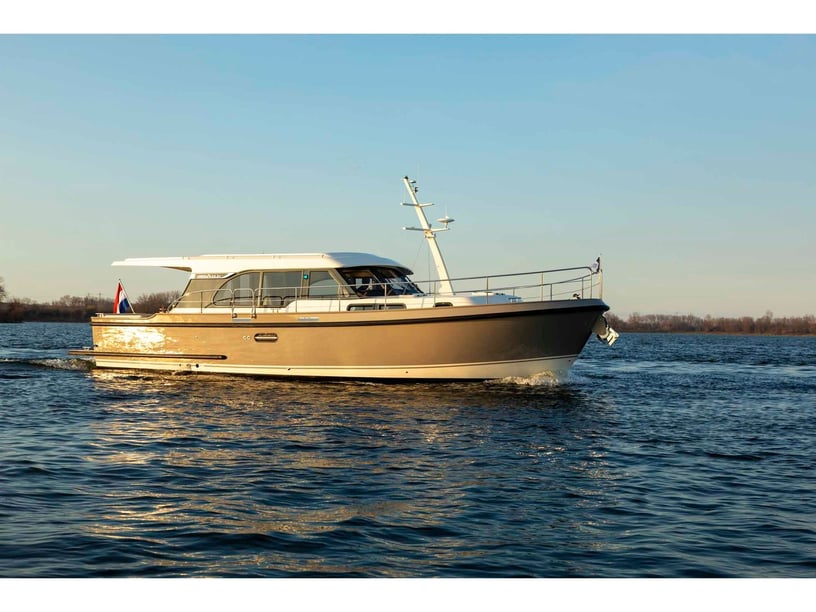
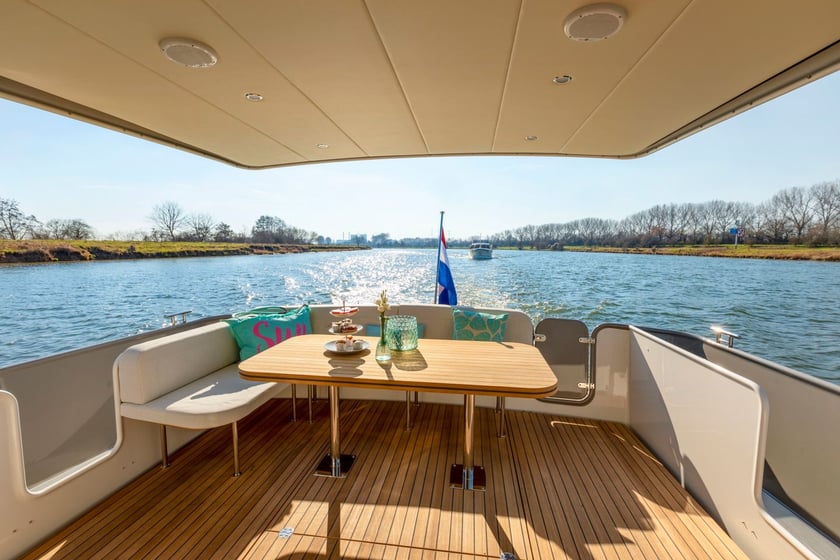
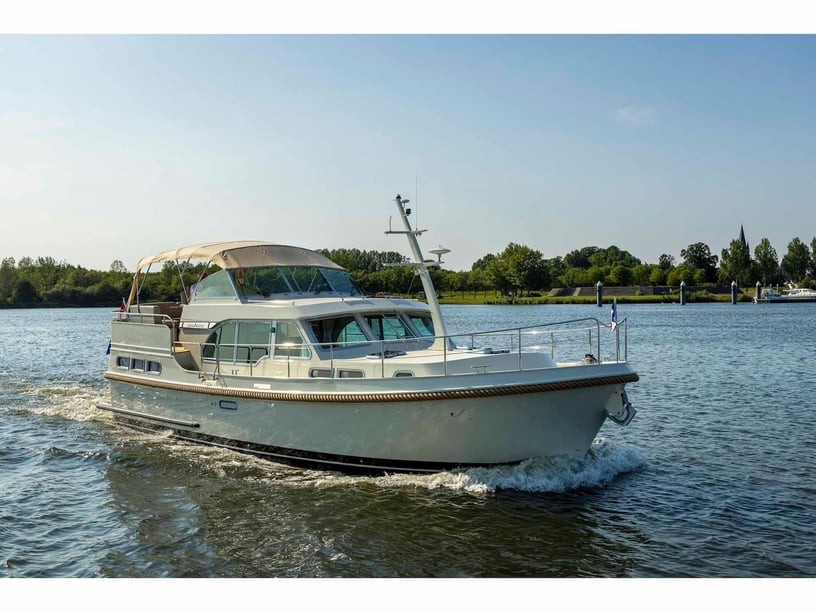
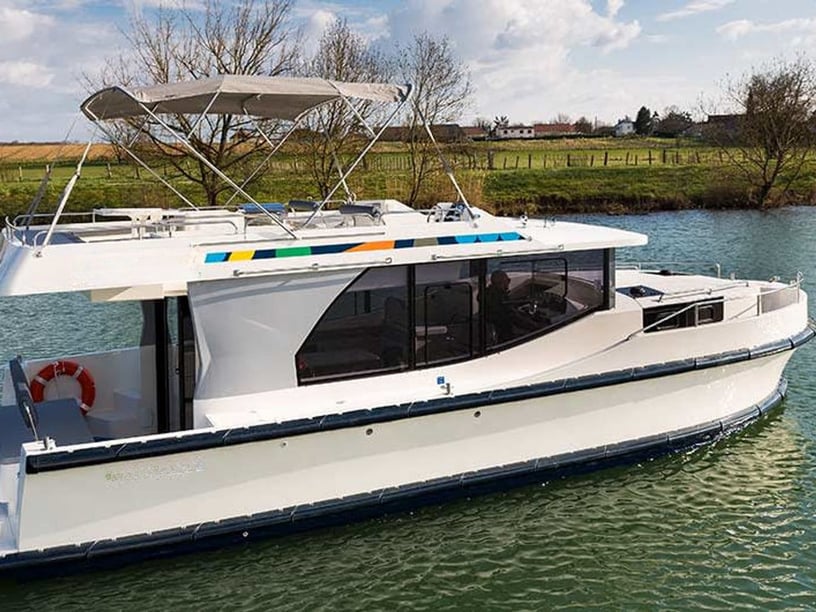
When comparing yacht charter or boat rental in Belgium, define the cruising area before selecting a vessel. A sea-going coastal itinerary requires a boat and crew suited to tidal North Sea conditions, changing weather and harbor-to-harbor passages. An inland trip may be more sheltered, but air draft, beam, length and draft can restrict access through locks, beneath bridges or along particular canals. A vessel suitable for one environment should not automatically be assumed suitable for the other.
For coastal plans, check current Flemish Hydrography charts, tide tables and Notices to Mariners, as depths, buoyage and port infrastructure can change. Confirm berth arrangements because natural anchoring shelter is limited. Cold water and showers remain relevant even in the main season, making appropriate thermal and safety equipment important. Any itinerary involving Zeebrugge, Ostend or the Scheldt approaches should also account for commercial traffic and applicable reporting or VHF procedures.
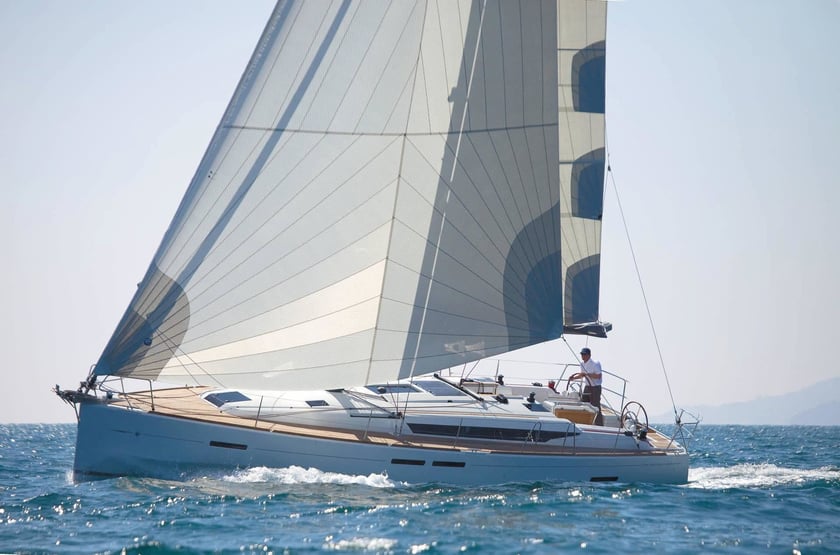
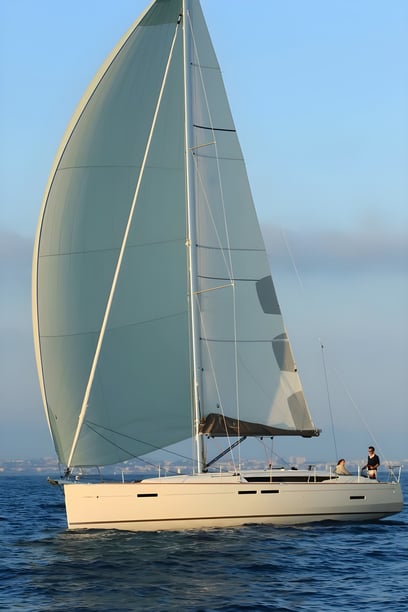
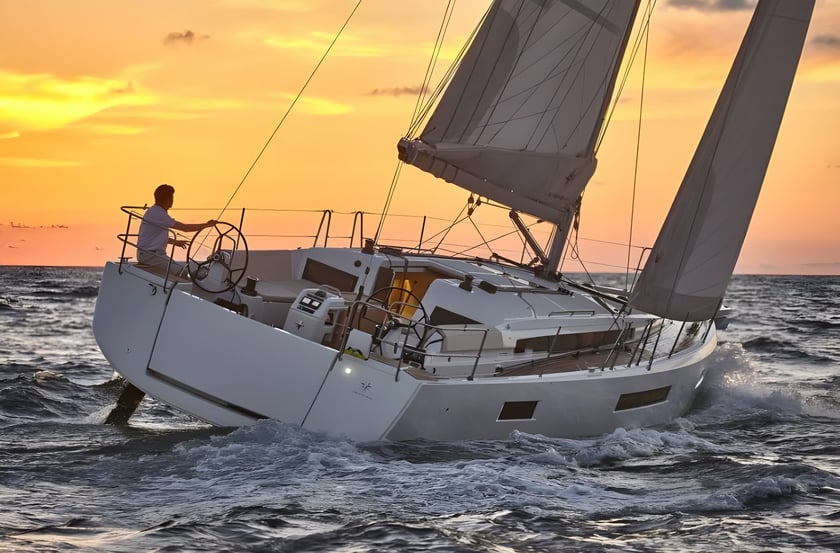
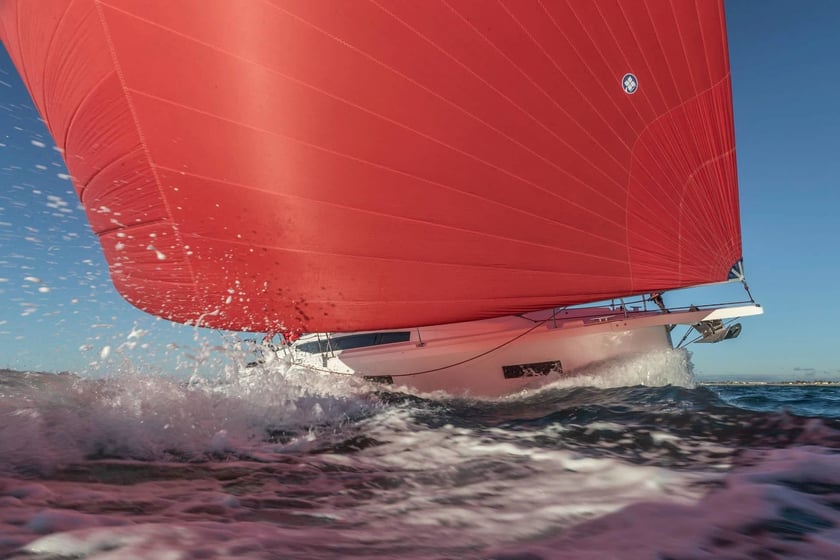
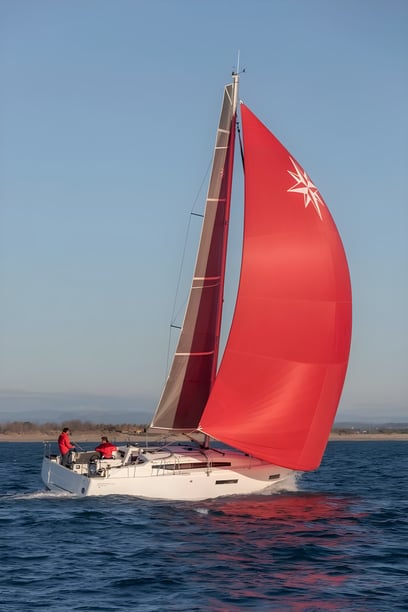
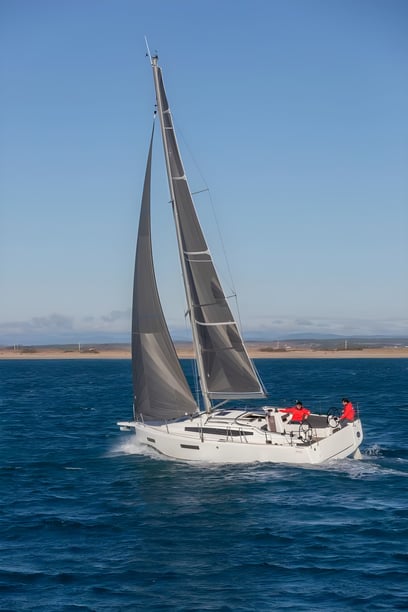
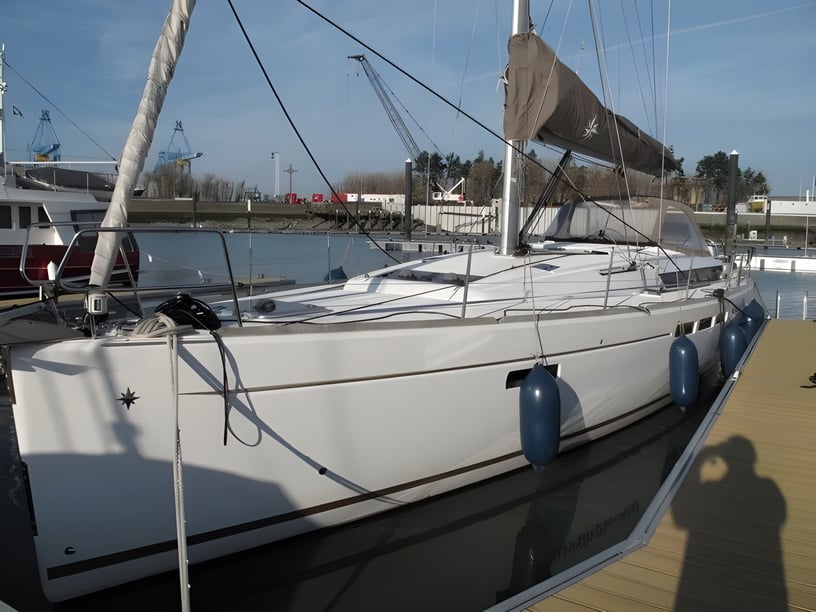
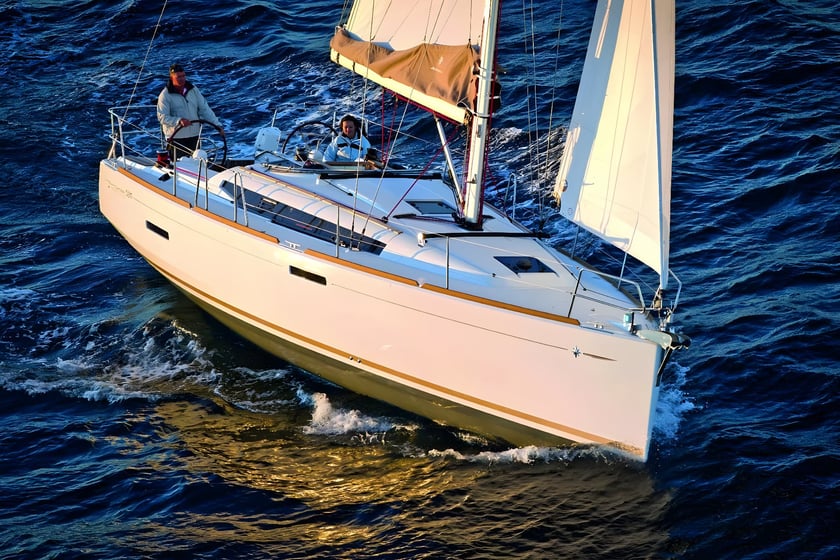
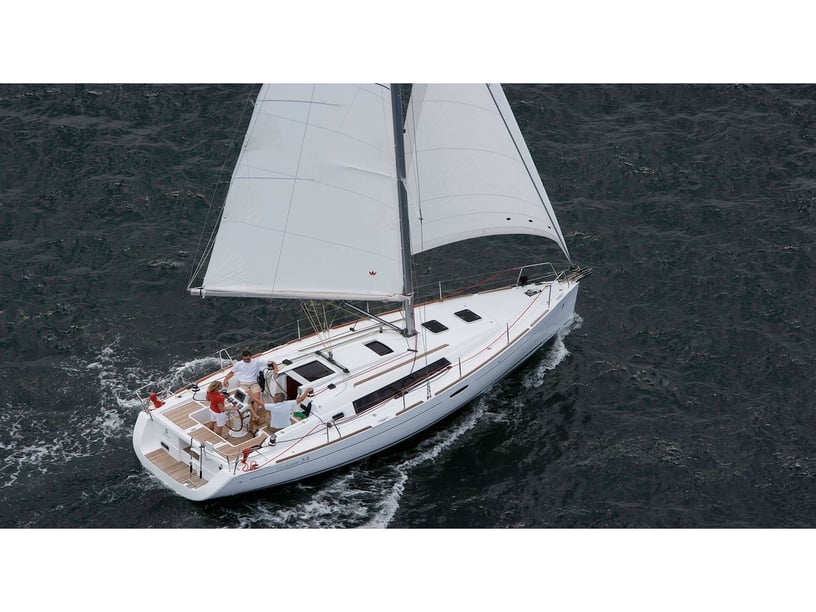
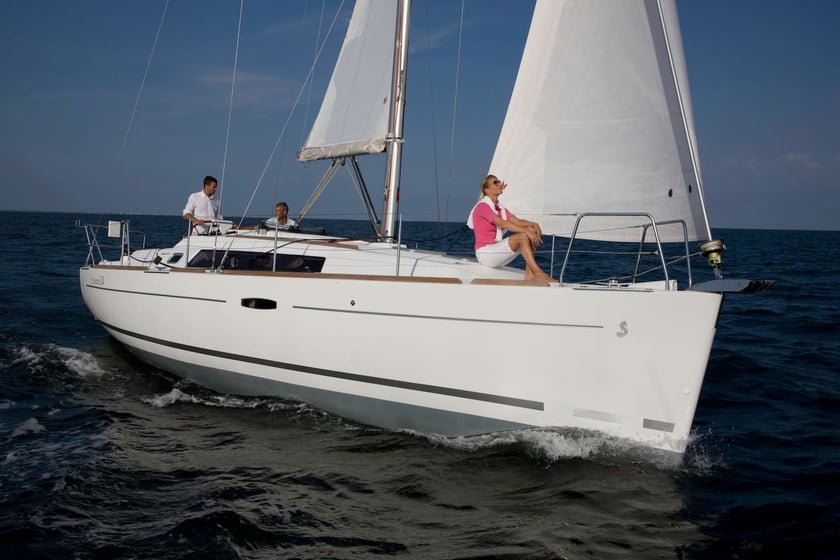
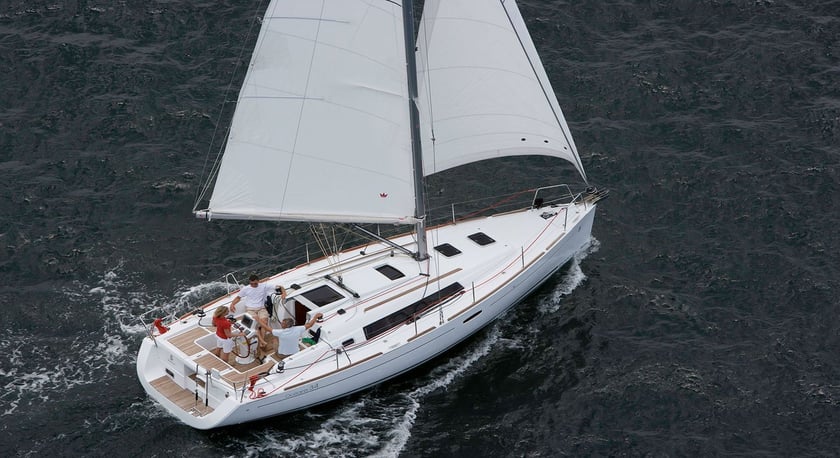
For inland cruising, verify bridge and lock operating times, water levels, vessel limits and required waterway documents before departure. Flemish and Walloon waterways publish separate navigation guidance. If a cross-border passage is planned, confirm that the charter agreement, insurance and permitted cruising area cover the intended route. Travelers specifically considering wind-powered trips can also explore sailboat charter in Belgium, but route conditions and practical restrictions should remain the basis of the choice.