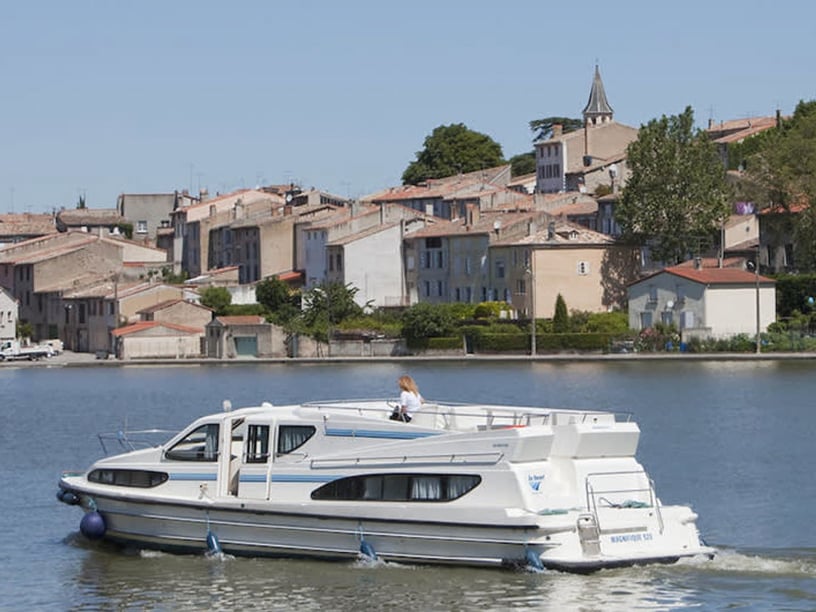
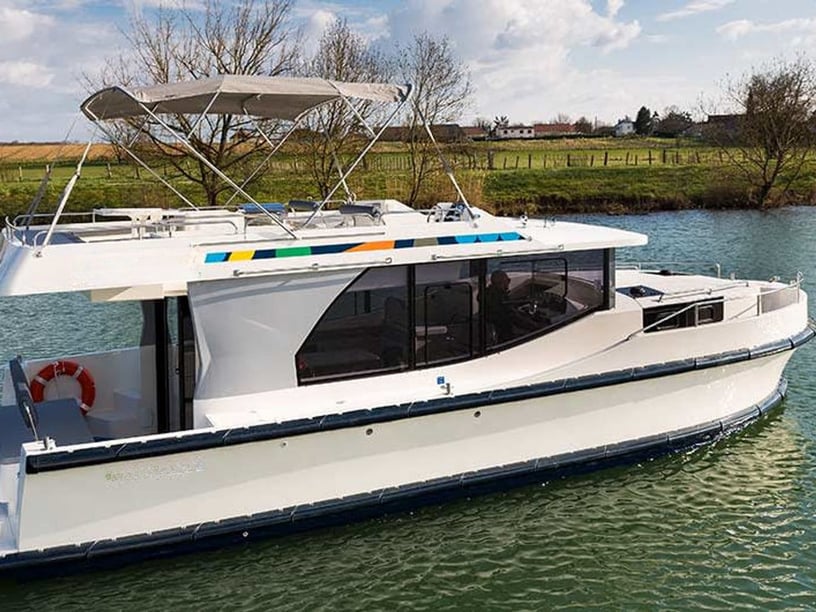
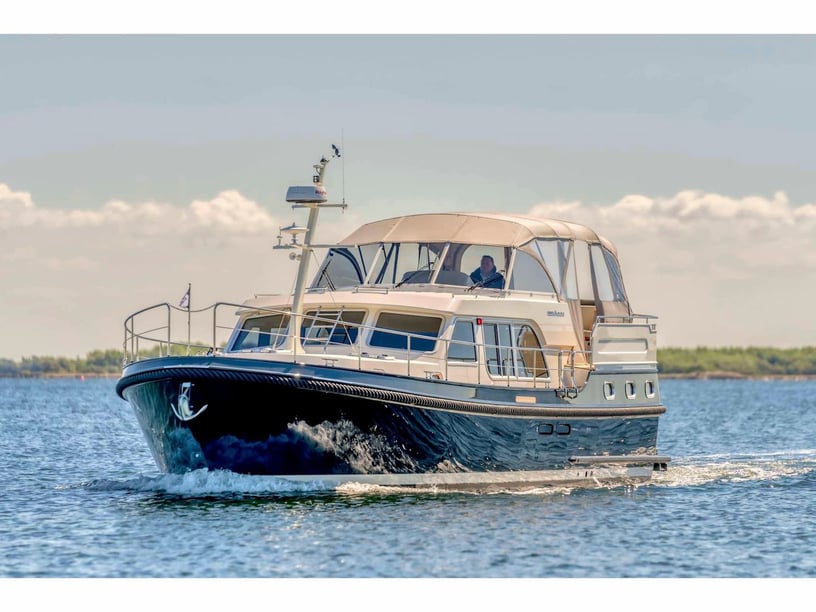
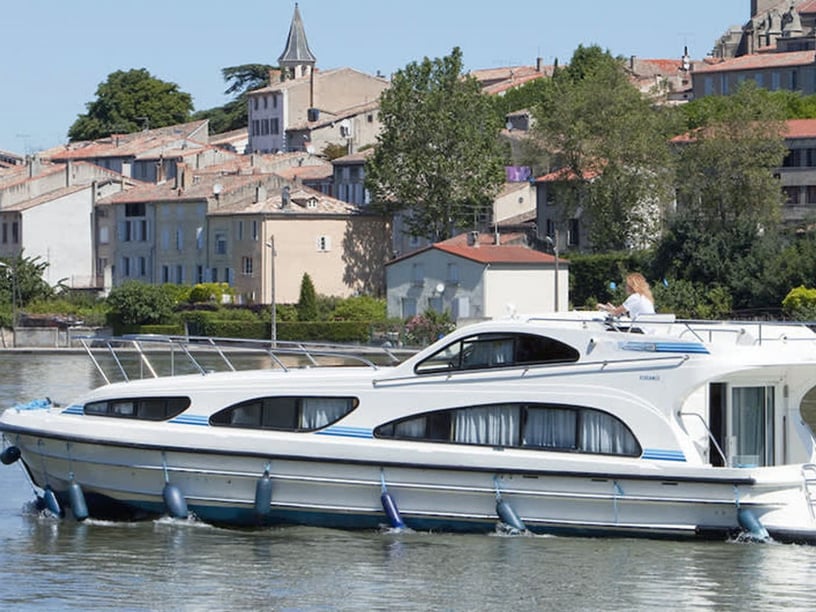
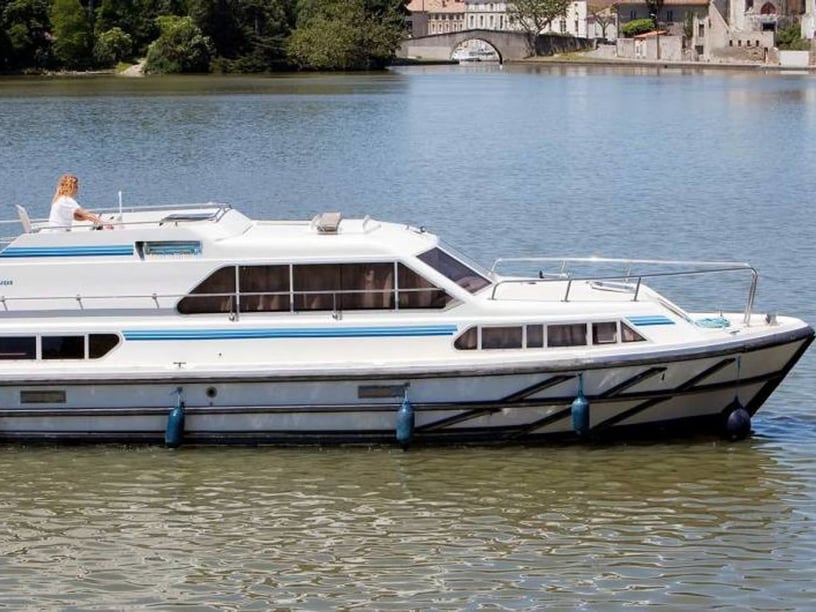
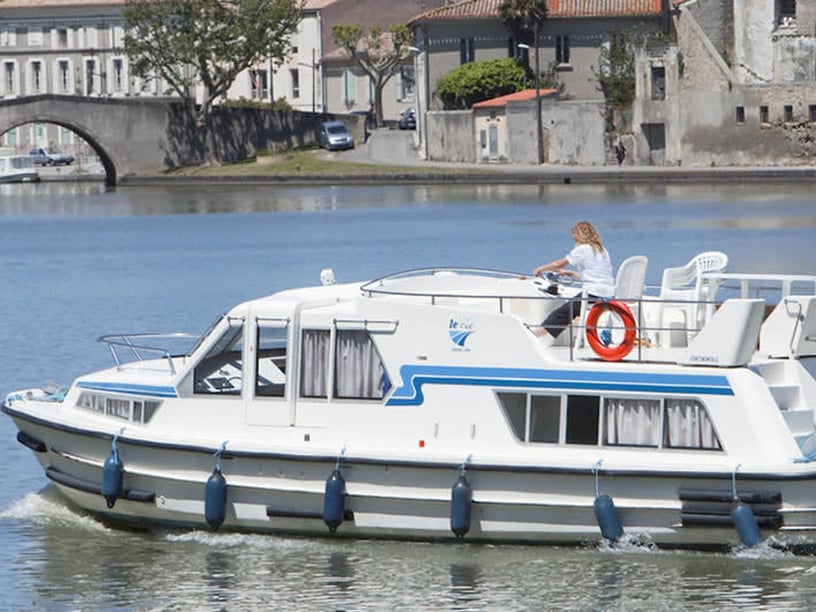
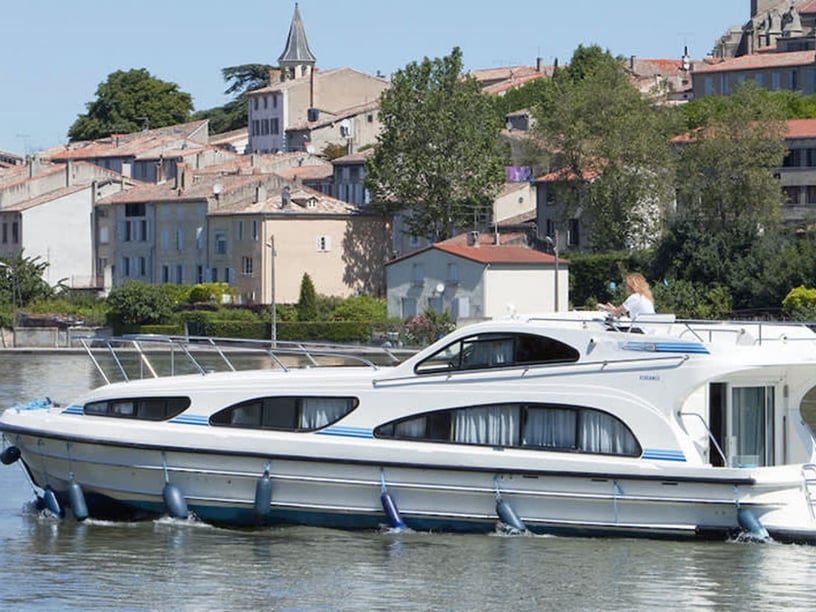
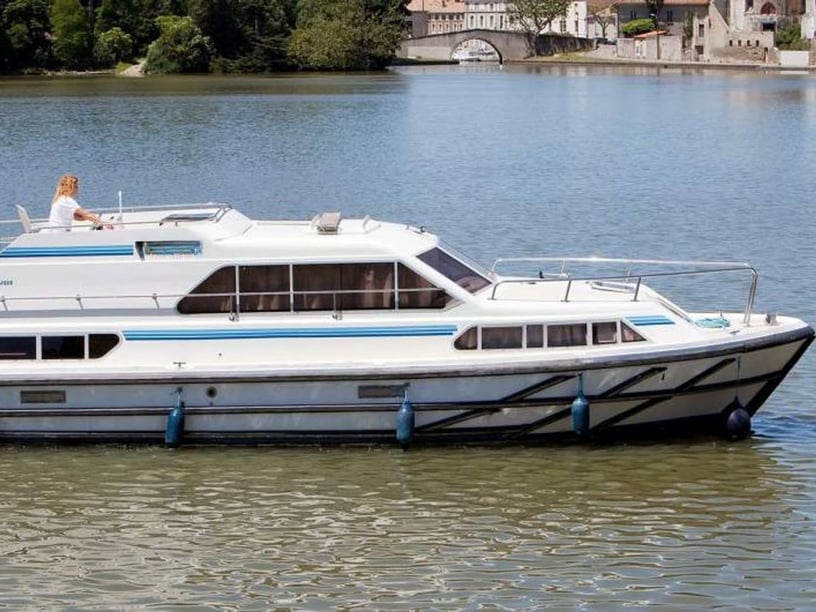
Motorboat rental in Belgium
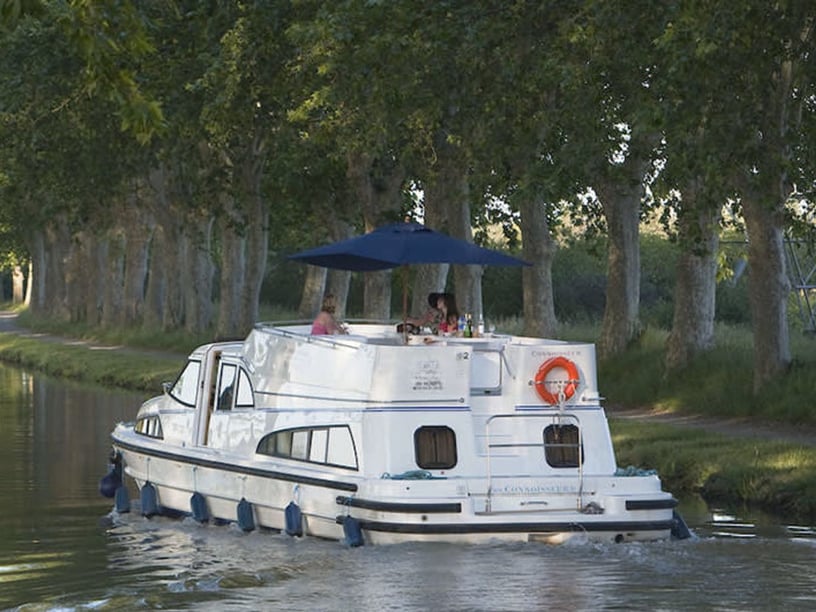
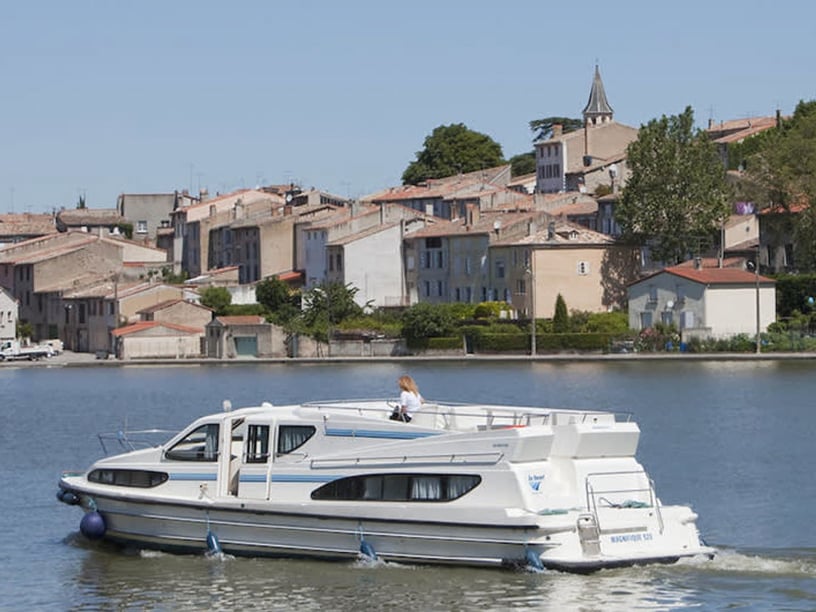
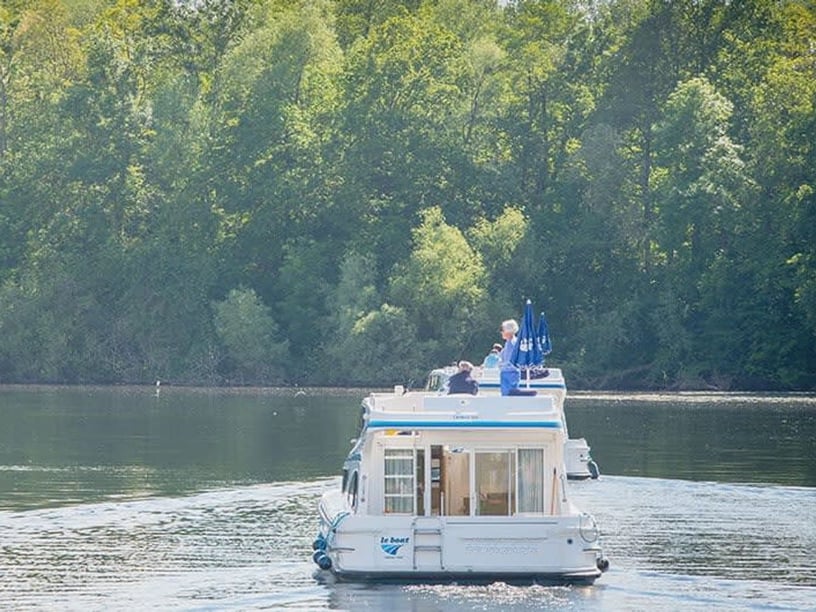
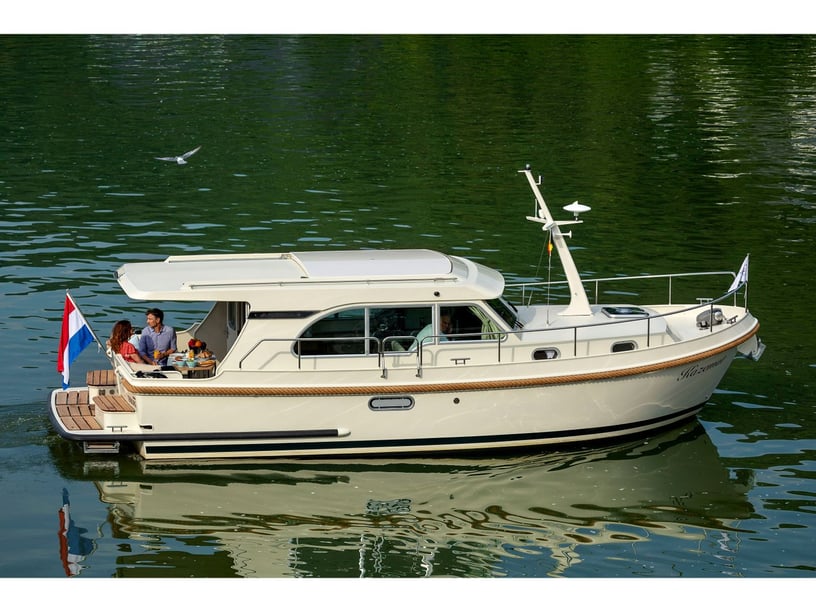
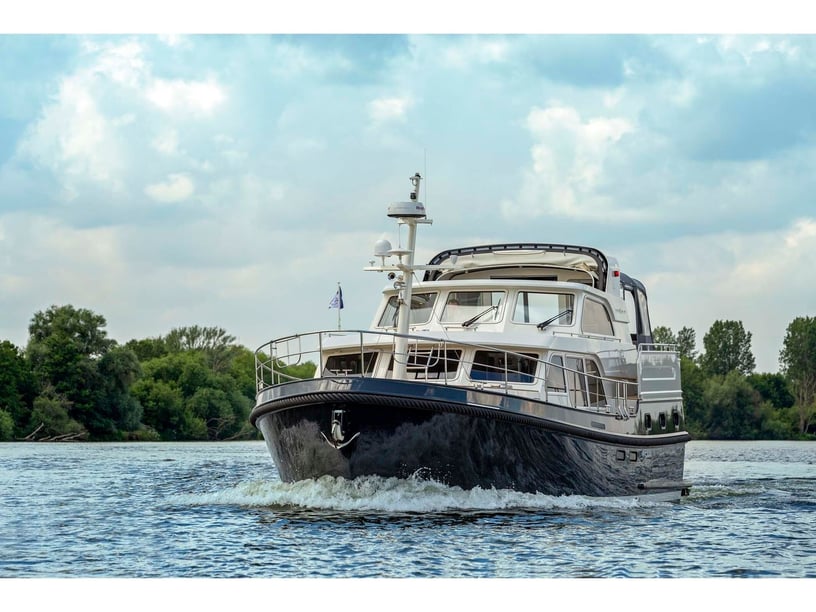
A motorboat rental in Belgium can take two distinct forms: harbor-to-harbor travel along the country’s short North Sea coast or slower cruising on its extensive network of rivers and canals. Coastal outings are shaped by developed ports, sandy shores and tidal waters rather than islands or secluded coves. Inland, the setting changes to historic cities, river valleys and industrial waterway heritage. Motorboats suit travelers who value mobility and flexible stops, particularly for day trips and short outings. They generally emphasize cockpit seating and outdoor space over extensive accommodation. For a wider introduction to boat layouts and rental styles, explore available motorboat charter formats.
Coastal ports and inland waterways
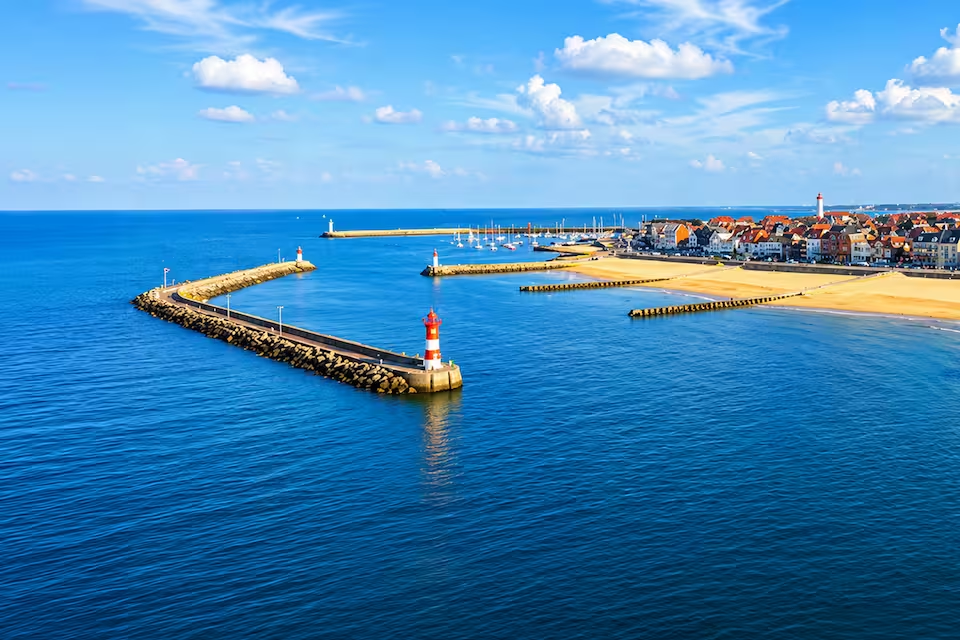
Belgium’s coast supports a compact, linear itinerary between the principal yacht harbors of Nieuwpoort, Ostend, Blankenberge and Zeebrugge. A trip here is typically organized around marina calls and time ashore because the straight, exposed coastline offers little natural anchoring shelter. Stops can combine beaches with maritime sites such as the Mercator museum ship in Ostend or the Nieuwpoort lock complex; brown shrimp and shrimp croquettes also form part of the coast’s culinary identity. Inland alternatives include approaches to Ghent, Meuse cruising around Namur and Dinant, and short trips near the historic hydraulic lifts of the Canal du Centre. Locks, movable bridges, commercial traffic and vessel-dimension limits mean that the suitability of a particular motorboat should be checked against the intended waterway.
When to go and what conditions to expect
The main recreational boating period runs approximately from April through October, with the most favorable overall window from May to September. June, July and August bring the warmest weather and longest daylight, making them the core season for day trips. May and September offer useful shoulder-season alternatives, while April and early October can still work but tend to be cooler and less consistent. Coastal motorboating requires careful attention to tides, currents and changing North Sea weather. Tidal ranges can exceed four metres, and wind opposing the current may create steep, uncomfortable water, particularly for smaller craft. Sandbanks, shallow approaches and commercial traffic around major ports add further planning considerations. Inland waters are more sheltered, but operating schedules for locks and bridges, water levels and local traffic remain important. From November to March, stronger winds, short days and cold water substantially limit recreational coastal use.
Choosing the right motorboat and charter format
Motorboats are best suited to couples, families and small private groups planning a half-day or full-day outing, a short coastal passage or a flexible trip with several stops. Self-operated rental provides greater independence but may require an appropriate license, qualifications and local experience. A skippered charter reduces operational responsibility and is the more practical choice for travelers unfamiliar with tidal coastal waters, locks or commercial traffic. Compare seating capacity, weather cover, swimming access and storage as well as the presence of a toilet, cabin or basic galley. These features vary considerably between boats. Fuel arrangements and expected cruising distance also matter because consumption can form a significant part of operating costs. Smaller models may feel more exposed when conditions deteriorate, while larger boats can offer additional protection and comfort. Travelers prioritizing overnight living space rather than day-use mobility may also wish to compare yacht charters in Belgium.
Motorboat options available through viravira.co
There are 27 available in this Belgium marketplace context, with listed capacities ranging from 4 to 12. Cabin configurations extend from 1 to 5, allowing travelers to distinguish compact day-oriented boats from models with more enclosed space. Eligible listings start from €93. When comparing options, look beyond capacity alone: confirm the charter duration, skipper arrangement, fuel terms, weather protection and whether the boat’s dimensions and equipment suit the intended coastal or inland route.