Yacht charter in the Gulf of Hisaronu
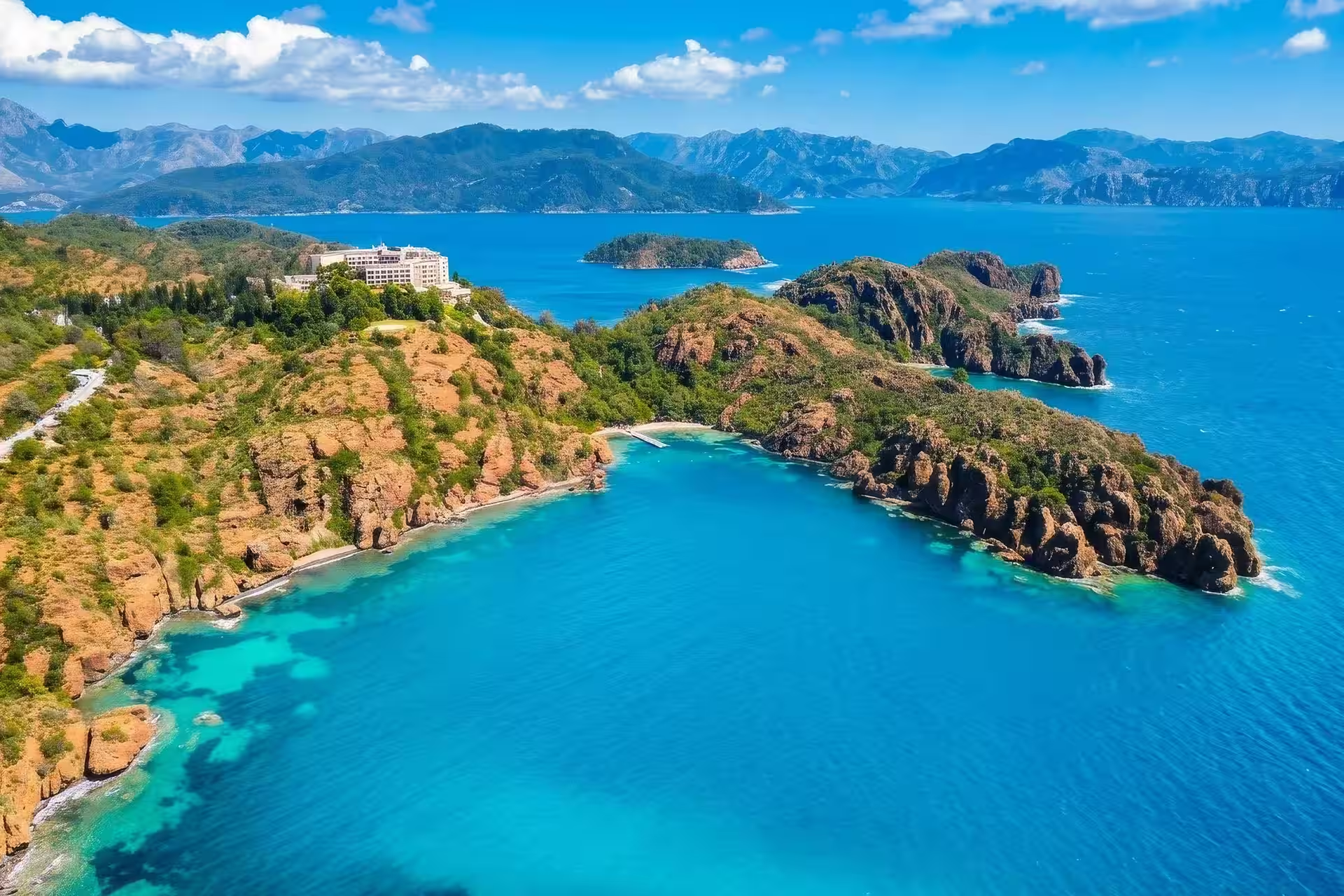
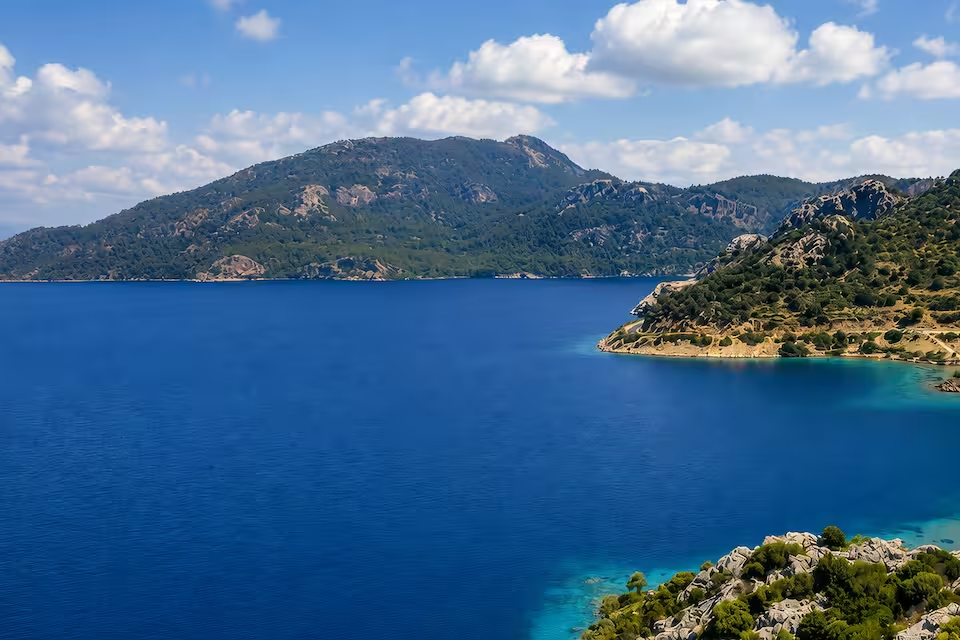
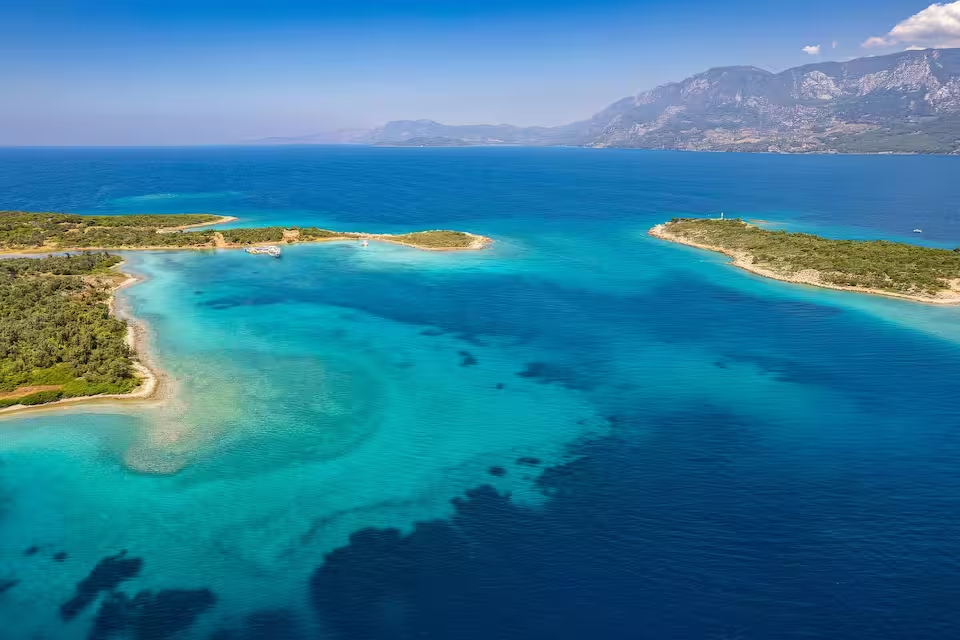
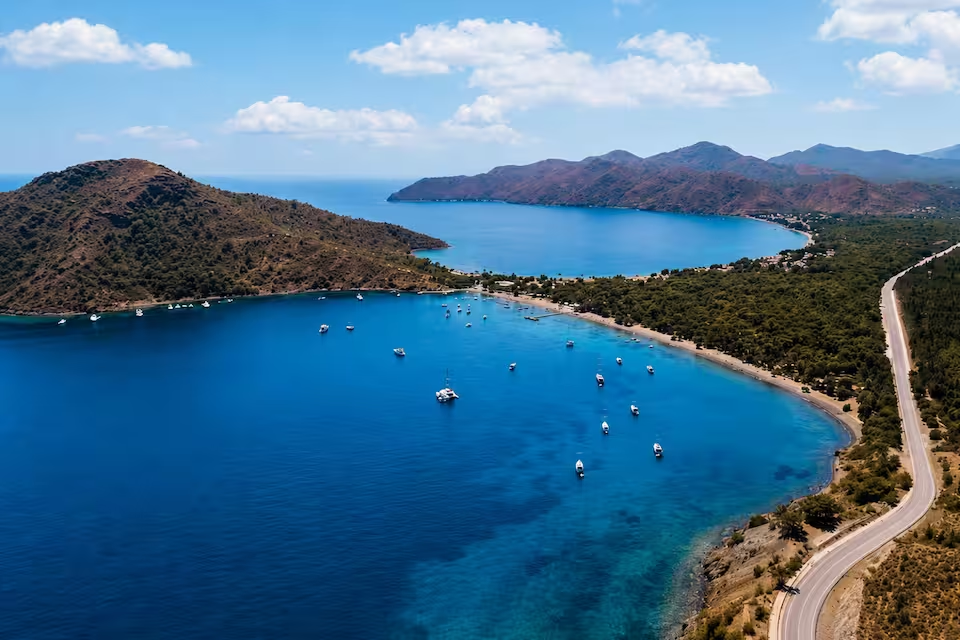
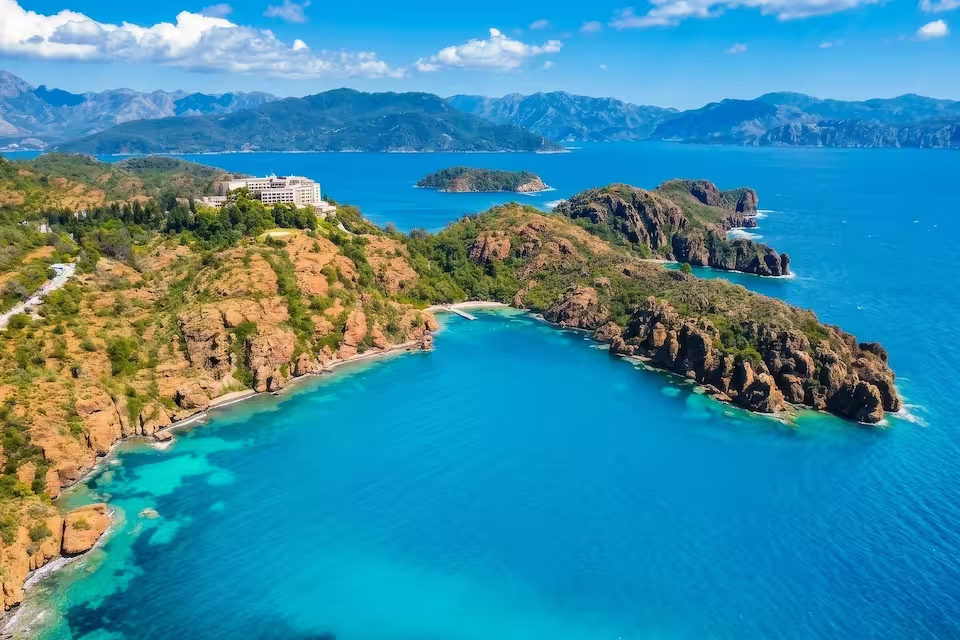
The Gulf of Hisaronu lies between the Datça and Bozburun peninsulas on Turkey’s southeastern Aegean coast. Its deeply indented shoreline creates a succession of long inlets, sheltered natural harbors and smaller coves, making it particularly well suited to a yacht charter built around short passages and frequent stops.
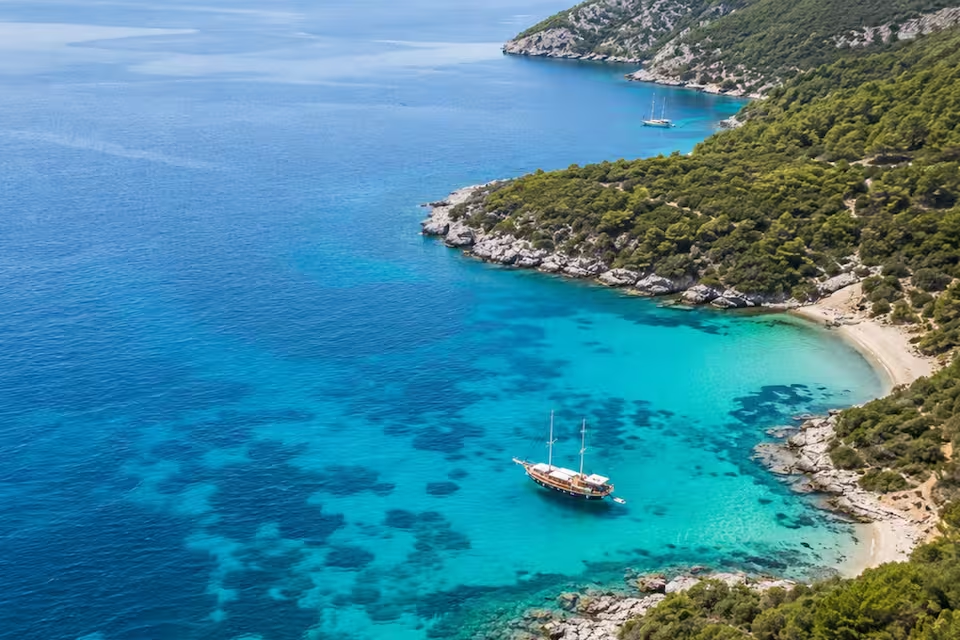
Rather than linking large resorts, cruising here connects waterfront villages, restaurant jetties and quiet anchorages. A typical day can combine a morning passage, swimming in a protected bay and an evening ashore in a settlement such as Selimiye or Bozburun. Pine-covered slopes characterize much of the inner and northern shoreline, while the Bozburun side becomes drier and rockier.
The gulf also offers different scales of trip. Travelers can remain within its sheltered waters, follow a broader circuit from Marmaris or extend west toward Datça, Knidos and Bodrum. This flexibility makes a yacht charter in the Gulf of Hisaronu suitable for both relaxed multi-stop cruising and itineraries that include more exposed coastal passages.
Principal cruising areas and coastal stops
The inner gulf around Orhaniye is one of the most protected parts of the region. Orhaniye Bay, also known as Keçibükü, contains Martı Marina and the Kızkumu sandbar. Its shelter and road access make it a practical place to begin a charter or pause between nearby coves.
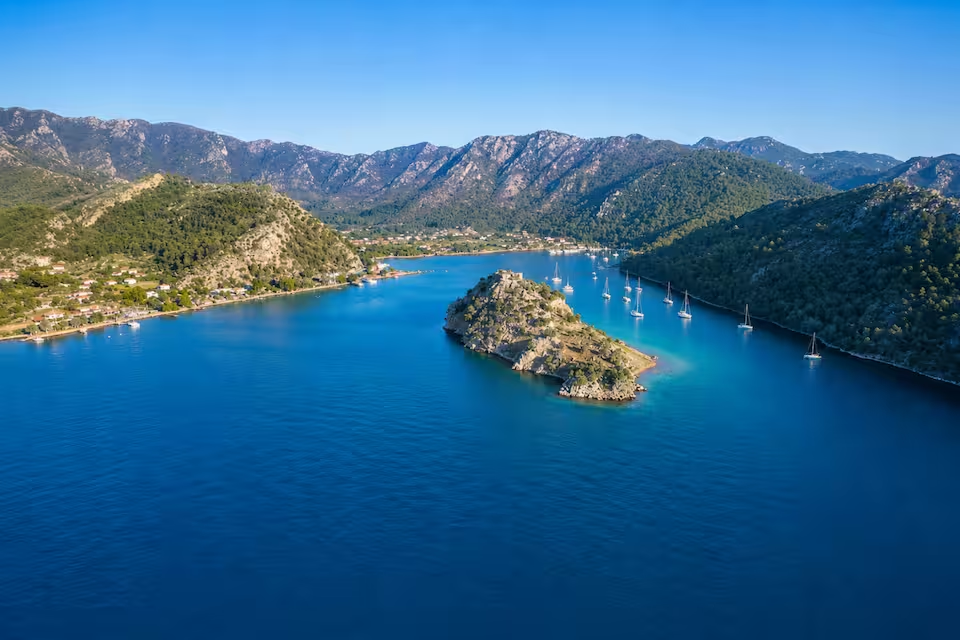
Bencik Bay cuts deeply into the narrow isthmus separating the Gulf of Hisaronu from the Gulf of Gökova. Its wooded surroundings and protected water suit an anchorage-focused itinerary, although some coves are deep or have limited room for swinging at anchor. Farther south, Selimiye combines a sheltered bay with yacht jetties and waterfront restaurants. It is a natural choice for travelers who want quiet cruising without giving up evenings ashore.
Bozburun has a more distinctly maritime character. The town is known for constructing traditional wooden gulets, while the surrounding peninsula has a drier, rockier landscape than the inner gulf. Nearby anchorages such as Dirsekbükü and Sığ Liman can be incorporated into routes along this side of the gulf.
To the west, the Datça coast opens the trip toward Palamutbükü, Knidos and the peninsula’s outer waters. These areas suit longer itineraries, but passages around exposed headlands require more attention to wind and sea conditions than cruising inside the gulf.
What sailing in the gulf is like
Inside the Gulf of Hisaronu, the peninsulas and deep inlets restrict much of the open-sea swell. Many passages are short and largely within sight of land, allowing a charter to move between swimming coves, village harbors and overnight anchorages without spending every day on a long crossing. Berthing may involve anchoring with stern lines taken ashore or using village and restaurant jetties.
Summer mornings are often relatively calm. Northerly or northwesterly winds generally build from late morning into the afternoon, becoming more persistent in July and August. The western entrance, exposed headlands and routes toward Datça, Knidos or Bodrum can experience choppier water. Local terrain may also funnel stronger gusts through valleys or around headlands even while a nearby inlet remains calm.
These contrasts give the region a moderate sailing profile: the inner gulf offers substantial shelter, but crews should not assume identical conditions throughout the route. Longer or more exposed summer passages are often better approached earlier in the day, before the afternoon wind strengthens.
When to charter
The main recreational boating season runs from May through October. June and September are particularly suitable months, typically combining warm conditions with less extreme heat than midsummer. They are strong choices for travelers who want to spend substantial time swimming, anchoring and exploring ashore.
July and August are the hottest and busiest months. They also bring the most persistent afternoon winds, so an itinerary may benefit from morning passages followed by afternoons in sheltered coves. May is generally quieter, although the water is cooler, while October can offer a calmer atmosphere but less consistent weather. Conditions become wetter and less settled in autumn and winter, and ordinary leisure cruising is substantially reduced from November through March.
The difference between the sheltered inner bays and western approaches remains important in every season. A forecast that permits comfortable movement around Orhaniye or Bencik may still require greater care for an exposed passage toward Datça or Knidos.
Route ideas for a Gulf of Hisaronu charter
A week-long circuit from Marmaris can enter the gulf through the Bozburun side, continue through Selimiye and Bencik Bay, then include bays along the Datça Peninsula before returning. This balances village stops with quieter anchorages and avoids making every day a lengthy passage.
A charter beginning at Martı Marina can concentrate more closely on Orhaniye, Bencik, Selimiye and the southern coves. This format favors short distances, swimming stops and flexible overnight choices within the sheltered gulf.
For a broader voyage, the established Bodrum–Hisaronu circuit links Palamutbükü, Datça, Knidos, Selimiye and Bozburun. It introduces more exposed western passages and therefore requires more allowance for weather than an inner-gulf itinerary. Route planning should preserve flexibility rather than treating every stop as fixed.
Experiences on and around the water
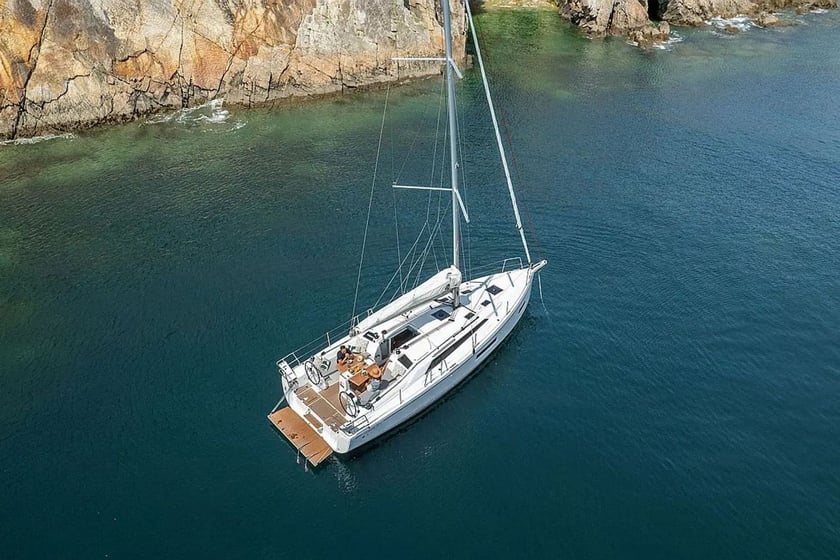
The defining experience is the ability to alternate easily between secluded anchorages and small coastal settlements. Swimming can be built into the day rather than treated as a separate excursion, with protected coves providing frequent stopping points. Dişlice Island and the inlets around Bencik, İnbükü and Dirsekbükü add variety to an anchorage-led route.
In Orhaniye Bay, Kızkumu is a natural shallow ridge extending roughly 600 meters from shore, allowing visitors to wade far out into the bay. Selimiye offers a different kind of stop: restaurants around its yacht pier are associated with locally caught fish, seafood and regional dishes, making dinner ashore a natural part of the cruising rhythm.
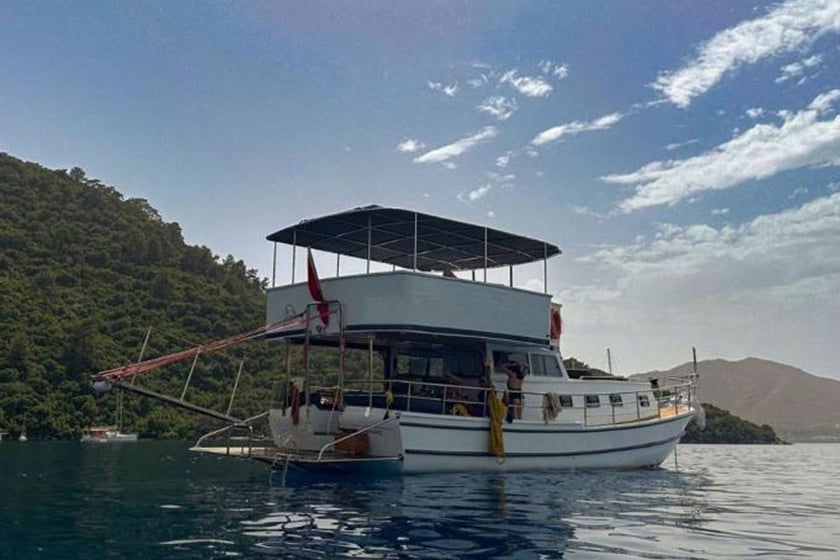
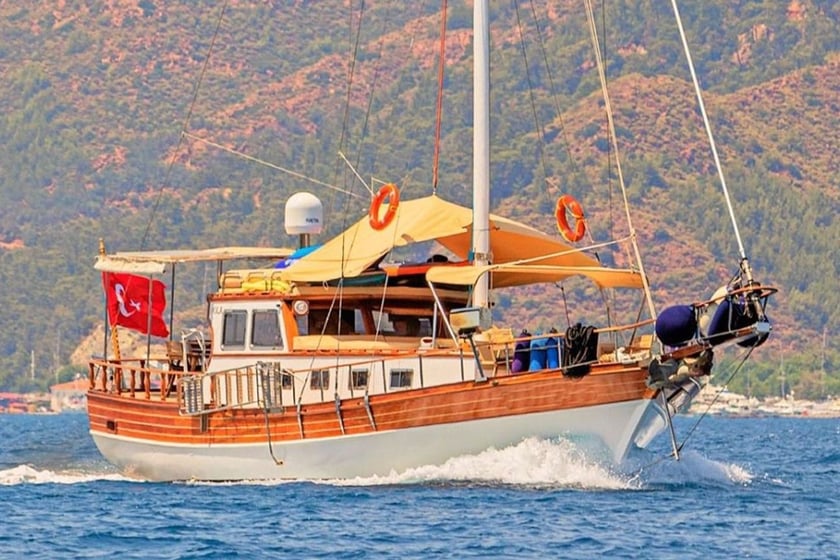
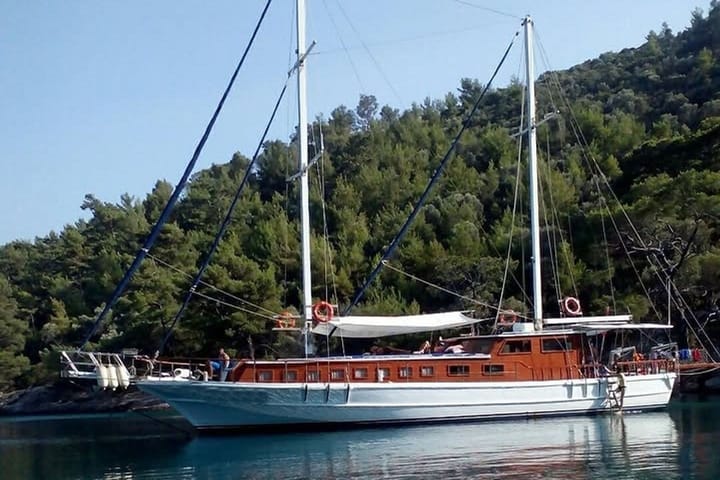
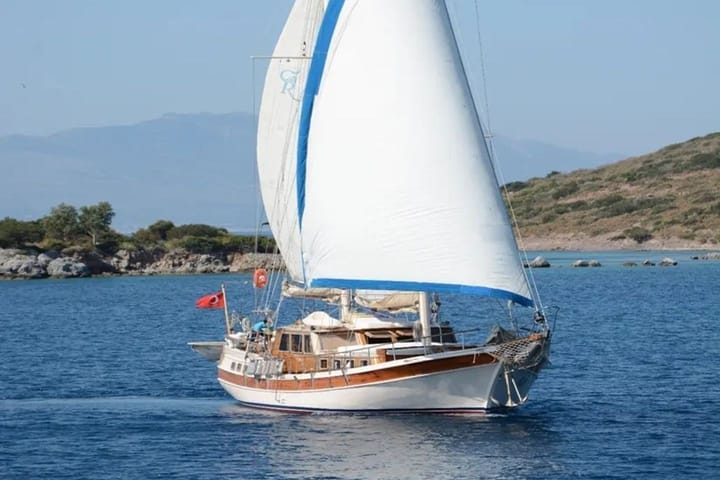
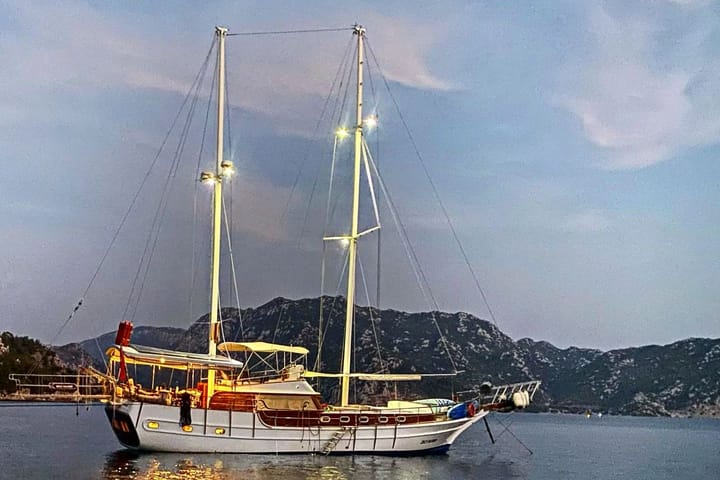
The coast also belongs to the ancient Carian landscape. Remains connected with Bybassos, Kastabos and Hydas are distributed around the gulf’s shores and hills. Near Selimiye, surviving traces of Hydas include fortifications and tombs. In Bozburun, maritime heritage remains active rather than archaeological: local boatyards continue the construction of traditional wooden gulets. Travelers drawn to this style of cruising can explore gulet charters in the Gulf of Hisaronu and the region’s connection with Turkey’s Blue Voyage culture.
Airports, marinas and departure points
Dalaman Airport is the principal air gateway for Marmaris and Orhaniye. Road and public-transport connections lead to Marmaris, with roads continuing through Hisarönü toward Orhaniye, Selimiye and Bozburun. Yacht trips commonly begin at Netsel Marmaris Marina or Martı Marina in Orhaniye.
Marmaris is useful for travelers combining the gulf with a wider coastal circuit and has a greater concentration of provisioning and technical services. Starting from Orhaniye places the yacht directly within the more sheltered inner gulf and reduces the initial distance to Bencik and Selimiye.
Milas–Bodrum Airport is an alternative for charters beginning around Bodrum or approaching through the western Datça Peninsula. This gateway is more relevant to longer circuits than to a trip focused only on the inner gulf.
Planning the right charter
When comparing boat rental in the Gulf of Hisaronu, begin with the intended route rather than the number of stops. An inner-gulf itinerary emphasizes short passages and sheltered anchorages; a circuit involving Datça, Knidos or Bodrum adds distance and greater exposure. The expected afternoon wind, the crew’s sailing experience and the time available should all influence that choice.
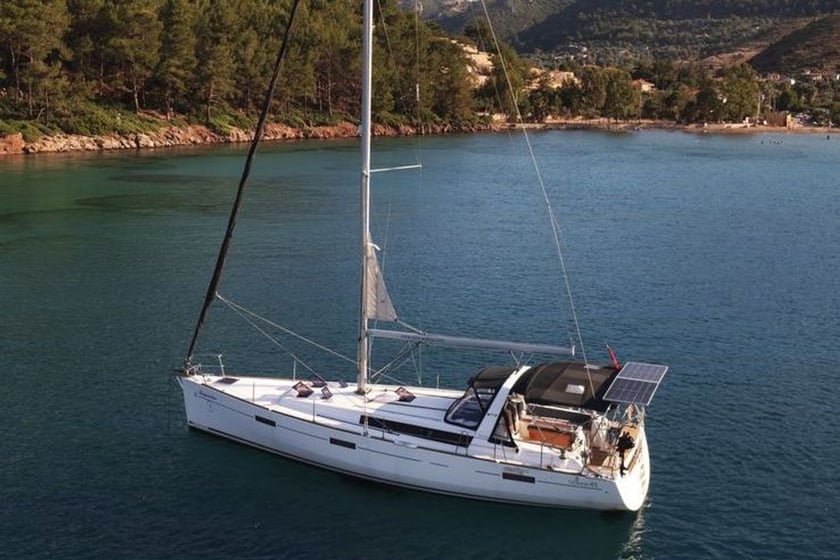
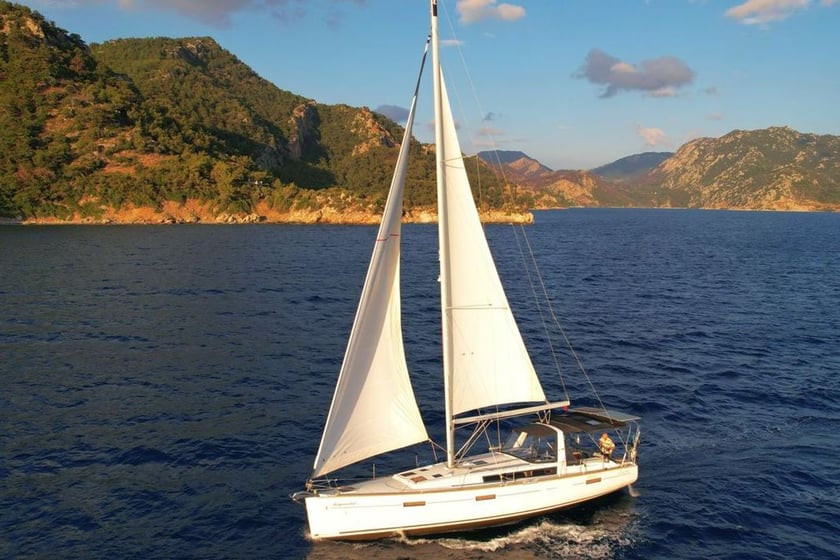
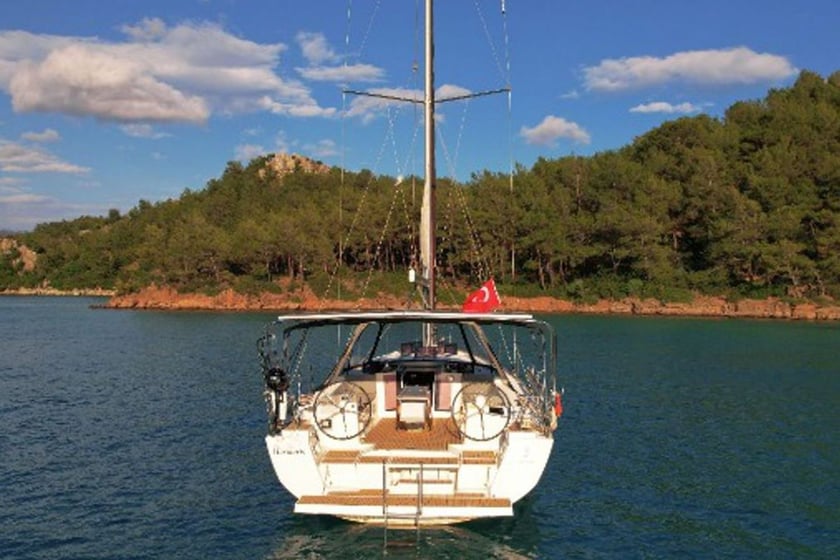
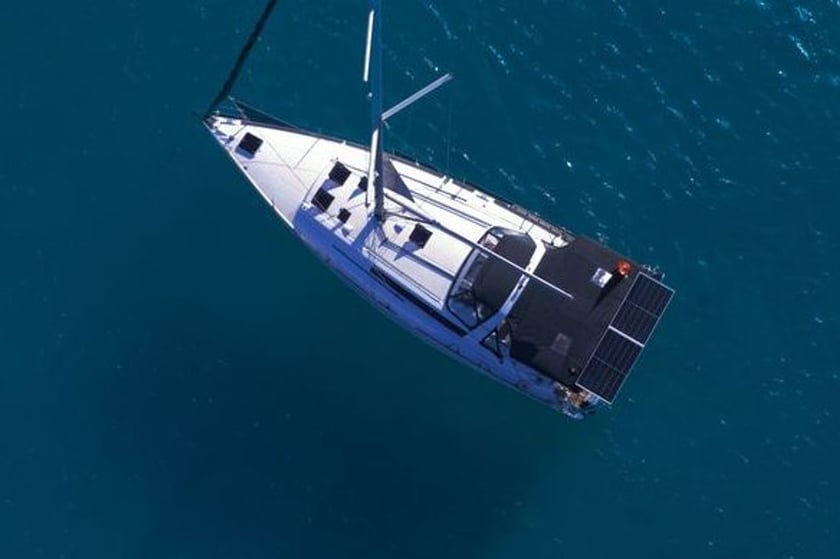
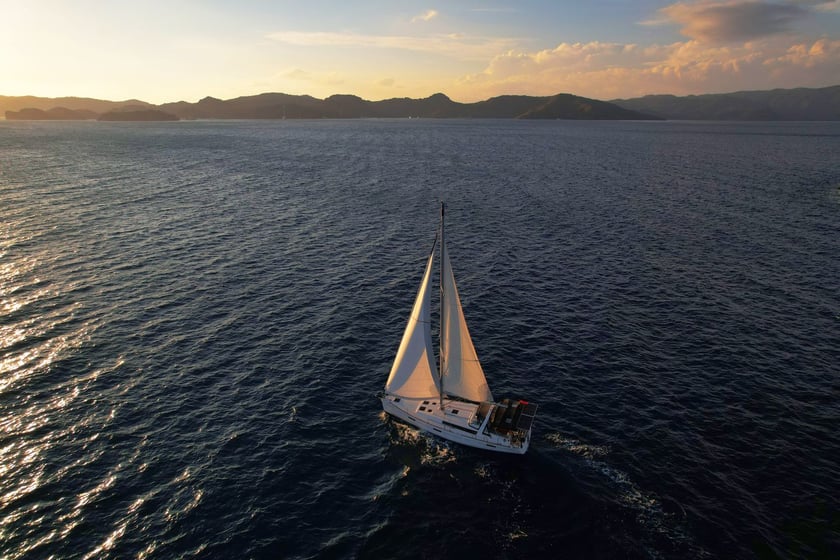
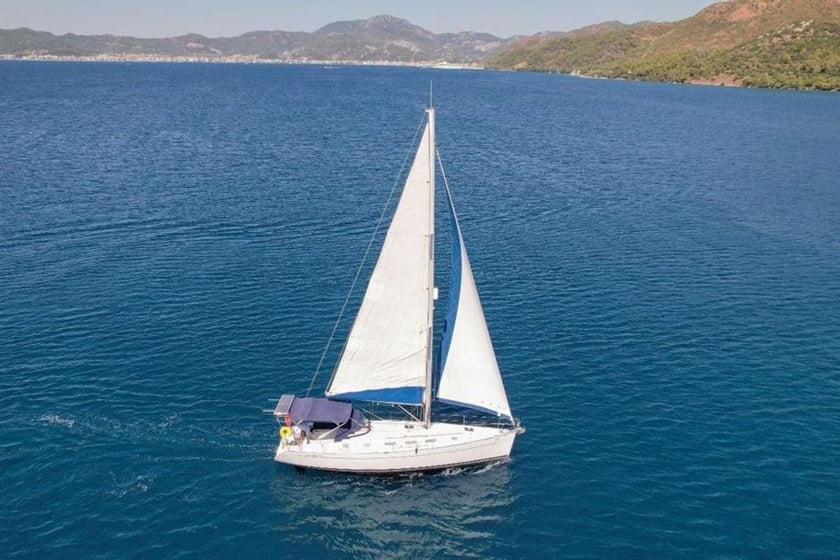
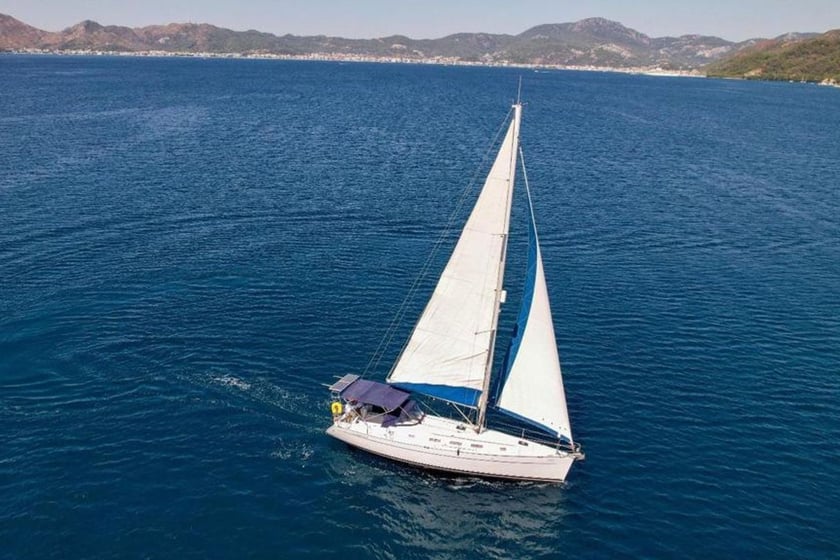
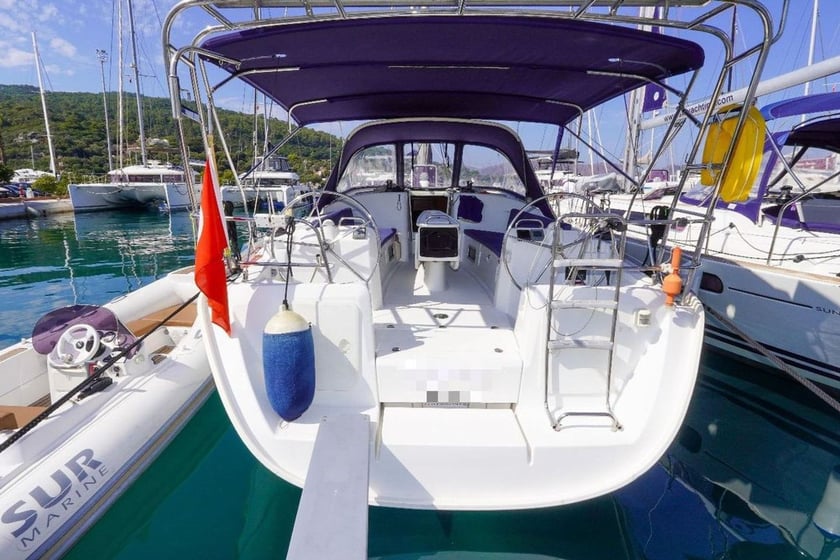
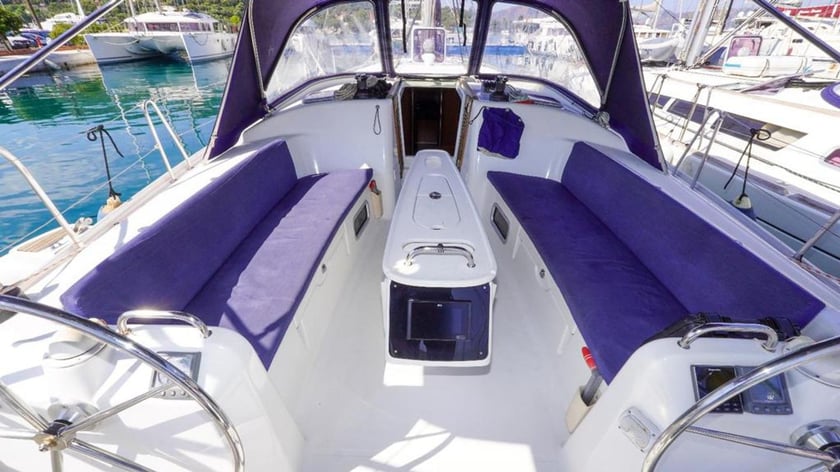
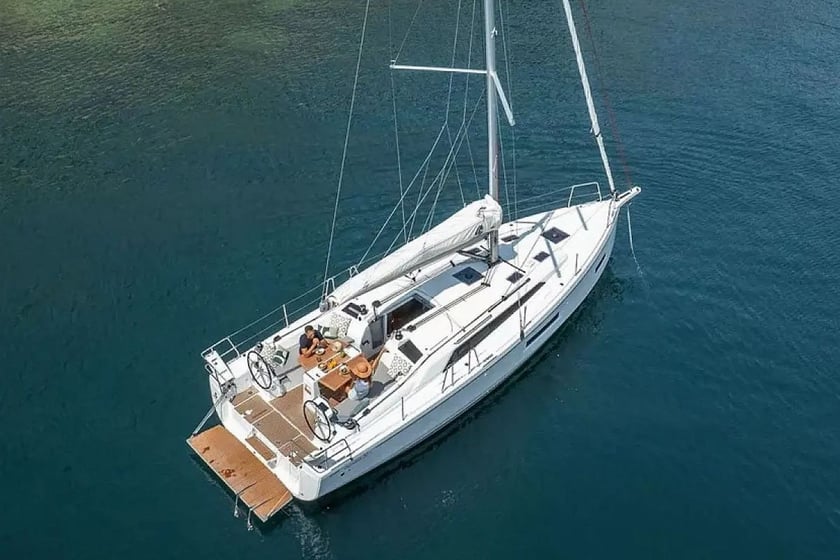
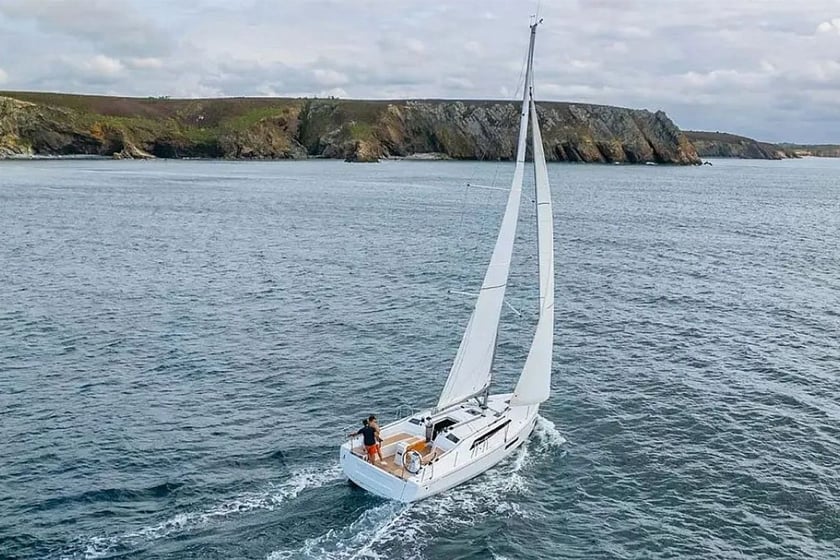
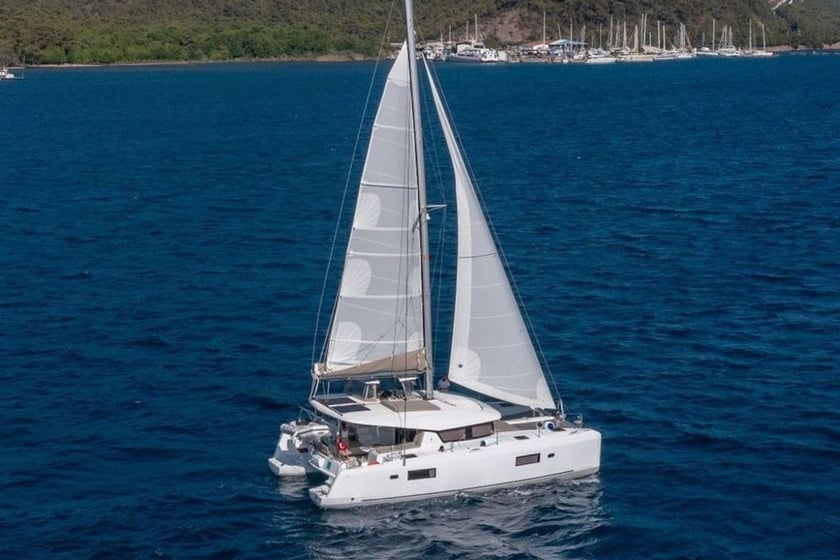
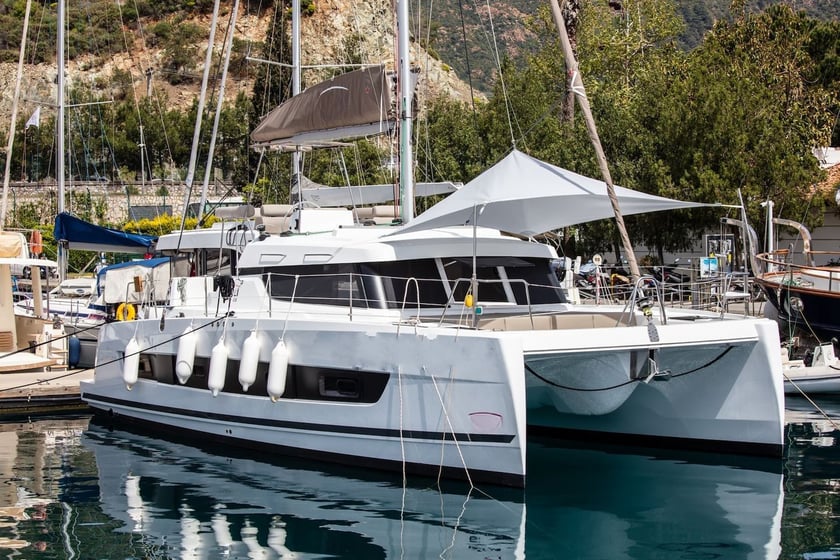
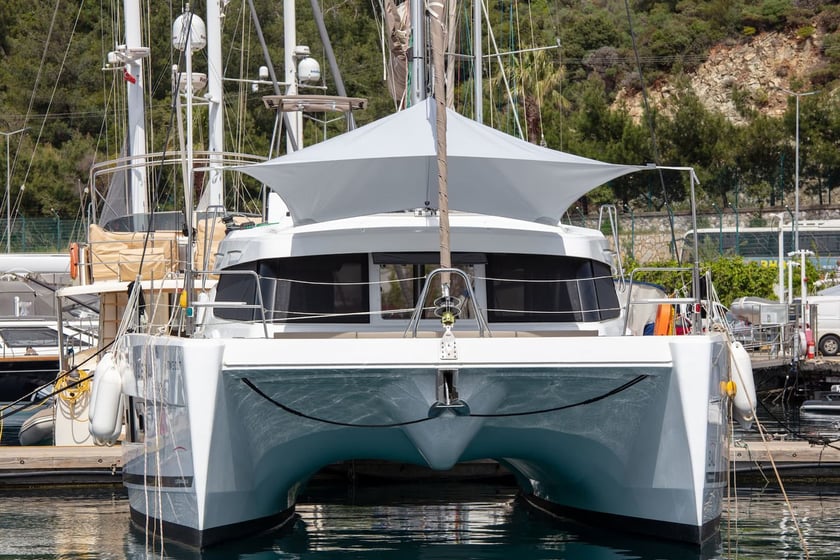
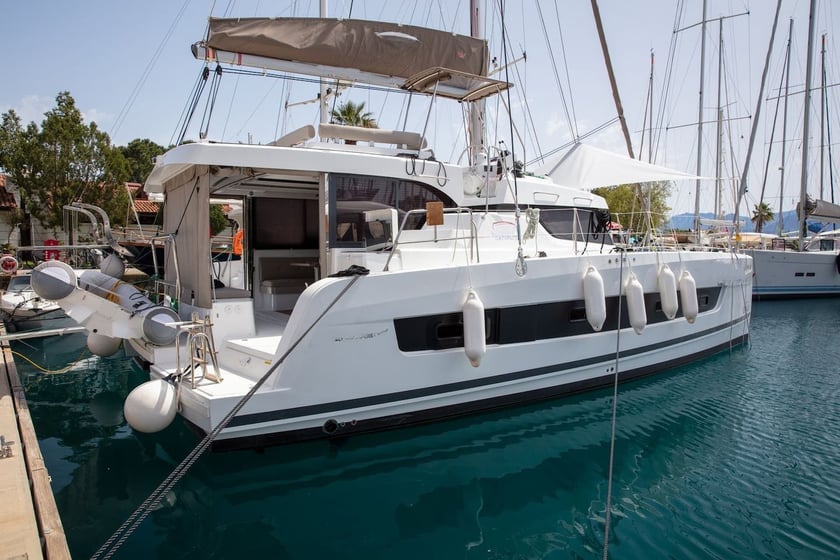
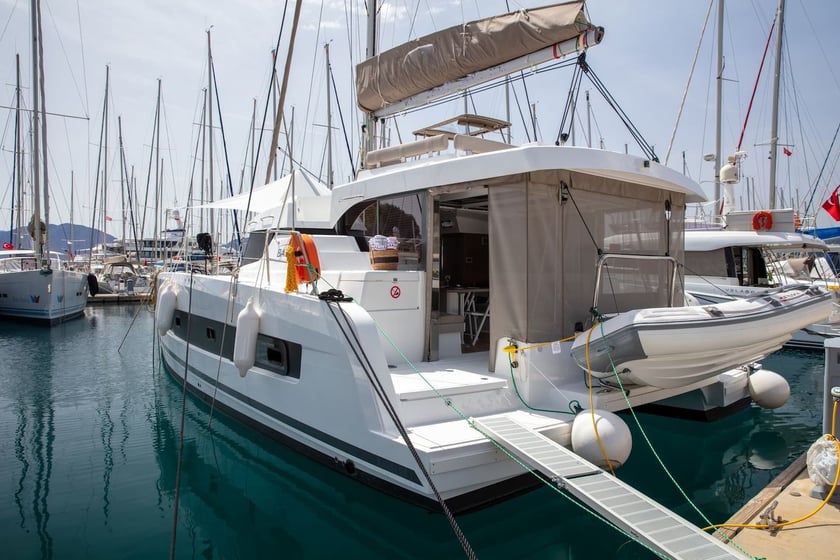
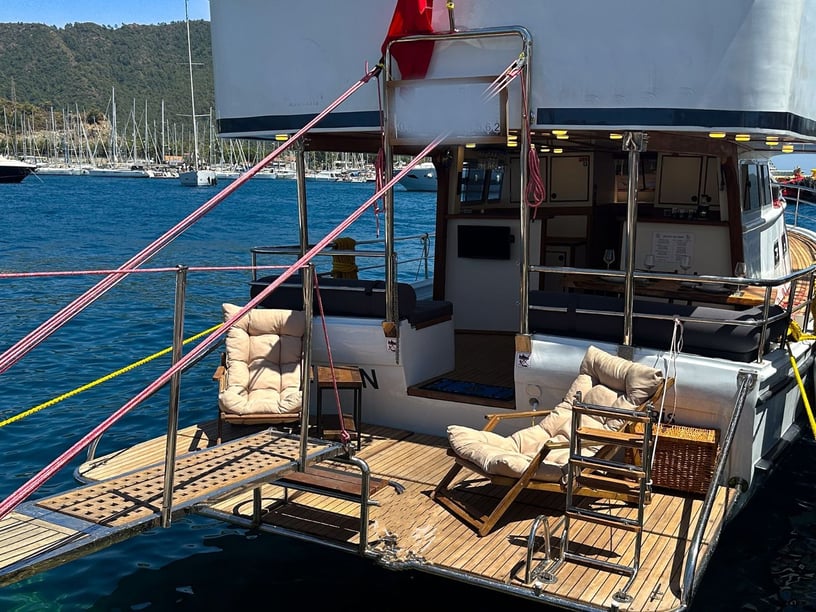
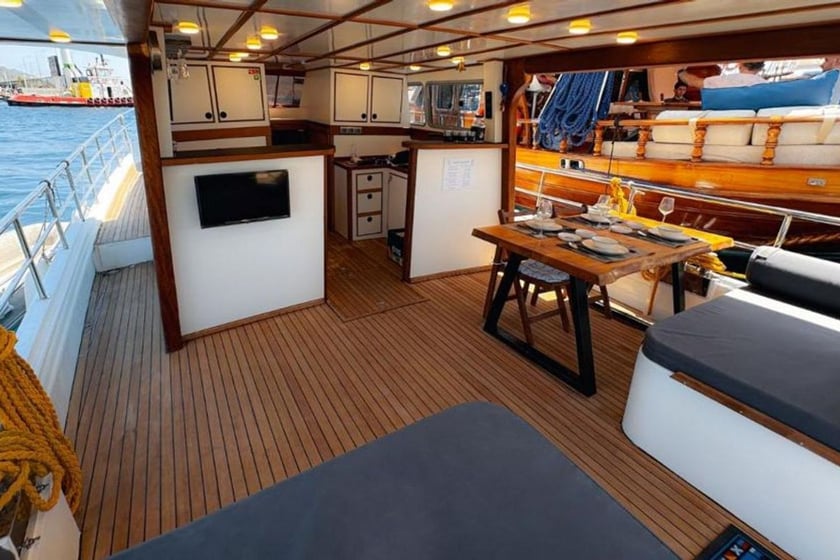
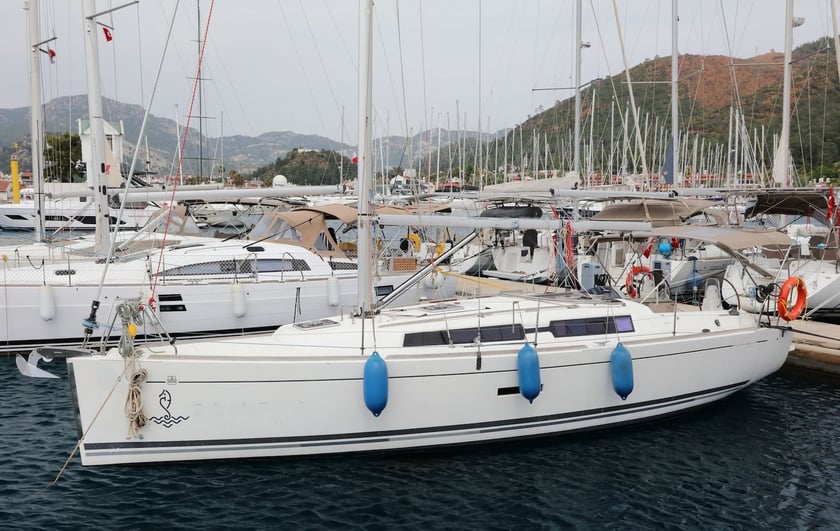
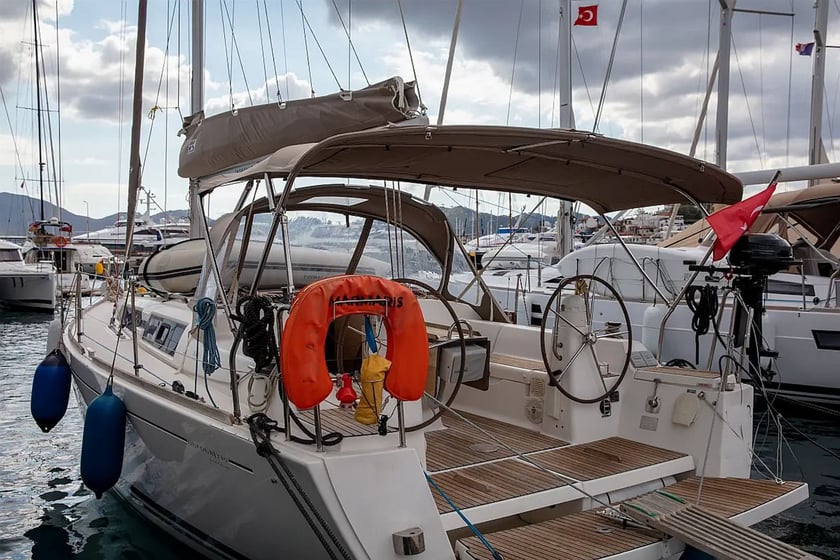
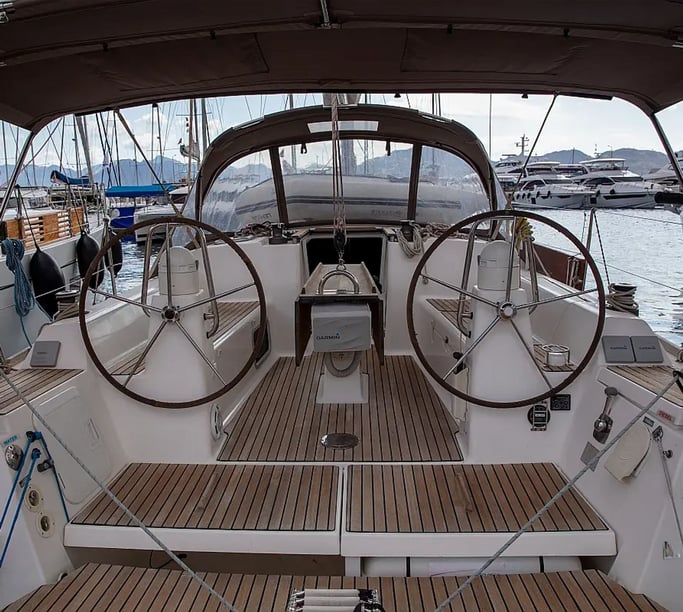
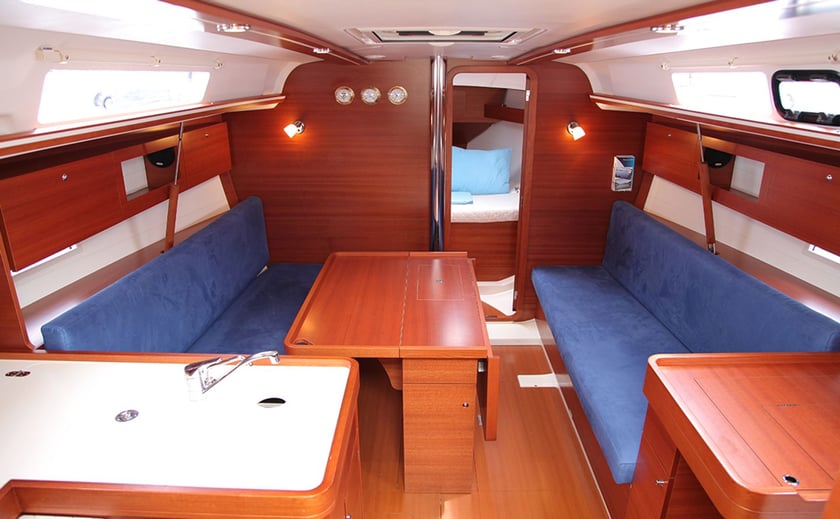
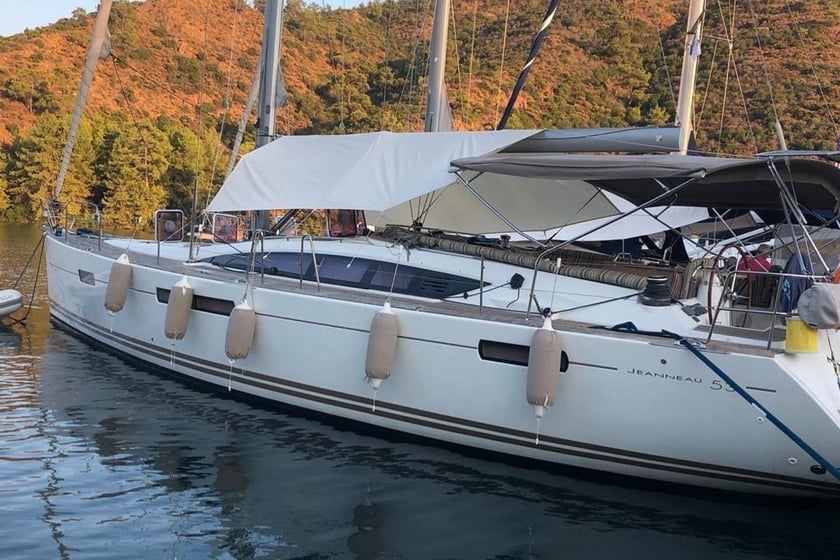
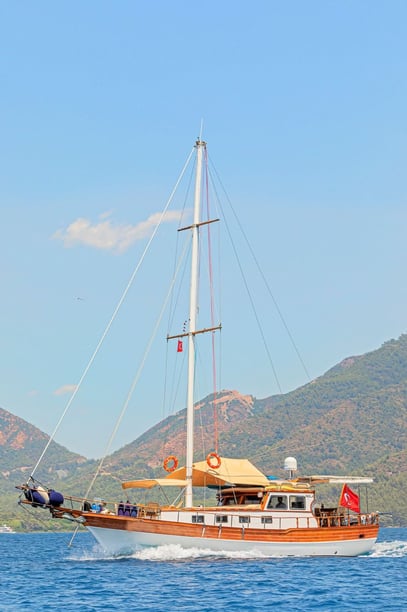
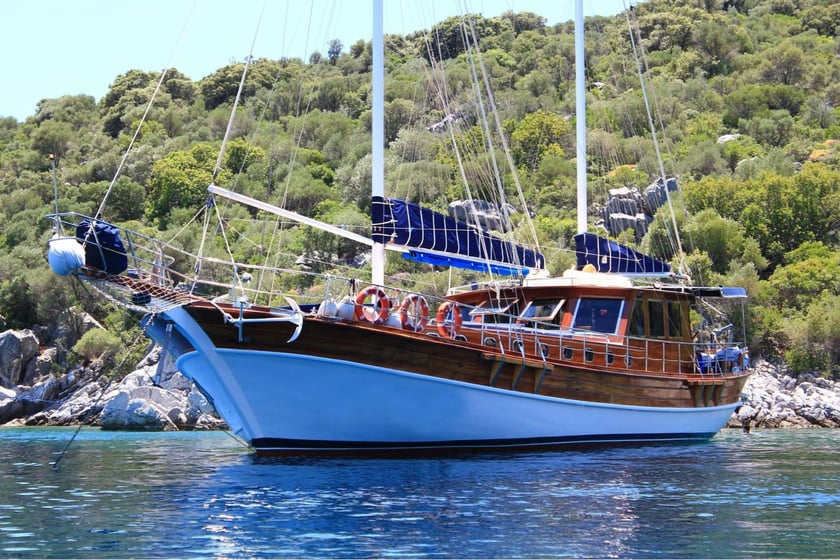
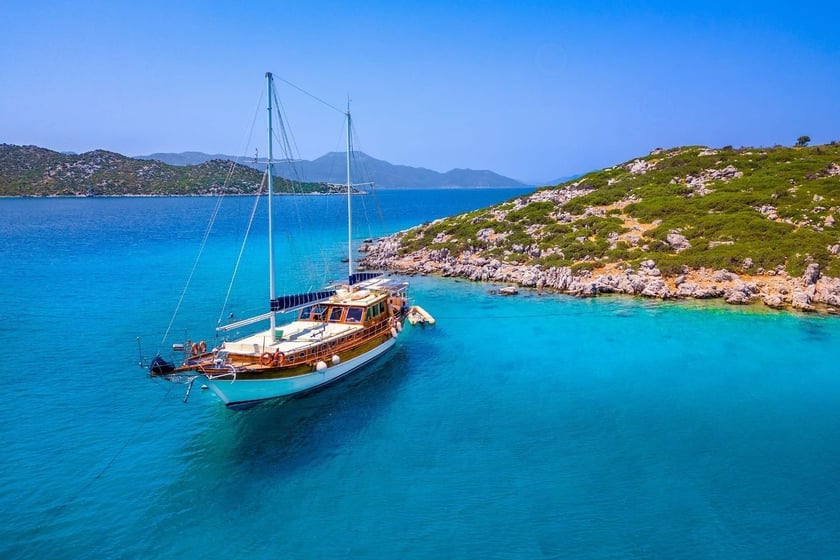
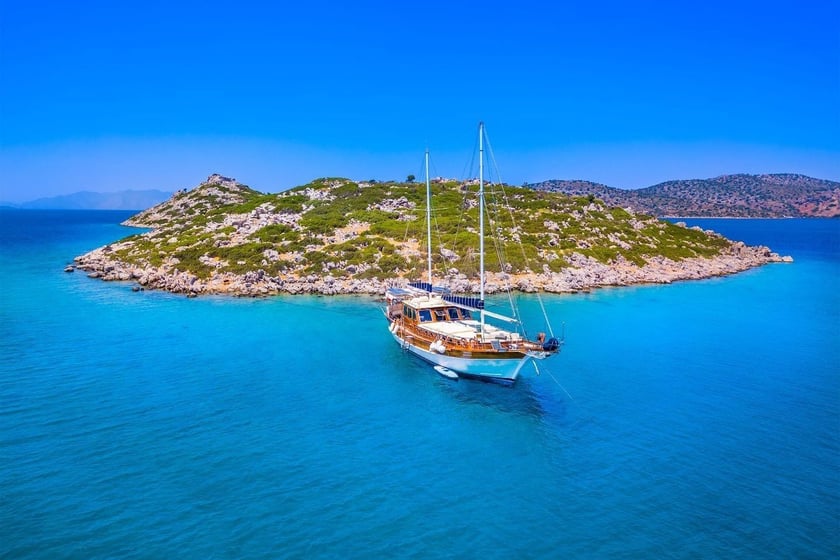
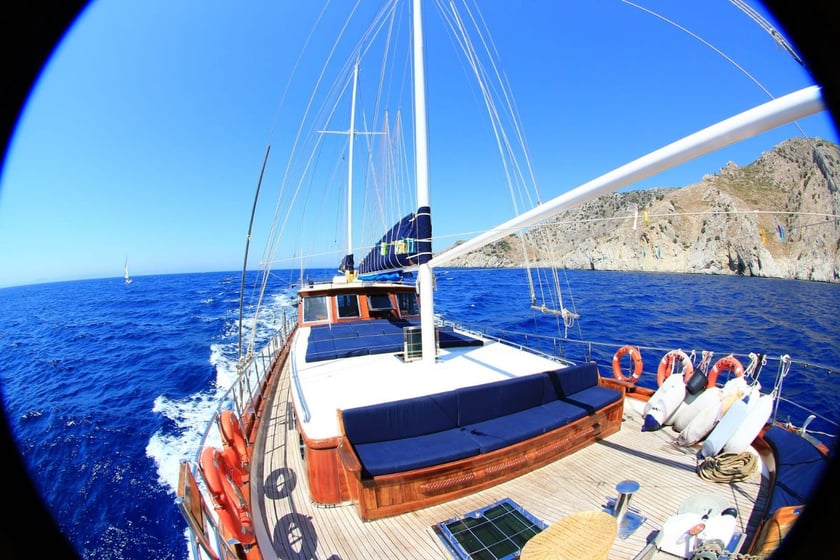
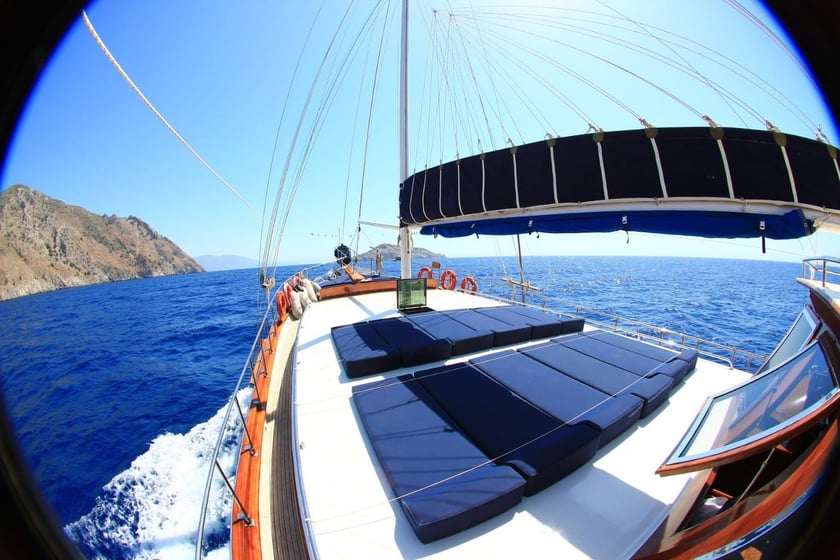
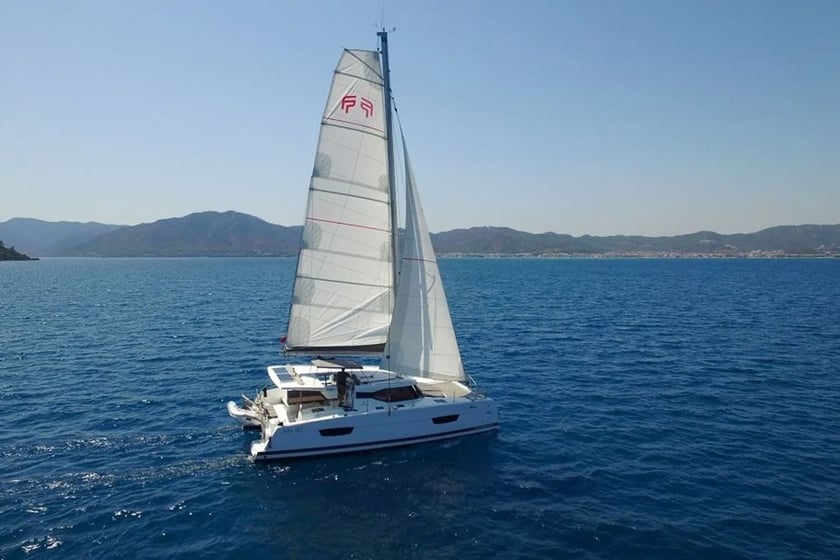
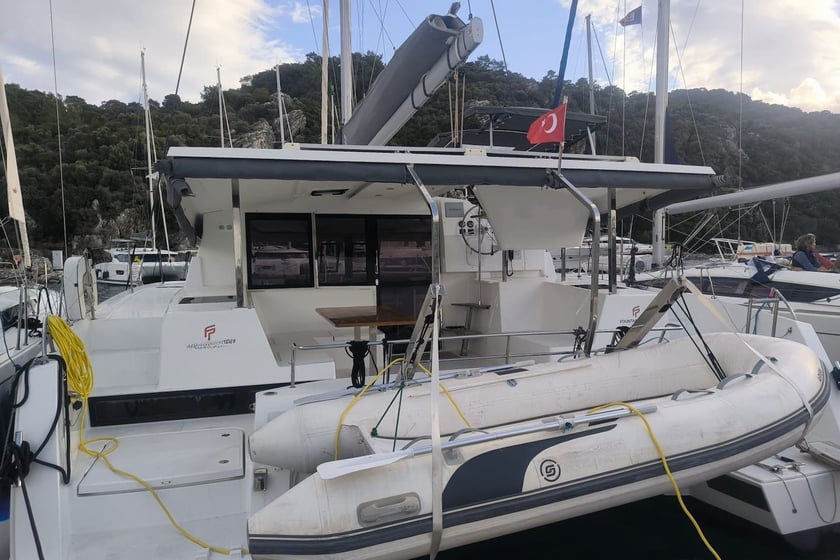
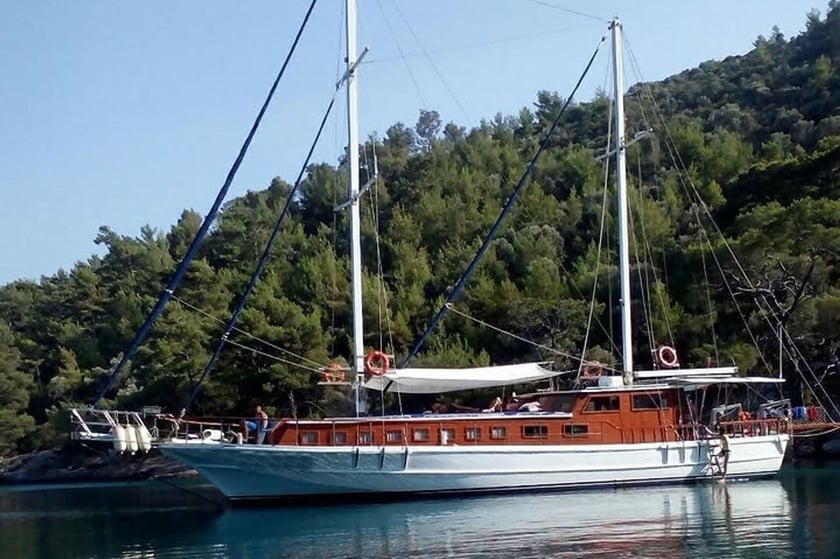
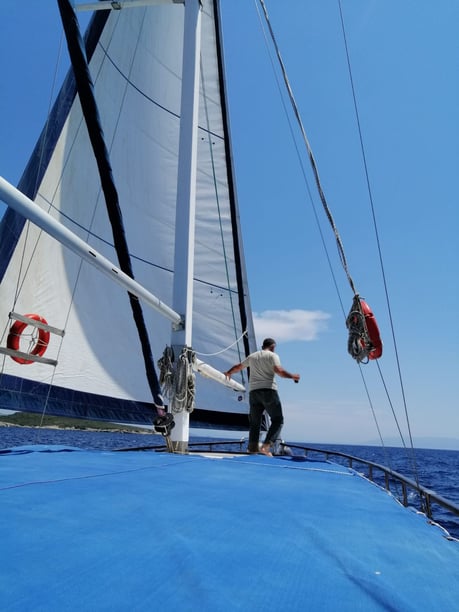
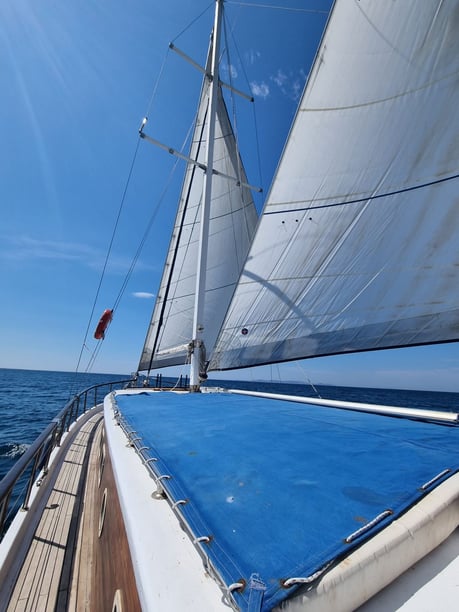
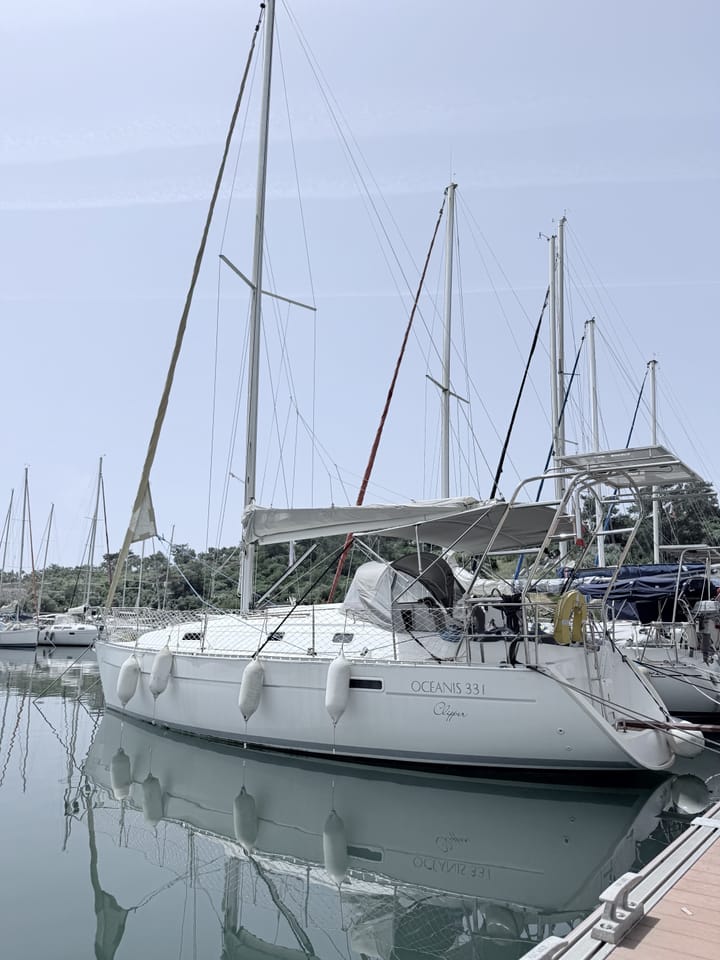
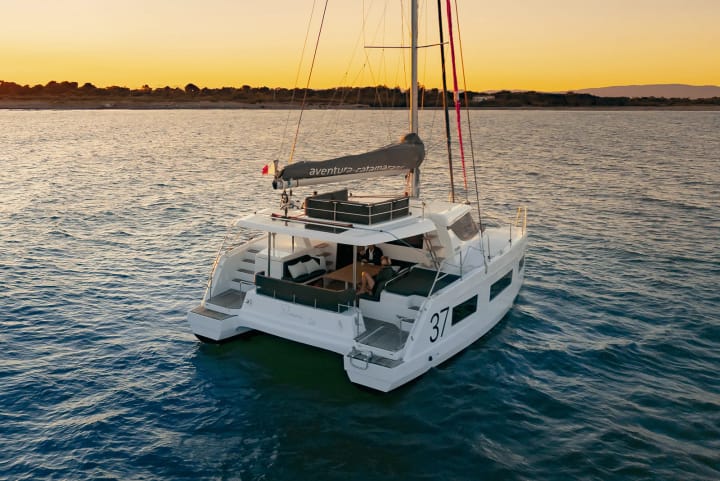
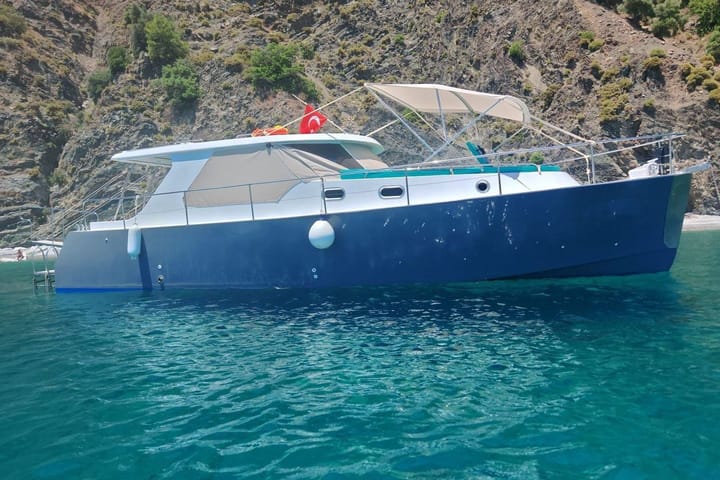
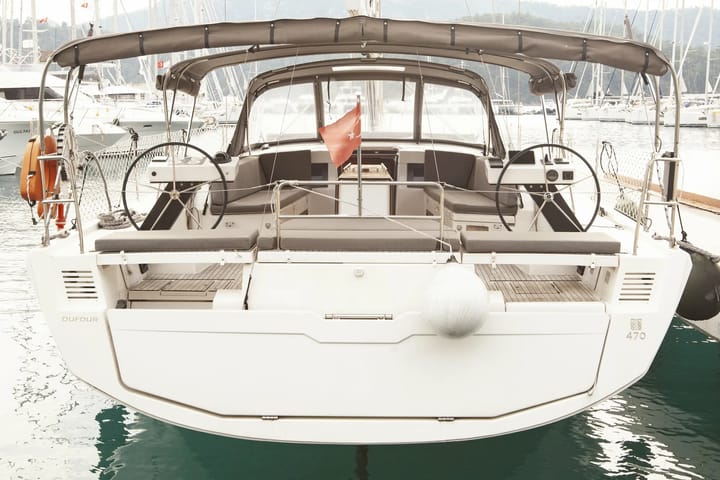
Boat style also changes the character of the trip. Travelers who want an active sailing experience can consider sailboat charters in the Gulf of Hisaronu, while traditional gulet cruising places more emphasis on the region’s wooden-boat culture and relaxed movement between bays. Whichever format is selected, it is worth confirming how the yacht is equipped for stern-to mooring and whether the planned stops use established moorings, shore lines or jetties.
Provisioning and technical facilities are concentrated around Marmaris, Martı Marina, Datça and Bozburun; services in smaller coves may be limited or seasonal. Much of the surrounding coast and sea lies within the Datça-Bozburun Special Environmental Protection Area, so current rules on anchoring, waste, fishing and conservation should be checked before departure. Leaving room in the itinerary for changing wind and weather is more useful than trying to include every named bay.















Verified
Esin T.07 Sep 2026
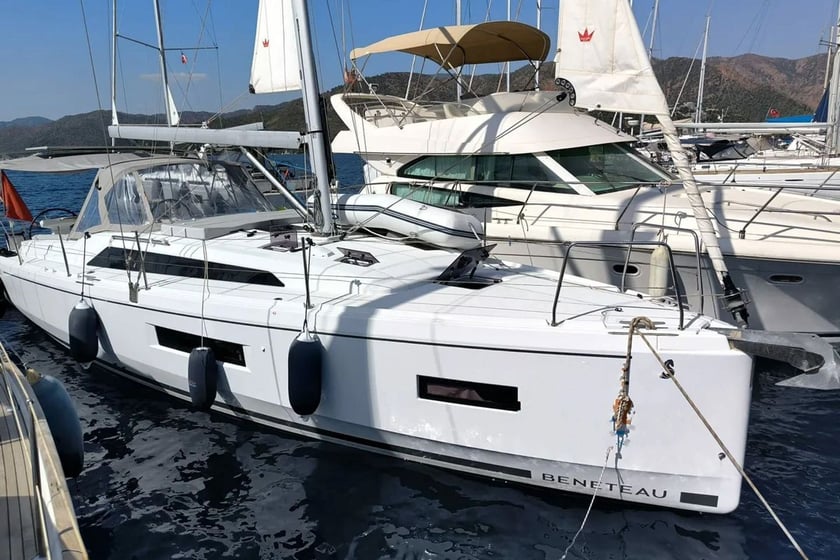
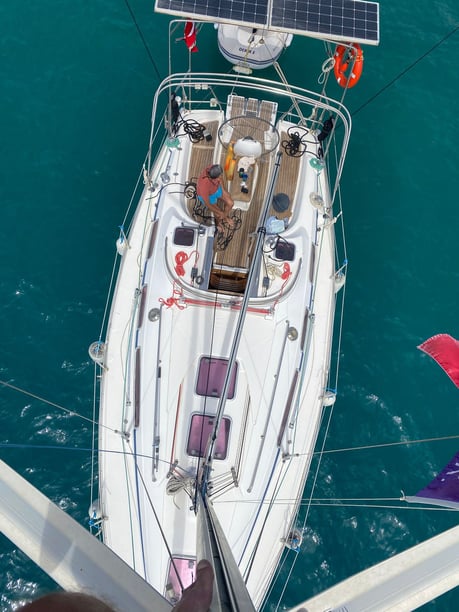
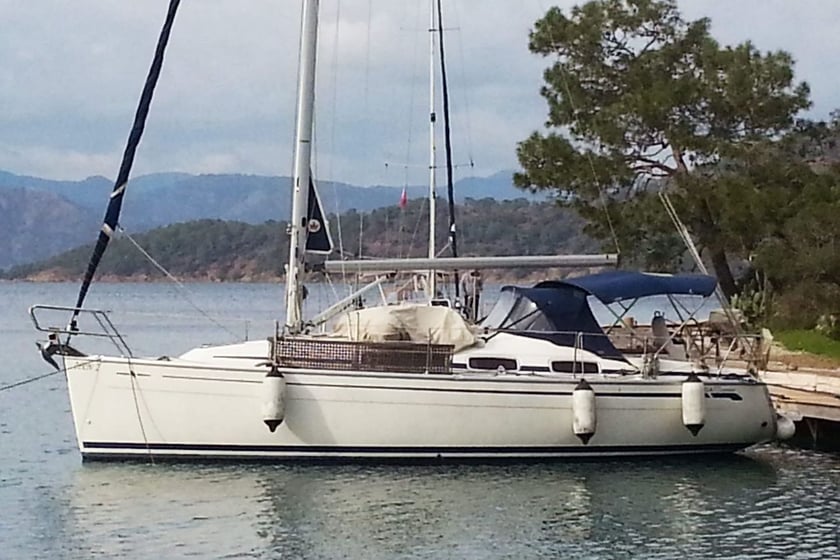
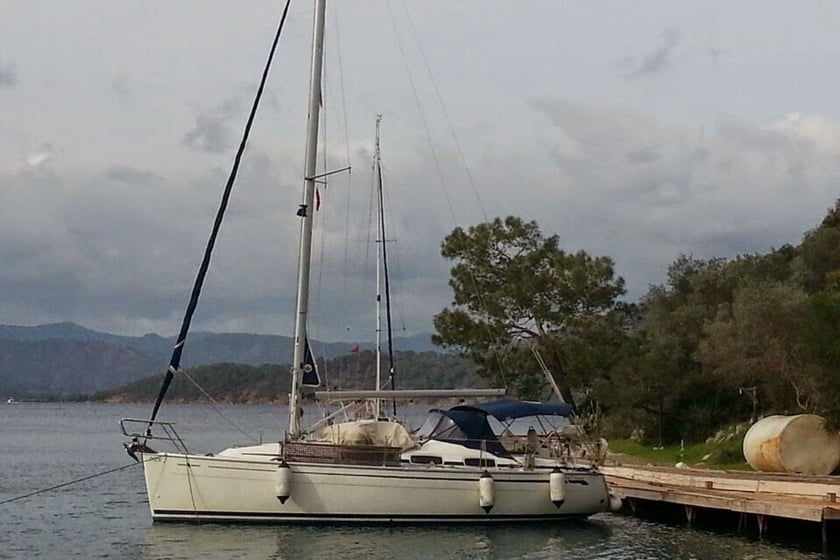
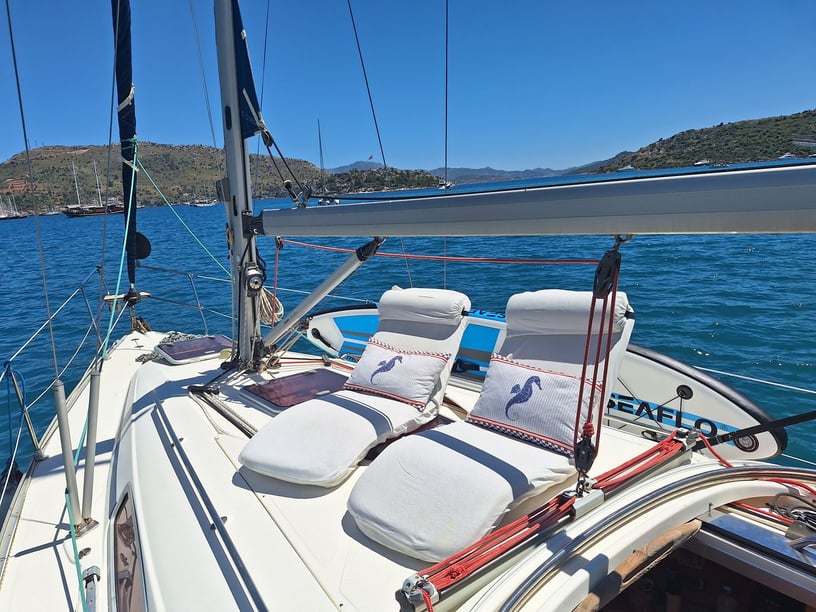
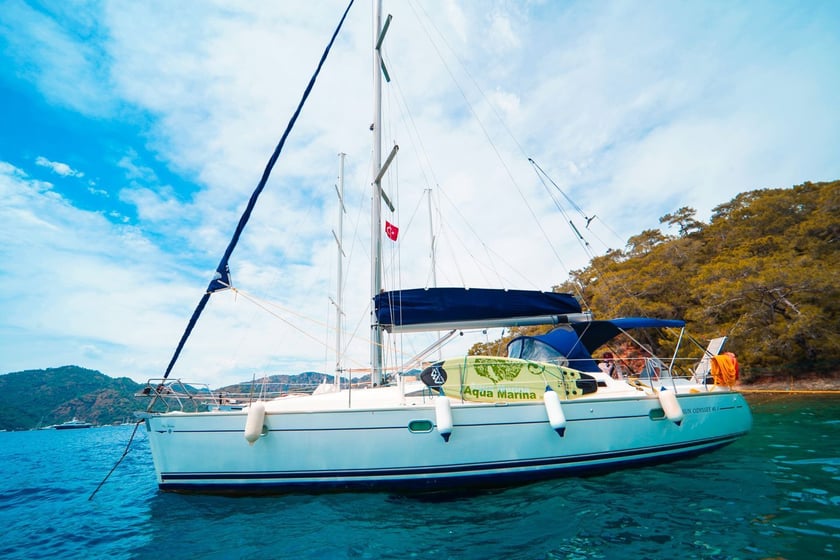
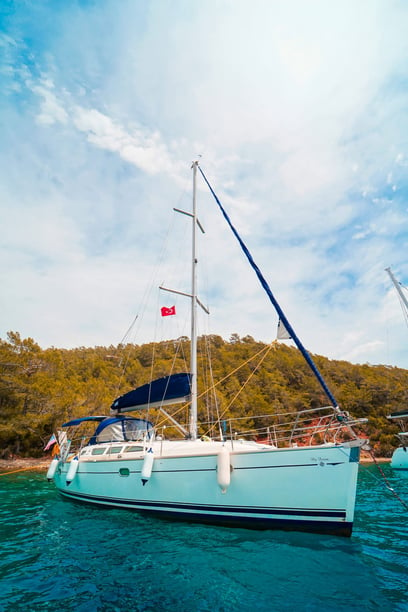
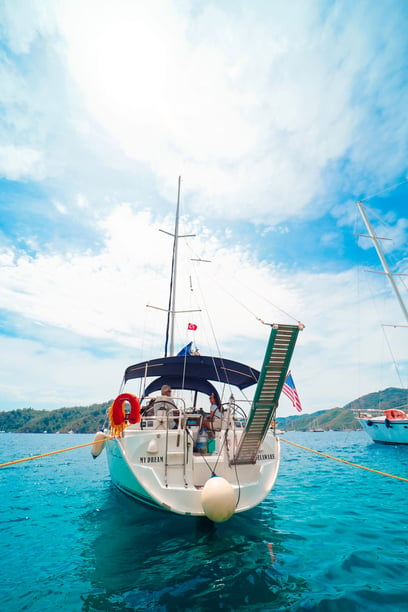
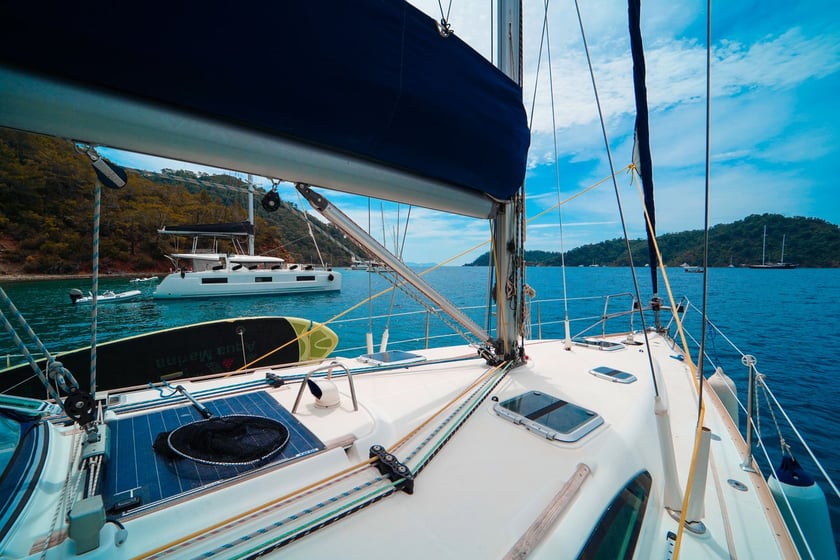
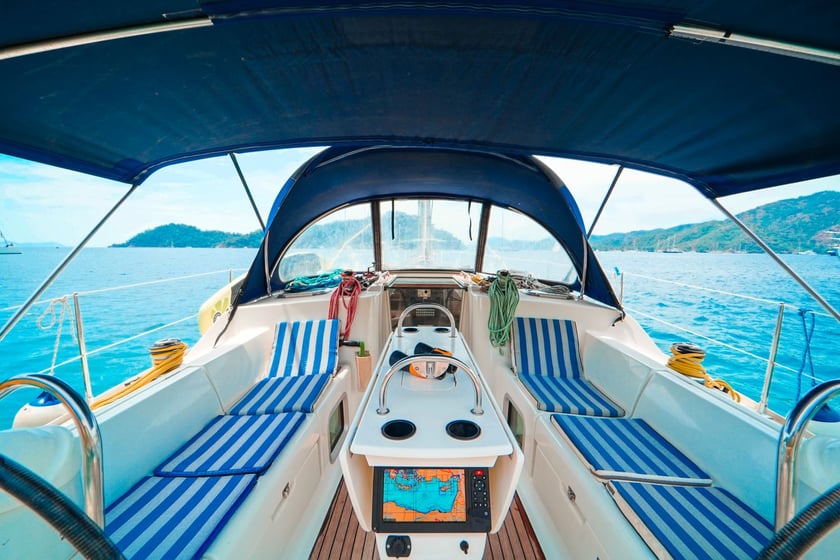
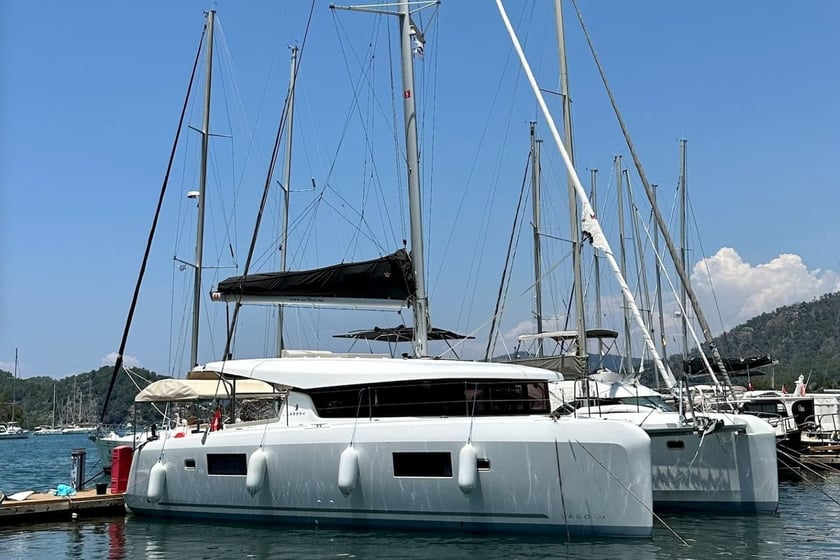
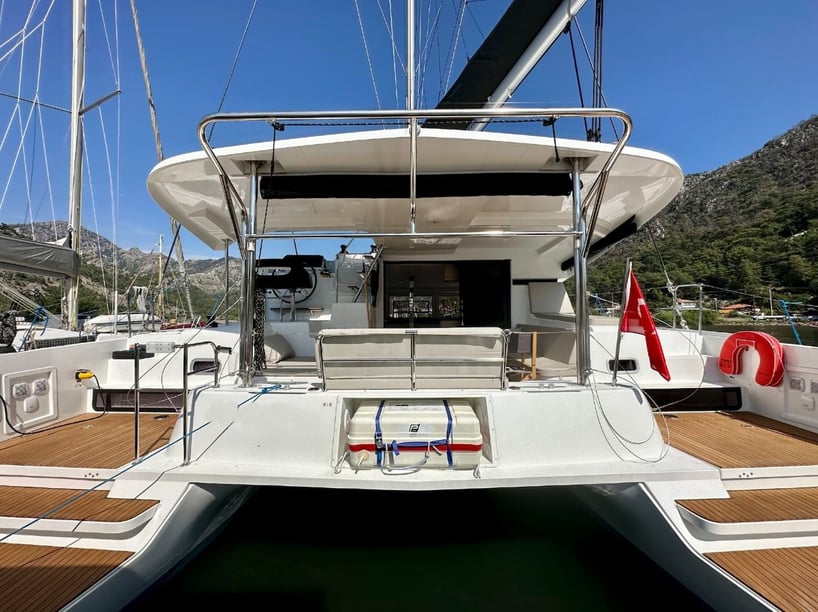
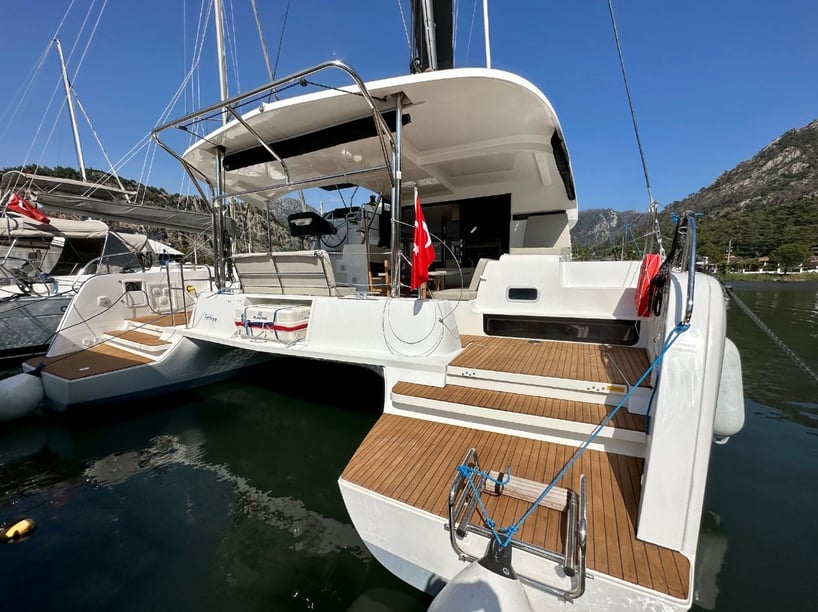
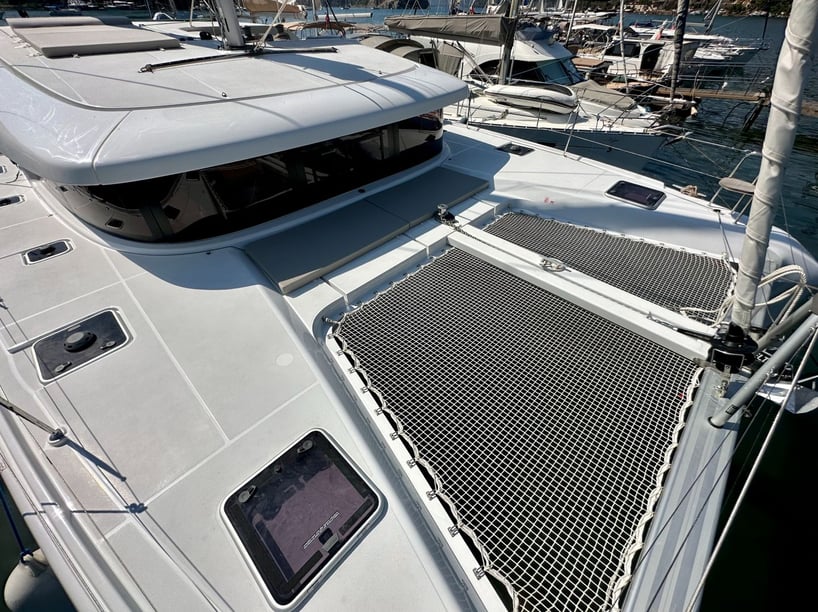
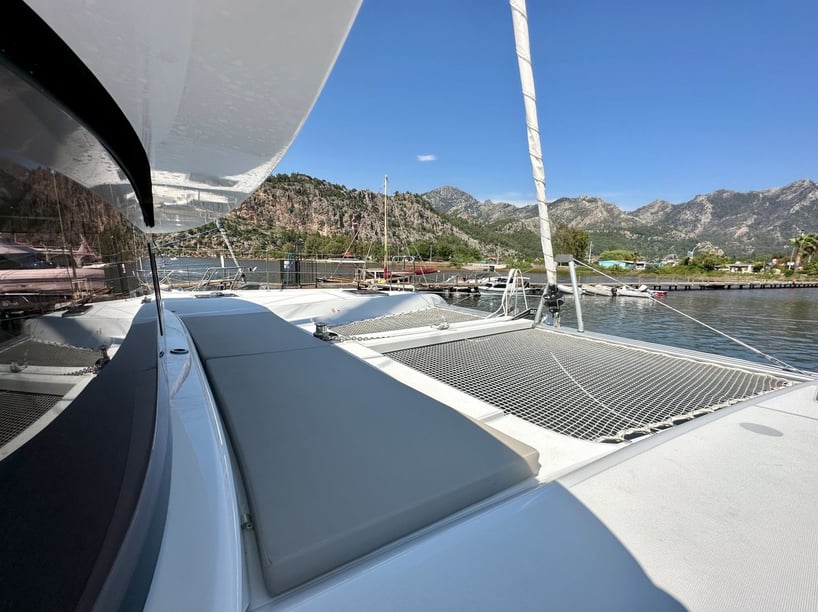
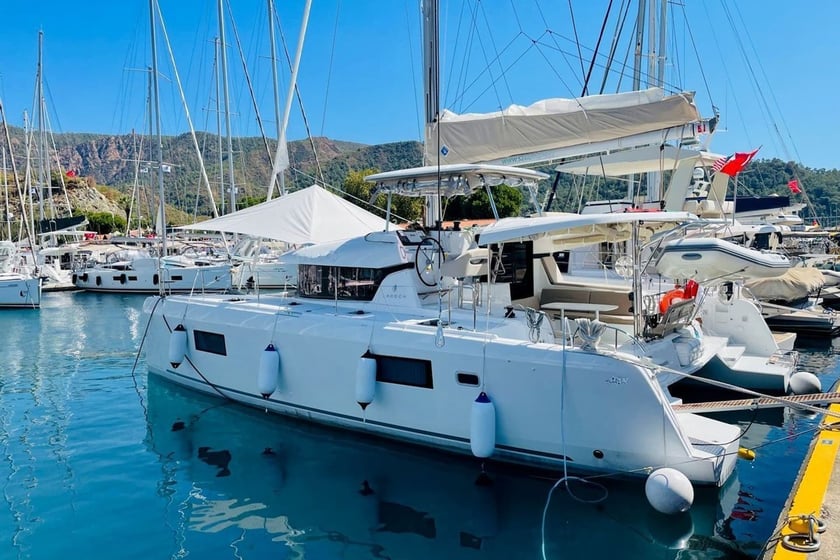
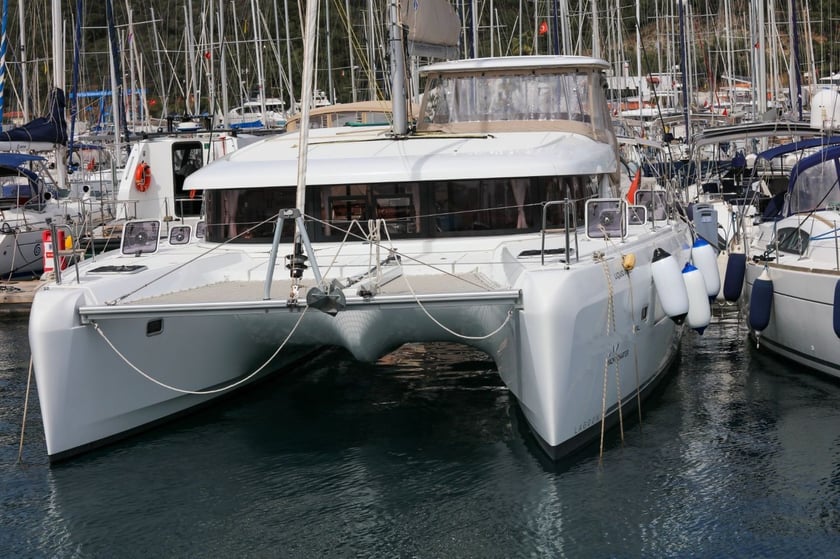
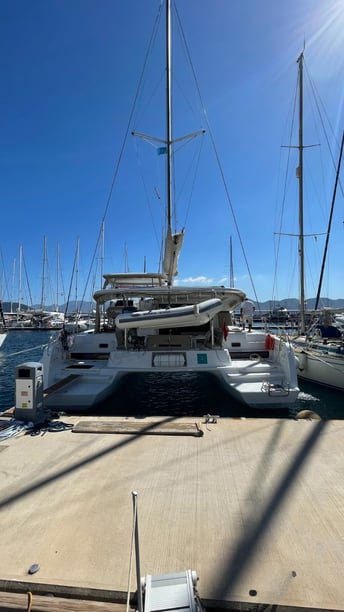
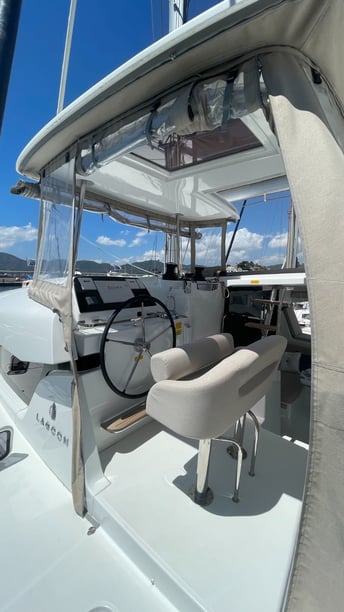
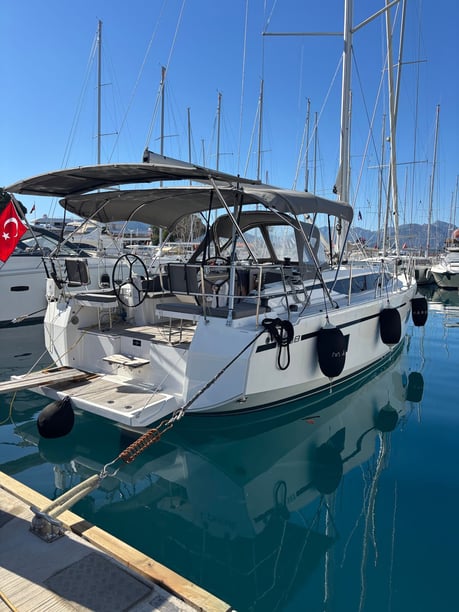
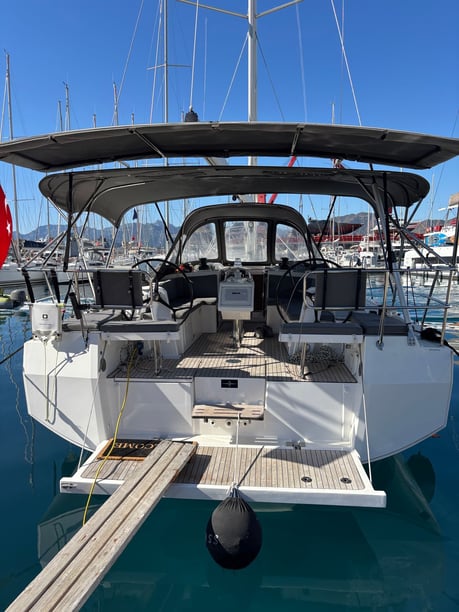
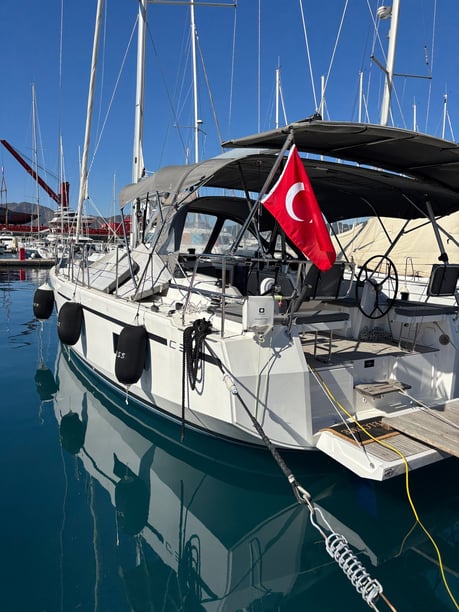
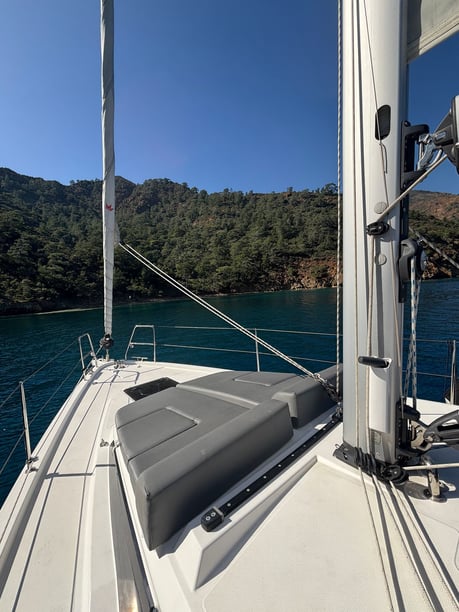
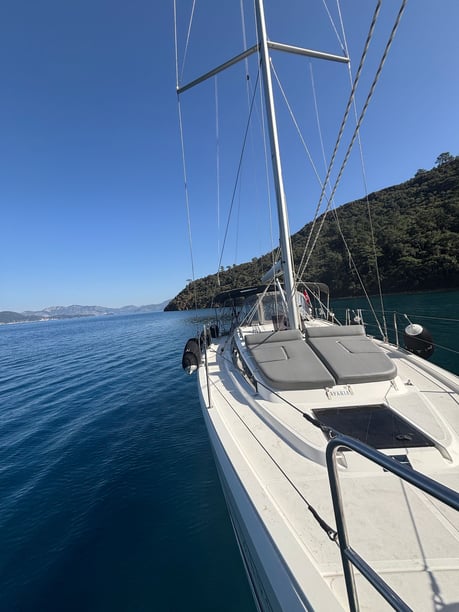
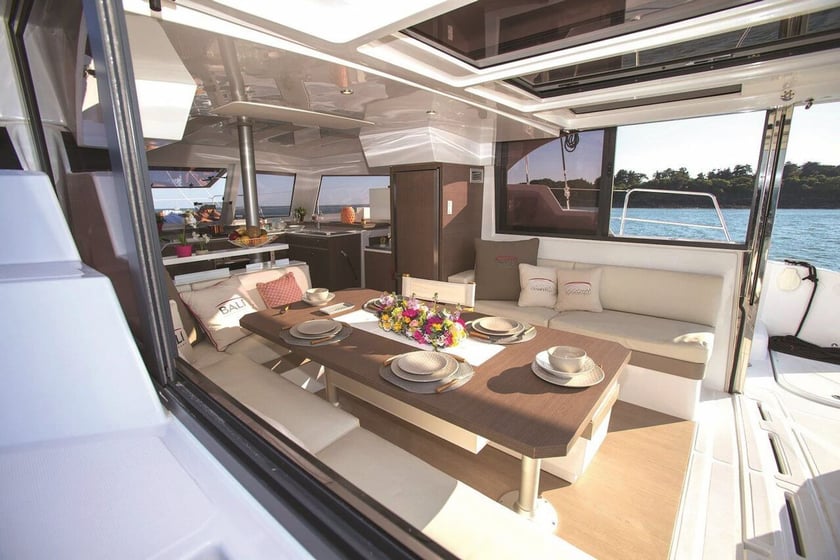
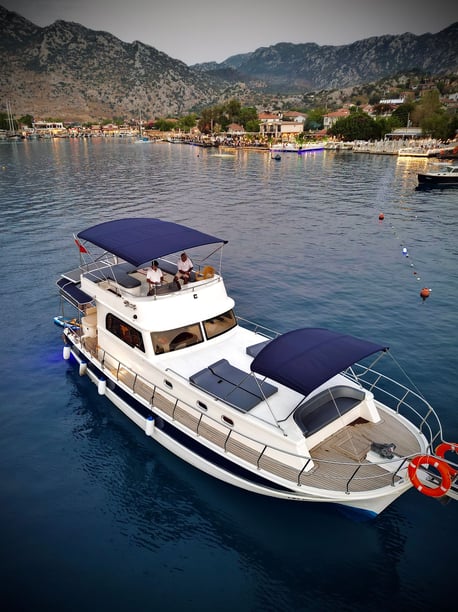
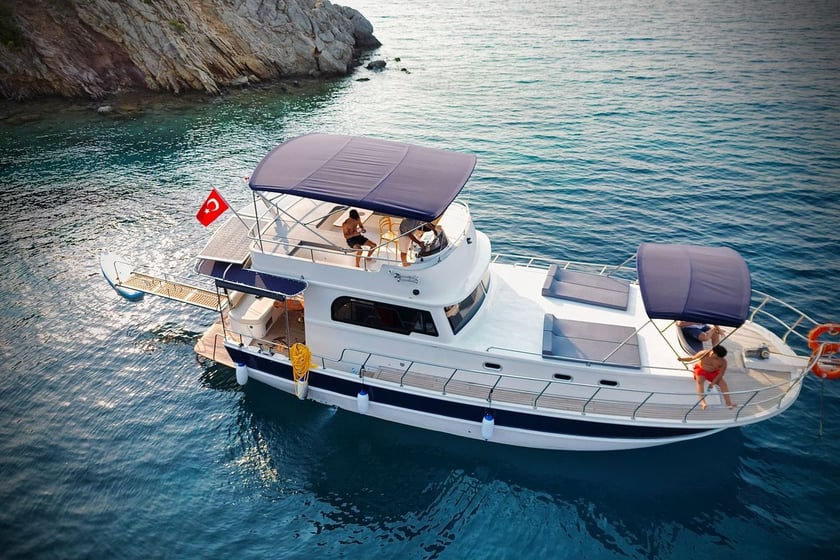
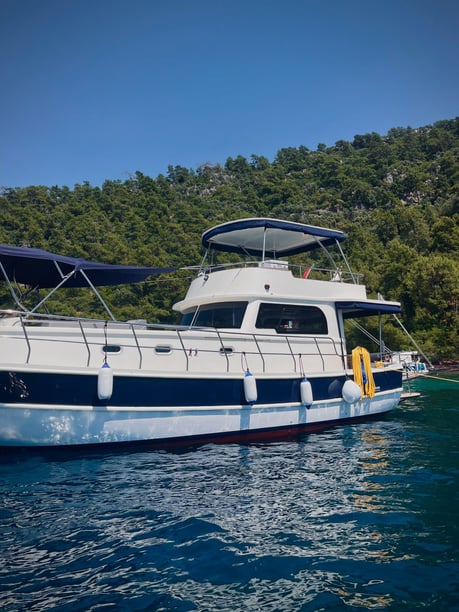
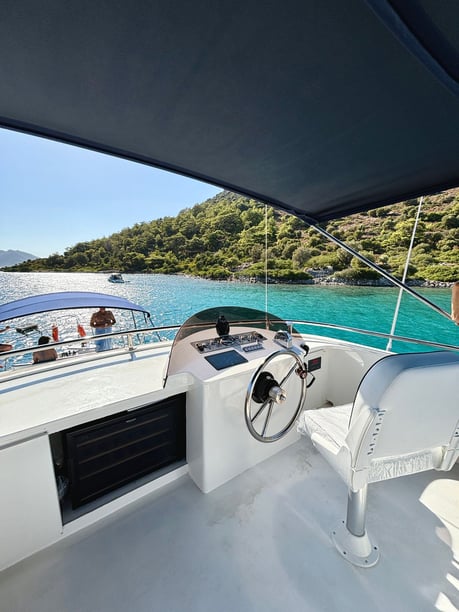
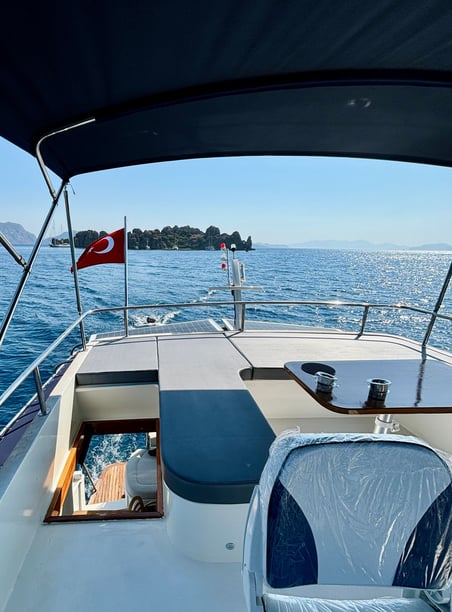
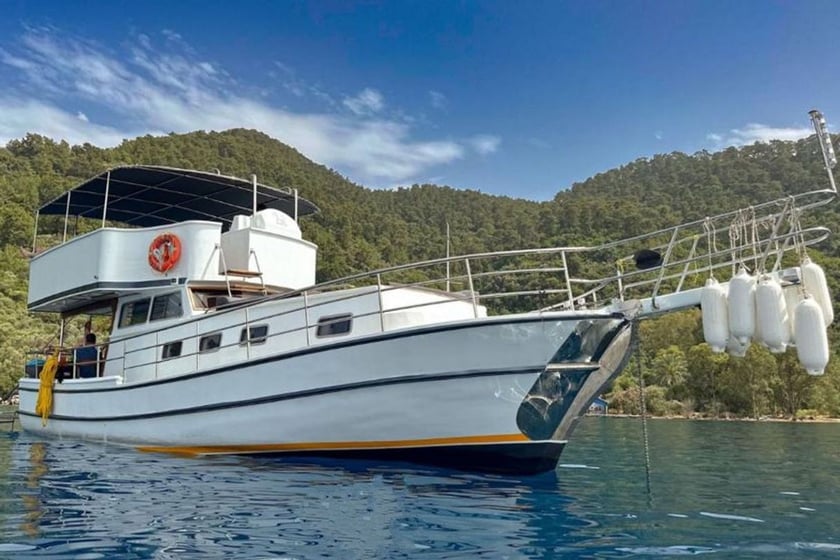
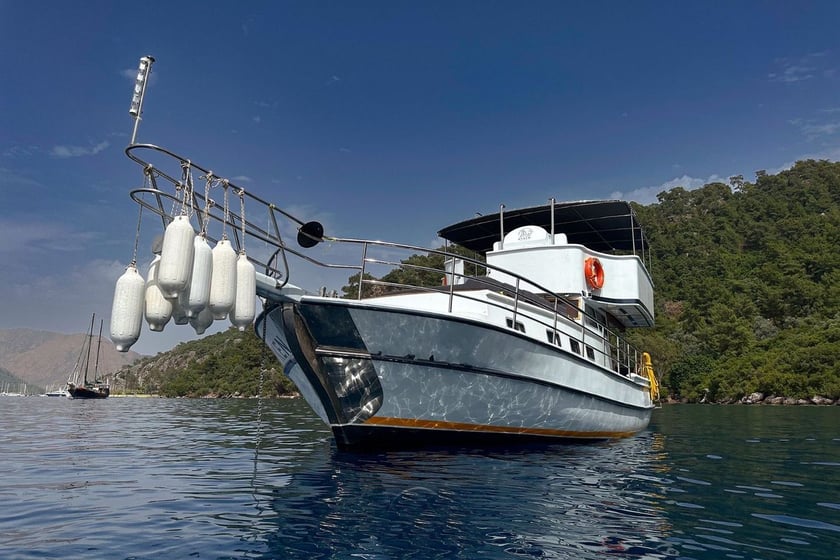
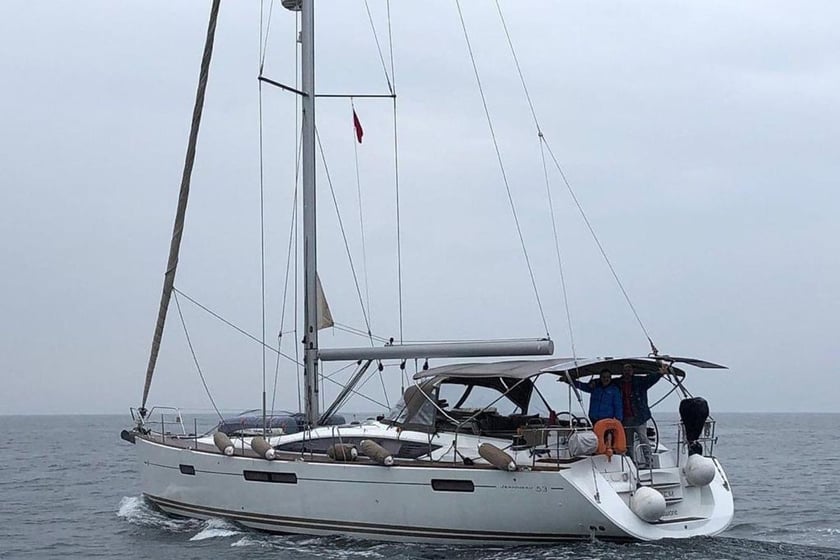
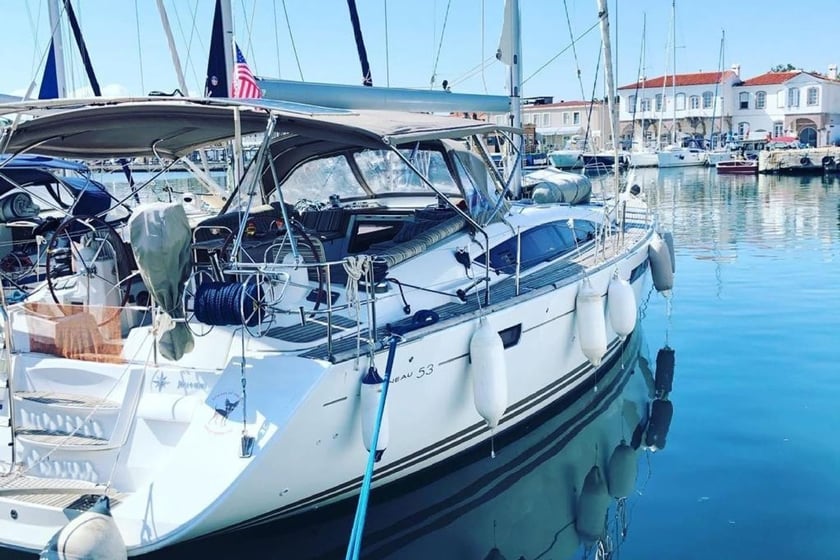
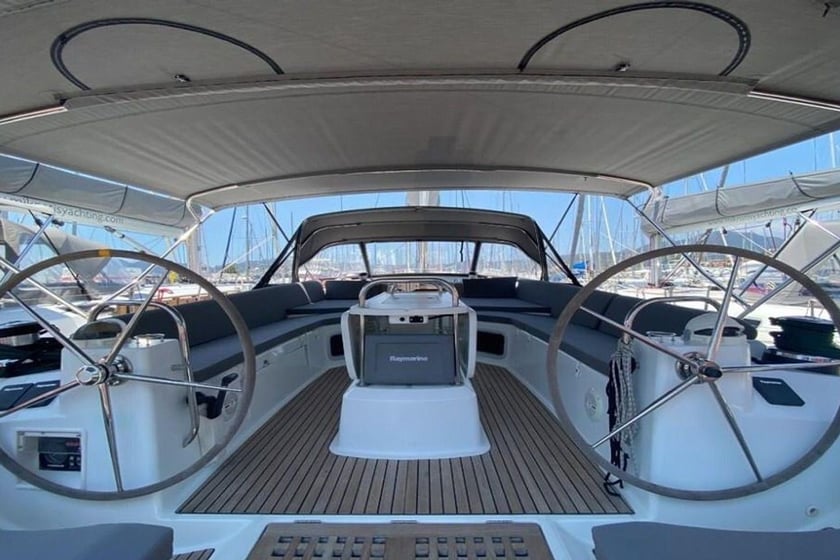
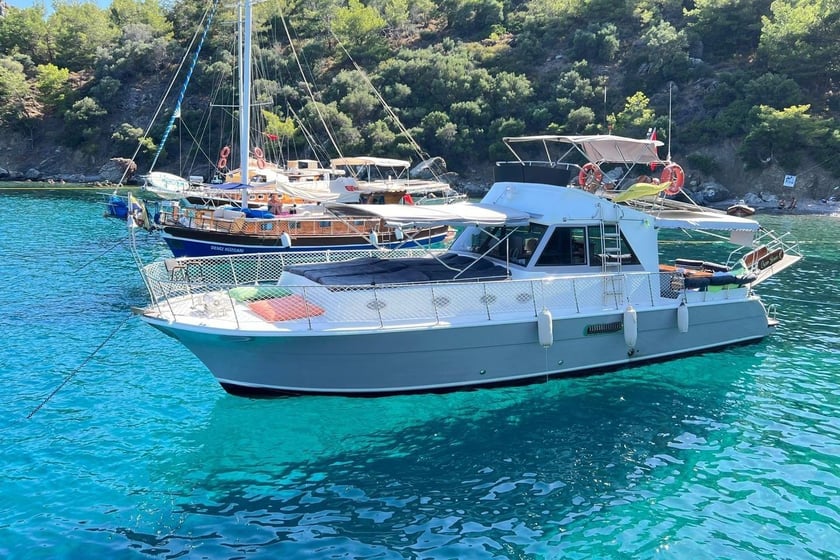
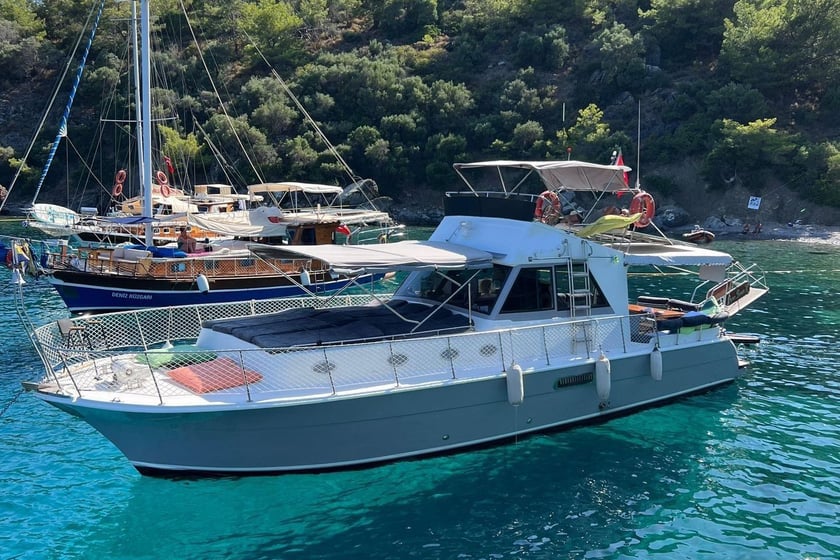
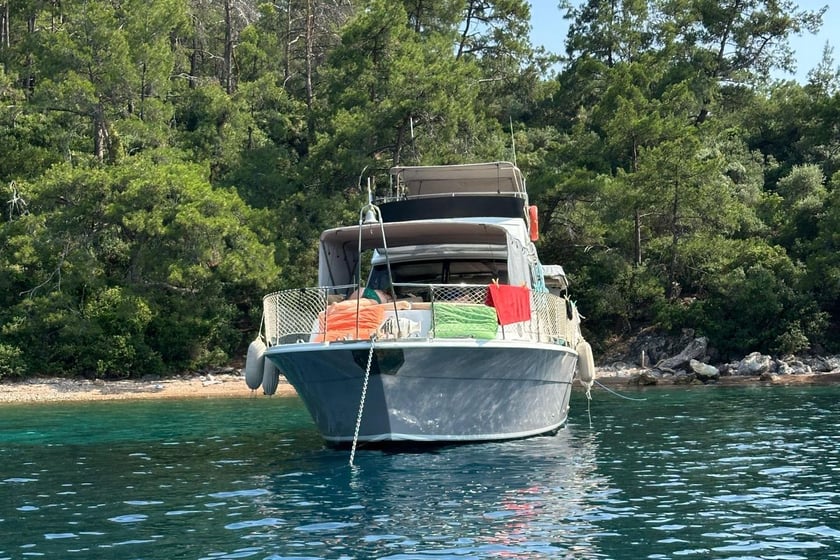
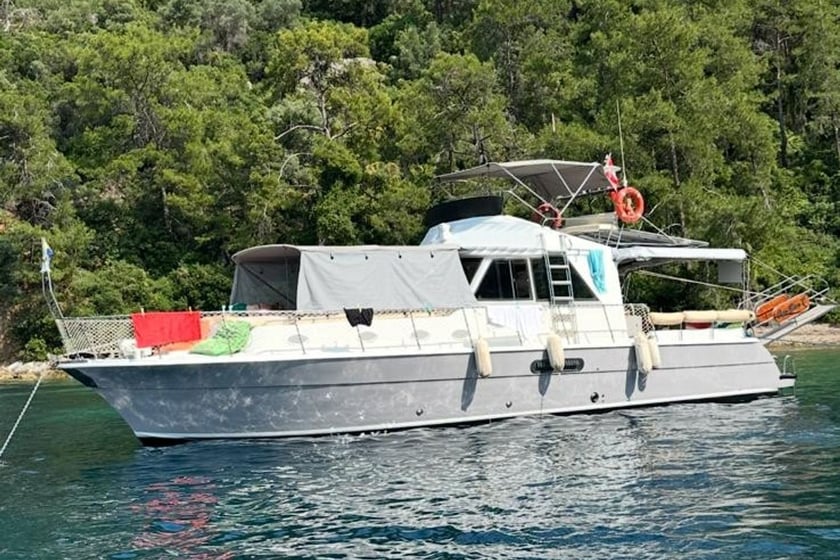
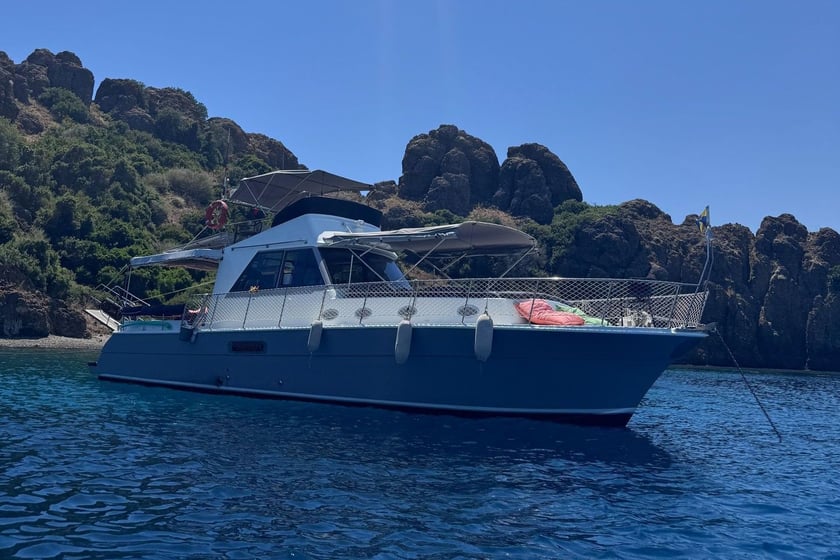
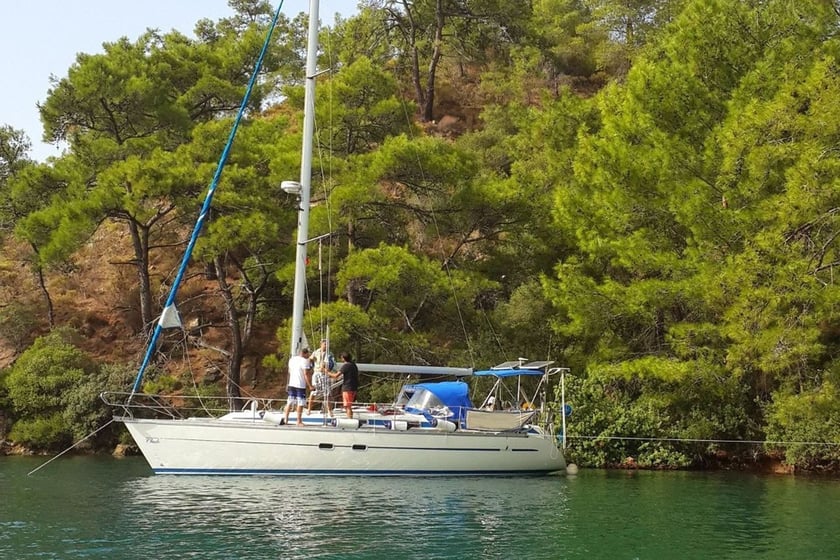
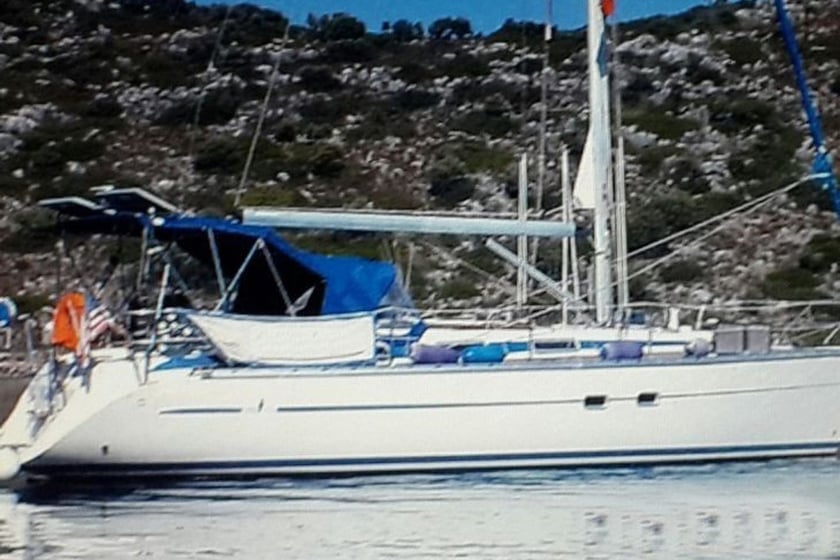
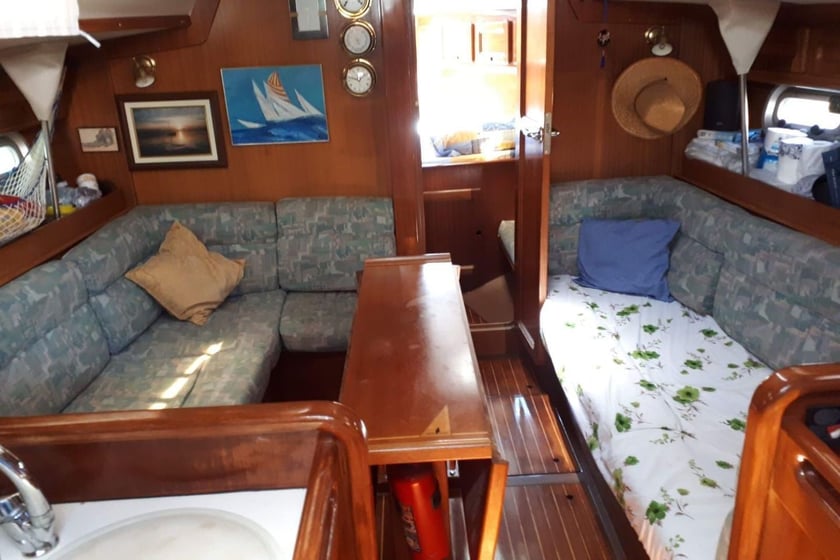
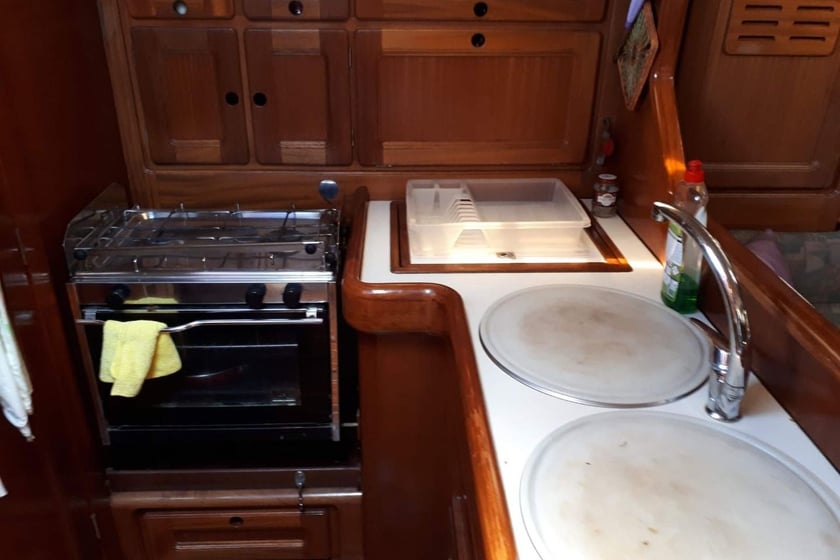
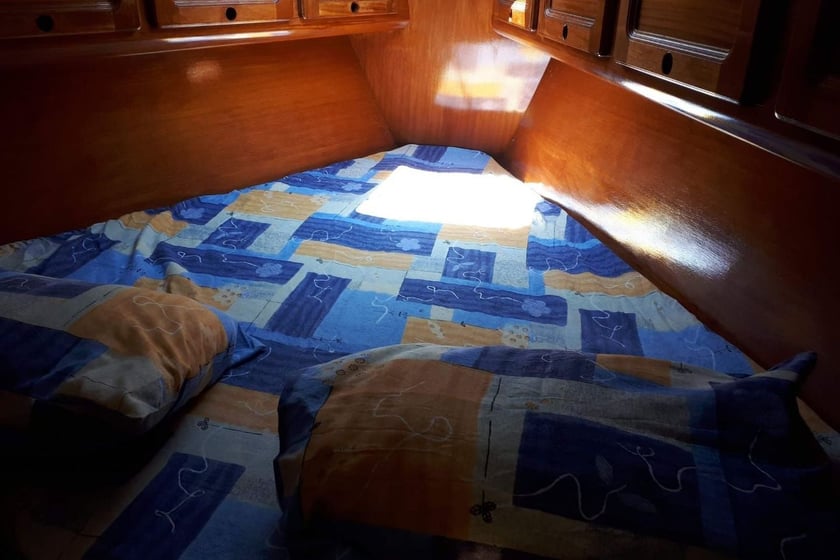
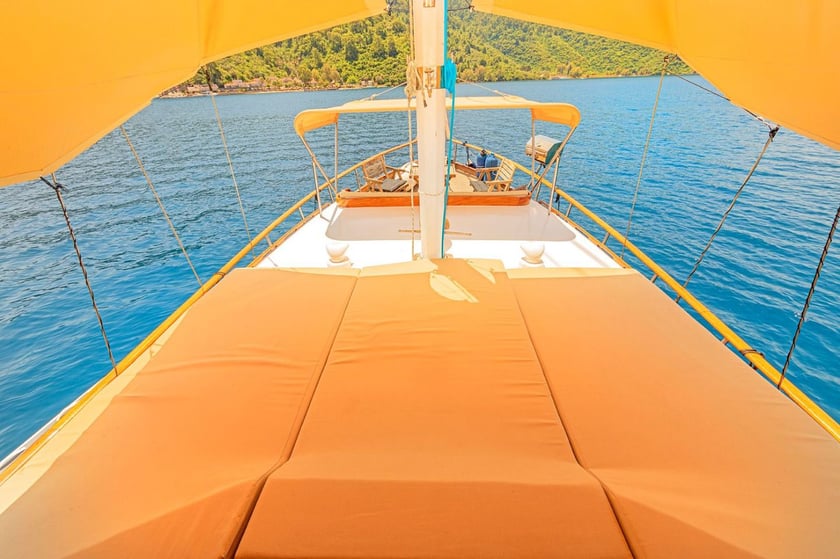
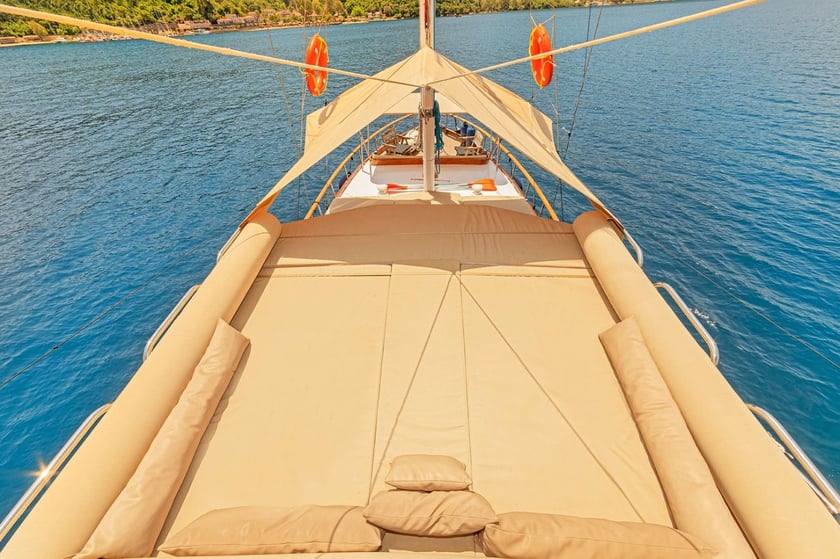
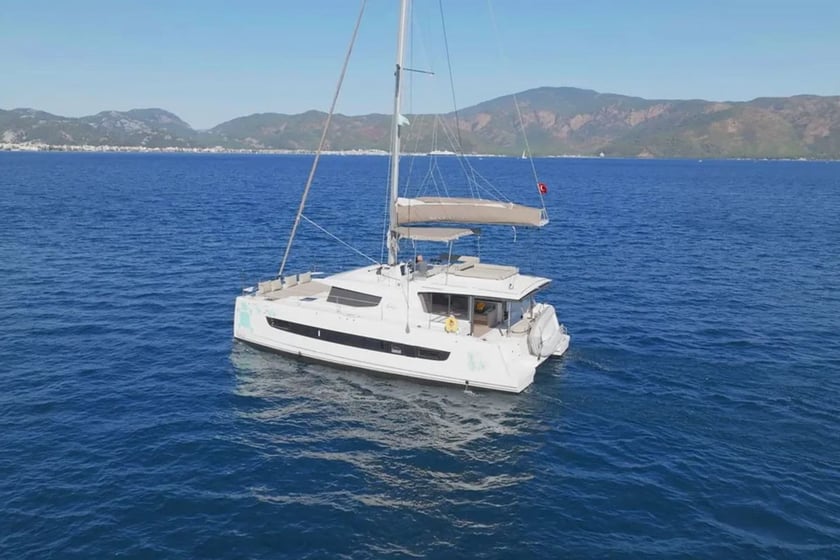
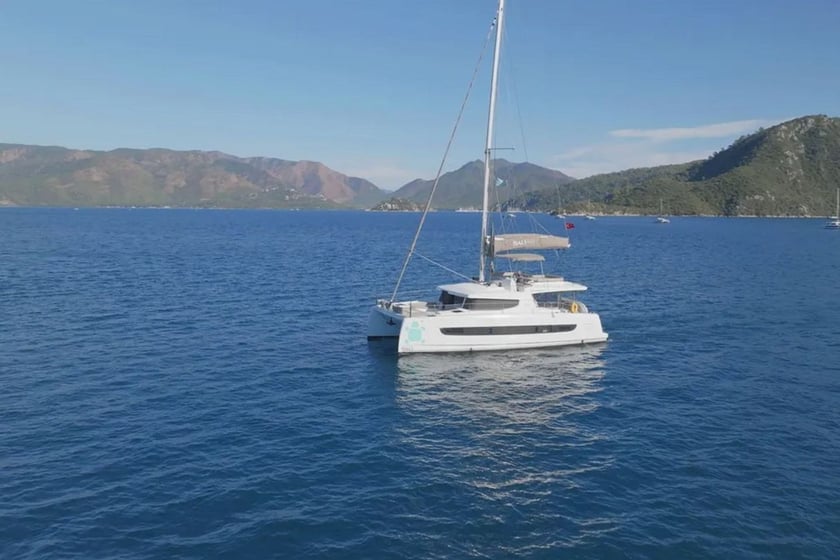
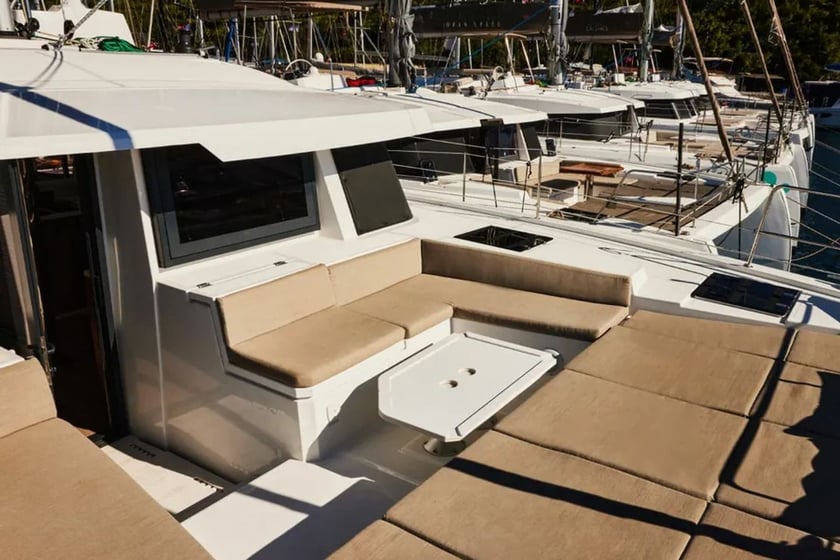
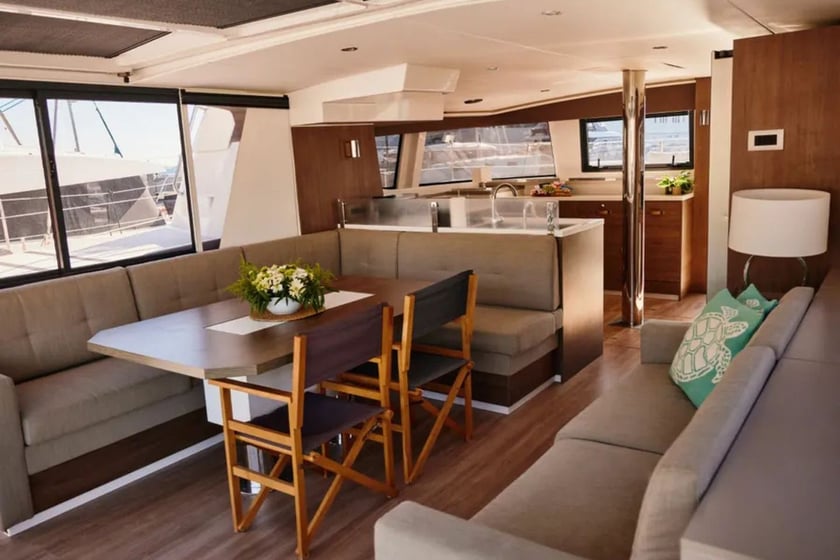
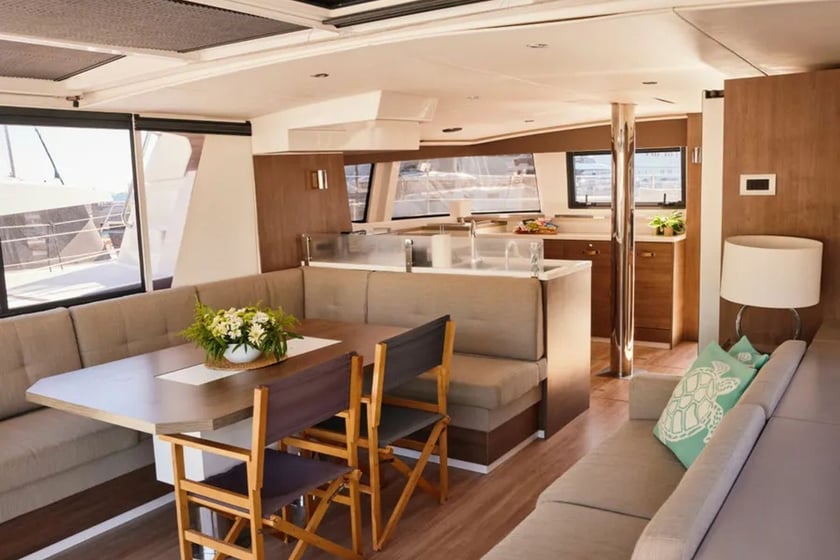
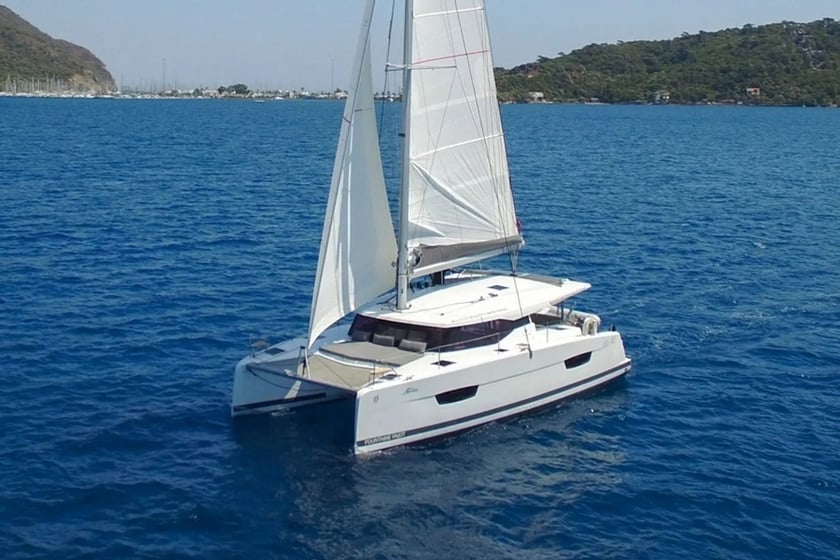
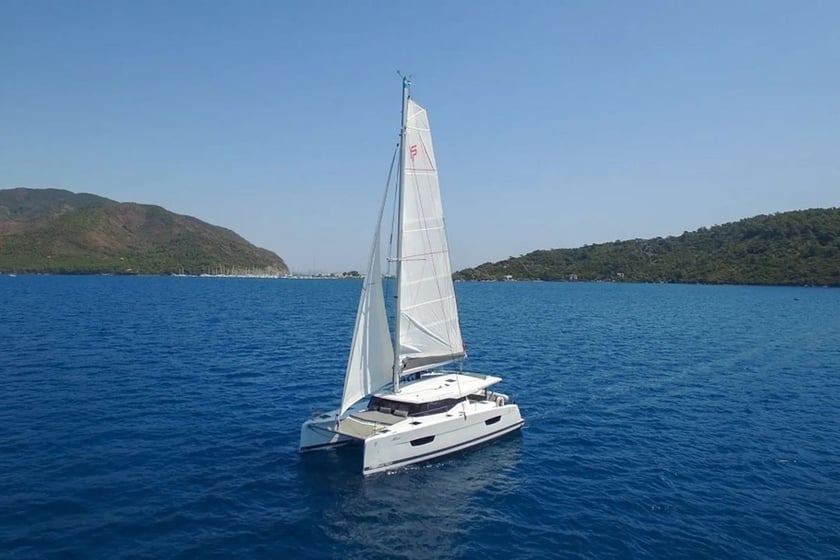
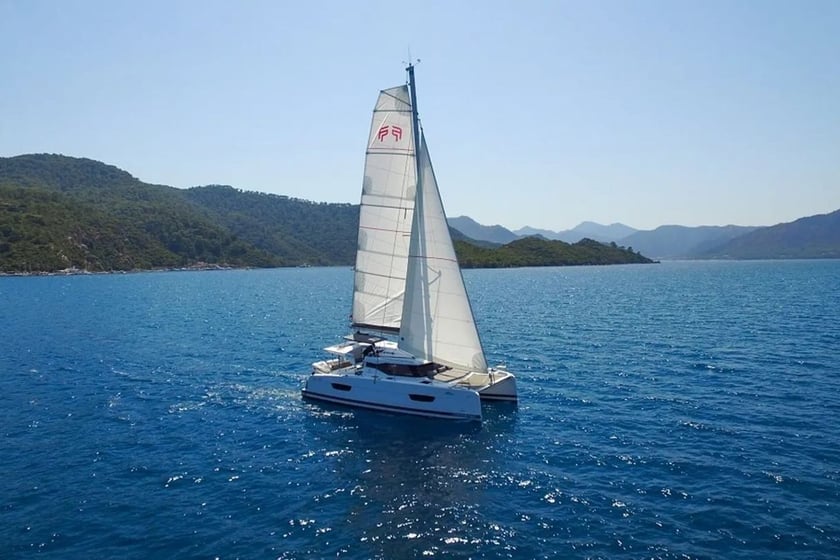
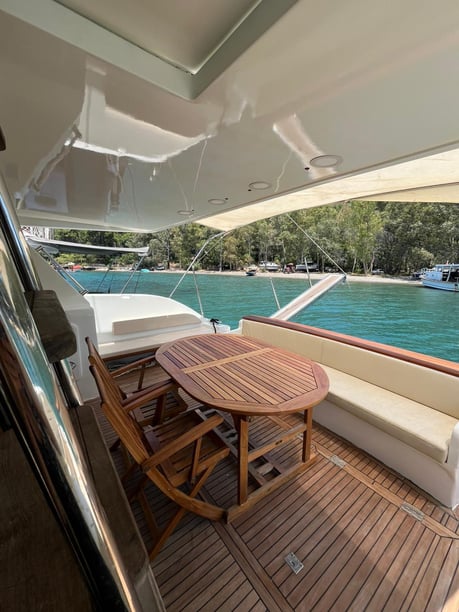
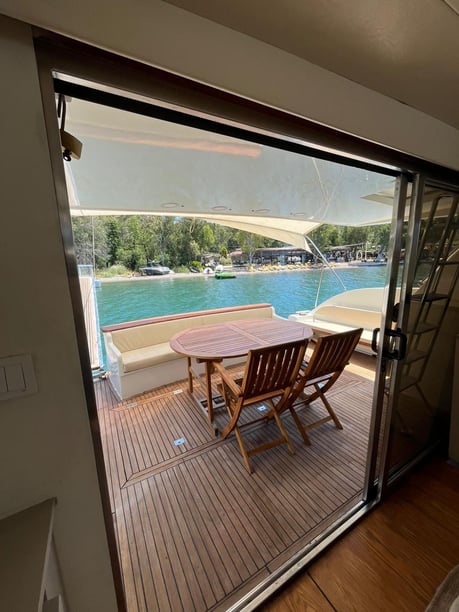
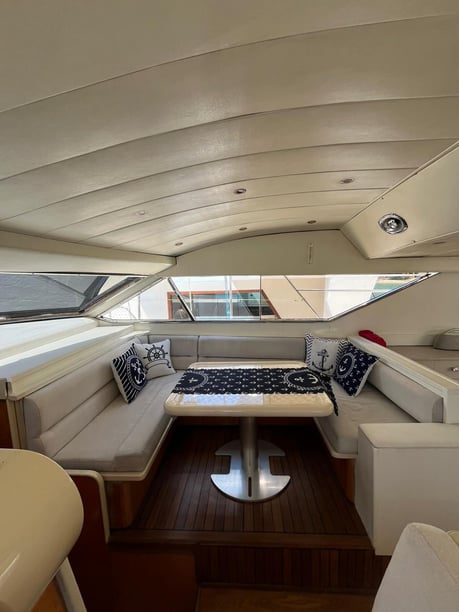
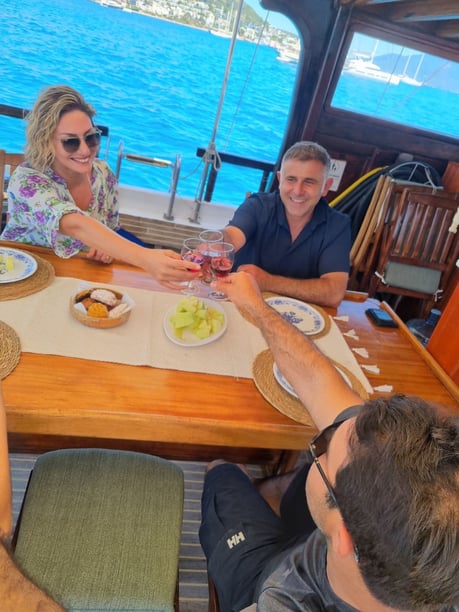
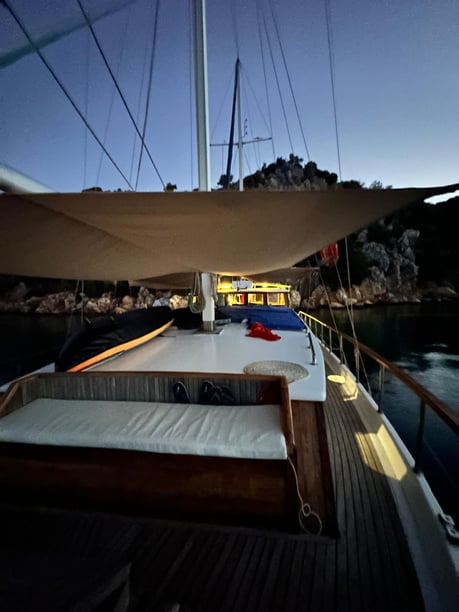
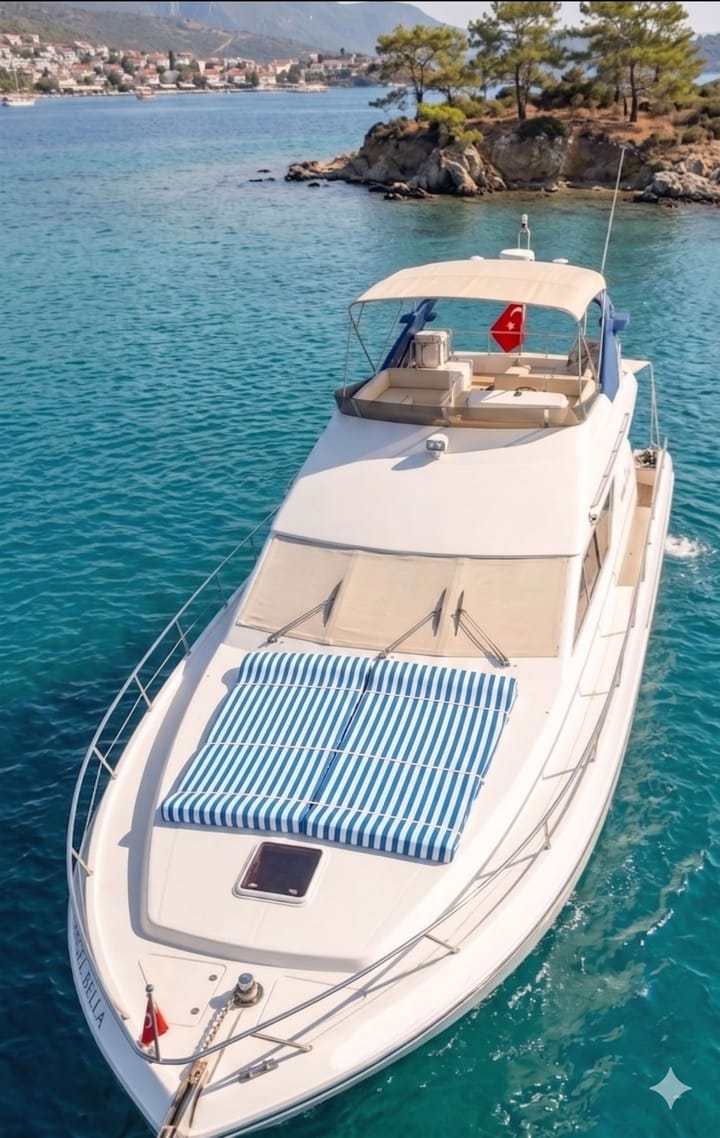
A clean and well-maintained boat; it was just like in the photos. It was a lovely holiday, and we enjoyed it.
Listing owner: ArdaDatca / Turkey