Yacht charter in Valletta
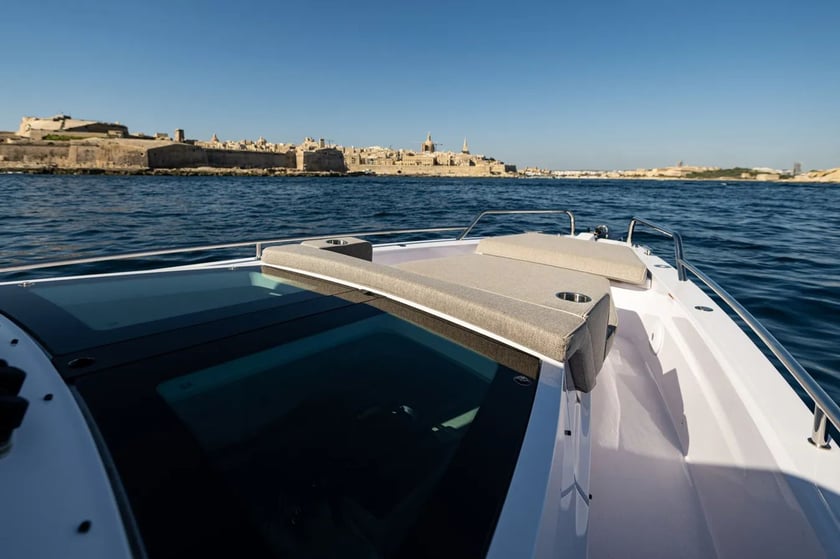
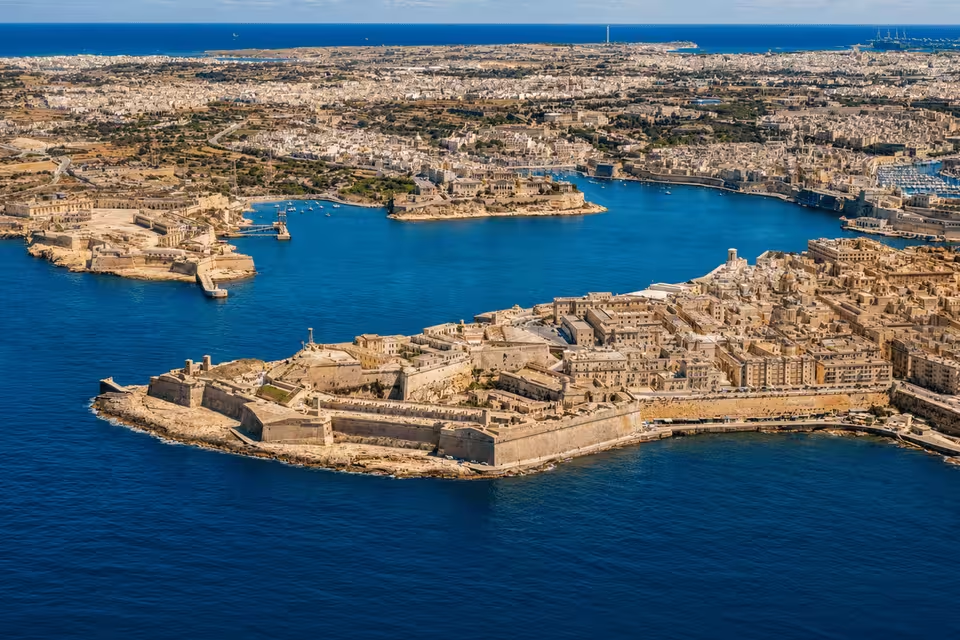
A Valletta yacht charter places Malta’s fortified capital at the center of an urban boating experience. The city occupies the elevated Sciberras Peninsula, with Grand Harbour on one side, Marsamxett Harbour on the other and Fort St Elmo at the seaward tip. From the water, limestone bastions and historic waterfront settlements frame the entrances to both harbours.
Valletta is best understood as a yachting gateway and cultural stop rather than a destination for secluded anchorages or beach-focused cruising. Most recreational marina facilities are in the communities immediately around the capital, while the walled city provides museums, churches, monumental architecture and harbour viewpoints within a compact area. Travelers considering a longer island itinerary can also explore yacht charter options across Malta.
Harbours and waterfront places to explore
Grand Harbour connects Valletta with Birgu, Senglea and Cospicua, collectively known as the Three Cities. Birgu’s Fort St Angelo faces Valletta across the water, making this part of the harbour particularly closely associated with Malta’s maritime and military history. Kalkara lies farther around the harbour and is another relevant marina area for yacht trips; travelers can examine charter options around Kalkara when comparing possible starting points.
Across the Sciberras Peninsula, Marsamxett Harbour links Valletta with Sliema, Gżira, Ta’ Xbiex, Pietà and Manoel Island. This side of the city contains several of the marina areas serving the capital. The compact geography makes it possible to combine short harbour movements with time ashore, while onward coastal passages can extend the trip beyond the immediate urban waterfront. The focus here is on fortifications, working harbours and historic settlements rather than quiet coves.
What cruising around Valletta is like
Cruising conditions change noticeably between the inner harbours and the approaches beyond their breakwaters. Grand Harbour and Marsamxett Harbour offer comparatively sheltered water, but Valletta’s high bastions and irregular shoreline can create localized gusts and lulls. Outside the entrances, yachts are more exposed to the prevailing conditions; northwesterly winds are the most frequent across Malta.
These are also active commercial waters. Cruise ships, ferries, workboats and recreational craft share the approaches and harbour channels, and movements are managed by Valletta Vessel Traffic Services. This does not prevent leisurely sightseeing, but it makes situational awareness and current arrival procedures important. For travelers, the result is a charter environment that feels connected to a working port: harbour cruising may be brief and visually rich, while longer passages require closer attention to the forecast and conditions beyond the shelter of the breakwaters.
Best time for a Valletta yacht charter
Late spring through early autumn generally provides the most consistently comfortable boating conditions. May, June and September are particularly suitable months. May combines shoulder-season timing with improving conditions, while June is warm, dry and well placed at the start of the principal summer period. September retains high-season boating conditions without being identified simply as a midsummer month.
July and August are typically hot, sunny and dry, so shade, drinking water and sun protection matter on exposed decks. April and October can also suit a charter, although conditions are less consistently summery. From November through March, increased rainfall, more variable winds and a greater chance of gales make plans less dependable. Recreational boating remains possible year-round, but winter itineraries benefit from greater flexibility.
History and culture from the water
Valletta’s defining charter experience is the ability to move directly between harbour scenery and a dense historic center. The Order of St John founded the city in 1566 after the Great Siege of Malta, planning it as a fortified Renaissance capital controlling the island’s principal harbours. Its surviving street grid, bastions, auberges, churches and civic buildings contributed to Valletta’s inscription on the UNESCO World Heritage List.
Ashore, St John’s Co-Cathedral, the Grand Master’s Palace, Fort St Elmo and the National War Museum provide context for the skyline seen from the yacht. The Upper and Lower Barrakka Gardens offer elevated views over Grand Harbour and its dockyard settlements. Valletta is also the starting setting of the annual Rolex Middle Sea Race, whose line runs between the Saluting Battery and Fort St Angelo. The race itself is a demanding offshore event rather than a standard leisure route, but its setting illustrates the harbour’s enduring sailing identity.
Getting there and choosing a departure area
Malta International Airport is the principal air gateway. Valletta can be reached from the airport by bus, taxi, shuttle or road transfer, and the city’s main bus terminus is just outside City Gate. Passenger ferries also connect Valletta with Sliema across Marsamxett Harbour and with Cospicua across Grand Harbour, which can simplify movements between the historic center and surrounding waterfront districts.
Potential departure areas include Marina di Valletta, Grand Harbour Marina, Kalkara Marina, the Msida and Ta’ Xbiex marina area, Manoel Island Marina and the Royal Malta Yacht Club Marina. Most are outside the walled-city boundary, so the marina address should be checked before arranging transfers or accommodation. Msida and Ta’ Xbiex are especially relevant when comparing bases around Marsamxett Harbour. Valletta therefore functions both as a place to explore and as the urban center of a wider harbour-based departure area.
Planning your charter
When assessing a Valletta boat rental or yacht charter, first decide whether the priority is historic harbour sightseeing, a longer coastal passage or a combination of sailing and time ashore. The marina location matters because “Valletta” may refer to the broader harbour area rather than a berth within the capital itself. Check the exact handover point, transfer time and ferry connections before finalizing the rest of the itinerary.
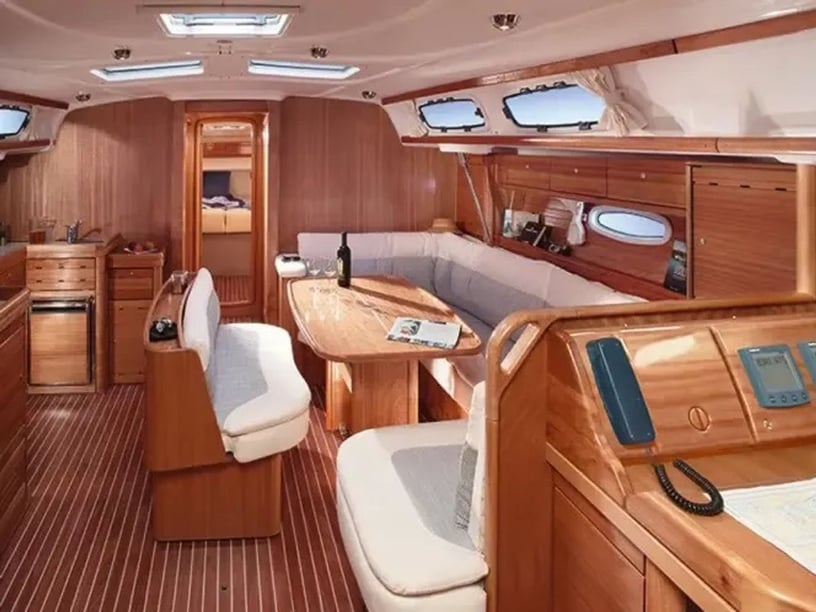
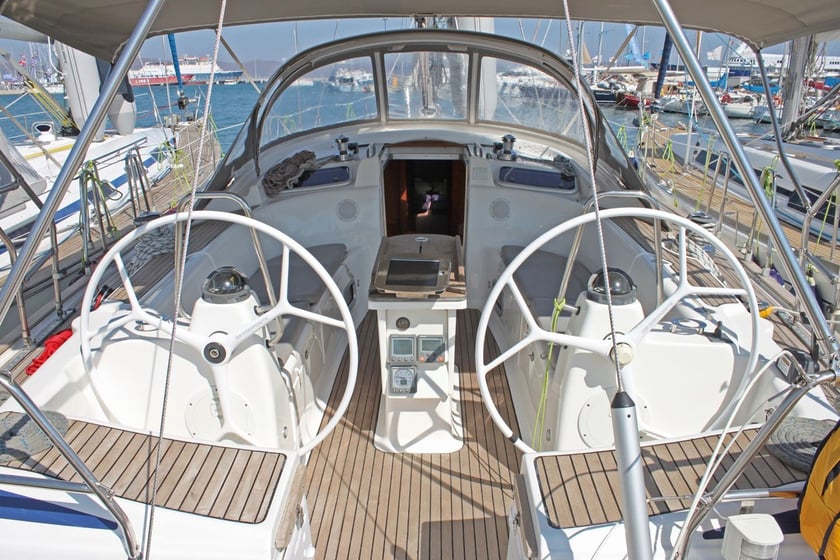
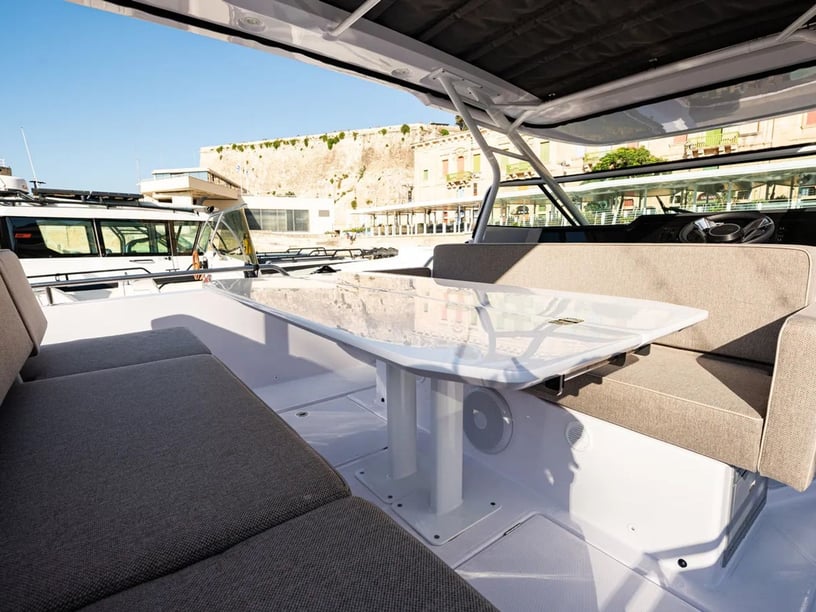
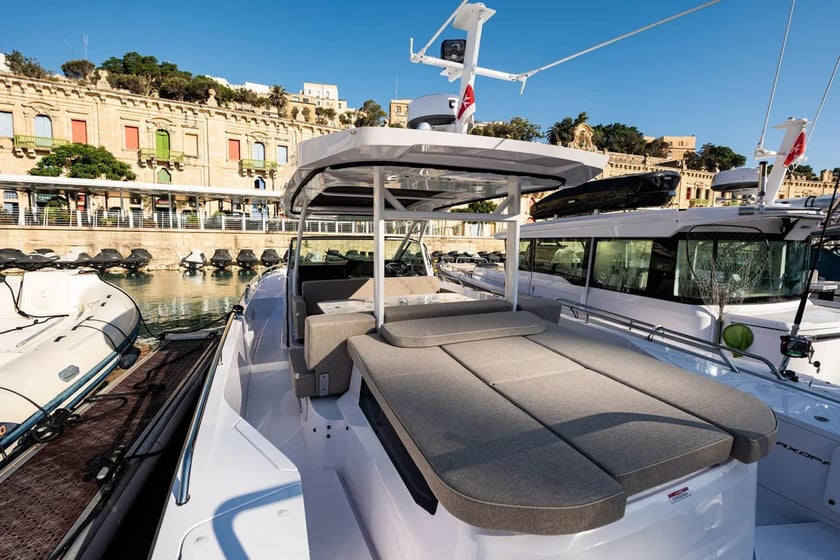
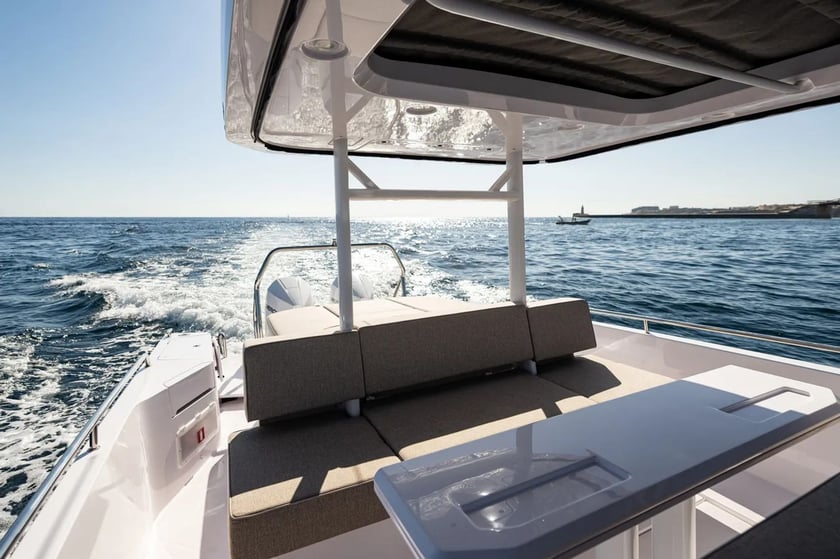
It is also useful to compare the charter format, sleeping arrangements, deck shade and onboard facilities against the planned duration. Travelers unfamiliar with busy port waters may prefer an arrangement that includes an experienced skipper, particularly when the itinerary involves harbour traffic and exposed approaches. Confirm current weather, berth arrangements and Transport Malta or Valletta Vessel Traffic Services requirements with the operator before arrival. In summer, plan for strong sunshine and heat; outside the main season, allow enough flexibility to adjust departure times or passages when wind and rain become less predictable.