Yacht charter in Tallinn
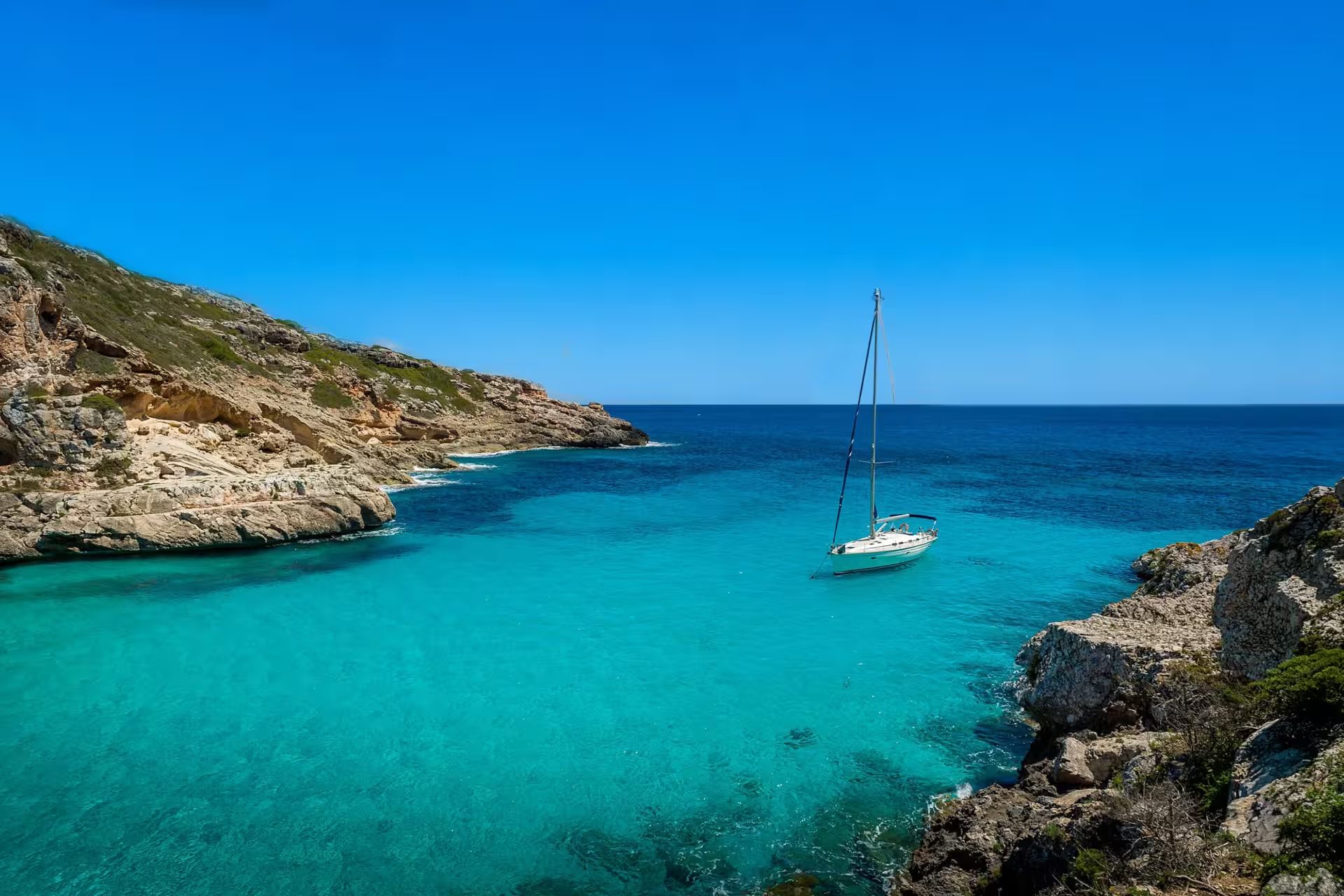
A yacht charter in Tallinn combines an urban Baltic waterfront with direct access to Tallinn Bay and the Gulf of Finland. The Estonian capital has several marina districts, a medieval skyline visible from the water and nearby islands suited to summer outings. Its coast is divided by the Kakumäe, Kopli and Paljassaare peninsulas, while the Viimsi Peninsula frames the wider boating area to the east.
Tallinn is both a place to explore from the water and a practical starting area for local cruises. Central berthing can put travelers within walking distance of the Old Town, while routes beyond the harbor lead toward Aegna, Naissaar and more exposed Gulf passages. For a broader view of cruising beyond the capital, see yacht charter in Estonia.
Coastal areas and islands to explore
Tallinn’s central waterfront gives a charter trip a distinctly urban beginning. The Old City Harbour area offers views toward the historic center, while Noblessner and the Seaplane Harbour reveal a different side of the coast, shaped by shipyards, naval history and converted industrial buildings. Pirita, farther east, is associated with its beach, convent ruins and the sailing venue created for the 1980 Olympic Games.
Offshore, Aegna and Naissaar are the principal choices for island outings from Tallinn. Both combine beaches and pine forest with military remains connected to the defense of Tallinn and the Gulf of Finland. They are usually approached as separate out-and-back trips rather than as stops on a tightly packed island circuit. Prangli lies farther into the wider boating area, while the bays around Kakumäe, Kopli and Paljassaare add geographical variety close to the city.
What sailing around Tallinn is like
Cruising can begin with sheltered berthing and managed harbor approaches, but conditions become more exposed soon after leaving the marina breakwaters. Tallinn Bay opens northward into the Gulf of Finland, so even a relatively short island passage should not be treated like sheltered inland boating. Weather and visibility can change quickly, and summer rain remains possible.
The area is generally of moderate sailing difficulty. Marked shoals and rocky or shallow margins require attention, while ferries, cruise ships and commercial vessels regularly use the bay and port approaches. Recreational craft must avoid obstructing these larger vessels and follow current charts and designated routes. The lightest average winds generally occur from June through August, but suitable planning still depends on the daily marine forecast, the boat and the experience of the skipper.
Best time for a Tallinn yacht charter
The normal recreational boating window runs approximately from May through October, subject to weather, marina schedules and ice conditions. June, July and August are the most suitable months for a yacht charter around Tallinn, bringing the mildest part of the year, longer daylight and generally lighter average winds. They are also the principal sailing months.
May and September can still support coastal and island trips, but conditions are cooler and less consistent. By late autumn, stronger winds, lower temperatures and shorter days restrict recreational activity. Winter is generally unsuitable for a conventional charter itinerary because darkness, cold weather and possible sea ice may affect navigation.
Route ideas from Tallinn
A straightforward summer plan is an out-and-back trip from a Tallinn marina to either Aegna or Naissaar. These routes combine time under way with an island visit for beaches, forest trails and military heritage. The choice should reflect the forecast and confirmed harbor or landing conditions rather than distance alone.
Longer passages can cross the Gulf of Finland toward Helsinki or Porkkala during the ice-free season. These are open-water crossings, not extensions of a sheltered bay cruise, and require careful weather planning and safe passage through major shipping flows. Within Tallinn Bay, official recreational routes connect the open water with the city’s harbor areas; current charts and marina-specific arrival instructions remain essential.
Maritime culture and time ashore
The approach to Tallinn provides one of the destination’s defining views: the towers and roofline of its medieval trading city seen from the bay. Once ashore, a charter can connect naturally with the Old Town’s Hanseatic history, the Estonian Maritime Museum and the waterfront districts that developed around naval infrastructure and shipbuilding.
Noblessner began as a submarine shipyard, while the Seaplane Harbour formed part of an early twentieth-century naval fortress. Pirita adds Estonia’s Olympic sailing legacy to the story. Beyond the city, Aegna and Naissaar shift the rhythm from museums and urban dining to beaches, walking trails and forested coast. This contrast allows a short trip to combine sailing, cultural visits and time outdoors without requiring an extended itinerary.
Access, marinas and departure areas
Lennart Meri Tallinn Airport is approximately four kilometers from the city center, with public transport, taxis and road connections available. International ferries connect Tallinn with Helsinki, and rail and coach services link the capital with other parts of Estonia. This makes it practical to combine arrival in the city with a stay near the waterfront.
Possible departure areas include Old City Marina, Noblessner Marina, Seaplane Harbour Marina, Pirita Harbour and Haven Kakumäe Marina. They represent different settings, from central historic waterfronts to Olympic and suburban marina districts. Tallinn therefore functions as both a destination and a potential departure area, although the appropriate starting point depends on the individual trip. Each harbor has its own depth limits, arrival procedures and possible VHF requirements, so these details should be checked before entry.
Planning the right charter
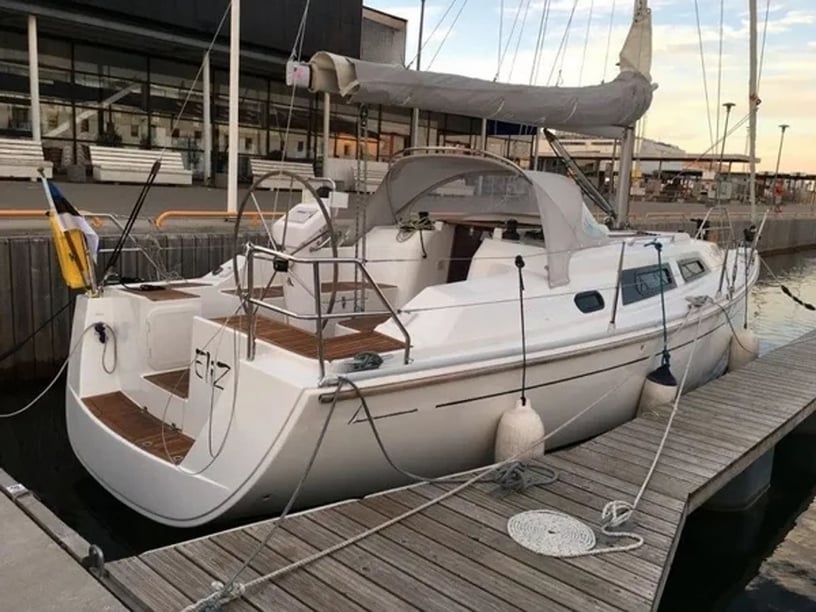
When comparing a yacht charter or boat rental in Tallinn, begin with the intended route. A city-and-bay outing, an island visit and a Gulf crossing place very different demands on the vessel, schedule and skipper. Travelers focused on wind-powered cruising can also review sailboat charters in Tallinn, while keeping the local exposure and commercial traffic in mind.
Allow flexibility around the forecast, particularly for island landings or open-water passages. Confirm the marina’s operating season, depth restrictions and arrival rules, and check conditions at Aegna or Naissaar before departure. Current official charts, navigational warnings and marine forecasts are important even for a short trip. If considering a cross-Gulf itinerary, discuss the boat’s suitability, the crew’s experience and alternative plans in advance; a route that works in settled summer weather may be inappropriate when visibility or wind changes.