Yacht charter across South-East Asia
A yacht charter in South-East Asia can take many forms, from short trips through sheltered limestone bays to liveaboard expeditions among remote reefs and volcanic islands. The region stretches between the Indian and Pacific oceans, encompassing the Andaman Sea, Gulf of Thailand, South China Sea and the interconnected seas of Indonesia. It should therefore be approached as a collection of distinct cruising grounds rather than one continuous sailing area.
Thailand and Malaysia combine established marina hubs with accessible island circuits, while Ha Long Bay offers protected cruising among marine-karst formations. Palawan links beaches, reefs and island passages, and eastern Indonesia is associated with longer expedition-style voyages. Exploring by yacht makes it possible to alternate time under way with swimming, snorkeling, secluded anchorages and visits to coastal settlements, but distances, infrastructure and seasonal conditions vary considerably between these areas.
Principal cruising areas and what sets them apart
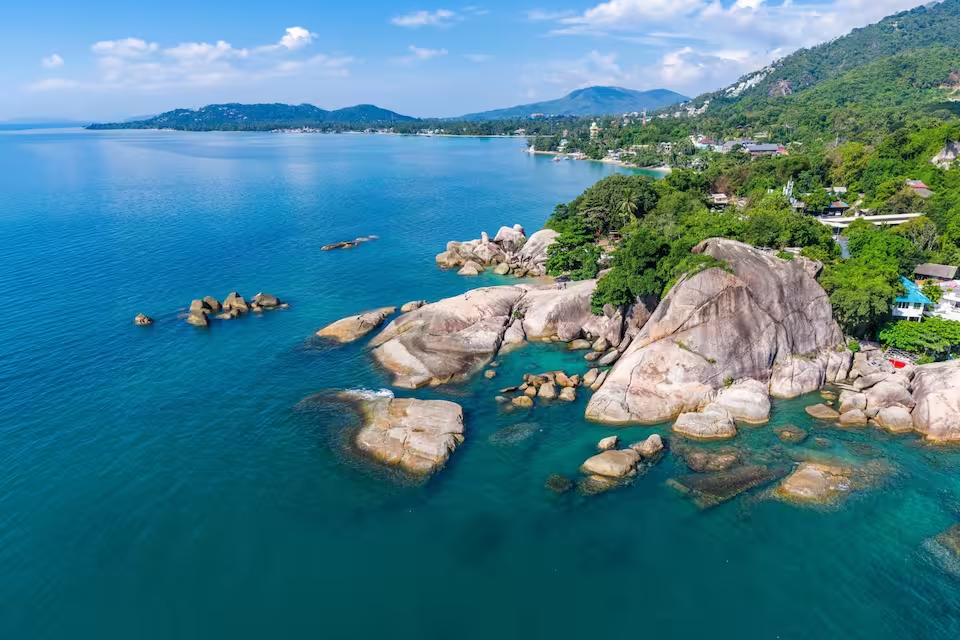
The northern Andaman coast is one of the region’s most varied yacht-charter settings. From Phuket, trips can combine the sheltered limestone scenery of Phang Nga Bay with Krabi, Ko Phi Phi and more open Andaman passages. Developed marinas make Phuket a practical starting point, while the mix of protected and exposed waters allows itineraries to be adjusted to time and conditions.
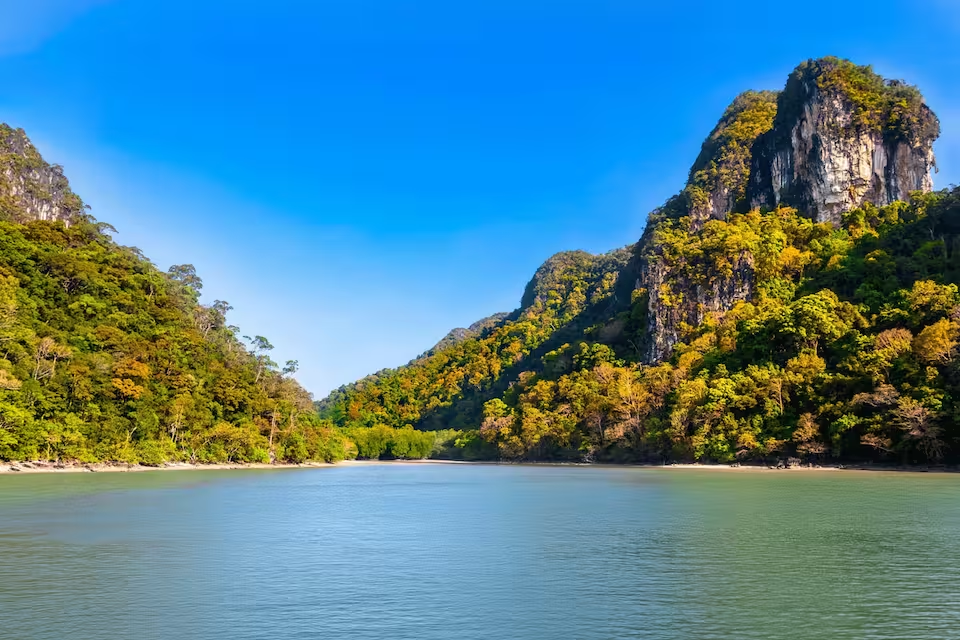
Farther south, Langkawi offers island cruising near the Malaysian peninsula. It can form part of a local archipelago trip or a longer west-coast passage toward Penang and the Strait of Malacca. This area adds historic port culture to the cruising experience, particularly around George Town.
In northern Vietnam, Ha Long Bay, Lan Ha Bay and Cat Ba suit compact cruises through sheltered marine-karst scenery. The UNESCO-listed Ha Long Bay–Cat Ba Archipelago contains 1,133 islands and islets, creating a very different experience from open-sea island hopping.
Northern Palawan ranges from the limestone islands of Bacuit Bay around El Nido to the lagoons, bays and wreck-diving areas near Coron. Journeys between El Nido, Linapacan, Culion and Coron are typically multi-day island-hopping expeditions rather than simple marina-based circuits.
Indonesia provides some of the most expedition-oriented choices. Labuan Bajo is the gateway to Komodo, Rinca and Padar, while longer passages can link Bali, Lombok, Sumbawa and Komodo. Sorong serves as an entry point to Raja Ampat, where remoteness, reefs and limited services make careful logistical planning particularly important.
What cruising conditions are like
Sailing conditions change sharply across South-East Asia. Phang Nga Bay, Langkawi, Ha Long Bay and parts of Palawan allow relatively sheltered, line-of-sight cruising, although nearby passages may still be exposed. Indonesian straits and offshore Philippine routes can involve stronger currents, reefs, longer legs and fewer support facilities.
The northeast and southwest monsoons govern prevailing winds, rainfall and sea state, but their effects differ by coast. The southwest monsoon can produce rougher conditions on the Andaman side and in the western Philippines. The northeast monsoon affects exposed South China Sea coasts, including eastern Peninsular Malaysia and parts of Borneo. Tropical cyclones are a significant consideration around the Philippines, Vietnam and the northern South China Sea.
Equatorial cruising grounds remain warm and humid, with rain and thunderstorms possible throughout the year. Narrow Indonesian passages may have strong tide-driven currents even during otherwise favorable weather. Reef-strewn waters, fishing traffic and unlit local craft also make local knowledge and daylight navigation important in many areas. For travelers, this means the charter format should match the route: a protected island circuit presents different demands from an offshore or remote-archipelago expedition.
Choosing the right season for your charter
There is no single best season for yacht charter across South-East Asia. The right period depends on the particular coast or archipelago, and opposite sides of the region can experience very different conditions during the same month.
The northern Andaman coast, including Phuket and Phang Nga, is generally most favorable during the drier northeast-monsoon period from approximately November to April. Many southern Indonesian cruising areas have a comparatively drier season from about April to October. Much of the Philippines has a broad dry period between December and May, although local weather and cyclone exposure still need to be considered.
Ha Long Bay commonly has more comfortable transitional conditions in spring and autumn; summer monsoon weather can be less predictable. The Gulf of Thailand, eastern Malaysia and equatorial areas follow other patterns. Rather than choosing dates for the region as a whole, select the cruising ground first and then check its seasonal winds, rainfall, sea state and current official forecasts.
Established route ideas
For a relatively compact Andaman itinerary, the Phuket–Phang Nga Bay–Krabi–Ko Phi Phi circuit combines sheltered limestone-bay cruising with more open passages. On Malaysia’s west coast, Port Klang–Pangkor–Penang–Langkawi is a longer route along the Strait of Malacca, with historic coastal cities complementing island stops.
Ha Long Bay–Cat Ba–Lan Ha Bay offers a concentrated cruise through protected karst waters. In the Philippines, the El Nido–Linapacan and Culion–Coron crossing is a multi-day expedition through northern Palawan.
From Labuan Bajo, the Rinca–Komodo–Padar circuit is an established liveaboard pattern. Travelers seeking a longer Indonesian voyage can consider the Bali–Lombok–Sumbawa–Komodo–Labuan Bajo passage. These routes should be treated as distinct trip concepts rather than sections of a single regional itinerary; crossing borders or connecting distant archipelagos introduces additional time, clearance and logistical requirements.
Nature, culture and life ashore
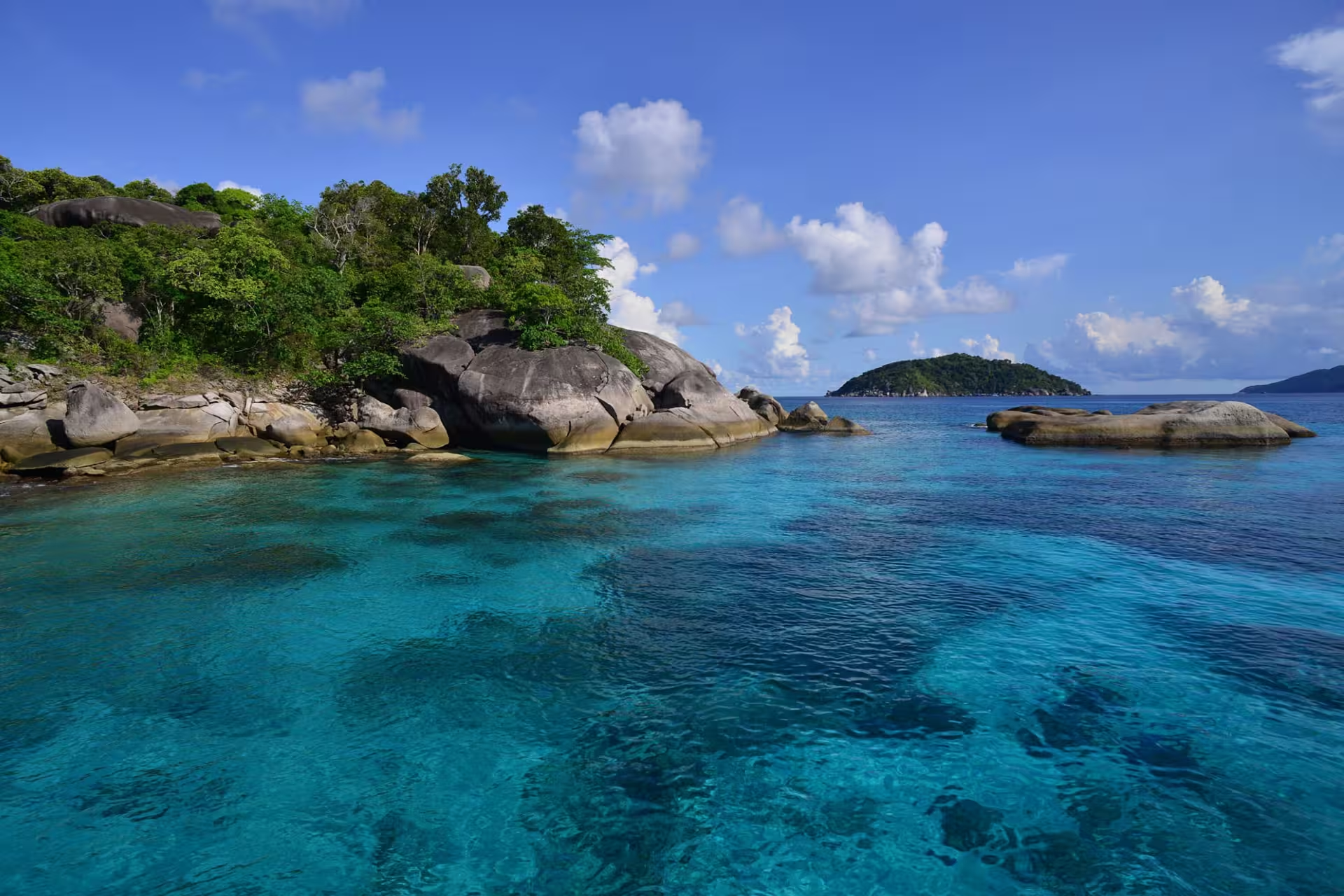
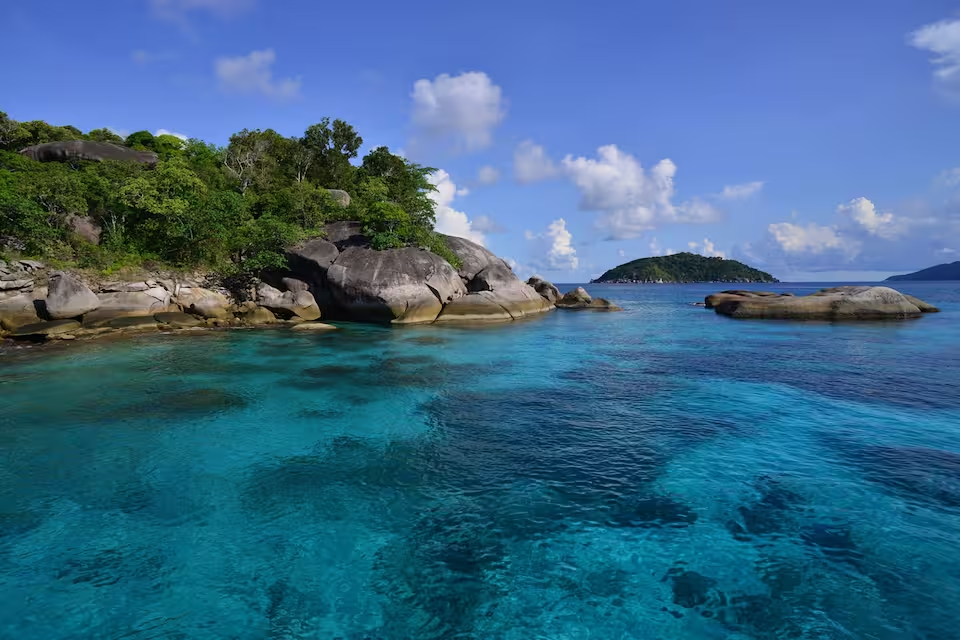
A South-East Asia yacht charter can be shaped around snorkeling, diving, beaches and secluded anchorages, particularly across the Coral Triangle areas of the Philippines, eastern Malaysia and Indonesia. Protected marine landscapes include the Similan Islands, Komodo National Park, Tubbataha Reefs and Raja Ampat, although permits, conservation fees, guides or designated landing and anchoring arrangements may apply.
The scenery differs as much as the sailing. Phang Nga, Ha Long–Cat Ba and northern Palawan are known for marine-karst formations, while the Lesser Sunda Islands form a volcanic chain. Around Coron, wreck sites add another dimension to diving-focused trips.
Maritime culture is also part of the journey. The trading ports of the Strait of Malacca developed through centuries of Malay, Chinese, Indian, Arab and European contact, reflected in architecture, communities and food traditions. In Indonesia, the UNESCO-listed pinisi tradition preserves knowledge associated with South Sulawesi’s wooden sailing vessels. Going ashore can therefore provide cultural context that a purely beach-focused itinerary would miss.
Air gateways and departure points
Singapore, Bangkok, Kuala Lumpur, Manila, Hanoi and Bali act as major international gateways, with domestic or regional flights continuing to coastal bases and island gateways. Phuket, Krabi, Langkawi, Kota Kinabalu, Cebu, El Nido, Busuanga, Labuan Bajo and Sorong all have relevant air connections for nearby cruising areas.
Road transfers link airports with marinas around Phuket, Langkawi, Ha Long, Subic Bay and Kota Kinabalu. Common embarkation points include Phuket Yacht Haven, Ao Po Grand Marina, Royal Langkawi Yacht Club Marina, Tuan Chau Marina, Subic Bay, El Nido, Coron, Cebu, Benoa Harbour, Labuan Bajo and Sorong Harbour. More remote areas may require an additional ferry, speedboat or local flight, so transfer time should be considered when setting the embarkation day.
How to plan the right charter
When comparing yacht charter or boat rental options in South-East Asia, begin with the cruising area rather than treating the whole region as interchangeable. Short, protected-water circuits suit travelers who prefer frequent stops and limited open passages. Remote Philippine and Indonesian routes generally require more time and are commonly explored by crewed yachts or liveaboards with local knowledge.
Check the expected passage lengths, level of shelter and access to fuel, provisions, communications and repairs. Facilities become limited away from principal marina hubs, particularly in remote Indonesian and Philippine archipelagos. The itinerary should also account for currents, reefs and any marine-park restrictions.
Cross-border voyages require country-specific immigration, customs, quarantine and port-clearance procedures. Current cyclone warnings, forecasts, tide information, maritime-security advisories and entry rules should be reviewed for the exact route, especially around offshore border areas and parts of the Sulu and Celebes seas. Confirming these practical details before choosing the vessel or itinerary helps distinguish an accessible island holiday from a more demanding expedition.



























Verified
Fadime M.01 Jan 2026
The boat was in good condition, and the charter company's team was very helpful. The handover and the information provided about the sailing area were also very well prepared, leaving an overall excel...
Listing owner: denisKoh Chang / Thailand