Yacht charter around Sistiana
Sistiana sits around a sheltered bay on the northern Gulf of Trieste, where the limestone edge of the Karst Plateau gives way to wooded slopes, pebble shores and small harbors. The settlement itself stands above the coast, while Sistiana Mare brings together beaches, sailing-club moorings, the Port of Sistiana and the modern Portopiccolo marina complex.
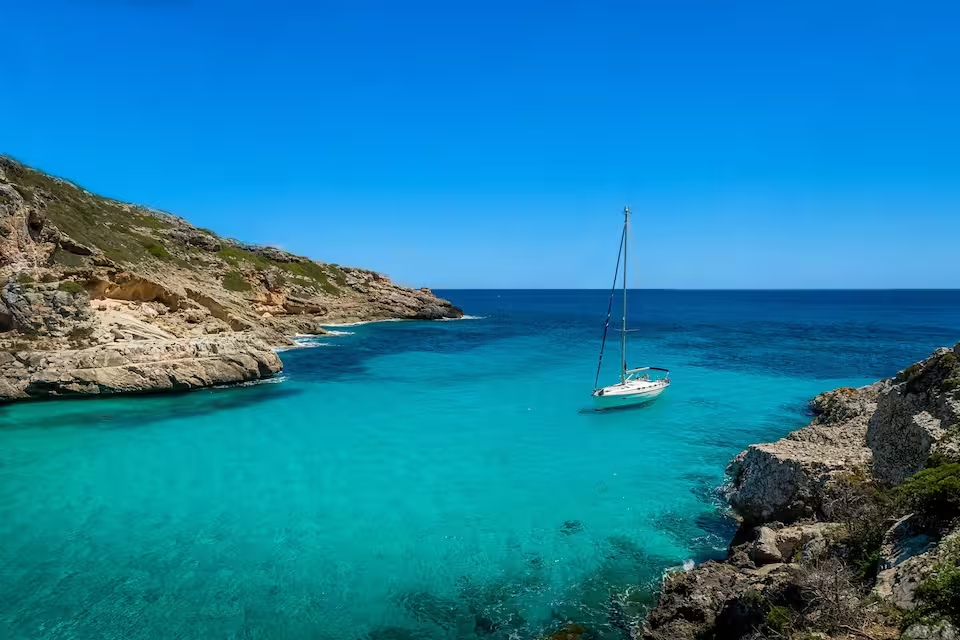
A yacht charter in Sistiana is primarily about coastal cruising rather than island-hopping. Once outside the bay, travelers can follow the Karst shoreline toward Duino, Miramare and Trieste, combining time under way with swimming and visits ashore. It offers a geographically distinct introduction to yacht charter in Italy, with castles, pale cliffs and the open Gulf of Trieste shaping the experience.
Coastal places to explore
The nearby Duino coast is one of the most recognizable parts of the local cruising area. Duino Castle stands above the shoreline, while the Duino cliffs and nature reserve provide a dramatic backdrop when approached from the water. Villaggio del Pescatore, close to Duino, can also form part of a short coastal passage from Sistiana.
Southeast along the gulf, Grignano and Miramare bring the route toward Miramare Castle and Park. Cruisers must respect the marked Marine Protected Area here: unauthorized boating is excluded from its core zone, and anchoring and fishing restrictions apply in the surrounding buffer.
Continuing toward central Trieste shifts the character of the trip from limestone coast to an urban waterfront. These relatively close coastal destinations make the area suitable for line-of-sight cruising, where the next landmark often remains visible rather than lying across a long offshore passage.
Sailing conditions in the Gulf of Trieste
The Bay of Sistiana provides useful shelter, but boats leaving it soon enter the more exposed Gulf of Trieste. Local cruising is considered moderately demanding: passages can be short and visually straightforward, yet conditions require careful attention because of the Bora.
This dry east-to-northeast wind can occur in any season and is more frequent and persistent during the cooler half of the year. Strong episodes may develop rapidly, produce gusts considerably stronger than the reported average wind and complicate harbor maneuvers. Open-gulf sailing can become unsuitable for inexperienced crews when the Bora is established.
Warm-season trips more often combine mild to hot weather, limited summer rainfall and local coastal breezes. Even then, a current marine forecast should guide departure and route decisions. Travelers without experience in gusty regional winds should consider whether a professionally skippered charter is more appropriate than taking operational responsibility themselves.
Best time for a Sistiana yacht charter
Recreational boating is concentrated from late April through October, with the most consistently warm holiday conditions generally occurring between June and September. June, July and September are identified as particularly suitable months. July brings some of the warmest sea and weather, but it also falls within the main summer activity period.
August remains warm and busy, although it is not among the specifically identified best months. May and October can suit travelers who prefer the shoulder season, but weather and sailing conditions are less consistent. Autumn is typically wetter, and winter activity is limited by lower temperatures and the greater frequency of strong Bora episodes.
Because the Bora is possible throughout the year, choosing a favorable month does not remove the need to monitor short-term forecasts.
A coastal route toward Trieste
A practical local itinerary follows the Trieste coast between Sistiana and Duino at one end, then turns southeast past Grignano and Miramare toward central Trieste. It can be adapted as a short outing or divided into slower stages with time for swimming and visits ashore.
The route links several contrasting views: the high Karst coast and Duino Castle, Miramare Castle beside its protected marine setting, and the waterfront of Trieste. Rather than covering long distances between islands, the emphasis is on coastal landmarks and flexible passage lengths. Final routing should account for the marine restrictions near Miramare and the latest wind forecast.
Life on the water and ashore
A charter around Sistiana can balance scenic cruising with beaches, swimming and cultural stops. From the water, the bay’s white rock and wooded slopes contrast with Portopiccolo, a marina settlement developed within a former limestone quarry. Above the coast, the Rilke Trail follows the Duino cliffs and provides an appealing shore excursion for travelers who want to combine boating with walking.
The area also reflects the bilingual Italian-Slovenian culture of the Trieste Karst; Sistiana is known in Slovenian as Sesljan. Meals ashore may bring together Adriatic seafood and Karst products, accompanied by regional wines such as Vitovska, Malvasia Istriana or Terrano. The surrounding countryside retains the osmiza tradition, in which farms and private cellars serve their own wine and food products.
Reaching Sistiana and its harbors
Trieste Airport is the most relevant air gateway. By road, Sistiana is accessible from the A4 motorway via the Sistiana exit. Sistiana-Visogliano station lies on the rail corridor between Monfalcone and Trieste, while regional buses connect the area with Trieste, Duino, nearby coastal settlements and the airport.
Yacht trips in the immediate area may begin from Portopiccolo Marina or the Port of Sistiana. The bay therefore functions both as a possible departure area and as a place to visit during a wider Gulf of Trieste cruise. Travelers should confirm the exact embarkation point and access arrangements before arrival. Association-operated mooring areas in the Port of Sistiana are primarily intended for members, and transit space can be limited.
Practical charter planning
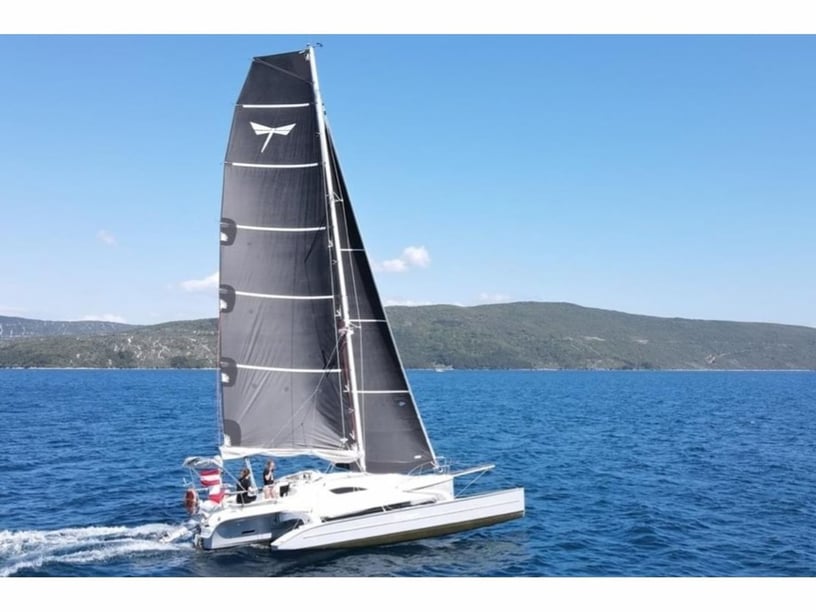
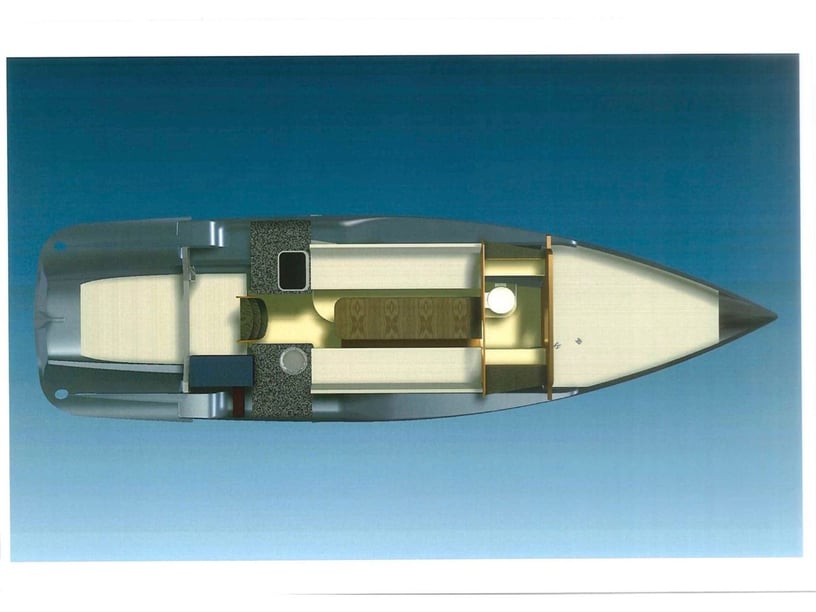
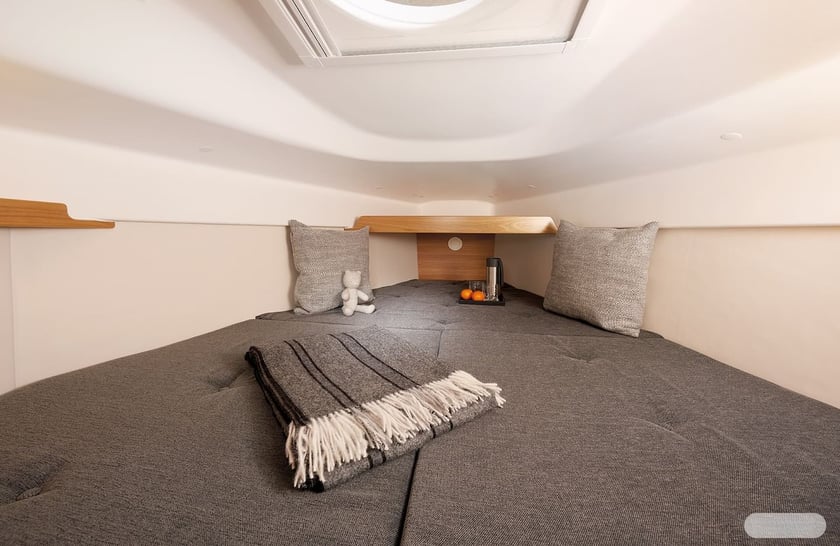
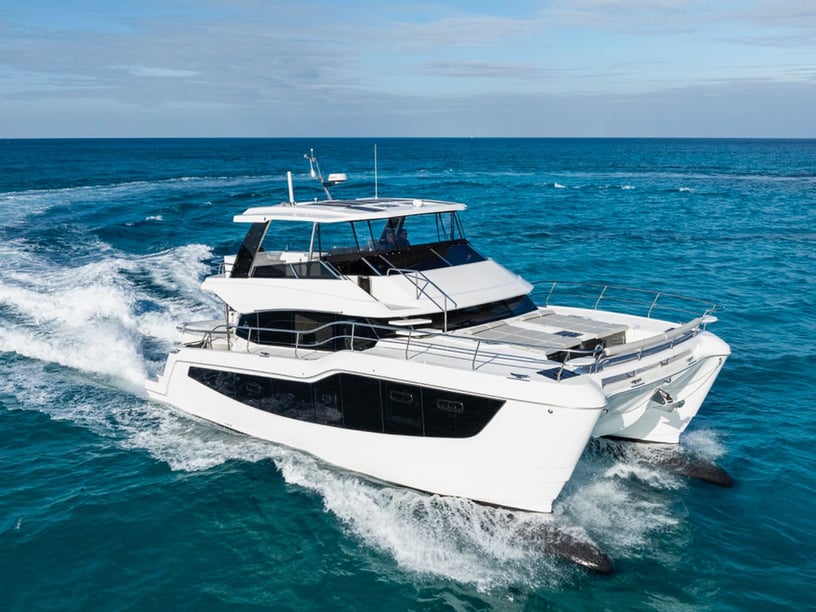
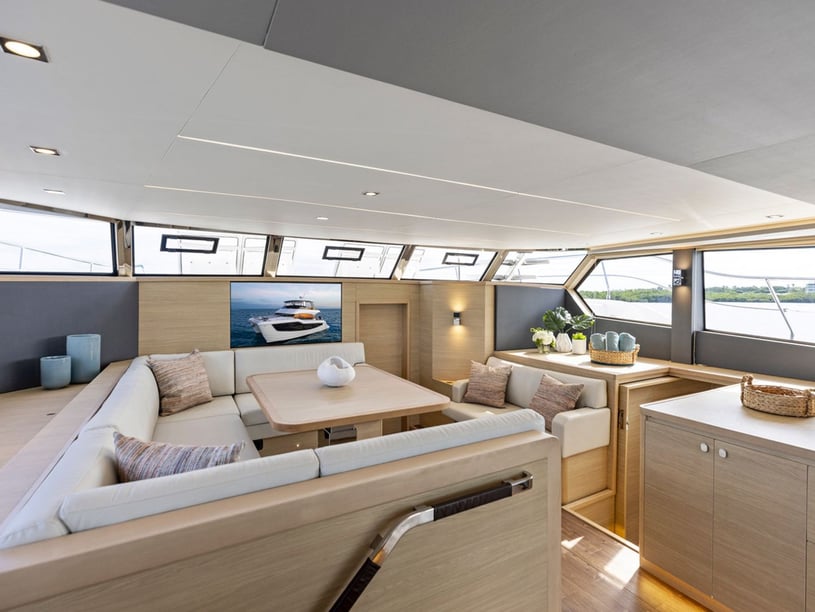
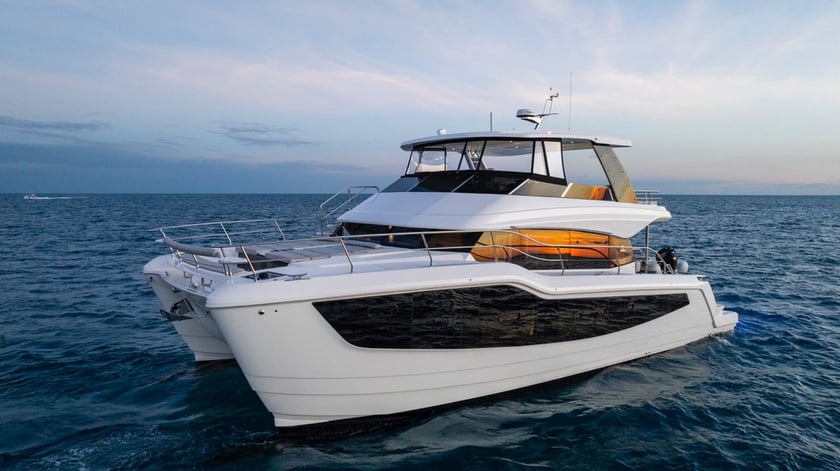
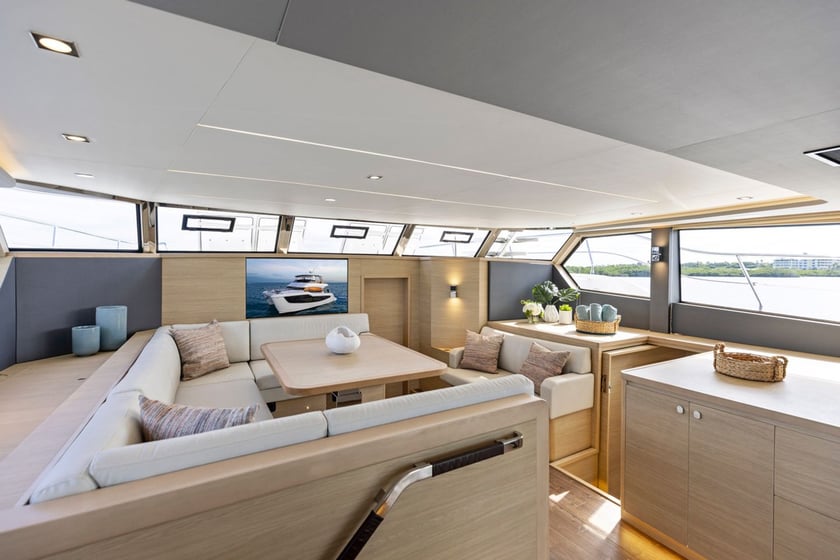
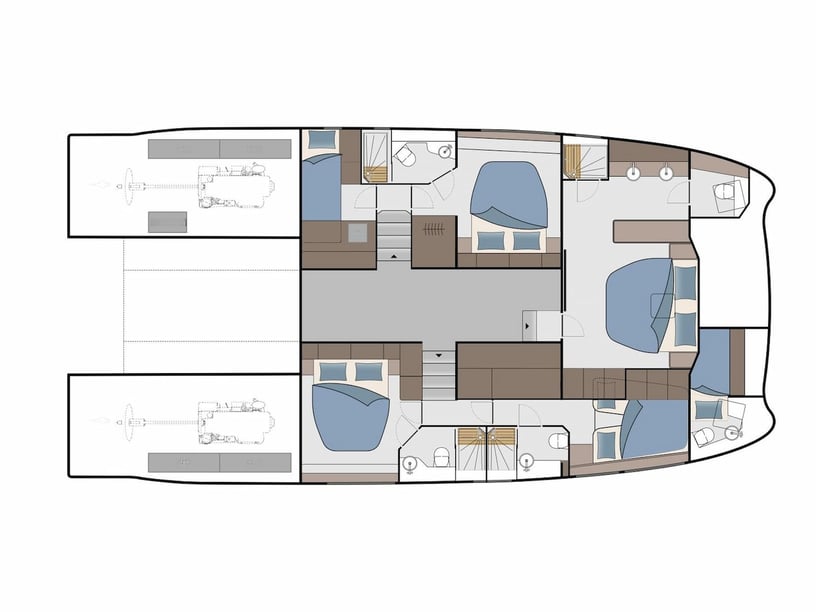
If you are researching boat rental in Sistiana, first decide whether the trip is intended as a short coastal outing or a longer yacht charter with overnight accommodation. The local geography favors compact routes, but the exposed gulf and rapidly changing Bora conditions make crew experience an important part of the decision. Compare boats not only by size, but also by sleeping arrangements, sheltered outdoor space and suitability for the planned duration.
Confirm where boarding takes place, whether a skipper is required for your level of experience and what happens if weather restricts the intended route. Berth arrangements should also be checked in advance. In parts of the Port of Sistiana, reported depths are approximately 4 to 6.5 meters and tidal variation can approach 1.5 meters, but berth-specific information must be verified.
Finally, ask how the itinerary will account for the protected waters near Miramare. Restrictions on boating, anchoring and fishing vary by zone, so a planned swimming or lunch stop should not be assumed to be permitted without checking the relevant boundaries.