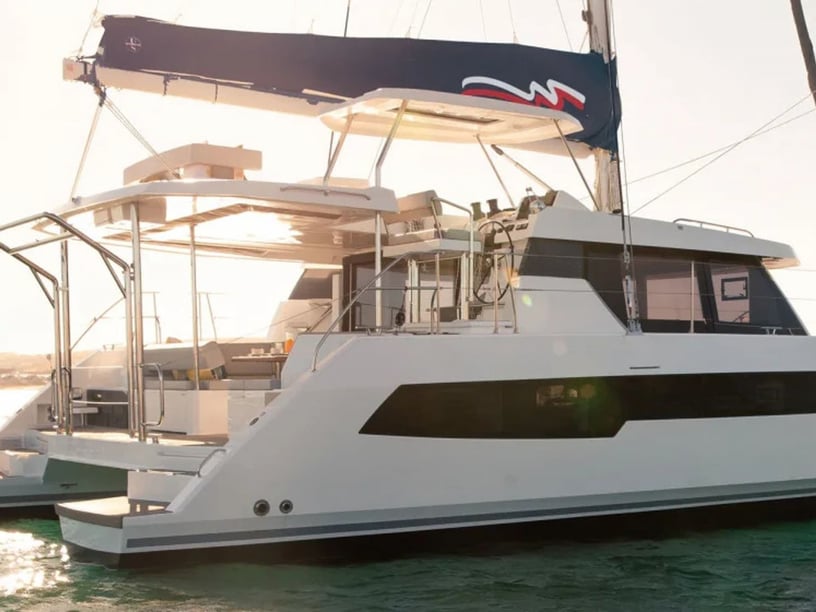
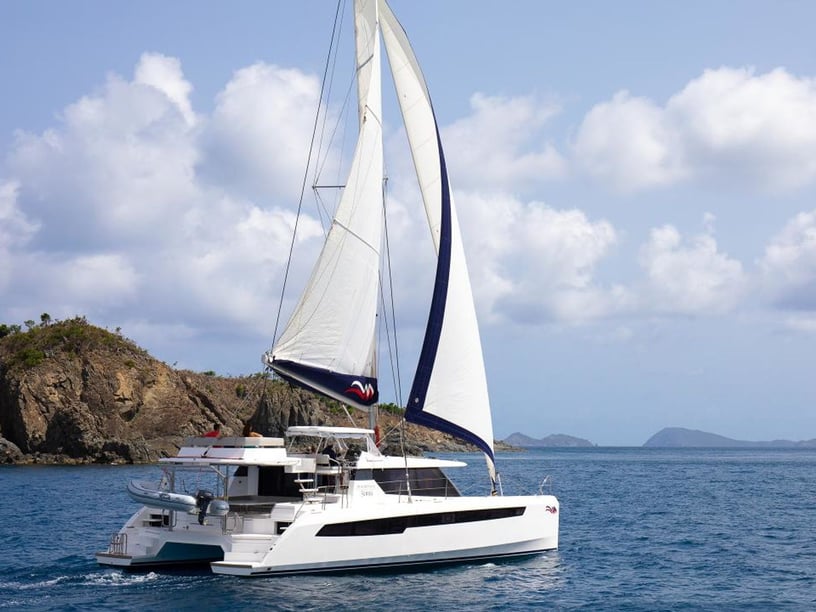
Yacht charter in Castries
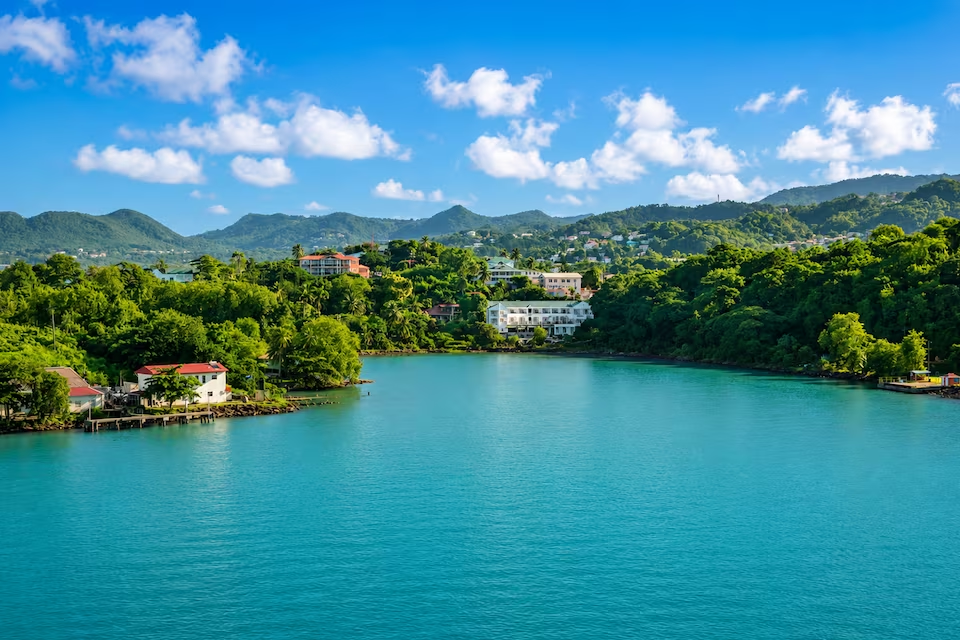
Castries, Saint Lucia’s capital, occupies a sheltered harbor on the island’s northwestern Caribbean coast. Hills rise behind the waterfront, while the Vigie peninsula and the Tapion–La Toc side of the coast frame the harbor entrance. This setting gives travelers access to the comparatively sheltered west coast and its sequence of bays, beaches and coastal communities.
A yacht charter in Castries is best understood as a combination of urban exploration and west-coast cruising. The city is a working seaport rather than Saint Lucia’s principal recreational marina base, so some charters may start elsewhere and include Castries as a stop. Its market, historic center and nearby Vigie Beach add an onshore dimension before or after time on the water. For a wider view of possible bases and cruising areas, compare yacht charter options across Saint Lucia.
Places to explore along the coast
Immediately north of central Castries, Vigie combines a beach, a small bay and convenient proximity to George F. L. Charles Airport. Choc Bay lies farther along the coast, although reefs, shallow water and submarine-cable restrictions mean that entry or anchoring requires current charts and careful planning.
Marigot Bay is one of the most relevant nearby destinations for yacht travelers. Its protected setting and recreational marina facilities make it useful both as a stop and as a possible departure area. A short coastal cruise between Castries and Marigot can leave time for swimming or going ashore rather than committing to a longer passage.
To the north, Rodney Bay offers another major concentration of yacht facilities and provides access toward Pigeon Island. Heading south opens the more scenic west-coast progression through Anse La Raye and Canaries toward Soufrière and the Pitons. These places can be combined selectively according to the charter’s duration and confirmed starting point.
What sailing around Castries is like
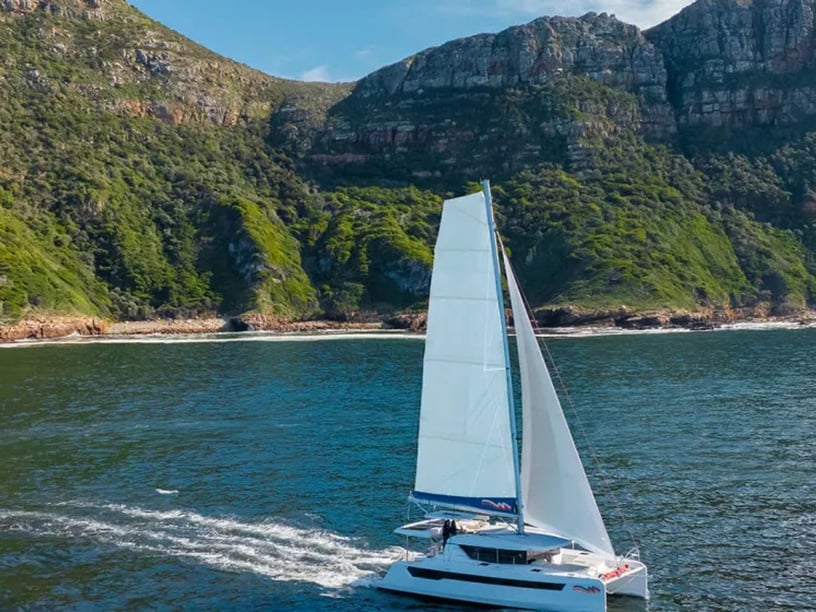
Castries provides access to Saint Lucia’s Caribbean-facing west coast, which is generally calmer than the exposed Atlantic side. Prevailing easterly trade winds are commonly around 10 to 20 knots, and the coastline lends itself to understandable north–south passage planning between recognizable bays and coastal settlements.
The inner harbor is relatively sheltered, but it is not a quiet leisure anchorage. Cruise ships, cargo movements and other commercial traffic share the port, while restricted swinging room limits where small vessels can safely remain. Recreational skippers need to keep the fairway, submarine cables and working-port areas clear and confirm current anchoring or berthing arrangements.
Outside the harbor, conditions vary with weather and location. Protected bays can provide calmer stops, while open sections of coast are more exposed to wind and swell. For travelers, this makes route flexibility valuable: swimming and shore visits can be adjusted around the forecast rather than tied to a rigid schedule.
Best time for a Castries yacht charter
December through May is the most dependable period for recreational sailing around Castries. Rainfall is generally lower, trade winds tend to be more consistent and the west coast is well suited to trips linking Castries with Marigot Bay, Rodney Bay or Soufrière. January, February, March, April, May and December are specifically identified as the most suitable months.
June marks the transition into a wetter and more variable period. From June through November, rainfall, squalls and tropical-weather uncertainty increase, with activity generally lowest during August, September and October. November is transitional, but forecasts still require close attention.
Warm conditions allow boating at other times when the weather is favorable, yet the Atlantic hurricane season runs from June through November. Travelers considering these months should favor flexible arrangements and allow for itinerary changes or disruption if official forecasts warrant them.
West-coast route ideas
A short Castries–Marigot Bay return cruise is a practical choice when the aim is to balance time underway with swimming, a beach visit or a waterfront stop. It also provides a straightforward introduction to Saint Lucia’s sheltered western coastline.
A longer outing can continue south past Marigot Bay, Anse La Raye and Canaries toward Soufrière and the Pitons. This route is commonly combined with swimming or snorkeling stops, subject to conditions and local rules. Boats entering the Soufrière Marine Management Area should use designated moorings and follow its marine-management requirements. Exact routes should reflect the vessel’s actual departure marina rather than assuming every trip begins inside Port Castries.
Coastal and cultural highlights
A charter around Castries can divide the day between coastal cruising and time ashore in Saint Lucia’s capital. Castries Market, established in 1891, is associated with local produce, spices, sauces, crafts and Saint Lucian Creole food. Nearby landmarks include Derek Walcott Square, the Cathedral Basilica of the Immaculate Conception and the Saint Lucia National Museum.
The city also has a maritime identity that predates its current name. It was historically called Carenage, a term connected with careening vessels for cleaning or repair, before being renamed Castries in 1785. This history gives the working harbor added context, even though today’s principal recreational yacht facilities lie outside the central port.
On the water, swimming and scenic cruising can be combined with stops near Vigie, Marigot Bay or farther down the west coast. The value of exploring by yacht lies in moving between the capital, quieter bays and coastal communities without treating Castries as the only focus of the trip.
Airports, marinas and departure points
George F. L. Charles Airport is beside Vigie and offers the closest air access to Castries. Hewanorra International Airport, Saint Lucia’s principal long-haul gateway, is in the south and involves a substantially longer road transfer. Authorized taxis, rental vehicles and public minibuses connect the capital with other parts of the island. Port Castries also has a regional ferry terminal, although schedules and routes should be checked before travel.
Port Castries can function as an arrival point or an urban stop, but it primarily handles cruise and cargo traffic. Travelers should not assume that a booked yacht will be handed over in the central harbor. Full-service recreational yacht facilities are concentrated at IGY Rodney Bay Marina to the north and Marigot Bay Yacht Haven to the south. Confirming the exact marina is therefore essential when arranging airport transfers, accommodation and embarkation times.
Planning your charter
Anyone researching boat rental in Castries should check the precise embarkation point before comparing routes or transfer times. A listing associated with Castries may still use Rodney Bay or Marigot Bay as its operational base. Confirm where boarding takes place, whether the planned itinerary returns to the same marina and how much cruising time is realistic within the charter period.
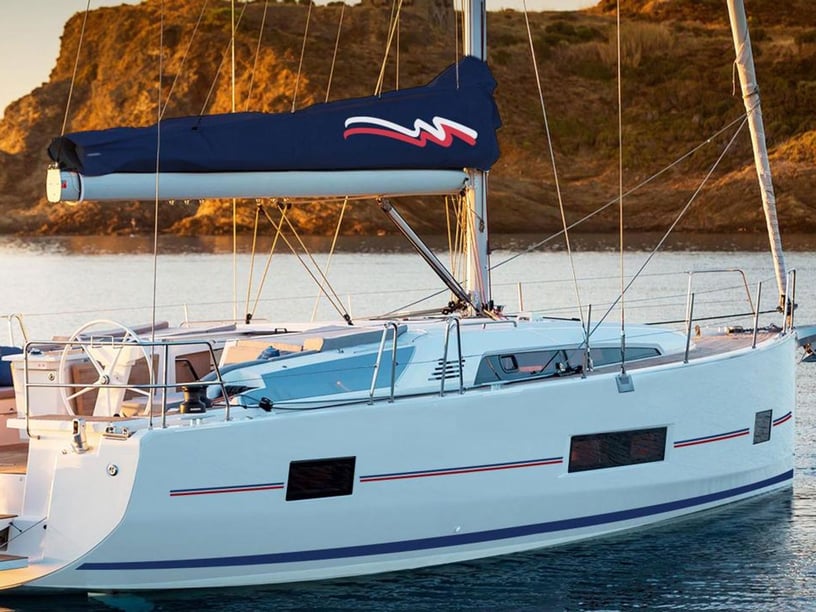
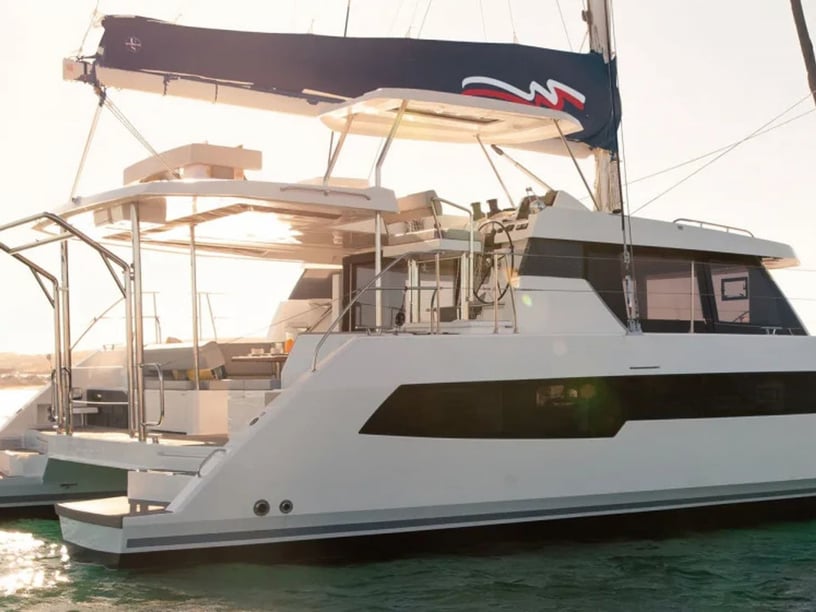
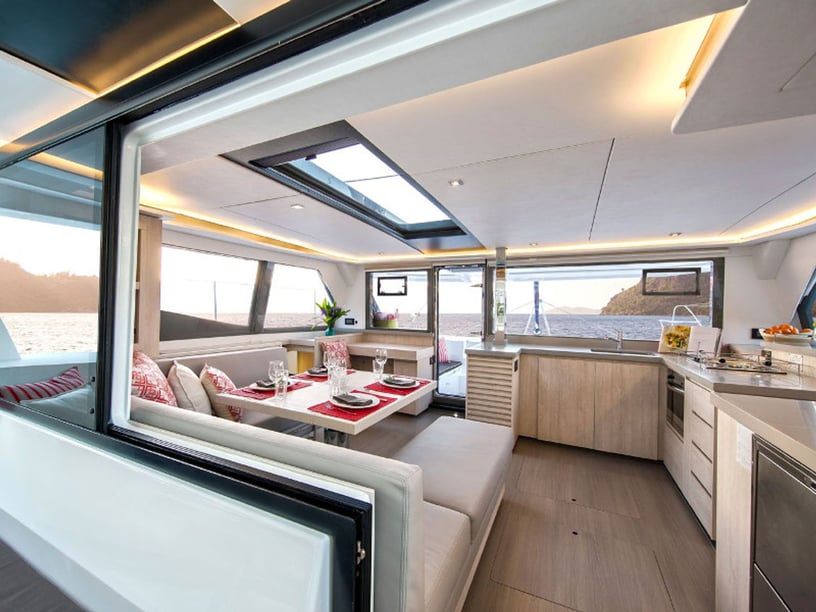
Review the charter arrangement for the vessel’s capacity, cabin layout, included crew or skipper services, fuel terms and any rules governing swimming or snorkeling equipment. These details should come from the individual offer rather than assumptions about the destination.
Local navigation constraints also affect planning. Current nautical charts and notices are important around the working harbor and Choc Bay, while official forecasts should guide all departures, particularly from June through November. If the route continues toward Soufrière, allow for designated moorings and marine-management rules. Combining these practical checks with a flexible west-coast itinerary makes it easier to balance sailing, swimming and time ashore.