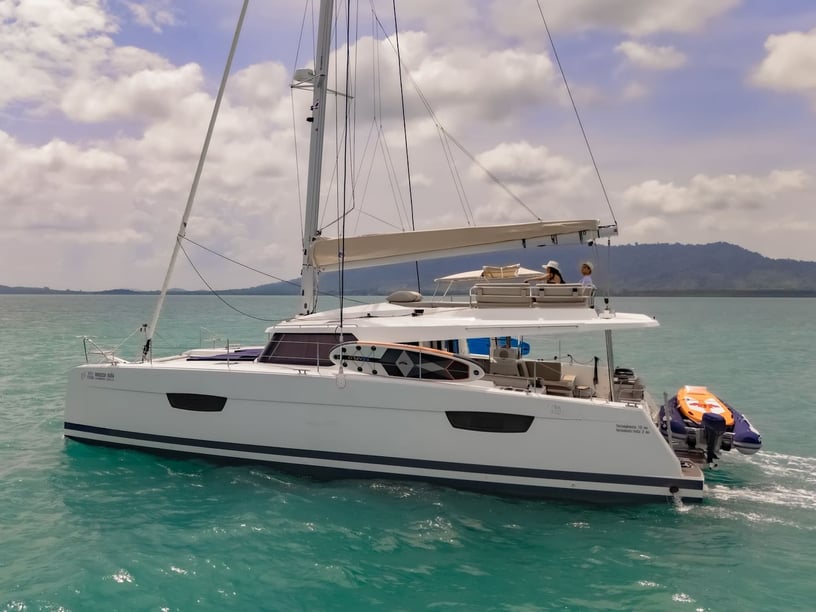
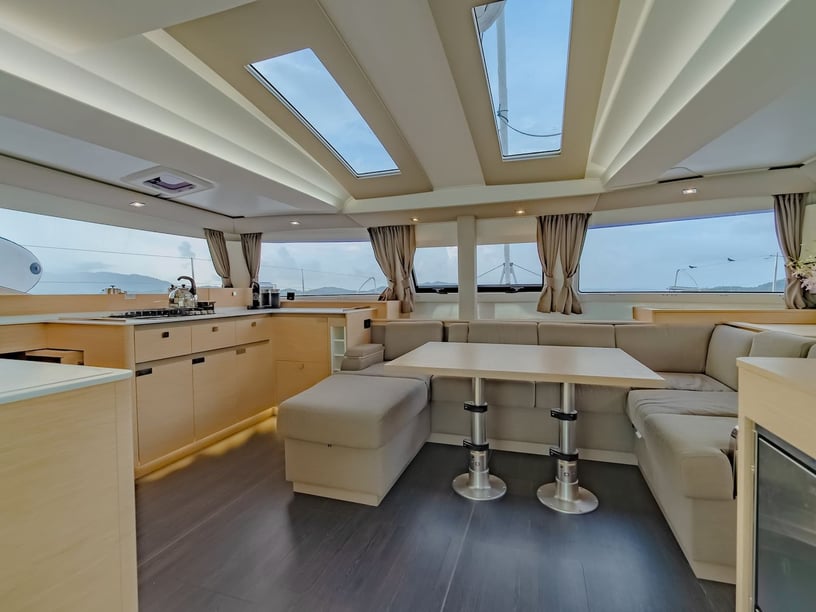
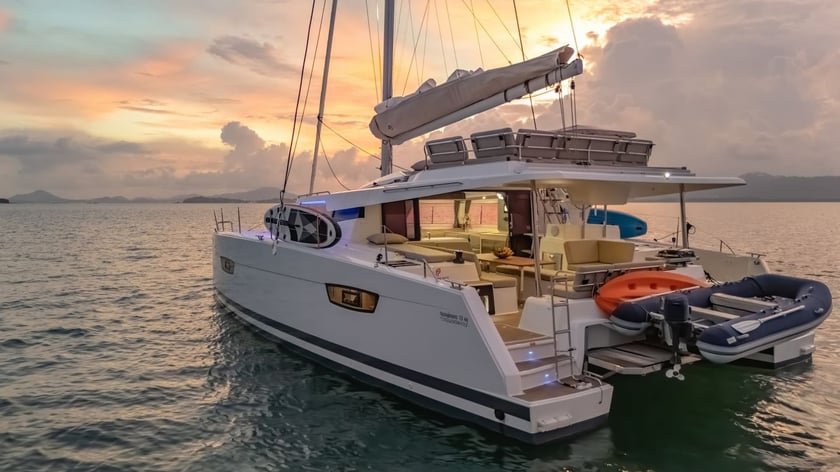
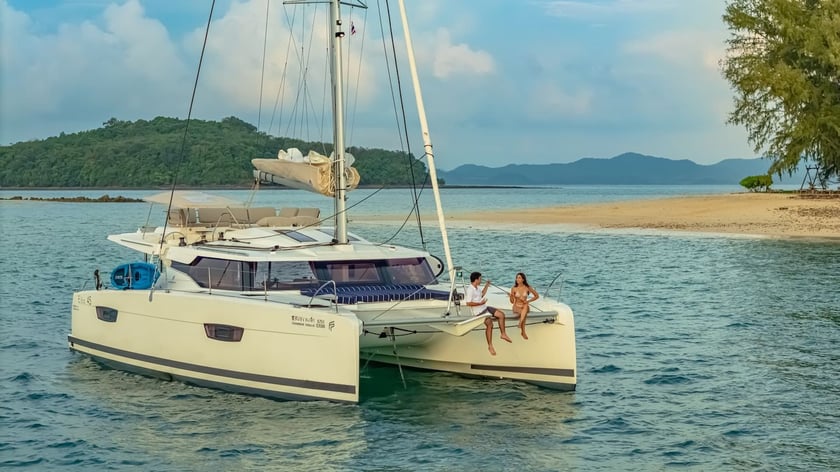
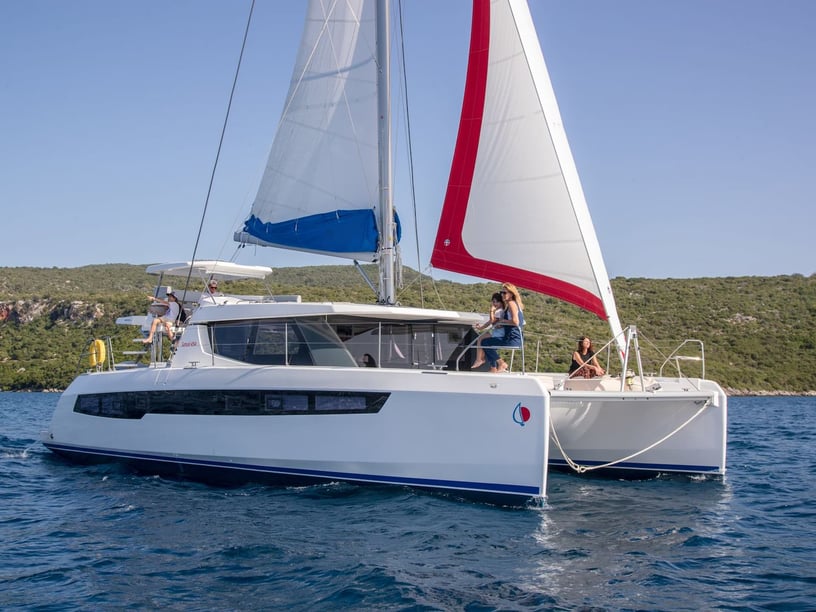
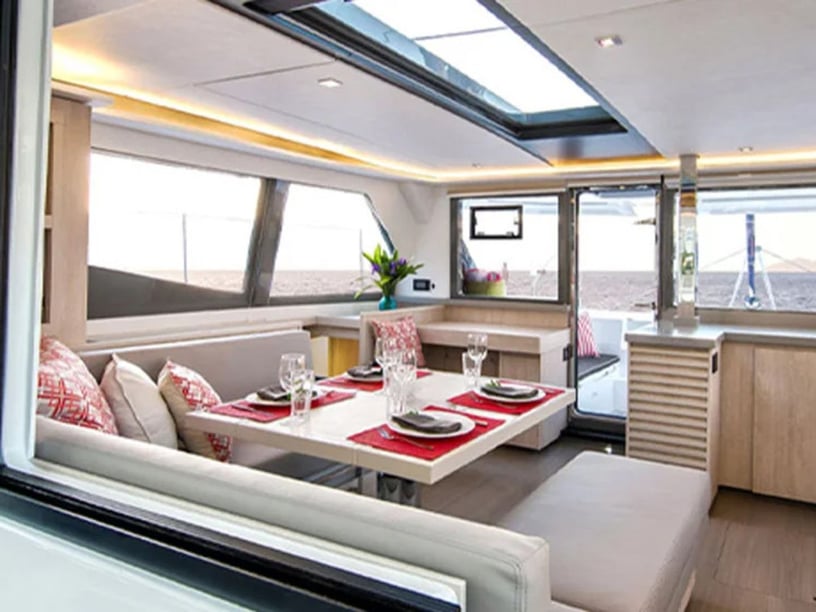
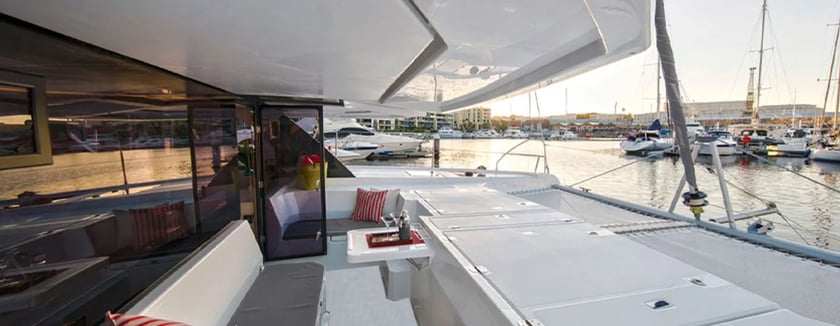
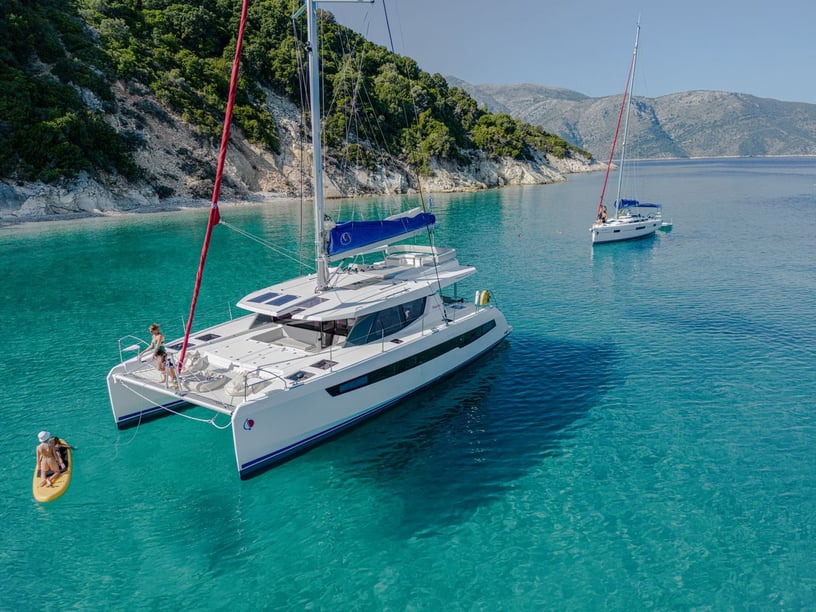
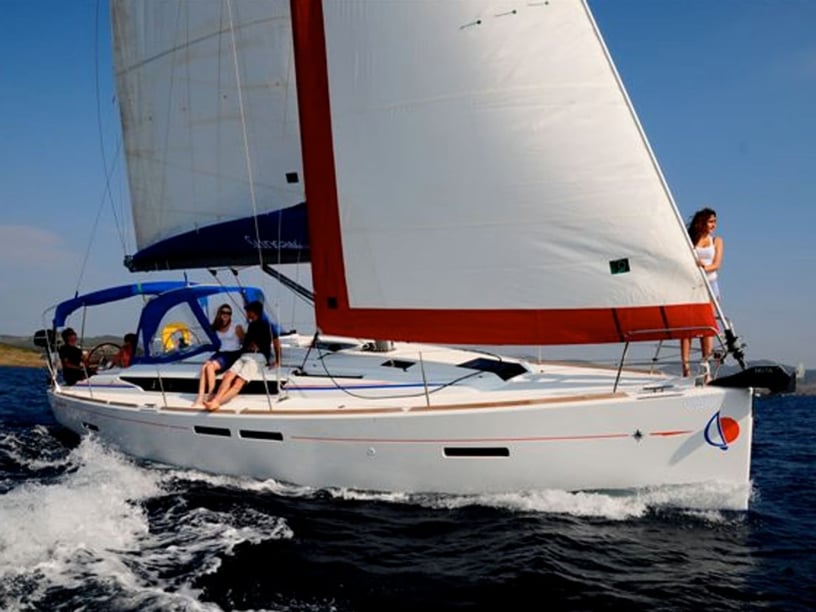
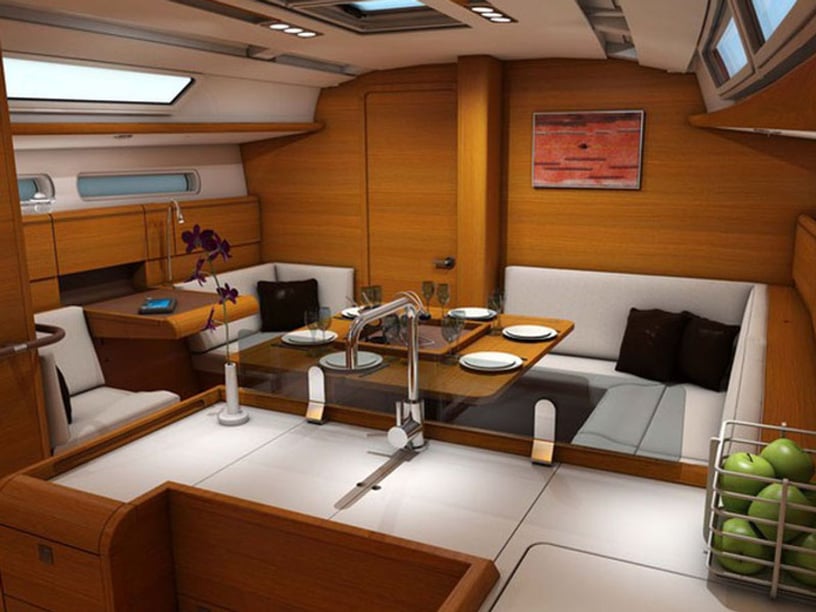
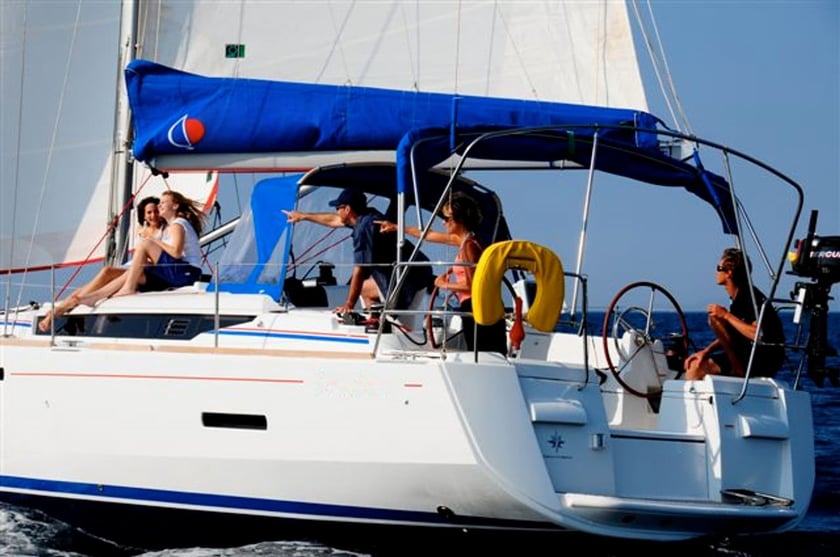
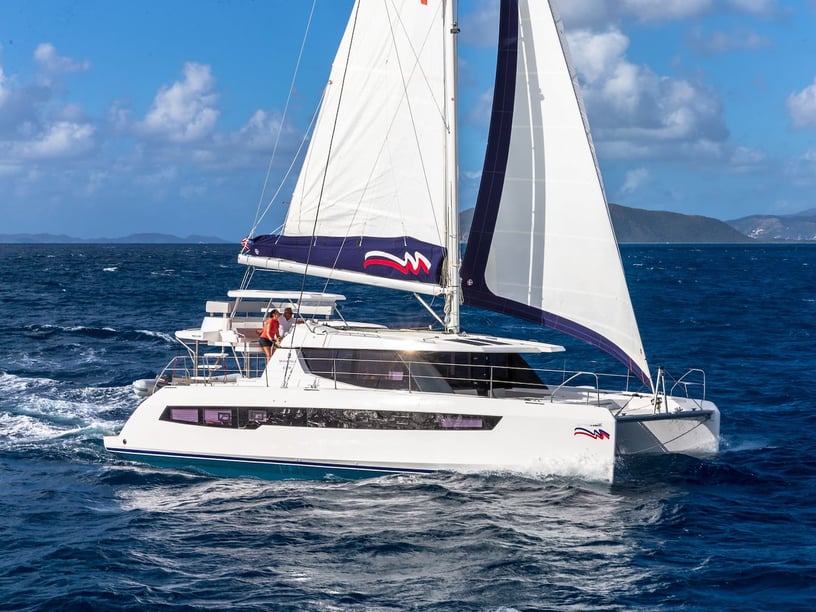
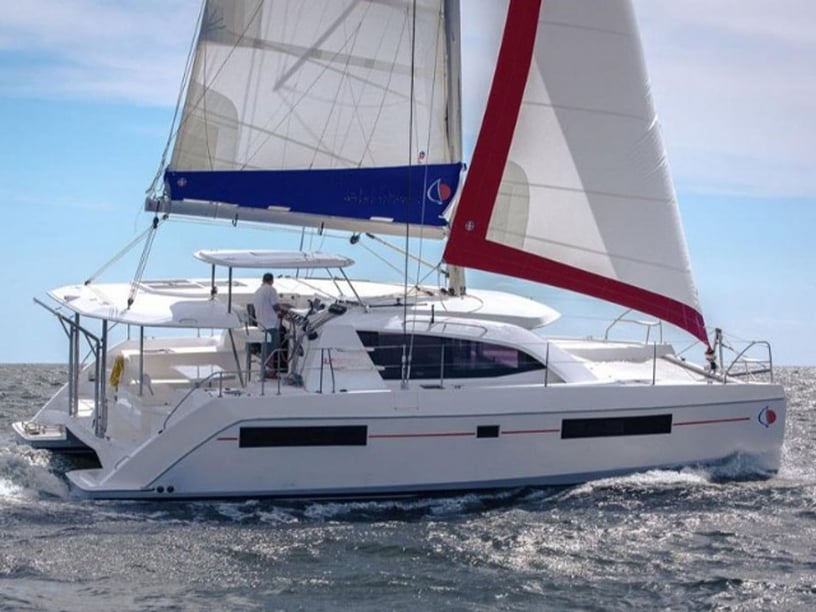
Yacht charter in Phuket
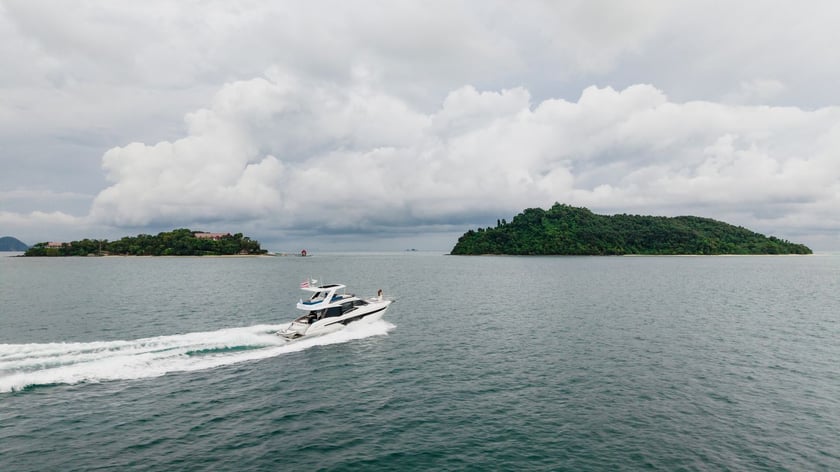
Thailand’s largest island is both a substantial coastal destination and a gateway to the wider Andaman Sea. A yacht charter in Phuket can combine sheltered island-hopping in Phang Nga Bay with more exposed passages to the Phi Phi Islands, the Racha Islands and, in the appropriate season, offshore cruising grounds such as the Similan Islands.
Phuket’s east and northeast coasts face the protected waters and limestone islands of Phang Nga Bay. This is also where the principal marinas and much of the island’s marine-services infrastructure are concentrated. The west coast has a different character, with sandy bays, resort areas, sunsets and nightlife, but it is more exposed to swell. Between trips on the water, Old Phuket Town offers historic Sino-European shophouses, Peranakan traditions and a food culture shaped by the island’s trading history.
Islands, bays and coastal areas to explore
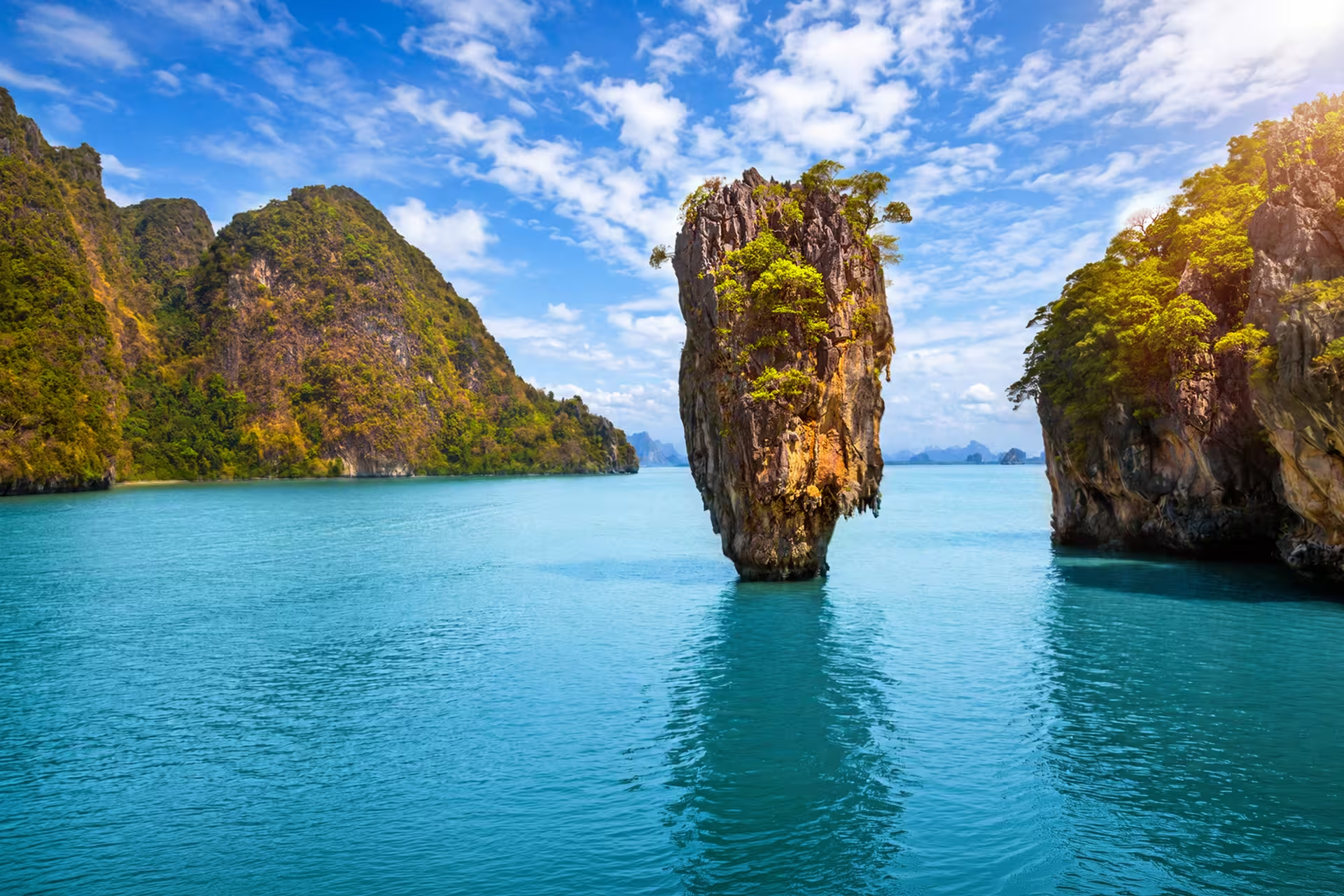
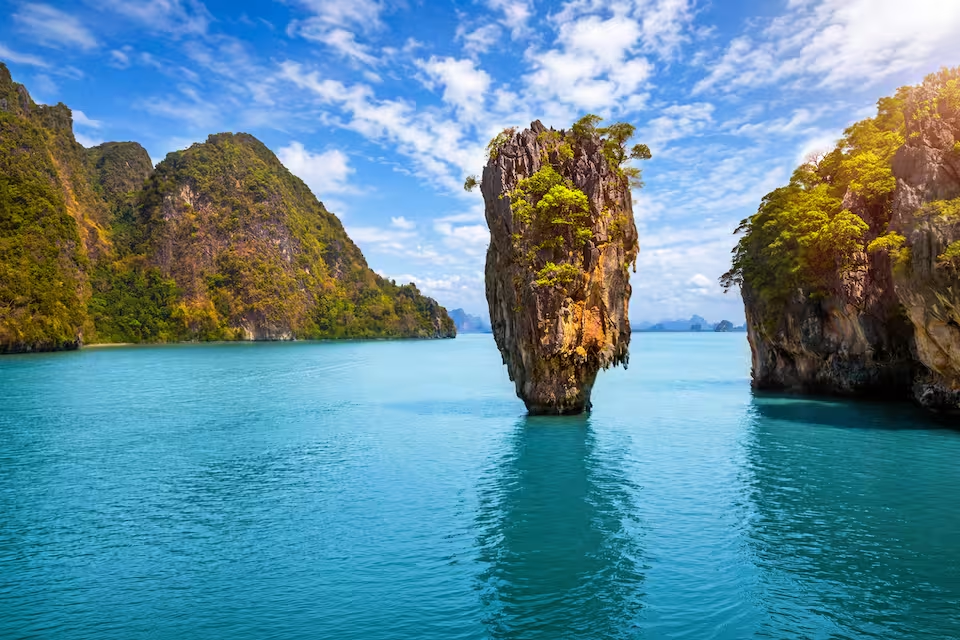
Phang Nga Bay is the natural focus for sheltered cruising from Phuket’s eastern side. Its limestone islands, tidal channels and hongs—collapsed cave systems open to the sky—create opportunities for short passages and protected anchorages. Ko Yao Noi and Ko Yao Yai can also form part of an east-coast circuit.
South of Phuket, Coral Island, Ko Mai Thon and the Racha Islands shift the emphasis toward reef-fringed bays, swimming and snorkeling. Racha Yai is particularly relevant to southern itineraries, while trips to Racha Noi involve more open water. The Phi Phi Islands can be incorporated into a longer circuit linking Phuket with Krabi’s coastal waters.
On Phuket itself, Chalong and Rawai are useful access areas for nearby southern islands. Nai Harn, Kata, Karon and Patong show the more exposed west-coast character, with beach settings and easy access to the island’s resort life when conditions permit.
What cruising around Phuket is like
The contrast between Phuket’s eastern and western waters is central to route planning. Phang Nga Bay generally offers shorter hops, greater shelter and intricate scenery, although tidal streams, narrow channels, fishing activity and changing weather still demand attentive navigation. Routes toward Phi Phi, the Racha Islands and the west coast cross more exposed water and require closer consideration of wind, swell and forecasts.
From roughly November to April, northeast-monsoon conditions are usually drier and more settled, with moderate winds and calmer seas. March and April can be hotter, with lighter winds, sea breezes and thunderstorms. During the southwest monsoon, stronger west to southwest winds and larger swell particularly affect western beaches and offshore passages. Eastern waters remain comparatively sheltered, but this does not remove the need to plan around squalls, tides and local conditions.
Travelers comparing Phuket boat rental and multi-day charter options should therefore consider the intended cruising area, not simply the distance between islands.
Best time for a Phuket yacht charter
The principal recreational cruising season runs from November through April. December, January, February and March are particularly suitable, with the most consistently settled conditions generally found between December and March. This period is well suited to combining Phang Nga Bay with longer passages to southern or offshore islands.
November is a transitional month, while April remains a possible shoulder-season choice but tends to be hotter and can bring lighter winds and thunderstorms. From May to October, the southwest monsoon brings more rain, fast-moving squalls and rougher conditions on exposed western and offshore routes. Boating can continue in sheltered eastern waters, but itineraries are more weather-dependent.
Some marine national parks close during the monsoon. The Similan Islands normally receive visitors from around mid-October to mid-May, but current opening dates and access requirements should always be confirmed.
Route ideas from Phuket
For a sheltered introduction to the area, a Phuket–Ko Yao–Phang Nga Bay circuit links short passages with limestone islands, tidal channels and protected anchorages. It commonly begins from an east- or northeast-coast marina and can be structured around time on the water rather than long crossings.
A broader multi-day loop can continue through Phang Nga Bay toward Krabi and Phi Phi before turning south to the Racha Islands and returning to Phuket. This route combines sheltered pilotage with longer, more exposed passages and reef-bay stops. A more focused southern itinerary links Phuket, Phi Phi and the Racha Islands.
The Similan Islands are a seasonal offshore objective rather than a routine extension. They require suitable forecasts, offshore passage planning and confirmation that the national park is open. Travelers considering a wider trip can also explore the broader context of yacht charters in Thailand.
Life on the water and ashore
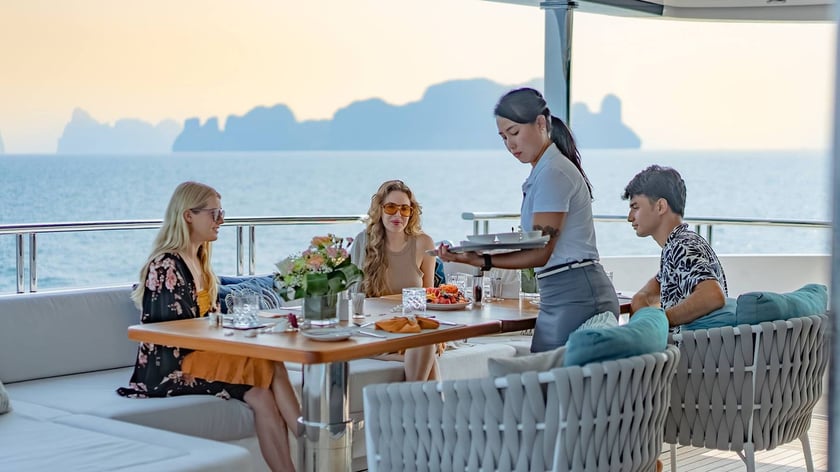
A Phuket charter can alternate between scenic cruising, swimming, snorkeling and visits ashore. In Phang Nga Bay, the defining experience is moving through sheltered karst waters and exploring island channels and hongs. Southern routes place greater emphasis on reef bays and clearer offshore water around Coral Island, Ko Mai Thon and the Racha Islands.
Phuket also makes it practical to combine boating with distinct land-based experiences. The west-coast resort areas provide beaches, dining and nightlife, while Old Phuket Town offers a contrasting cultural stop. Its shrines, Peranakan heritage and Sino-European streetscape reflect trade and Hokkien Chinese migration linked to Phuket’s tin-mining era. The island’s local food identity is also notable: Phuket has belonged to the UNESCO Creative Cities Network as a Creative City of Gastronomy since 2015.
Getting there, marinas and departure areas
Phuket International Airport lies in the north of the island and connects by road with Phuket Town, the resort coast and the marina districts. The island is also linked to Phang Nga Province by road bridges. Transfer times can be substantial because departure points are spread across Phuket, so the marina or pier should be confirmed before arranging accommodation and airport transport.
The main marina area is on the east and northeast coasts. Ao Po Grand Marina and Phuket Yacht Haven are well positioned for Phang Nga Bay, while Royal Phuket Marina and Phuket Boat Lagoon also serve the eastern side. Chalong Pier and Rawai Beach are important access points for southern islands, and Rassada Pier handles regional passenger-boat connections. Phuket therefore functions as both a destination to explore and a distributed departure area for the surrounding Andaman waters.
Planning the right Phuket charter
Begin by matching the trip length and route ambition to the season. Shorter itineraries can concentrate on Phang Nga Bay and nearby islands, while circuits involving Phi Phi, the Racha Islands or Krabi introduce longer passages. The Similans require a suitable seasonal window and more deliberate offshore planning.
Departure location is another important consideration. A stay on Phuket’s west coast may be some distance by road from an eastern marina, while Chalong or Rawai can be more convenient for southern-island departures. Confirm the precise embarkation point before finalizing transfers.
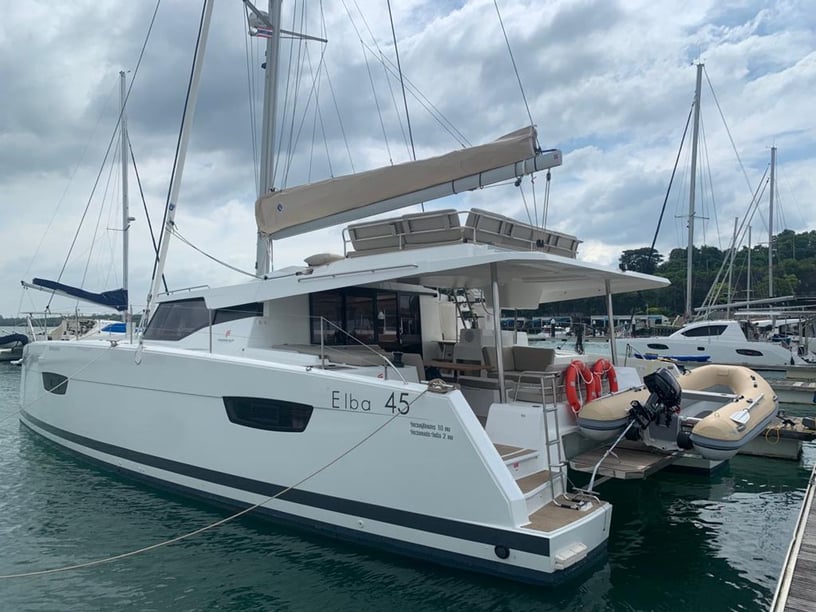
Forecasts, tides and park access can materially change an itinerary. Check current Thai marine forecasts, official warnings and tide information, and allow flexibility when southwest-monsoon conditions affect exposed waters. Fishing vessels, tour boats and difficult-to-see fishing gear require particular attention around popular islands and narrow passages. When evaluating a boat rental in Phuket, compare the proposed operating area and itinerary as carefully as the boat itself; shelter, passage length and seasonal exposure largely determine the character of the trip.