Yacht charter in Kisköre
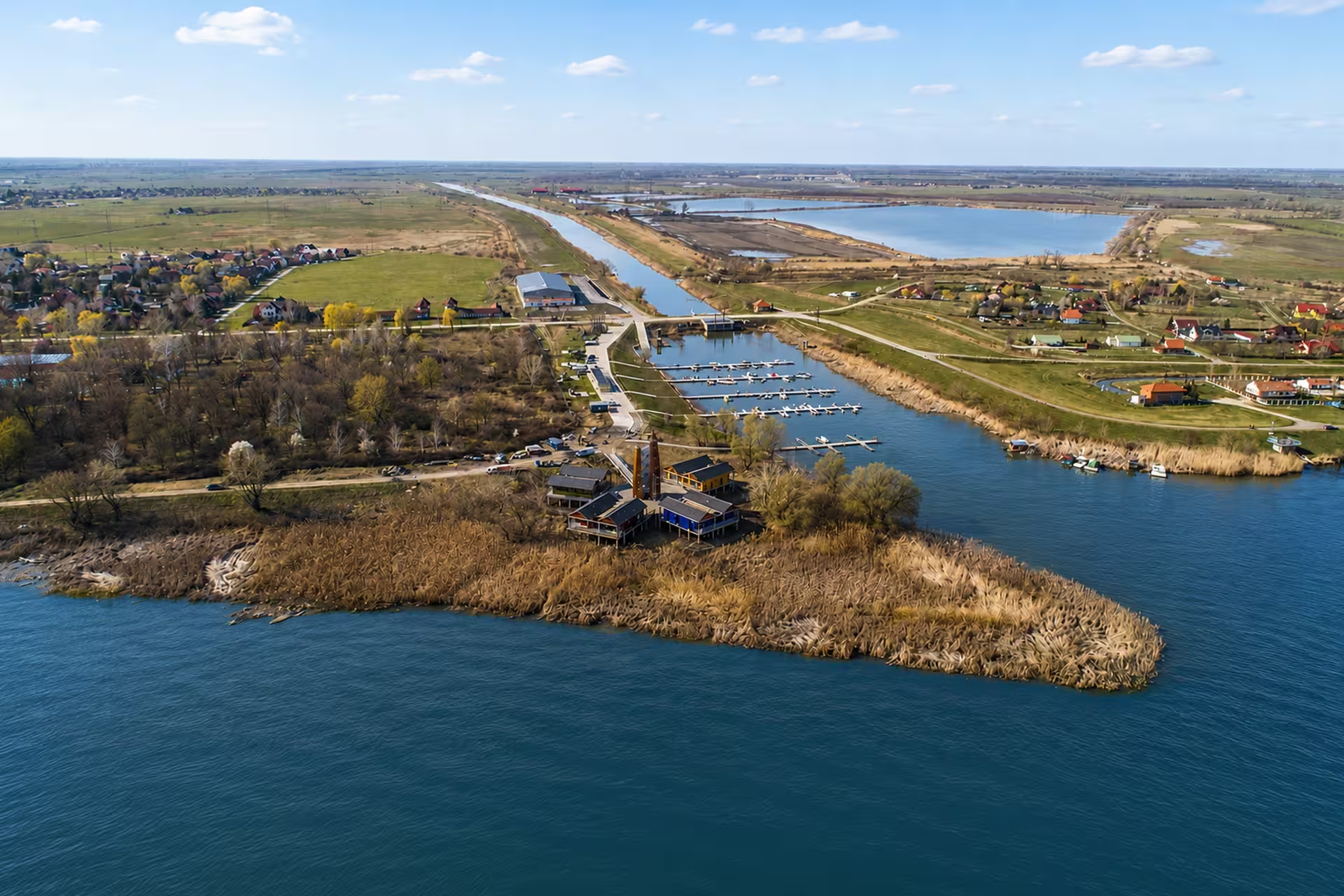
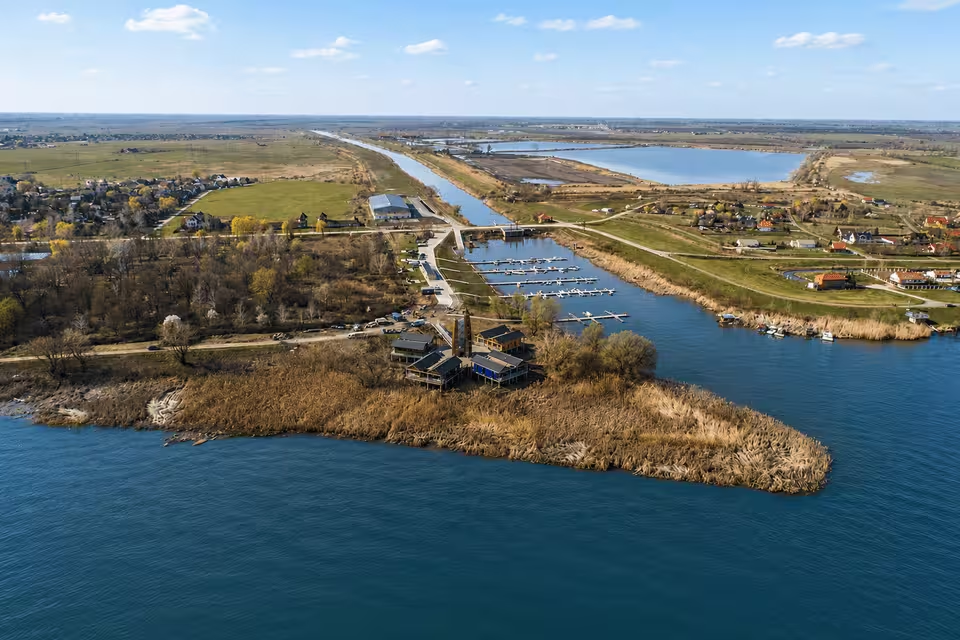
Kisköre sits at the southern end of Lake Tisza, where the Tisza River passes through the dam and navigation lock. The surrounding reservoir is a varied inland waterscape of broad basins, river channels, reed beds, backwaters and wooded islands. Köre Port and the local holiday-boat base make the town a practical starting point for exploring it.
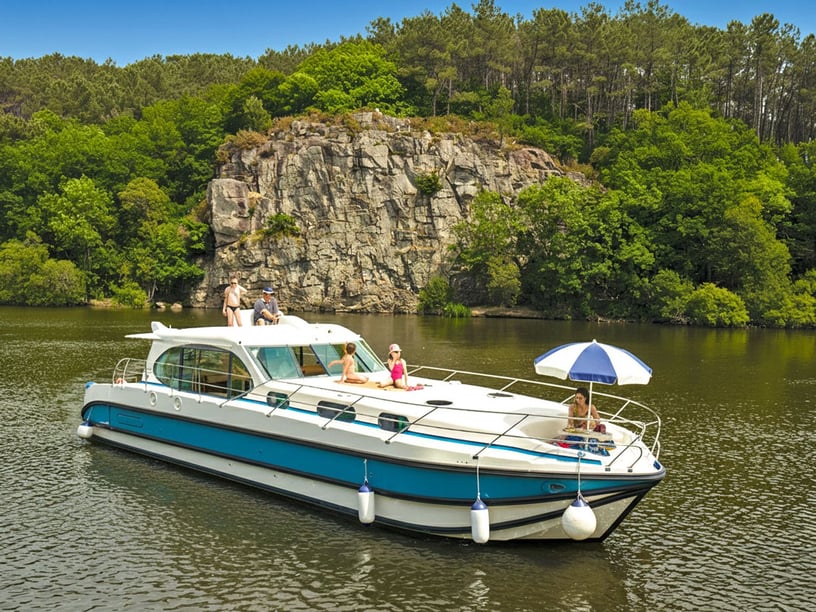
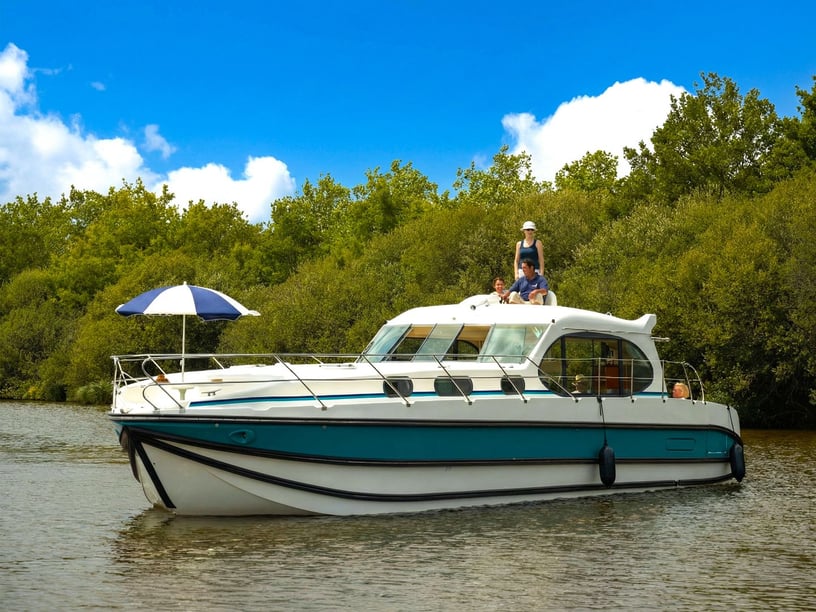
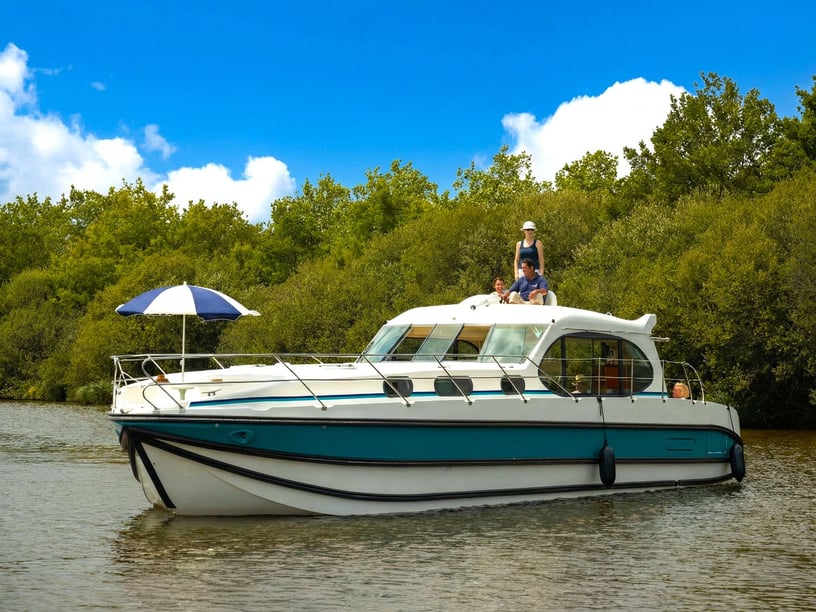
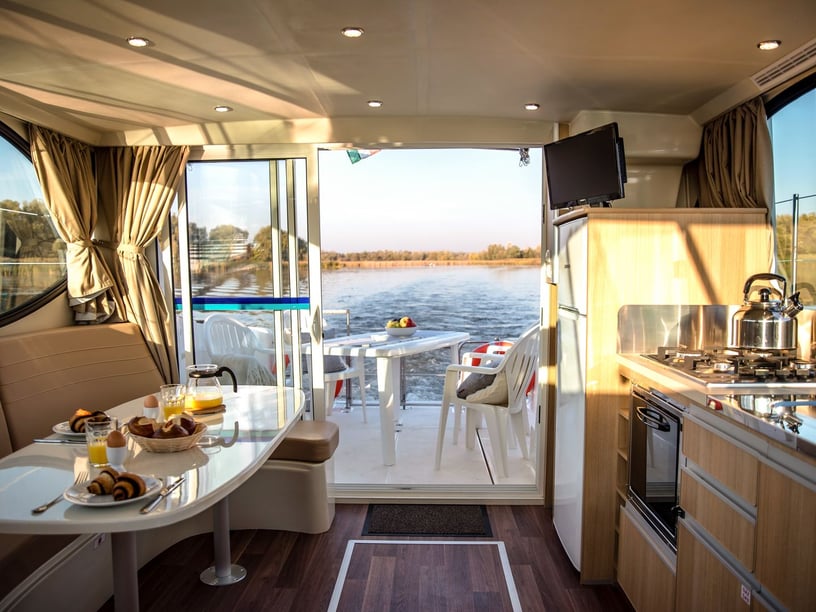
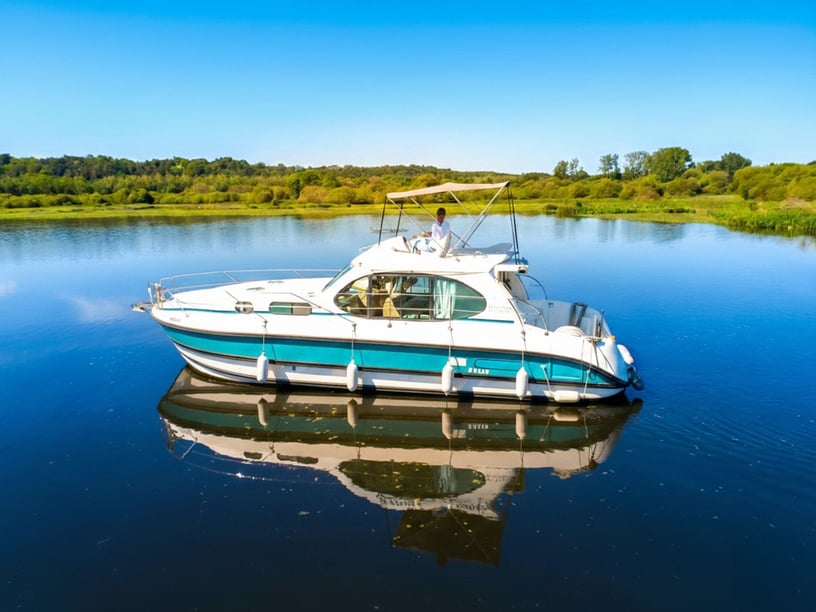
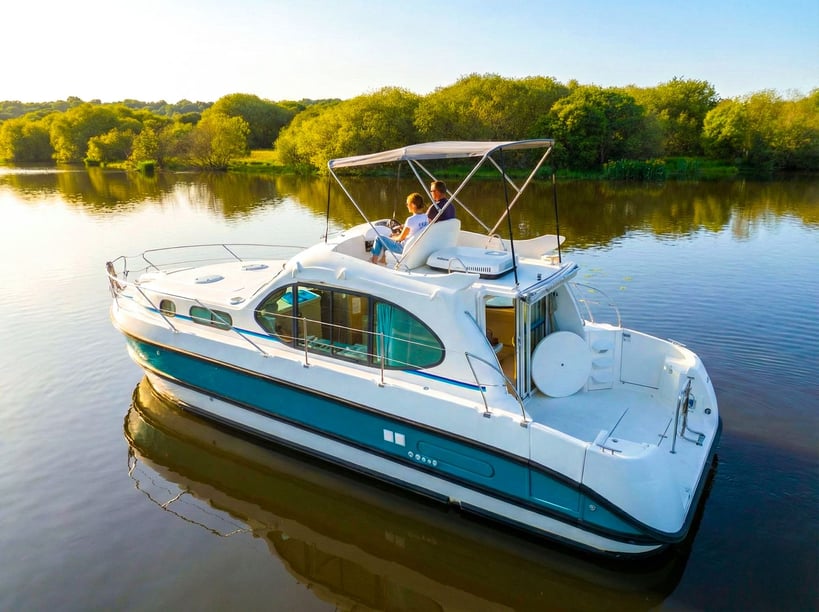
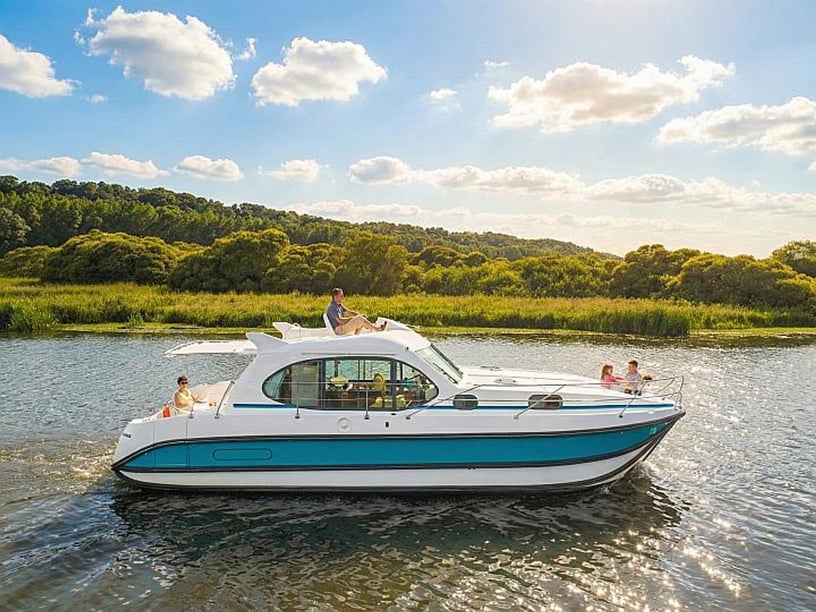
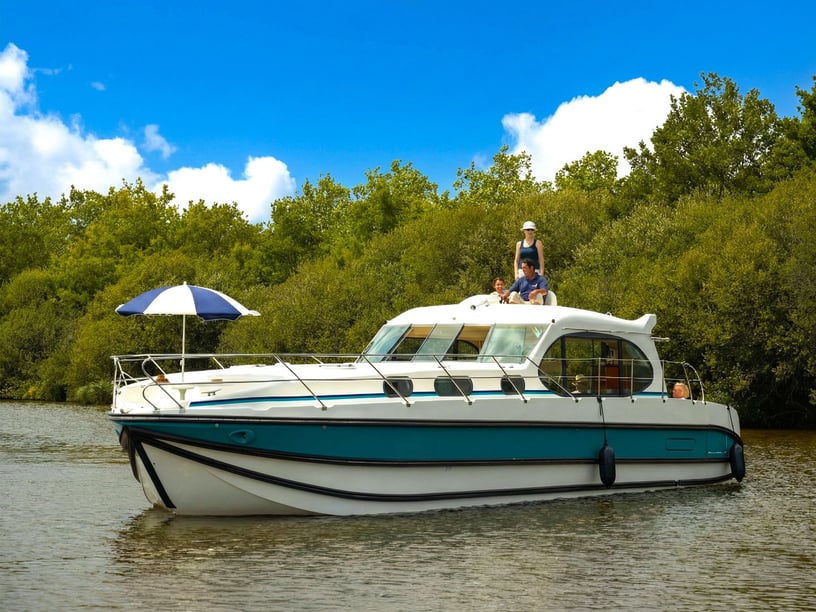
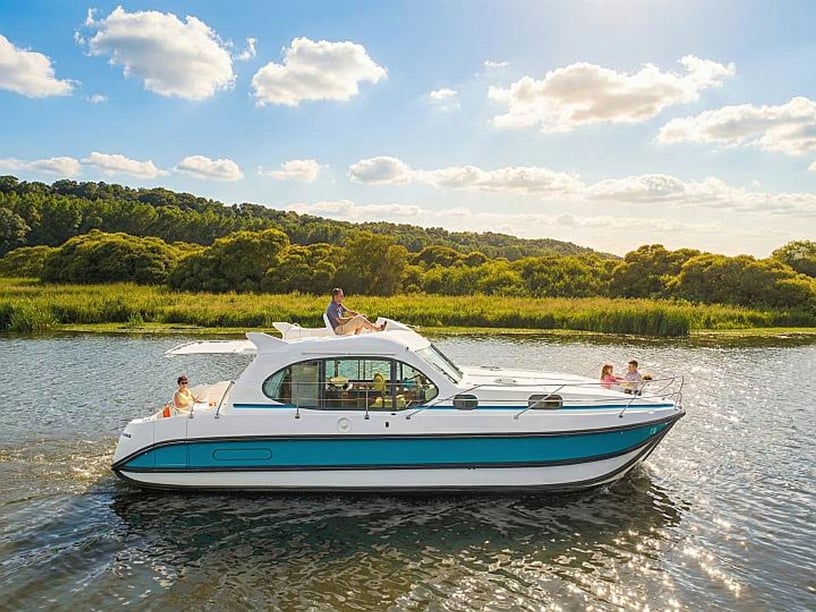
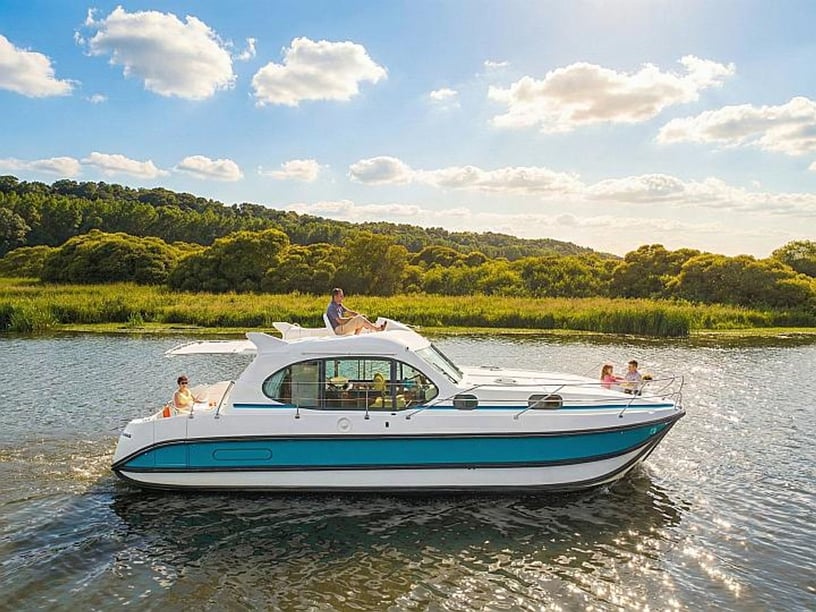
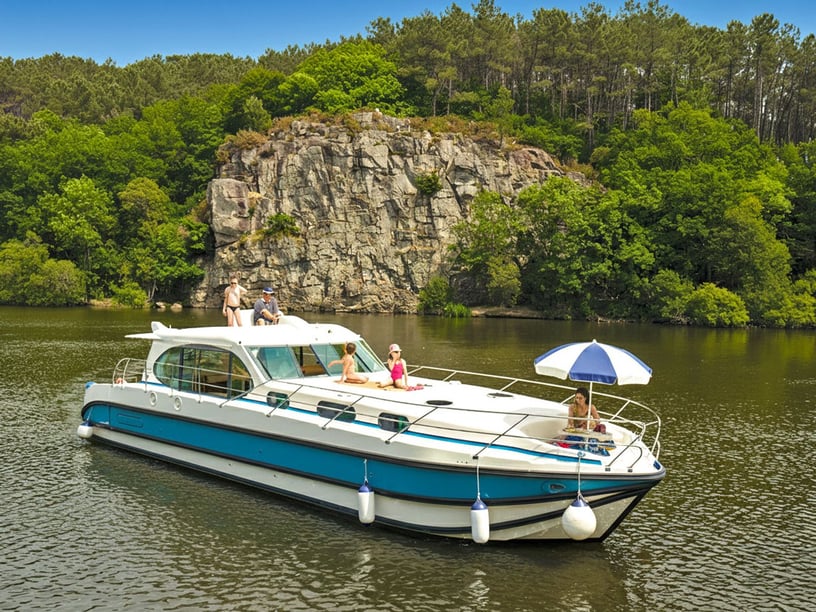
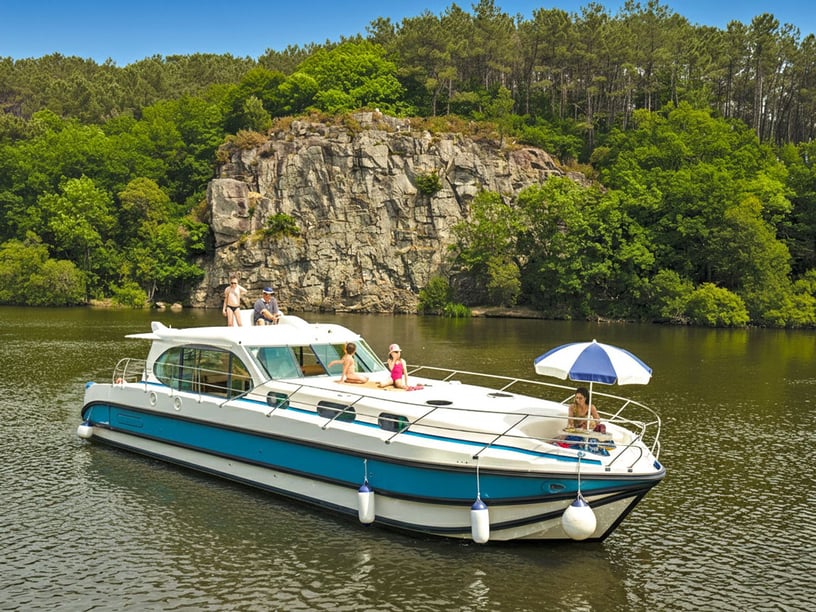
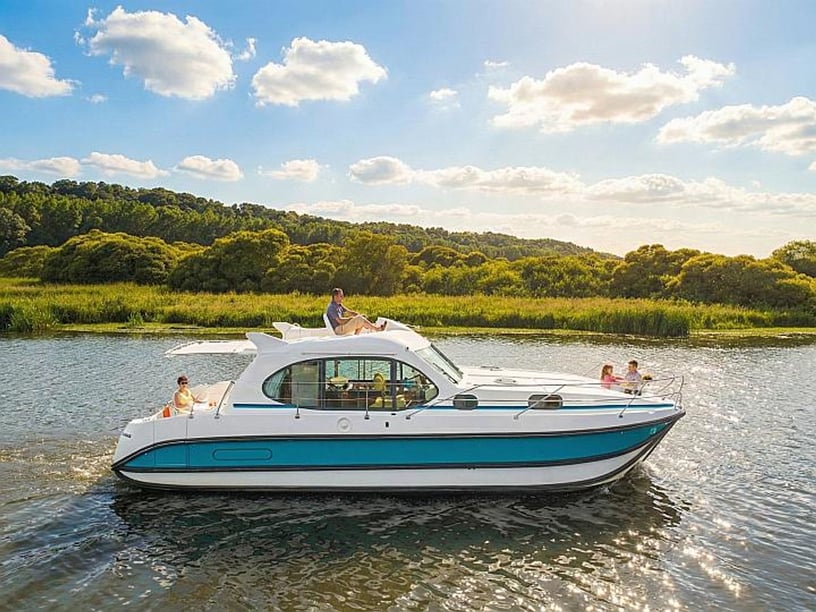
A yacht charter in Kisköre differs from a conventional coastal sailing holiday. The emphasis is on unhurried cruising by houseboat or small motorboat, with opportunities to swim, fish, paddle and stop at lakeside settlements. Its combination of recreational waterways and working water-management infrastructure gives Kisköre a distinct place within the wider choice of yacht charter in Hungary.
Places to explore on Lake Tisza
Immediately north of Kisköre, Abádszalók Bay provides a broad expanse of open water and an established short boating connection to Abádszalók. The bay feels more open than the reservoir’s narrow channels, although it can also become choppy when thunderstorms or strong gusts arrive.
Longer northbound trips follow the Tisza channel and designated routes toward Sarud, Tiszaörvény and Tiszafüred. Along the way, open basins alternate with reeds, backwaters and islands, creating a journey defined less by long passages than by frequent changes in the landscape. Tiszanána-Dinnyéshát and its port offer another useful stopping point on the eastern side of the lake. These destinations can be combined selectively according to trip length, current water levels and the operating limits of the boat.
What cruising around Kisköre is like
Cruising here is generally slow and route-focused. Average winds are modest, but the practical challenge comes from Lake Tisza’s shallow and intricate geography rather than demanding offshore conditions. The reservoir has an overall average depth of about 1.3 metres, and submerged stumps, vegetation and shallow water may occur away from maintained channels. Current charts, buoyage and local advice are therefore important even on apparently calm days.
Conditions also vary between waterways. Sheltered channels and backwaters can feel enclosed by reeds and trees, while open sections of Abádszalók Bay are more exposed to wind. Thunderstorms may cause rapid changes in waves and visibility, so boaters should follow the lake’s dedicated storm-warning system and check forecasts before departure.
The navigation lock at Kisköre controls passage beyond the dam toward the lower Tisza. Travelers considering that extension should confirm current lock procedures in advance rather than assuming passage will fit any itinerary.
Best time for boating in Kisköre
The main recreational boating period runs from spring through autumn, with June, July, August and September identified as the most suitable months. These months generally combine more comfortable weather with higher seasonal reservoir levels and the fullest range of lake activity. August is usually calmer than spring, although thunderstorms remain possible throughout the warmer season.
May can suit travelers seeking a quieter late-spring trip, while April and October may support boating when the weather is favorable. Both are cooler and less consistent than summer. Winter is generally unsuitable for a normal charter holiday because conditions are cold, services are reduced and the reservoir is held at a lower seasonal level. Lake storm-warning operations normally run from April through October.
Cruising routes from Kisköre
The established Kisköre–Abádszalók water-tour leg is a natural introduction to the southern lake. It provides a relatively short crossing from the departure area beside the dam into Abádszalók Bay and can work well as part of a compact boating trip.
For a longer itinerary, boats can proceed north through Lake Tisza using the main Tisza channel and marked connections between the reservoir’s basins. Abádszalók, Sarud, Tiszaörvény and Tiszafüred can form stages of this route. Distances should be planned conservatively: progress may be deliberately slow, and route suitability can change with regulated water levels, drought, flooding or temporary restrictions.
Experiences on and beside the water
A Kisköre charter can combine cruising with swimming, paddling, fishing and wildlife observation. Reed-lined channels and seasonally inundated areas reward a slower pace, while Ring-a-tó Beach provides a straightforward place to add time ashore. Cycling can also complement the boating experience around the lake.
The dam complex is central to Kisköre’s identity. Construction began in the 1960s, and successive filling stages in 1973 and 1978 established the modern summer extent of Lake Tisza. Beside the dam, a fish passage nearly 1.4 kilometres long uses 37 steps and ten semi-natural basins to connect the reservoir with the lower river. Together with the hydropower station, navigation lock and nearby lookout, it reveals how the present-day lake functions as both a managed water system and a recreational destination.
Fishing reflects the town’s longstanding relationship with the Tisza, but anglers need the appropriate current permits and must follow local regulations.
Access, ports and departure points
Köre Port and the Kisköre Holiday-Boat Base sit beside the town and dam complex, making this the principal local departure area for lake itineraries. Kisköre is best understood as a specialized inland boating base rather than a major conventional yacht marina. Dinnyéshát Port is another relevant facility farther into the Lake Tisza cruising area.
The town is accessible by road from Budapest and eastern Hungary. Budapest Ferenc Liszt International Airport and Debrecen International Airport are the relevant air gateways for travelers arriving from farther away. Kisköre also has rail service on the Kál-Kápolna–Kisújszállás line and regional bus connections with cities and Lake Tisza settlements, including Eger, Debrecen and Tiszafüred.
Planning your Kisköre charter
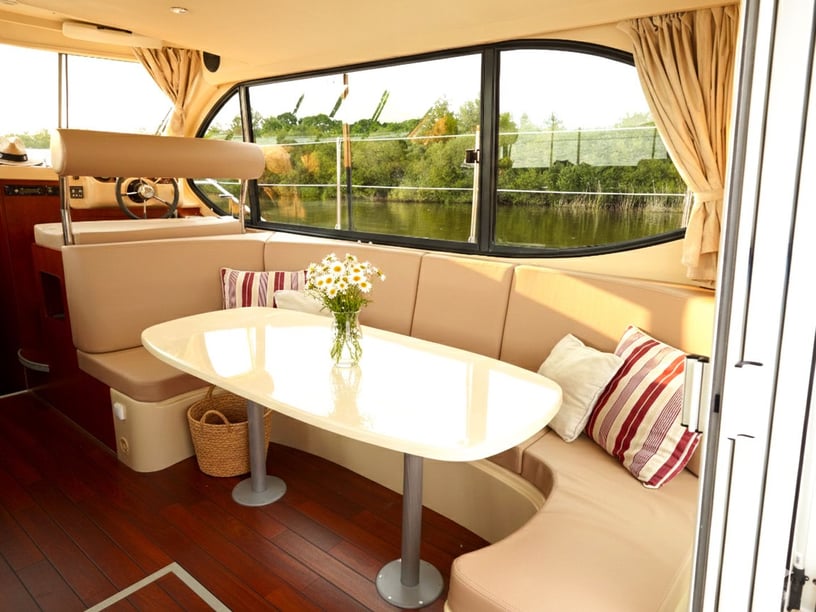
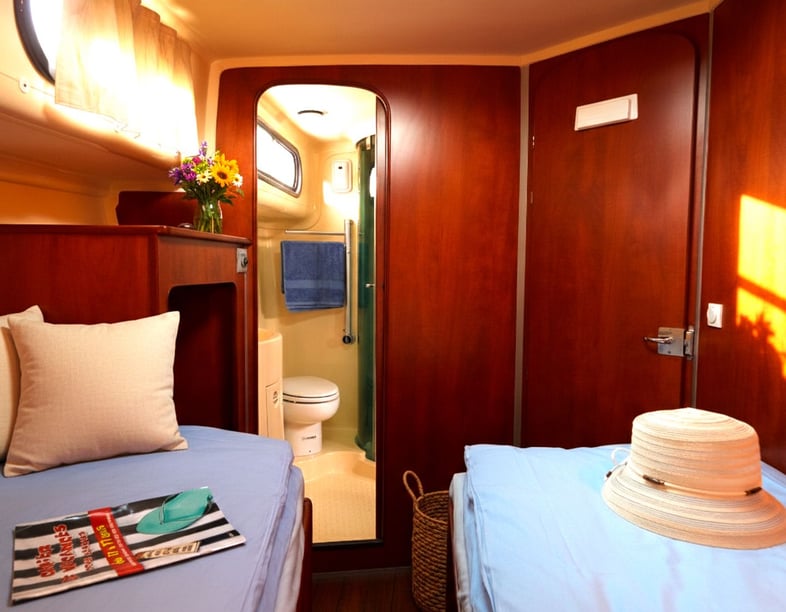
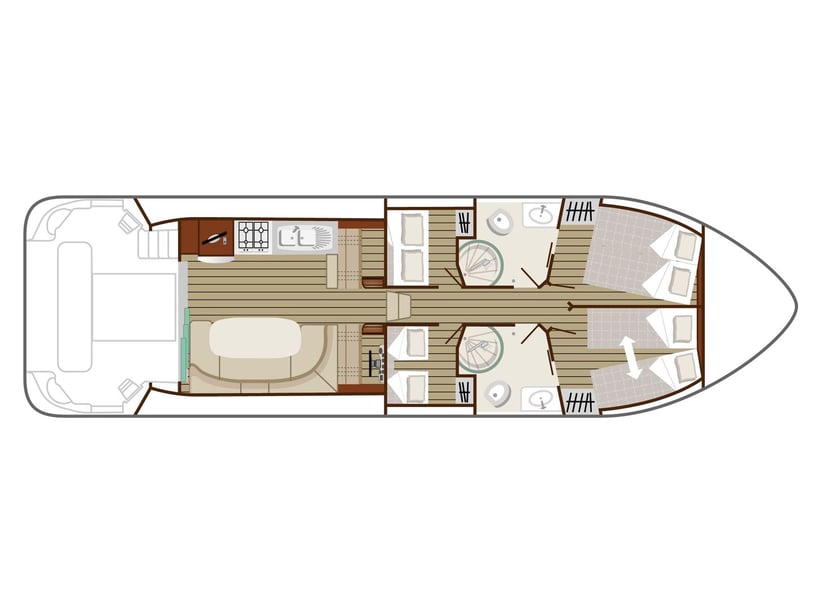
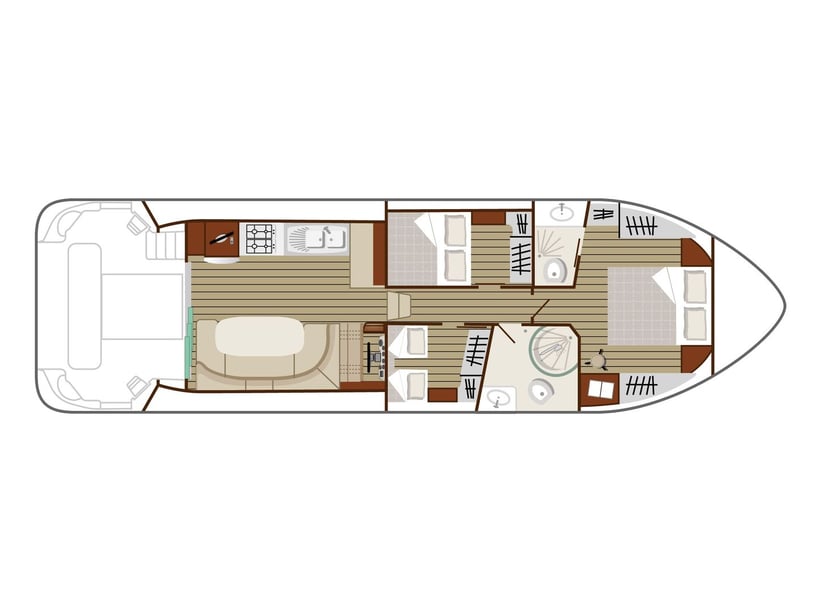
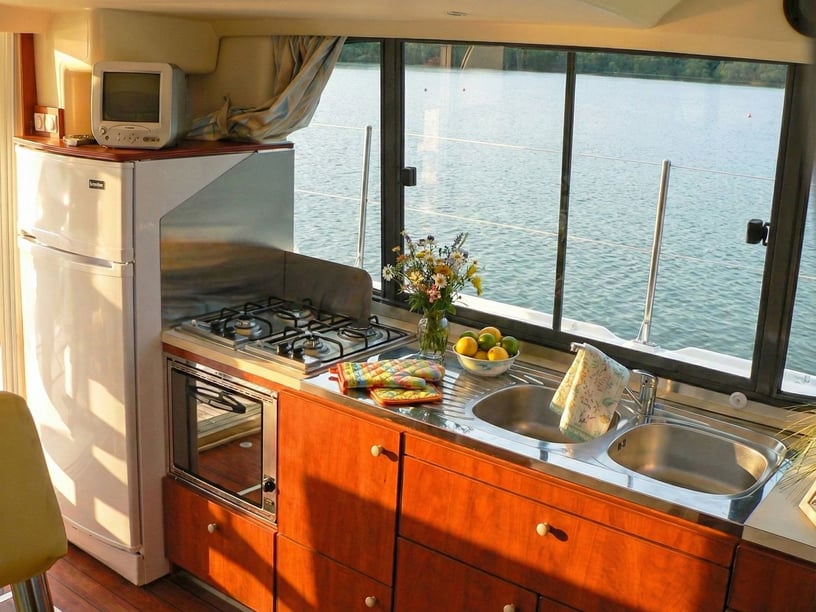
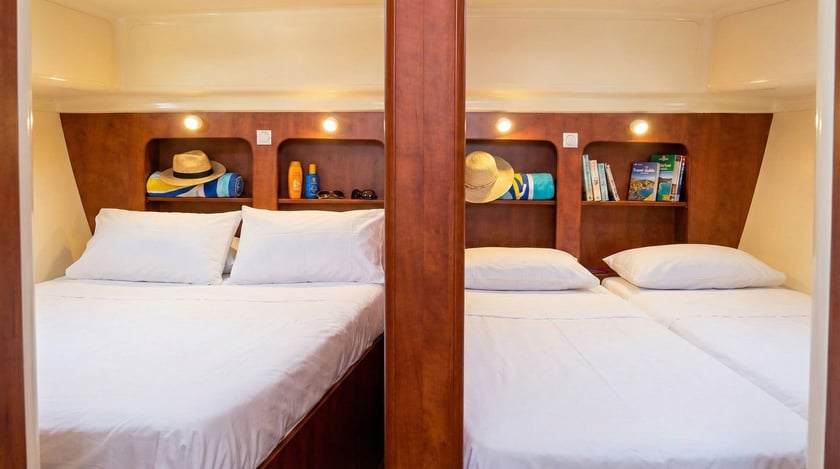
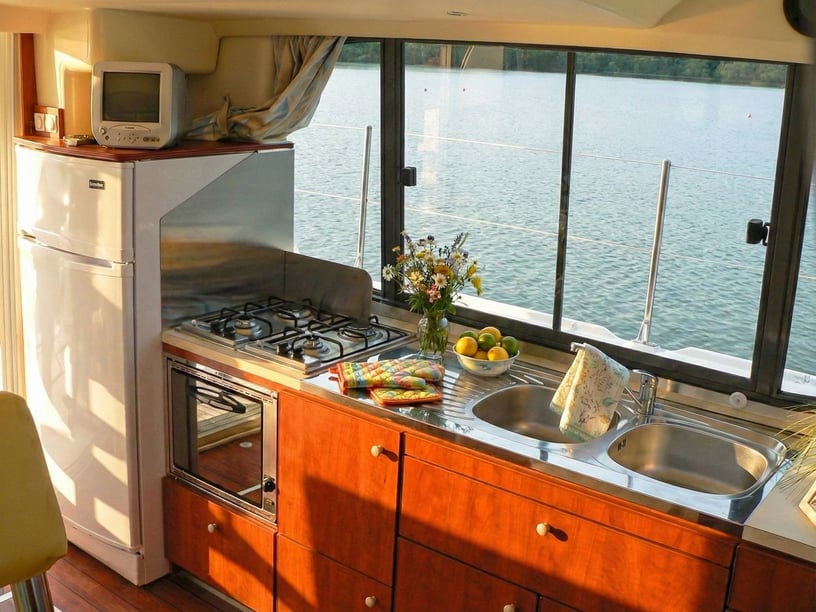
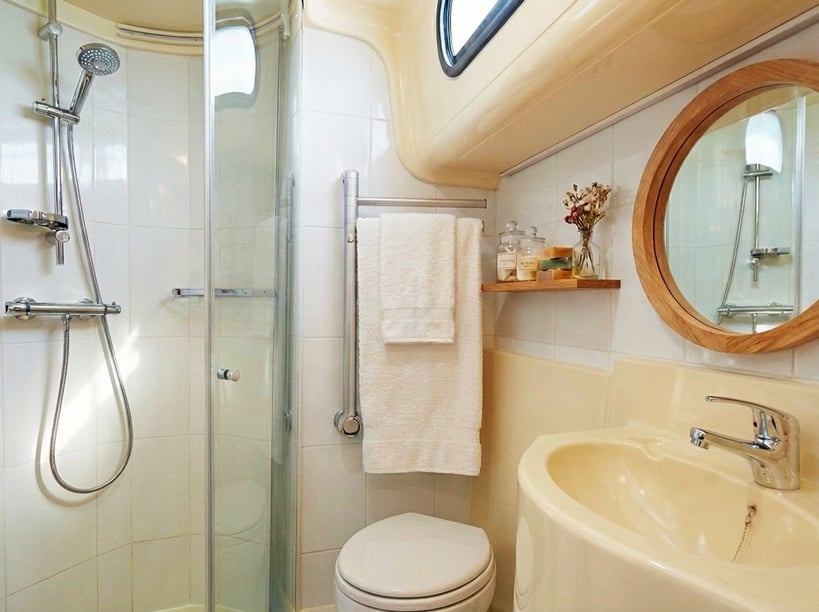
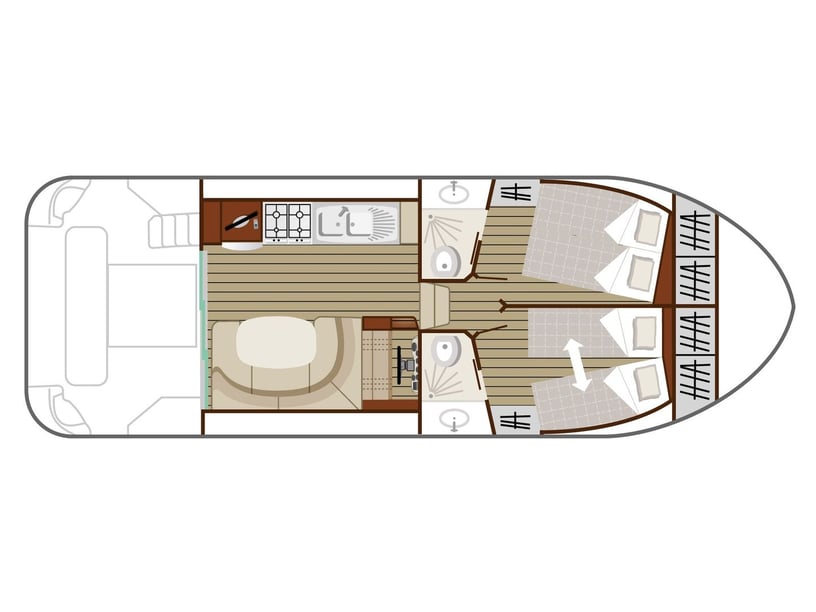
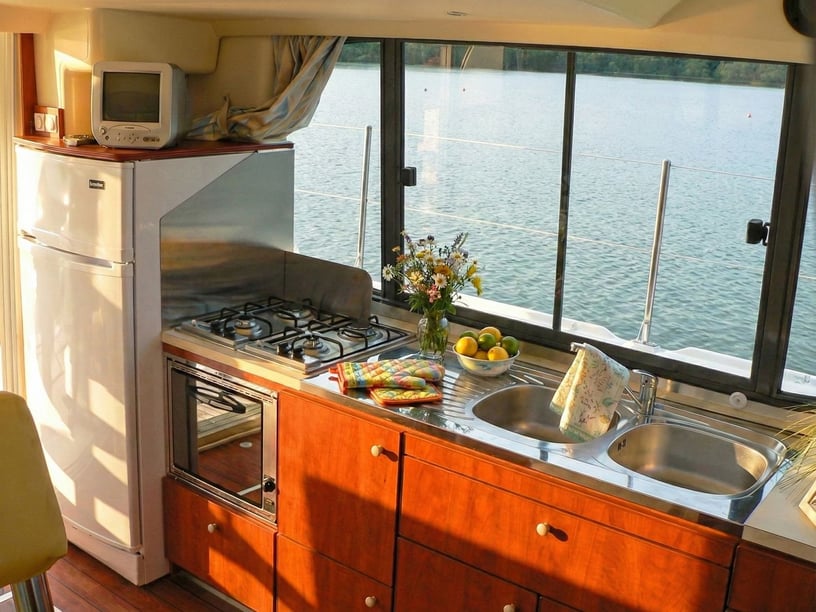
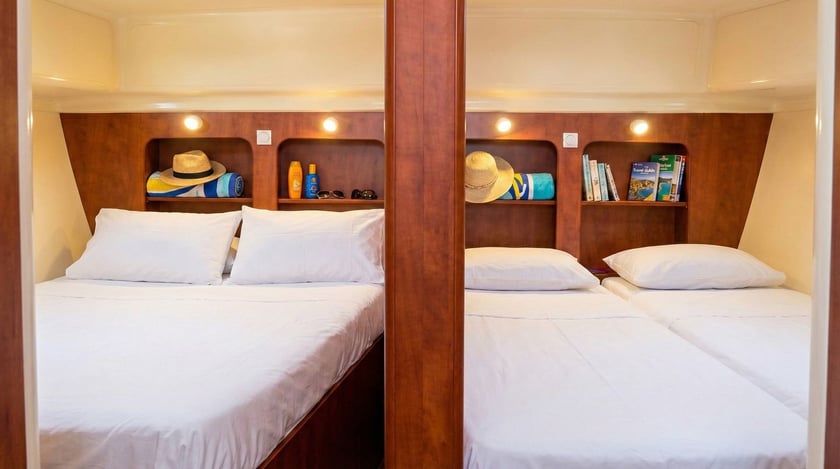
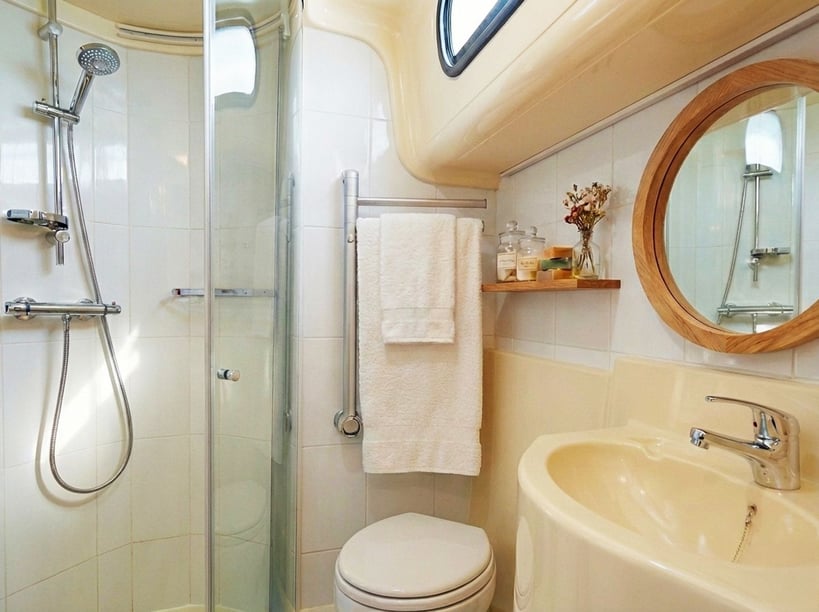
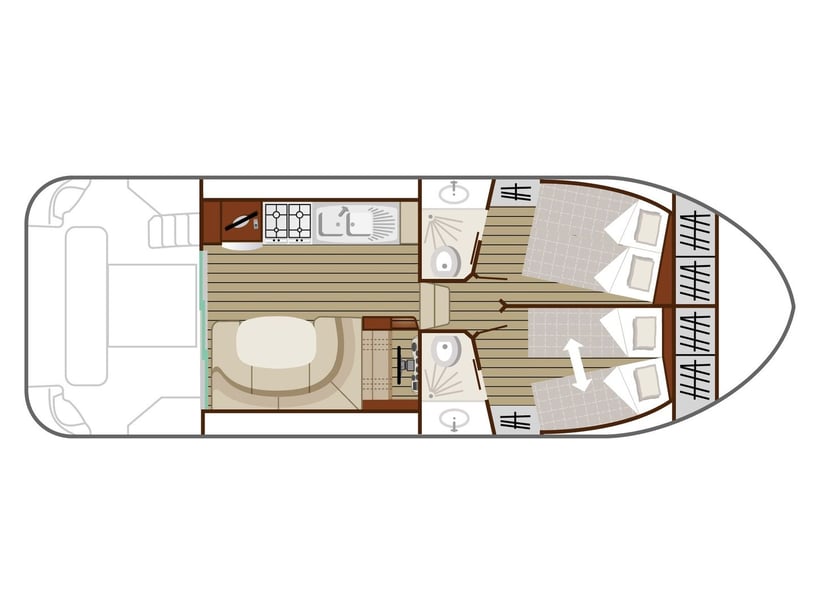
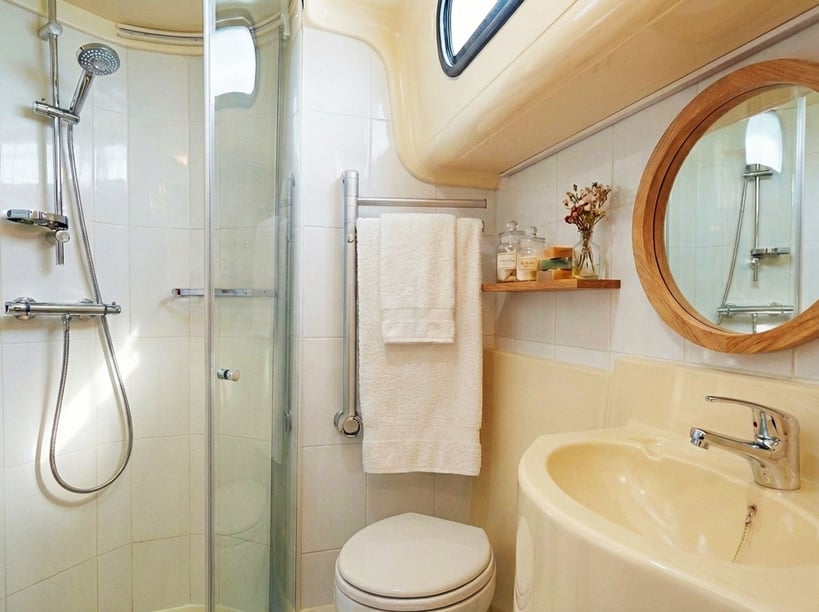
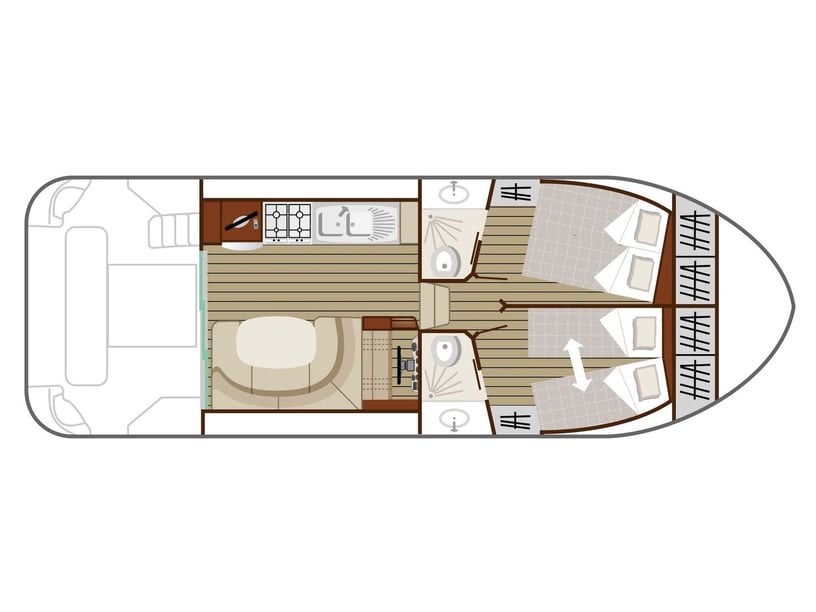
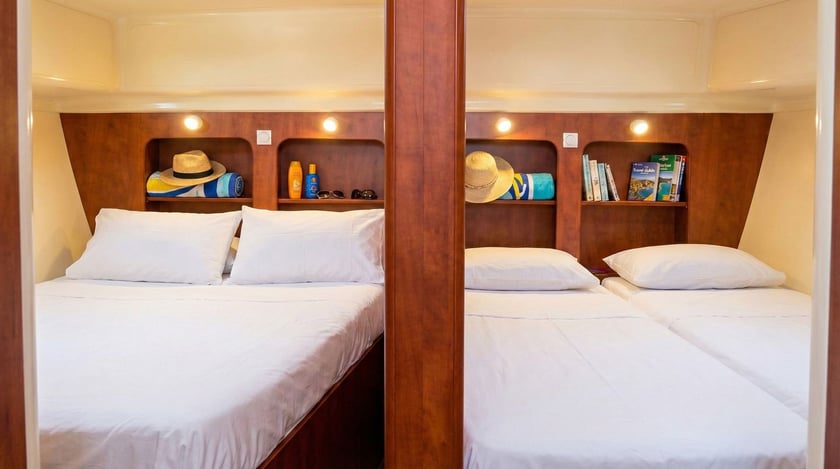
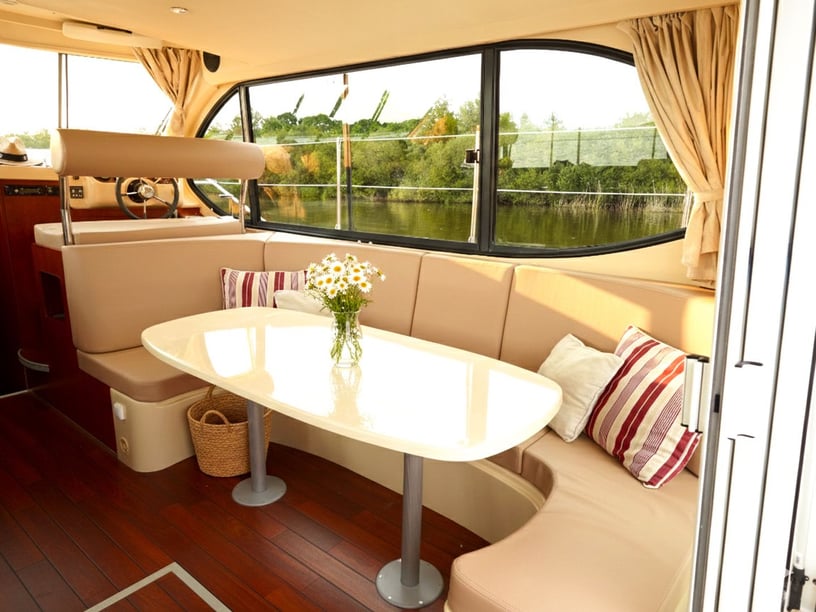
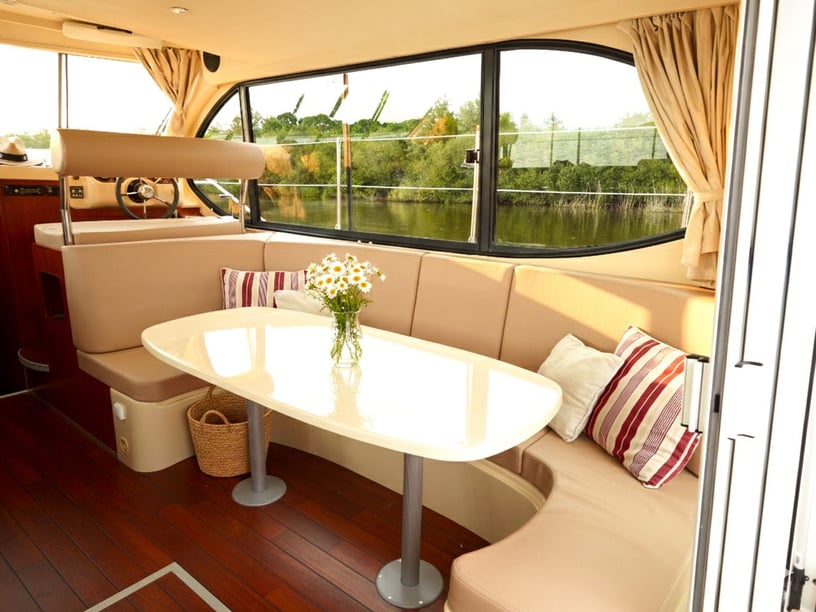
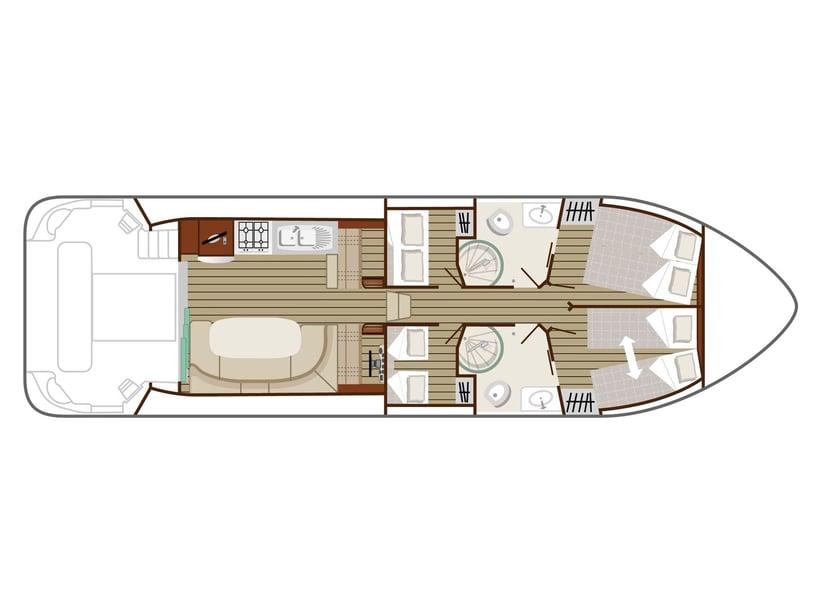
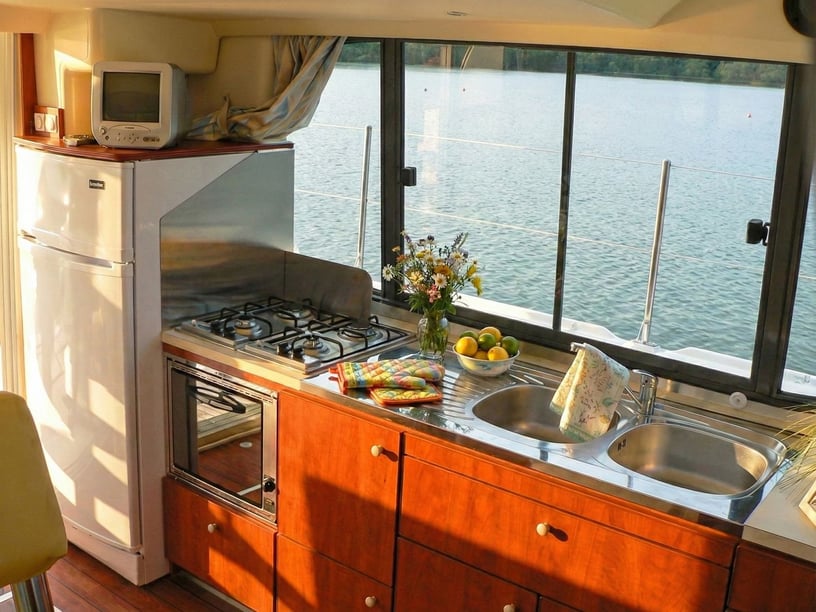
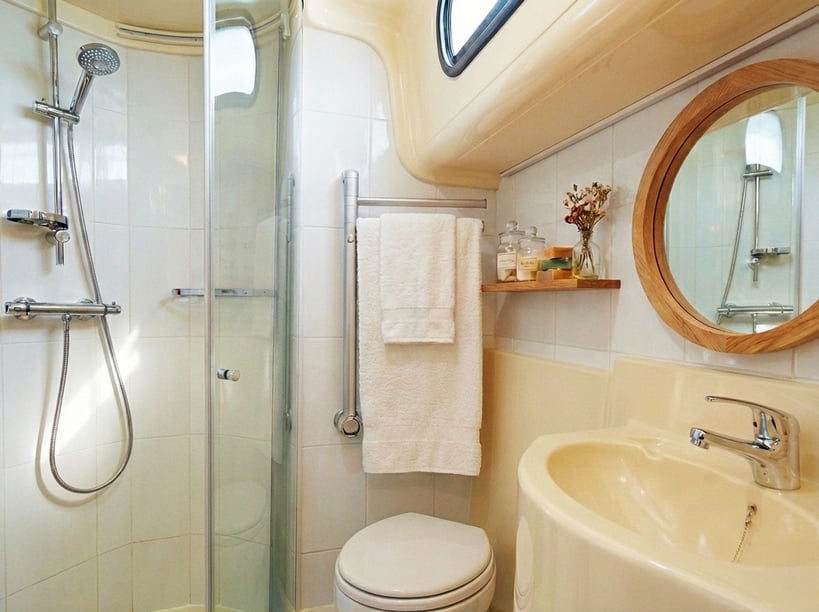
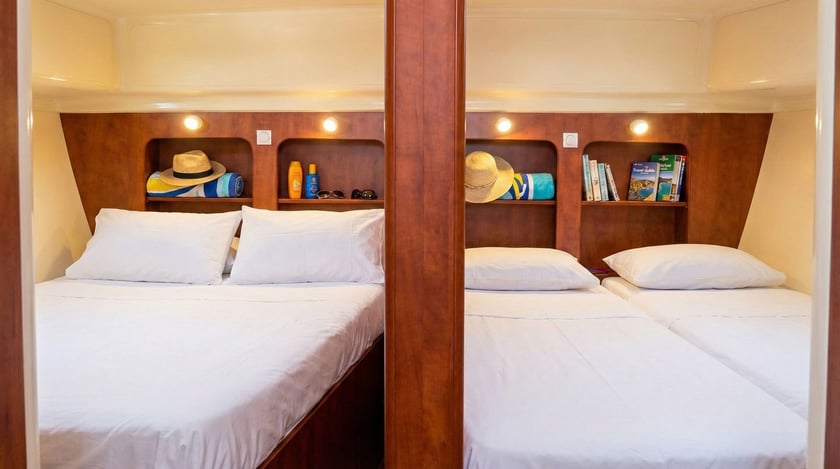
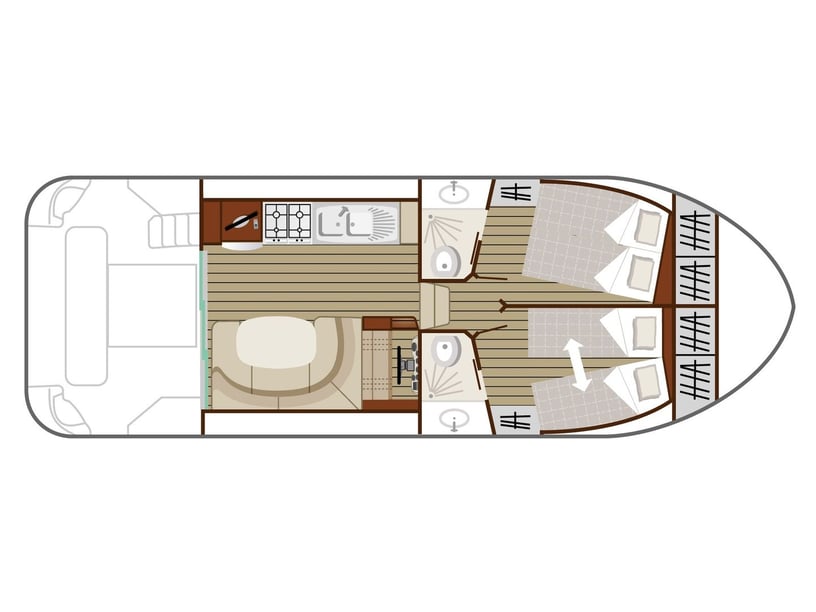
When comparing a yacht charter or boat rental in Kisköre, begin with the intended route rather than boat size alone. Houseboats and small motorboats suit the area’s slow-cruising character, but travelers should confirm the vessel’s operating limits, required experience and suitability for current depths. Charter terms should also make clear how navigation advice, lock passage and storm warnings are handled.
Carry an up-to-date Lake Tisza navigation chart and remain within marked or locally recommended routes. Dense vegetation, submerged obstacles and shallow sections can lie outside maintained waterways. Reservoir levels are regulated and may also be affected by unusual drought or flood conditions, so recent local information matters more than assumptions based on a previous visit.
Some protected parts of the lake restrict motorized access. Check planned routes against current nature-conservation rules, especially if wildlife observation or quieter backwaters are priorities. Before departure, review the weather and storm-warning status, confirm any lock arrangements, and obtain the necessary fishing permits if angling will form part of the trip.