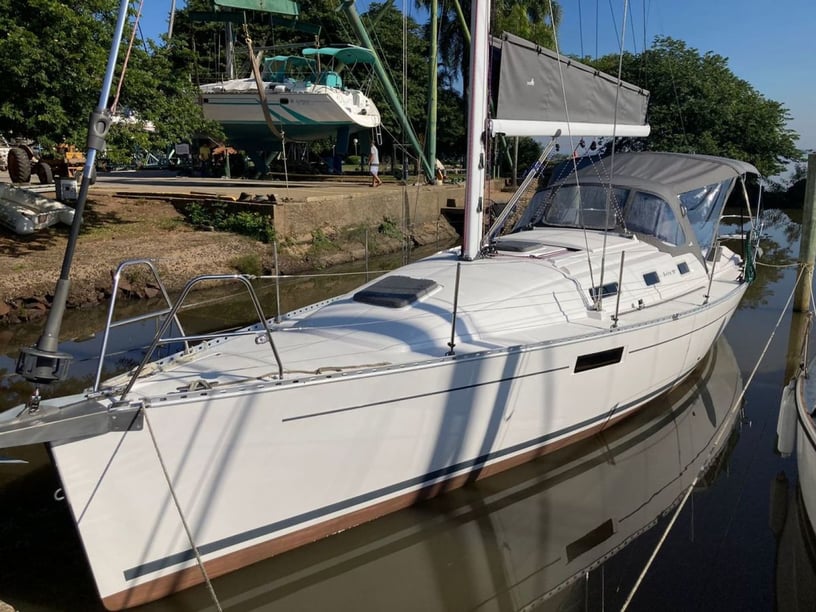
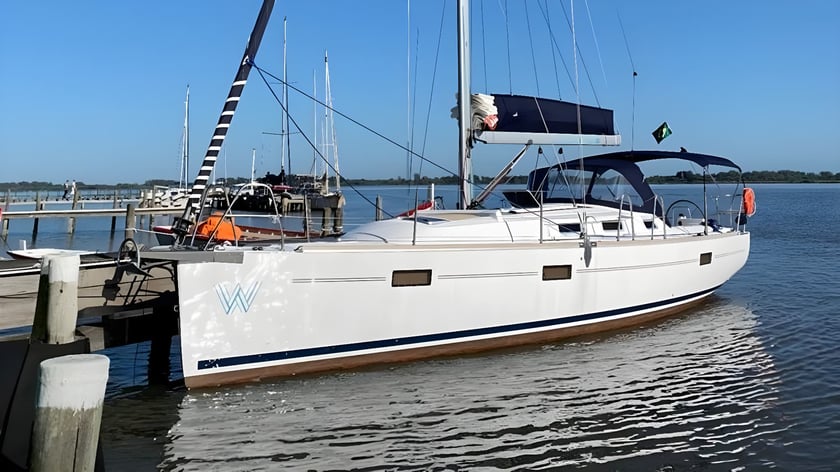
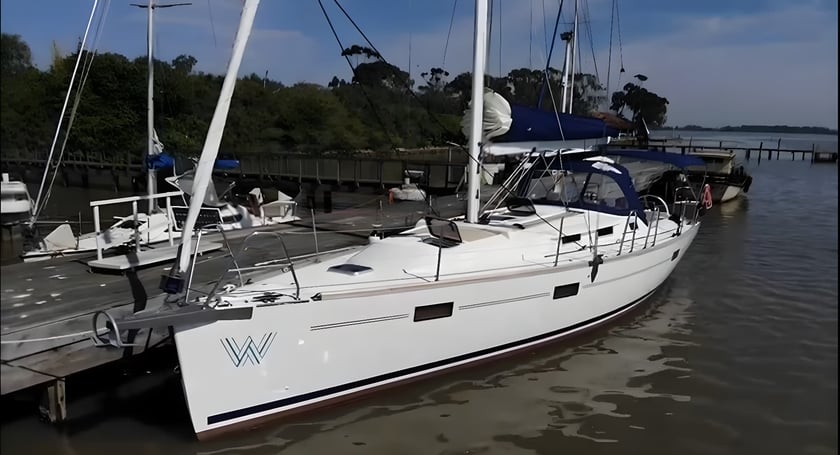
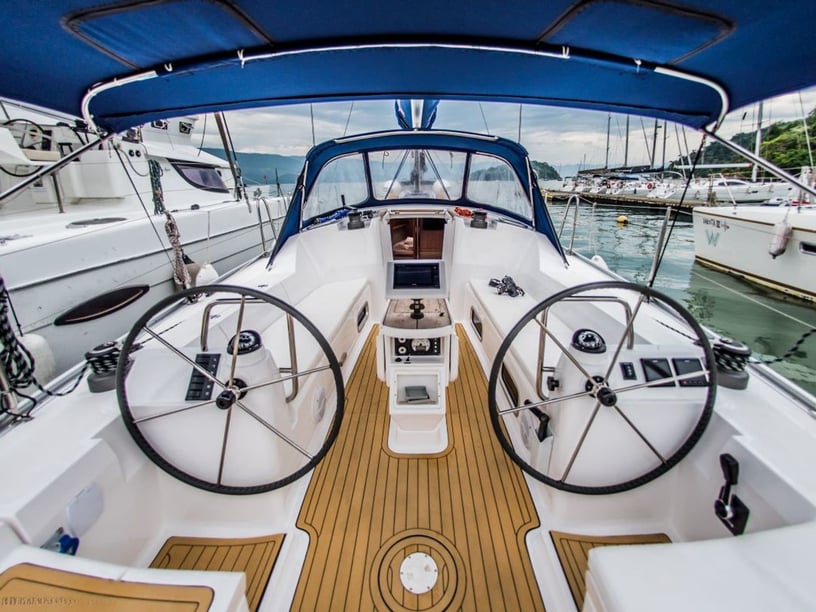
Yacht charter around Jacuecanga and Angra dos Reis
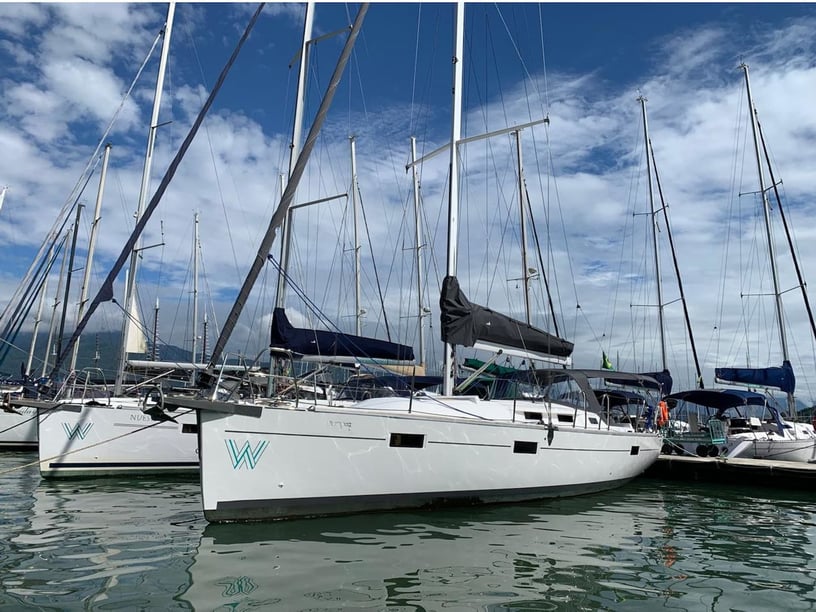
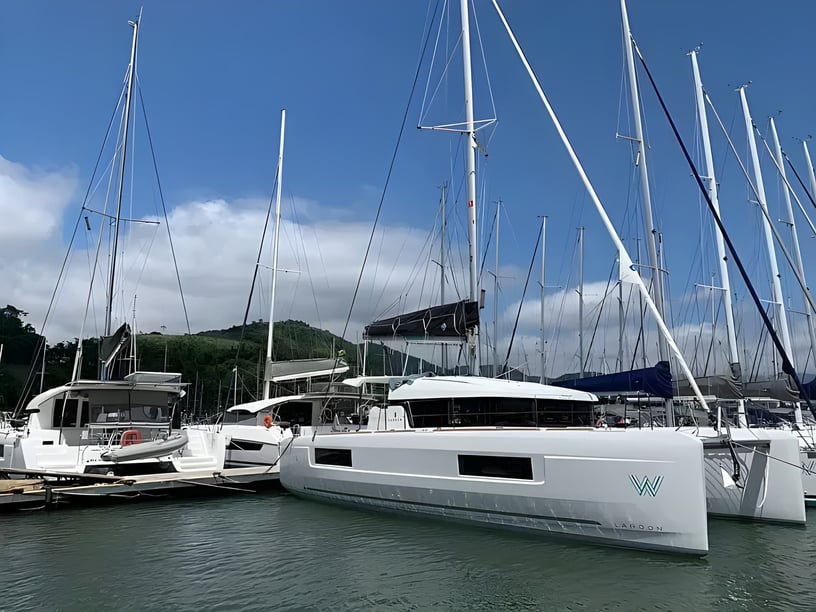
A yacht charter in Jacuecanga, Angra dos Reis (RJ), begins at a practical nautical waterfront rather than a conventional resort center. Also known locally as Verolme, the neighborhood occupies a sheltered, mountain-backed inlet on Baía de Jacuecanga, part of the wider Baía da Ilha Grande cruising area. Marinas, boatyards and marine-service businesses share the shore with residential districts and a major shipyard.
The appeal for charter travelers lies mainly in Jacuecanga’s access to the water. Boats can leave the protected marina channels and make relatively short passages toward nearby islands, beaches and anchorages. The forested slopes of the Serra do Mar form the mainland backdrop, while the Ilhas Cataguases sit close to the entrance of the bay. Jacuecanga therefore works well as a departure area for exploring Angra dos Reis and northern Ilha Grande, even though the marina frontage itself is more functional than leisurely. Travelers considering a wider coastal trip can also compare yacht charter options in Brazil.
Islands, beaches and bays to explore
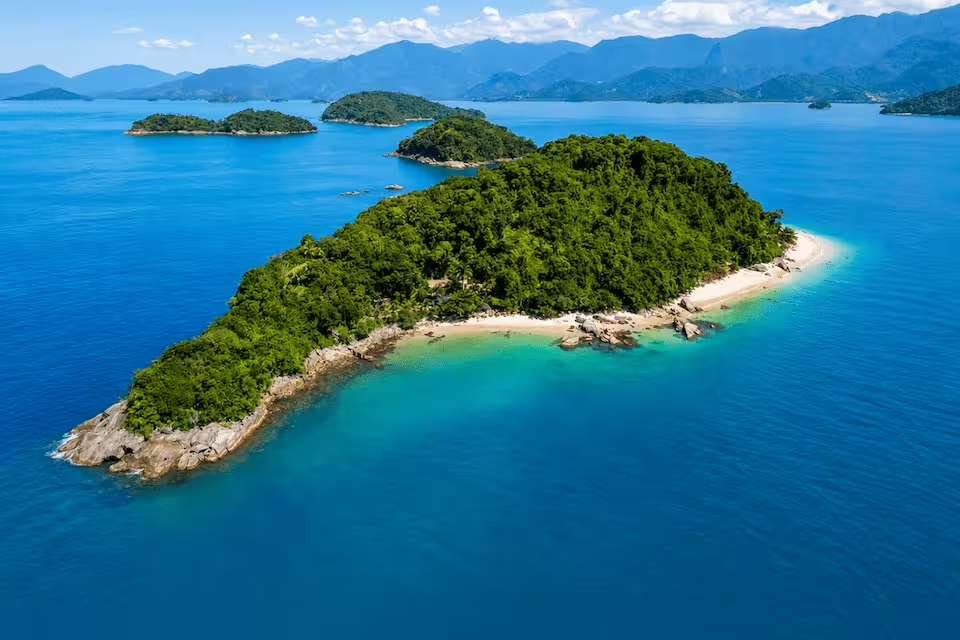
The Ilhas Cataguases are a natural early stop after leaving Jacuecanga. Their position near the bay entrance makes them convenient for a shorter island circuit, while their protected environmental status means visitors should observe local anchoring and conservation rules. Farther into the Angra cruising grounds, the twin Ilhas Botinas are associated with swimming and snorkeling in clearer offshore water.
Ilha da Gipóia adds several possible beach stops. Praia de Jurubaíba, commonly called Praia do Dentista, can be combined with Praia da Piedade or Praia das Flechas without requiring a long offshore passage. These nearby islands suit a day centered on swimming, time at anchor and short transfers between stops.
For a broader cruise, the northern side of Ilha Grande brings Lagoa Azul and Saco do Céu into range. These places are better suited to a full-day outing or the opening stage of a multi-day itinerary. Along the mainland, Camorim, Monsuaba and Praia da Biscaia provide additional coastal context, but the clearest contrast to Jacuecanga’s working harbor is generally found among the offshore islands.
What cruising from Jacuecanga is like
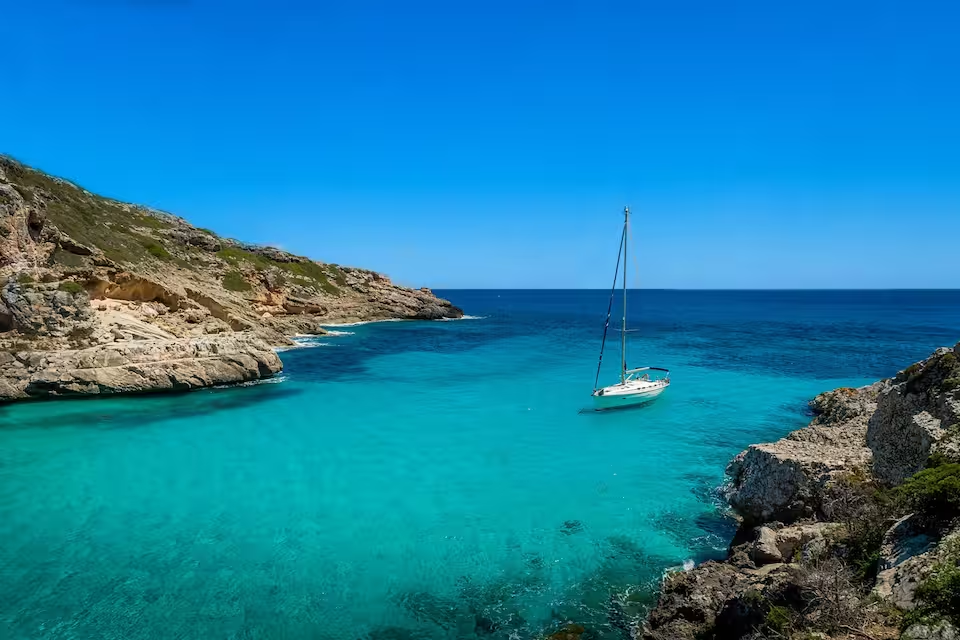
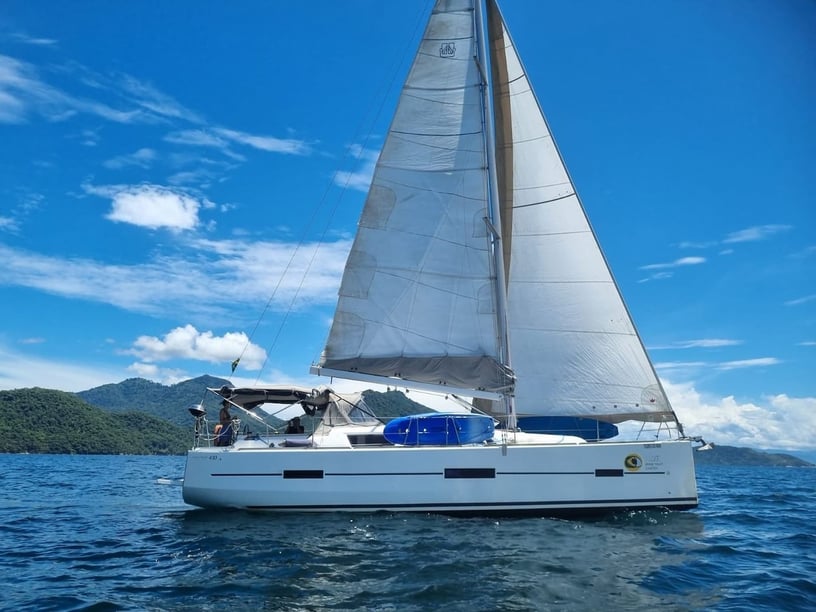
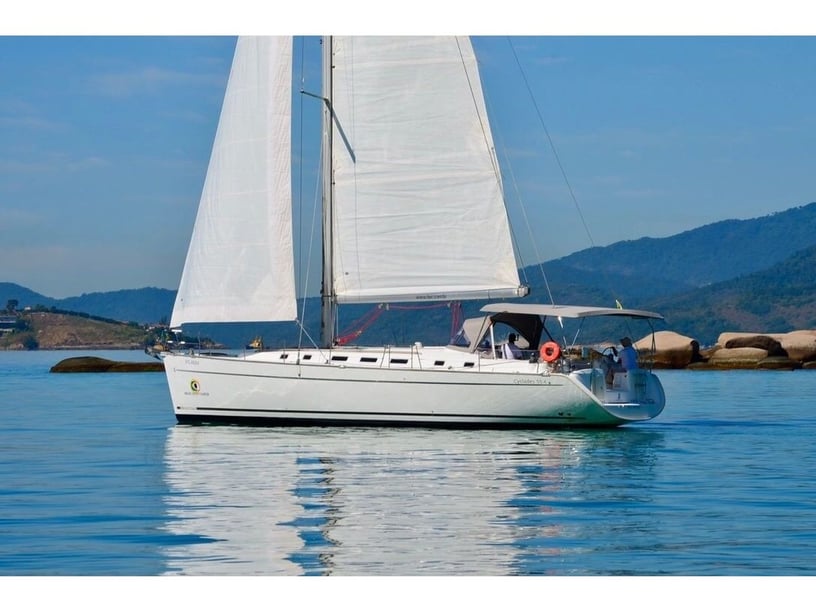
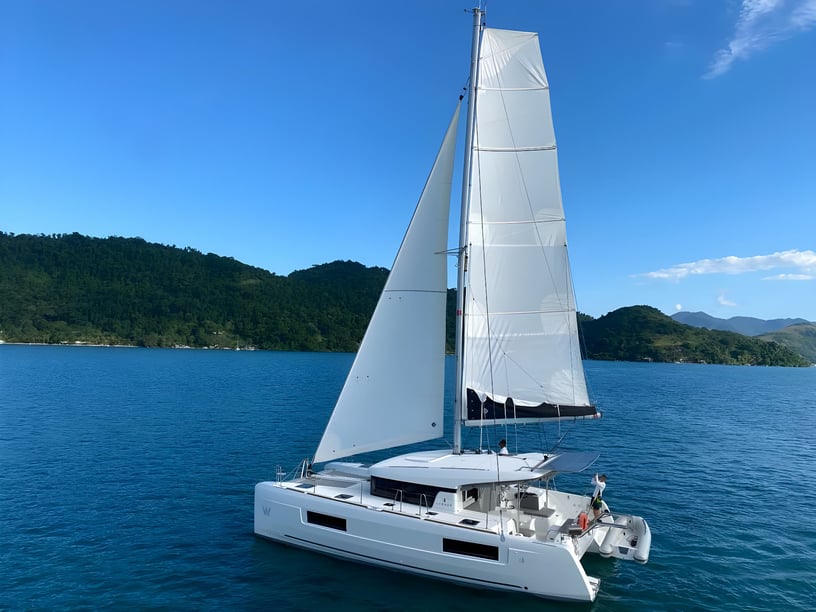
Inside Baía de Jacuecanga and across much of Baía da Ilha Grande, the islands and mountainous shoreline create commonly calm, sheltered cruising water. Many passages are short and visual, with the next island or headland remaining in sight. This can produce an easy-going rhythm in which cruising time is divided by swimming, snorkeling and beach stops rather than dominated by long crossings.
Regional winds are predominantly easterly, but the mountains and numerous islands can alter their strength and direction over short distances. Conditions may therefore differ between a protected bay and an exposed channel on the same day. Cold fronts are the main disruption to otherwise sheltered cruising, bringing stronger southerly or southwesterly winds and rougher water in exposed sectors, especially during autumn and winter.
Jacuecanga is also a working maritime area. Departures pass marked industrial channels, and large-vessel movements may occur near the shipyard. Charter itineraries should allow for local traffic controls and the latest marine forecast before moving into the wider bay.
Best time for a Jacuecanga yacht charter
Recreational boating is possible throughout the year, but the character of the trip changes with rainfall, heat and passing weather systems. December through February is the principal warm-weather holiday period. It offers summer conditions for time in the water, but it is also hot, humid and wet, with heavy rain and convection sometimes reducing visibility or altering road and boating plans.
April, May, September and October are particularly suitable months. These periods often combine warmth with lower rainfall and less peak-season activity, making them useful choices for travelers who want comfortable cruising without relying on the busiest summer weeks.
June through August is generally drier and can feel more comfortable for exploring, although cold fronts may interrupt settled spells and affect exposed routes. Whatever the month, some flexibility is valuable: the geography provides many sheltered alternatives, but the best daily plan still depends on the current wind, rain and sea forecast.
Route ideas from Jacuecanga
A compact local circuit can connect Jacuecanga with the Ilhas Cataguases, Ilhas Botinas and Ilha da Gipóia. Stops at Praia do Dentista and either Praia da Piedade or Praia das Flechas create a varied outing without turning the day into a long-distance passage. This format leaves more time for swimming, snorkeling and relaxing at anchor.
A longer route heads from Marina Verolme toward northern Ilha Grande, with Lagoa Azul and Saco do Céu as the principal objectives. It can be treated as a full-day cruise or used as the first part of a multi-day exploration of Ilha Grande. The precise sequence should remain adaptable, since local shelter, rainfall and cold-front timing may favor one side of the cruising area over another.
Experiences on and beyond the water
A charter from Jacuecanga is best understood as a transition from a working nautical waterfront to island scenery. The marina basin and shipyard frontage reveal the area’s boatbuilding and marine-service identity; after departure, the emphasis shifts to forested slopes, small islands, beaches and protected inshore water.
Swimming and snorkeling are most rewarding at offshore island stops rather than within the marina basin. Short passages also suit groups that prefer frequent breaks and families seeking more time in the water than in transit. Depending on the itinerary, a day may alternate between scenic cruising, sheltered anchoring and going ashore at an Ilha da Gipóia beach.
The bay also has a significant naval history. The Brazilian battleship Aquidabã sank in Baía de Jacuecanga after an explosion in 1906. An obelisk on Ponta Leste, erected in 1918, commemorates those who died and adds a more reflective historical dimension to this otherwise recreation-focused coastline.
Getting there and choosing a departure point
Jacuecanga has direct road access from the Rio-Santos highway, BR-101. Most travelers arriving on scheduled flights use Rio de Janeiro–Galeão International Airport or Santos Dumont Airport, then continue by road transfer, rental car or intercity bus. Angra dos Reis Airport provides an option for local aviation access, while municipal buses connect Jacuecanga with other parts of Angra dos Reis.
Marina Verolme and Marina Allmare are the principal local departure facilities. They are separate marinas within the Jacuecanga or Verolme area, so travelers should confirm the precise entrance, meeting point and boarding facility with the operator before arrival. This is particularly important because the waterfront contains boat-storage and maintenance areas as well as active shipyard infrastructure.
In practical terms, Jacuecanga serves mainly as a well-connected embarkation and marine-service area. Travelers generally come here to board, provision or prepare for the islands rather than to spend the whole holiday around the urban beach and marina frontage.
Planning the right charter format
Begin by deciding whether the priority is a relaxed island day or a broader cruise toward Ilha Grande. For a day trip, shorter routes around Cataguases, Botinas and Gipóia help maximize time for swimming and beach stops. A multi-day charter allows northern Ilha Grande to become part of the journey rather than a distant turnaround point.
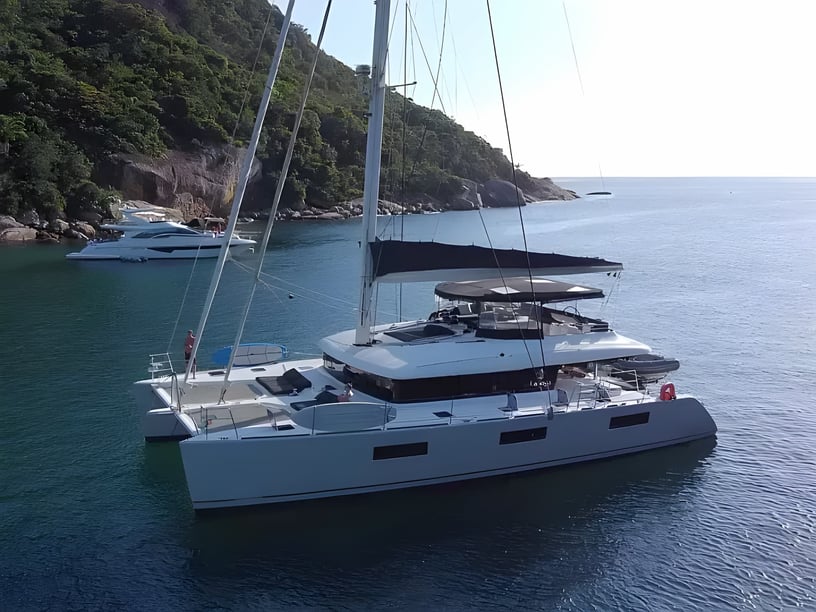
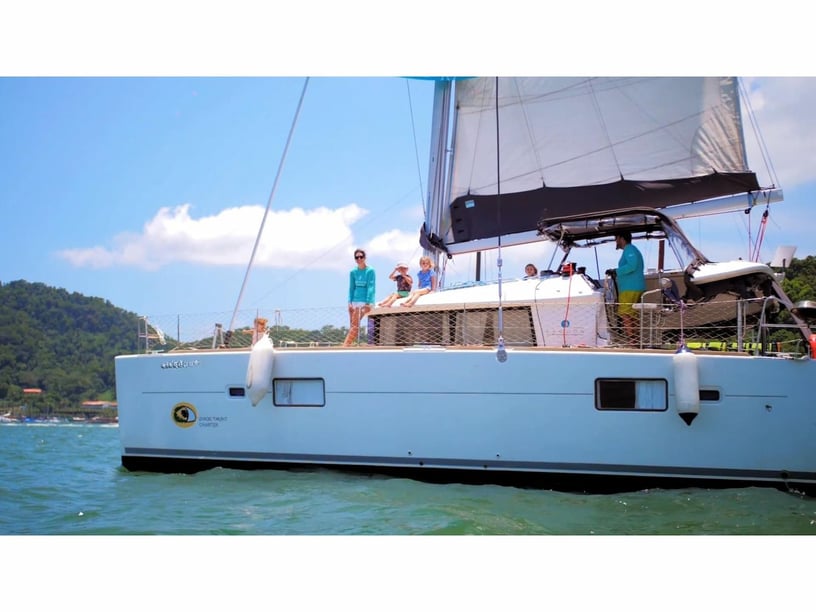
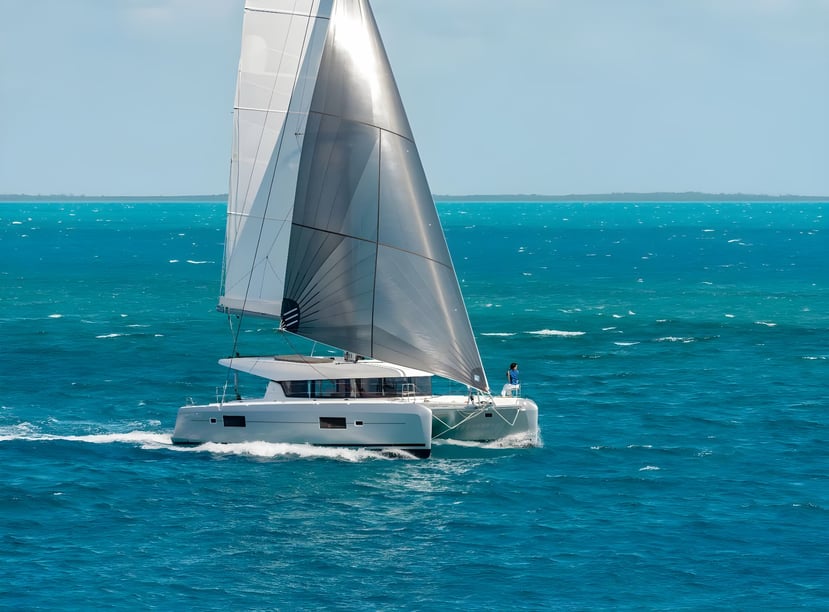
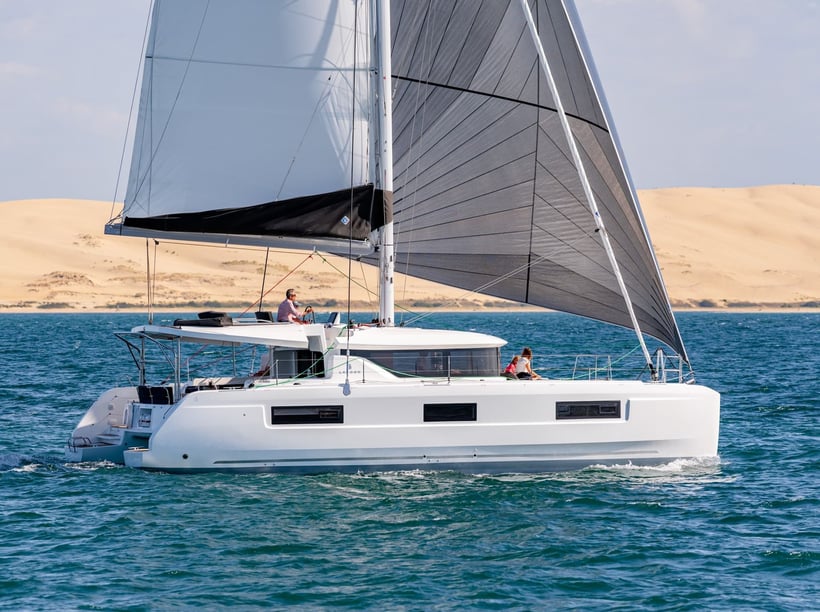
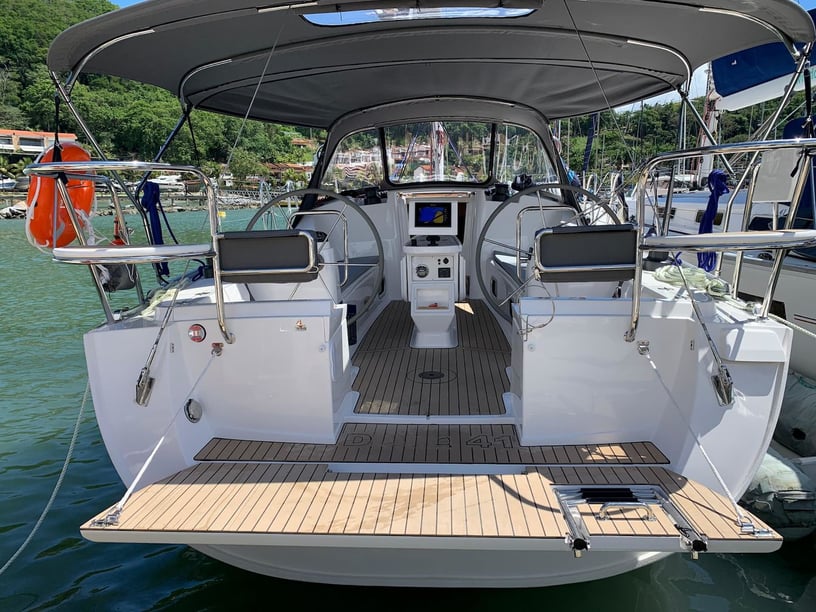
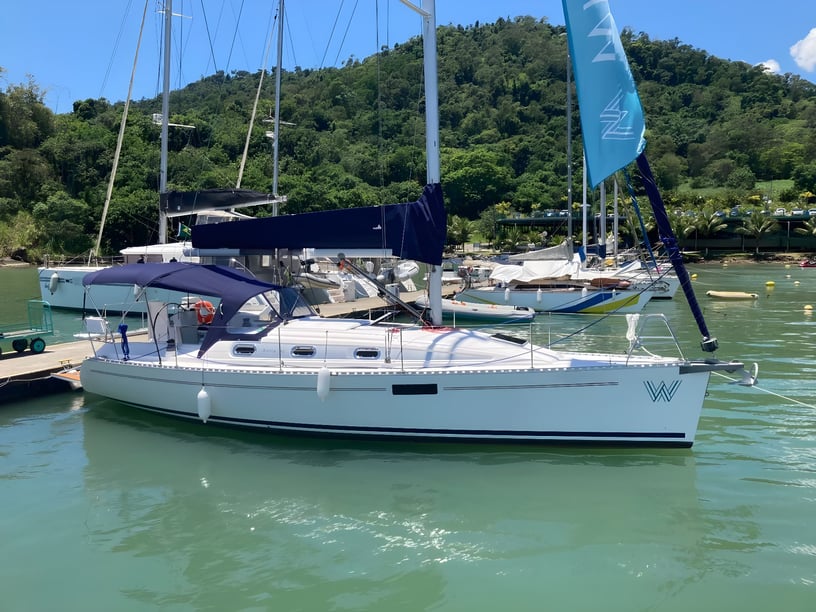
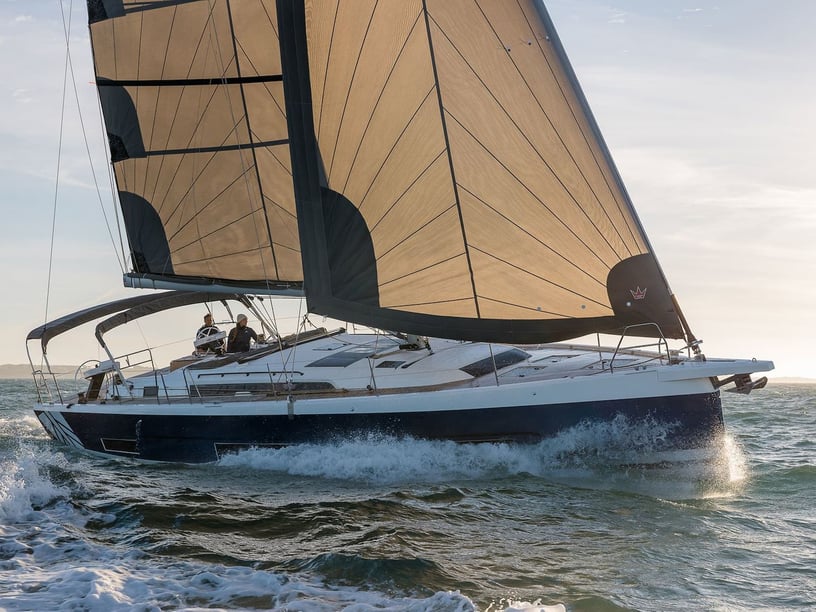
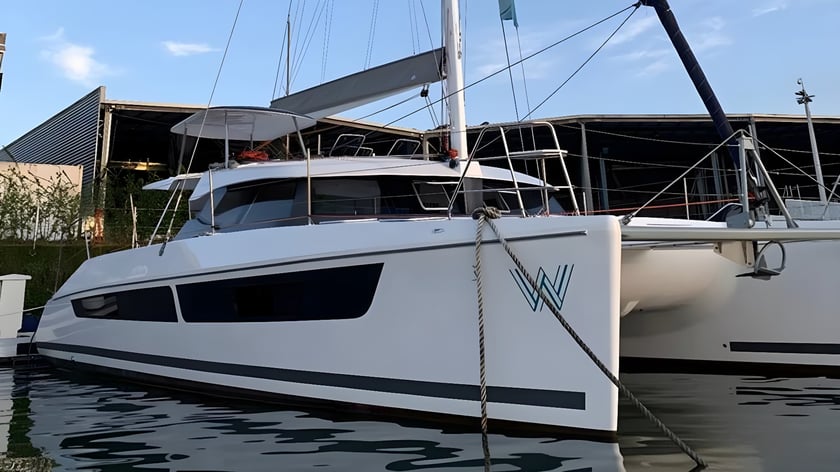
Boat choice should reflect the intended pace and onboard priorities. Travelers comparing extra deck space and stability can consider a catamaran charter in Jacuecanga, while those prioritizing faster transfers between dispersed stops may wish to examine a motor yacht charter. For any yacht charter or boat rental in Jacuecanga, confirm the exact boarding location, planned operating area and how weather-related itinerary changes are handled.
Pack and plan for the season rather than relying only on average conditions. Summer itineraries need flexibility for heavy rain, while autumn and winter trips should account for cold fronts. Before departure, the responsible operator or crew should check current marine forecasts, navigation notices and restrictions around industrial channels. Environmental rules also matter at protected island sites, particularly around anchoring and shore access.