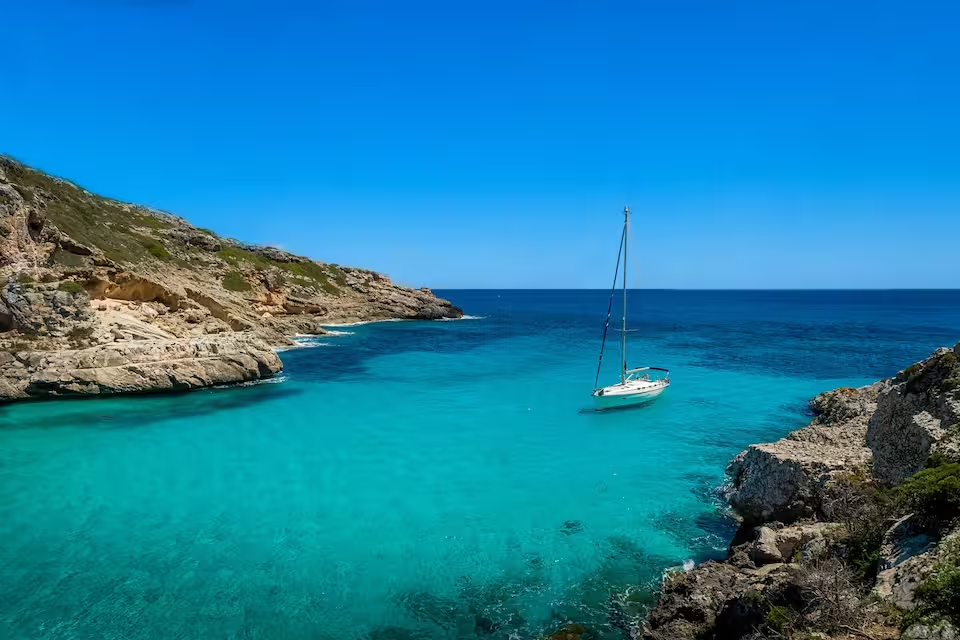
Yacht charter in Goa
Goa combines approximately 105 kilometres of Arabian Sea coastline with an extensive network of rivers, creeks and estuaries. Its yacht charter landscape is therefore broader than a series of beach trips: travelers can cruise beside Panaji, enter mangrove-lined waterways, head offshore for snorkeling or follow the coast toward quieter southern bays.
Rather than a marina-to-marina island-hopping destination, Goa is primarily suited to short coastal outings, river cruises and day trips. The Mandovi and Zuari provide comparatively sheltered water, while routes beyond their mouths encounter open-sea swell. Offshore islands such as Grande and Pequeno add another dimension to the experience.
A Goa yacht charter can also connect very different sides of the state. North Goa is associated with busy beach districts, restaurants and nightlife, while South Goa generally has a calmer atmosphere around Agonda, Palolem and Cavelossim. Inland waterways bring travelers closer to river islands, historic settlements and Goa’s Indo-Portuguese heritage.
Goa’s principal charter areas
Central Goa is the main setting for river-based cruising. Trips from Panaji can follow the Mandovi past the city’s waterfront and toward its river mouth, or turn inland toward Ribandar, Old Goa, Chorao and Divar. This area suits travelers interested in heritage, estuary scenery and a more sheltered alternative to the open coast. The linked Mandovi-Zuari system also makes longer backwater journeys possible through the Cumbarjua Canal.
Around Dona Paula, Nerul and Sinquerim, the river and sea experiences meet. Coastal trips may pass Fort Aguada and continue toward Grande or Pequeno Island, often incorporating snorkeling, diving or dolphin-watching activities. The nearby North Goa beach districts of Candolim, Calangute, Baga and Vagator are better suited to travelers who want time on the water combined with active evenings ashore.
South Goa has a quieter coastal character. Cavelossim and Mobor sit near the lower Zuari and Sal river area, while Agonda and Palolem provide departure points for short coastal excursions. Palolem Bay is more enclosed than long stretches of the open coast, and trips from Palolem or Agonda commonly visit Butterfly Beach. This part of Goa is a natural choice for travelers prioritizing beaches and a slower shore-based rhythm over nightlife.
What cruising in Goa is like
The experience changes considerably between Goa’s inland waterways and the Arabian Sea. The Mandovi, Zuari and connecting channels offer relatively sheltered cruising, with mangrove banks, river islands and settlements forming the backdrop. These waters are also working transport corridors: ferries, tourist boats and commercial vessels share parts of the route.
Outside the river mouths, yachts are exposed to ocean swell and changing coastal weather. Sand bars, including the Aguada Bar, can be affected by tide, vessel draft and seasonal controls. These factors matter when choosing between an offshore excursion and a river itinerary, even if navigation is being handled by a professional operator.
Goa is consequently better approached as a collection of distinct day-cruising environments than as one continuous cruising ground. River trips emphasize scenery and heritage; offshore outings focus on islands and water activities; southern coastal trips pair shorter passages with beaches and bays.
The best time for a Goa yacht charter
The principal fair-weather boating period runs approximately from October to May, but November through March normally provides the most consistently comfortable combination of clearer skies, limited rainfall and settled seas. January, February, November and December are identified as particularly suitable months for boating.
March can still offer favorable conditions, while April and early May are hotter, more humid and increasingly exposed to pre-monsoon showers or thunderstorms. Afternoon sea breezes may offer some relief, but travelers should expect a warmer experience and allow for weather-related adjustments.
October is transitional: boating activity begins to recover, although significant rain and thunderstorms can remain. From June through September, the southwest monsoon brings heavy rainfall, reduced visibility, stronger west to southwest winds and rougher open-coast conditions. Recreational offshore trips and beach water sports are commonly suspended or restricted during this period, even though inland rivers remain comparatively sheltered.
Routes for river and coastal trips
One of the most accessible routes begins in Panaji and follows the Mandovi. A westward cruise approaches the river mouth, while an inland itinerary can incorporate the Panaji waterfront, Ribandar, Old Goa and the islands of Divar and Chorao. The latter works especially well for travelers who want scenery and historic interest without spending most of the trip on exposed water.
A longer inland option links the Mandovi with the Zuari through the Cumbarjua Canal. This mangrove-lined route reveals a less familiar side of Goa and passes through habitat associated with mugger crocodiles, although wildlife sightings should never be assumed.
For an offshore day, routes from Sinquerim, Nerul or Dona Paula may continue past Fort Aguada and toward Grande and Pequeno islands. In the south, departures from Palolem or Agonda commonly pair Butterfly Beach with an early-morning dolphin-watching excursion. These are generally compact outings rather than stages in a multi-day marina circuit, so route selection should focus on the preferred balance of cruising, swimming, activities and time ashore.
Experiences on the water and ashore
Goa’s variety comes from combining coastal and river experiences within the same trip. Offshore excursions around Grande and Pequeno islands can include snorkeling or diving, while southern outings emphasize beaches and short passages between bays. On the Mandovi-Zuari waterways, the attraction shifts to mangrove scenery, river islands and the everyday ferry traffic that still connects communities such as Divar.
History is easy to include before or after a charter. Fort Aguada overlooks the approaches near Sinquerim, Reis Magos Fort stands beside the Mandovi, and the Churches and Convents of Old Goa form a UNESCO World Heritage site. Panaji adds the riverfront and the colorful historic quarter of Fontainhas.
Food also helps shape the day ashore. Fish curry with rice is a Goan staple, and coconut, spices and vinegar feature prominently in regional cooking. Bebinca offers a traditional layered dessert, while feni is distilled from cashew fruit or coconut-palm sap. Travelers seeking lively evenings can base themselves near North Goa’s beach districts; those preferring quieter nights may find South Goa more suitable.
Getting there and choosing a departure point
Goa is served by Dabolim Airport near Vasco da Gama and Manohar International Airport at Mopa in North Goa. Road transfers connect both airports with the principal coastal districts and boating departure points. Madgaon, Vasco da Gama, Karmali and Thivim railway stations provide additional access, although an onward road transfer is normally needed.
Common starting points include the Goa Tourism Jetty and Santa Monica Pier in Panaji, Dona Paula Jetty, Sinquerim Jetty, and Coco Beach or Nerul. Palolem and Agonda serve southern coastal outings. Because visitor boating is organized mainly around river jetties and beach-launch points rather than a network of full-service marinas, accommodation location and transfer time should be considered when selecting a trip.
Planning your charter
When comparing yacht charter or boat rental in Goa, first decide whether the priority is sheltered river cruising, an offshore island excursion or a short trip along the southern coast. The distinction affects exposure to swell, the activities that can be included and the likelihood of weather changing the planned route.
Confirm the exact departure point, trip duration, intended itinerary and whether swimming, snorkeling or diving equipment is included. Use registered operators and check that the vessel has appropriate safety certification, passenger insurance and life-saving equipment. For independent coastal passages, current India Meteorological Department bulletins, INCOIS ocean-state information and Captain of Ports notices are important sources of operational guidance.
Weather flexibility is particularly important around October, late April and May, while open-sea plans during the southwest monsoon may not be viable at all. Travelers should also remember that river routes share space with ferries and commercial traffic, and that conditions at river mouths can differ from those at the departure jetty.
Goa’s short-trip, estuary-and-coast model differs from yacht holidays built around full-service marinas and overnight island hopping. Travelers considering other styles of cruising can compare the destination with the wider range of possibilities in the global yacht charter guide.