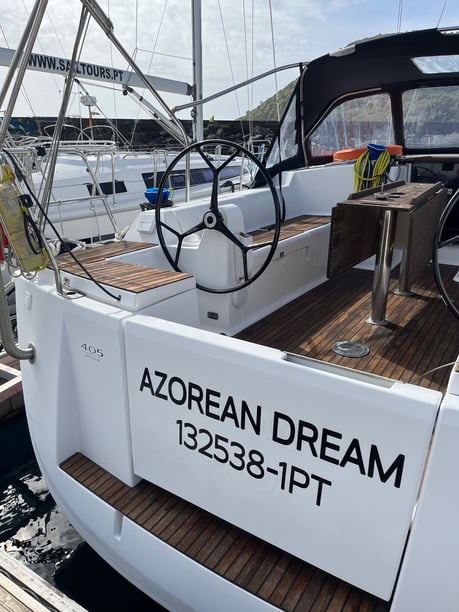
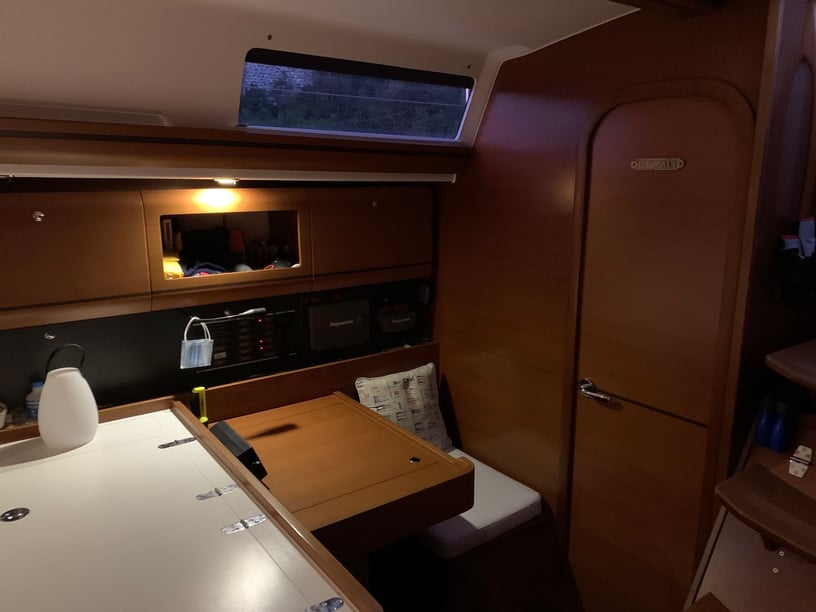
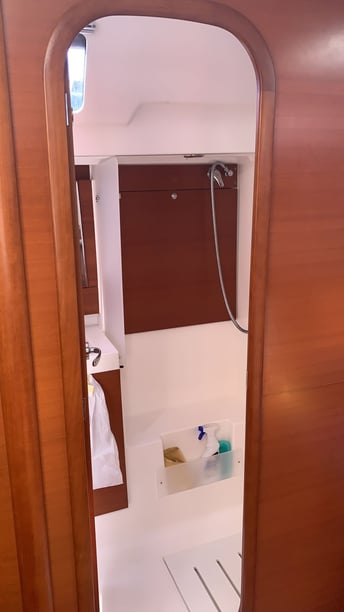
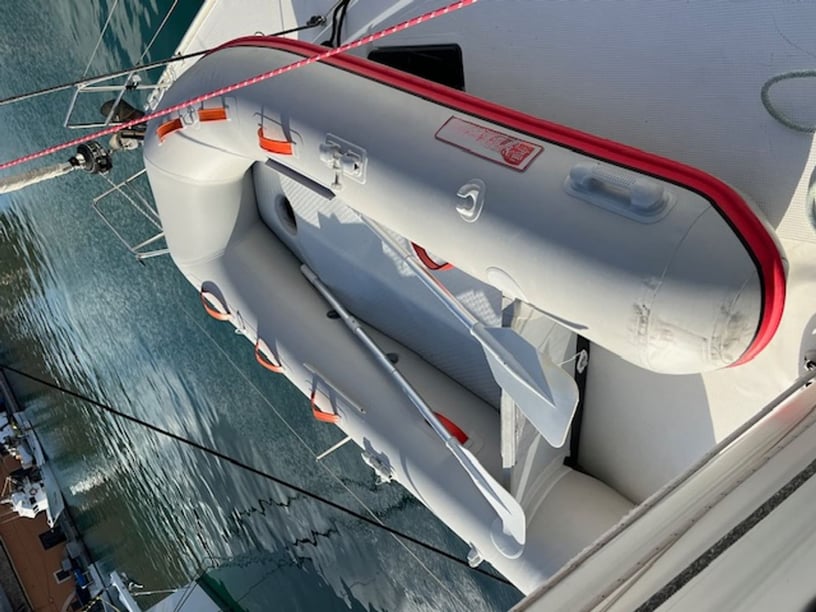
Yacht charter in Angra do Heroísmo
A yacht charter in Angra do Heroísmo combines Atlantic cruising with unusually direct access to Terceira’s maritime history. The city occupies a south-facing volcanic indentation, with Monte Brasil sheltering one side of the bay and the historic center rising immediately behind the marina. This close relationship between harbor and city has shaped Angra since the fifteenth century, when it became an important port of call on routes linking Europe with Africa, India and the Americas.
The protected inner marina provides a practical setting for local outings, while passages beyond Angra Bay quickly enter open North Atlantic waters. Travelers can divide their time between short coastal trips, diving and snorkeling, exploring the UNESCO-listed center on foot, and longer inter-island cruising when conditions allow. For a wider view of mainland and island cruising choices, compare Angra with yacht charter in Portugal.
Places to explore from Angra
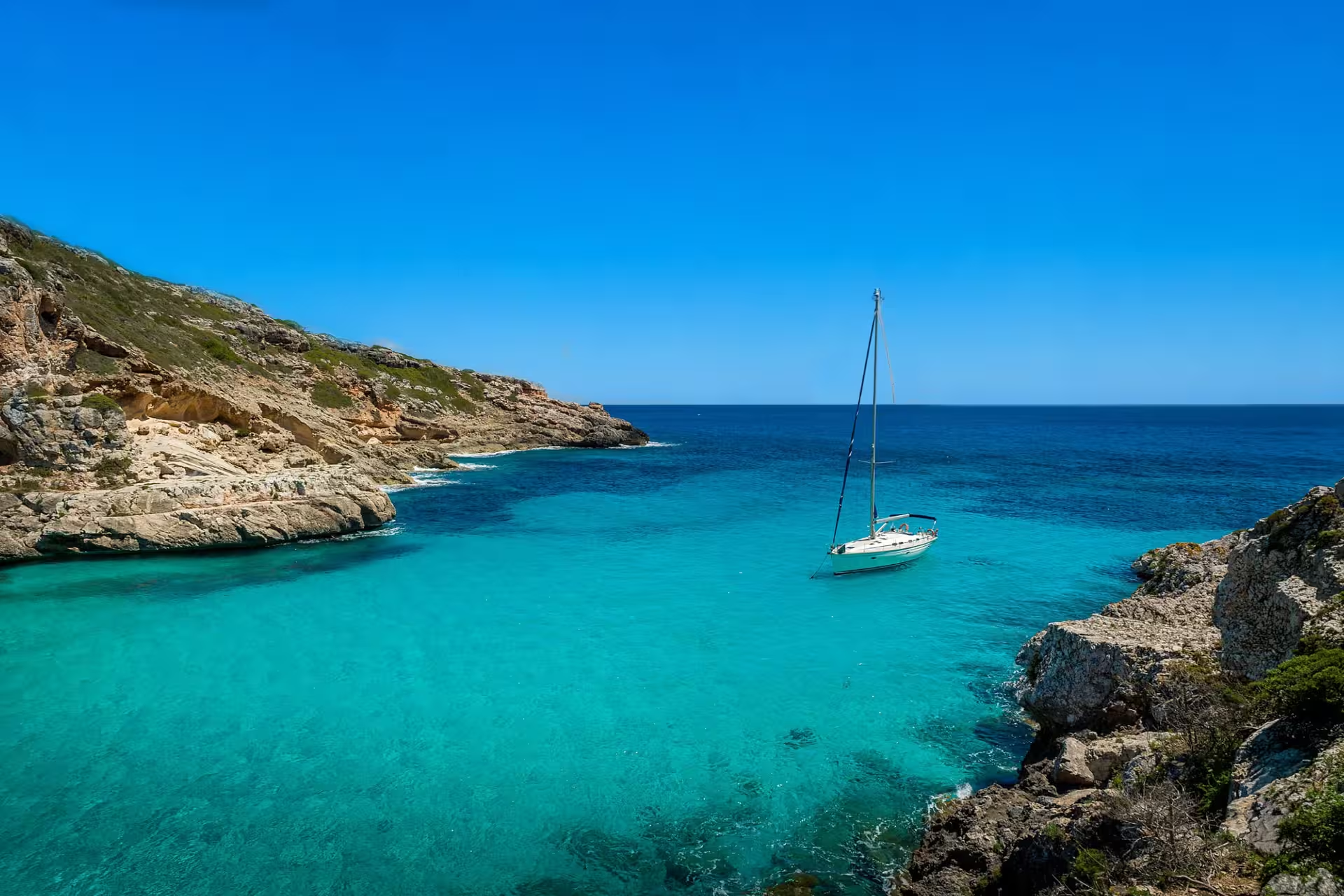
The Ilhéus das Cabras are among the most relevant nearby objectives for a short boat outing. These volcanic islets off southern Terceira are associated with semi-submerged caves, seabirds and varied underwater life, making them particularly suitable for snorkeling, diving and scenic cruising.
Closer to the city, Angra Bay is more than an arrival point. Its underwater archaeological park preserves evidence of centuries of Atlantic shipping, including the nineteenth-century Lidador wreck and the Cemitério das Âncoras, where more than 40 anchors have been recorded.
Monte Brasil defines the western side of the harbor and provides a clear landmark from the water. On Terceira’s east coast, Praia da Vitória offers another protected marina and a useful alternative boating base, although reaching it by sea means leaving the shelter of Angra Bay and following the island’s exposed coastline.
What sailing around Angra is like
Cruising around Angra ranges from sheltered maneuvering inside the marina to short coastal outings and substantial open-ocean passages. The marina lies in the eastern part of the bay behind a breakwater and offers considerably better protection than nearby open anchorages. This makes it the most dependable local refuge when conditions outside are unsettled.
The contrast becomes important as soon as a trip extends beyond the bay. The Azores are exposed to rapidly changing Atlantic weather, and even inter-island routes within the Central Group include long stretches without intermediate harbors. Forecasts, sea state and conservative passage timing therefore have a greater influence on the itinerary than they would in a closely spaced, sheltered cruising area.
South and east winds require particular attention around Angra. They can drive uncomfortable or hazardous swell into the western part of the bay near Baixa da Prainha. For travelers, this means that a planned anchoring stop may need to be replaced by a marina stay or postponed altogether.
Best time for an Angra yacht charter
The generally advisable sailing window extends from late March through October, with June to September offering the warmest and usually most settled conditions for recreational boating. July is normally the driest month, while August is generally the warmest. These summer months also form the principal high season, so earlier planning may be useful.
April, May and October sit outside the main peak and can still suit a charter when forecasts are favorable, but conditions are more variable. From November through March, wetter weather, Atlantic depressions and rougher seas reduce boating activity. Rain remains possible throughout the year, and settled summer conditions should never be treated as guaranteed; itineraries need enough flexibility to accommodate a delayed departure or a shorter local route.
Local outings and inter-island routes
A compact outing from Angra Marina to the Ilhéus das Cabras focuses on volcanic formations, marine caves and time in the water. Another local option remains within Angra Bay, combining views of the fortified historic waterfront with a guided diving visit to the underwater archaeological park.
Longer itineraries use Angra as Terceira’s stop on Central Group circuits. Documented cruising patterns connect the island with São Jorge, Pico and Horta, but these are open-ocean legs rather than a chain of short, sheltered hops. The order and feasibility of stops should be determined by the current forecast, the yacht’s operating limits and the experience of the skipper. Praia da Vitória can also serve as an alternative Terceira departure or arrival point when its east-coast position better suits the intended passage.
History, diving and island life
Angra’s defining charter experience is the ability to move directly between the water and a historic Atlantic city. The marina sits below the UNESCO-listed central zone, where the early street plan, cathedral, museum and monumental buildings reflect the city’s role in overseas navigation. The forts of São João Baptista and São Sebastião show how the natural harbor was defended, while Monte Brasil offers an elevated perspective over the bay.
Underwater history is equally distinctive. Divers can encounter the Lidador wreck and the anchor cemetery within the bay, while the Ilhéus das Cabras add caves and marine life to the experience. Time ashore can include walking on Terceira, exploring Angra’s cultural sites and sampling characteristic food such as alcatra, traditionally slow-cooked in a clay pot, or Dona Amélia cakes, named after Queen Amélia following the royal visit of 1901.
Getting there and choosing a departure point
Lajes Airport is on northeastern Terceira, approximately 15 to 20 kilometers from Angra do Heroísmo. Travelers usually continue by taxi, bus, private transfer or rental car. Once in Angra, the marina is adjacent to the historic center, so central accommodation, restaurants and major sights can generally be reached on foot.
Marina de Angra do Heroísmo is the natural reference point for trips focused on the city, Angra Bay and the southern coast. Its breakwater shelter is an important advantage over neighboring anchorages. Marina da Praia da Vitória, on Terceira’s east coast, provides a second protected harbor and potential departure area. The appropriate choice depends on the planned route, sea conditions and where the yacht is based; Angra can function both as a place to embark and as a culturally significant stop within a wider Azorean itinerary.
Planning the right charter
When comparing yacht charter or boat rental in Angra do Heroísmo, first decide whether the priority is a local outing or an inter-island voyage. A short trip to the Ilhéus das Cabras or within Angra Bay places less emphasis on offshore endurance, while a Central Group itinerary requires a yacht and crew prepared for exposed Atlantic legs with limited opportunities to seek shelter.
Before confirming a trip, check the proposed operating area, weather-cancellation arrangements, safety equipment and whether coastal or inter-island navigation is permitted. Current licensing requirements, port formalities, local notices and any maritime-authority permissions should also be verified. Suitable foul-weather clothing remains useful even during summer because conditions can change quickly.
Allow flexibility rather than building the trip around a fixed sequence of anchorages. In particular, south or east winds may make the western side of Angra Bay unsuitable, while a poor offshore forecast can favor a marina-based stay and exploration ashore until conditions improve.