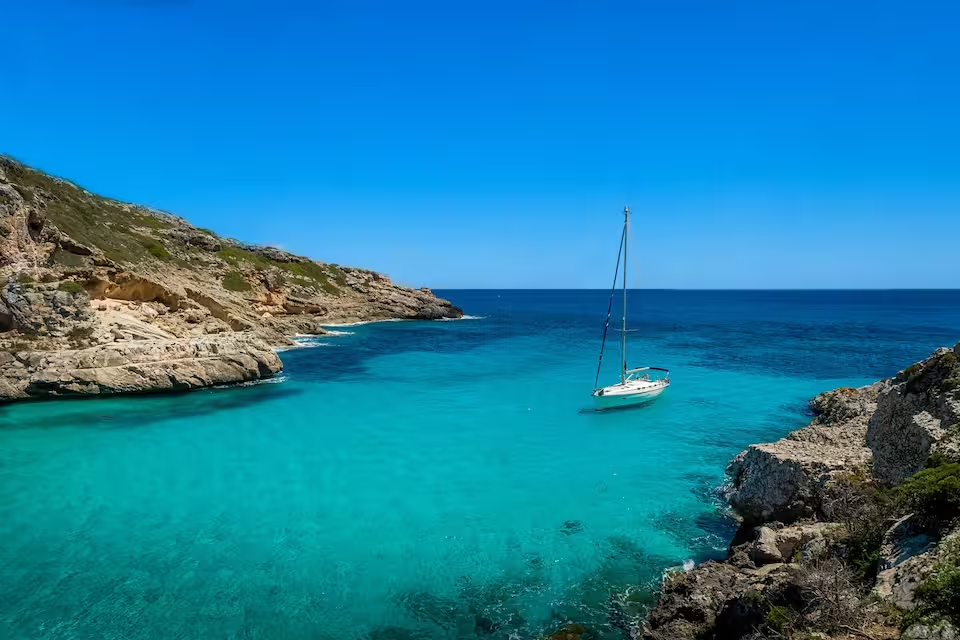
Yacht charter in the San Blas Islands
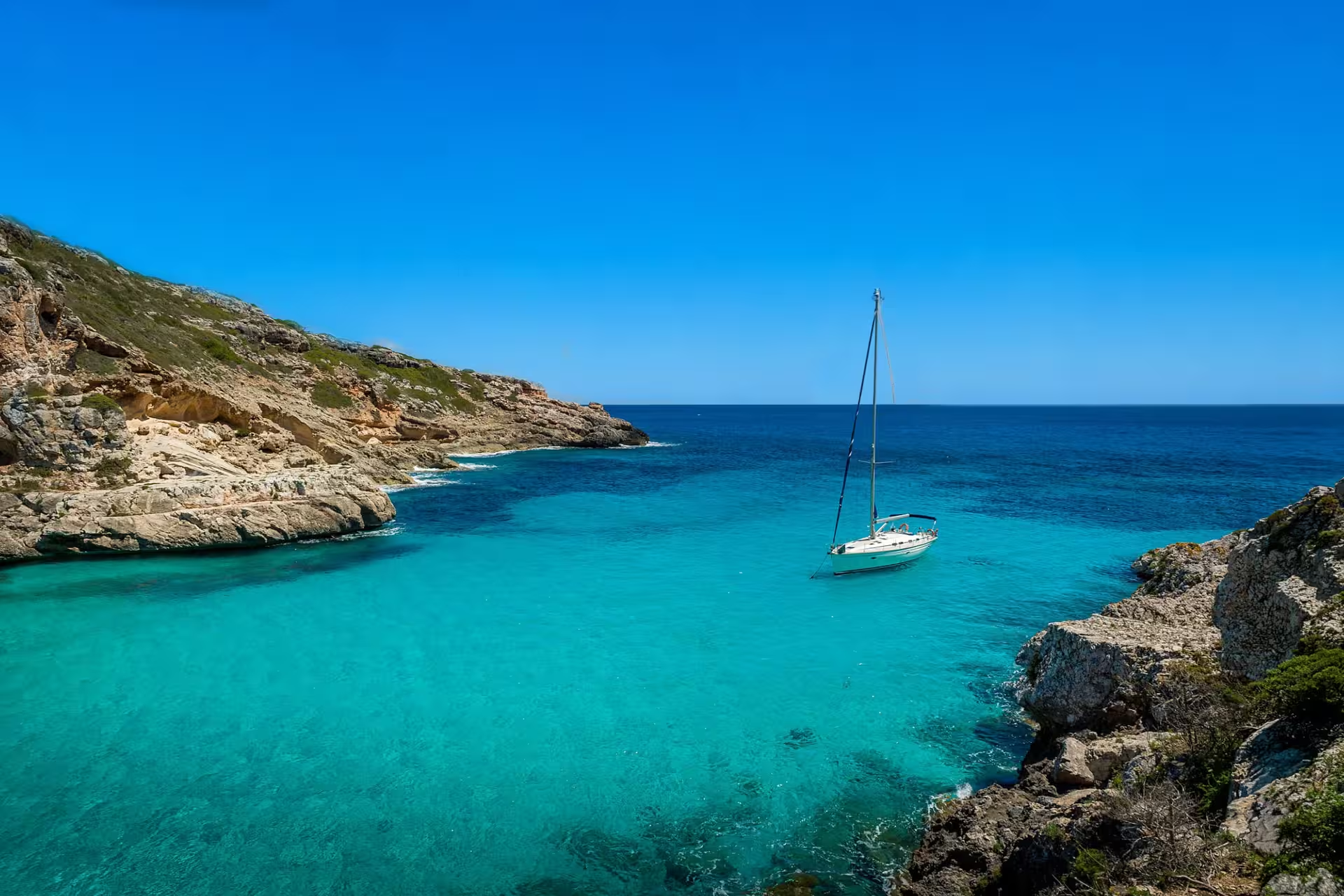
A yacht charter in the San Blas Islands explores a long Caribbean chain of more than 300 islands and cays off northeastern Panama. Also known as the Guna Yala Archipelago, the region belongs to the autonomous territory of the Guna people. Low coral islands, reef shelves and protected lagoons shape both the scenery and the way a trip unfolds.
Most itineraries combine short daylight passages with time at anchor, swimming and snorkeling. Some cays are small and uninhabited, while others hold compact Guna communities where boats remain essential for transport, fishing and trade. This contrast gives the archipelago a character quite different from a conventional resort coast.
There are no full-service marinas within the islands, so the yacht functions as accommodation, transport and the practical base for the journey. The experience particularly suits travelers interested in reef-fringed anchorages, compact island-hopping and a destination where local rules and living Indigenous culture are central to responsible travel.
Choosing a cruising area
Cartí is the main gateway for many leisure trips and a practical starting point for exploring the western and central islands. From here, daylight routes can connect Cayos Chichime and Cayos Limones in a relatively compact circuit. These areas work well for travelers who want frequent stops and shorter passages rather than covering the full length of the archipelago.
Farther out, Cayos Holandeses and Cayos Coco Bandero offer a more remote style of cruising. Reaching them generally requires a longer itinerary, but the reward is more time among sparsely developed cays and reef-protected anchorages. The Holandeses also sit closer to the exposed outer edge of the archipelago, so conditions outside the reefs can feel markedly different from those in the lagoons.
Narganá and neighboring Corazón de Jesús can add a community stop to a western-central route. Longer eastward journeys may include Playón Chico, also known as Ukupseni, and other inhabited islands. These trips place greater emphasis on Guna community life and require more time than a compact Cartí circuit.
The best area therefore depends less on the number of islands visited than on the desired balance: short hops and swimming stops in the west, more remote anchorages around the outer cay groups, or a longer journey combining natural settings with visits to inhabited islands.
What sailing here is like
Cruising in San Blas is defined by the contrast between sheltered lagoons and the open Caribbean. Anchorages behind barrier reefs are usually protected, while passages outside the reefs and approaches through their entrances can encounter swell and choppy water. Northeasterly to easterly trade winds provide the most consistent sailing from December through April.
Distances between many western and central cays are short, but the destination should not be mistaken for an easy cruising ground. Coral heads, shallow shelves and imperfect charting make strong daylight, an attentive lookout and current local knowledge essential. Night movement is unsuitable, and exposed passages demand more experience than the calm appearance of an anchorage might suggest.
The overall sailing difficulty is advanced. Crew capability is therefore an important part of charter planning, especially for routes extending to remote cays or beyond the archipelago. Travelers should expect passages to be scheduled around visibility and conditions rather than a rigid timetable. In lighter-wind periods, motoring may form a larger part of the journey.
When to charter
December through April is the principal yacht charter season and the most suitable period for dependable sailing. January, February, March and April, together with December, are identified as particularly favorable months. Trade winds are more consistent and conditions are generally drier, although exposed reef approaches can be lively and rain is possible at any time on Panama’s Caribbean coast.
May and November are transitional months. Winds may be less predictable, and November can also be among the wetter periods. From June through October, lighter and more variable winds become more common, alongside increased rain, squalls and thunderstorms. Calm spells may mean more motoring, while sudden weather calls for flexible routing.
The archipelago remains navigable year-round, but timing changes the balance of the trip: the main season favors sailing performance, whereas the wetter months require greater tolerance for variable weather and itinerary adjustments.
Route ideas and onward passages
A classic first route begins around Cartí and moves through Chichime and the Limones cays. With additional time, the circuit can extend to the Holandeses and Coco Bandero groups, with a community stop near Narganá. This structure allows the itinerary to grow gradually without turning every day into a long passage.
Private cruising yachts may approach from Portobelo or the Linton Bay area, following the coast toward El Porvenir before entering the western islands in daylight. This approach includes a more exposed coastal leg before the route settles into shorter journeys among the cays.
San Blas also forms part of established multi-day passages to or from Cartagena, Colombia. Such trips usually combine several days within the archipelago with an open-Caribbean crossing. That offshore leg is materially different from sheltered island-hopping and requires an experienced crew and a suitable vessel. Travelers primarily interested in swimming, snorkeling and frequent island stops may prefer to keep their itinerary within Guna Yala.
Life at anchor and ashore
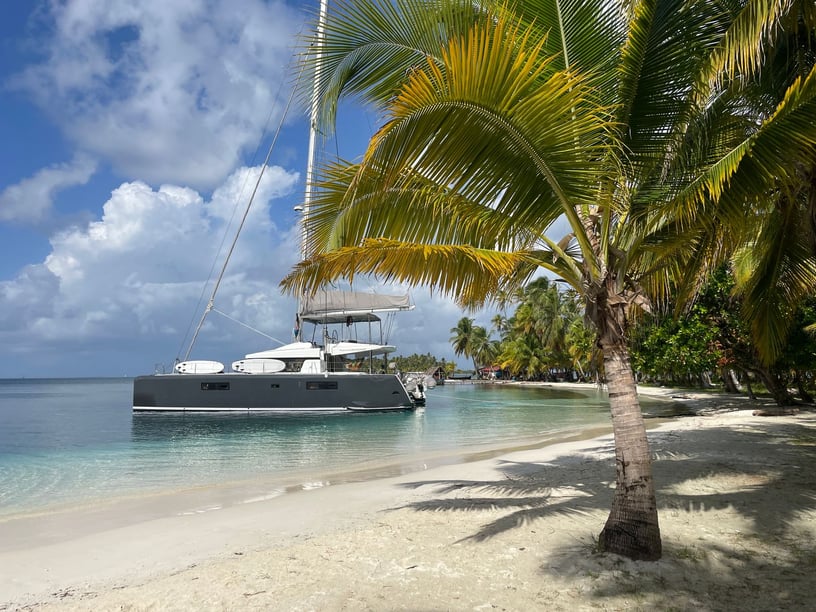
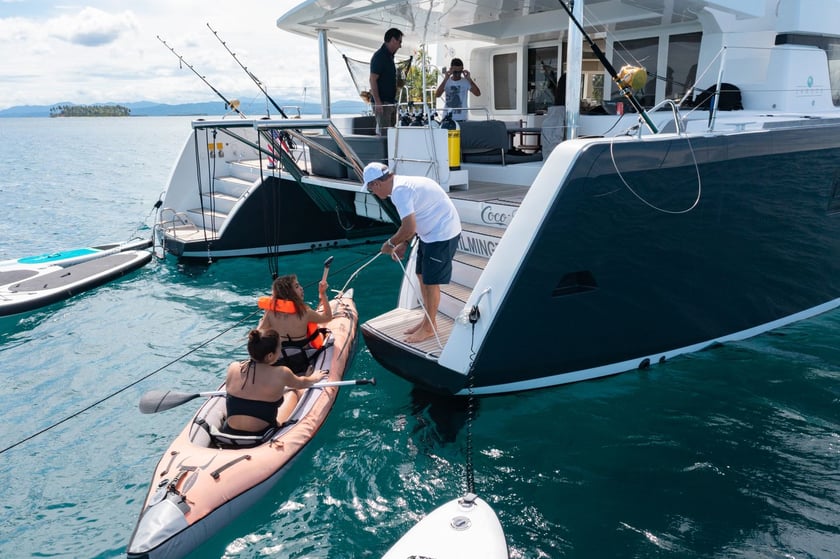
Days on a San Blas charter often alternate between short passages, anchoring over visible sand, swimming and snorkeling. Coral environments are a defining feature, and snorkeling is the principal permitted underwater activity because scuba diving with tanks is prohibited within Guna Yala. Isla Perro Chico is known for a shallow-water shipwreck that can be explored from the surface.
Time ashore should be approached as a visit to a living autonomous territory rather than simply a beach stop. Permission should be requested before entering communities or privately managed islands, and before photographing residents, ceremonies or culturally important places. Community visits may provide opportunities to learn about molas, traditional textile panels made through reverse appliqué with layers of colored fabric.
Food and maritime traditions are closely linked. Fishing, small boats and inter-island trade remain part of daily life, while dishes such as dule masi combine plantain and coconut milk and are commonly served with fish. The Dule Revolution of 1925 is also central to understanding the development of Guna autonomy and the cultural context in which tourism now operates.
Getting there and starting the trip
Most international travelers arrive at Tocumen International Airport and continue from Panama City by arranged road transfer across the mountains to Cartí. A local launch then connects the terminal area with an island or anchored yacht. Because the transfer involves both road and water transport, the full connection should be coordinated with the charter schedule.
Selected Guna communities, including Playón Chico and Corazón de Jesús, have small airstrips reached from Albrook or by specialized charter flights. Operations and schedules can change, so they should be verified before travel.
El Porvenir, Narganá–Corazón de Jesús and Playón Chico can serve as local access or departure points for suitable itineraries. Private yachts commonly approach from Portobelo or Linton Bay. There is no full-service marina network inside the archipelago, making these external staging areas important for fuel, provisions and technical preparation.
Planning the right charter
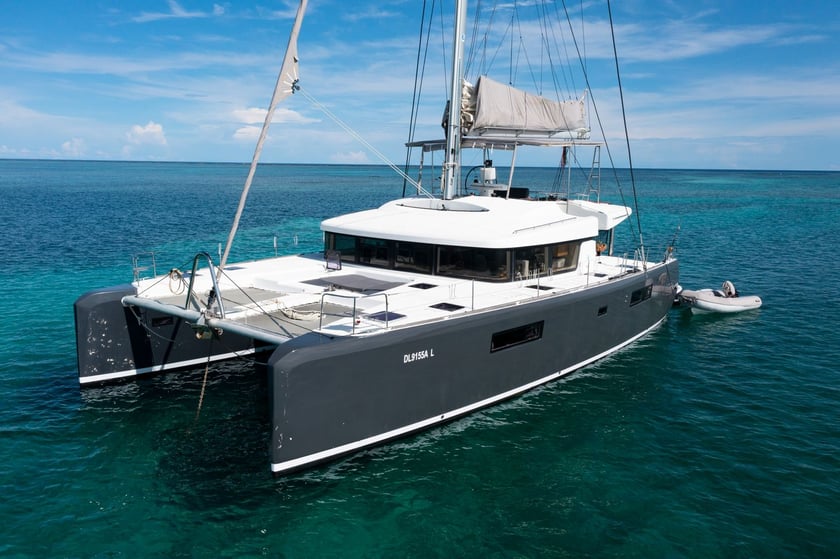
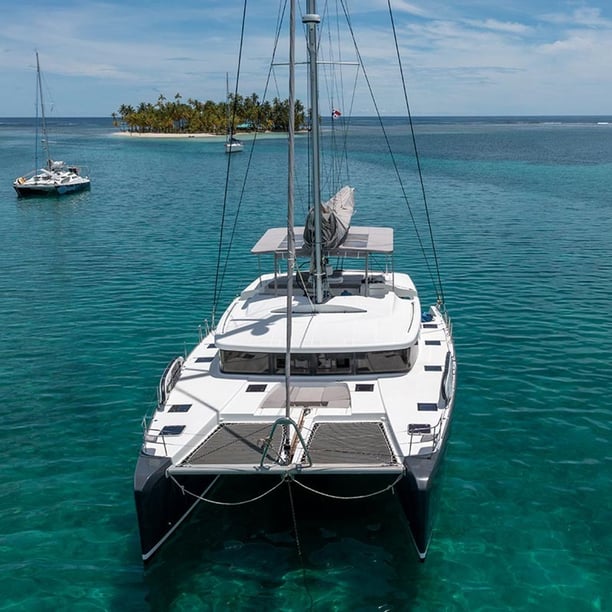
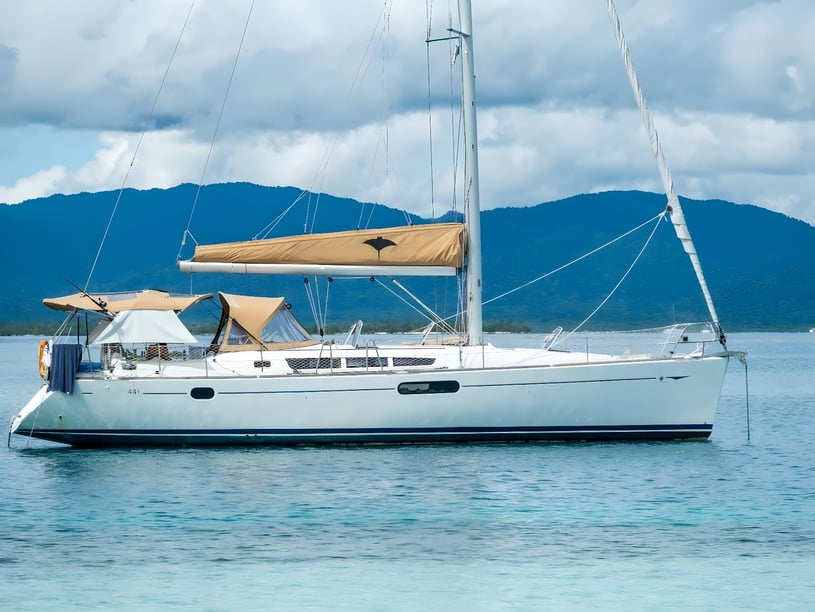
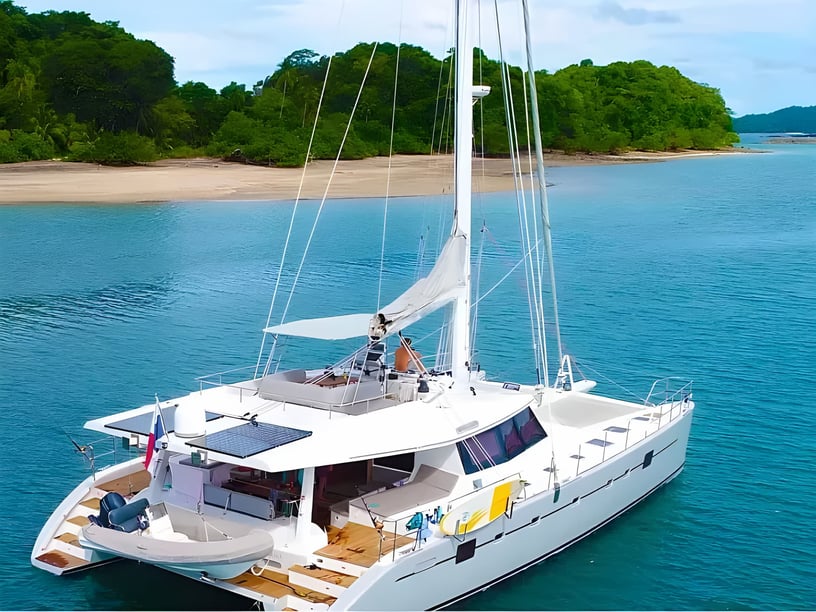
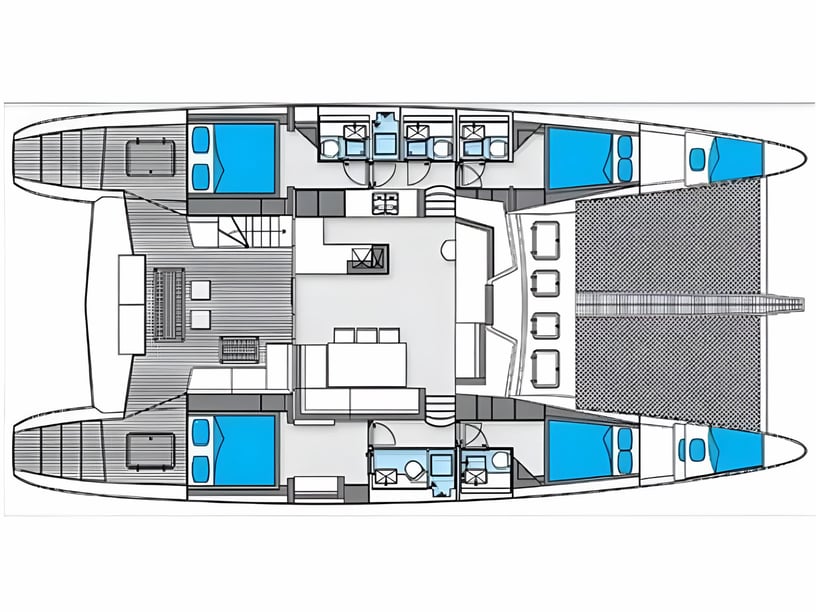
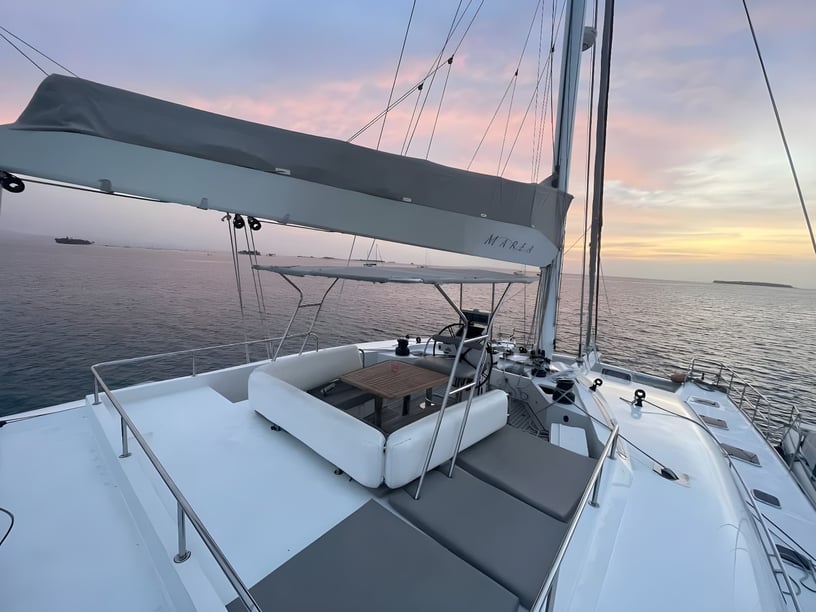
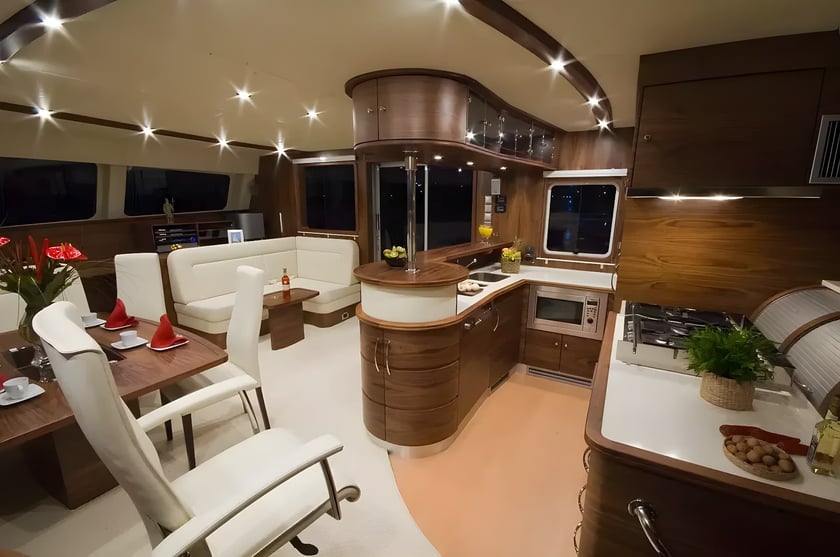
Whether researching yacht charter or boat rental in the San Blas Islands, begin with the route and crew requirements rather than the number of islands on the map. A compact western circuit has different demands from a trip to the remote Holandeses, an eastward community itinerary or an offshore passage to Cartagena. Travelers comparing vessel styles can review options such as a catamaran charter in the San Blas Islands or a San Blas sailboat charter, while keeping draft, self-sufficiency and crew experience central to the decision.
Guna Yala has its own visitor, anchoring and maritime regulations. Permissions, current procedures and local fees should be confirmed with Guna authorities or an appropriately authorized local operator. The itinerary should also account for daylight-only movement through reef areas and allow weather-related flexibility.
Fuel, freshwater, provisions, repairs and waste disposal all require advance planning because the islands lack a conventional fuel-dock and marina network. Banking, ATMs and card acceptance are very limited, so carrying sufficient cash is important. When anchoring, crews should use clearly visible sand and avoid coral. These practical constraints are not peripheral details: they shape the pace of the charter and favor well-prepared trips that respect both the reef environment and Guna communities.