Yacht charter in Ecuador
A yacht charter in Ecuador can take two very different forms. Along the continental coast, boating revolves around Pacific passages, fishing ports, mangrove estuaries and the broad Gulf of Guayaquil. About 1,000 kilometers offshore, the Galápagos Islands offer a separate cruising environment defined by volcanic shores, exceptional marine life and tightly controlled access.
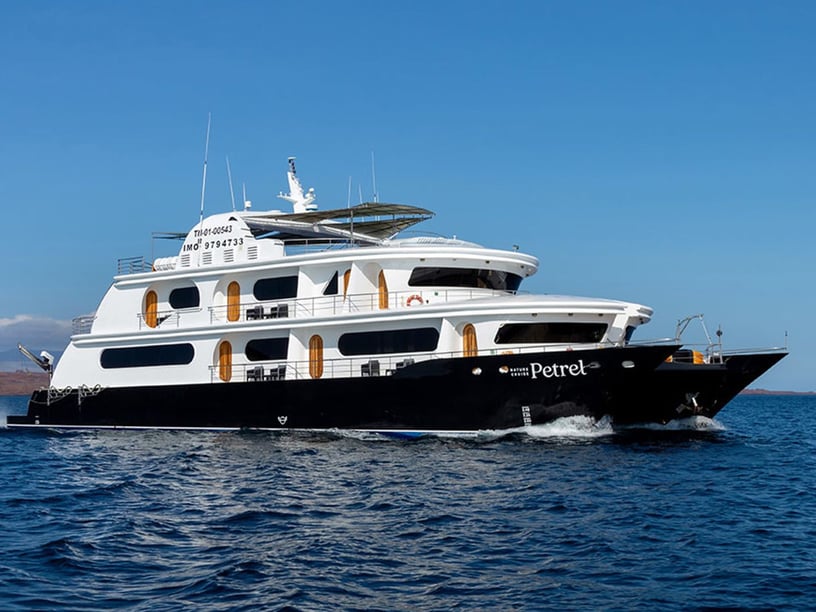
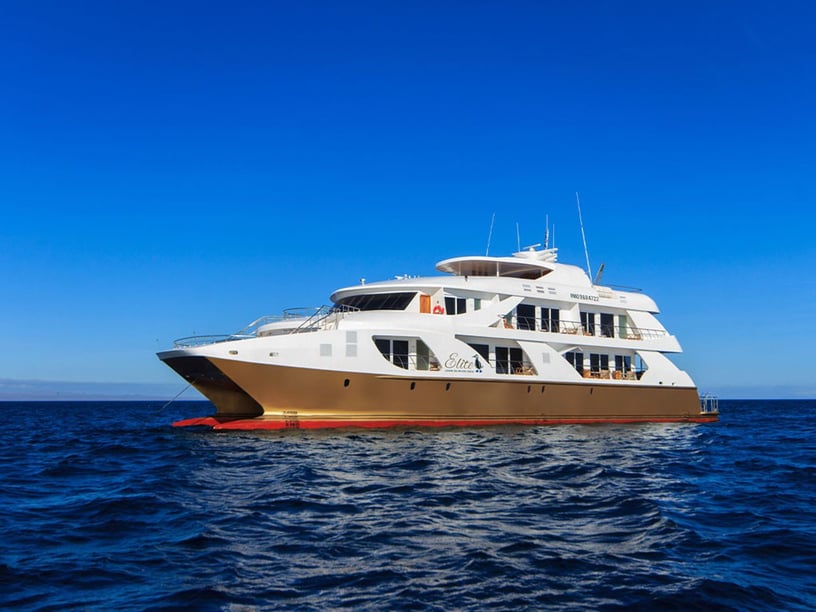
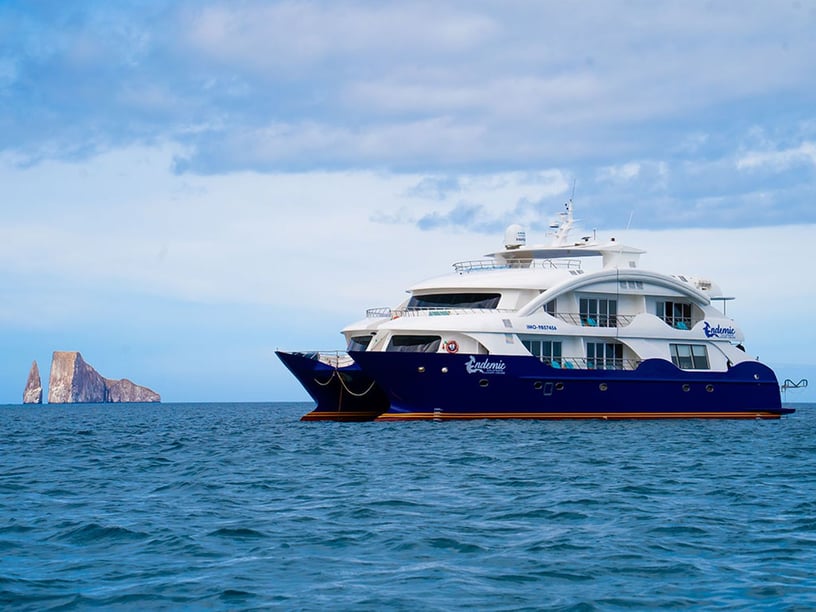
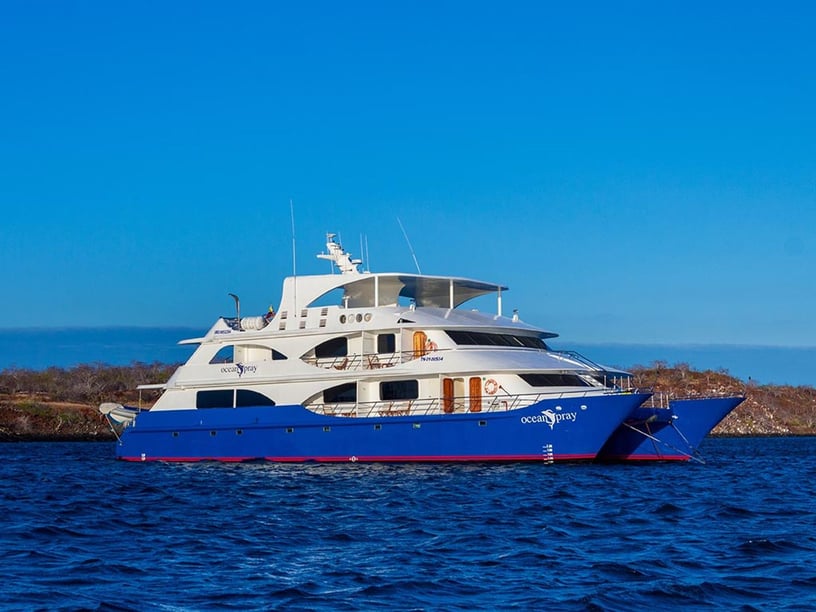
This is not primarily a conventional marina-to-marina destination. Mainland trips are more likely to combine coastal cruising with day excursions or passages between widely separated ports. In Galápagos, visitors generally travel aboard licensed expedition vessels, authorized day boats or inter-island passenger launches following approved operating areas and visitor itineraries. Independent private yachts face additional entry requirements.
The appeal lies in this contrast. Travelers can explore the maritime culture and protected landscapes of the mainland, then encounter an oceanic archipelago where currents, conservation rules and wildlife shape the entire journey. Choosing the right area and operating format is therefore the first—and most important—decision when planning an Ecuador yacht charter.
Principal cruising areas
The Gulf of Guayaquil is Ecuador’s largest sheltered maritime area. Guayaquil itself is a major commercial gateway, while Salinas and La Libertad provide access to the Santa Elena Peninsula and Puerto Lucía Yacht Club Marina. Compared with much of the open coast, the gulf offers greater protection, though tidal channels, river influences and commercial traffic remain important considerations.
Farther north, Manabí has a stronger connection to open-coast excursions and maritime heritage. Manta is an important port, while Bahía de Caráquez sits beside an estuarine setting. Puerto López is particularly relevant for authorized day trips to Isla de la Plata within Machalilla National Park. This part of the coast suits travelers interested in marine wildlife, dry-forest landscapes and the region’s long fishing and seafaring traditions.
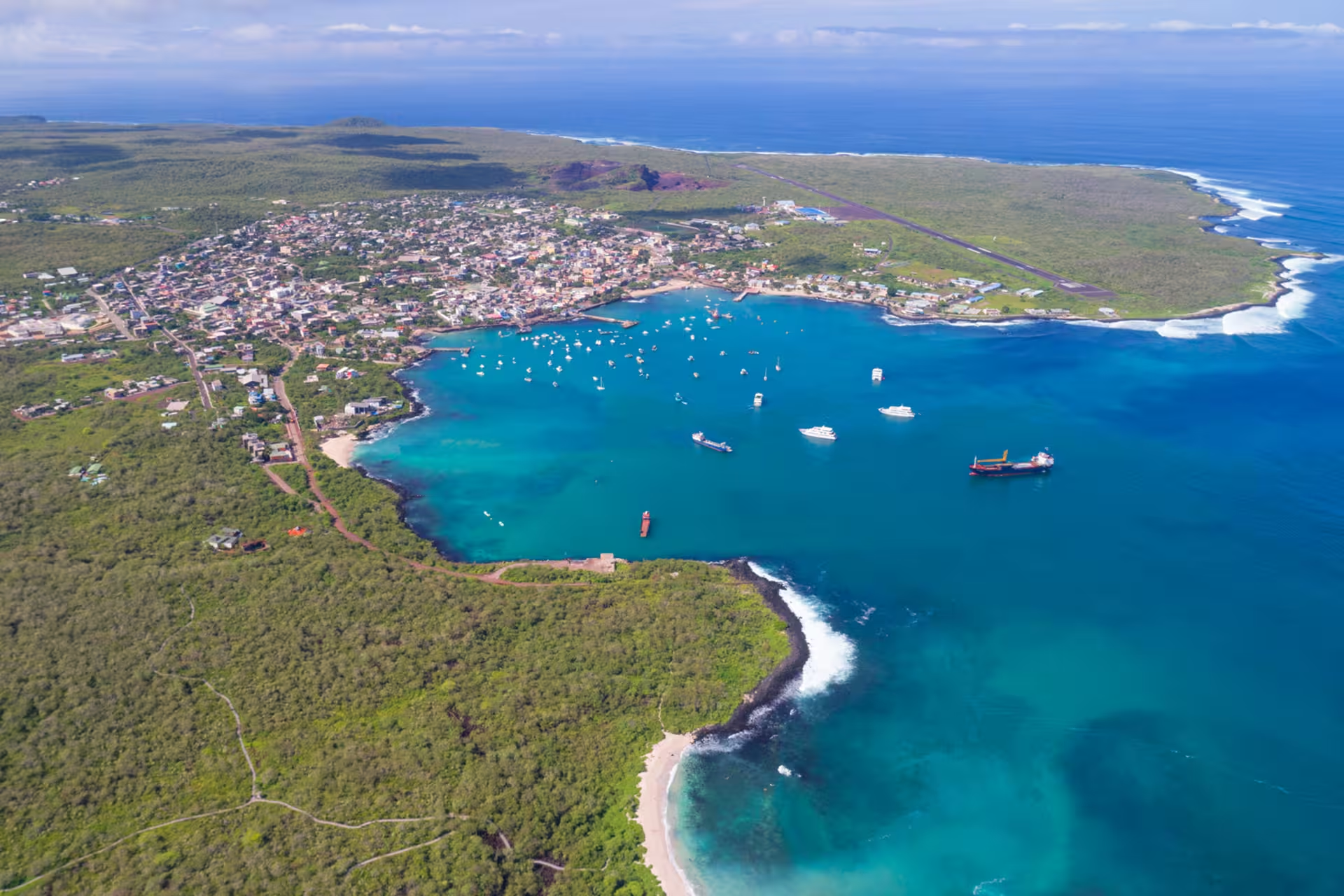
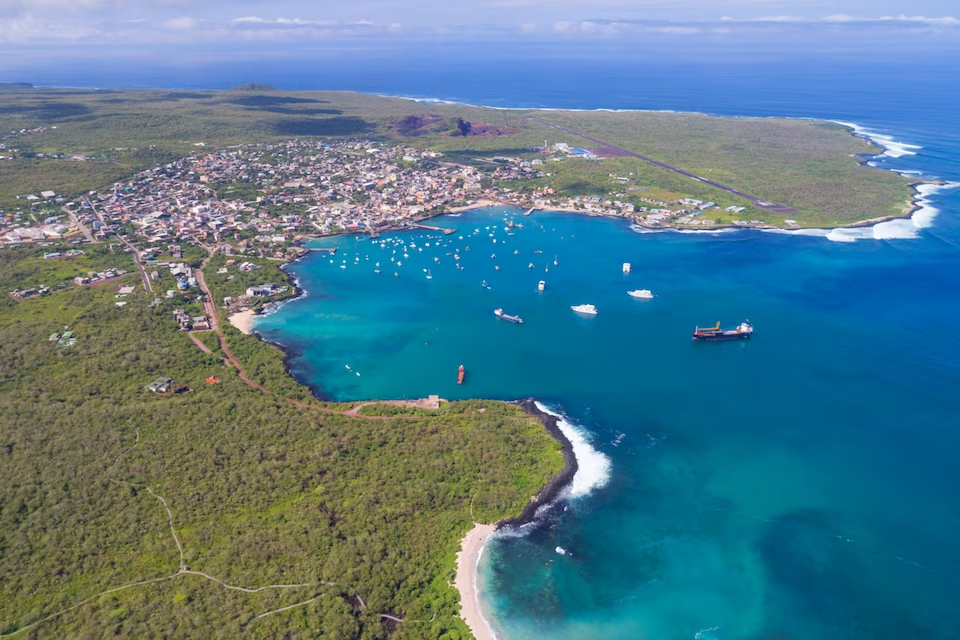
Galápagos is a distinct charter realm rather than an extension of the mainland coast. Puerto Ayora on Santa Cruz is a central hub, while Puerto Baquerizo Moreno on San Cristóbal and Puerto Villamil on Isabela provide other important island bases. Floreana’s Puerto Velasco Ibarra is smaller and more remote. Access to visitor sites is regulated, so the experience is determined as much by an authorized itinerary as by the vessel itself. Travelers should compare routes according to the islands and wildlife sites included, rather than assuming every cruise can visit the same places.
What cruising conditions are like
Ecuador’s mainland coast is exposed to Pacific swell generated in both hemispheres. Longer passages between ports can therefore feel more ocean-going than sheltered coastal cruising. Inside the Gulf of Guayaquil and selected estuaries, conditions may be more protected, but tidal channels, river bars and shipping traffic introduce different operational demands.
Around Galápagos, deep surrounding water, trade winds, upwelling and converging currents produce noticeable local differences in sea state and water temperature. Conditions can change between islands, and open inter-island transfers may be lively even when the weather appears settled ashore. The first half of the year generally brings more stable inter-island seas; from July through December, stronger swell and rougher passages are more common.
These conditions make local operational knowledge especially valuable. In Galápagos, licensed vessels and approved itineraries structure the trip. On the mainland, route planning should account for exposed stretches and the considerable distances between suitable ports rather than treating the coast as a continuous chain of leisure marinas.
When to charter
There is no single best boating season for all of Ecuador. Galápagos tourism operates throughout the year, but the character of a cruise changes seasonally. From January through June, inter-island seas are generally more stable and conditions are warmer. The cooler garúa period later in the year tends to bring stronger winds and swell, making some transfers rougher, particularly from July through December.
The broader travel pattern is usually more active from December through May, while June through November functions more as a shoulder period. This distinction should not be interpreted as a universal national forecast or a guarantee of lower prices. Mainland conditions vary with latitude, exposure and local weather, and they do not follow exactly the same pattern as the islands.
El Niño events can substantially alter rainfall, wind, sea temperature, currents and swell in both regions. Seasonal guidance is therefore useful for setting expectations, but current marine forecasts and local operating advice remain essential when confirming a route.
Routes and itinerary styles
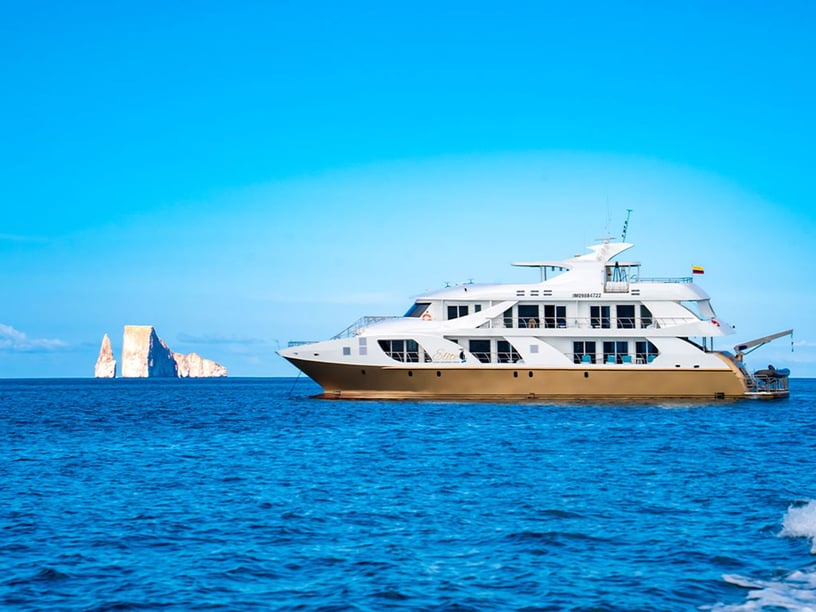
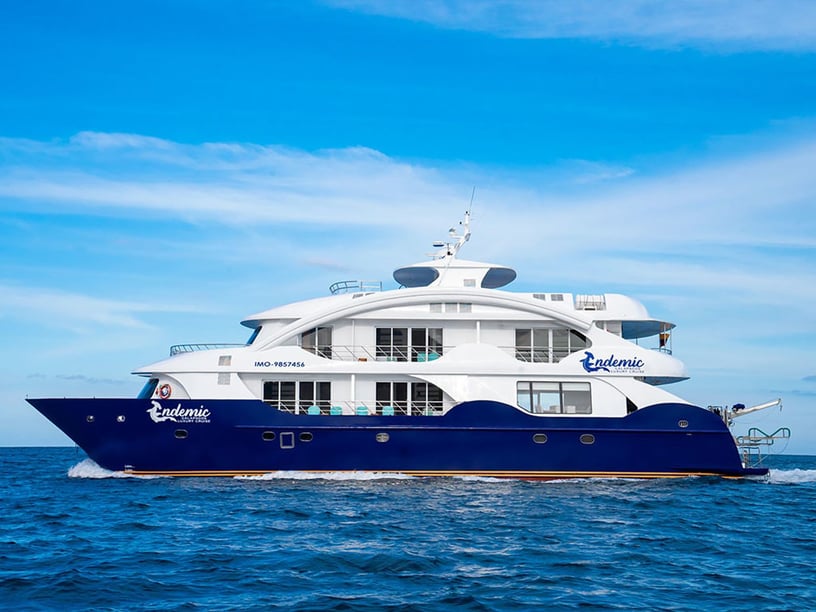
Galápagos cruises connect designated marine and terrestrial visitor sites through park-authorized itineraries. Rather than planning an unrestricted island-hopping route, travelers choose among licensed programs that may include different combinations of Santa Cruz, Isabela, San Cristóbal, Floreana and more remote islands. Inter-island passenger boats also link Santa Cruz with San Cristóbal, Isabela and Floreana, although these transfers are transport services rather than leisurely scenic cruises and commonly take two to three hours.
On the mainland, one of the clearest short boating experiences is the authorized excursion from Puerto López to Isla de la Plata. Longer coastal passages may connect areas such as Salinas, Manta and Bahía de Caráquez, but the open-Pacific exposure and spacing of ports make these trips operationally different from compact cruising grounds.
Wildlife, coast and culture
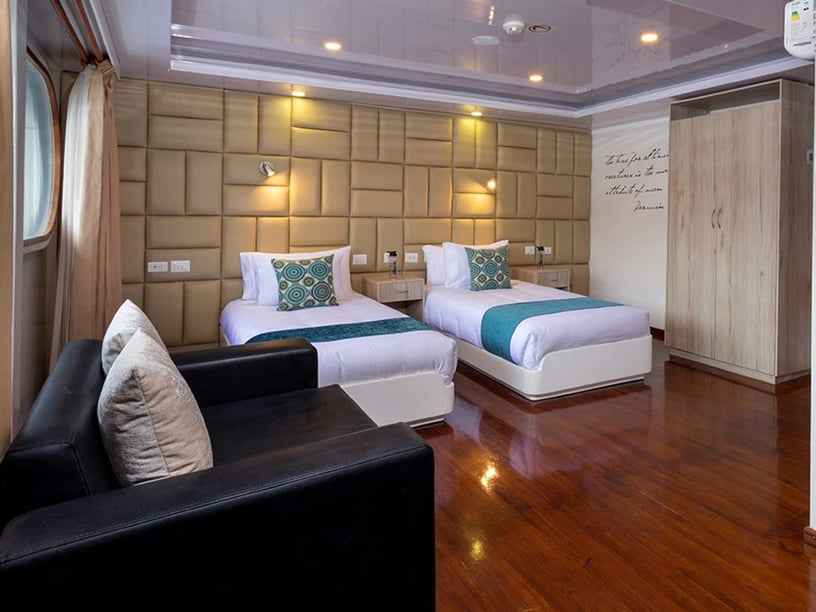
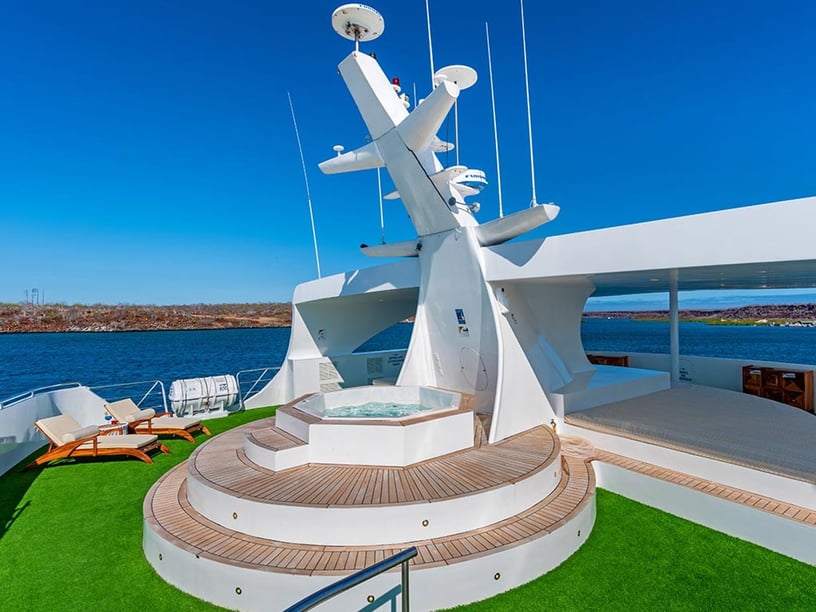
Marine life is central to boating in Ecuador. Galápagos cruises combine navigation between volcanic islands with guided visits to protected terrestrial and marine sites. Snorkeling, diving, wildlife observation and scenic cruising are characteristic activities, although the precise experience depends on the vessel’s authorized itinerary. The archipelago’s conservation system uses designated sites, permits and naturalist guides to manage access.
On the mainland, seasonal humpback-whale excursions are associated particularly with Puerto López and Isla de la Plata. Machalilla National Park also brings together coastal water, beaches, dry forest and archaeological context, creating a trip that can combine time aboard with guided exploration ashore.
History adds another layer. Charles Darwin visited Galápagos aboard HMS Beagle in 1835, and observations from the islands contributed to his later work on evolution. Along the Manabí coast, the pre-Hispanic Manteño culture maintained ports and maritime exchange networks for centuries. Meals ashore can further connect a trip to the coast through ceviche, coconut-based encocado and encebollado, the hot albacore-and-yuca soup closely linked with Guayaquil and Guayas.
Getting there and choosing a departure point
Guayaquil and Quito are Ecuador’s principal international gateways. Guayaquil is the more direct starting point for the southern mainland coast, including Salinas, La Libertad and the Gulf of Guayaquil. Manta has a domestic airport and serves the central coast, while Puerto López and Bahía de Caráquez are generally reached by road.
Most visitors reach Galápagos by flying from mainland Ecuador to Baltra or San Cristóbal. Baltra connects onward to Santa Cruz by ferry and road, making Puerto Ayora accessible for cruises and island services. San Cristóbal Airport is close to Puerto Baquerizo Moreno. Isabela is reached by inter-island aircraft or passenger launch, with Puerto Villamil serving as its principal settlement and harbor.
A practical departure point should be selected only after checking the operating itinerary. In Galápagos, the airport used, embarkation harbor and first visitor site may be linked to a specific licensed cruise program.
Planning the right charter format
Begin by deciding whether the priority is a mainland coastal trip or a Galápagos wildlife itinerary. The mainland calls for attention to passage distances, exposed Pacific conditions and the facilities available at individual ports. Galápagos requires a closer comparison of licensed vessels, authorized routes, guided activities and embarkation logistics.
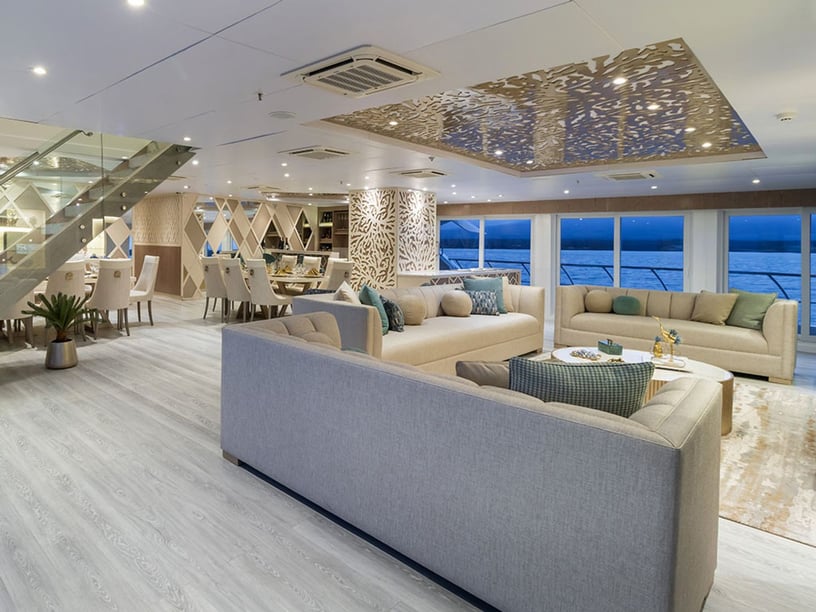
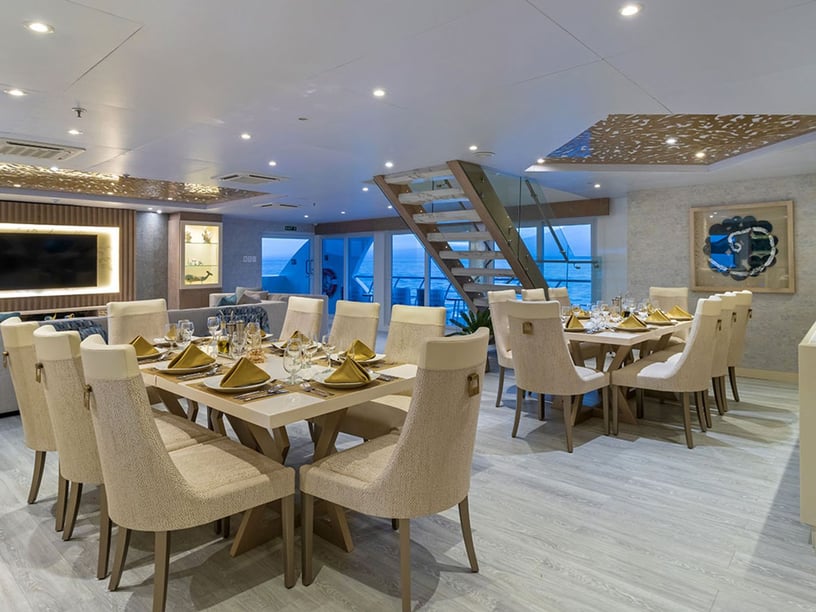
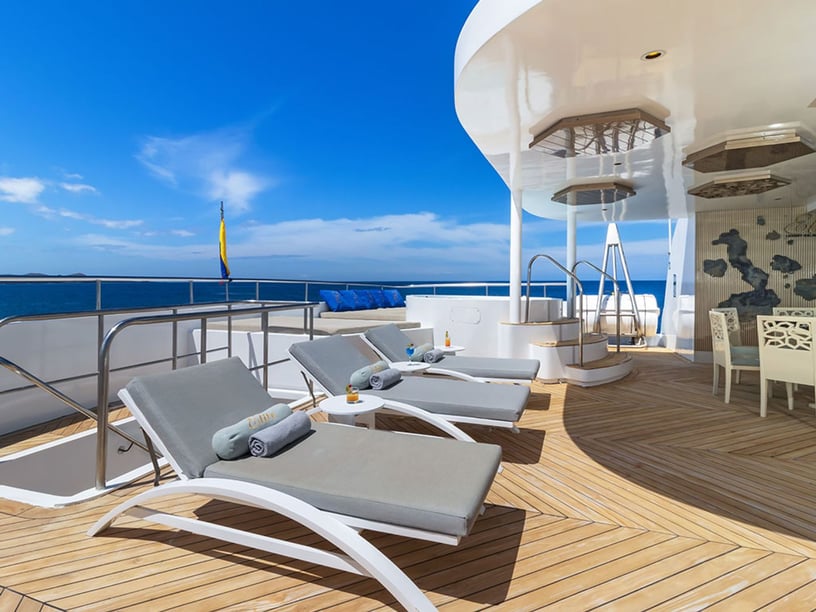
Travelers considering boat rental in Ecuador should confirm exactly what is being offered. A day boat to a protected site, an inter-island passenger launch, a licensed expedition cruise and a private-yacht passage serve very different purposes. Passenger launches are primarily point-to-point transport, while an expedition itinerary integrates accommodation, navigation and controlled visits. Independent non-commercial vessels entering Galápagos must arrange procedures in advance through a shipping agent registered in the province.
Strict biosecurity checks apply to vessels, baggage and supplies bound for the archipelago, helping prevent invasive species from reaching the islands. Access to protected visitor sites is controlled, and Isla de la Plata and regulated areas of Machalilla National Park should likewise be visited through authorized operators and accredited guides. For any passage, current nautical charts, tide information, notices to mariners and wave bulletins should take precedence over general seasonal summaries.