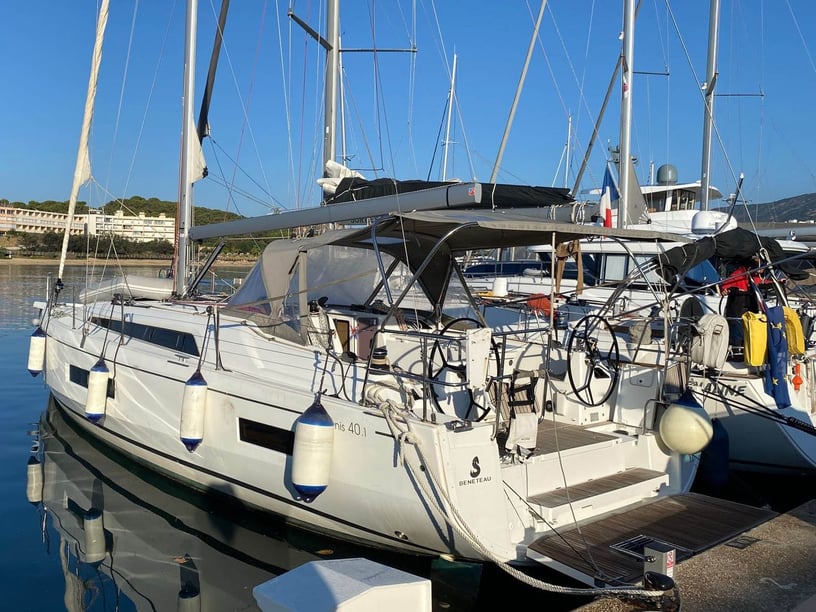
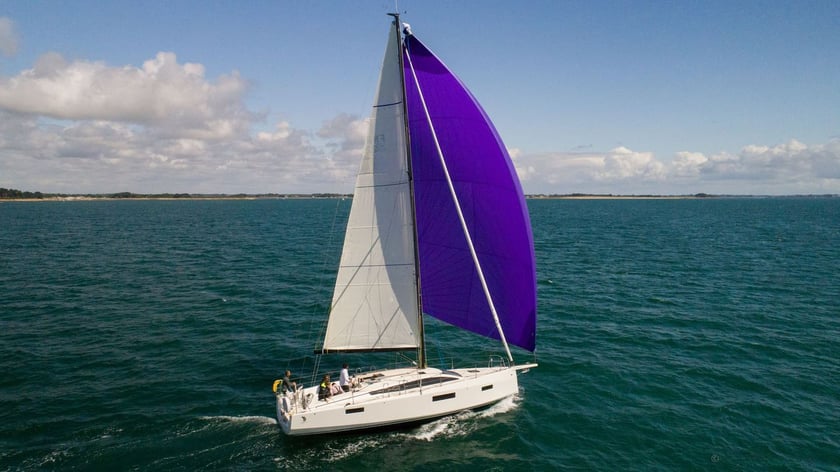
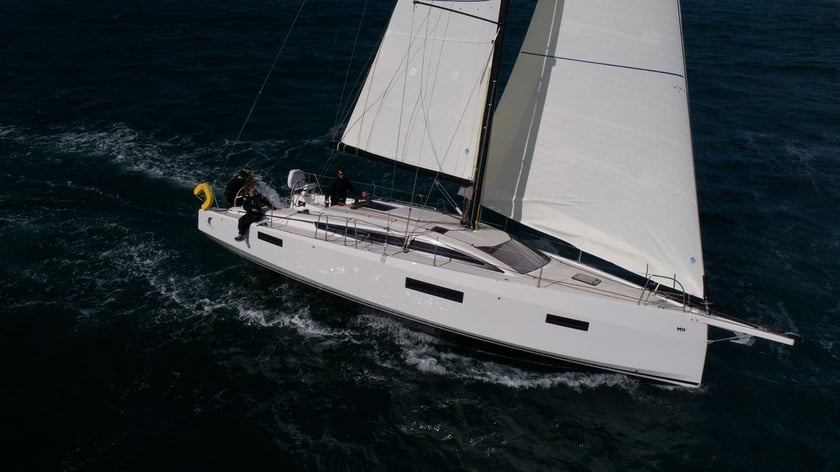
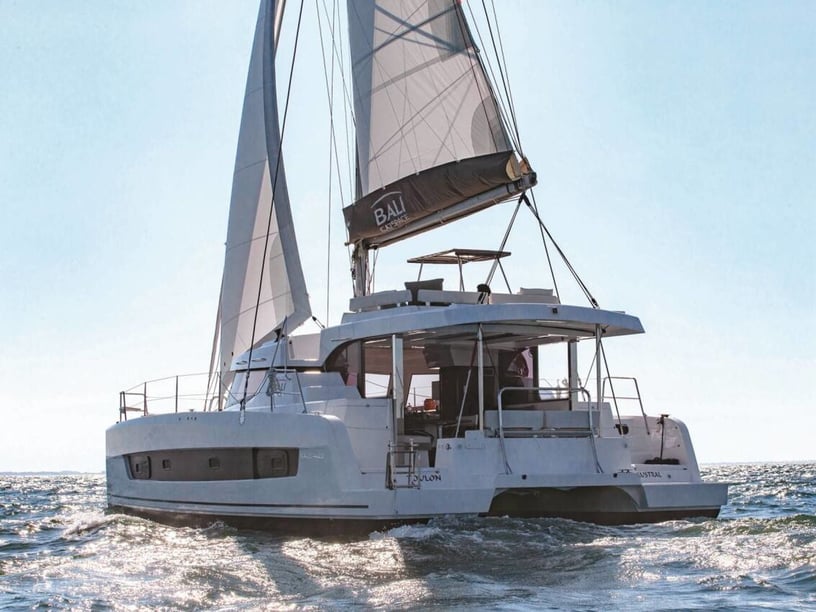
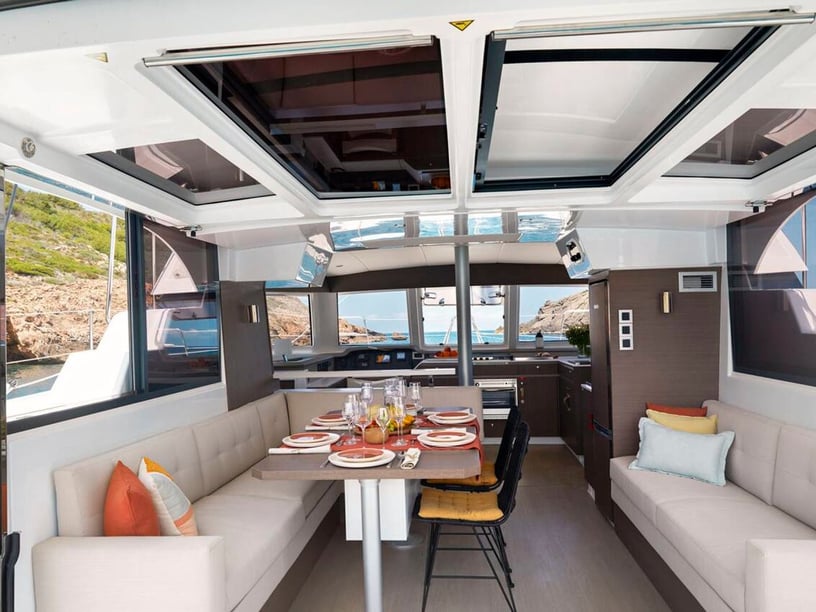
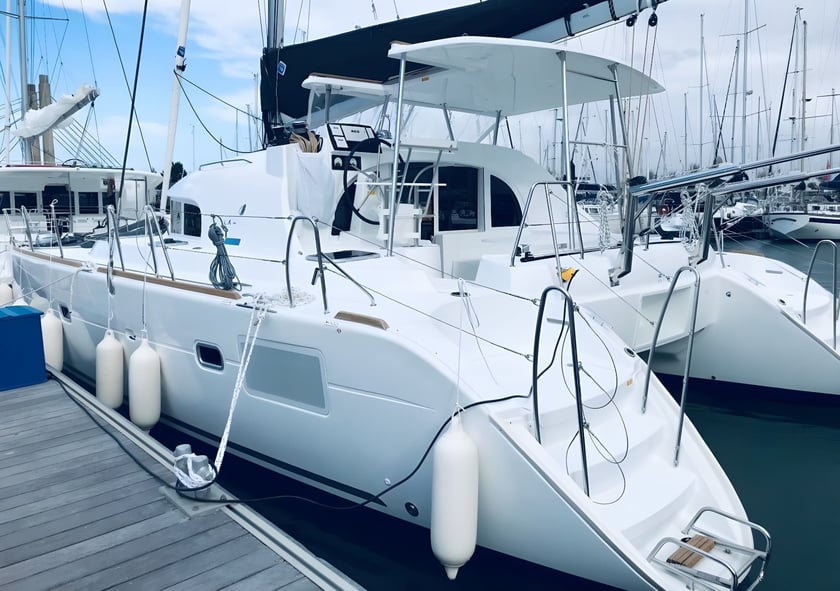
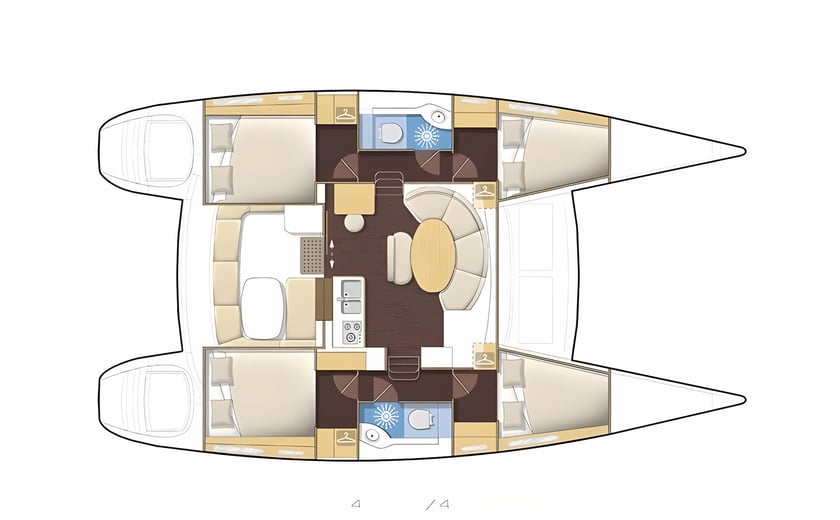
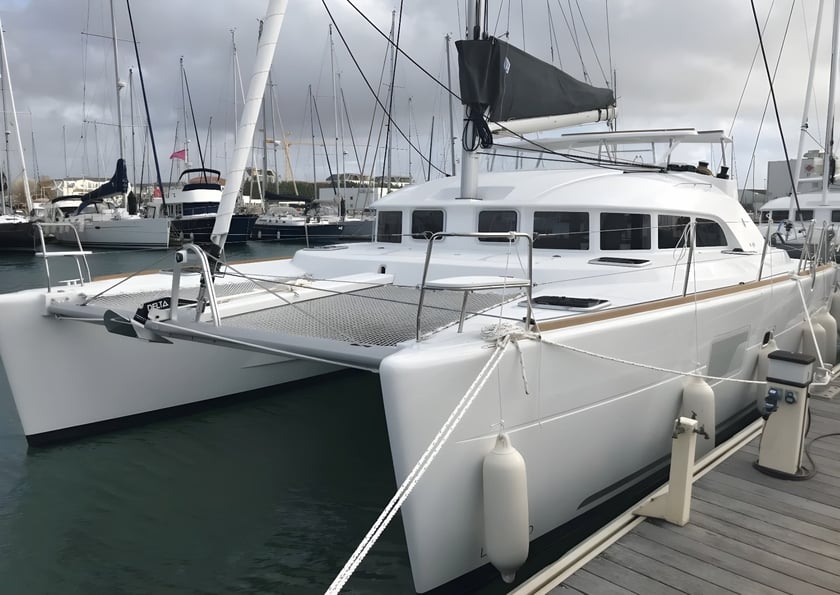
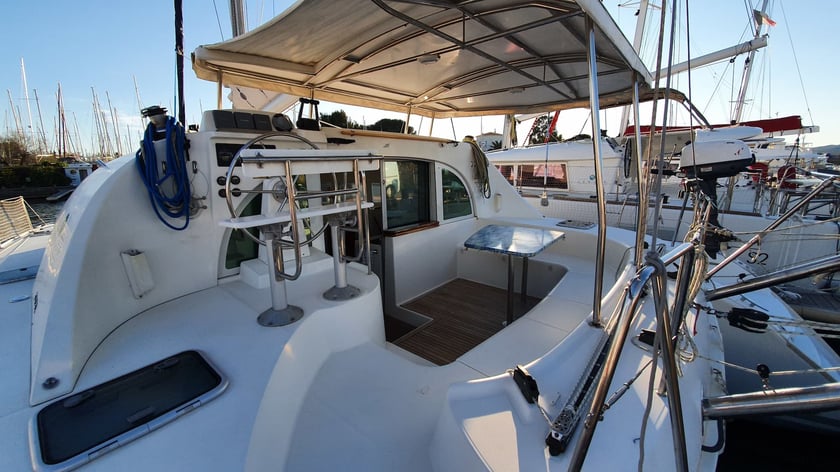
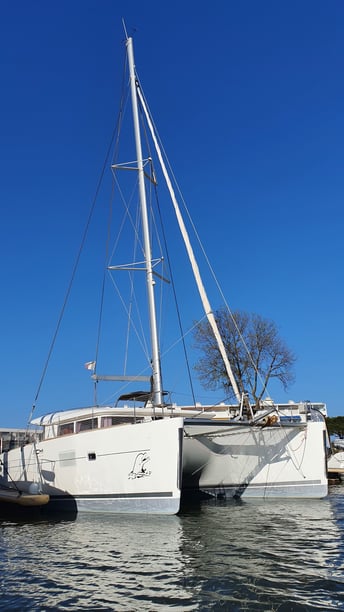
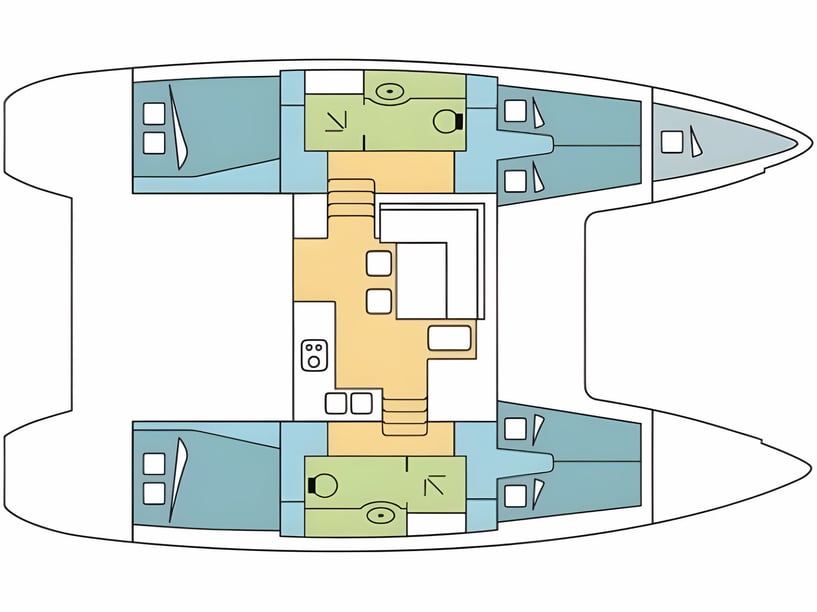
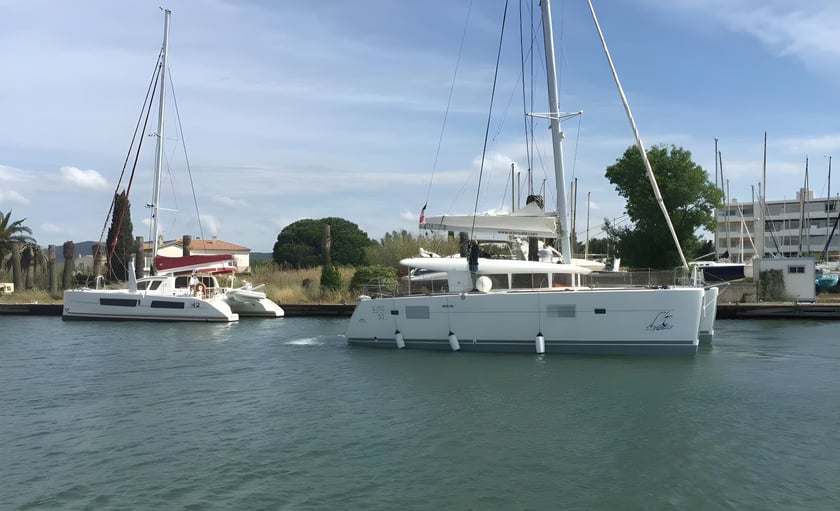
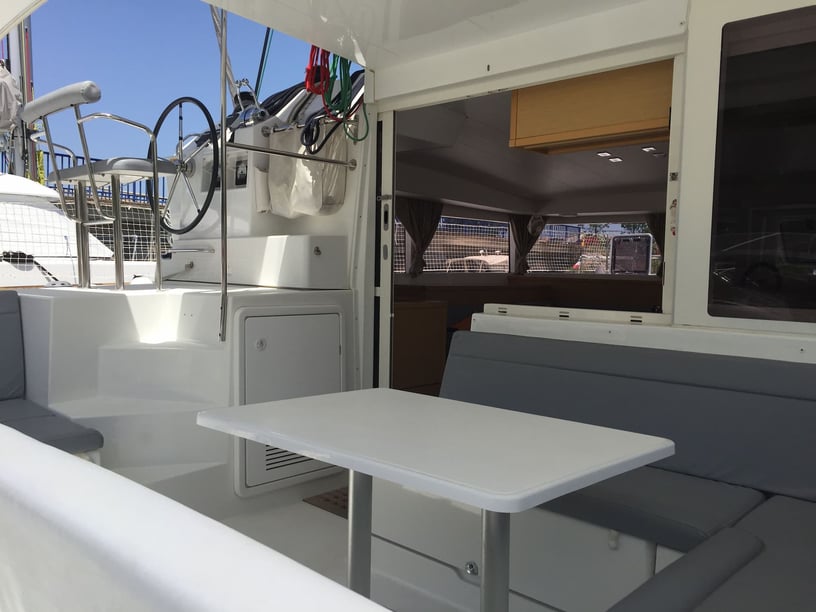
Yacht charter in Bormes-les-Mimosas
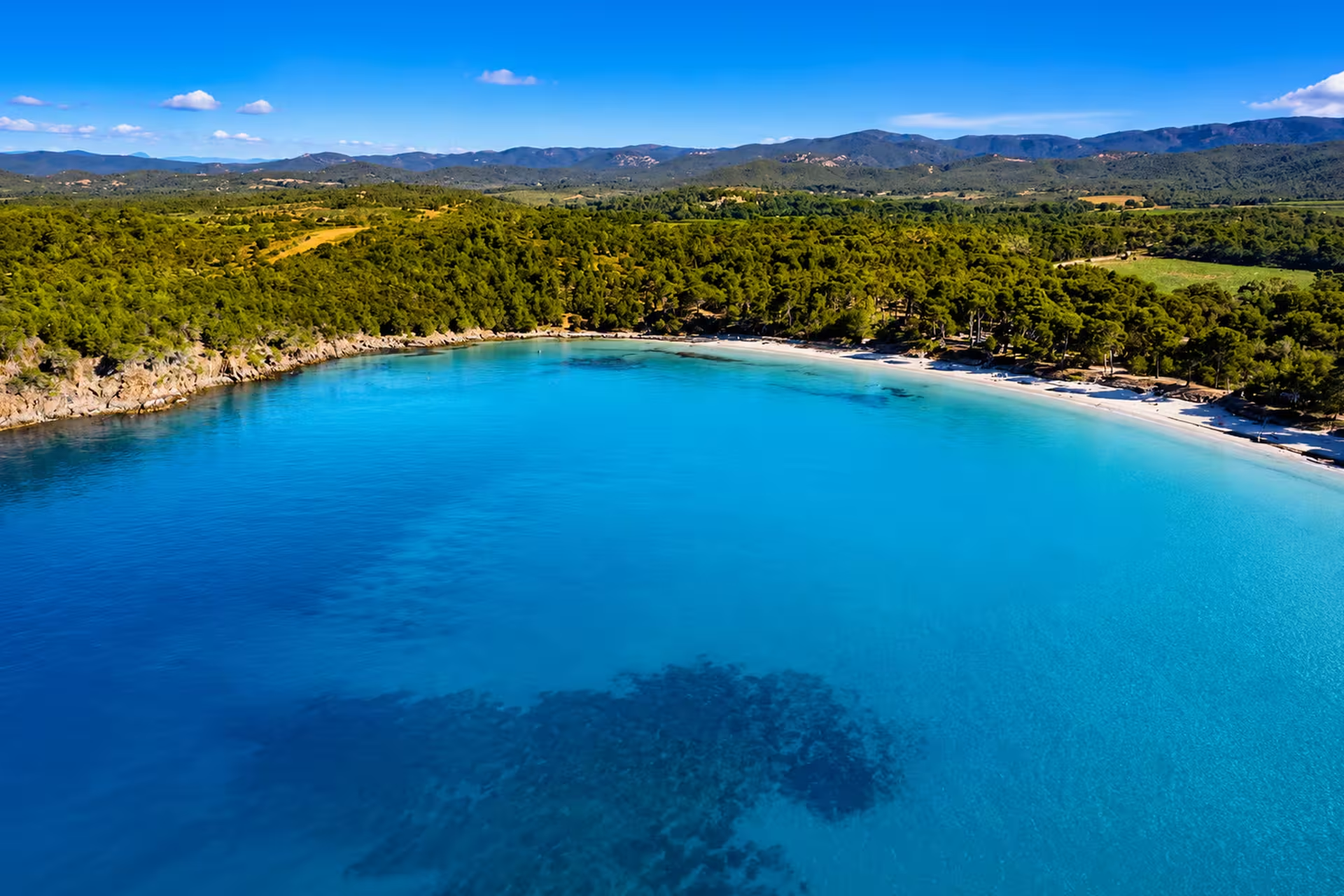
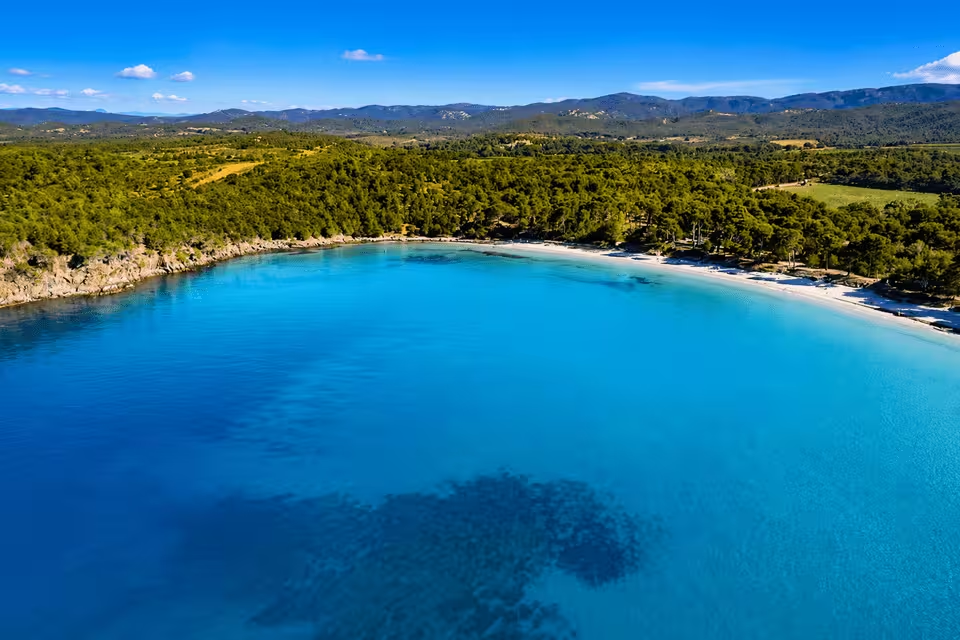
A yacht charter in Bormes-les-Mimosas combines the varied coastline of the Var with practical access to the Îles d’Hyères. The commune reaches from the wooded Massif des Maures to the Mediterranean, encompassing sandy beaches, rocky headlands and small coves around the Bay of Bormes. Its marina is in La Favière, below and several kilometers from the medieval hillside village.
This setting supports both local days on the water and island cruises toward Port-Cros and Porquerolles. Travelers can divide their time between swimming and coastal sailing, visiting protected island landscapes and going ashore to explore the historic village. Those comparing this area with other coastal regions can also browse yacht charters in France.
Coastal and island places to explore
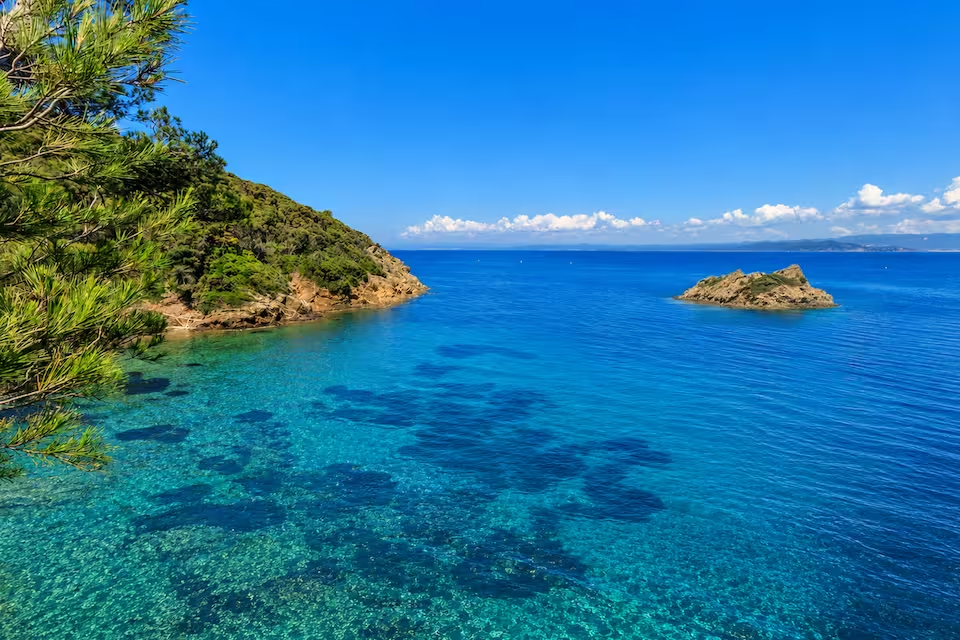
The Îles d’Hyères are the principal offshore focus. Port-Cros is associated with the protected waters and landscapes of Port-Cros National Park, while Porquerolles can form part of a longer westward leg across the Roadstead of Hyères. Île du Levant is another feature of the island group, although access, stopping options and local regulations should be checked when shaping a route.
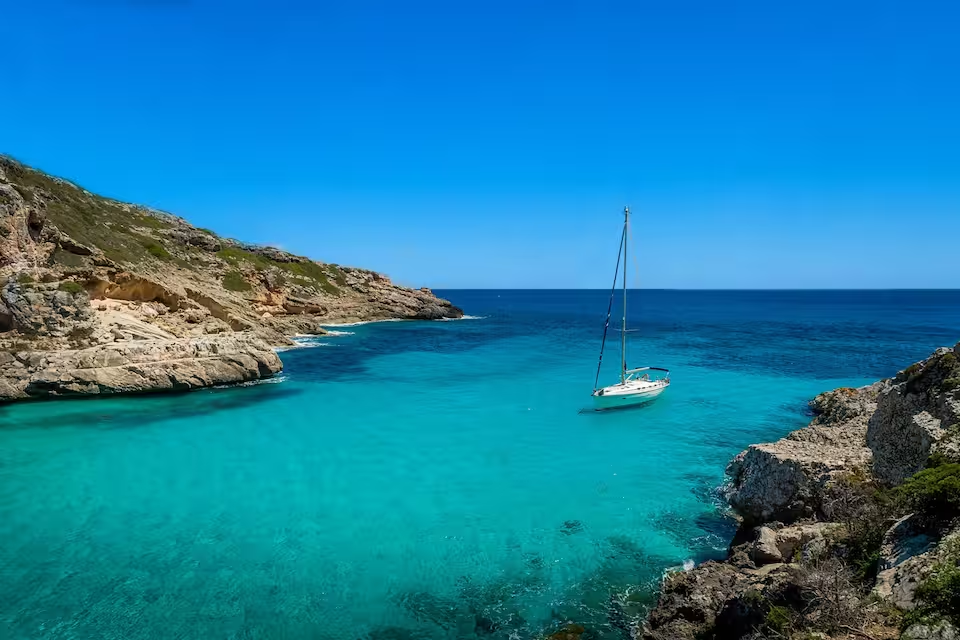
Closer to Bormes, Cap Bénat separates stretches of sandy coast from smaller coves and rocky points. Cabasson and the waters near Fort de Brégançon are suited to a coastal excursion in settled weather, subject to anchoring restrictions and sea conditions. Le Lavandou, immediately along the coast, provides another harbor reference and may be useful when weather, berthing arrangements or shore plans make an alternative stop preferable.
What sailing around Bormes is like
Cruising here ranges from line-of-sight sailing within the Bay of Bormes to short offshore passages toward Port-Cros and longer legs to Porquerolles. Port de Bormes-les-Mimosas offers a sheltered starting point, but conditions become more exposed around the islands and open headlands.
Summer weather is generally warm, dry and comparatively calm, with afternoon breezes often shaping the day’s timing. Strong mistral episodes can still interrupt otherwise settled periods. Port-Cros harbor is particularly exposed during a mistral and may become unsafe or close in strong winds. Autumn more often brings easterly winds, rain and swell, while winter and early spring are cooler and more weather-dependent. Overall difficulty is moderate: the distances can suit relaxed coastal cruising, but forecasts, exposure and protected-area rules require careful planning.
The best time to charter
May through October is the main practical yacht-charter season around Bormes-les-Mimosas. July and August bring the warmest water and driest weather, but they are also the busiest months for marinas and anchorages. Advance planning is particularly important during this peak period.
May, June and September are especially suitable choices. They generally combine favorable sailing weather with less pressure than the height of midsummer, although conditions and availability are never guaranteed. April and October can support enjoyable trips when the forecast is settled, but weather is less consistent. From November through March, cooler temperatures, stronger winds and greater variability make cruising more dependent on short-term conditions.
Route ideas from Bormes-les-Mimosas
A local coastal outing can follow the shore from La Favière toward Cap Bénat, Cabasson and Fort de Brégançon. This works best as a flexible day trip, with swimming or daytime stops selected according to wind, swell, seabed and current restrictions.
For a longer charter, Port-Cros and Porquerolles can be connected into an Îles d’Hyères cruise. Port-Cros is the more direct offshore objective from Bormes, while continuing west to Porquerolles creates a broader itinerary across the Roadstead of Hyères. Overnight arrangements should remain adaptable because harbor exposure, demand and national-park regulations can affect the plan.
Experiences on the water and ashore
Swimming, snorkeling and diving are natural priorities along this mixture of beaches, coves and rocky capes. A yacht also makes it possible to experience the contrast between the mainland shore and the protected island environment without treating every day as a long passage.
Ashore, Bormes has two distinct centers. La Favière is the marina and beach district, while the medieval village occupies the hillside above the coast, with Provençal architecture and a strong botanical identity linked to mimosa cultivation. Fort de Brégançon provides a prominent historic landmark on the coastal approach. Its role as an official presidential residence, together with the older strategic importance of the site, adds cultural context to a day spent cruising nearby.
Getting there and choosing a departure point
Toulon-Hyères Airport is the closest airport, while Marseille Provence and Nice Côte d’Azur offer additional access options. Toulon and Hyères are the relevant rail gateways, followed by regional bus, taxi, private transfer or rental car.
Travelers should specify Port de Bormes-les-Mimosas or La Favière when arranging onward transport. The marina district is separate from the medieval village, and a service stopping in the inland part of the commune may not be convenient for embarkation. Port de Bormes operates year-round and includes boatyard, repair and maintenance services. Port du Lavandou is another nearby departure reference, while Hyères and La Tour Fondue provide alternative passenger connections to the islands when seasonal services from Bormes are not operating.
Planning your charter
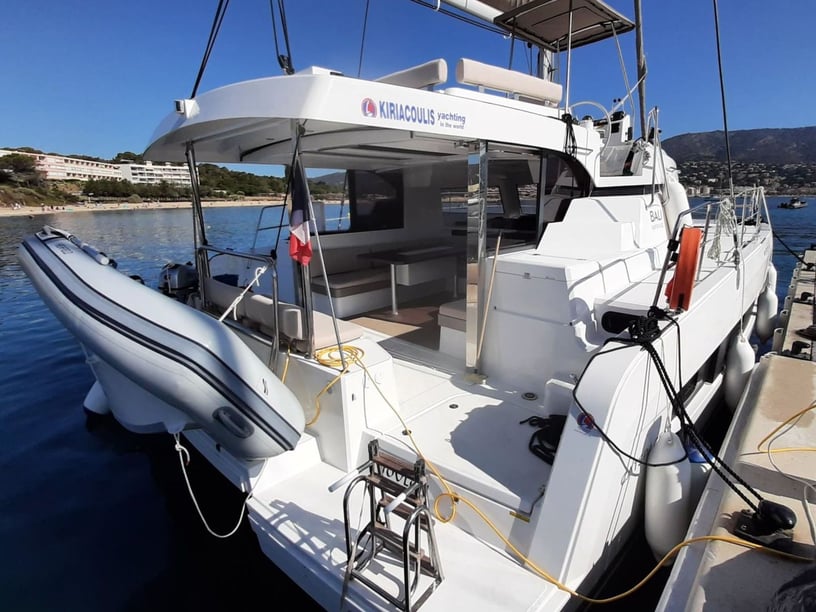
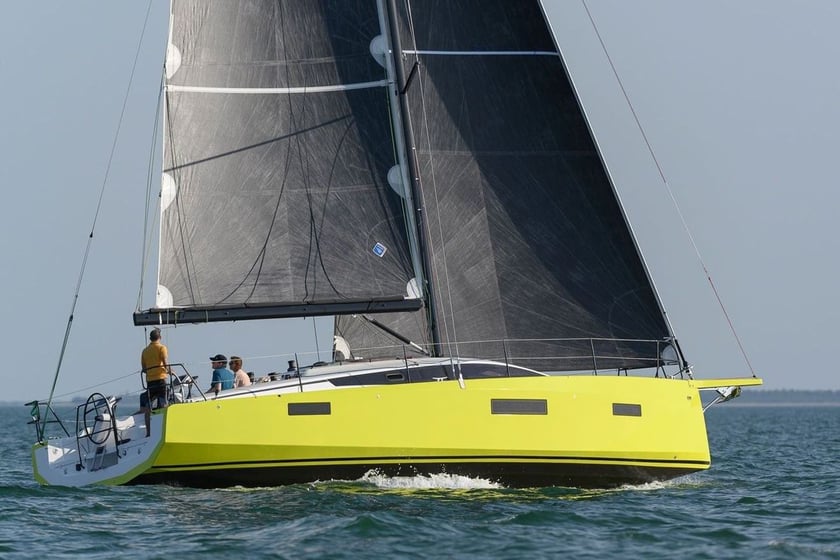
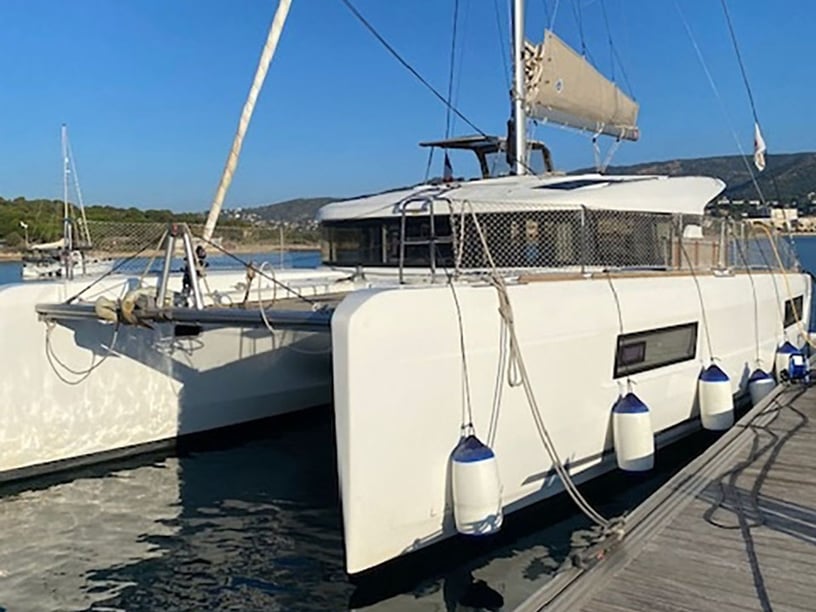
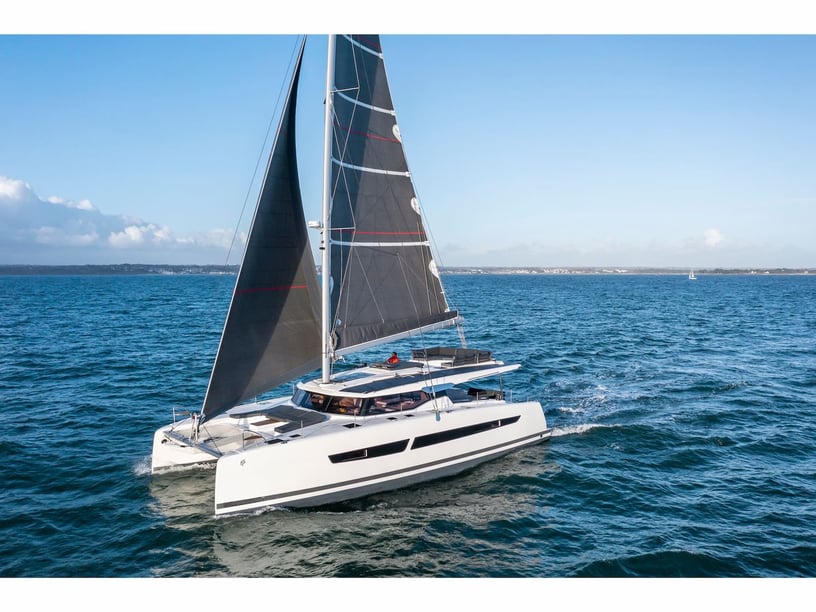
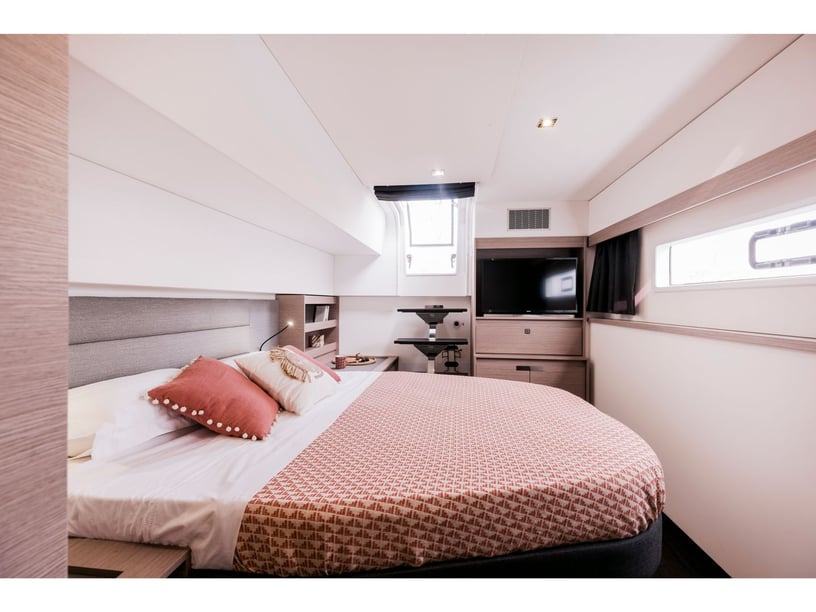
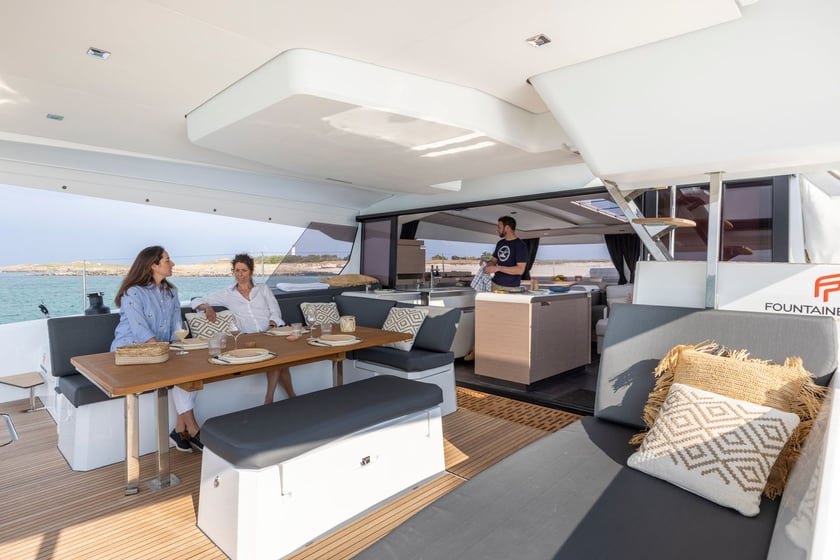
When comparing yacht charter or boat rental in Bormes-les-Mimosas, begin with the intended route rather than the greatest possible distance. A local coastal day requires different timing and onboard arrangements from an island itinerary with overnight stops. The area’s moderate sailing difficulty also makes relevant experience an important consideration when deciding between independent sailing and a charter with professional crew; specific formats should be confirmed for the chosen dates.
Protected waters require additional preparation. Mooring, anchoring, speed and diving rules apply around Port-Cros and Porquerolles, and current national-park charts and navigation notices should be reviewed before departure. Anchoring must avoid protected Posidonia seagrass, using designated moorings or permitted sandy seabeds where appropriate. Summer fire restrictions may also limit access to coastal paths or parts of the islands, even when arrival by sea remains possible.
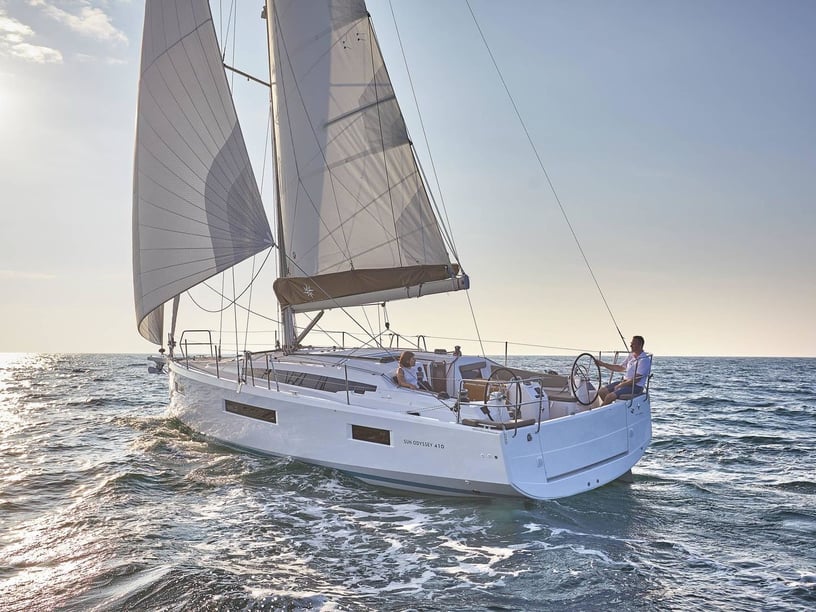
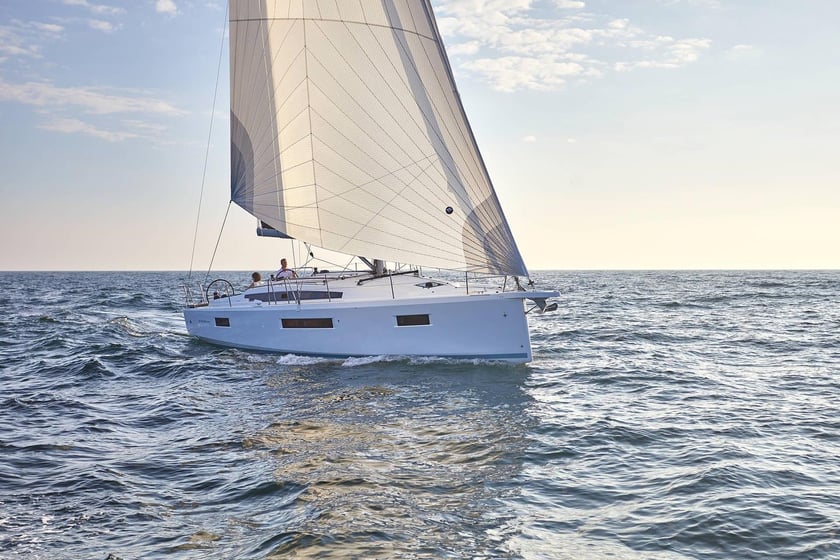
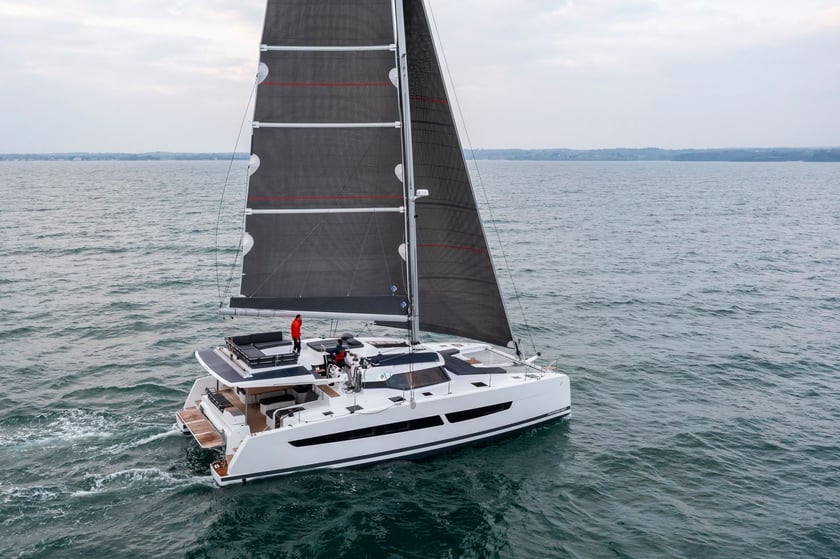
Travelers interested primarily in wind-powered cruising can compare the dedicated sailboat charter options for Bormes-les-Mimosas. Whatever the format, keeping the route flexible allows the skipper to respond to mistral conditions, harbor status and changing swell.